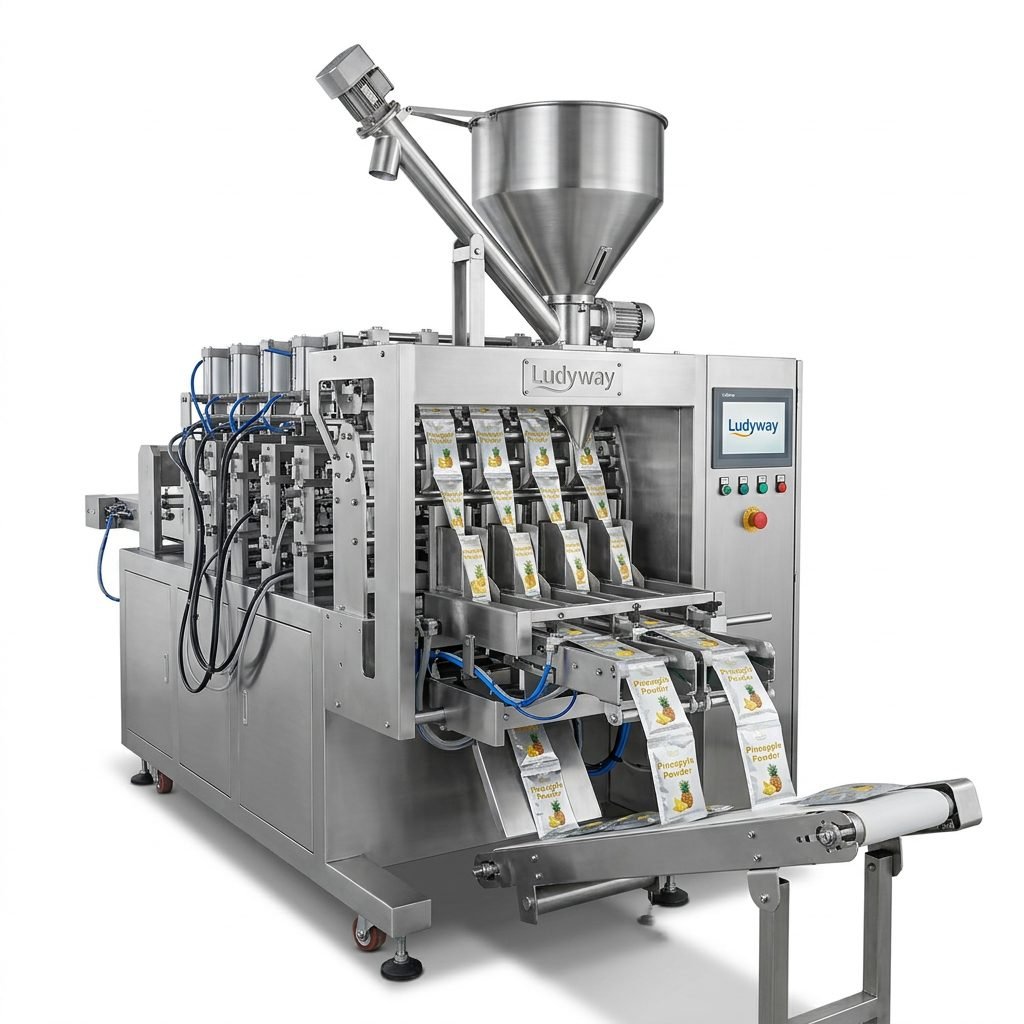
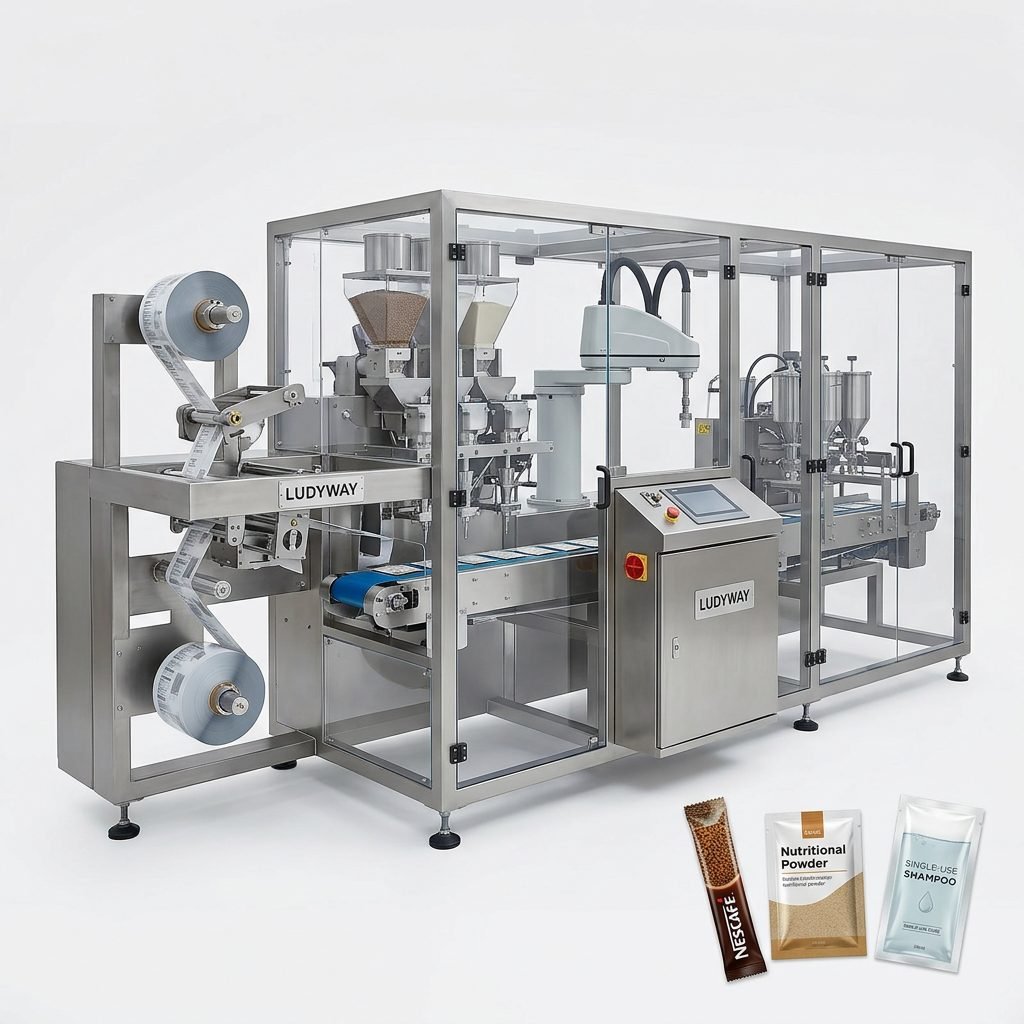
Stand-up pouch filling machines have become a preferred packaging solution for brands that need speed, precision, and attractive shelf presentation. Whether you pack sauces, beverages, detergents, nutrition powders, spices, or pharmaceutical formulations, these systems help streamline production while maintaining product quality and sealing consistency.
For manufacturers handling both liquid and powder products, choosing the right machine can reduce downtime, improve dosage accuracy, and support scalable automation. Modern equipment is designed to work with a wide range of pouch formats, product viscosities, and output requirements, making it ideal for growing packaging operations.
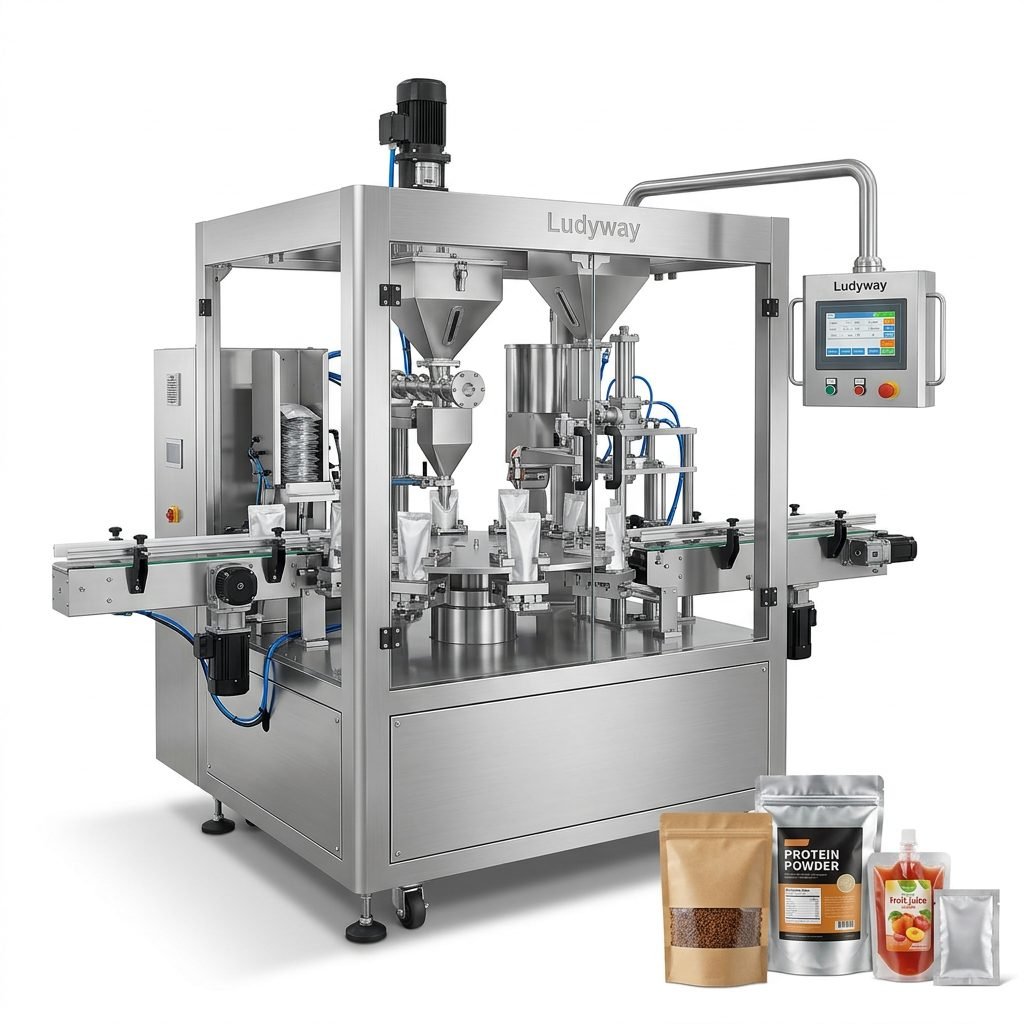
Why Stand-Up Pouches Are So Popular
Stand-up pouches combine practical storage with strong visual appeal. Their upright design improves display performance in retail environments, while lightweight flexible packaging reduces transportation and warehousing costs compared with rigid containers.
- Easy to display on shelves
- Lower packaging material and shipping cost
- Good barrier protection for moisture, oxygen, and light
- Available with zippers, spouts, tear notches, and custom shapes
- Suitable for food, pharmaceutical, personal care, and chemical products
This format is especially effective for brands that want convenient packaging without sacrificing professional appearance. It also supports both small retail packs and larger refill pouches.
What Is a Stand-Up Pouch Filling Machine?
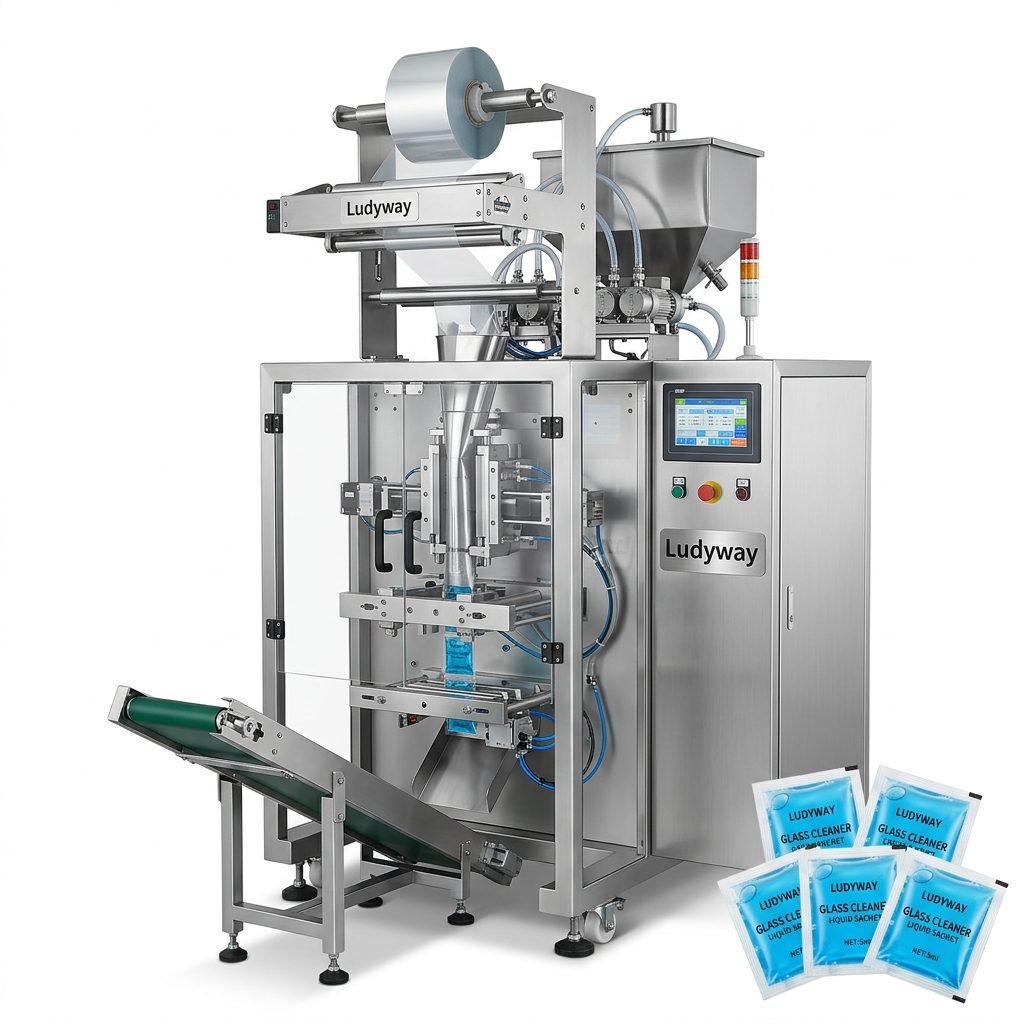
A stand-up pouch filling machine is an automated system that fills premade pouches or forms pouches, then seals them for final packaging. Depending on the product type, the machine may use piston filling, auger dosing, screw feeding, pump filling, gravity filling, or multi-head weighing technology.
These machines are commonly used for:
- Liquid products such as sauces, oils, juices, detergents, and gels
- Powder products such as milk powder, coffee, protein powder, spices, and pharmaceutical powders
- Granules and mixed-flow materials
Key Benefits for Liquid and Powder Packaging
| Benefit | How It Helps Production |
|---|---|
| High filling accuracy | Reduces product giveaway and maintains batch consistency |
| Fast output | Supports higher daily capacity and shorter lead times |
| Reliable sealing | Improves shelf life and prevents leakage or contamination |
| Flexible pouch compatibility | Handles different sizes, structures, and closure options |
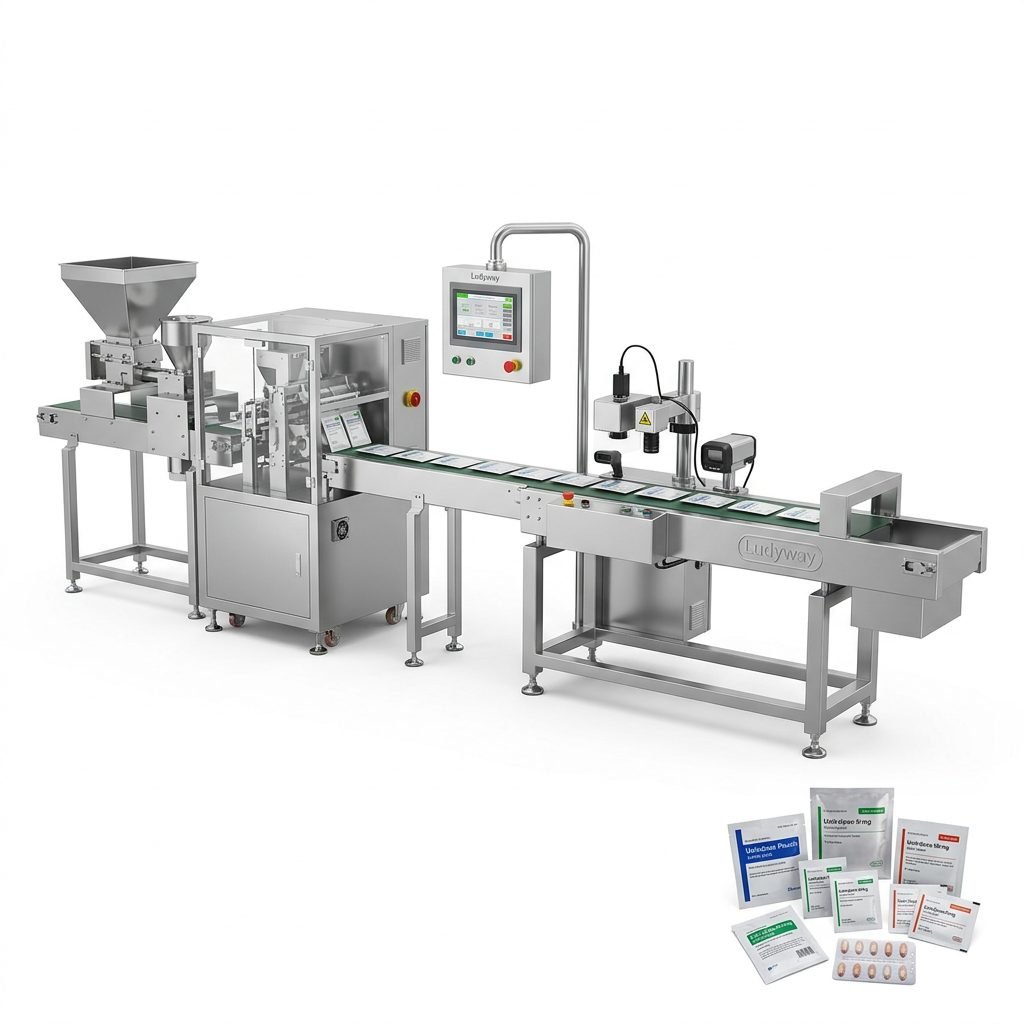
| Automation integration | Works with conveyors, coding, inspection, and cartoning systems |
Applications for Liquid Products
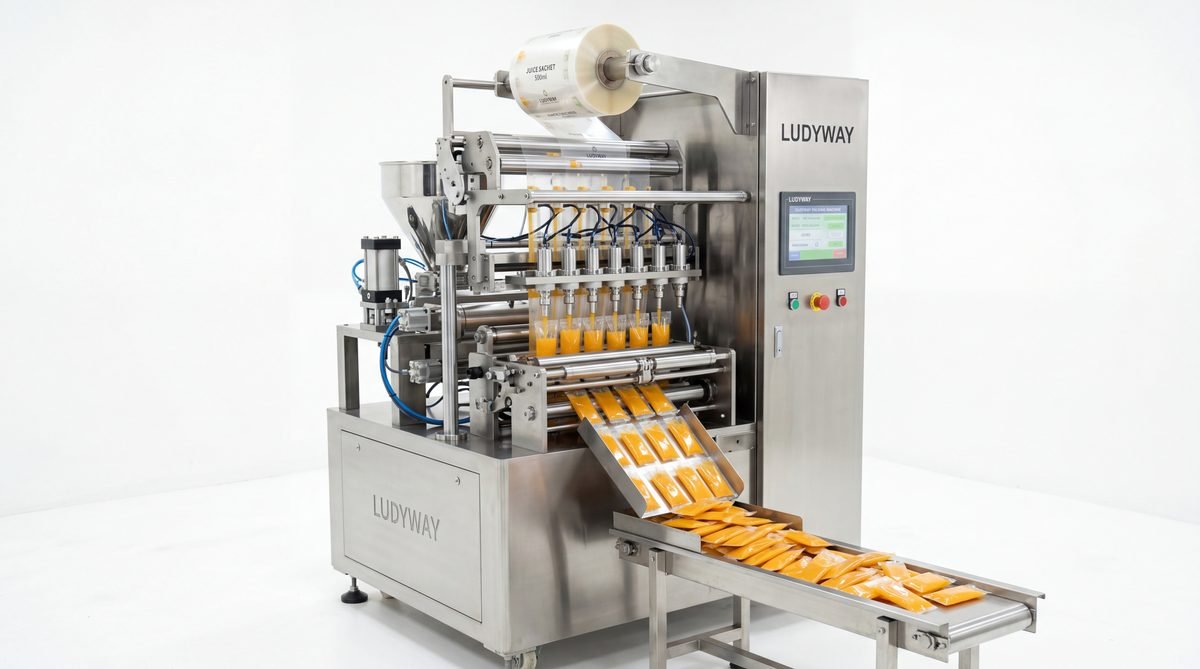
Liquid stand-up pouch filling machines are widely used for free-flowing liquids, viscous liquids, and semi-liquid products. The correct filling technology depends on the product’s thickness, temperature, foaming behavior, and hygienic requirements.
Common liquid applications
- Cooking oil, olive oil, vinegar, and condiments
- Tomato sauce, ketchup, mayonnaise, and hot sauce
- Shampoo, lotion, hand sanitizer, and liquid soap
- Detergents, cleaners, and industrial chemicals
- Oral liquids and healthcare solutions
For these products, high-quality sealing and stable filling volume are essential. Anti-drip nozzles, CIP-ready designs, and temperature-controlled hoppers are often used to improve performance.
Applications for Powder Products
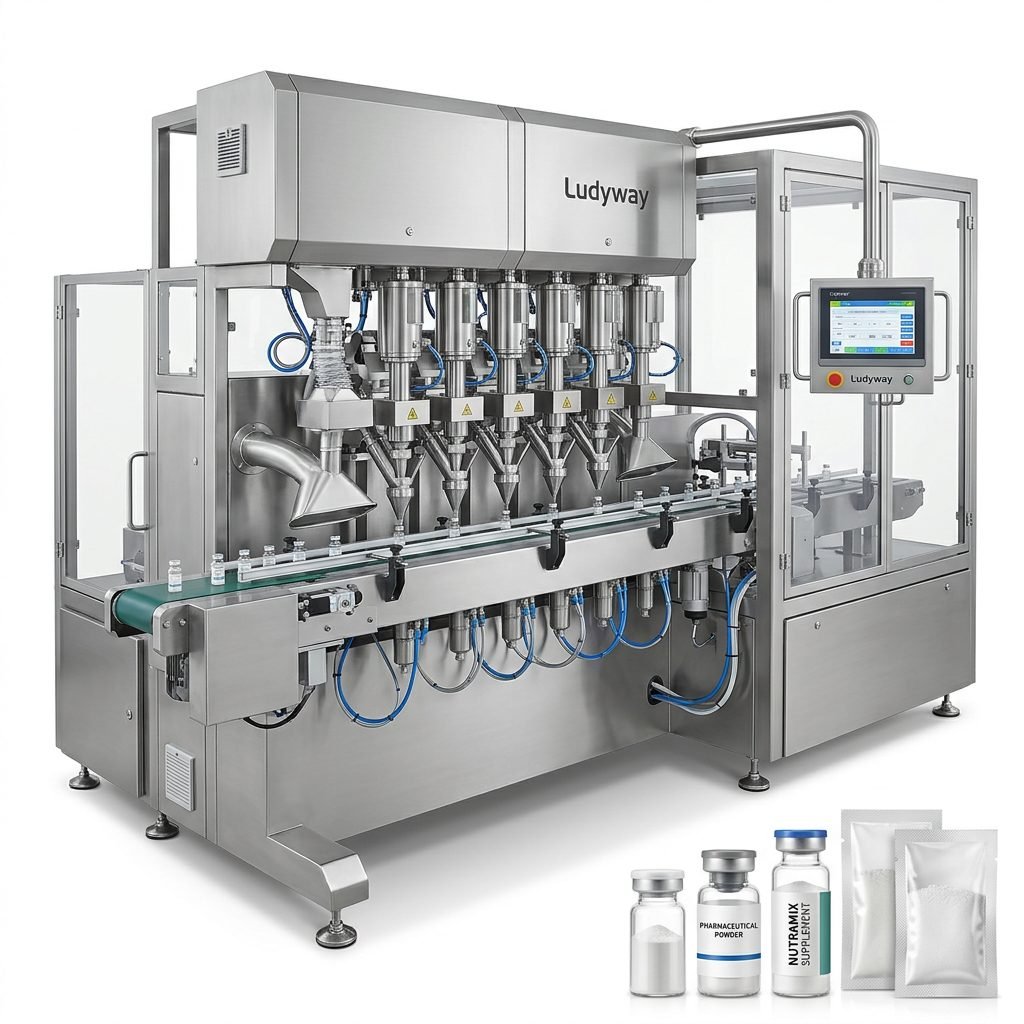
Powder products require accurate metering and clean filling. Dust control, screw precision, and sealing protection are key factors in preventing contamination and ensuring an appealing final package.
Common powder applications
- Protein powder, collagen, and sports nutrition blends
- Coffee powder, milk powder, cocoa, and beverage mixes
- Spices, seasonings, baking ingredients, and soup mixes
- Pharmaceutical and nutraceutical powders
- Chemical powders and industrial additives
Auger fillers are commonly selected for powders because they offer stable dosing accuracy across a broad range of product densities and particle characteristics.
Main Machine Configurations to Consider
Not all stand-up pouch filling machines are built the same. The best configuration depends on your product, target output, pouch format, and automation level.
1. Premade pouch filling and sealing machines
These machines automatically pick up premade pouches, open them, fill the product, and seal the pouch. They are ideal for businesses seeking premium pouch appearance and flexible packaging options.
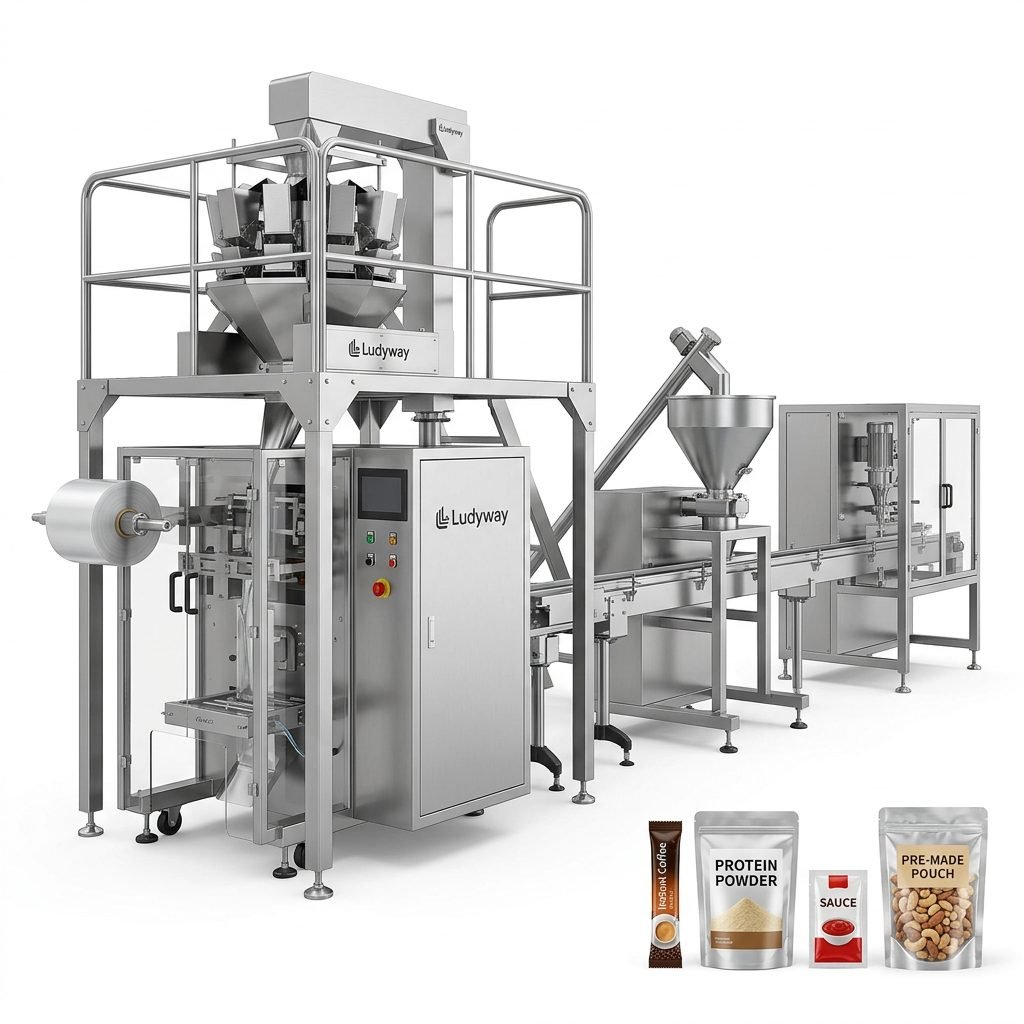
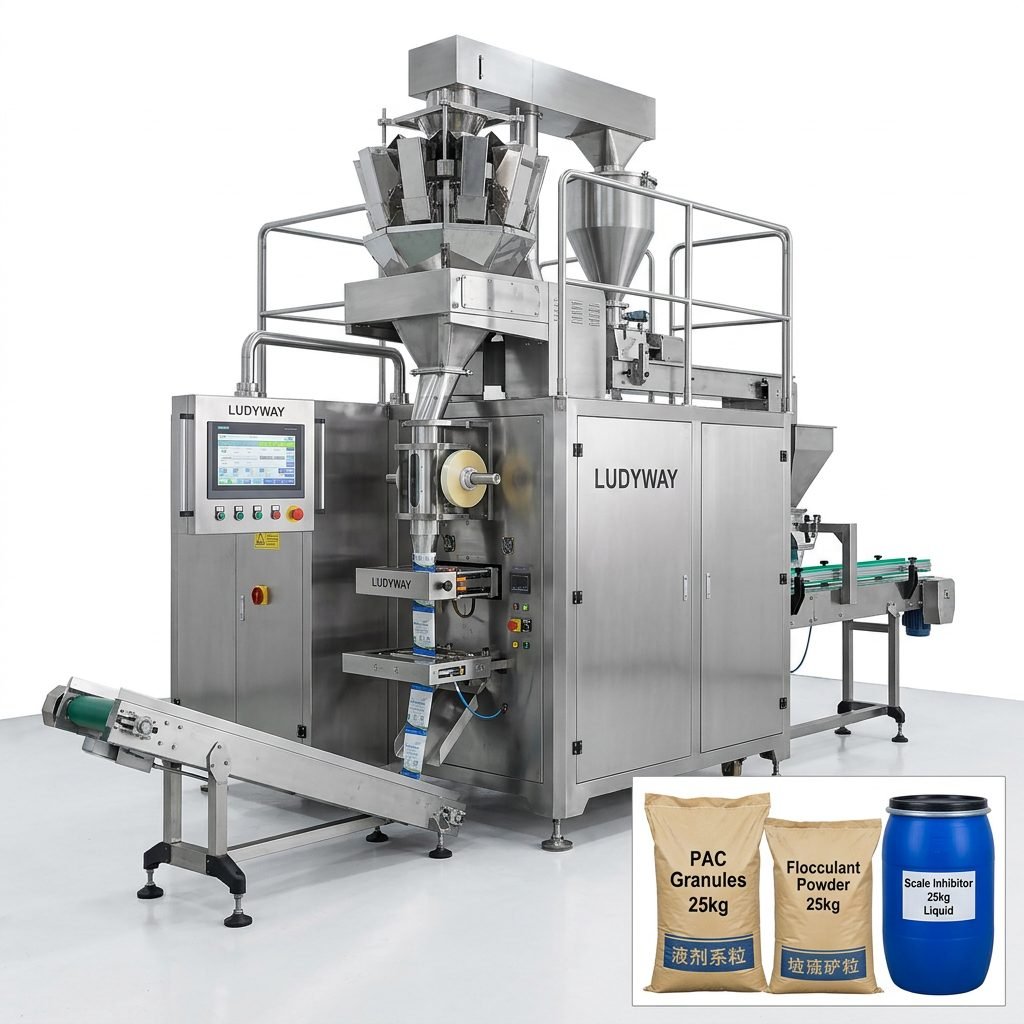
2. Vertical form fill seal systems
These systems form pouches from roll film, fill the product, and then seal. They are often cost-effective for large volume production, though pouch structure options may differ from premade pouch systems.
3. Spouted pouch filling machines
Perfect for beverages, baby food, sauces, and refill liquids, these machines support pouches with caps or spouts for improved consumer convenience.
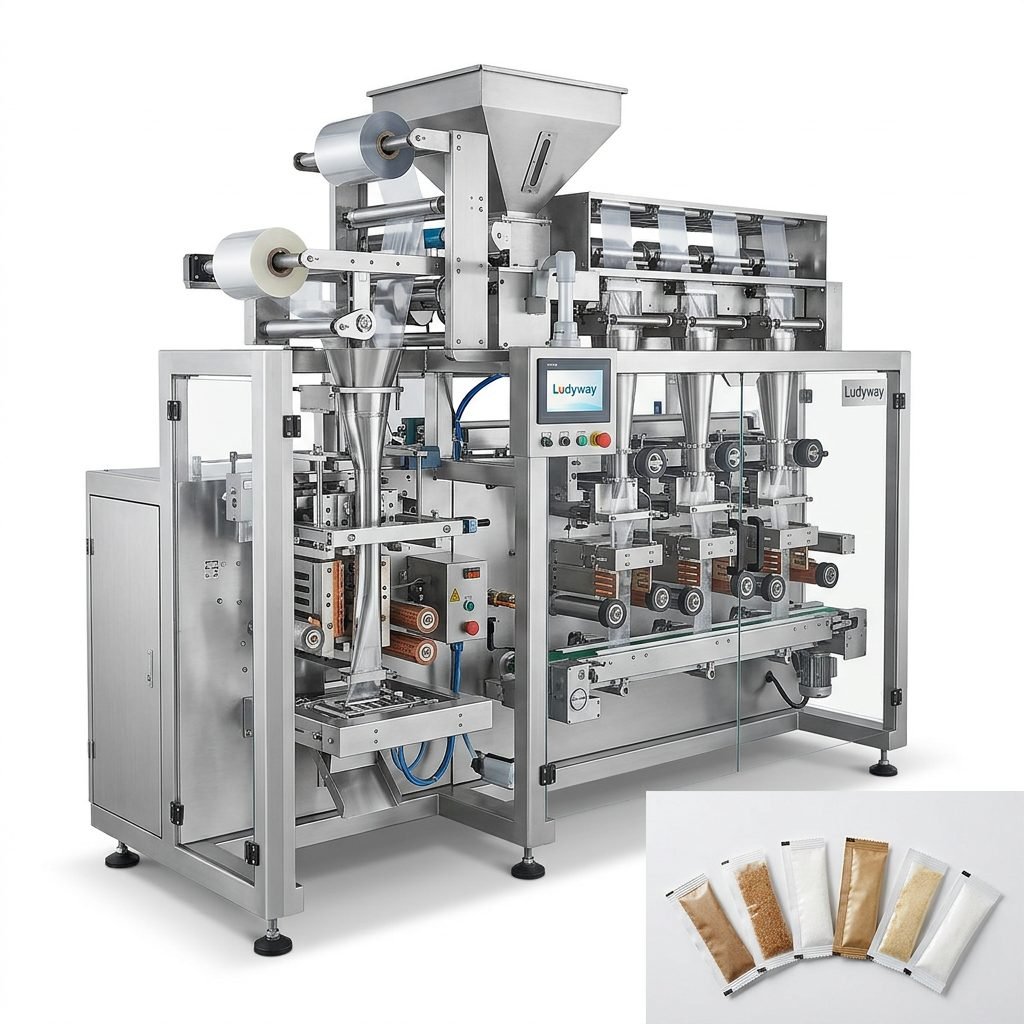
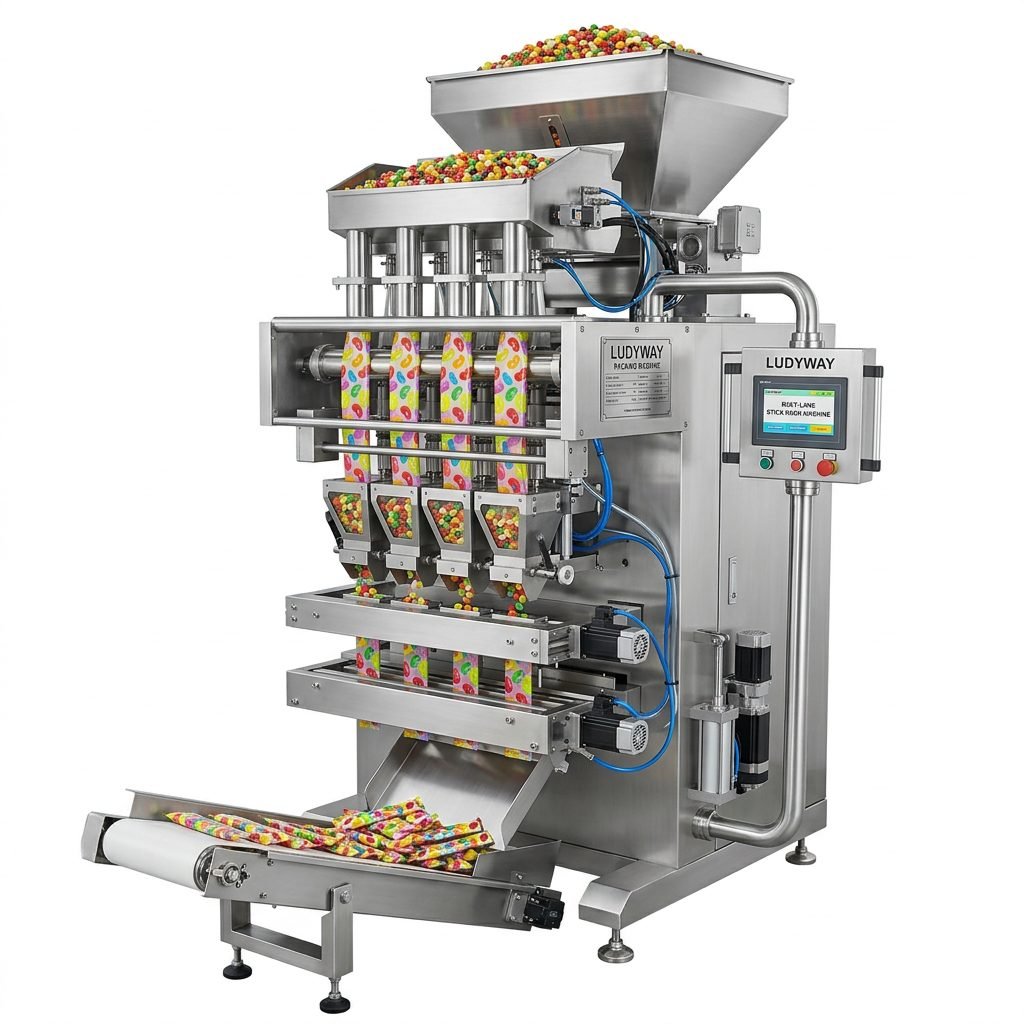
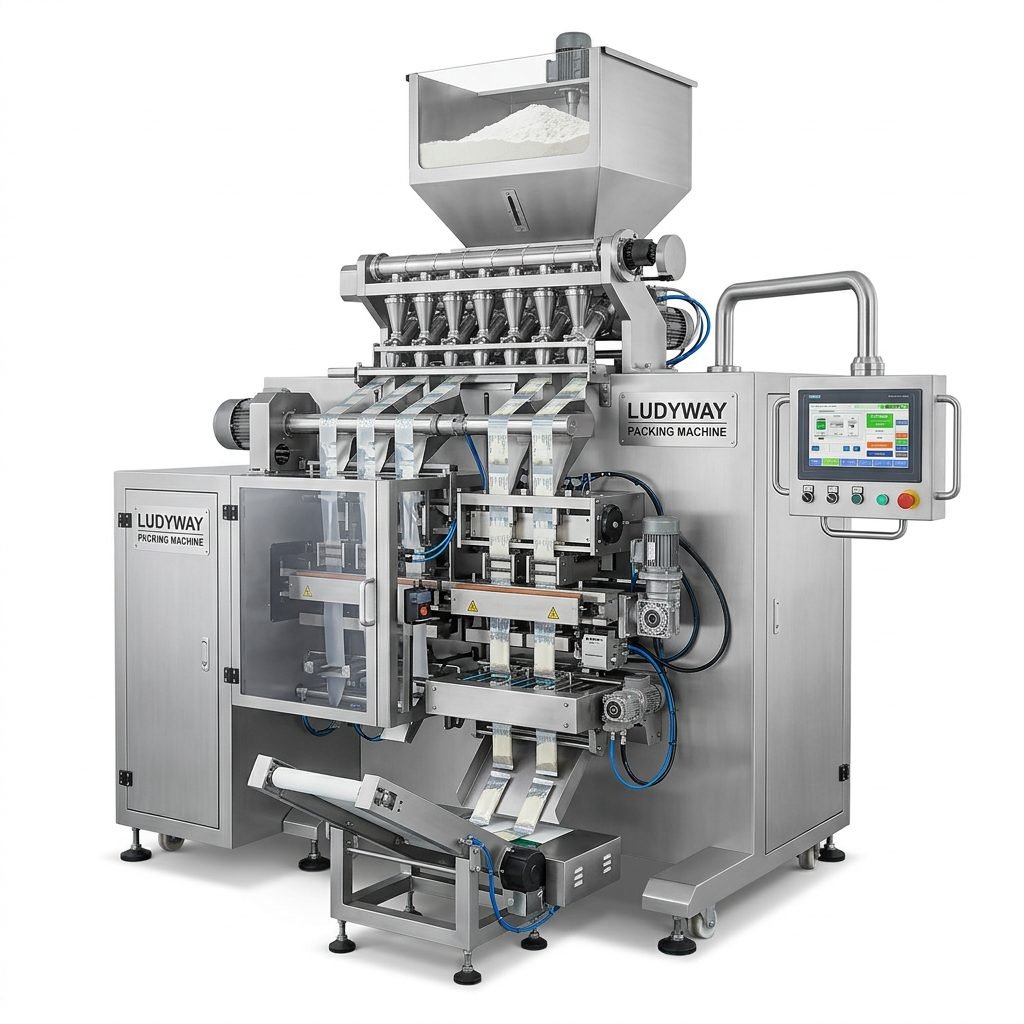
4. Multi-lane pouch and sachet systems
For smaller dose products and very high output requirements, multi-lane technology increases throughput significantly while maintaining controlled filling.
Important Features to Look For
| Feature | Why It Matters |
|---|---|
| Servo control system | Improves positioning, repeatability, and operating efficiency |
| Touchscreen HMI | Makes operation and parameter adjustment easier |
| Automatic pouch detection | Avoids filling errors when pouches are missing or not properly opened |
| Nitrogen flushing option | Helps protect oxygen-sensitive food and health products |
| Dust or drip management | Keeps sealing areas clean for better package integrity |
| Quick changeover design | Reduces downtime between different products or pouch sizes |
How to Choose the Right Machine
A smart buying decision starts with clearly defining your production needs. Before selecting a stand-up pouch filling machine, evaluate the following:
- Product type: liquid, paste, powder, or granule
- Pouch style: zipper pouch, spout pouch, flat-bottom pouch, or standard stand-up pouch
- Filling range: small sachet doses or larger retail refill packs
- Target speed: required pouches per minute or per hour
- Sanitation standard: especially critical for food and pharmaceutical use
- Future expansion: whether the line needs to connect to coding, inspection, cartoning, or palletizing systems
If your products vary widely, a modular system may be the best investment because it allows easier upgrades and format adjustments over time.
Industries That Benefit Most
Stand-up pouch filling equipment is now used across many sectors because of its flexibility and efficient footprint.
Food and beverage
Ideal for sauces, soups, drink powders, seasonings, oils, coffee, and snack ingredients.
Pharmaceutical and nutraceutical
Suitable for oral powders, medical granules, health supplements, and controlled-dose liquid products.
Cosmetic and personal care
Common for serum, lotion, shampoo, cream, facial treatment, and travel-size refill packaging.
Chemical and household products
Used for detergent, cleaner, additives, and specialty liquid or powder formulations.
The Value of Turnkey Packaging Integration
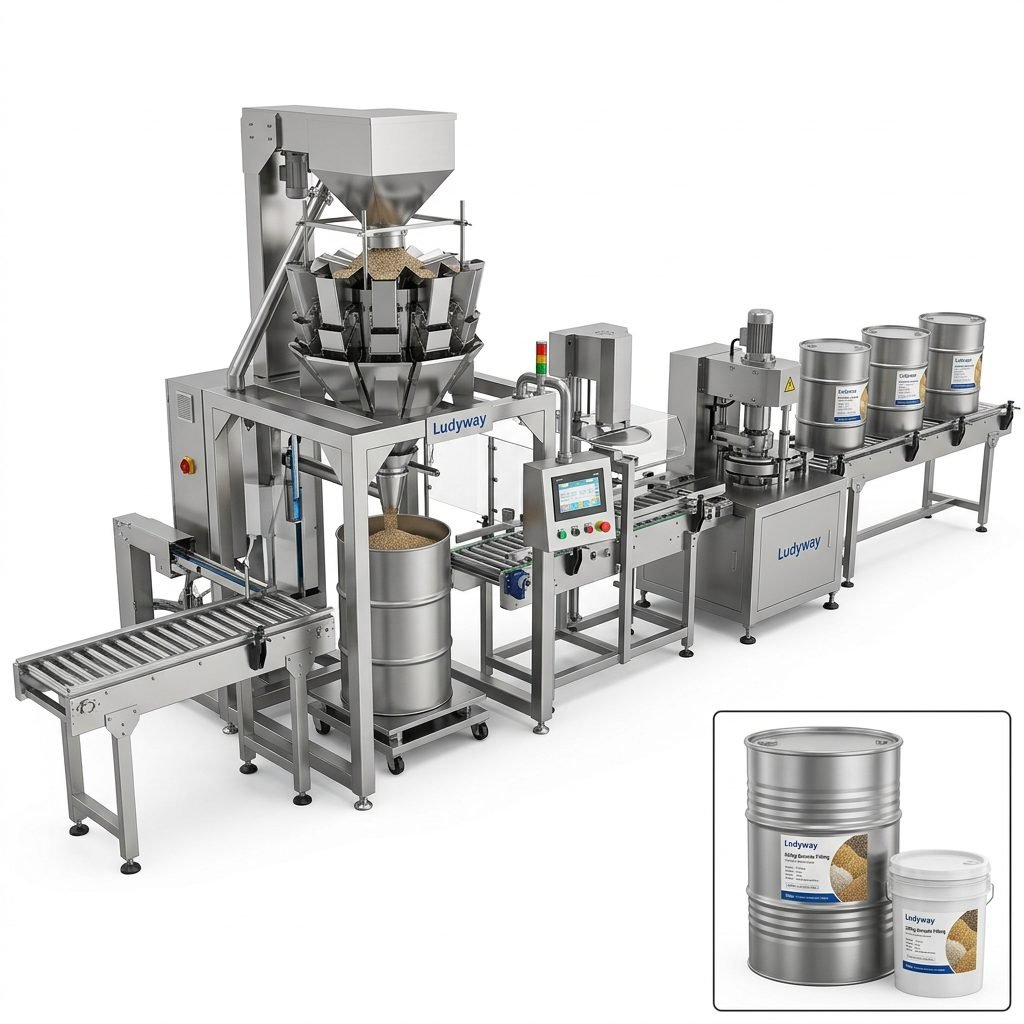
A stand-alone filler can improve efficiency, but a complete line can deliver even greater operational value. Integrated systems may include product feeding, pouch loading, filling, sealing, coding, inspection, case packing, and palletizing. This reduces manual handling and supports more consistent output.
For businesses seeking reliable automation support, Ludyway packaging machine solutions offer a broad portfolio of equipment for liquids, powders, granules, pouches, and full turnkey packaging lines.
Final Buying Tips for Better ROI
- Ask for filling accuracy data based on your actual product sample
- Confirm compatibility with your pouch material and size range
- Review sealing quality for leak-prone liquid applications
- Check cleaning and maintenance convenience before purchase
- Choose a supplier with long-term technical support and customization ability
The right stand-up pouch filling machine can help reduce waste, improve packaging appearance, and support long-term production growth. For liquid and powder manufacturers, it is not just a machine purchase—it is an investment in efficiency, consistency, and brand competitiveness.