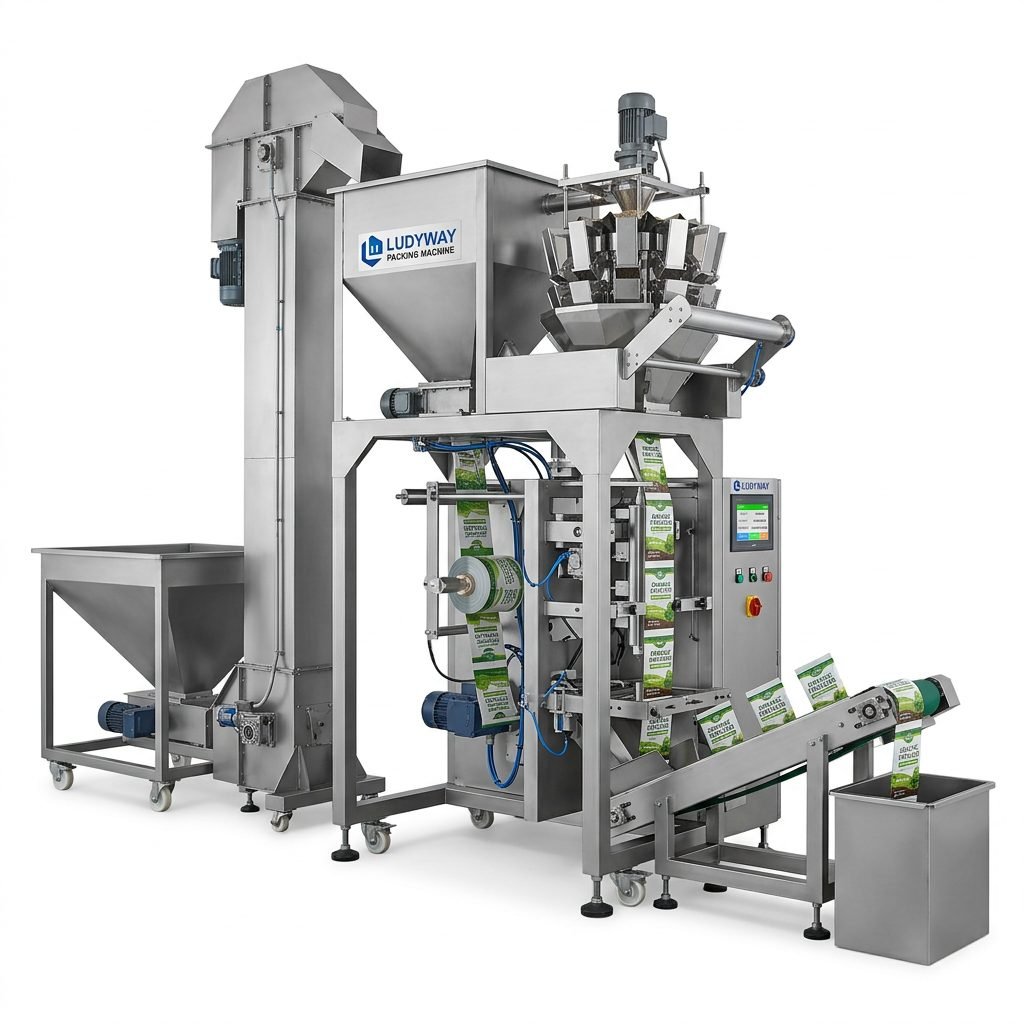
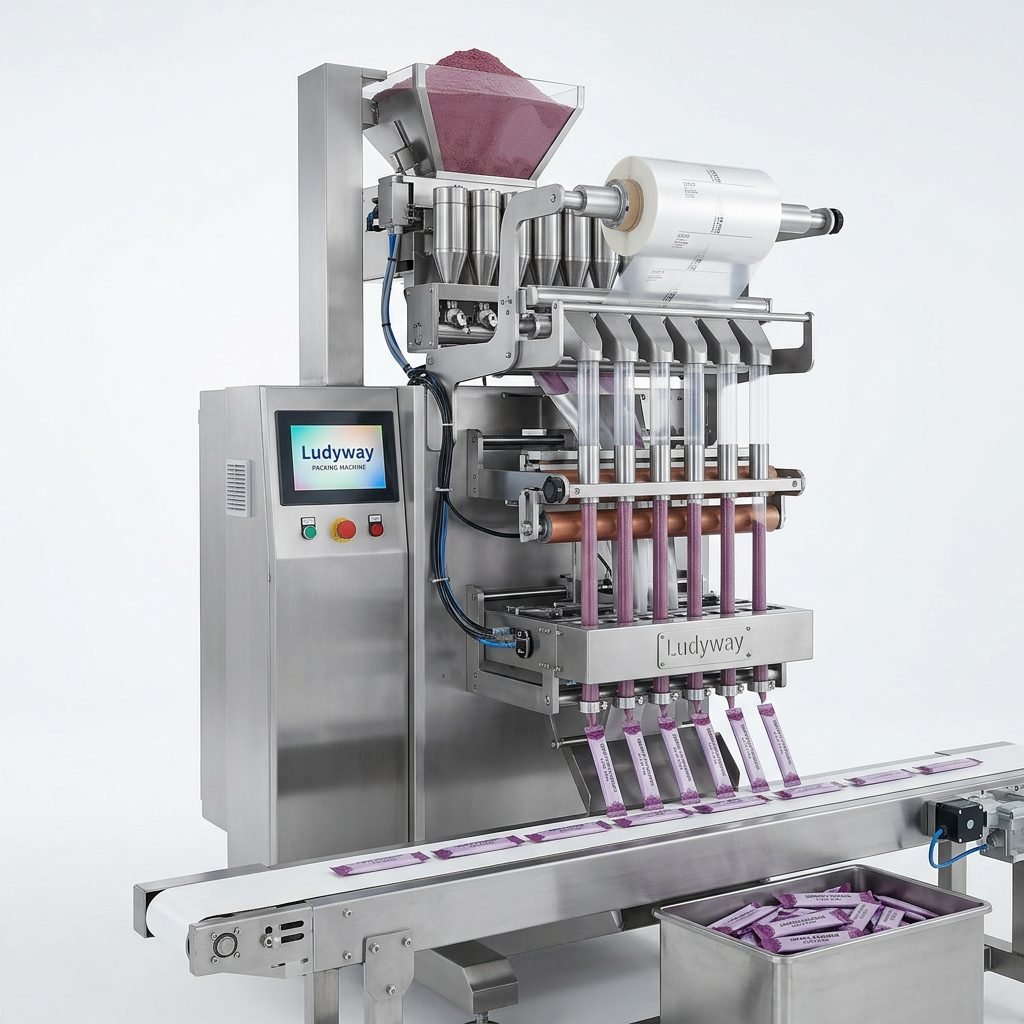
Investing in a second-hand tea pouch packing machine can be a strategic move for businesses aiming to scale production without the heavy capital outlay of brand-new equipment. However, pricing varies wildly based on condition, automation level, and brand reputation. Here’s how to navigate the market effectively.
Key Factors That Determine the Price of a Used Tea Pouch Packing Machine
Before committing to a purchase, it is critical to understand the specific variables that drive cost fluctuations. Unlike standardized consumer goods, industrial packaging machinery pricing in the secondary market is highly nuanced.
1. Machine Condition and Maintenance History
The most significant price differentiator is the physical and operational state of the equipment. A unit that has been meticulously maintained with complete service records will command a significantly higher price than one without documentation.
- Refurbished units: Often sold by reputable resellers or original manufacturers, these machines are restored to near-new tolerances and usually come with a limited warranty.
- As-is units: These are typically sold at auction or liquidation sales. While the upfront price is attractive, you must budget for potential repairs and replacement parts.
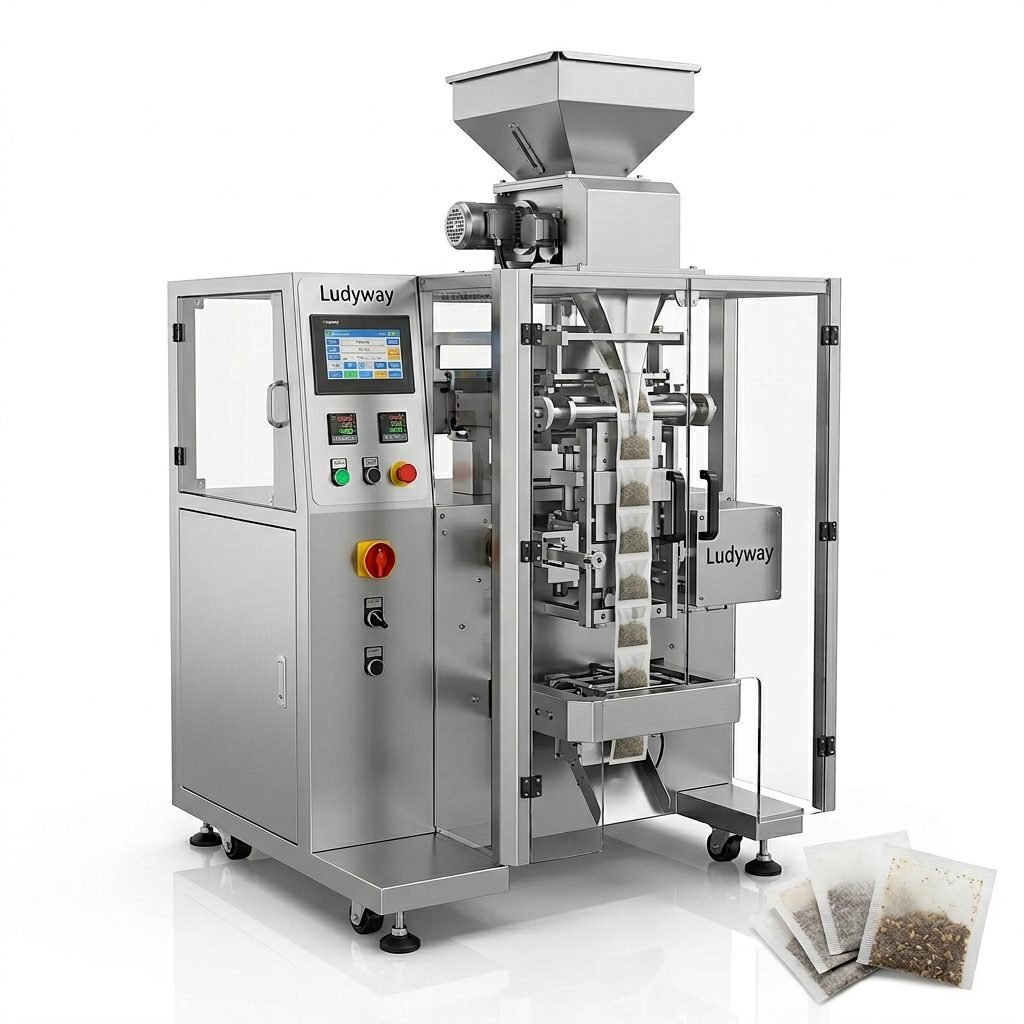
2. Age and Production Speed
The manufacturing year directly impacts efficiency and compliance. Older models may lack the high-speed multi-lane capabilities required for mass production. A machine capable of filling 200 pouches per minute will naturally be priced much higher than a single-lane, 40-pouch-per-minute counterpart.
3. Brand Reputation and Build Quality
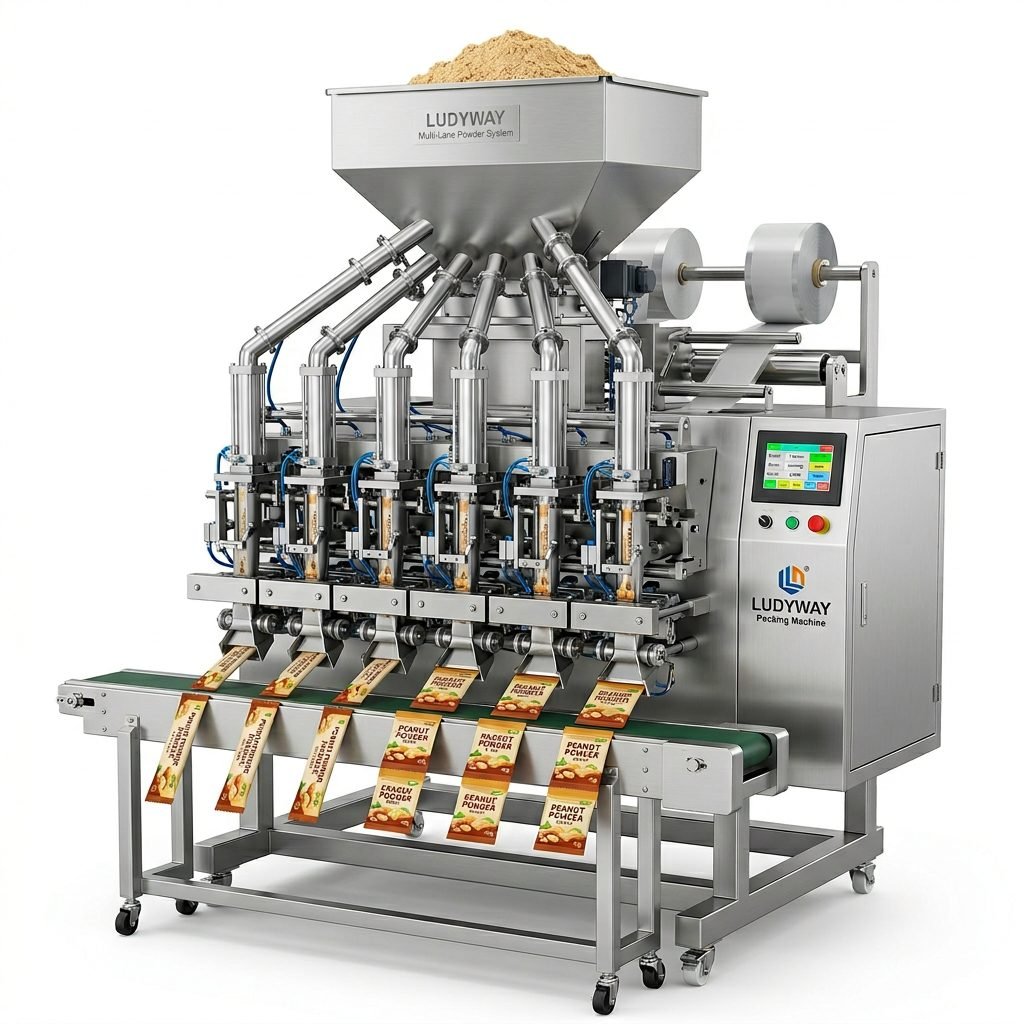
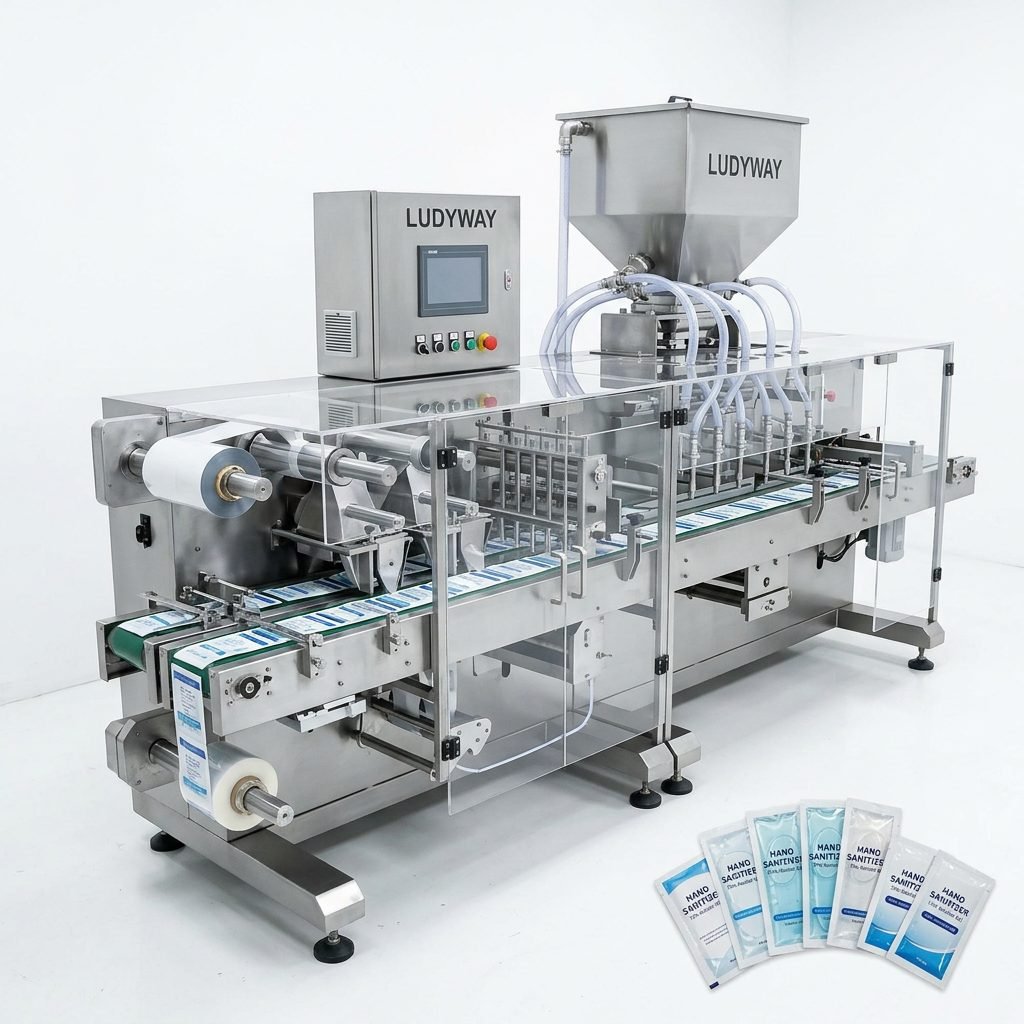
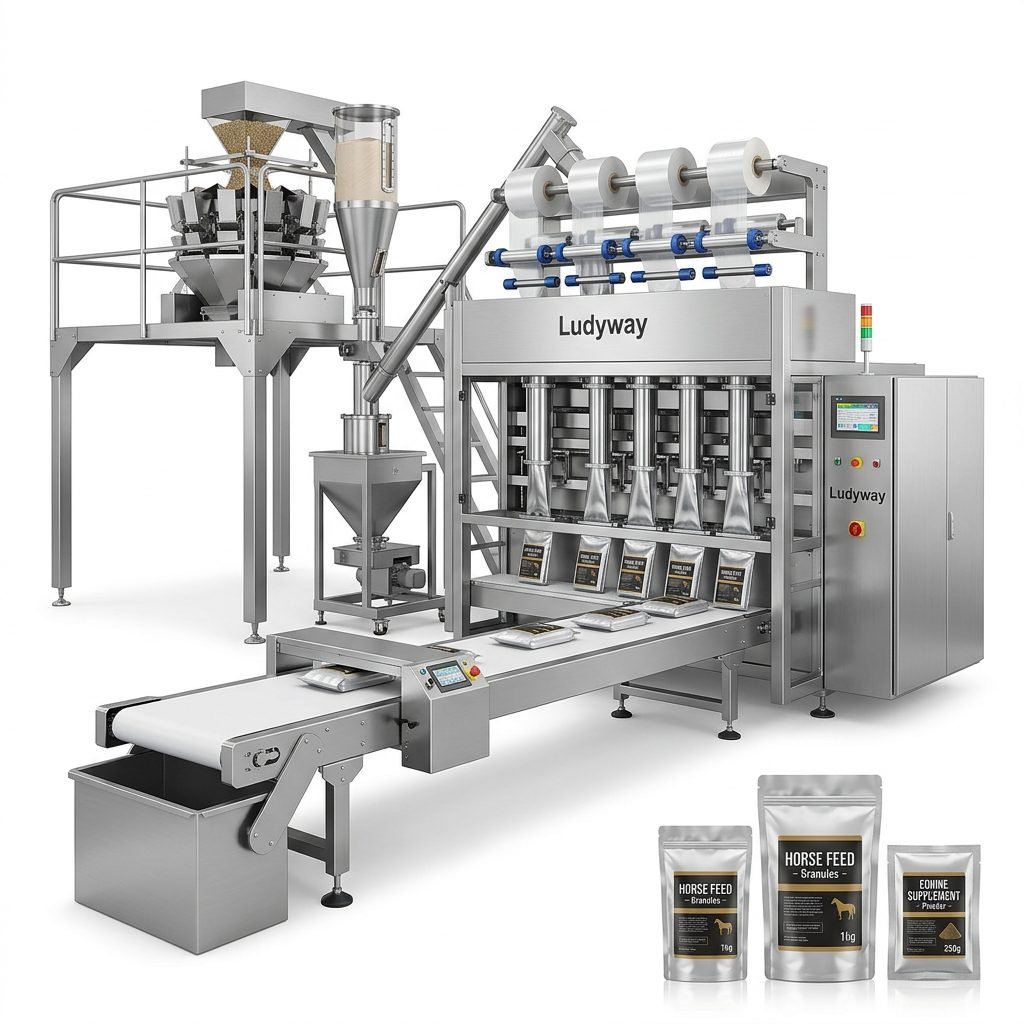
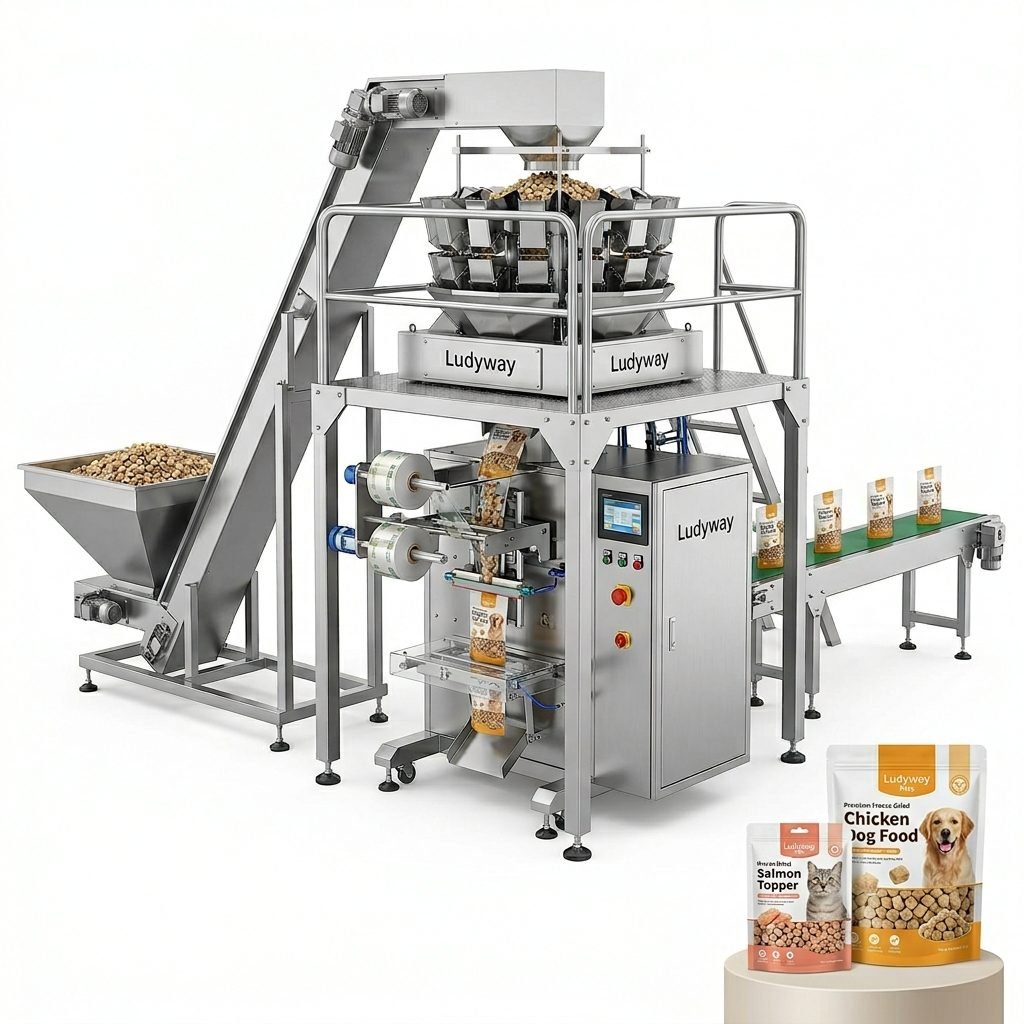
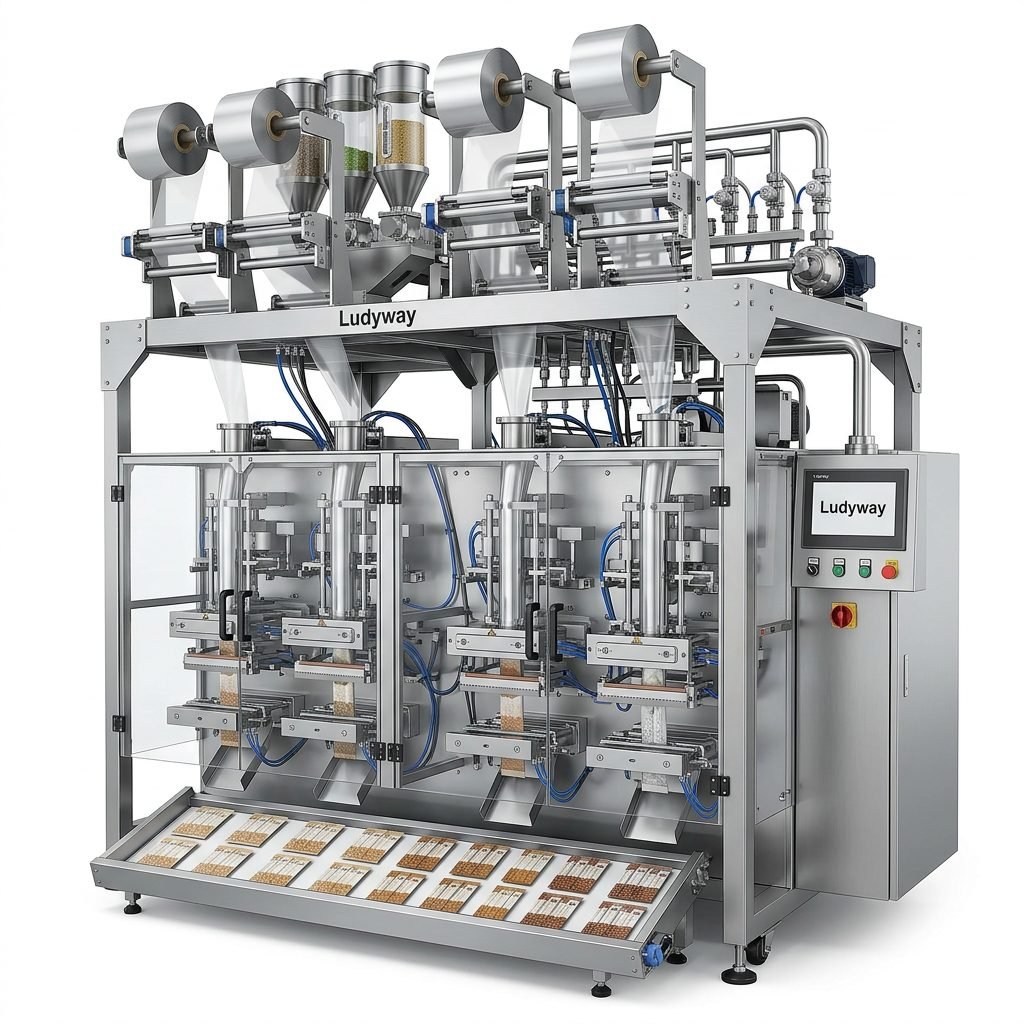
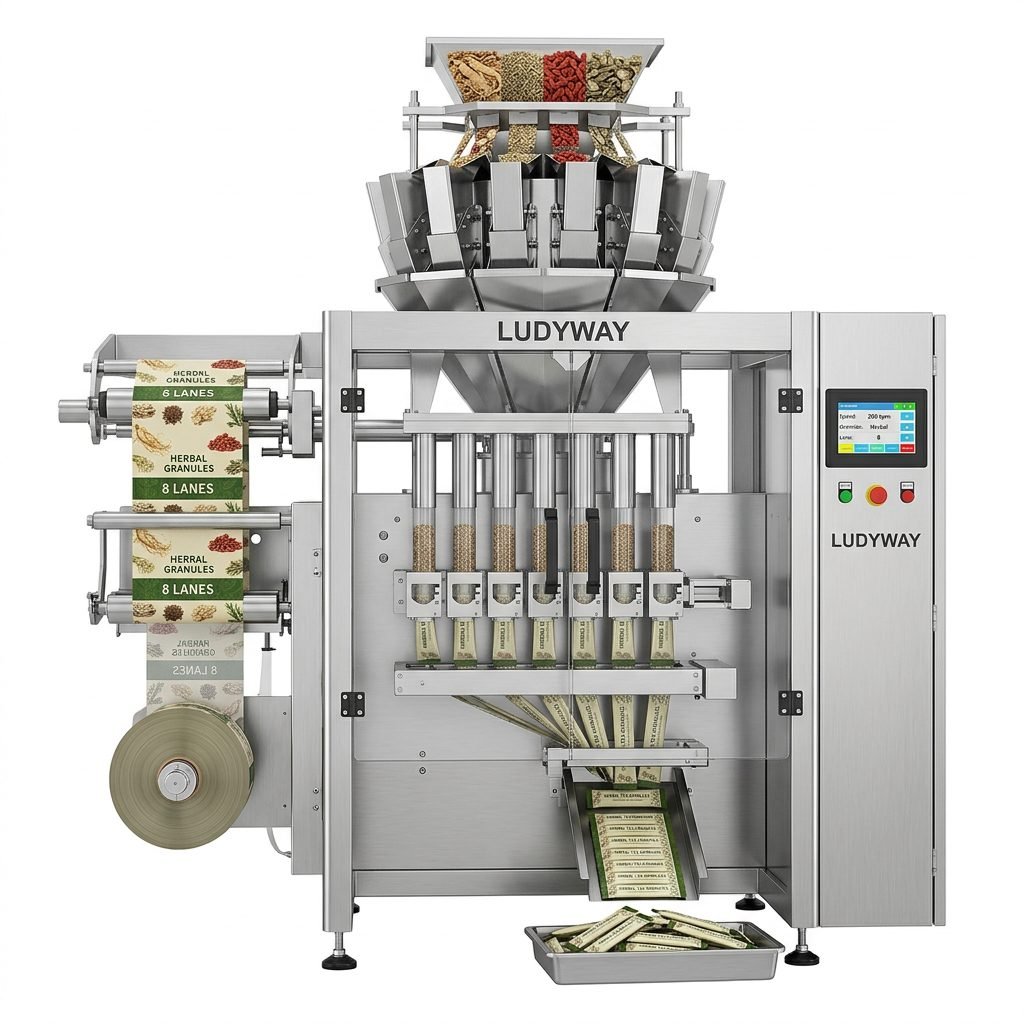
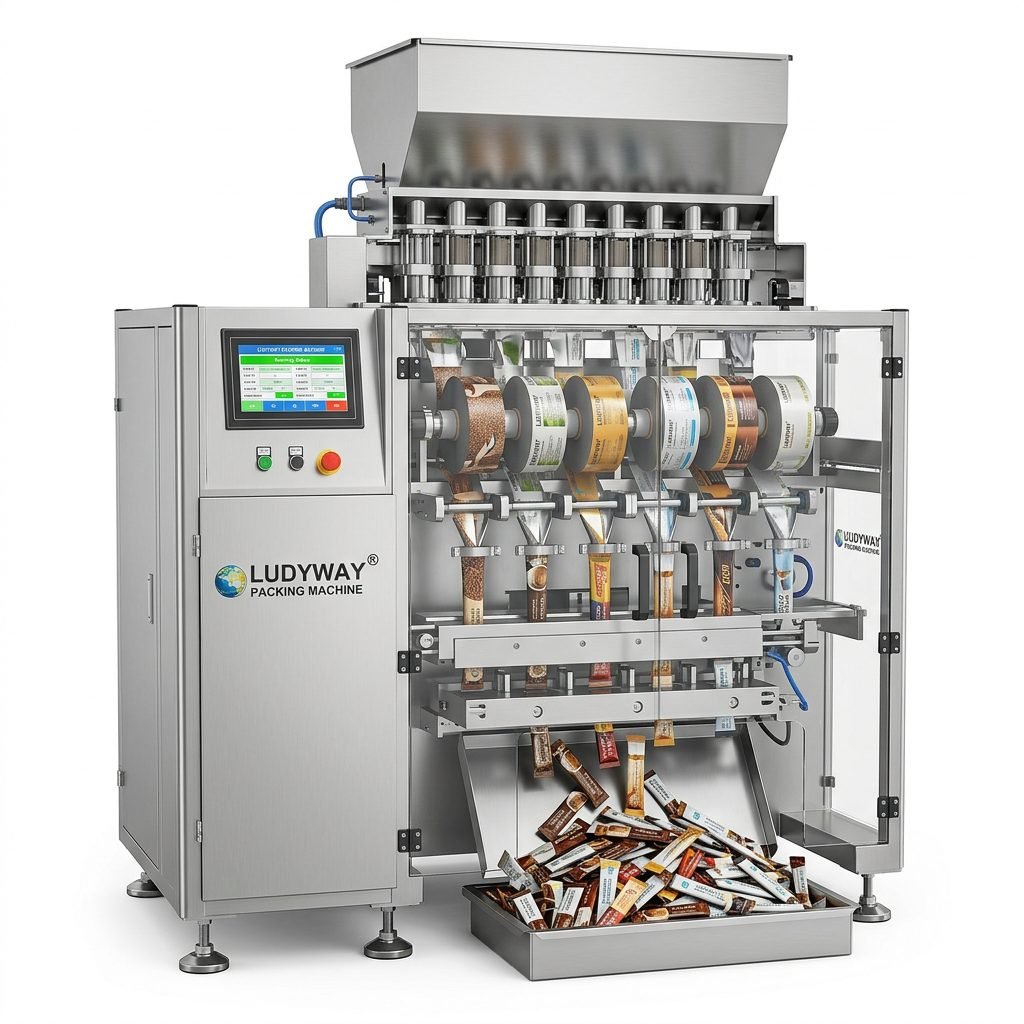
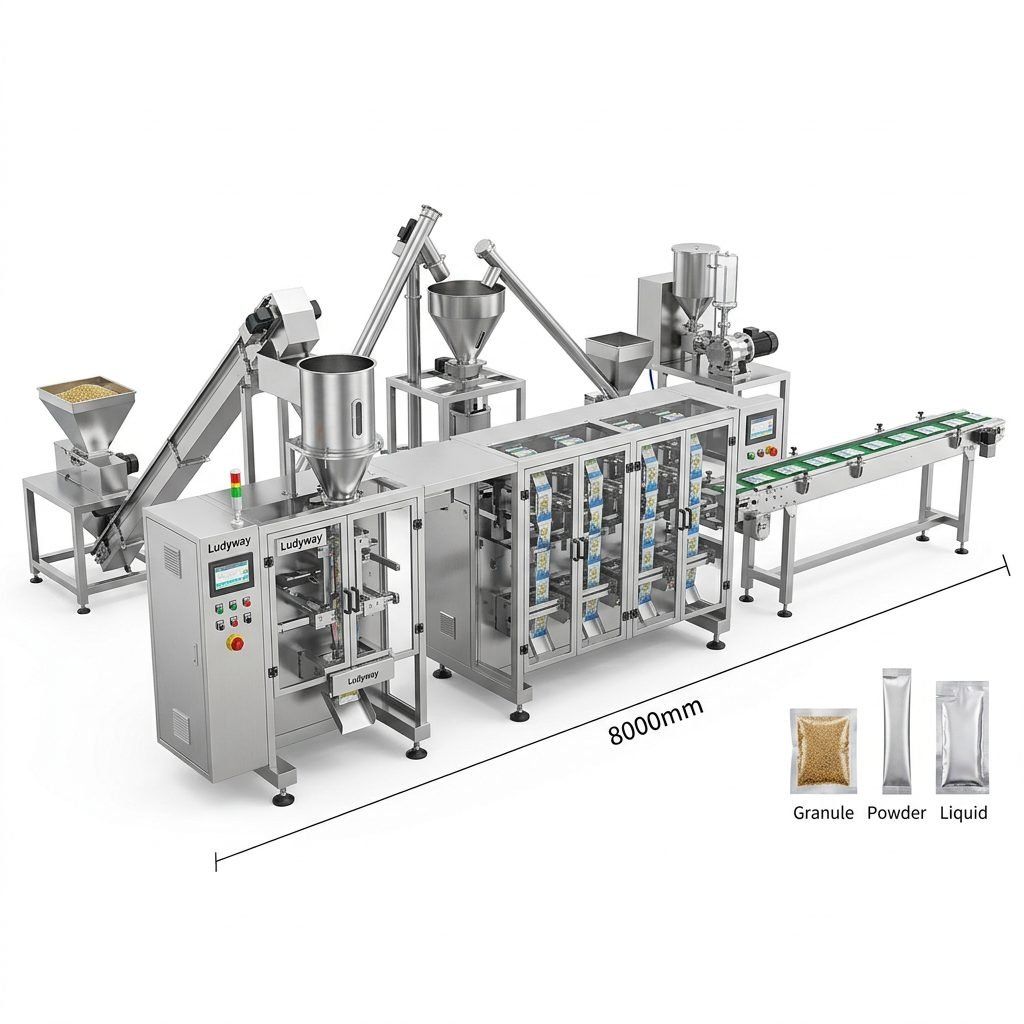
Brands known for durable, high-precision engineering retain their value exceptionally well. Equipment from recognized Chinese manufacturers is increasingly popular in the secondary market due to its balance of robust mechanical design and accessible spare parts. For instance, Ludyway is one of the largest packaging machine manufacturers in China, and their well-engineered models often maintain high resale value due to consistent performance in the field.
Analyzing the Price Brackets for Tea Packaging Equipment
To set a realistic budget, it helps to categorize the market into distinct price tiers based on automation and packaging format capabilities.
| Machine Type | Condition | Estimated Price Range (USD) |
|---|---|---|
| Single-Lane Sachet Machine | Used / As-is | $2,000 – $5,000 |
| Single-Lane Sachet Machine | Refurbished | $5,000 – $9,000 |
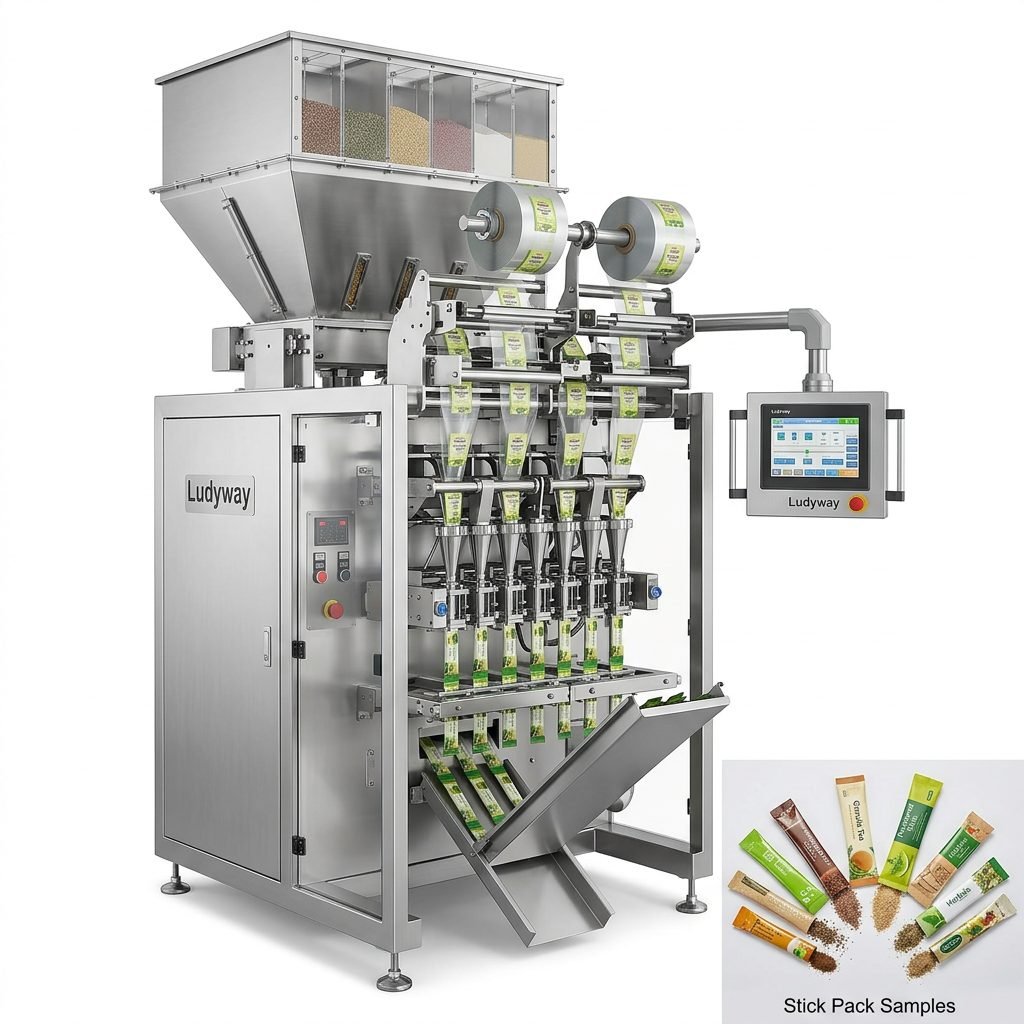
| Multi-Lane Stick Pack Machine | Used | $8,000 – $18,000 |
| High-Speed Rotary Systems | Refurbished | $20,000 – $50,000+ |
Note that these figures are estimates. The inclusion of accessories like volumetric cup fillers, auger fillers, and coding machines can increase the package deal by several thousand dollars.
Hidden Costs: What to Check Beyond the Invoice
Focusing exclusively on the initial purchase price can lead to unexpected operational losses. Savvy buyers evaluate the total cost of ownership.
- Spare Parts Availability: A cheap machine becomes a liability if you cannot source filling jaws or sealing rollers. Verify that critical components are still in production.
- Technical Support: Can you find a technician who understands the specific PLC interface of that model?
- Film Compatibility: Older machines may struggle with modern, eco-friendly biodegradable films, requiring modifications.

Where to Source Reliable Used Packing Machines
The origin of the machine often dictates the risk profile of your investment. There are typically three mainstream channels.
A. Direct from Manufacturer (Pre-Owned Programs)
Some established manufacturers offer certified pre-owned programs or trade-in opportunities. These machines are thoroughly inspected, worn parts are replaced, and software is updated. While pricier than private sales, the risk is minimized.
B. Specialist Resellers and Dealers
Resellers specializing in turnkey packaging lines often have a rotating inventory. They can sometimes offer a limited 30- to 90-day warranty on the mechanics.
C. Online Industrial Auctions
Liquidation auctions can yield bargains, but this path is recommended only for buyers with a strong engineering background who can perform their own failure analysis on the spot.
Questions to Ask Before Paying for a Second-Hand Machine
Due diligence is paramount. When negotiating, request the following proofs and permissions:
- Operation Video: Ask for a dated video of the machine actually running and producing filled tea pouches, not just idling.
- Changeover Time: If you plan to run different tea blends or pouch sizes, ask about the complexity of mechanical adjustments.
- Dosing Accuracy: For high-value tea products, an error margin of ±0.5g on a single serve can destroy profit margins. Test the auger or cup filler accuracy.
By carefully weighting the cost against the mechanical integrity and availability of service support, businesses can secure a second-hand tea pouch packing machine that drives immediate profitability without the stress of a six-figure capital investment.
Relevant resources for industry standards and packaging regulations: