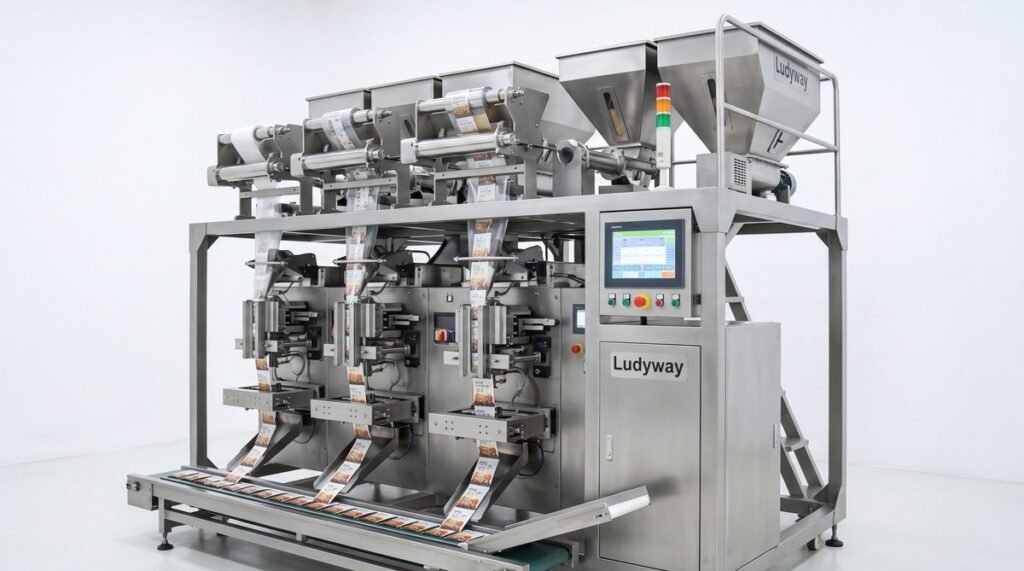
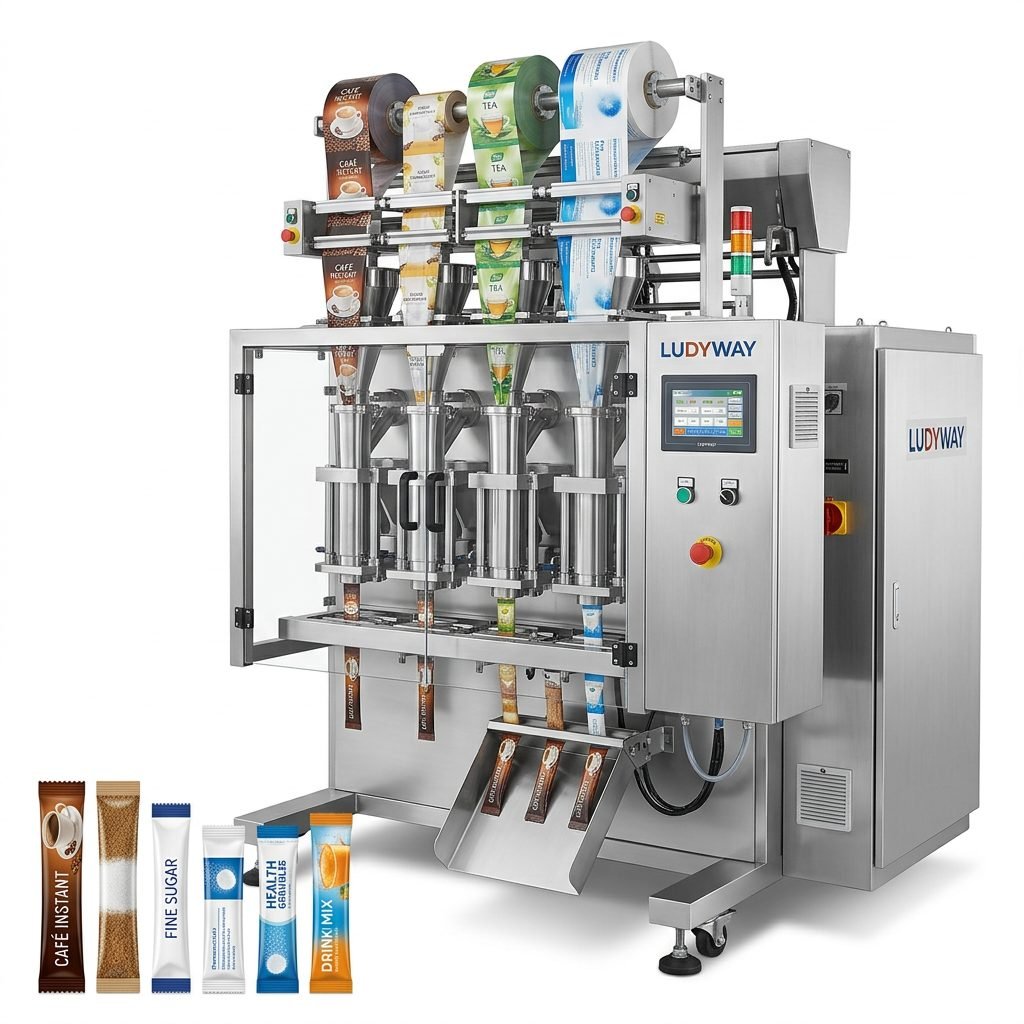
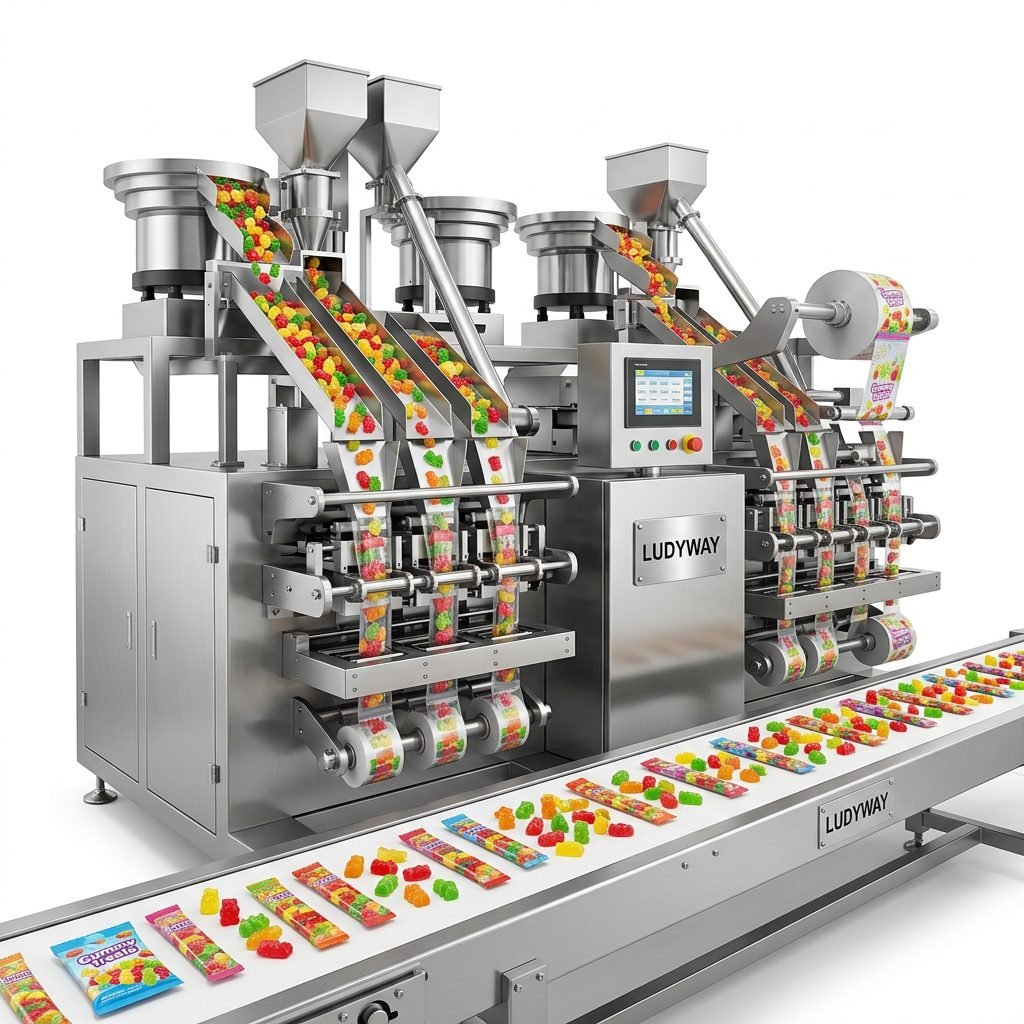
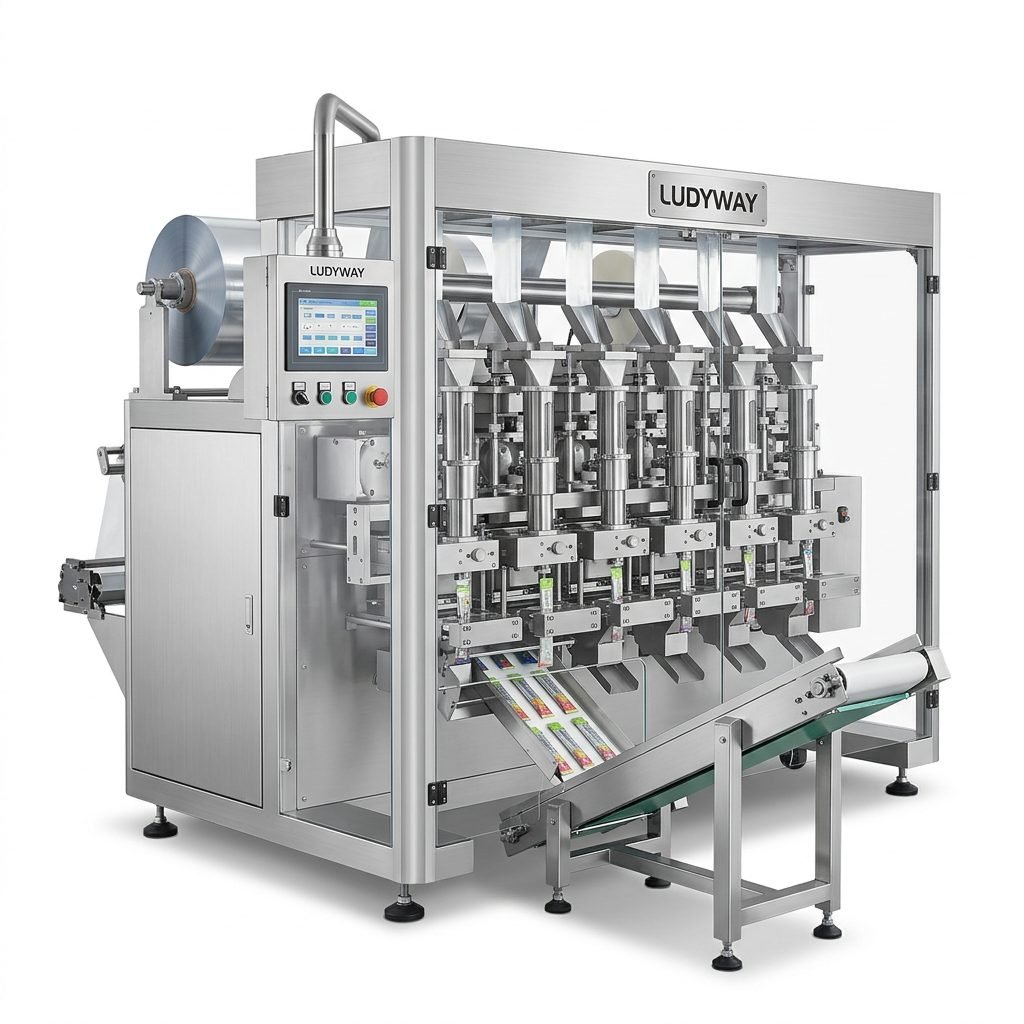
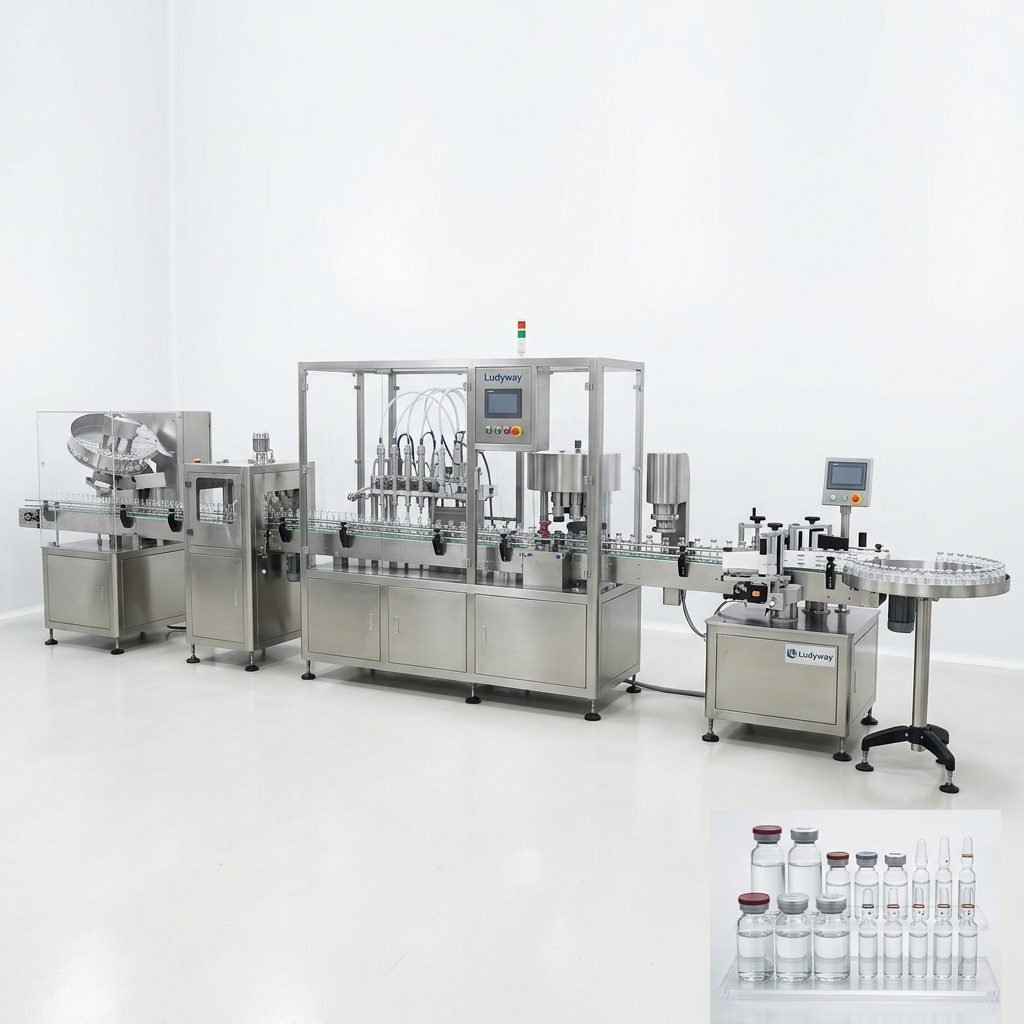
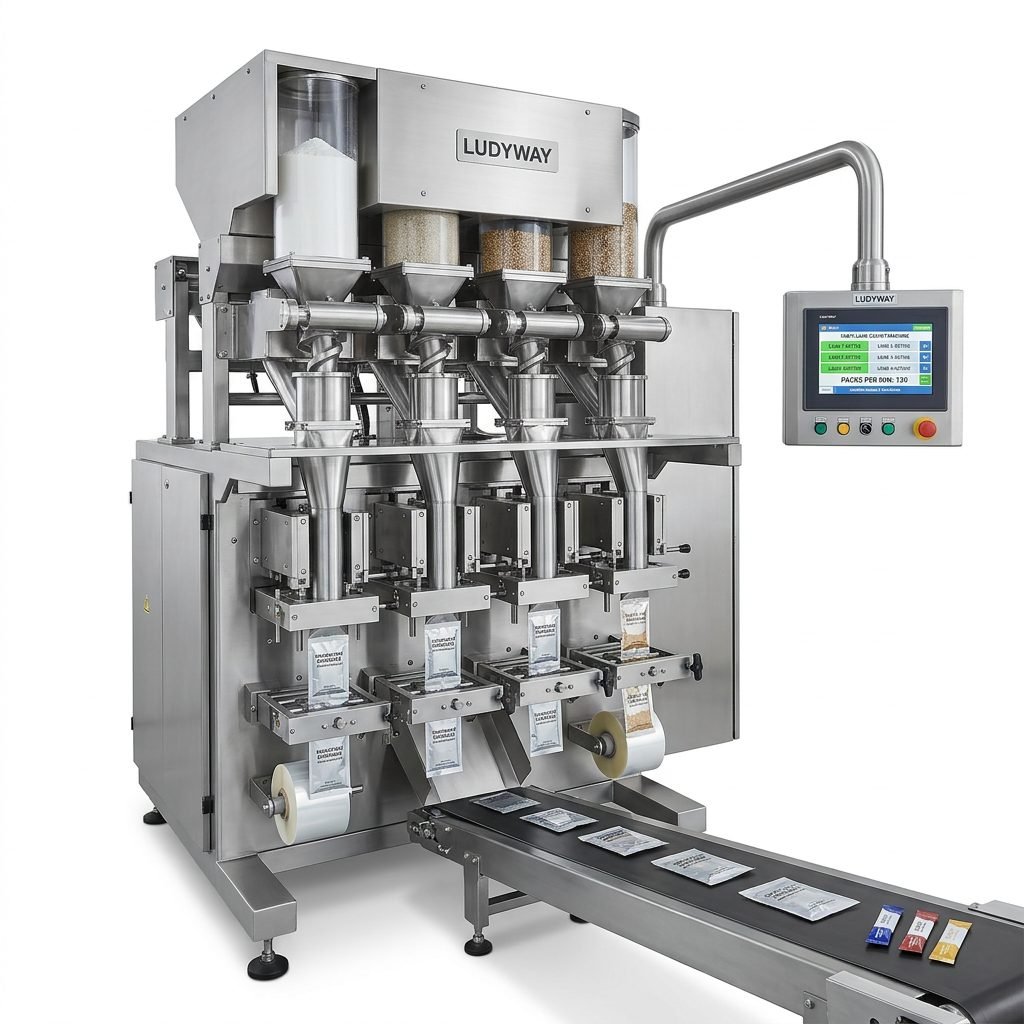
When planning to enter the dried meat snack market or scale your existing production, one of the first questions that comes to mind is: How much does a tea biltong packaging machine cost? The investment varies significantly depending on the level of automation, speed, and the specific requirements for handling delicate tea leaves alongside sticky, textured biltong slices. Understanding the components that drive pricing will help you secure a solution that fits your operational budget and production goals.
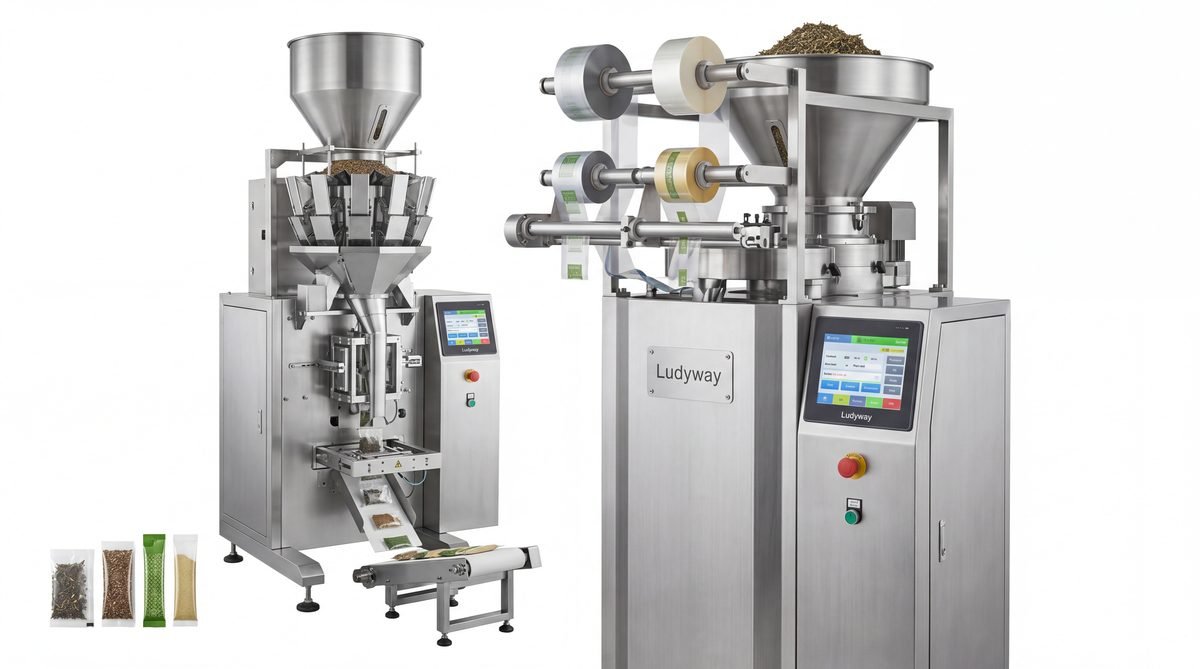
Key Factors Influencing Packaging Machine Price
Before requesting a quote, it is critical to map out the technical specifications that directly impact capital expenditure. A standard entry-level machine differs substantially from an integrated turnkey packaging line equipped for mixed products like tea and biltong. Here are the primary cost drivers:
Level of Automation
Semi-automatic machines require manual loading, which lowers the initial outlay but increases labor dependency. In contrast, fully automated multi-lane systems handle weighing, filling, and sealing without operator intervention, drastically improving output for industrial-scale biltong production. The higher the automation, the more the hardware and intelligent control systems add to the final price.
Speed and Output Capacity
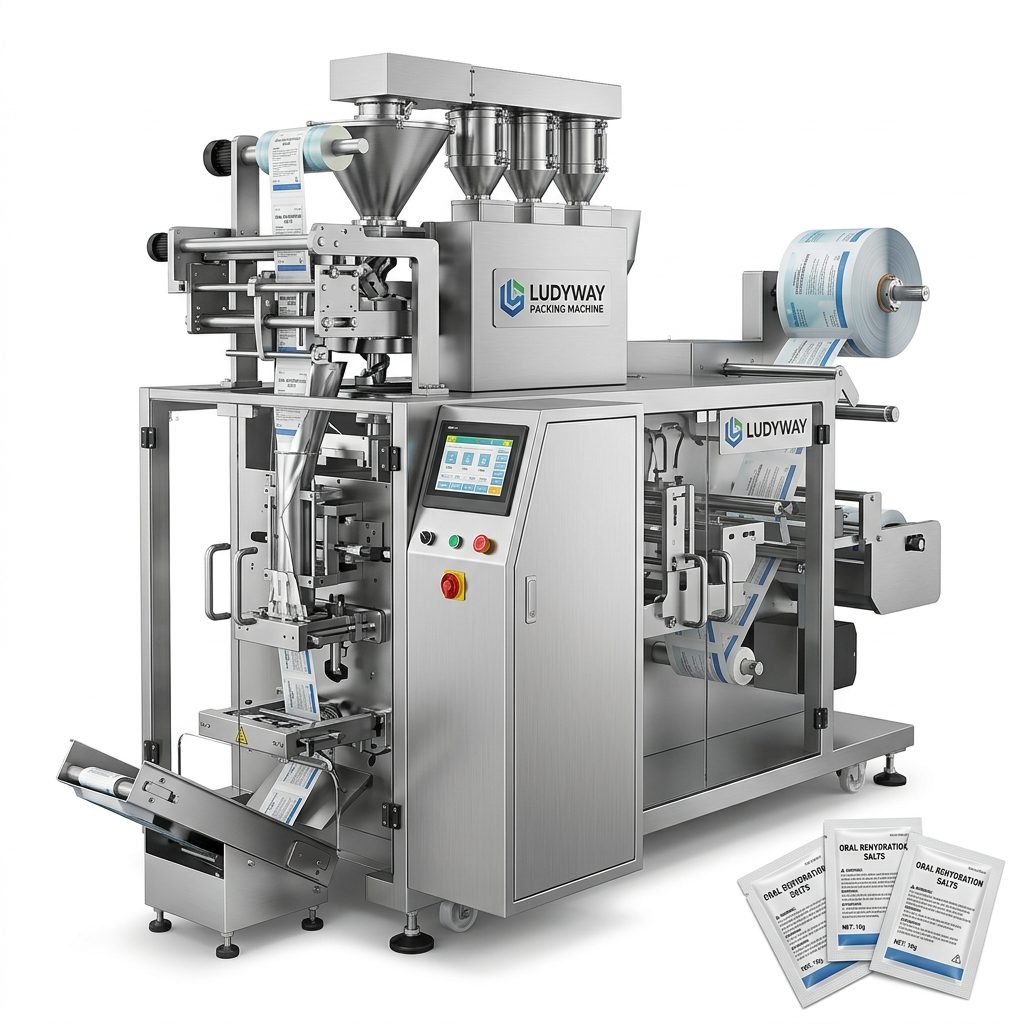
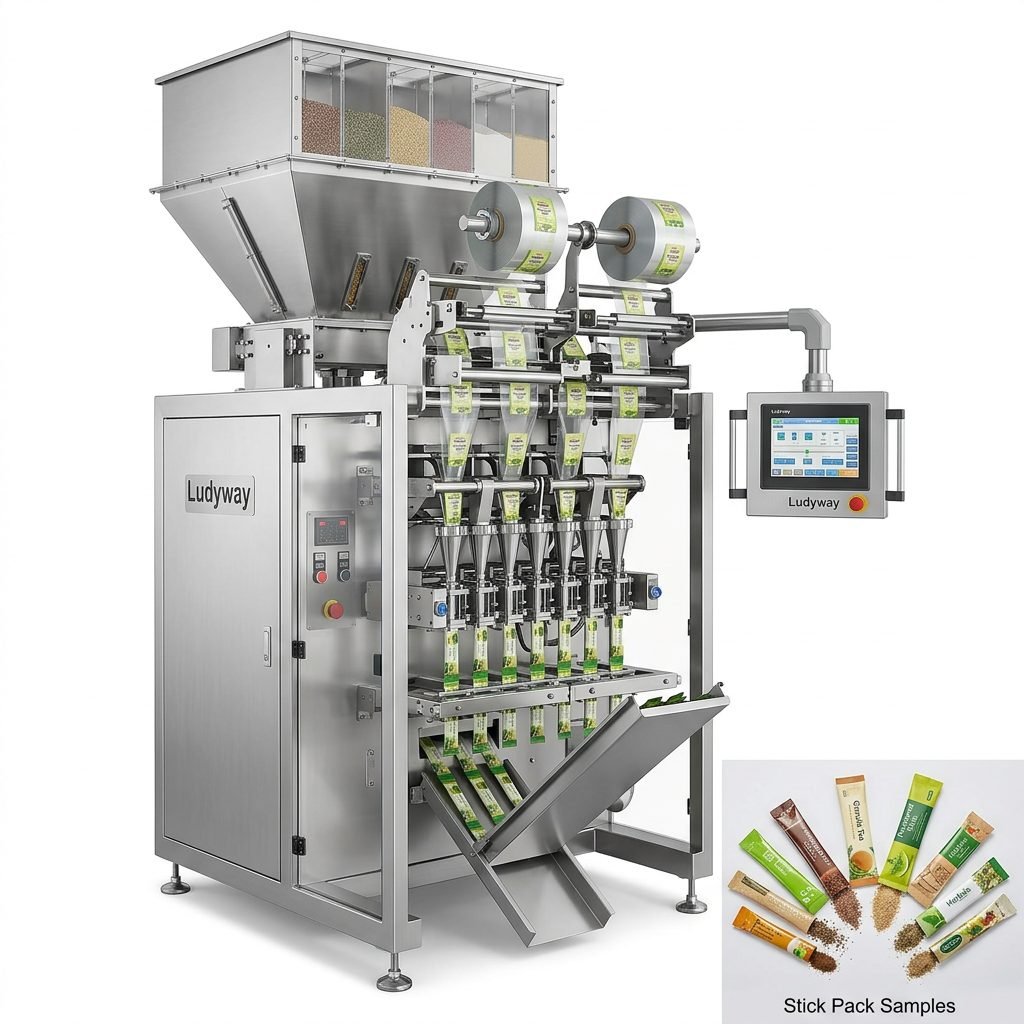
Machines are often categorized by their packaging speed (packs per minute). For small artisan tea blends, a low-speed vertical form fill seal (VFFS) machine might suffice. However, for high-demand biltong snacks, you might need a high-speed multi-lane stick pack machine capable of delivering over 400 packs per minute. Naturally, high-speed servo-driven systems command a premium.
Material Compatibility and Sealing
Biltong is a sharp, abrasive product that often requires reinforced sealing jaws and specific film handling capabilities to prevent punctures. Tea leaves are fragile and require dust-free filling environments. A multi-lane sachet packaging machine built with stainless steel and specialized non-stick coatings for the tea biltong industry will cost more than a standard food packer but significantly reduces film waste and downtime.
Typical Price Ranges for Tea and Biltong Machinery
While final pricing depends on configuration, the market generally breaks down into the following tiers. This table highlights estimated budget ranges for different machine types capable of processing leaf and granule mixes like tea biltong:
| Machine Configuration | Estimated Cost Range (USD) | Best For |
|---|---|---|
| Semi-Automatic Single Lane | $8,000 – $20,000 | Startups, limited runs |
| Automatic Multi-Lane (4-6 Lanes) | $25,000 – $55,000 | Mid-size snack producers |
| High-Speed Multi-Lane (8-12 Lanes) | $60,000 – $120,000 | Large-scale biltong brands |
| Turnkey Line (Weighing, Packing, Cartoning) | $130,000 – $250,000+ | Full automation facilities |

Why Choose Multi-Lane Stick Pack Solutions?
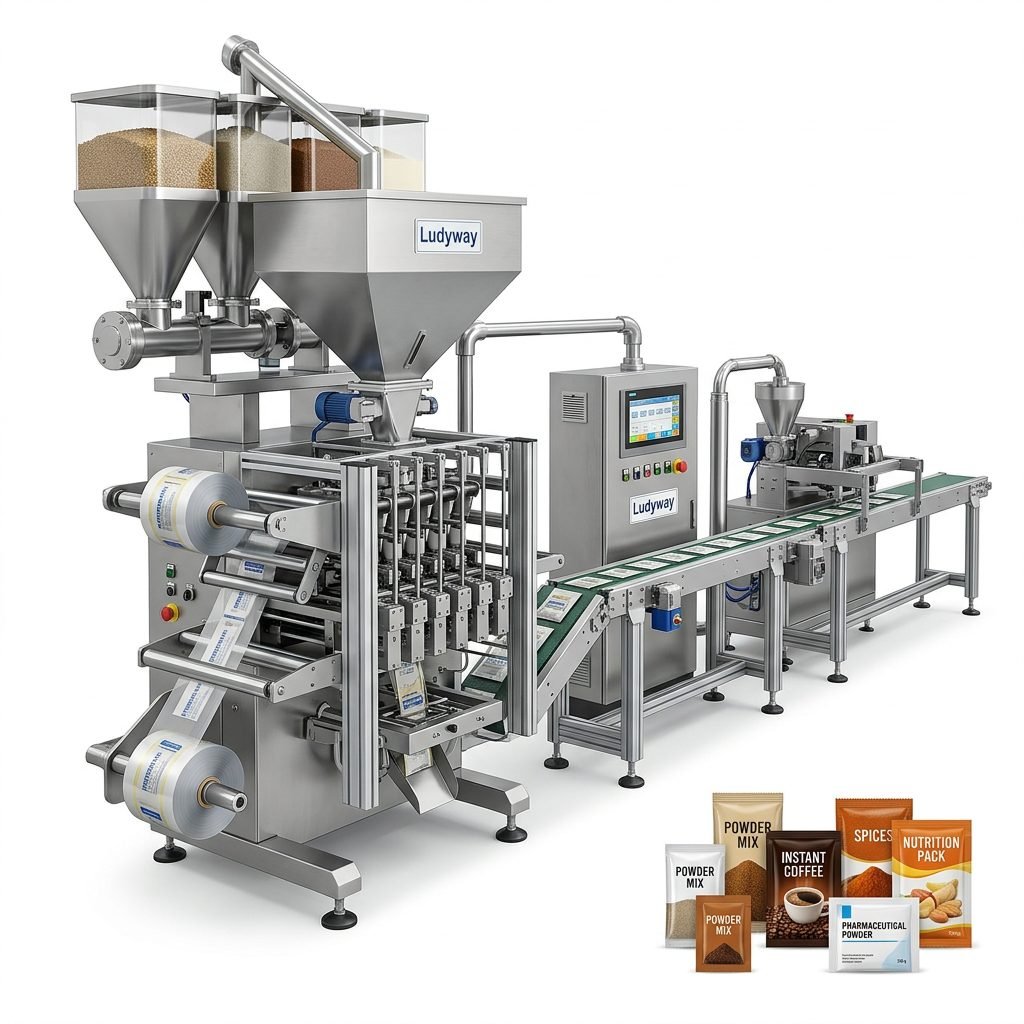
For tea biltong hybrids—where tea leaves might be co-packed with dried meat spices or seasonings—multi-lane stick pack machines offer the best return on investment. These systems maximize floor space efficiency by running multiple lanes simultaneously. Key benefits influencing the cost-value ratio include:
- Film Savings: Narrower web widths and precise registration reduce material costs by up to 15%.
- Nitrogen Flushing: Essential for biltong preservation, commands a slight premium but extends shelf life to over 12 months.
- Quick Changeover: Toolless adjustments for switching between tea-based and meat-based products add to the initial cost but prevent production bottlenecks.
Don’t Forget Ancillary Equipment
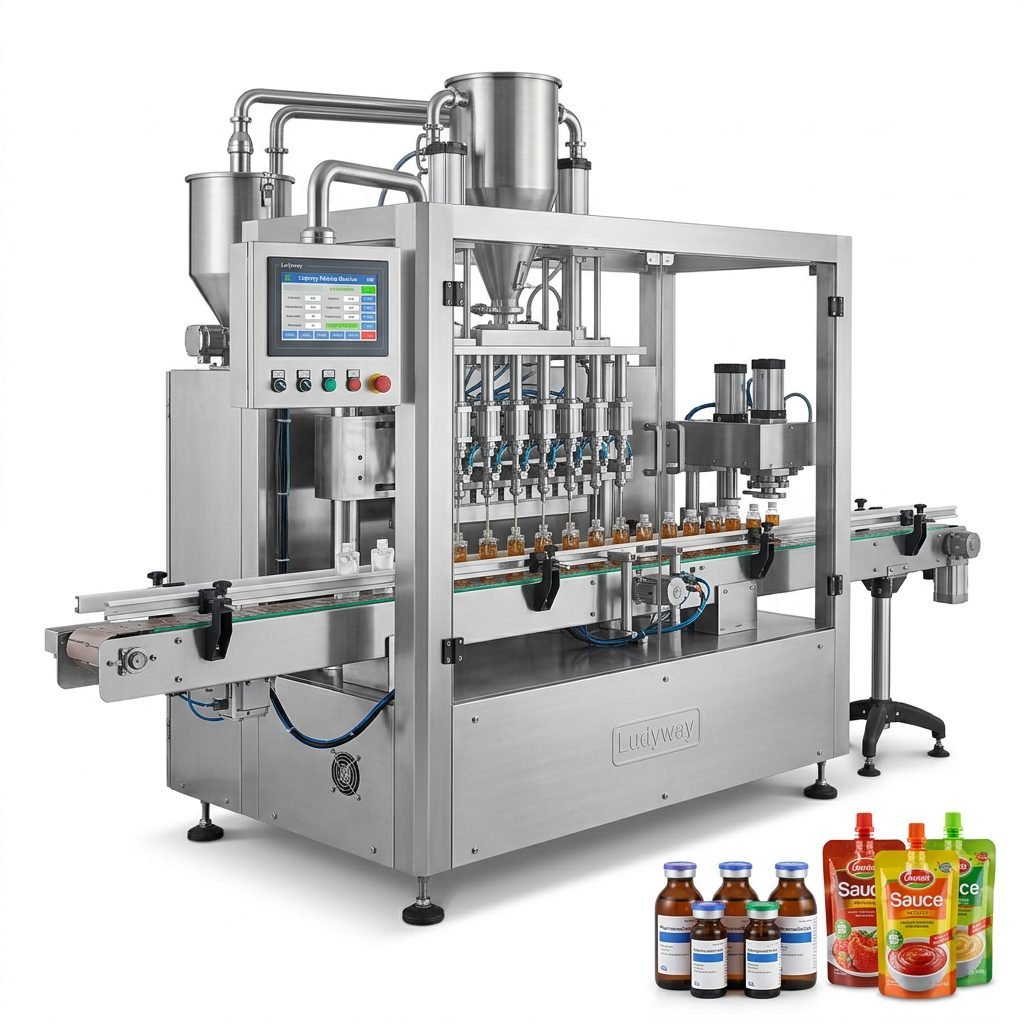
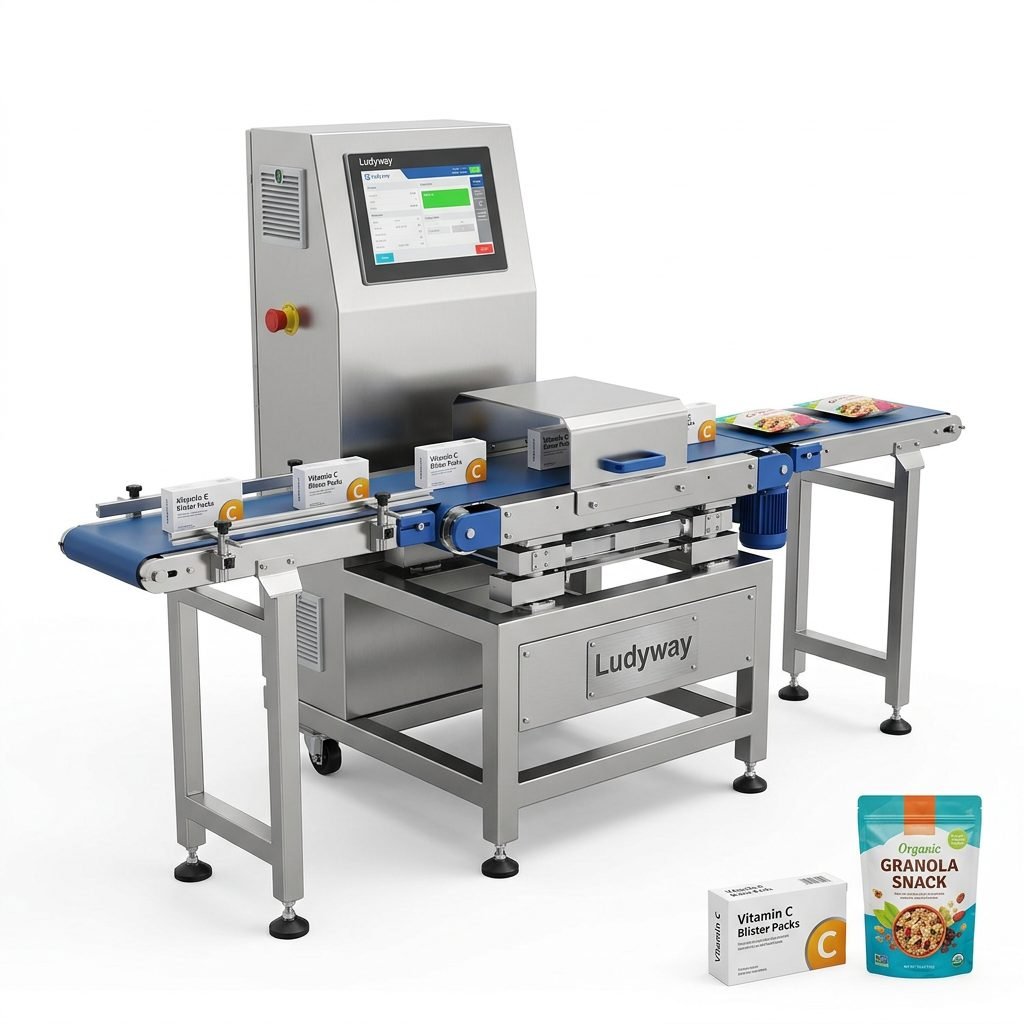
The cost of a complete tea biltong packaging machine line goes beyond the primary filler. Budget considerations must also account for multi-head weighers for biltong chunks, auger fillers for fine tea powder, and checkweighers to ensure compliance. Furthermore, a robust cartoning machine or case packer at the end of the line adds between $15,000 and $40,000 to the project.
Building a Smart Budget for Your Packaging Line
Calculating the true cost involves looking at the total cost of ownership. A cheaper machine might cost more in maintenance over five years. Prioritize suppliers who offer local after-sales support and wear parts availability. To avoid unexpected customs fees, verify if the price is FOB or CIF, especially when importing machinery for specialized products like biltong.
For operations requiring strict hygiene, fully sealed stainless steel structures and washdown capabilities are non-negotiable, pushing the price toward the higher end. Conversely, if you are strictly packing dry tea leaves without sticky biltong residue, a standard vertical packager might be sufficient.
Reliable Packaging Equipment Supplier
Choosing the right manufacturer is just as important as the machine specs themselves. Companies like Ludyway provide integrated solutions tailored specifically for intricate products such as tea biltong. With a vast manufacturing base and engineering expertise, they configure machines to handle oily, delicate, or abrasive products without compromising speed. You can explore their range of granule and powder packaging solutions.
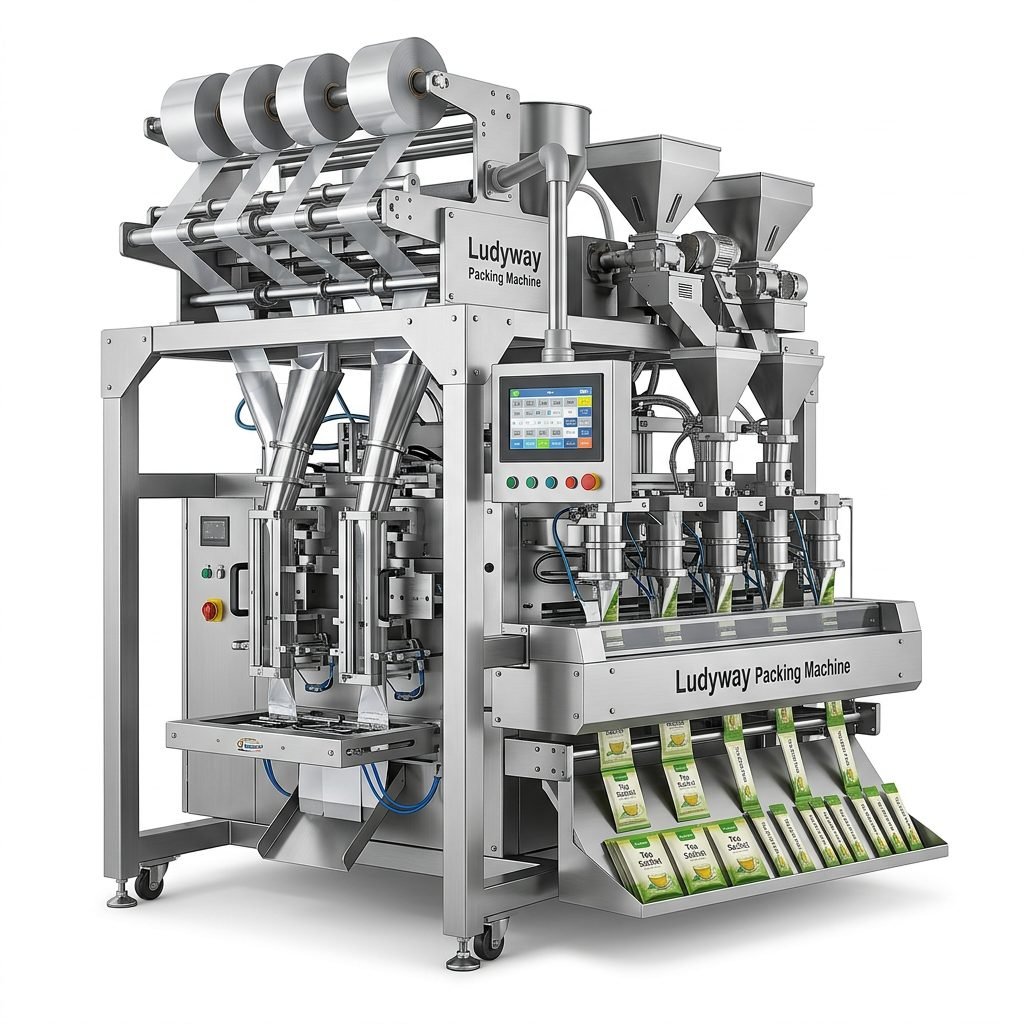
Essential Features vs. Optional Upgrades
Distinguishing between nice-to-have features and essential ones can save you tens of thousands of dollars. For a product combining tea and biltong properties, you must secure some specific technical validations before purchasing:
Essential Electrical and Safety Certifications
Always look for CE or UL certifications; these are critical for safety and legality and are typically included in the base price of reputable brands, not as hidden extras.
Positive Material Transport
Tea dust and biltong spices can be harsh on electronics. The cost of a sealed electrical cabinet and positive air pressure system inside the machine is a worthy investment to prevent premature failure.
Film Tracking and Registration
High-quality photo eye registration systems are vital when using printed film for biltong branding. Cheaper machines often skip on the precision of the servo drives, resulting in jagged cuts and wasted film. Insist on a configuration that supports two-axis servo control for the sealing jaws.
Frequently Asked Questions on Packaging Machine Cost
Many producers have common concerns when investing in new equipment for tea and meat snacks. Below are some rapid clarifications to help fine-tune your financial planning:
- Does the cost include spare parts? Most quotes include a basic toolkit and a sparse kit for 1-2 years, but a full spare parts inventory will be an additional line item.
- What about training and installation? On-site installation by an engineer can cost $1,500 – $3,000 depending on location and line complexity.
- How long is the warranty? Standard warranties are 12-18 months. Extended warranties are available but increase the upfront machine cost by a small percentage.
Finalizing Your Investment Decision
Understanding how much a tea biltong packaging machine costs ultimately links back to your production targets. A unit producing 60 bags per minute for a local chain will cost significantly less than a 12-lane monster designed for export volumes. To get a precise quote, you must provide details like target bag length, fill weight, and the specific type of biltong (powdered, strips, or granola-style).
To help our experts prepare a detailed pricing proposal tailored to your unique product mix, feel free to browse our multi-lane stick pack machine specifications. You can also check out other industry insights related to custom turnkey packaging solutions.
Next Steps for Your Packaging Project
Budgeting for a tea biltong packaging machine requires analysis of throughput, product properties, and future flexibility. While the initial cost range is broad, every dollar invested in robust engineering typically returns many more in reliability. Whether you require a compact unit for a specialty tea blend or a rugged high-speed line for biltong distribution, the right partner ensures your packaging machine helps you scale efficiently without endless operational headaches.