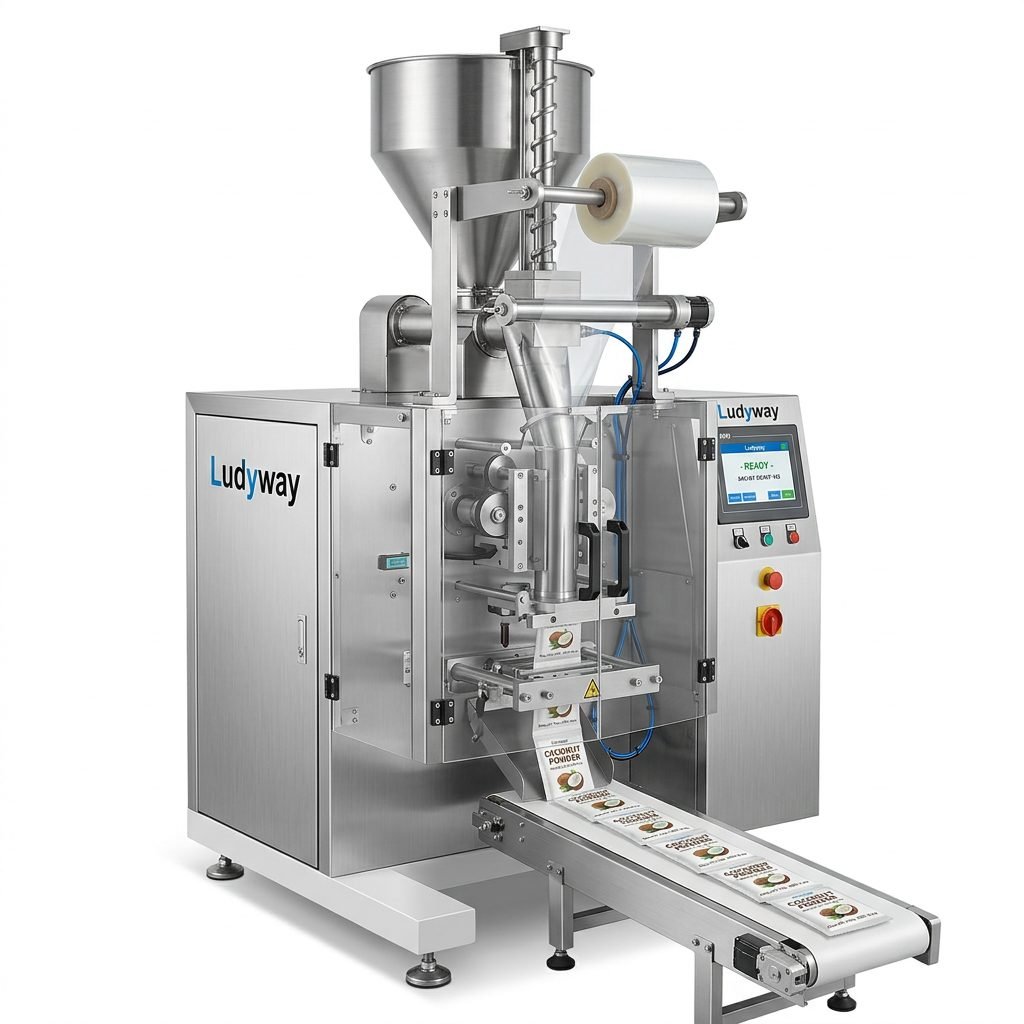
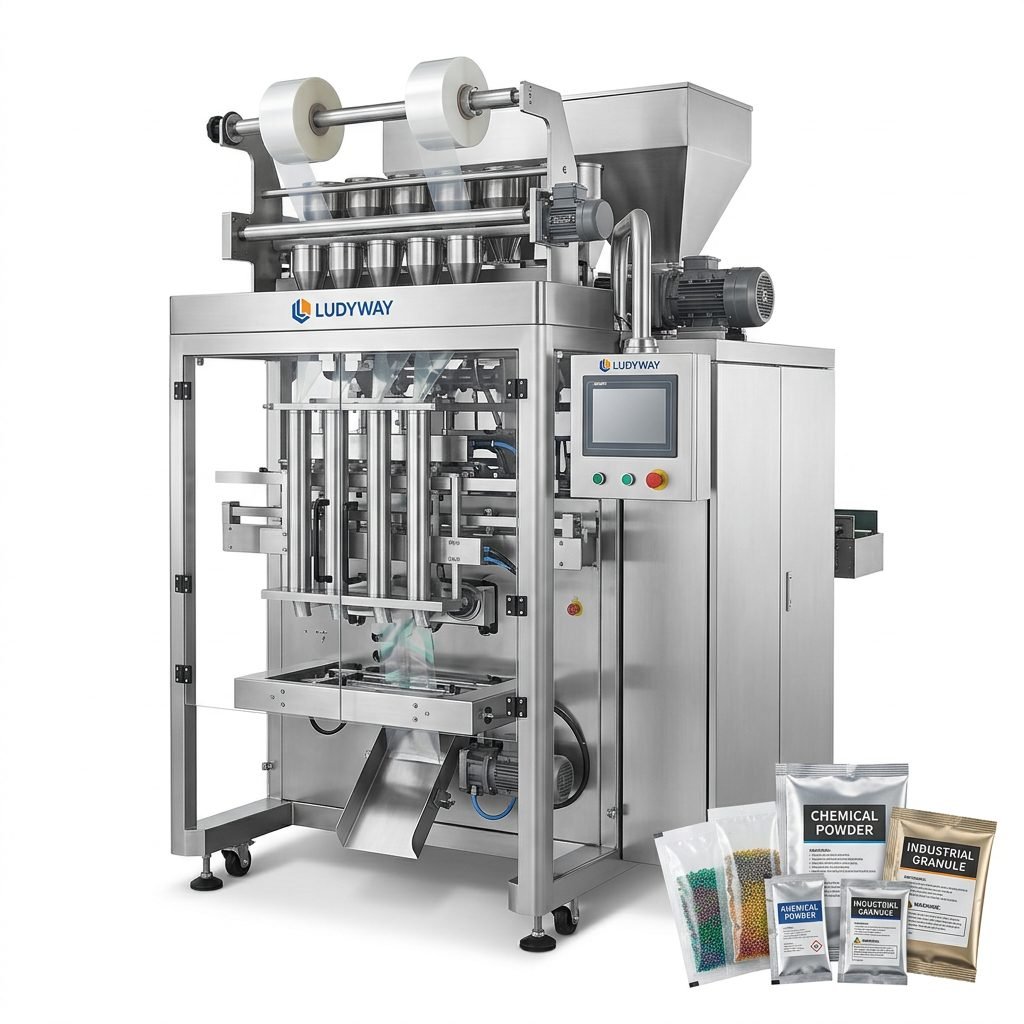
Investing in a small milk tea packing machine is a critical decision for bubble tea brands, instant tea powder manufacturers, and startup beverage businesses looking to scale production efficiently. The cost of these machines varies widely depending on automation level, output capacity, packaging format, and additional features. Whether you are packaging milk tea powder into stick packs, sachets, or pouches, understanding the full cost landscape helps you budget wisely and avoid unexpected expenses.
Key Factors That Influence Milk Tea Packing Machine Pricing
Several variables directly impact the final cost of a milk tea powder packaging machine. Knowing these factors helps you evaluate quotes and select equipment that matches your production goals without overspending.
- Automation Level: Semi-automatic machines cost less but require more manual labor, while fully automatic powder packaging machines command higher prices due to integrated filling, sealing, cutting, and counting functions.
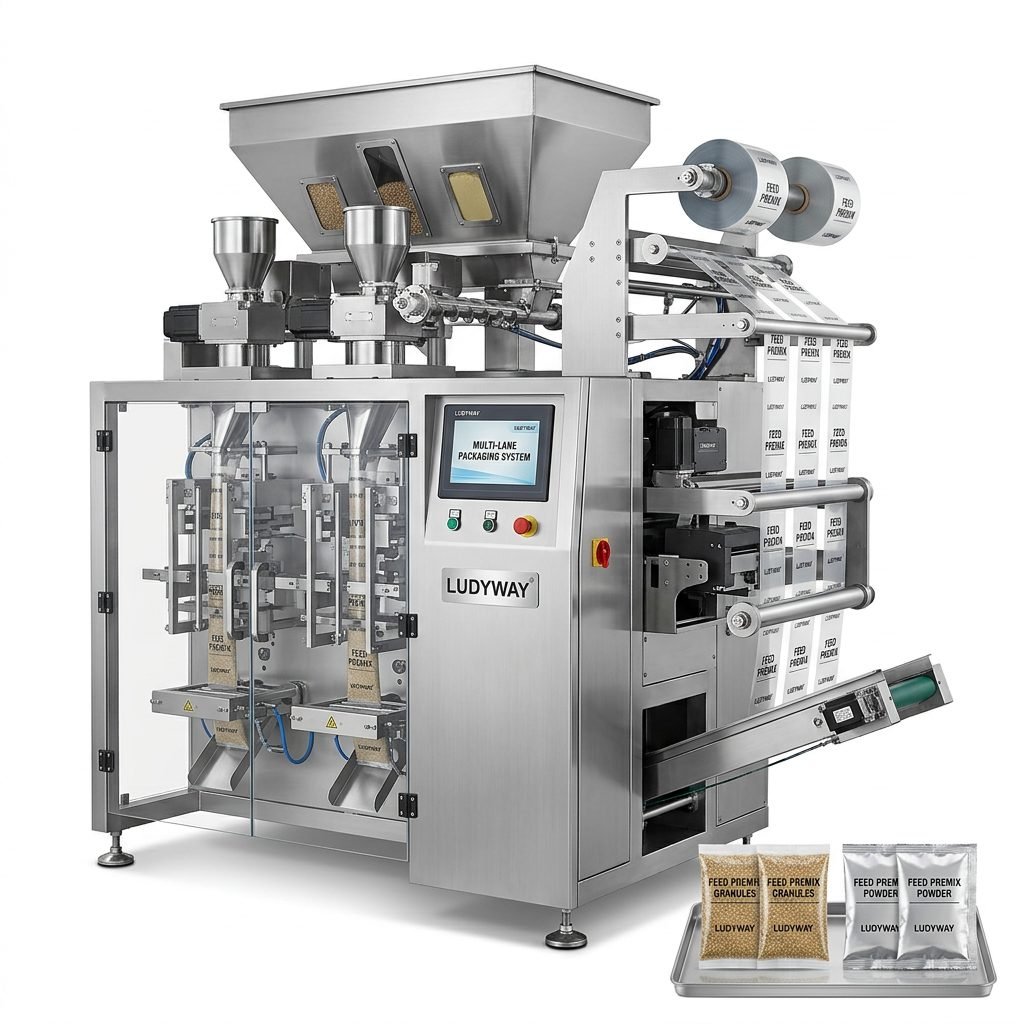
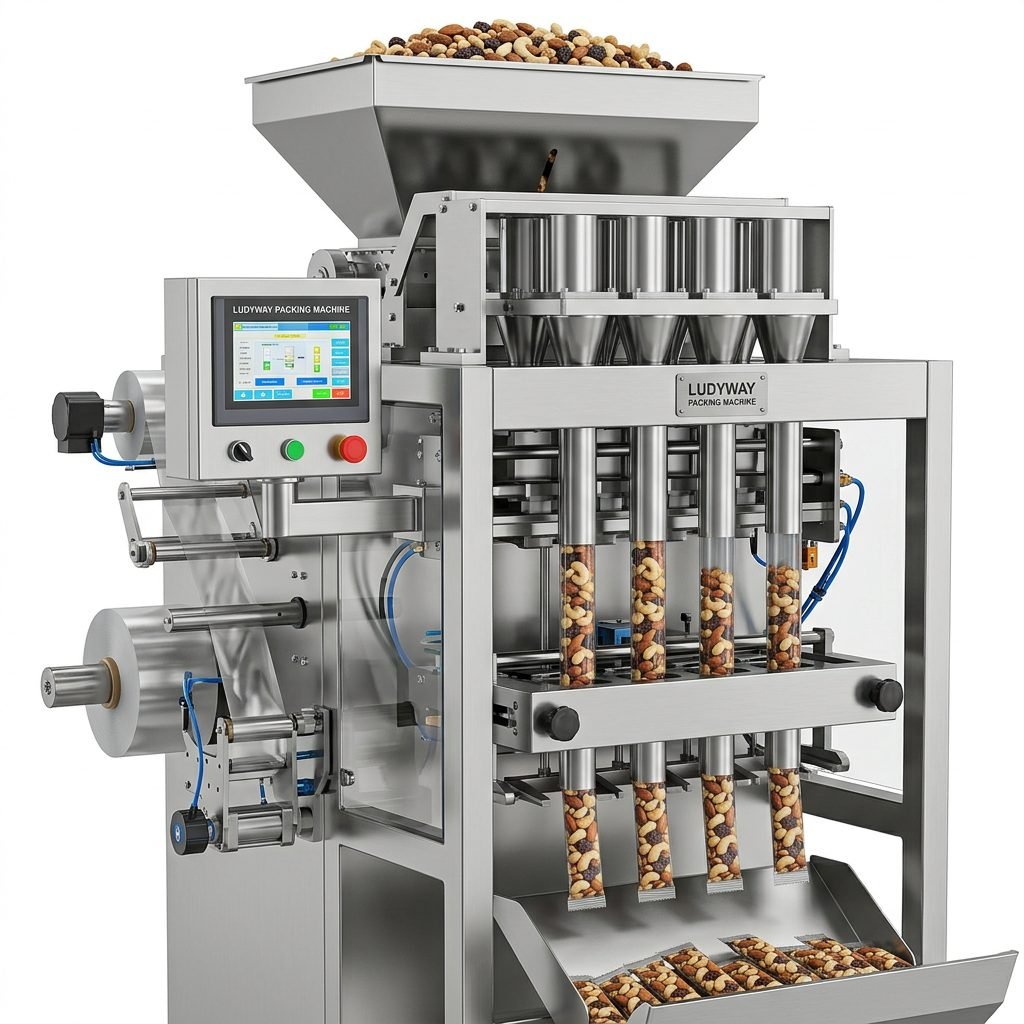
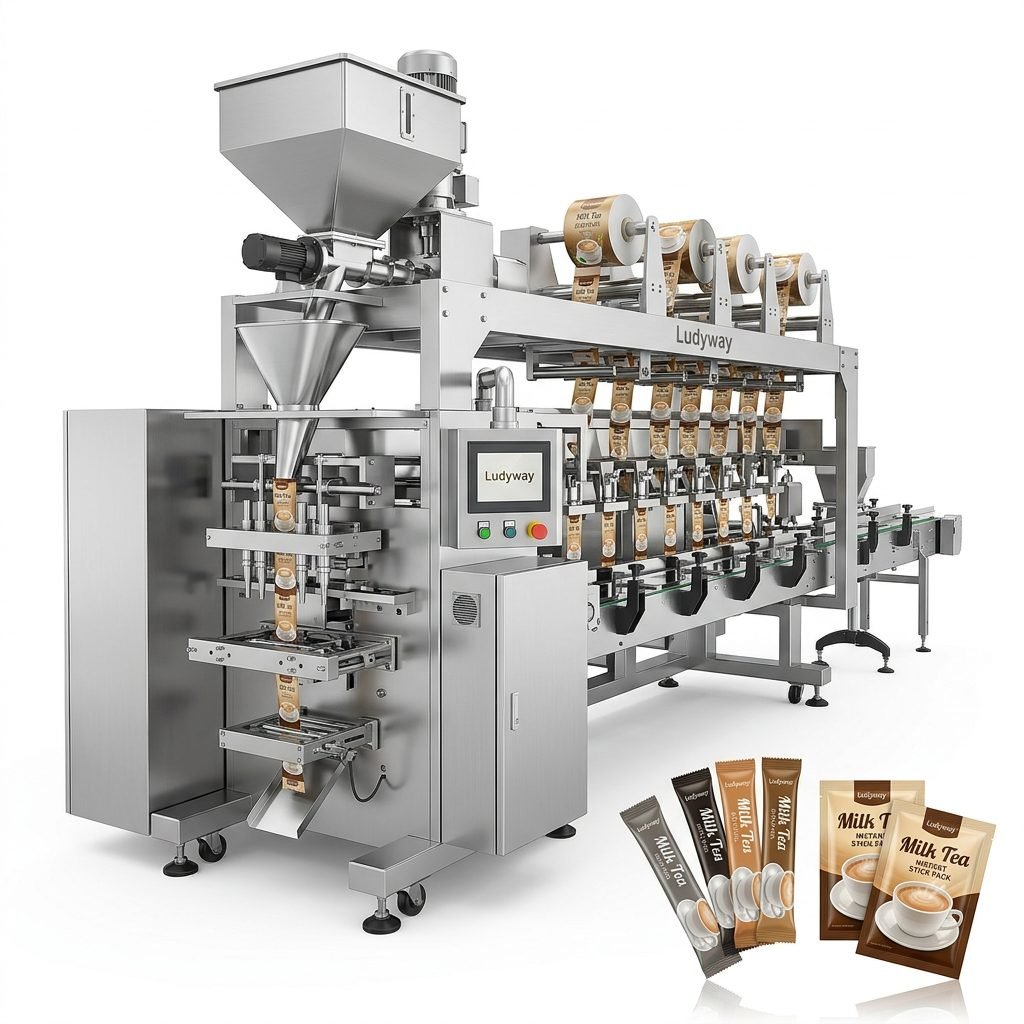
- Number of Lanes: A single-lane sachet machine is significantly cheaper than a multi-lane stick pack system. Multi-lane models (4-lane, 6-lane, 8-lane, or 12-lane) multiply output but also increase equipment cost substantially.
- Packaging Format: Stick pack machines, sachet packers, and pouch packaging systems each have different engineering requirements. A multi-lane stick pack machine designed for milk tea powder may cost more than a basic sachet filler.
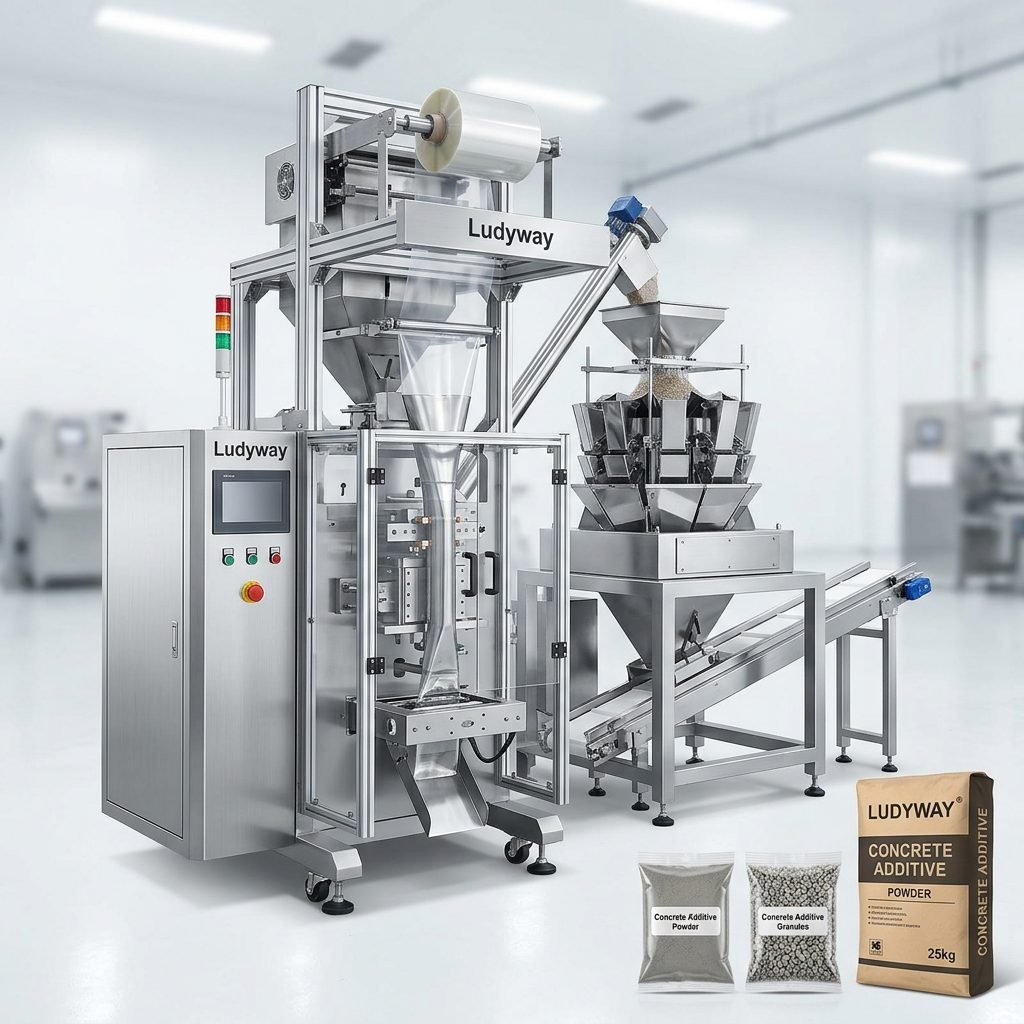
- Filling Accuracy & Weighing System: Machines equipped with multi-head weighers, auger fillers, or volumetric cup fillers vary in price. Precision weighing systems add to the initial investment but reduce product giveaway and improve consistency.
- Construction Material: Stainless steel 304 or 316L food-grade construction costs more than standard carbon steel but is essential for food safety compliance and durability.
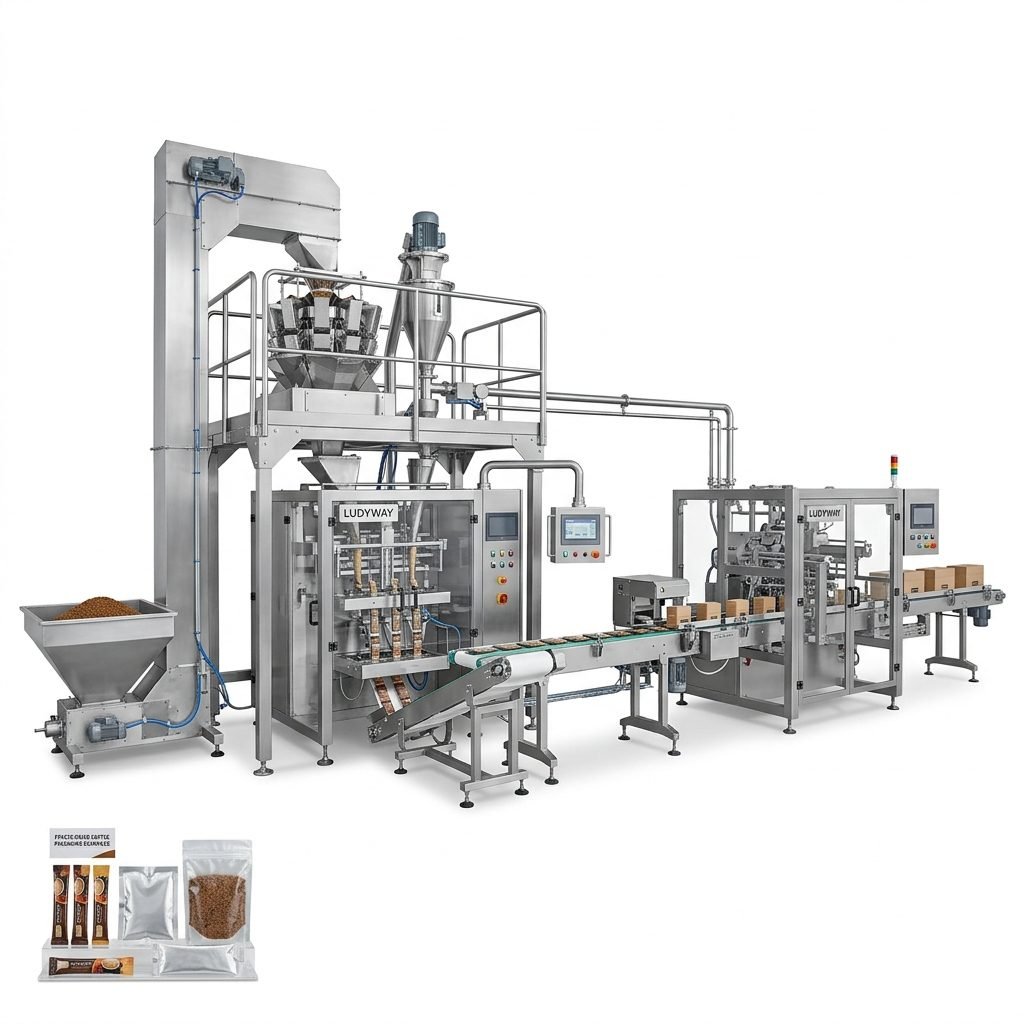
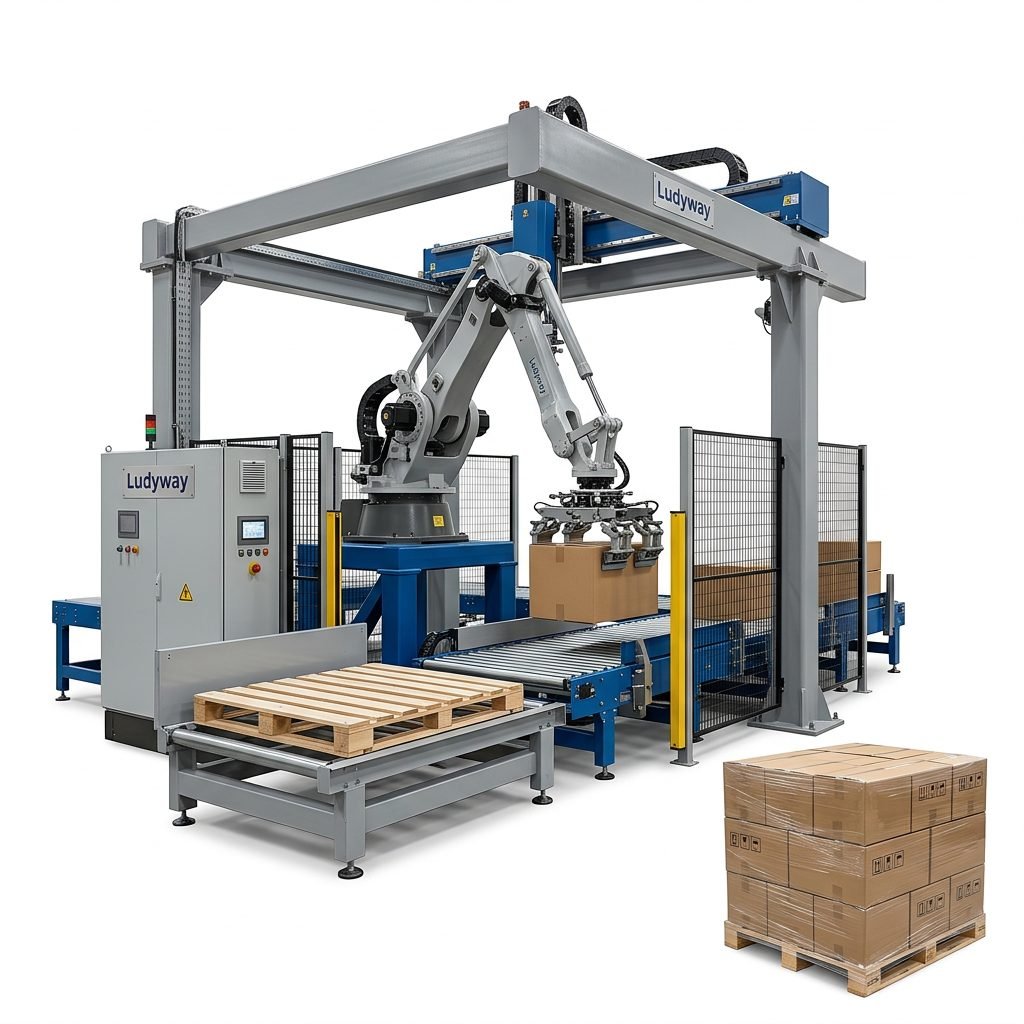
- Additional Modules: Optional equipment such as coding printers, nitrogen flushing systems, reject stations, and boxing machines increase the total line cost.
Price Breakdown by Machine Configuration
The table below provides an overview of pricing ranges for different types of milk tea packing machines based on current market data. Prices are approximate and depend on customization, brand, and regional factors.
| Machine Type | Capacity Range | Approximate Price (USD) | Best For |
|---|---|---|---|
| Semi-Automatic Single-Lane Sachet Machine | 15-30 packs/min | $3,000 – $8,000 | Small startups, local tea shops |
| Automatic Single-Lane Stick Pack Machine | 30-60 packs/min | $8,000 – $18,000 | Growing brands, co-packers |
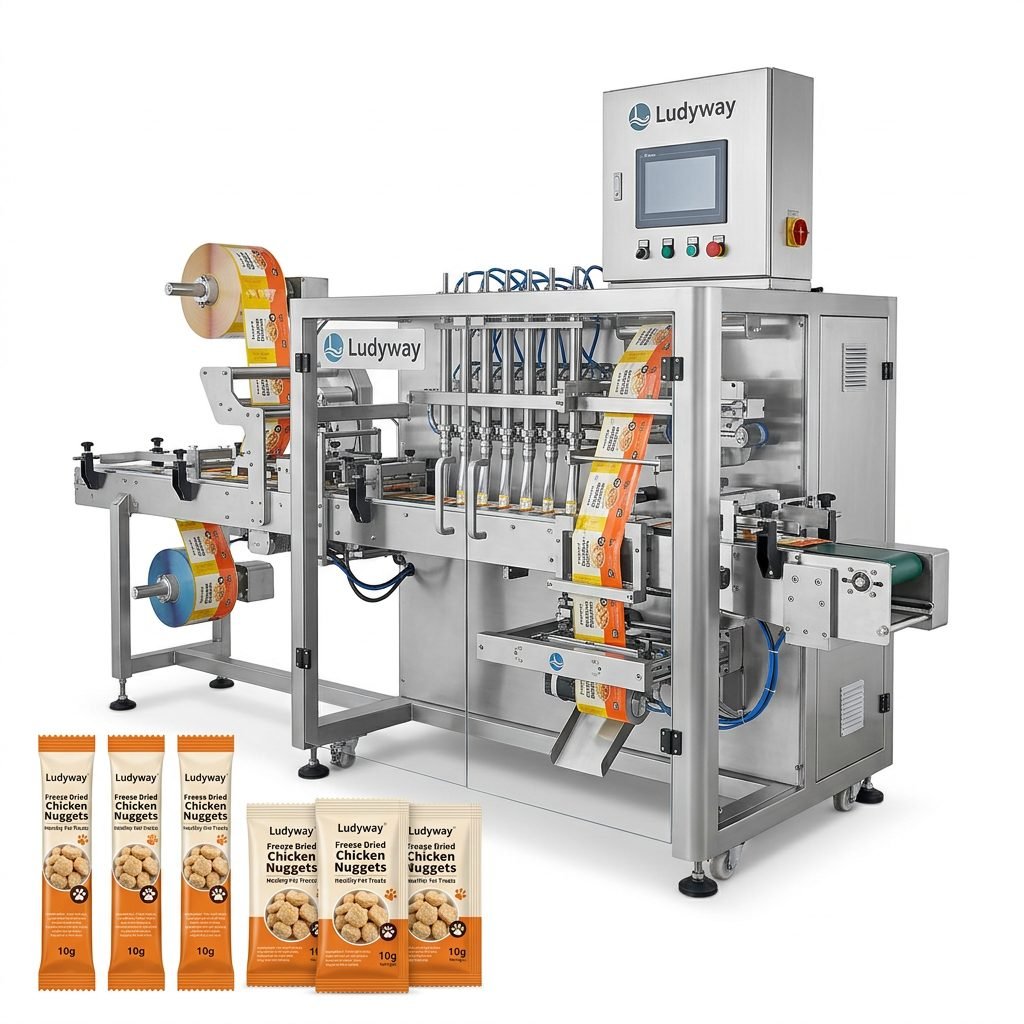
| Multi-Lane Stick Pack Machine (4-6 Lanes) | 120-300 packs/min | $25,000 – $55,000 | Mid-size manufacturers, OEM brands |
| High-Speed Multi-Lane System (8-12 Lanes) | 400-800+ packs/min | $60,000 – $120,000+ | Large-scale production, export markets |
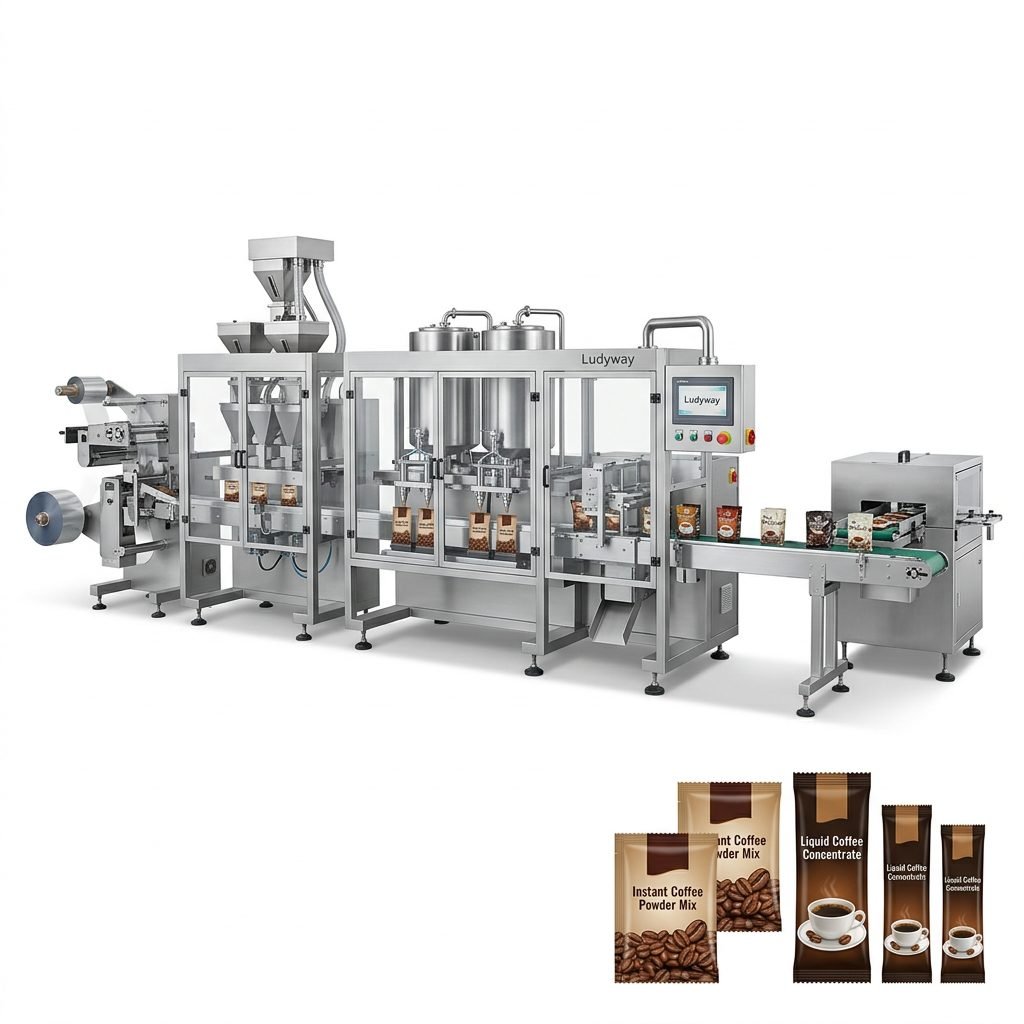
| Complete Turnkey Packaging Line | Fully integrated | $80,000 – $250,000+ | Industrial-scale, automated factories |
Entry-Level vs. Mid-Range vs. High-End: What Fits Your Budget?
Entry-Level Machines ($3,000 – $8,000)
These are typically semi-automatic vertical form-fill-seal machines with single-lane output. They require manual feeding and monitoring but provide an affordable entry point for small businesses. Ideal for local milk tea shops producing private-label powder sachets in limited quantities. Expect basic PLC control, limited speed, and minimal automation features.
Mid-Range Machines ($15,000 – $55,000)
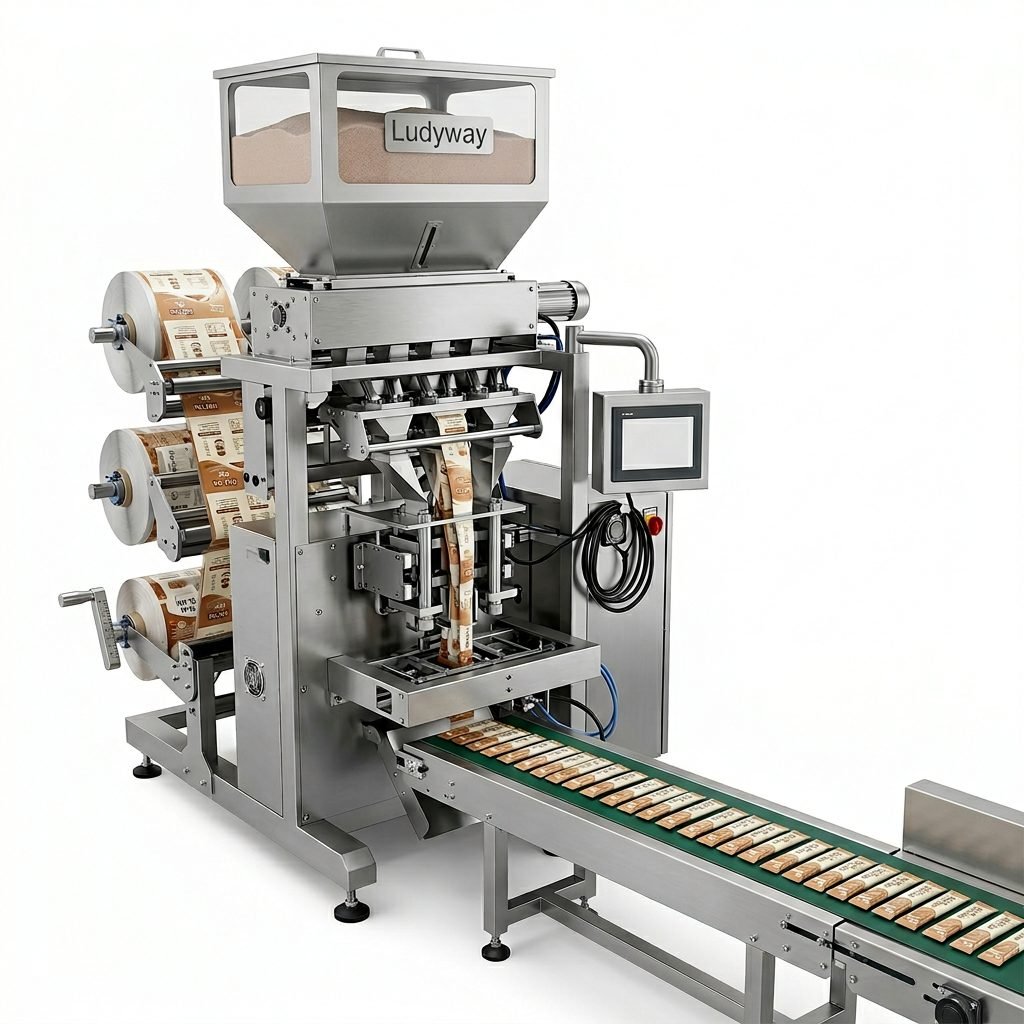
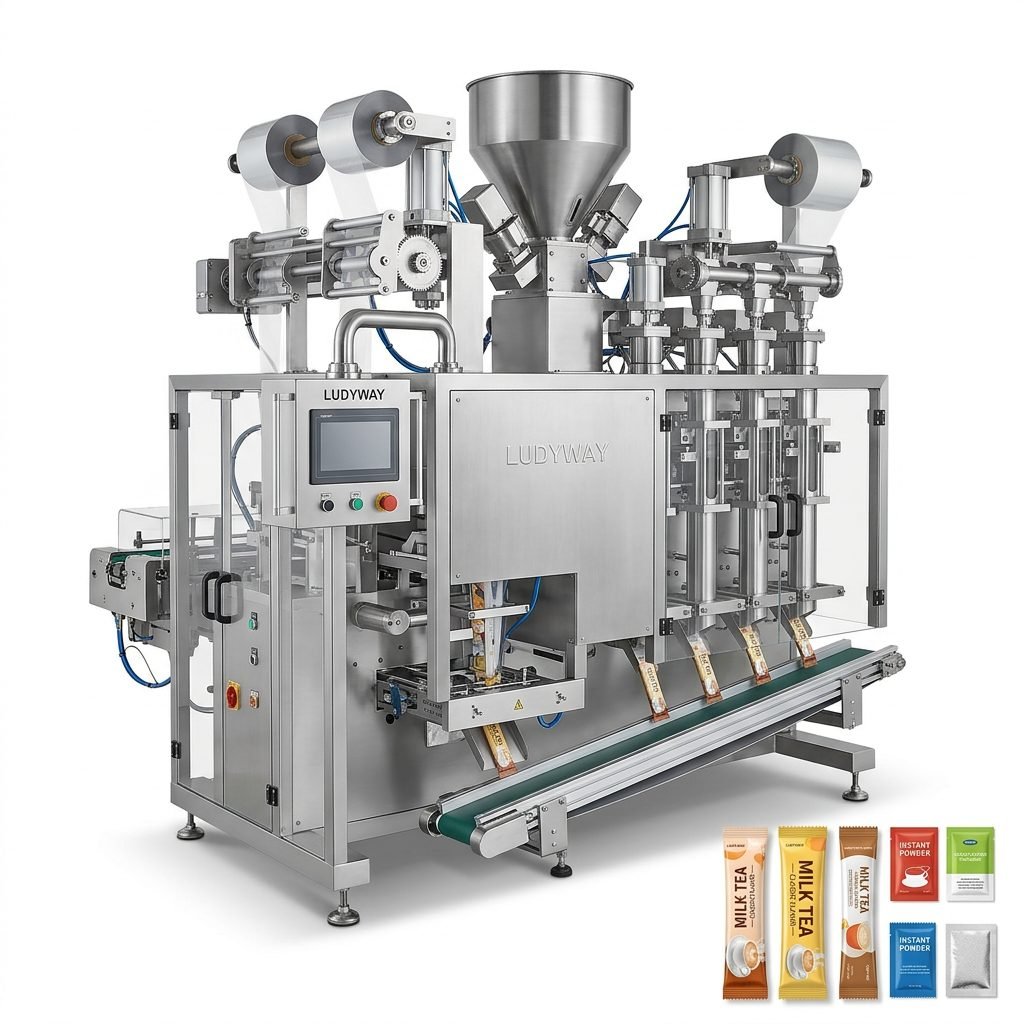
This category includes fully automatic multi-lane stick pack machines with 4 to 6 lanes. They feature servo-driven sealing, automated film tracking, and integrated weigh-filling systems. Production capacity ranges from 120 to 300 packs per minute, making them suitable for regional brands and contract packagers. Many machines in this range support multiple packet formats and can handle various powder types beyond milk tea.
High-End Automated Systems ($60,000 – $120,000+)
Top-tier multi-lane sachet packaging systems with 8, 10, or 12 lanes deliver 400 to over 800 packs per minute. These industrial-grade machines include advanced features such as automatic registration control, nitrogen gas flushing, laser coding, reject systems, and centralized HMI touchscreen operation. Built for 24/7 operation, they represent the highest initial investment but offer the lowest per-unit packaging cost over time.
Additional Costs to Factor into Your Budget
Beyond the machine purchase price, several ancillary expenses can affect your total cost of ownership:
- Shipping & Freight: International shipping for heavy packaging machinery can add $1,500 – $6,000 depending on destination and machine size.
- Installation & Commissioning: On-site setup and technician training typically range from $2,000 to $8,000, especially for multi-lane systems requiring precise calibration.
- Packaging Film & Consumables: Annual film costs depend on production volume. Budget $5,000 – $25,000+ per year for quality composite film rolls.
- Spare Parts & Maintenance: Set aside 5-10% of the machine cost annually for wear parts such as sealing jaws, belts, sensors, and heating elements.
- Compressed Air & Electrical Setup: Most automatic machines require a compressed air supply and dedicated electrical connections, which may involve facility upgrade costs.
How to Choose the Right Milk Tea Packing Machine for Your Business
Selecting the optimal small milk tea packing machine requires balancing your production needs, budget constraints, and growth projections. Consider these guidelines:
- Define Your Target Output: Calculate current and projected daily production volumes. A machine operating at 60% of its rated capacity provides room for growth without excessive initial investment.
- Evaluate Packet Specifications: Determine your desired packet size, shape, and material. Ensure the machine accommodates the film width, packet length, and seal type you require.
- Assess Powder Characteristics: Milk tea powder varies in density, flowability, and moisture content. Choose a filling system—auger filler, volumetric cup, or multi-head weigher—suited to your specific powder properties.
- Verify Compliance Requirements: Food-grade stainless steel construction and certifications such as CE, ISO, and FDA compliance are critical for export-oriented businesses.
- Plan for After-Sales Support: Prioritize manufacturers offering remote technical support, spare parts availability, and warranty coverage to minimize downtime.
Why Machine Quality Directly Impacts Long-Term Costs
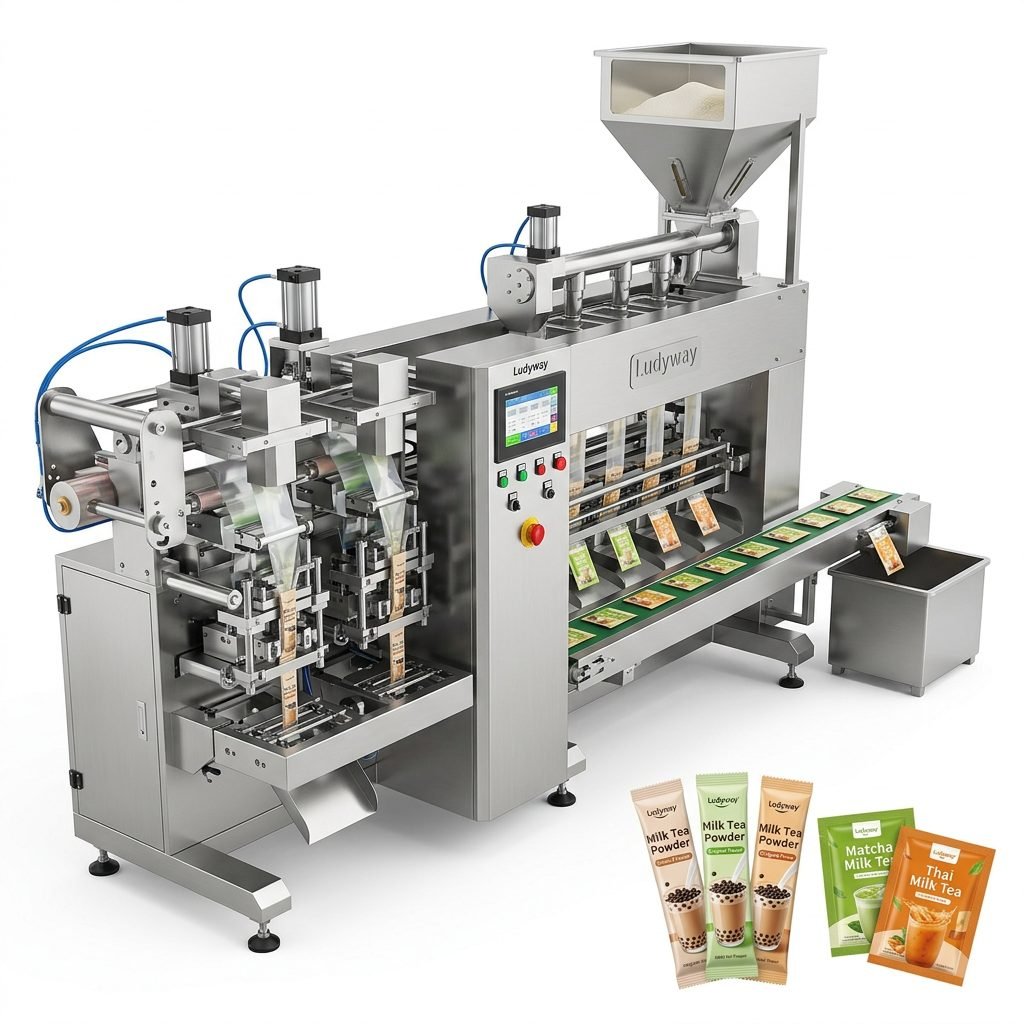
While budget-friendly machines may seem attractive initially, lower-quality equipment often results in higher long-term expenses due to frequent breakdowns, inconsistent filling accuracy, excessive film waste, and limited spare parts availability. Investing in a well-engineered machine from an experienced manufacturer reduces downtime and ensures stable production output. Ludyway, with over 30 years of industry experience and a modern 20,000㎡ manufacturing facility, provides reliable multi-lane stick pack and sachet packaging solutions trusted by businesses in more than 100 countries. Selecting a reputable supplier with proven engineering expertise helps protect your investment over the machine’s full lifecycle.
Industry Resources and Further Reading
For additional insights into packaging machinery standards, market trends, and regulatory requirements, explore these authoritative resources:
- PMMI – Packaging Industry Business Intelligence
- PMMI – 2025 State of the Industry Report
- Flexible Packaging Association – Industry Resources
- FDA – Food Packaging and Food Contact Substances
- ISO – Packaging Standards
Final Thoughts on Milk Tea Packing Machine Investment
The cost of a small milk tea packing machine ranges from approximately $3,000 for basic semi-automatic models to $120,000+ for high-speed multi-lane production systems. Your ideal choice depends on production volume, automation requirements, and long-term business strategy. By carefully evaluating the factors outlined above—machine configuration, additional costs, powder characteristics, and supplier reliability—you can make an informed purchasing decision that supports sustainable growth in the competitive milk tea market. Requesting detailed quotations from multiple manufacturers and comparing technical specifications side by side remains the most effective approach to securing the best value for your investment.