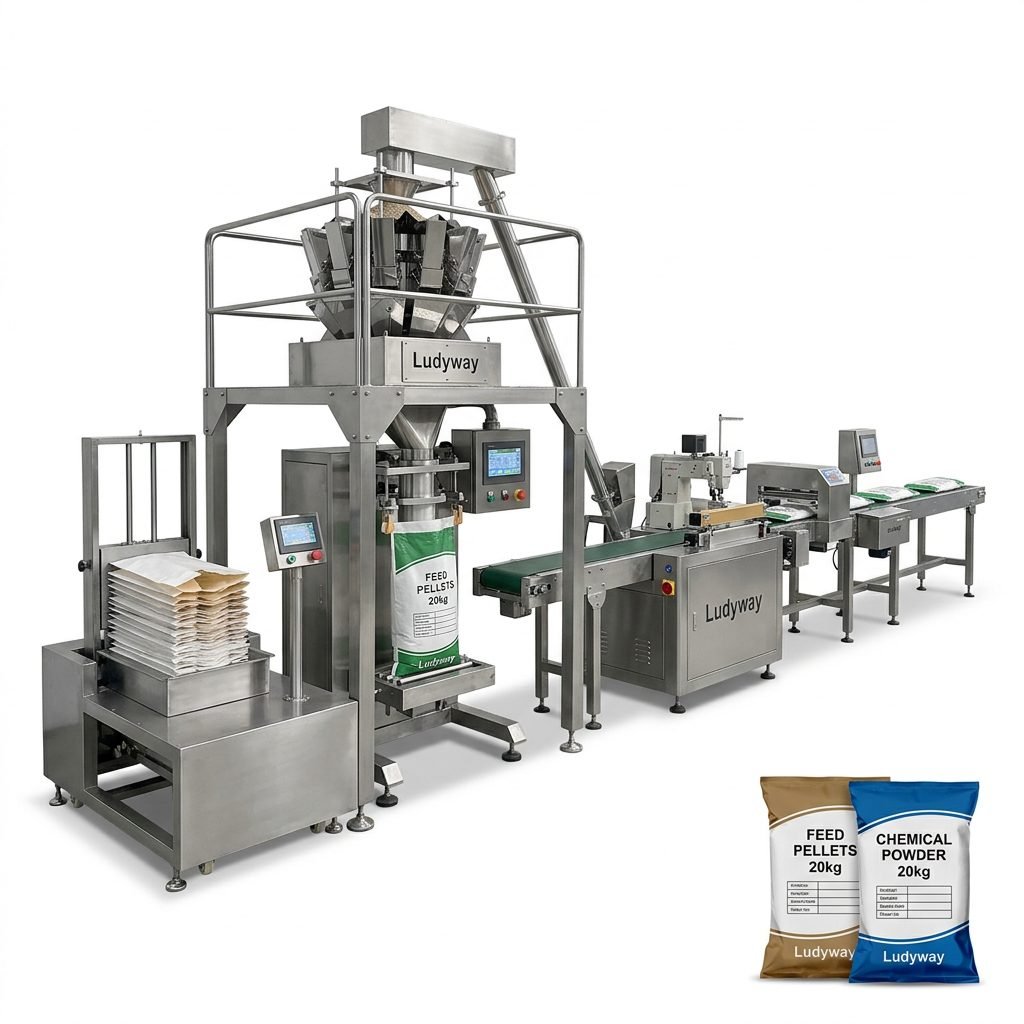
Investing in a tea liquid packing machine is a critical decision for tea producers, beverage manufacturers, and contract packagers aiming to scale operations. Whether you are packaging ready-to-drink tea concentrates, herbal extracts, or instant tea liquids into sachets, stick packs, or pouches—understanding the cost structure is the first step toward making a confident purchase. This pricing guide breaks down the real-world cost ranges, key variables that influence pricing, and practical tips to help you evaluate your options without overpaying.
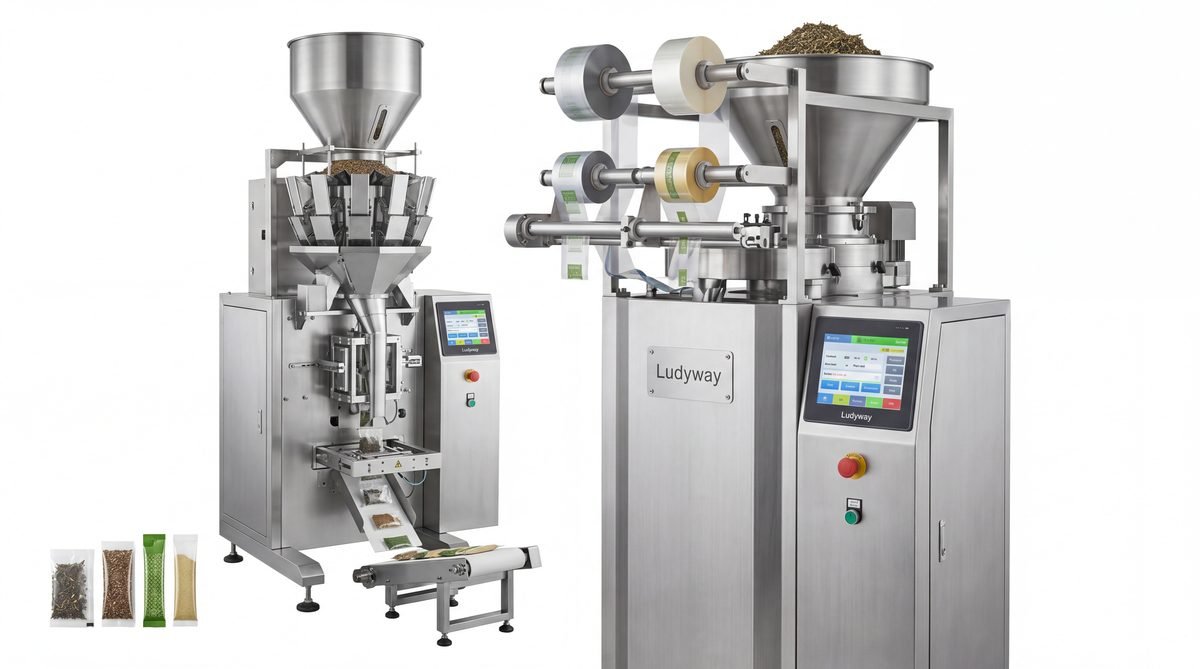
Key Factors That Influence Tea Liquid Packing Machine Costs
No two tea packaging projects are exactly alike. The price of a tea liquid packing machine can vary dramatically based on several interconnected factors. Below are the primary cost drivers you should evaluate before requesting a quotation.
- Automation Level: Manual, semi-automatic, and fully automatic systems each occupy distinct price brackets. Fully automatic multi-lane machines command the highest investment but deliver unmatched throughput.
- Packaging Format: Sachet, stick pack, pouch, or bottle filling—each format requires different sealing, dosing, and film-handling mechanisms that affect the final price.
- Production Capacity: Machines rated for 30–50 packs per minute are significantly more affordable than high-speed lines capable of 200–400 packs per minute.
- Filling Precision & Liquid Viscosity: Tea liquids range from water-thin extracts to viscous concentrates with suspended particles. Precision piston fillers, magnetic flow meters, or mass flow meters add to equipment cost.
- Number of Lanes: Single-lane machines are entry-level; 4-lane, 6-lane, and 10-lane configurations multiply output—and price—accordingly.
- Material Compatibility: Components made from 304 or 316 stainless steel, food-grade seals, and CIP (Clean-in-Place) capabilities increase upfront cost but are essential for food-grade tea applications.
- Additional Modules: Integrated coding systems, checkweighers, cartoning machines, and palletizers turn a standalone machine into a complete packaging line, raising the total investment.
- Certification Requirements: Machines built to meet FDA, CE, or ISO standards often carry a premium due to rigorous compliance documentation and component traceability.
Price Ranges by Machine Type
The table below summarizes typical cost ranges for various tea liquid packing machine configurations based on current global market data. Actual prices depend on specifications, customization, and supplier location.
| Machine Type | Packaging Format | Estimated Price Range (USD) | Best Suited For |
|---|---|---|---|
| Single-Lane Semi-Automatic | Sachet / Stick Pack | $8,000 – $18,000 | Startups, small-batch production |
| 4-Lane Automatic Sachet Machine | Pillow Sachet | $35,000 – $65,000 | Mid-scale tea manufacturers |
| 6–8 Lane High-Speed Stick Pack | Stick Pack | $70,000 – $120,000 | High-volume contract packagers |
| Multi-Lane Pouch Filling Line | Premade Pouch / Doypack | $90,000 – $160,000 | Premium tea brands, ready-to-drink |
| Complete Turnkey Packaging Line | Multi-format with cartoning | $180,000 – $400,000+ | Large-scale industrial production |

Understanding Automation Levels and Cost Implications
When budgeting for a tea liquid packing machine, automation level is the single largest cost determinant. Here is how the tiers break down in practical terms.
Semi-Automatic Machines
These machines require manual intervention for film loading, product feeding, or finished pack collection. They are ideal for small tea brands testing new markets or producing limited-edition blends. While the upfront cost is low, labor costs per unit are higher. Expect to spend $8,000 to $18,000 for a reliable semi-automatic unit with basic liquid dosing capabilities.
Fully Automatic Single-Format Machines
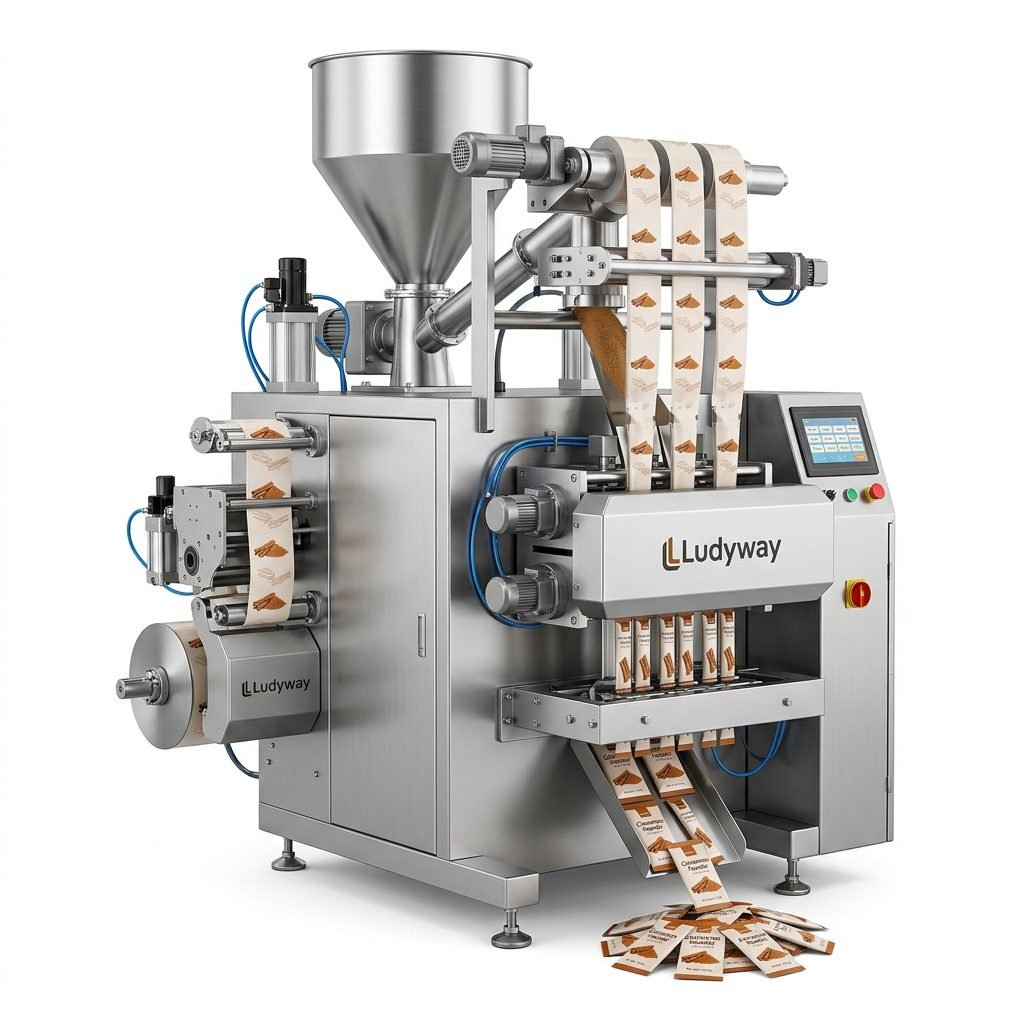
Designed for dedicated production of one packaging format—such as stick packs or sachets—these machines handle film unwinding, forming, filling, sealing, and cutting automatically. A solid 4-lane automatic machine suitable for tea liquids typically falls in the $35,000 to $65,000 range. This is the most common entry point for established flexible packaging operations.
High-Speed Multi-Lane Systems
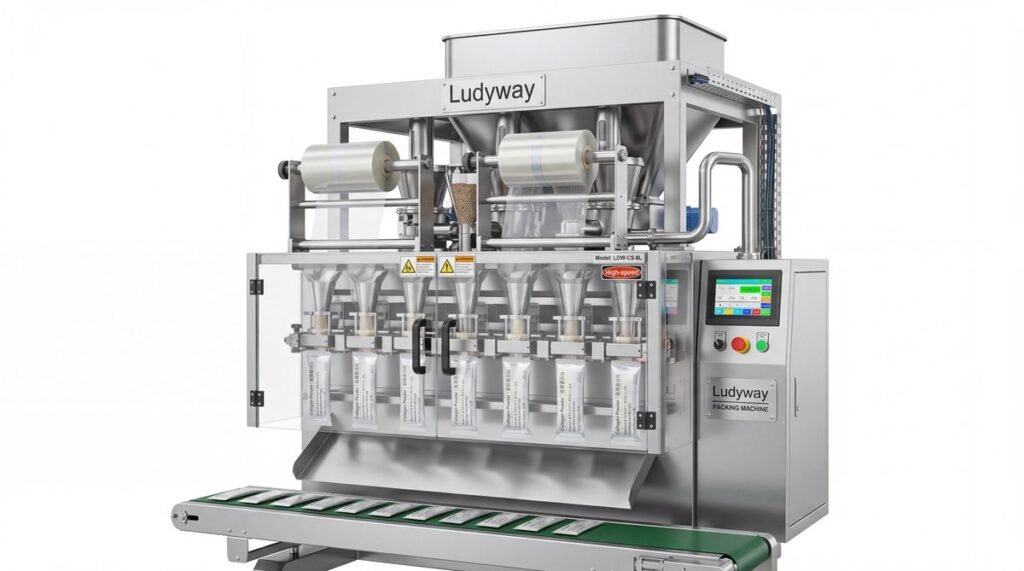
At the top end, 8-lane, 10-lane, or even 12-lane continuous motion machines can produce over 400 stick packs per minute. These systems use servo-driven filling, automatic film registration, and integrated quality inspection. Pricing starts around $120,000 and can exceed $250,000 with full customization. For tea businesses producing millions of units monthly, this investment delivers the lowest cost-per-pack.

Additional Costs to Consider Beyond the Machine Price
The sticker price of a tea liquid packing machine is only part of the total investment. Savvy buyers factor in these ancillary costs to avoid budget overruns.
- Shipping & Logistics: International freight, customs duties, and insurance can add 5%–15% to the machine cost, depending on the country of origin and destination.
- Installation & Commissioning: On-site setup by factory-trained engineers typically costs $3,000–$10,000 plus travel expenses. Remote guidance options are increasingly available at lower cost.
- Operator Training: Comprehensive training for your team ensures optimal machine performance. Some suppliers include basic training in the purchase price; advanced programs may cost extra.
- Spare Parts & Maintenance: Budget 2%–5% of the machine cost annually for replacement parts such as sealing jaws, heating elements, and pump components. Verify spare parts availability before buying.
- Facility Preparation: Electrical upgrades, compressed air supply, dust extraction, and cleanroom modifications may be needed before installation.
- Packaging Materials: Test your tea liquid with the intended film or laminate to confirm compatibility. Specialized barrier films for liquid tea may have different pricing and minimum order quantities.
How to Choose the Right Tea Liquid Packing Machine for Your Budget
Selecting the right machine involves balancing current needs with future growth. Follow this decision framework to narrow down your options and get the best value.
- Define your production volume. Calculate daily, monthly, and seasonal peak output requirements. Choose a machine that can handle peak demand at 70%–80% of its rated speed to allow headroom.
- Specify your packaging format. Stick packs are popular for single-serve tea concentrates; sachets suit larger portions; pouches work well for premium liquid tea products. Each format requires different machine architecture.
- Assess liquid characteristics. Measure viscosity, particle content, and foaming tendency. Water-thin tea extracts are easier to handle than thick, pulpy blends. Share samples with potential suppliers for feasibility testing.
- Verify compliance needs. If exporting to regulated markets, confirm that the machine meets FDA food contact substance requirements, EU food safety regulations, or other applicable standards.
- Request detailed quotations. Compare at least three suppliers. Look beyond the base price—evaluate warranty terms, after-sales support, and the availability of remote troubleshooting.
- Plan for scalability. A modular machine that allows lane expansion or integration with downstream cartoning and palletizing systems protects your long-term investment.
The Smart Buyer’s Perspective: Total Cost of Ownership
While initial purchase price matters, the total cost of ownership (TCO) over 5–10 years is what truly impacts profitability. A machine priced at $50,000 with high reliability, low maintenance costs, and excellent energy efficiency may prove far cheaper in the long run than a $35,000 alternative with frequent downtime and expensive spare parts. Always request industry benchmark data or references from the manufacturer’s existing customers to validate performance claims.

Industry Standards and Regulatory Considerations
Tea liquid packaging falls under food-grade production regulations worldwide. Machines used for filling tea concentrates, herbal infusions, or ready-to-drink tea products must comply with relevant safety and hygiene standards. The ISO packaging standards provide a framework for verifying that your equipment meets international benchmarks. In the United States, compliance with FDA guidelines for food contact substances is mandatory. In Europe, the European Commission packaging regulations govern material safety and sustainability requirements. Investing in a machine that already carries CE, FDA, or ISO certification streamlines your path to market entry in multiple regions.
About Ludyway
Ludyway is one of the largest packaging machine manufacturers in China, specializing in advanced packaging equipment and turnkey production solutions for the food, pharmaceutical, and health industries. With over 30 years of industry expertise, we provide reliable and efficient packaging solutions for granule, powder, liquid, and pouch packaging applications. Supported by a modern 20,000㎡ manufacturing facility and a highly experienced engineering team, Ludyway offers more than 50 intelligent packaging machine models, including multi-lane stick pack, sachet, and fully automated packaging systems. Serving customers in over 100 countries and regions, we are committed to delivering innovative, high-performance, and cost-effective packaging solutions that help businesses improve productivity, product quality, and operational efficiency. For inquiries about tea liquid packing machine pricing and custom solutions, contact our team at info@ludyway.com or via WhatsApp: +8613129592456.
Frequently Asked Questions About Tea Liquid Packing Machine Costs
What is the cheapest tea liquid packing machine available?
Entry-level semi-automatic machines start at approximately $8,000. However, these units require significant manual labor and are best suited for pilot production or very low volumes.
How much does a fully automatic multi-lane machine cost?
A fully automatic 4-lane machine typically costs between $35,000 and $65,000. High-speed 8-lane or 10-lane systems range from $120,000 to $250,000+, depending on configuration and features.
Are there hidden costs when importing a packaging machine?
Yes. International buyers should budget for shipping, customs duties, VAT, installation, and training. These can add 10%–20% to the total delivered cost. Always request a comprehensive CIF or DDP quotation from your supplier.
Can one machine handle both tea liquid and other beverage products?
Many multi-purpose liquid packaging machines can handle tea concentrates, juices, dairy-based beverages, and even viscous products like syrups or sauces. The key is to specify your full product range during the inquiry stage so the supplier configures the machine accordingly.
What financing or payment terms are available?
Most manufacturers offer standard payment terms such as 30% deposit with the balance before shipment, or through trade finance instruments like letters of credit (L/C). Discuss terms directly with your supplier to find an arrangement that aligns with your cash flow.