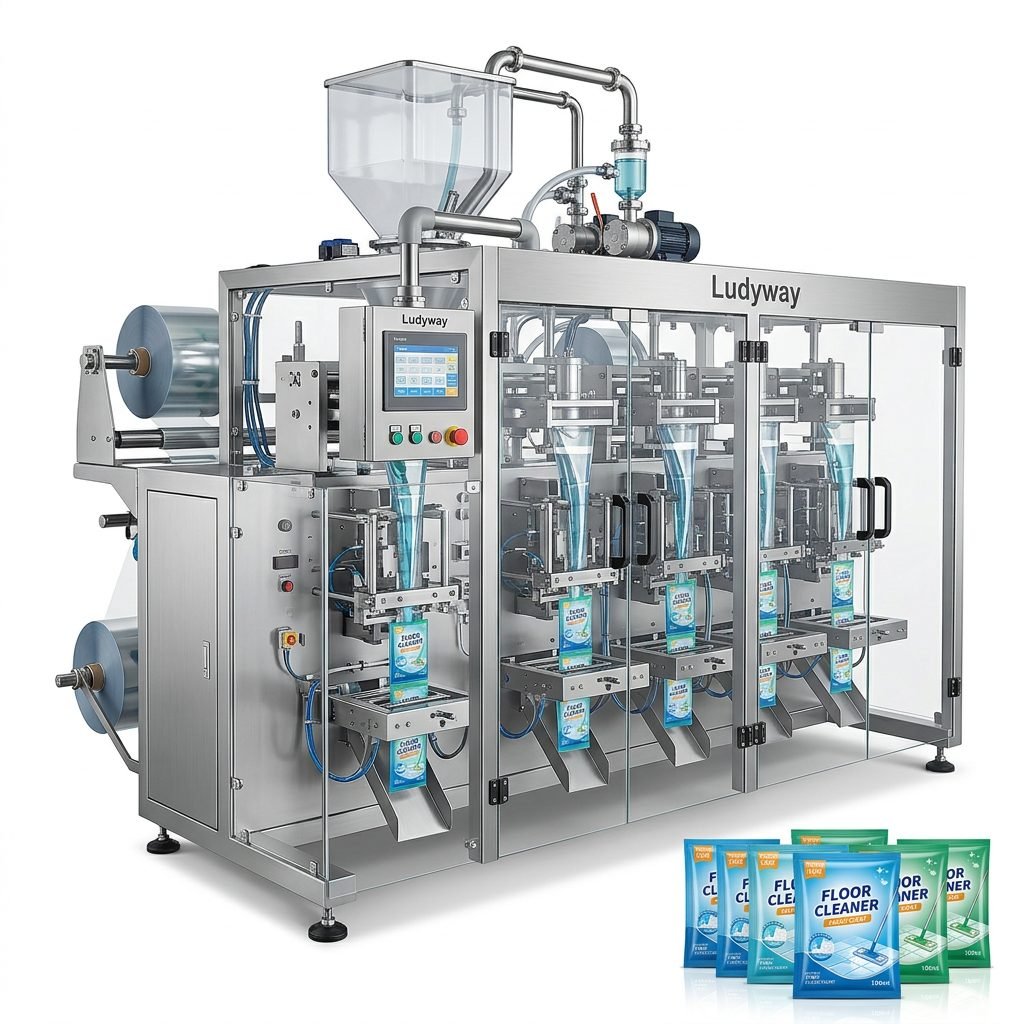
Investing in a tea medication packaging machine represents a significant strategic decision for pharmaceutical and herbal tea manufacturers. The market for medicinal tea products continues to expand, driven by growing consumer demand for functional beverages and natural wellness solutions. Understanding the cost landscape is essential for planning your production line budget effectively. Prices for these specialized packaging machines vary widely based on configuration, automation level, and production capacity requirements.
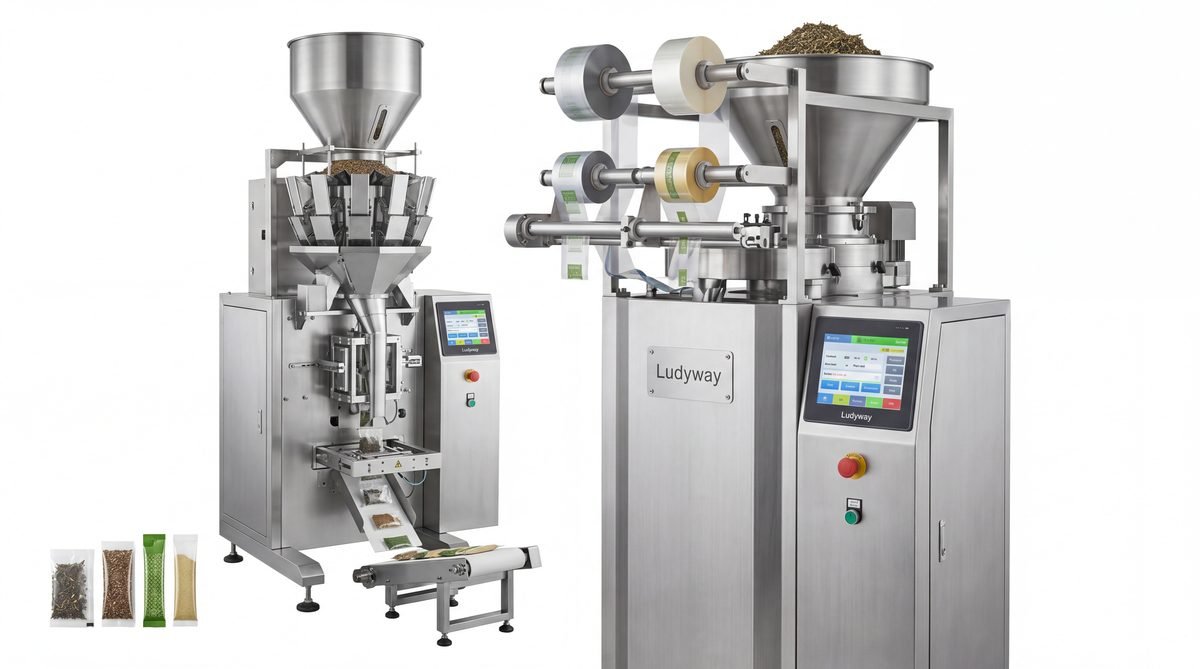
Key Factors That Influence Tea Medication Packaging Machine Costs
Several critical variables determine the final price of pharmaceutical tea packaging equipment. Recognizing these elements helps procurement teams make informed decisions and negotiate more effectively with suppliers.
- Automation Level: Manual, semi-automatic, and fully automatic packaging lines each carry distinct price points. Fully automated systems with multi-lane stick pack capabilities command premium pricing but deliver exponentially higher output.
- Packaging Format: Sachet, stick pack, and pouch configurations require different forming, filling, and sealing mechanisms. Multi-format machines that handle various packaging styles typically cost more than single-format equipment.
- Number of Lanes: A single-lane machine suits low-volume production, while 4-lane, 8-lane, or 12-lane models dramatically increase throughput and price accordingly.
- Material Compatibility: Machines designed to handle both granule and powder tea formulations require specialized dosing systems, impacting overall equipment cost.
- Regulatory Compliance: Equipment meeting pharmaceutical-grade standards such as GMP, ISO 11607, and FDA requirements incorporates features like stainless steel construction and validated sealing processes, adding to manufacturing costs.
- Auxiliary Equipment: Integrated systems including conveyors, checkweighers, metal detectors, and cartoning machines increase the total investment but provide complete turnkey solutions.
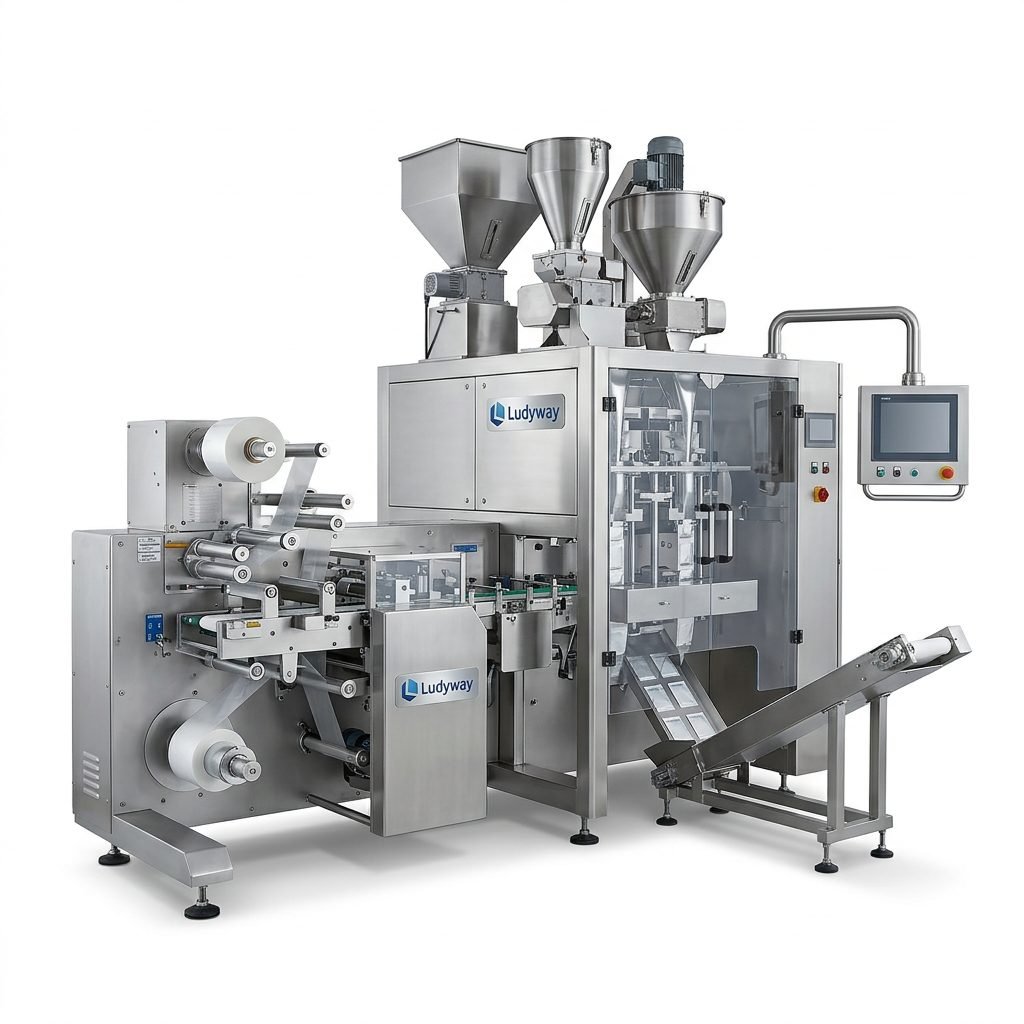
Price Ranges by Machine Type and Configuration
The following table provides estimated cost ranges for different tea medication packaging machine configurations. Actual quotes depend on specific technical requirements, customization, and order volume.
| Machine Type | Production Capacity | Estimated Price Range (USD) | Best Suited For |
|---|---|---|---|
| Single-Lane Sachet Machine | 30-60 packs/min | $8,000 – $25,000 | Startups, small batch production |
| 4-Lane Stick Pack Machine | 120-200 packs/min | $25,000 – $50,000 | Medium-scale production |
| 8-Lane High-Speed System | 300-450 packs/min | $50,000 – $85,000 | Large-volume pharmaceutical production |
| Fully Automated Turnkey Line | 400+ packs/min | $85,000 – $200,000+ | High-capacity, 24/7 operations |
Entry-Level vs. Industrial-Grade Equipment
Entry-level tea medication packaging machines typically feature basic mechanical controls and limited automation. These systems work well for companies testing market entry with medicinal tea products. Mid-range equipment introduces PLC touchscreen controls, servo-driven sealing mechanisms, and improved dosing accuracy. Industrial-grade machines incorporate pharmaceutical validation documentation, full stainless steel construction, and advanced features like nitrogen flushing and oxygen barrier sealing for extended product shelf life.
Additional Cost Considerations Beyond the Machine Price
The sticker price of packaging equipment represents only part of the total investment. Procurement teams should budget for several supplementary expenses that affect the complete cost of ownership.
- Installation and Commissioning: On-site setup, calibration, and operator training typically add 5-10% to the machine cost.
- Packaging Material Compatibility Testing: Pharmaceutical tea products often require specific film laminates. Material testing ensures proper seal integrity and may involve additional supplier charges.
- Spare Parts Inventory: Maintaining critical spare components like sealing jaws, cutting blades, and sensors helps minimize production downtime.
- Validation Documentation: For pharmaceutical applications, Installation Qualification (IQ), Operational Qualification (OQ), and Performance Qualification (PQ) documentation packages may cost extra.
- Shipping and Logistics: International freight, customs duties, and inland transportation add variable costs depending on the supplier location and destination country.
Regional Manufacturing and Its Impact on Pricing
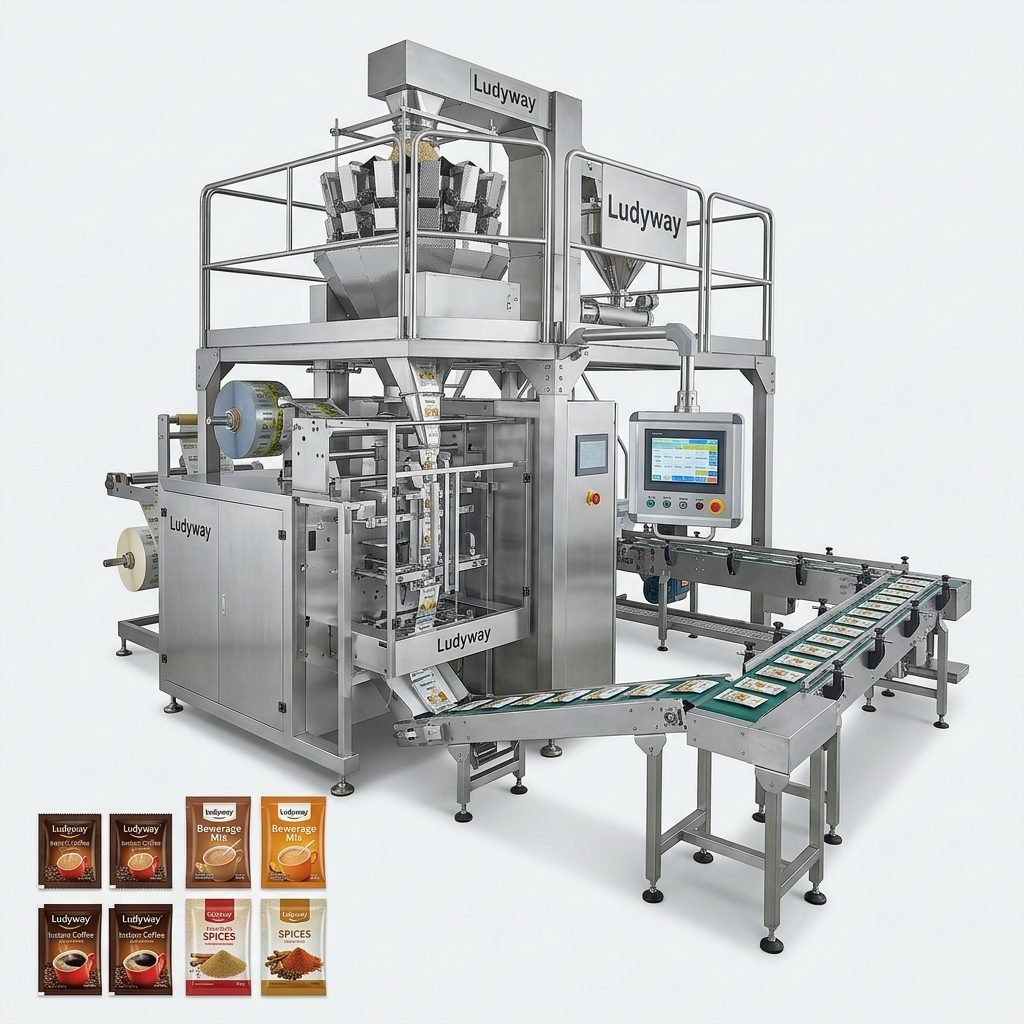
The geographic origin of tea medication packaging machinery significantly influences cost structures. Equipment manufactured in China by established companies like Ludyway typically offers 30-50% cost advantages compared to European or North American counterparts, while still meeting international quality standards. European manufacturers emphasize precision engineering and extensive documentation, reflecting higher labor costs in their pricing. Many global pharmaceutical companies now source from Asian manufacturers that combine competitive pricing with CE certifications and ISO-compliant manufacturing processes.
Quality Assurance and Long-Term Value
When evaluating tea medication packaging machine costs, decision-makers should consider the total cost of ownership over the equipment lifespan. A machine with higher upfront investment but lower maintenance requirements and longer service life often proves more economical than budget alternatives requiring frequent repairs. Key quality indicators include the use of internationally recognized electrical components, stainless steel contact parts, and robust frame construction designed for continuous operation.
Return on Investment Analysis for Tea Medication Packaging
Calculating ROI helps justify capital expenditure on packaging automation. A mid-range multi-lane stick pack machine processing medicinal tea at 200 packs per minute can produce approximately 2.4 million sachets per month in a single-shift operation. When comparing the labor savings from automation against manual packaging processes, most pharmaceutical tea producers achieve full payback within 12-24 months. Additional ROI factors include reduced material waste, consistent seal quality minimizing product returns, and the ability to scale production without proportional labor increases.
Making an Informed Purchasing Decision
Selecting the right tea medication packaging machine requires balancing current production needs with future growth plans. Buyers should request detailed quotations from multiple suppliers, compare technical specifications, and verify manufacturer references. Key evaluation criteria include machine speed, dosage accuracy, changeover time between product varieties, and after-sales technical support availability. According to PMMI packaging industry reports, pharmaceutical packaging equipment demand continues to grow steadily, making this an opportune time for capacity investment. Requesting factory acceptance testing and live production demonstrations before finalizing any purchase agreement is strongly recommended.