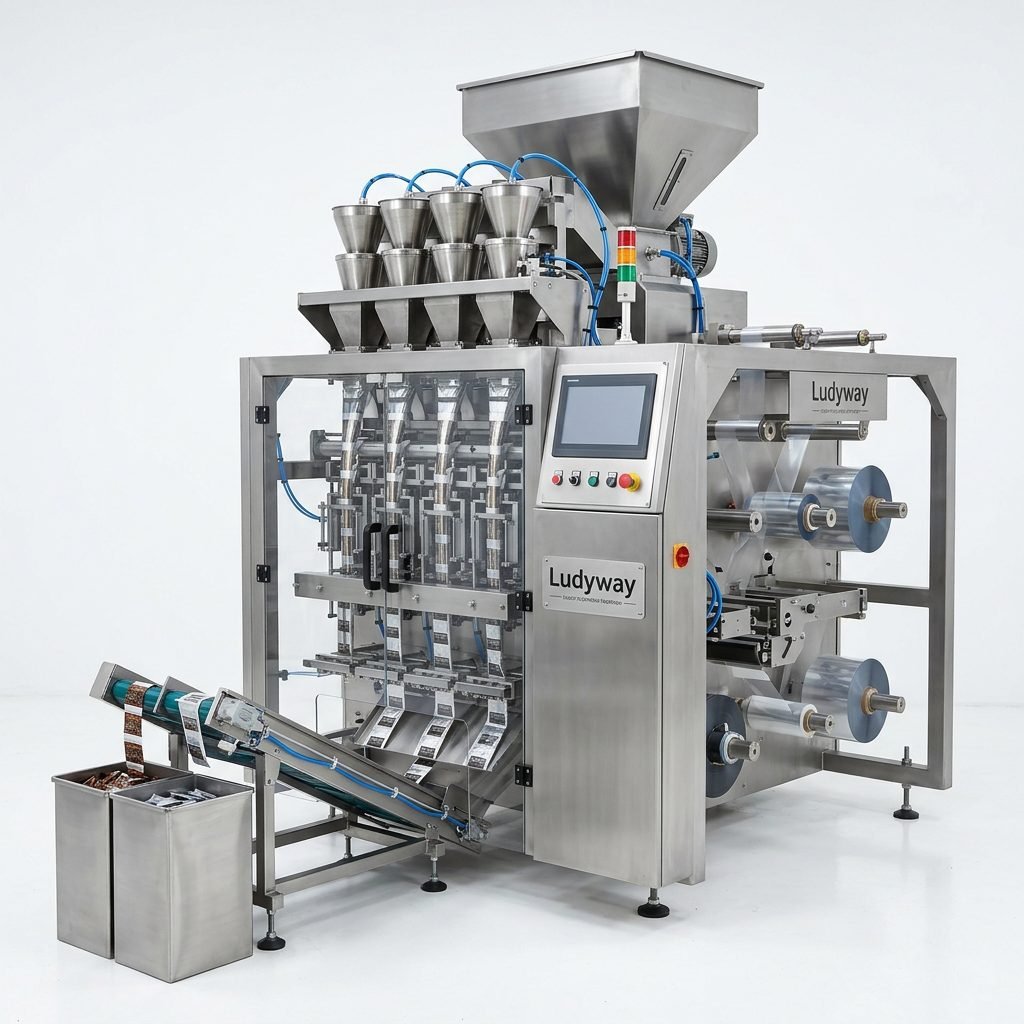
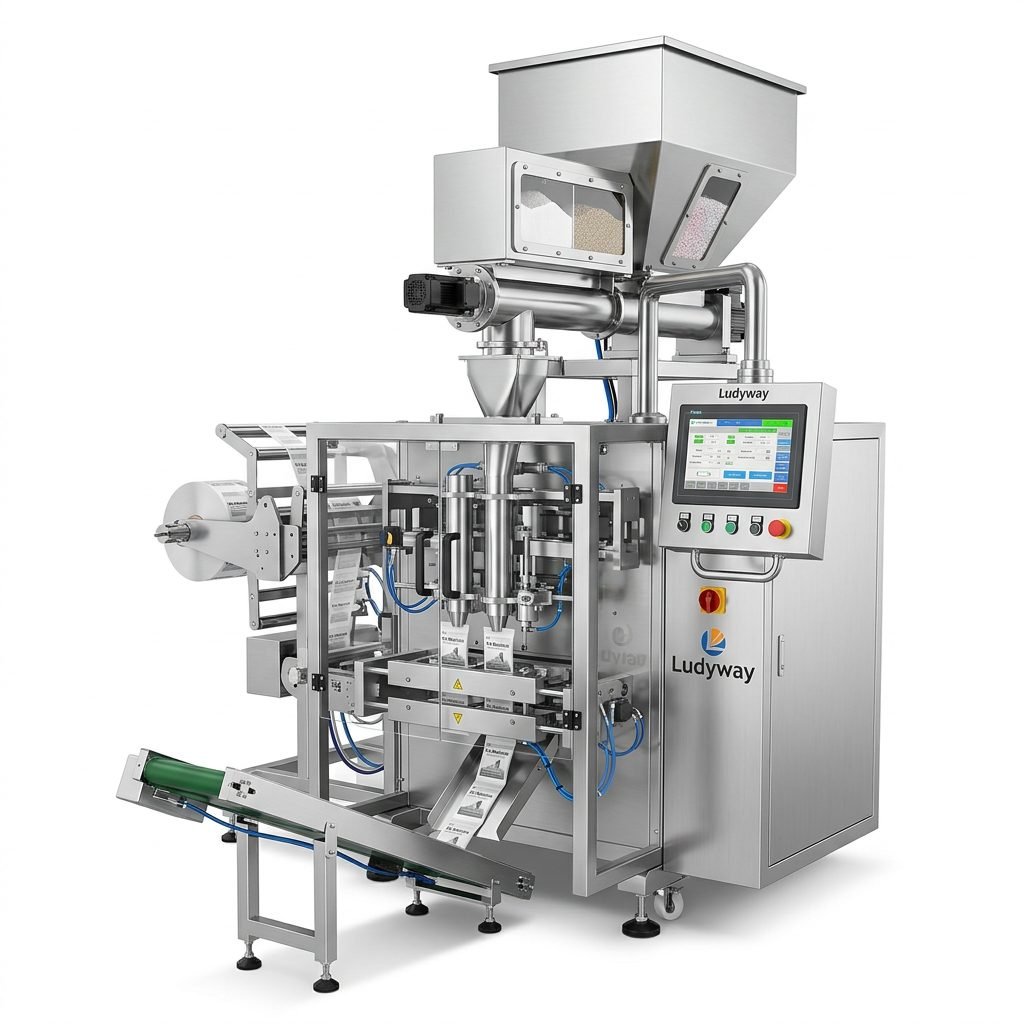
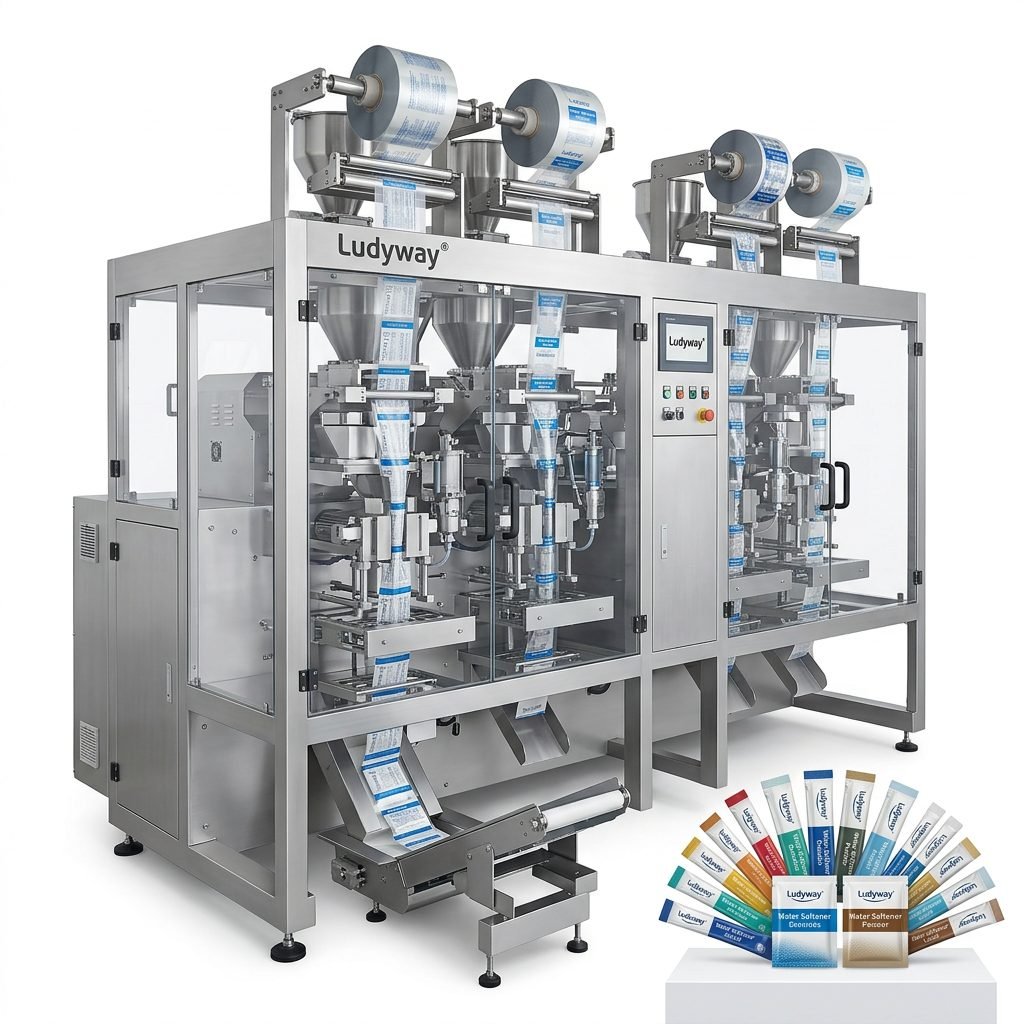
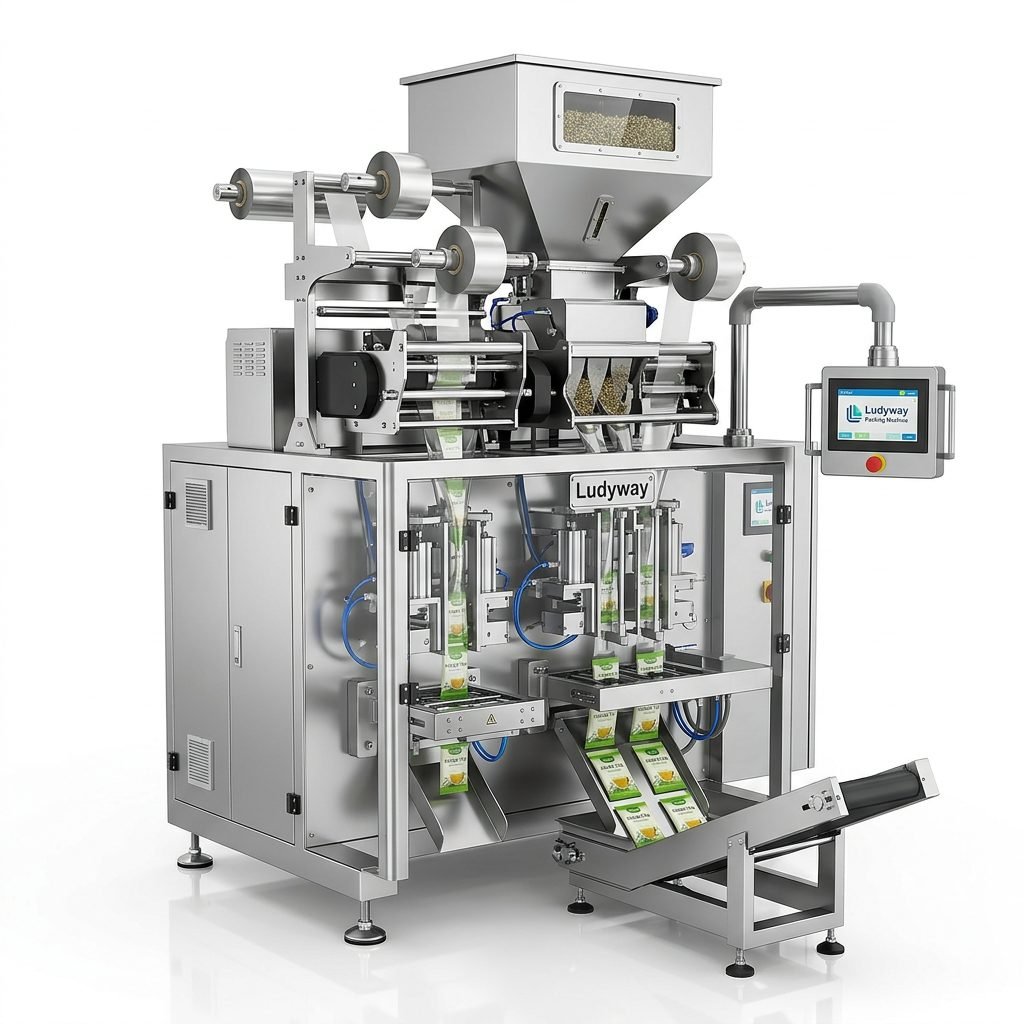
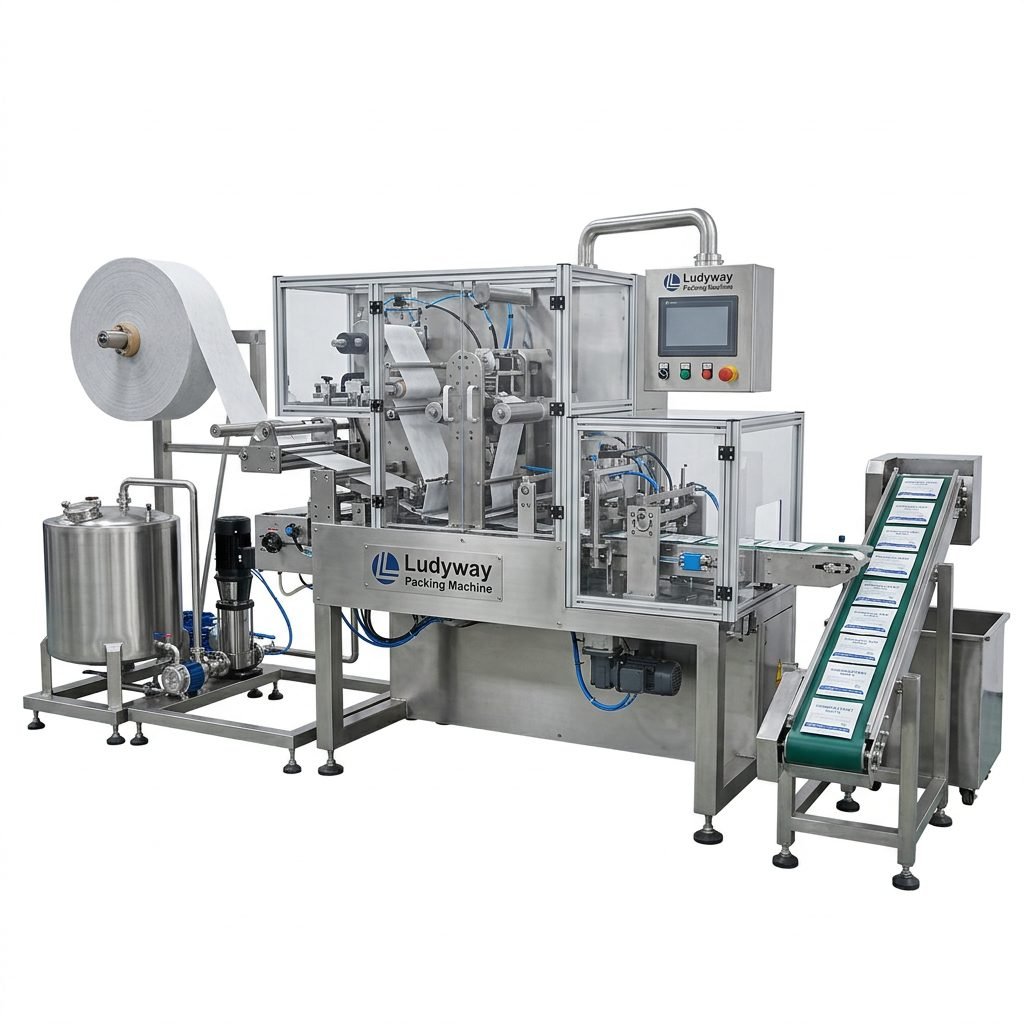
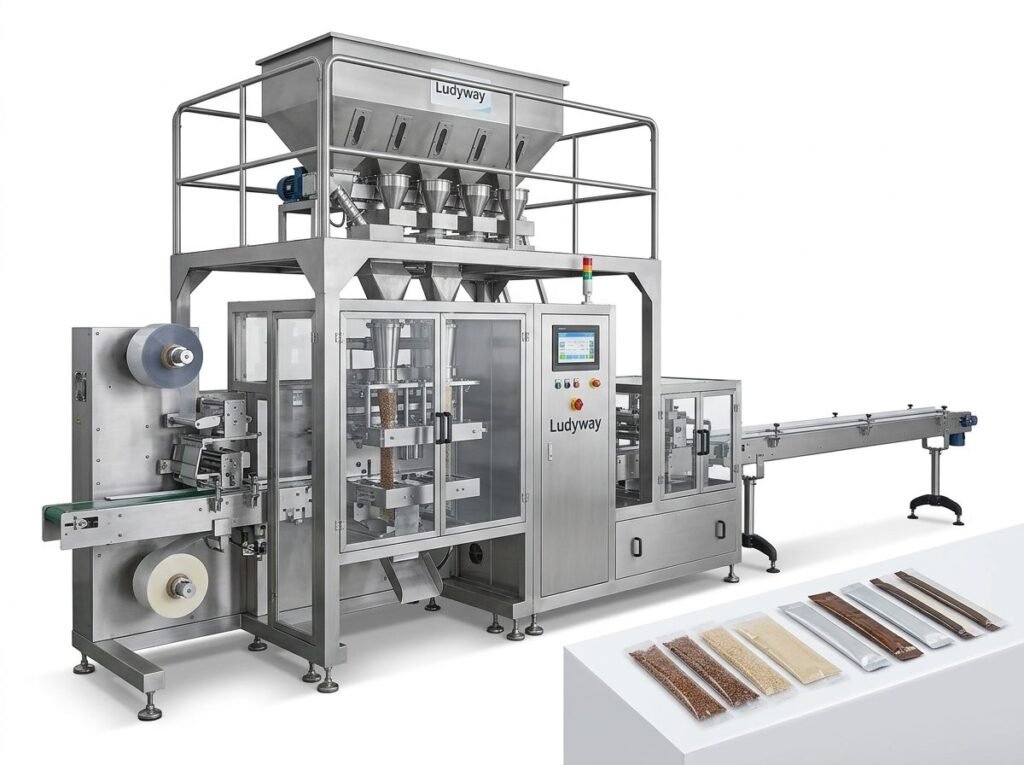
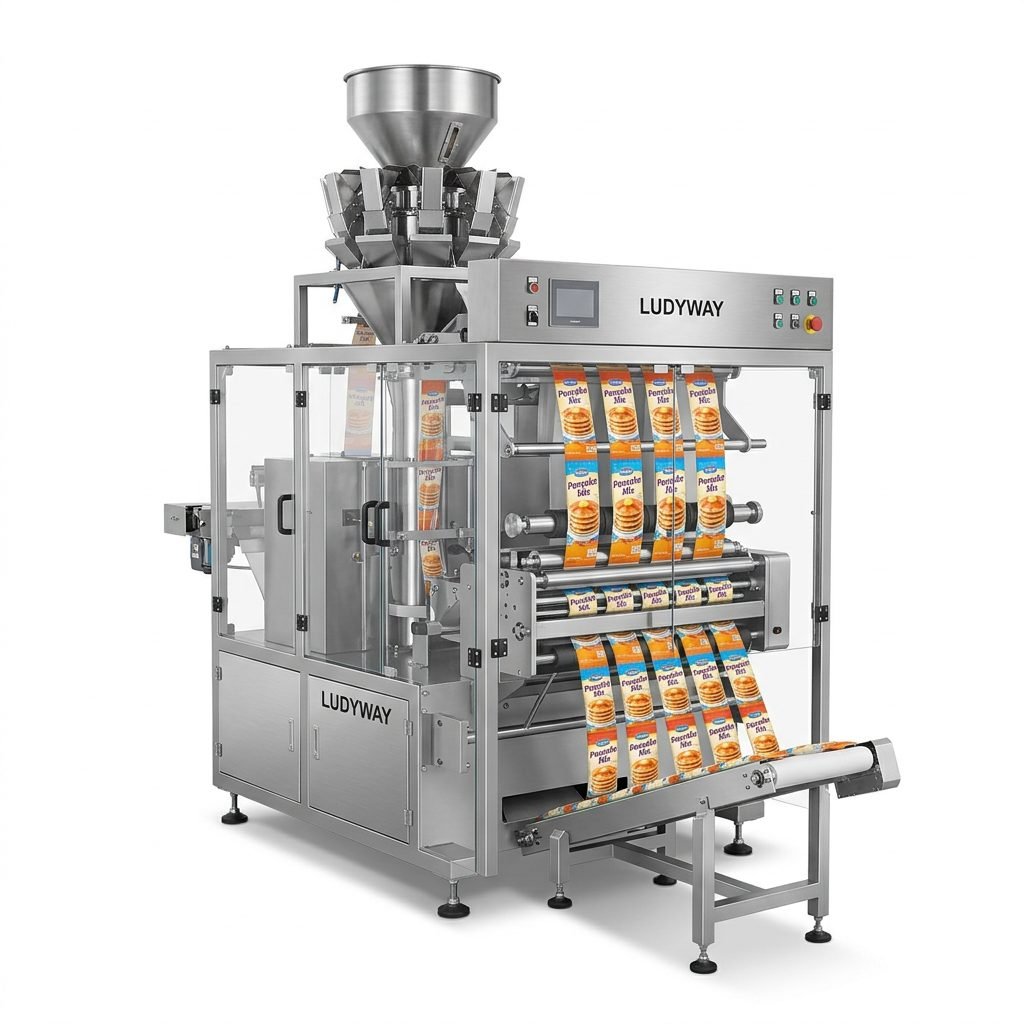
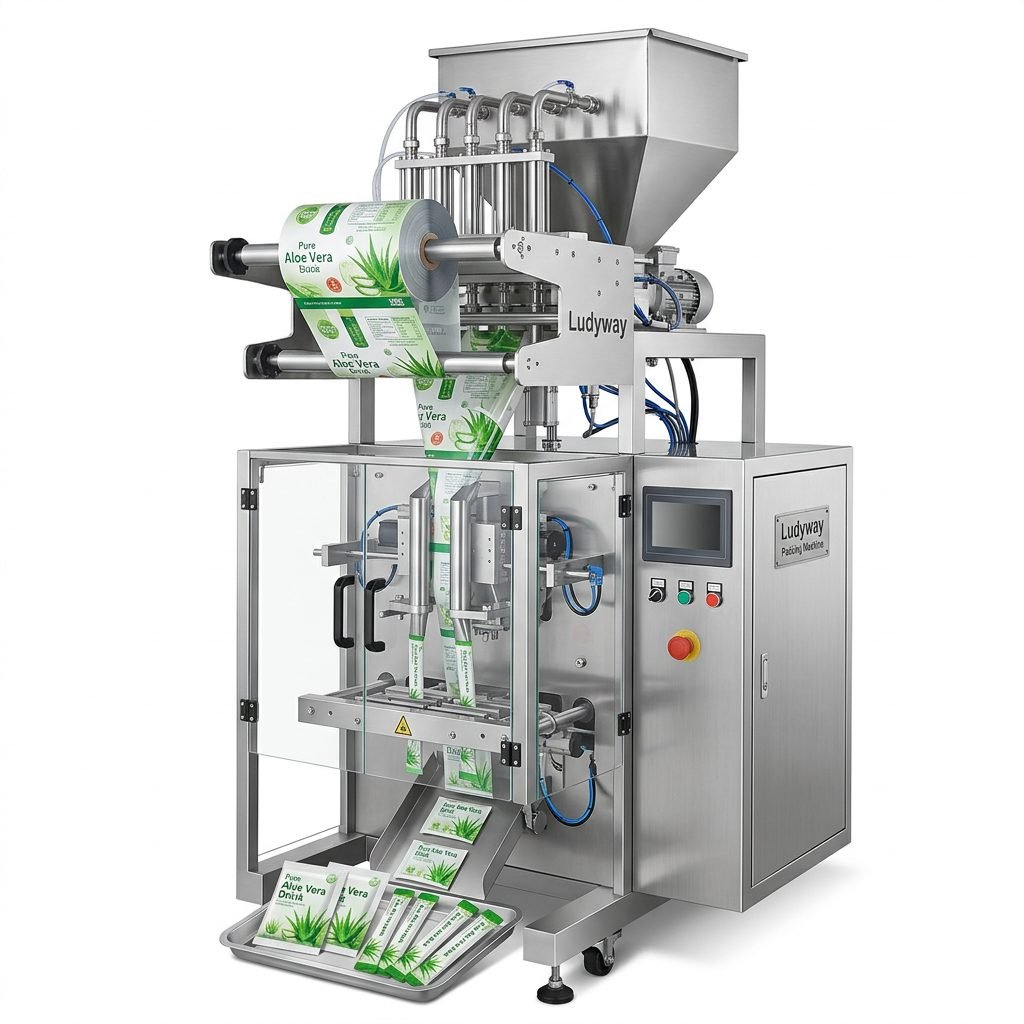
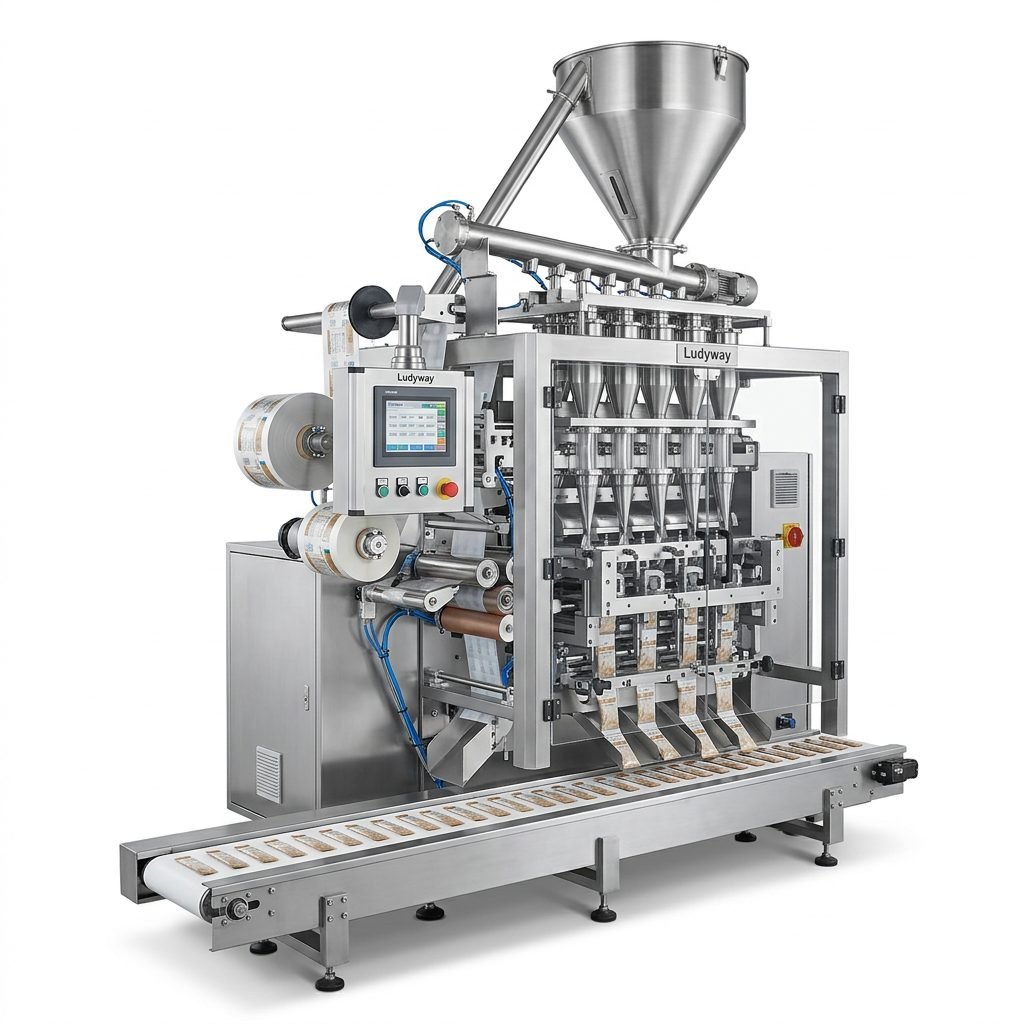
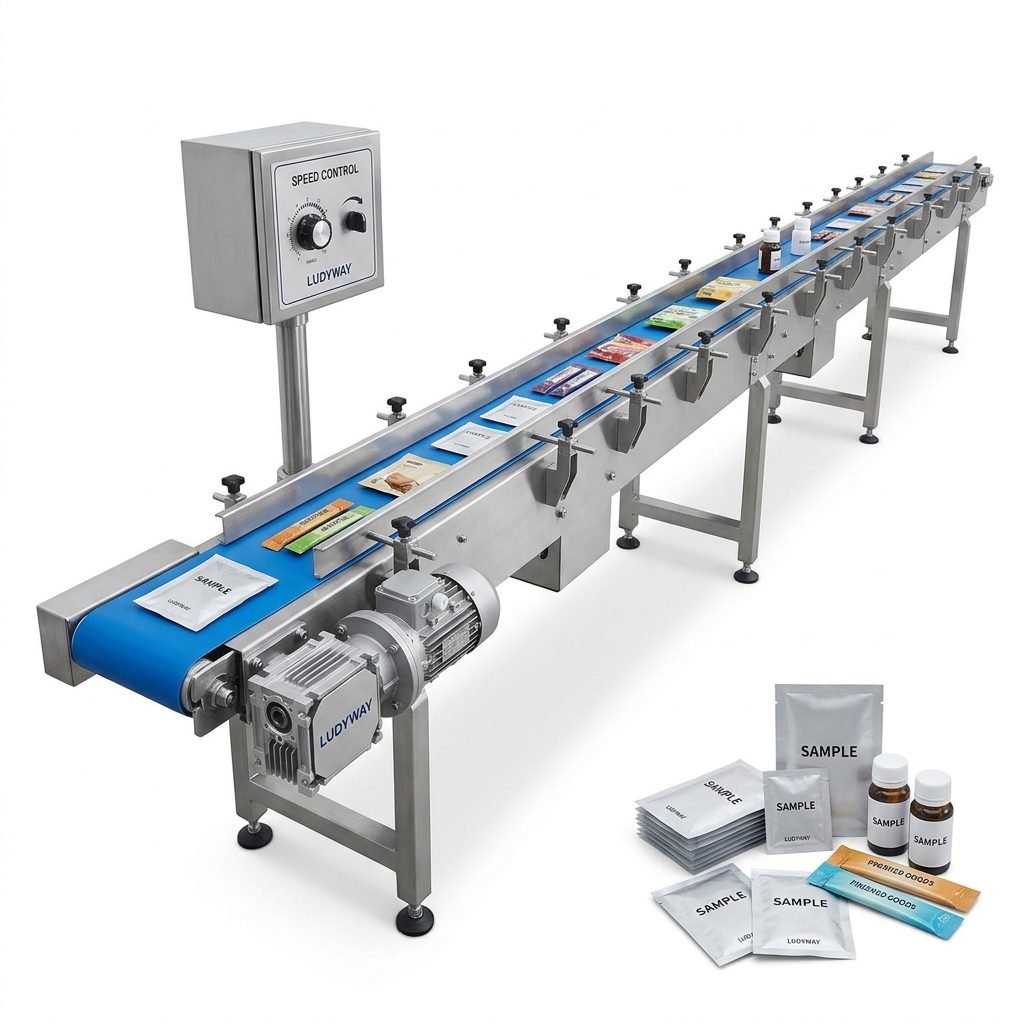
An agarbatti packing machine is a critical asset in incense stick production lines. Keeping it in optimal condition ensures consistent output, reduces downtime, and extends the equipment’s service life. Without a structured maintenance routine, even the most robust packaging machine can experience premature wear, sealing defects, or unexpected breakdowns. This guide outlines practical steps to maintain your agarbatti packing machine for reliable, long-term performance.

1. Develop a Daily Cleaning and Inspection Routine
Consistent daily upkeep is the foundation of any successful maintenance program. Agarbatti packaging involves fine powder, dust, and fragrance materials that can accumulate quickly inside the machine. If left unchecked, residue buildup interferes with sensors, sealing jaws, and film feeding mechanisms.
Key Daily Tasks:
- Wipe down all external surfaces with a dry, lint-free cloth to remove dust and powder residue.
- Inspect the sealing jaws and heating elements for carbonized material or sticky buildup. Use a non-abrasive cleaner if necessary.
- Check the film feed path for obstructions, misalignment, or tension irregularities.
- Examine sensors and photocells — gently clean them with a soft brush or compressed air to maintain accurate detection.
- Empty and clean the dust collection trays to prevent cross-contamination between batches.
2. Lubrication and Mechanical Component Care
Mechanical parts such as gears, chains, bearings, and cam assemblies require regular lubrication to minimize friction and prevent accelerated wear. Use only food-grade or manufacturer-recommended lubricants to avoid contamination of incense products.
Lubrication Best Practices:
- Grease bearings and bushings every 200 operating hours or as specified in the equipment manual.
- Oil the chain drives and sprockets weekly to ensure smooth power transmission.
- Lubricate the sealing cam followers monthly to maintain precise jaw movement.
- Avoid over-lubrication — excess grease attracts dust and can create a sticky paste that damages moving parts.
- Keep a lubrication log to track intervals and identify patterns in component wear.
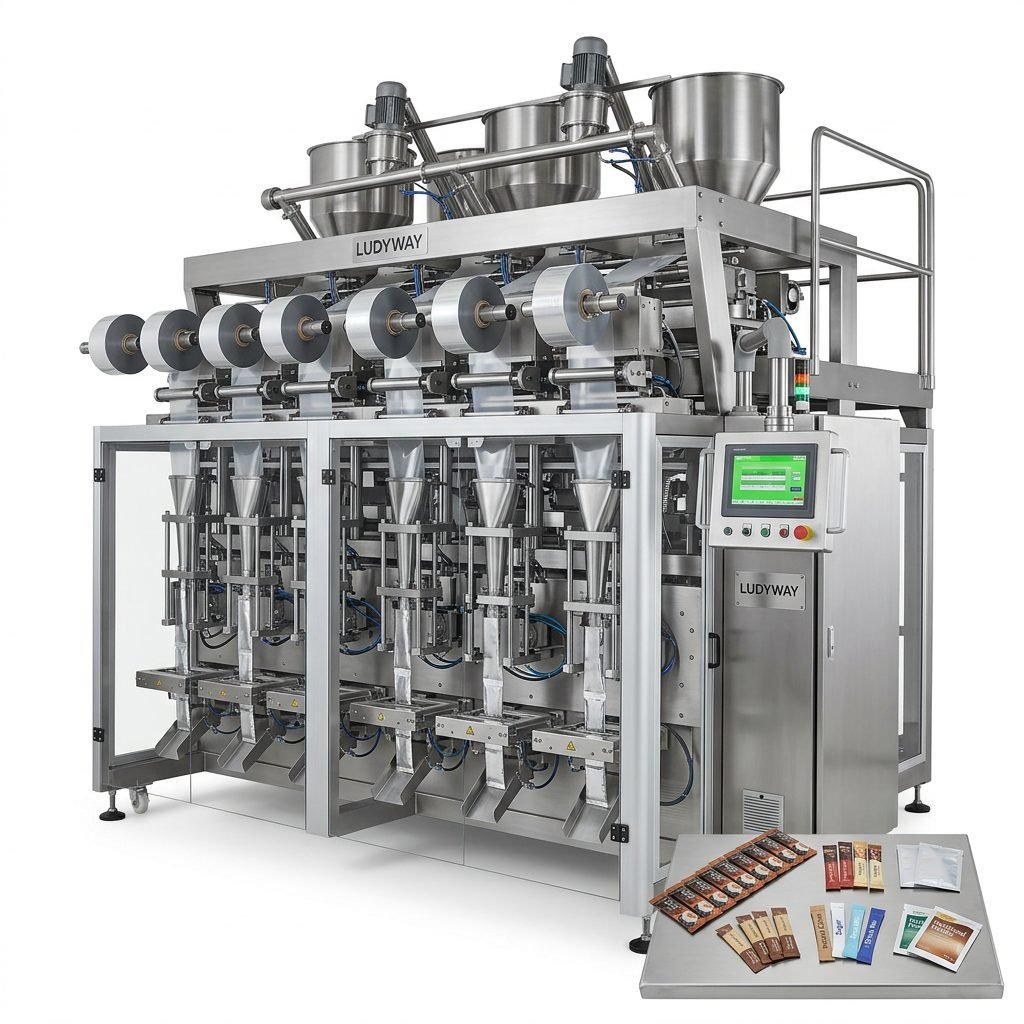
3. Electrical System and Sensor Verification
Modern agarbatti packing machines rely on sophisticated electrical components, including PLCs, temperature controllers, photoelectric sensors, and servo drives. Electrical issues often manifest as intermittent faults that are difficult to diagnose without systematic checking.
Electrical Maintenance Checklist:
- Inspect all wiring connections monthly — look for loose terminals, frayed cables, or signs of overheating.
- Test emergency stop buttons and safety interlocks weekly to ensure they function correctly.
- Verify temperature controller accuracy with an external probe; recalibrate if readings drift beyond ±2°C.
- Check sensor alignment after any film roll change or machine adjustment.
- Keep electrical cabinets clean and dry — use desiccant packs in humid environments to prevent condensation damage.
4. Preventive Maintenance Schedule
A well-documented preventive maintenance schedule is essential for maximizing uptime. The table below outlines recommended intervals for key maintenance activities on your agarbatti packing machine.
| Maintenance Task | Frequency | Responsible Person |
|---|---|---|
| External cleaning and dust removal | Daily | Operator |
| Sealing jaw inspection and cleaning | Daily | Operator |
| Chain and sprocket lubrication | Weekly | Maintenance Technician |
| Sensor calibration and alignment | Monthly | Maintenance Technician |
| Bearing greasing and bushing inspection | Every 200 hours | Maintenance Technician |
| PLC backup and firmware check | Every 6 months | Automation Engineer |
| Complete machine overhaul | Annually | Manufacturer/Authorized Service Team |
5. Spare Parts Inventory Management
Unplanned downtime often results from waiting for replacement parts. Maintaining a strategic inventory of critical spare parts ensures quick recovery from component failures. Prioritize items that are subject to regular wear or have longer procurement lead times.
Recommended Spare Parts to Stock:
- Sealing jaws and heating cartridges — these are high-wear items that directly affect pack quality.
- Thermocouples and temperature sensors — essential for maintaining accurate sealing temperatures.
- Drive belts and timing belts — keep at least one full set available.
- Photoelectric sensor modules — having a spare prevents extended sensor-related downtime.
- Film feed rollers and tension springs — replace at the first sign of surface wear.
- Common bearing and bushing sets — verify part numbers with the equipment manual before ordering.
6. Troubleshooting Common Issues
Even with diligent maintenance, occasional issues arise. Being able to quickly diagnose and resolve common problems keeps production on schedule. Below are frequent symptoms and their likely causes.
Sealing Problems:
- Weak or inconsistent seals — check temperature settings, sealing pressure, and jaw alignment. Dirty or worn sealing surfaces are also common culprits.
- Film melting or burning — reduce temperature setting and verify thermocouple accuracy.
Film Feeding Issues:
- Film tracking off-center — inspect roller alignment, check for bent guides, and verify film roll installation.
- Wrinkled or uneven film feed — adjust tension settings and examine the unwinding mechanism for resistance.
Filling Accuracy Problems:
- Inconsistent fill weights — calibrate the dosing system, check for material bridging in the hopper, and clean the auger or volumetric filler.
- Product spillage — inspect sealing timing, film forming collar alignment, and fill nozzle positioning.

7. Operator Training and Documentation
Well-trained operators are your first line of defense against machine deterioration. They interact with the equipment daily and can identify subtle changes in noise, vibration, or output quality before they escalate into major failures.
Training Essentials:
- Standard Operating Procedures (SOPs) — document every routine task with clear, step-by-step instructions accompanied by photos.
- Startup and shutdown protocols — improper shutdown can damage heating elements and leave residue that hardens overnight.
- Basic troubleshooting training — empower operators to resolve minor issues without waiting for maintenance staff.
- Record-keeping discipline — maintain a logbook for each shift noting any anomalies, adjustments made, or parts replaced.
8. When to Seek Professional Service
While routine maintenance can be handled in-house, certain situations call for expert intervention. If you encounter persistent sealing defects, unexplained PLC errors, or mechanical issues beyond routine adjustment, consulting the equipment manufacturer is the safest course of action.
Professional technicians bring specialized diagnostic tools, genuine replacement parts, and deep knowledge of the machine’s design. For businesses operating high-speed agarbatti packing machines, partnering with a reputable manufacturer for annual service contracts often proves more cost-effective than reactive repairs. As a leading packaging machine manufacturer, Ludyway provides comprehensive after-sales support, technical training, and genuine spare parts to customers across more than 100 countries, helping businesses maintain peak equipment performance throughout the machine’s service life.
9. Long-Term Machine Preservation Tips
- Store the machine in a climate-controlled environment — excessive humidity accelerates rust formation on metal components and degrades electronic connections.
- Use genuine spare parts — aftermarket components may not meet the original tolerances and can cause cascading damage.
- Schedule periodic thermal imaging inspections — this non-invasive technique identifies overheating electrical connections before they fail.
- Back up PLC programs and machine parameters after every configuration change — a corrupted controller can otherwise halt production for days.
- Review maintenance records quarterly to identify recurring issues and adjust the preventive maintenance plan accordingly.
10. Summary
Maintaining an agarbatti packing machine for reliable performance and longer service life requires a structured, proactive approach. Daily cleaning, scheduled lubrication, electrical checks, spare parts readiness, and operator training form the pillars of an effective maintenance program. Combined with periodic professional servicing, these practices significantly reduce unplanned downtime, improve packaging consistency, and maximize the return on your equipment investment.
A well-maintained machine not only performs better but also produces higher-quality packs that enhance your brand reputation. The effort invested in preventive care consistently proves far less costly than emergency repairs and lost production hours.