Consistent upkeep is the backbone of production efficiency in any packaging operation. When a Hassia packaging machine is running at peak performance, you achieve tight seals, accurate fill weights, and minimal film waste. However, without a structured maintenance protocol, even the most robust machinery can experience unexpected downtime, compromising your bottom line.

1. Daily Pre-Start Inspection Routine
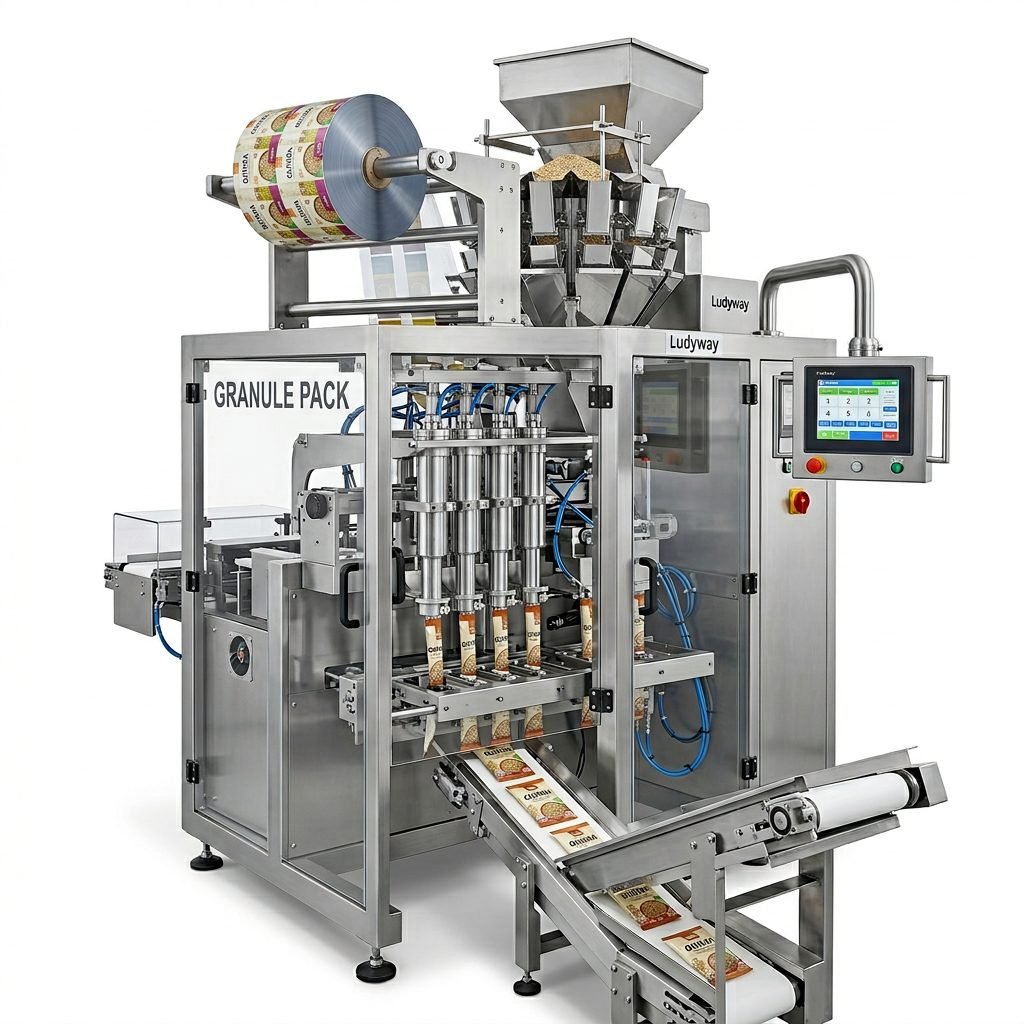
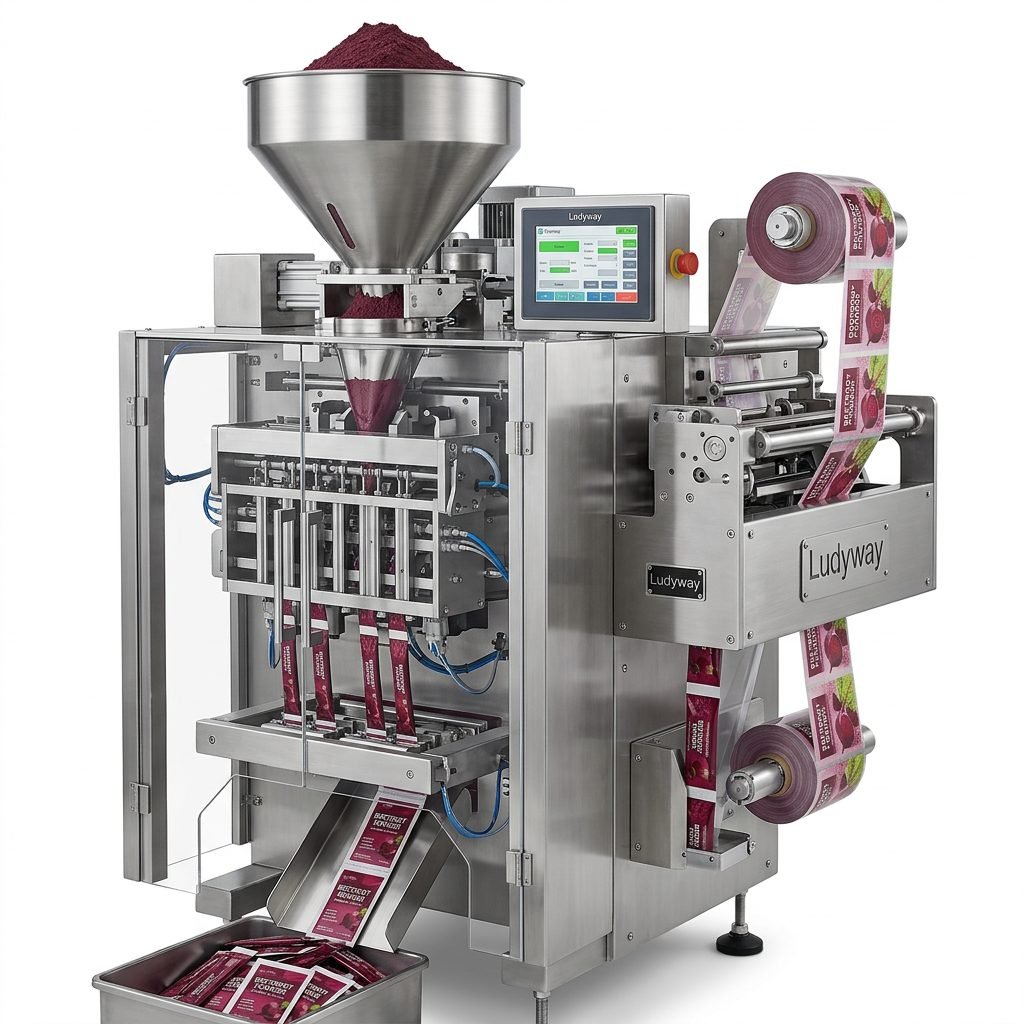
Before initiating production, a visual sweep of the machine is mandatory. Operators should check for loose bolts, worn sealing jaws, and residual product buildup. The forming area, critical for the Hassia style of vertical bagging, requires particular attention because even minor wrap misalignment can cause leakers.
- Pneumatic Systems: Drain the water trap in the filter regulator to prevent moisture from entering the air cylinders. Check that the main air supply pressure matches the machine specifications.
- Film Path: Ensure the pull belts and dancer arms are free of debris. Scratched or dirty rollers can distort printed film and affect the automated packaging systems eye-mark registration.
- Safety Checks: Verify that all safety guards, interlocks, and emergency stop buttons are functioning correctly. A safety bypass should never be part of a daily shortcut.
2. Critical Cleaning for Heat Seal Integrity
The sealing unit is the heart of the machine. Over time, product dust, melted polymer residues, and ink build up on the cross-seal and vertical-seal bars. This contamination acts as an insulator, forcing the temperature controller to overshoot or causing weak cold seals. Use a soft brass brush and a non-flammable solvent to clean the heated surfaces while the jaws are still warm, following strict lockout/tagout procedures.

Never use abrasive tools like steel wool on Teflon-coated sealing bands. Scratches will immediately begin to snag film and create jagged seals. Instead, adhere to the manufacturer’s recommendation for cleaning agents. A clean heat seal directly translates to extended film-barrier life and stronger package integrity.
3. Lubrication and Mechanical Movements
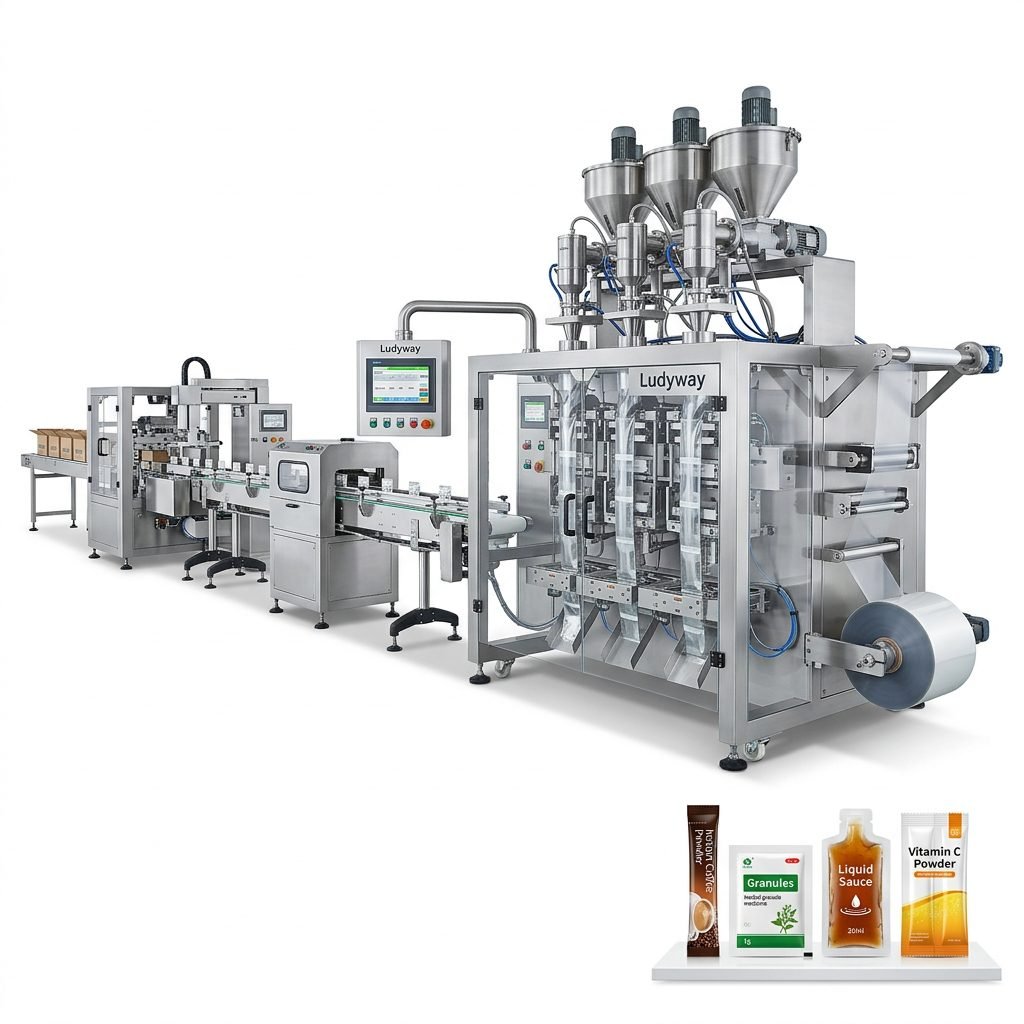
High-speed bottling and sachet lines involve synchronized cam-driven movements. Lubrication points, including linear bearings, rotary unions, and chain drives, must be serviced based on the duty cycle.
| Component | Lubricant Type | Frequency |
|---|---|---|
| Central Grease Points | Food-Grade NLGI #2 | Every 500 hours |
| Cam Followers & Rollers | Synthetic Oil ISO VG 68 | Weekly |
| Vacuum Pump (if equipped) | Vacuum Pump Oil | Check level daily; change every 3 months |
Over-greasing is a common mistake that traps heat and causes bearing failure. Apply lubricant sparingly and wipe away excess immediately. For machines handling dry powders, consider sealed lubrication systems to prevent cross-contamination.
Electrical System Preventative Care
Heat and vibration are the enemies of electrical panels. Thermographic inspections of contactors and drives should occur quarterly to identify loose connections before they cause faults. Keep the cabinet doors closed and verify that the cooling fans and filters are dust-free. A blocked filter can raise the internal temperature dramatically, leading to servo motor overheating or PLC errors.
4. Tooling Changeover and Alignment
Many packaging issues originate during format changes. When switching from a gusseted bag to a pillow pack, precise alignment of the forming tube back-seam is essential. Knife misalignment on the rotary jaw will result in ragged cuts and film jams. Always perform a manual “dry cycle” at low speed after replacing tooling to confirm that no metal-on-metal collisions occur.
5. Calibrating Heat and Film Tension
The devils in packaging are often found in the settings. Run a sealing temperature profile test across the width of the jaw; a variance of just 5°C can separate a perfect hermetic seal from a leaker. Similarly, verify the film unwind tension, as excessive tension stretches the film, altering the bag length accuracy.
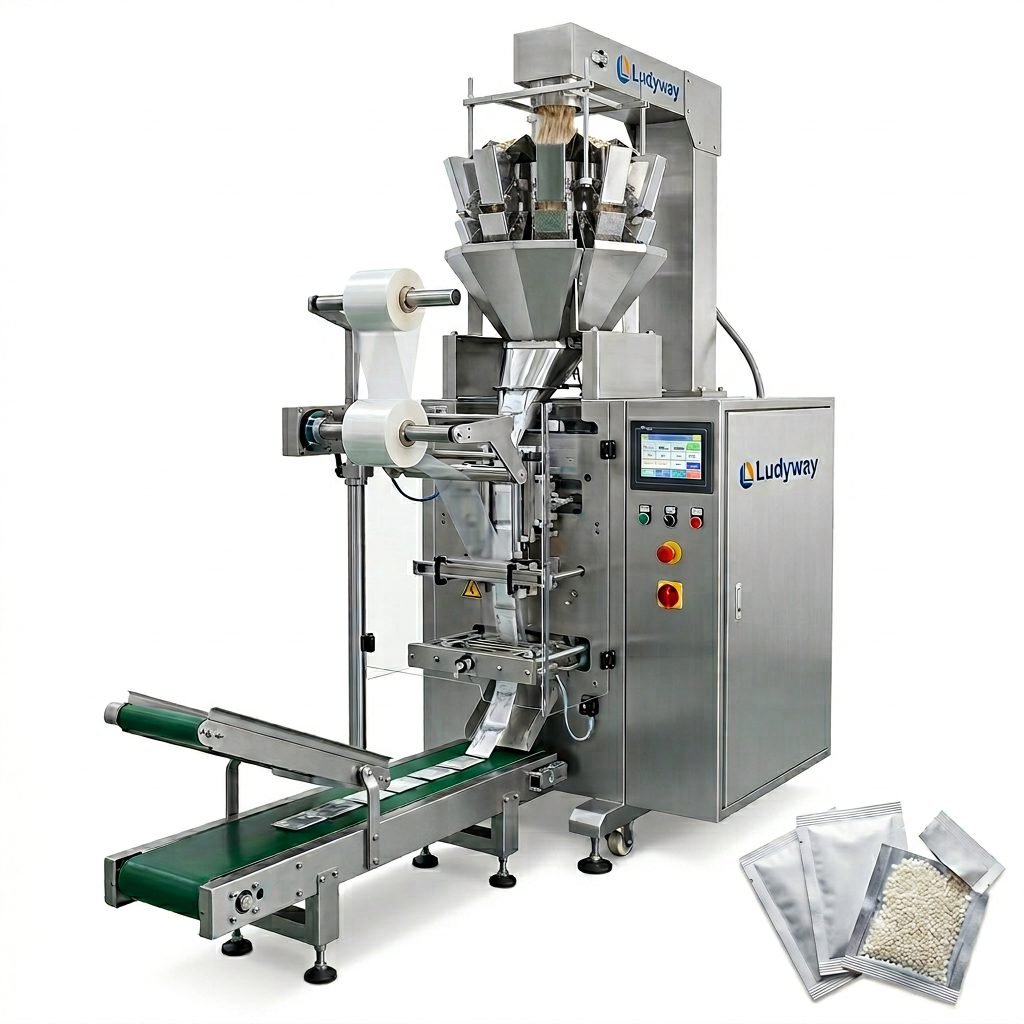
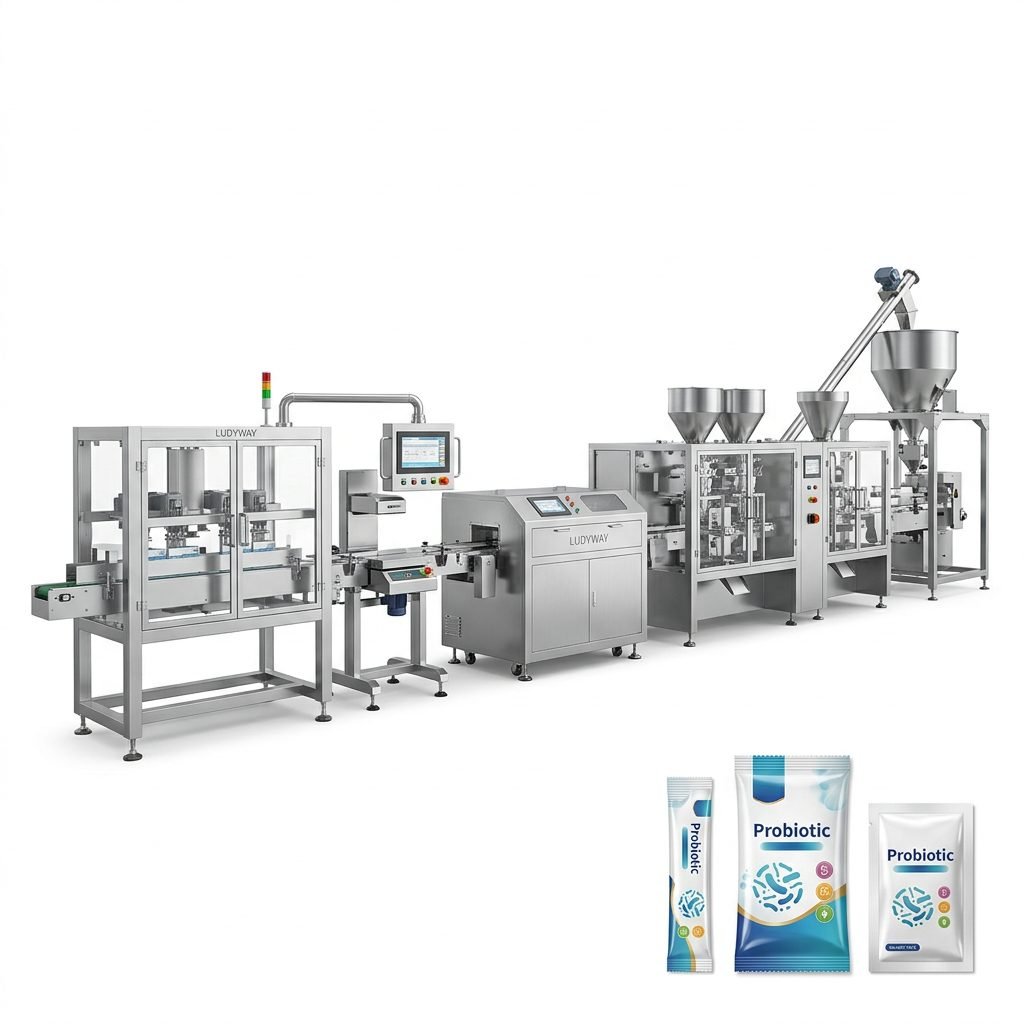
You should recalibrate temperature controllers with a thermocouple probe monthly to ensure the displayed setpoint matches the actual jaw surface temperature. For pharmaceutical pharmaceutical sachet packaging lines, this calibration is a critical part of the batch record protocol.
6. Managing Wear Parts Inventory
Downtime is often unnecessarily prolonged while waiting for a simple spare part. A strategic inventory of critical wear components minimizes Mean Time To Repair (MTTR). You should always have these on your shelf:
- Replacement sealing bands (Serrated and flat)
- Teflon covers for both cross and vertical jaws
- Knife blades or cutting inserts
- Complete set of o-rings and gaskets for the filling pump system
- Pull belts and timing belts
- Film-splice sensors and registration photo-eyes
7. Operator Training and Consistency
The most expensive component of a poorly maintained machine is the untrained operator. Operators must recognize the sound of a healthy machine to identify abnormal mechanical noises early. They need to distinguish between a seal temperature issue and a mechanical pressure issue. Regular coaching on the distinction between machine parameters and product characteristics will drastically reduce unnecessary adjustments and service calls.
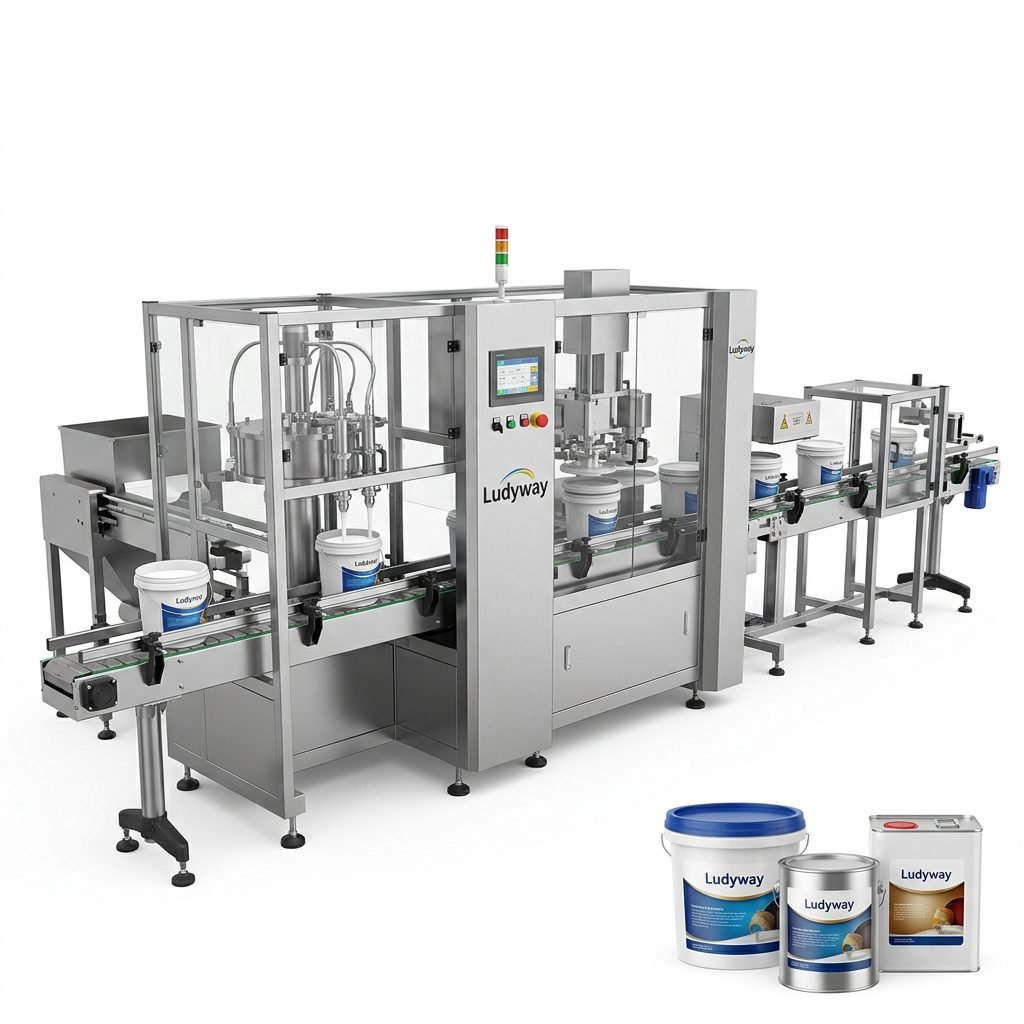
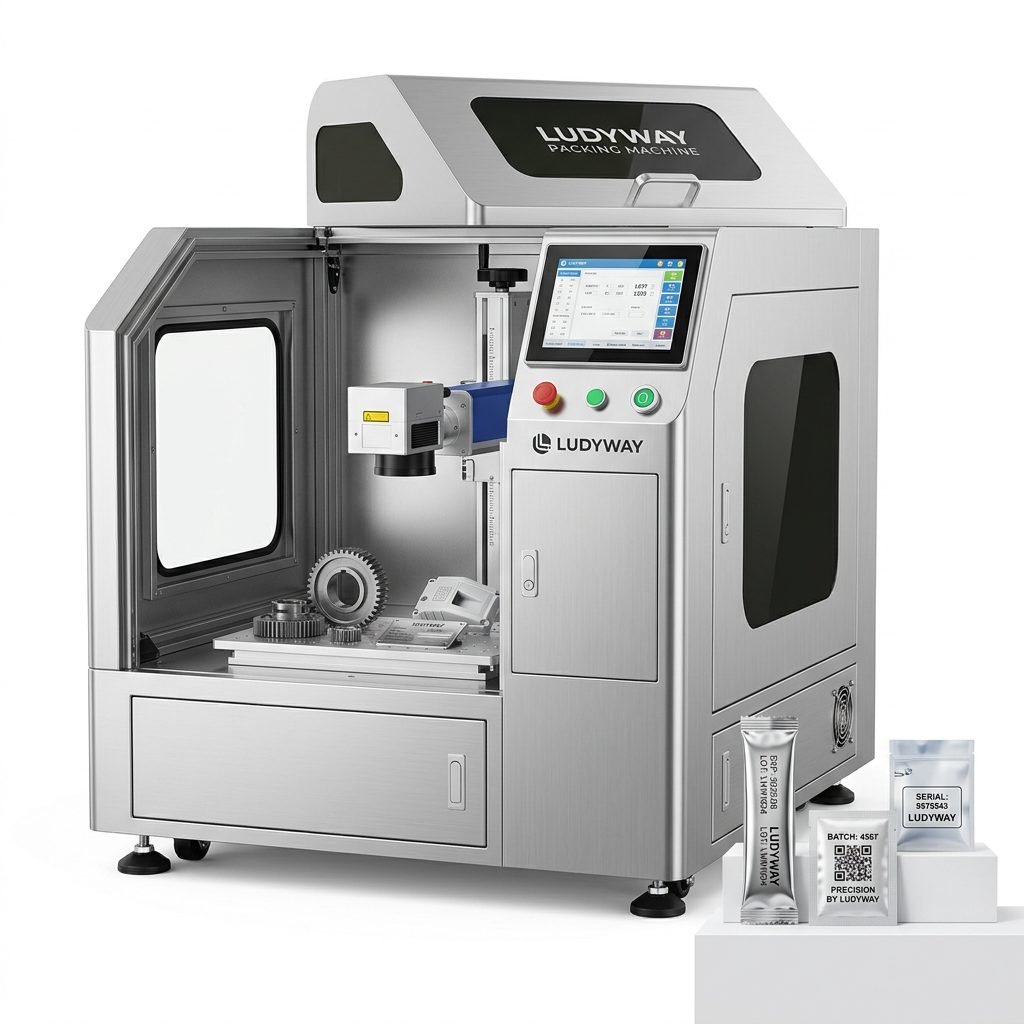
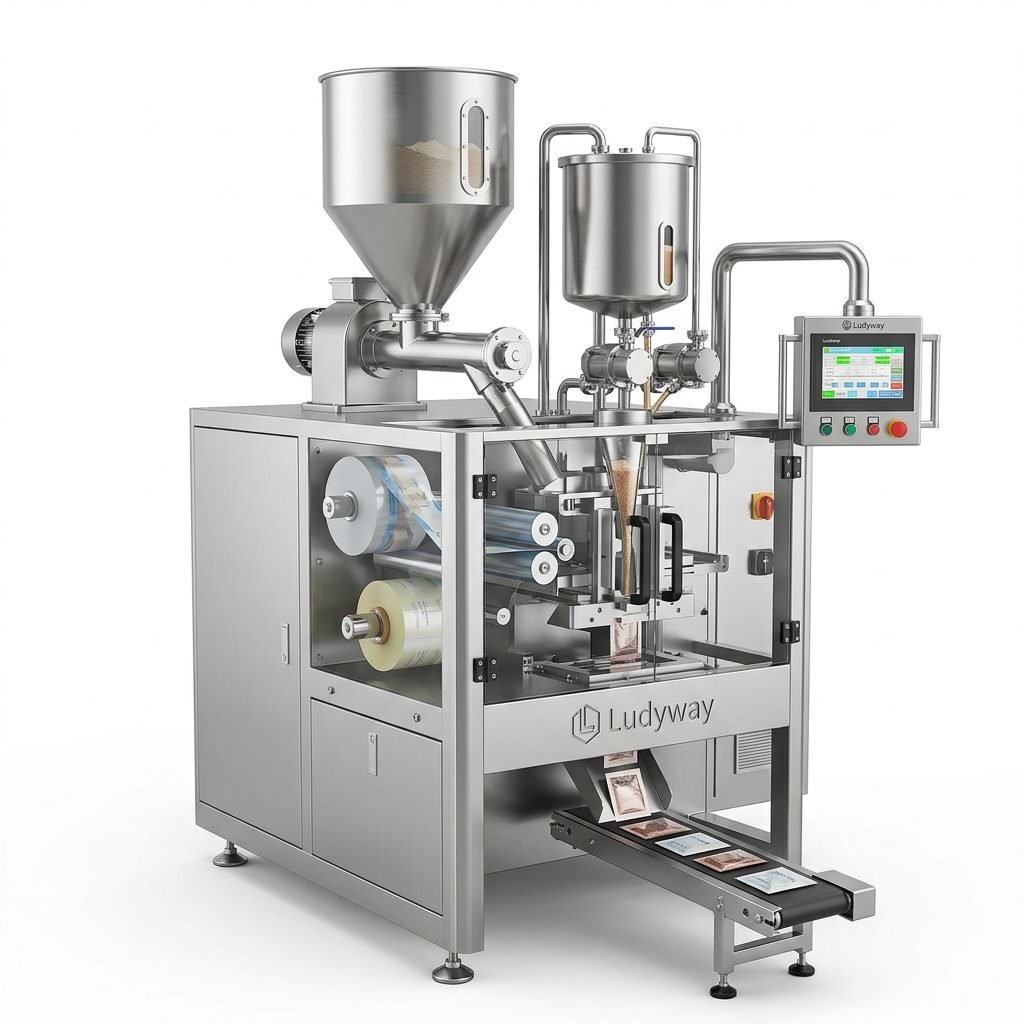
In the realm of advanced equipment, Ludyway integrates smart monitoring features that assist operators in tracking these exact metrics, bridging the gap between manual awareness and automated precision. Ensuring your team stays updated on these features is a proactive safety measure.
8. Documentation and Trend Analysis
Without records, maintenance is just a guessing game. Implement a logbook or digital Computerized Maintenance Management System (CMMS) that captures the specific fault, the corrective action taken, and the part replaced. Review this data monthly. A rising trend in seal jaw temperature adjustments often indicates that a heating element is failing and needs proactive replacement, not just a higher setpoint.
These HTML structures provide a clean, professional look with thematic red highlights, ensuring scannability and readability across all devices without overwhelming the user with dense text blocks.