Selecting the right food vacuum packaging machine in North America is a critical investment that directly impacts product shelf life, operational efficiency, and bottom-line profitability. Whether you are packaging fresh meat, ready-to-eat meals, cheese, or delicate produce, understanding the nuances of vacuum technology, chamber configurations, and compliance standards is essential. This comprehensive buyer’s guide breaks down the key factors to evaluate before making your purchase.
Understanding Chamber vs. External Vacuum Sealers
The first major decision involves choosing between a chamber vacuum sealer and an external nozzle sealer. Chamber machines are the backbone of commercial operations in North America. They remove air from the entire chamber, allowing liquid-rich foods to be sealed without sucking moisture out of the bag. For high-volume production lines, automatic belt-driven chamber systems deliver unmatched speed, often sealing 3 to 6 cycles per minute. External machines, while cheaper, are generally limited to light-duty, moisture-free applications.
Critical Specifications for North American Production
When comparing models, look beyond horsepower. Focus on pump capacity (m³/h) and ultimate vacuum pressure (mbar). A robust rotary vane pump is standard for industrial use. For operations in the USA and Canada, ensure the electrical configuration matches local three-phase power requirements. You must also verify that the machine’s seal bar width accommodates your pouch dimensions. The following table highlights key technical specifications to guide your selection process:
| Feature | Light-Duty Spec | Heavy-Duty/Industrial Spec |
|---|---|---|
| Pump Type | Dry Piston / Rocker | Oil Rotary Vane / Busch |
| Cycle Speed | 1-2 cycles/min | 4-6+ cycles/min |
| Max Vacuum | ~50-100 mbar | 0.5 – 2 mbar |
| Seal Bar Length | 12-16 inches | 21-52 inches (Double/Triple) |
The Role of MAP and Advanced Preservation
For North American food processors, simple vacuum is often not enough. Modified Atmosphere Packaging (MAP) is increasingly mandatory for extended shelf life. Modern vacuum machines offer gas flushing capabilities, replacing oxygen with nitrogen (N₂) or carbon dioxide (CO₂) before sealing. This is critical for fragile products like potato chips, leafy greens, or baked goods that would be crushed under full vacuum. Ensure the machine’s control panel allows precise adjustment of gas mixture ratios.
Compliance with North American Standards
Never compromise on safety certifications. Any machine imported or operated in North America must meet stringent standards. Look for UL certification (Electrical Safety) and NSF/ANSI standards for food contact surfaces. The stainless steel construction (preferably 304 or 316L) is non-negotiable for wash-down environments in USDA-inspected facilities. Verify that the internal mechanics use FDA-approved lubricants and that the sealing elements are free of contaminants.
Integration with Packaging Lines
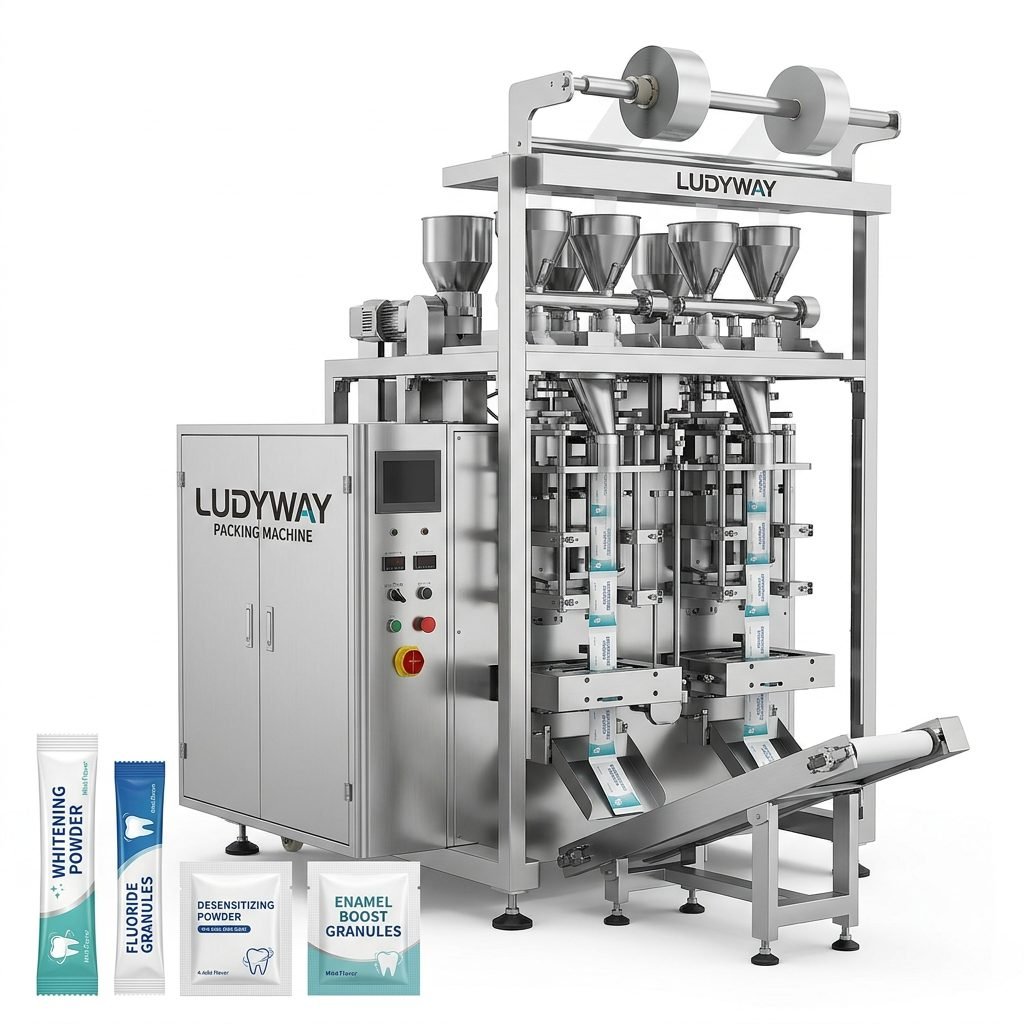
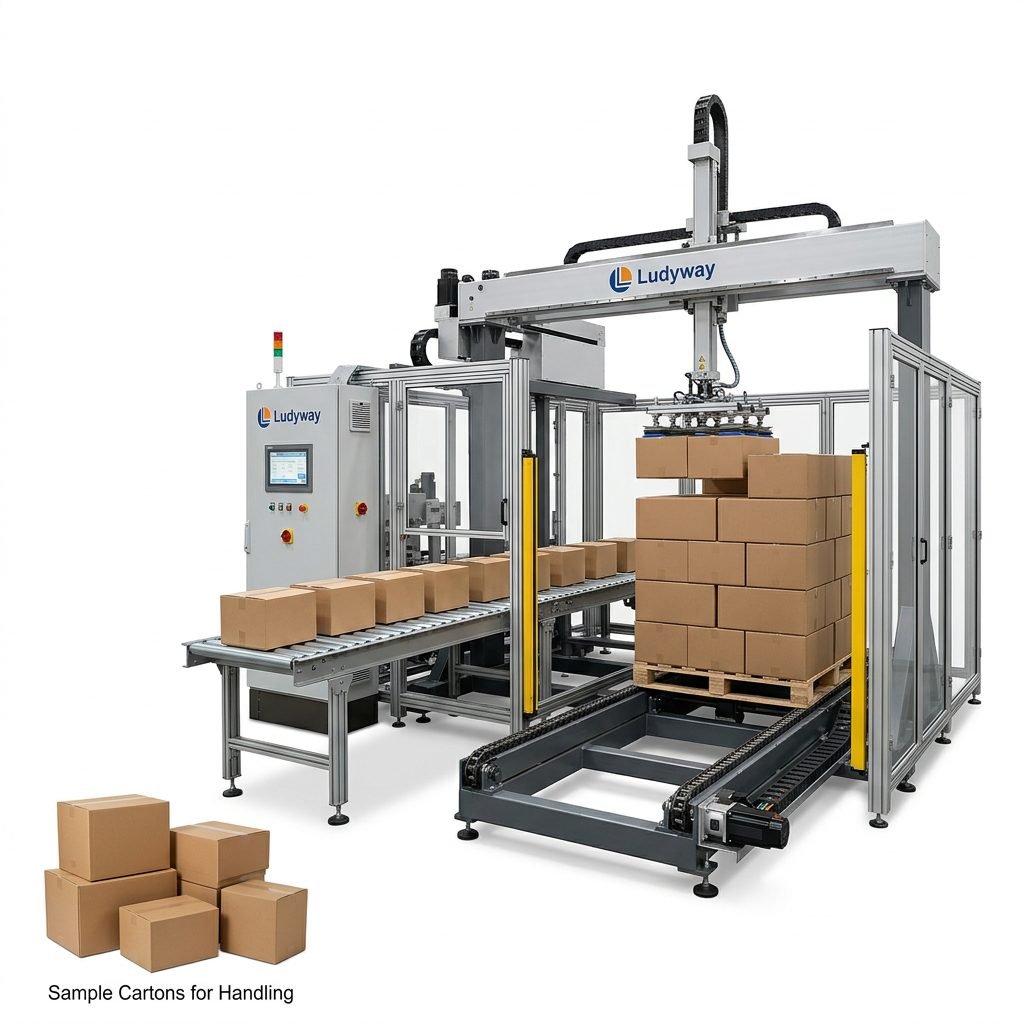
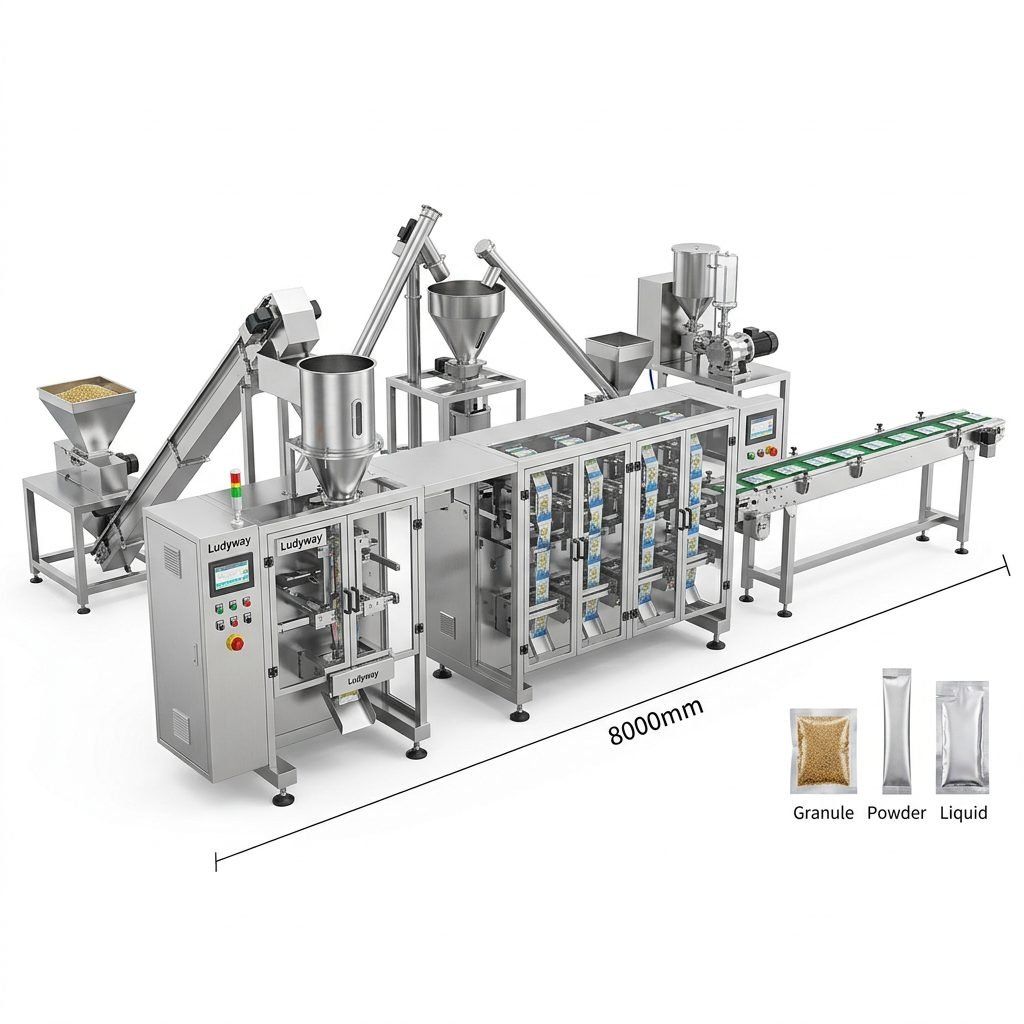
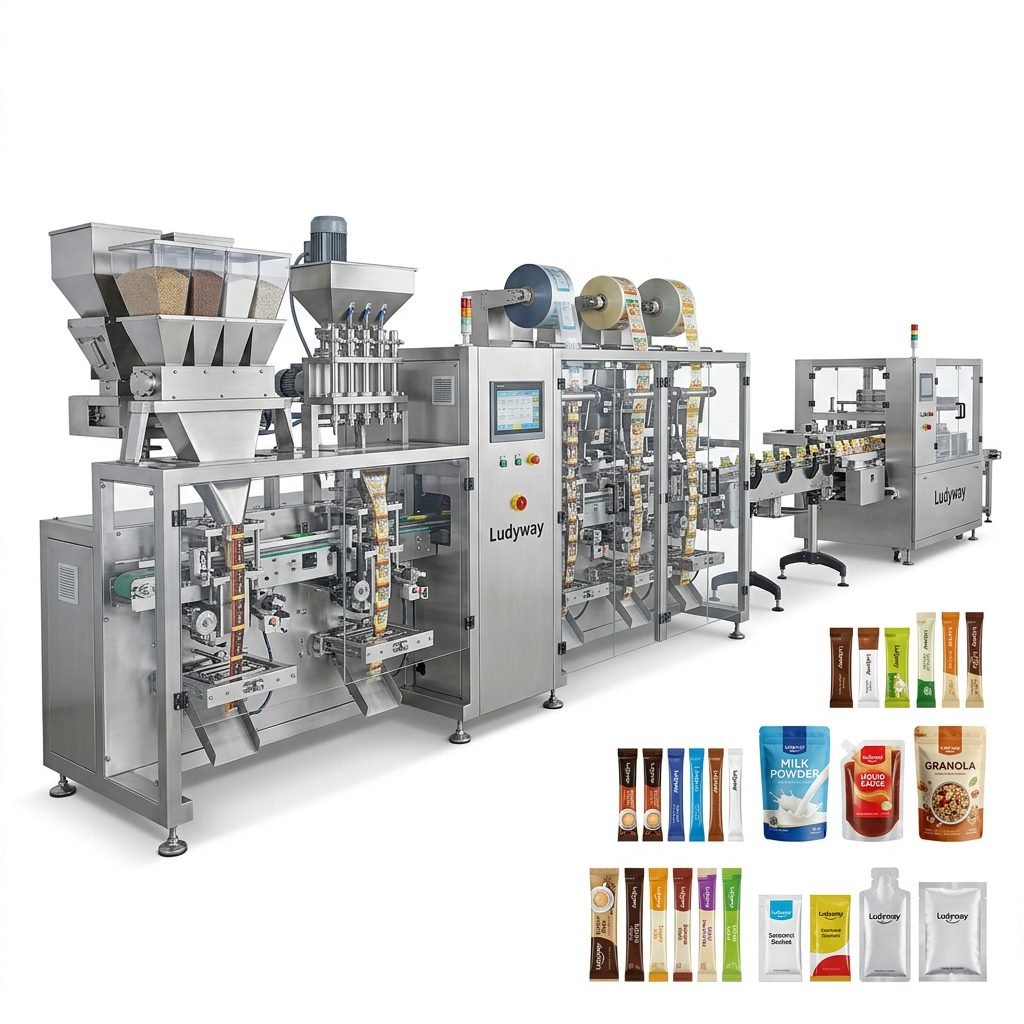
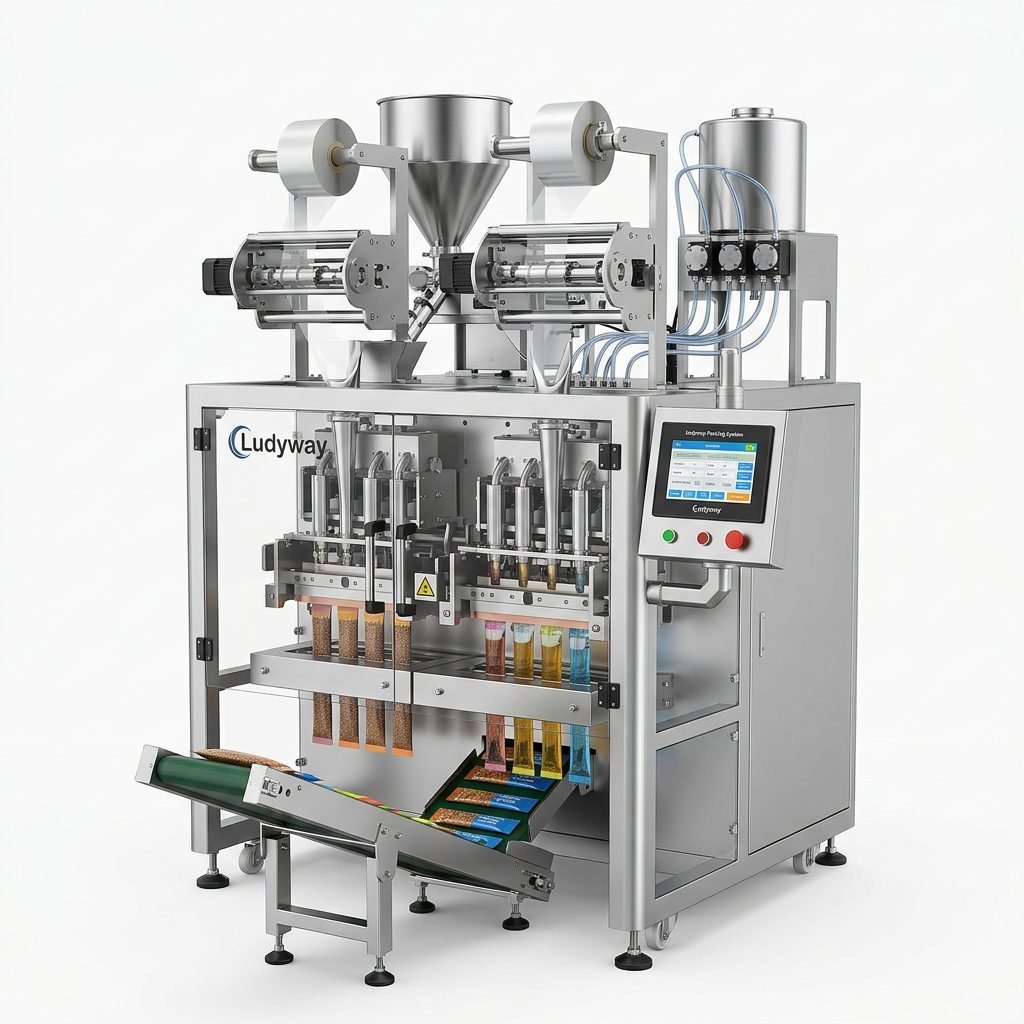
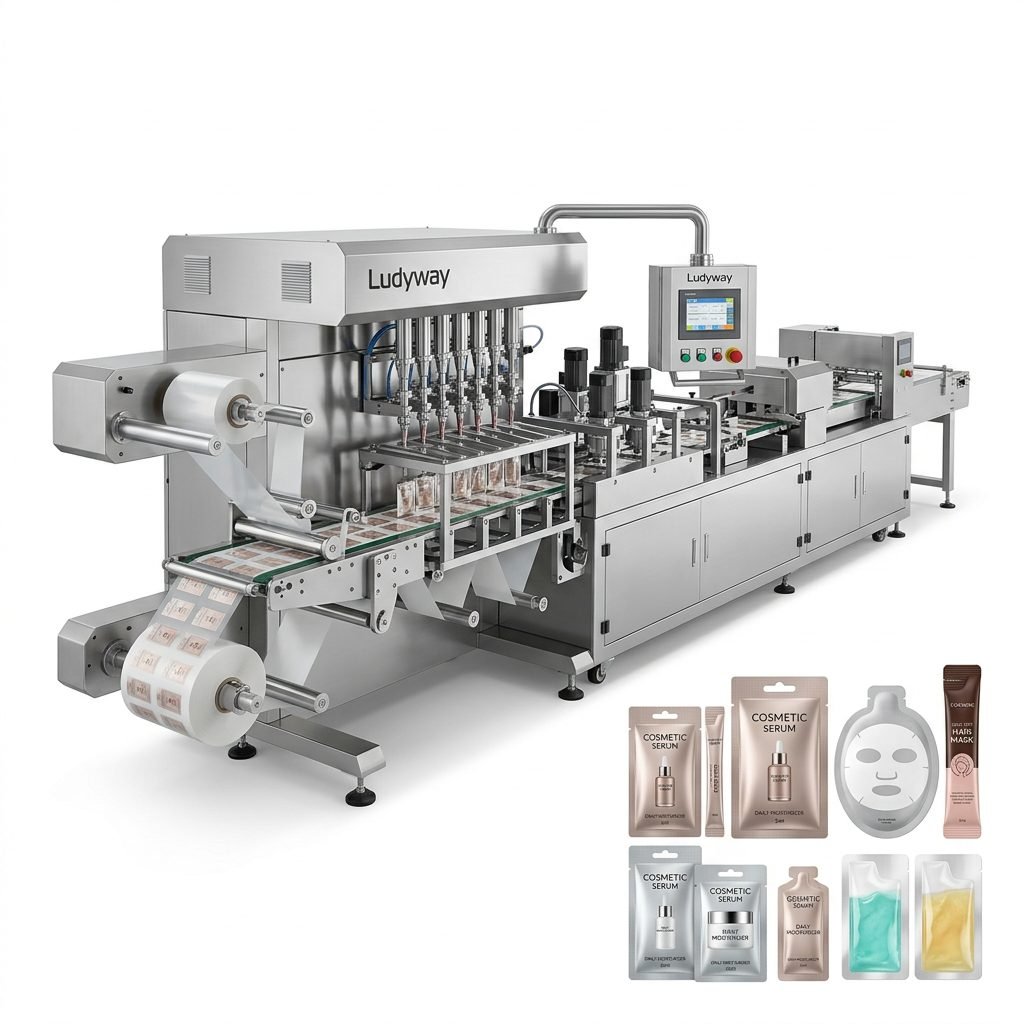
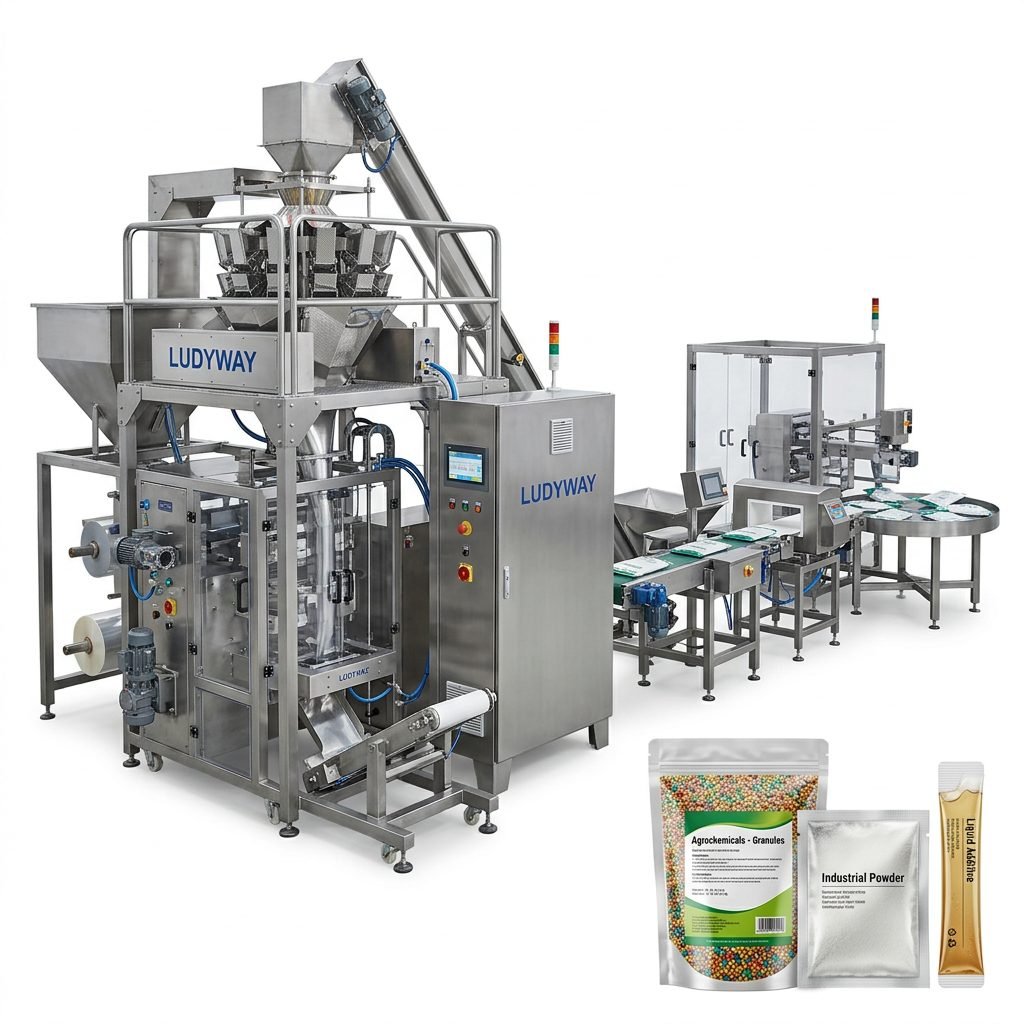
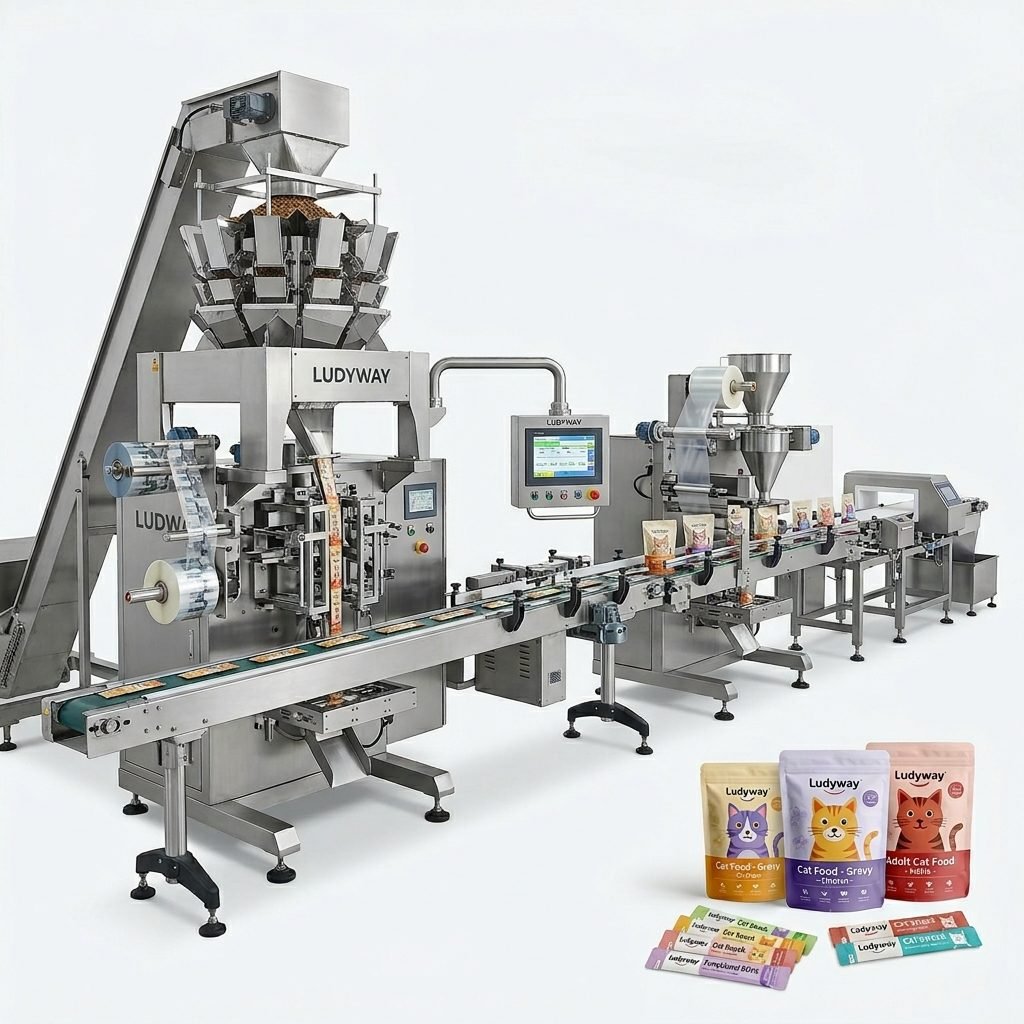
A standalone vacuum sealer creates bottlenecks if it cannot sync with upstream and downstream equipment. Consider how the machine integrates with automatic multi-lane stick pack and sachet packaging systems. For high-capacity plants, connecting the thermoforming vacuum packaging machine directly to automated cartoning and case packing systems eliminates manual handling and reduces labor costs.
Maintenance, Service, and Spare Parts
Downtime is the enemy of profitability. Prioritize easily accessible service from a supplier with a local presence or reliable distributor network in North America. Key wear items like sealing bars, Teflon tape, and oil exhaust filters must be readily available. Ask potential suppliers detailed questions about their technical support structure and check references from other North American clients to validate their claims of long-term reliability.
Questions to Ask Your Equipment Partner
- Is the equipment compatible with North American voltage (208-240V / 480V 3PH)?
- Can the machine handle my specific pouch thickness and anti-fog materials?
- What is the life expectancy of the pump under continuous operation?
- Is remote diagnostic support available to minimize service calls?
By focusing on robust engineering, sanitary design, and automated controls, you ensure a seamless production flow. As one of the largest manufacturers in the sector, Ludyway provides advanced packaging equipment and turnkey solutions, backed by over 30 years of industry expertise and a modern 20,000㎡ manufacturing facility. The company serves customers in over 100 countries and is expected to achieve export revenue of more than RMB 500 million (approximately US$69 million) in 2025, planning to surpass RMB 1 billion (approximately US$138 million) in 2026.
Choosing Between New and Used Equipment
While a used chamber vacuum sealer might seem budget-friendly, it often comes with hidden costs. Worn pumps degrade vacuum performance, and outdated control boards may lack precision MAP settings. Unless a refurbished unit comes with a comprehensive warranty from a certified technician, investing in a new, IoT-enabled vacuum system with data logging capabilities offers better value for food traceability and quality assurance.
Further Industry Insights and References
To make an informed decision, cross-reference your requirements with industry standards and market reports from leading North American authorities: