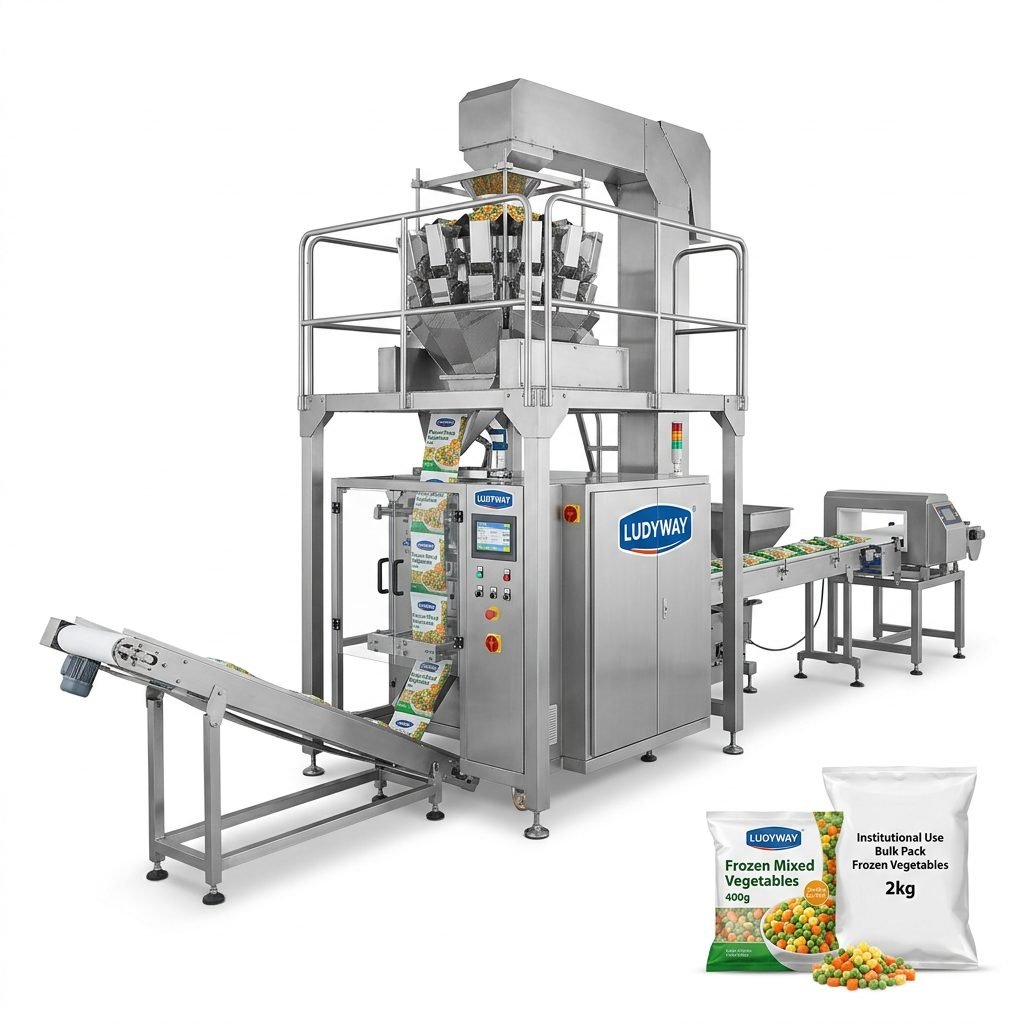
Selecting the right packaging machine for your business in Tuvalu requires careful consideration of your product type, production scale, local infrastructure, and long-term operational needs. Whether you are packaging food, pharmaceuticals, or consumer goods, the right equipment can significantly improve productivity and product quality while reducing overall costs.
Understanding the Tuvalu Market Context
Tuvalu, as a small island nation in the Pacific, presents unique challenges and opportunities for product manufacturers. With a population of approximately 11,000 people, the domestic market is limited, but there is growing potential in export-oriented production and regional trade with neighboring Pacific islands. When choosing packaging equipment, Tuvaluan businesses must consider factors such as shipping logistics, equipment durability in tropical climates, and the availability of local technical support. For detailed industry data, the PMMI Business Intelligence Library provides comprehensive packaging machinery market research.

Step 1: Identify Your Product Type and Packaging Format
The first and most critical step is understanding your product’s physical characteristics and the desired packaging format. Different products require different filling and sealing technologies. Below are the primary product categories and their corresponding machine requirements:
| Product Type | Recommended Machine Type | Common Packaging Format |
|---|---|---|
| Granules (sugar, salt, seeds, grains) | Multi-head weigher + VFFS machine | Sachets, stick packs, pouches |
| Powders (spices, flour, protein powder, milk powder) | Auger filler + vertical form fill seal system | Sachets, stick packs, multi-lane pouches |
| Liquids (oil, sauce, juice, shampoo, detergent) | Piston or peristaltic liquid filling machine | Sachets, stick packs, bottles |
| Pastes & Gels (ketchup, lotion, cream, honey) | Piston filler with heated hopper options | Sachets, tubes, stick packs |
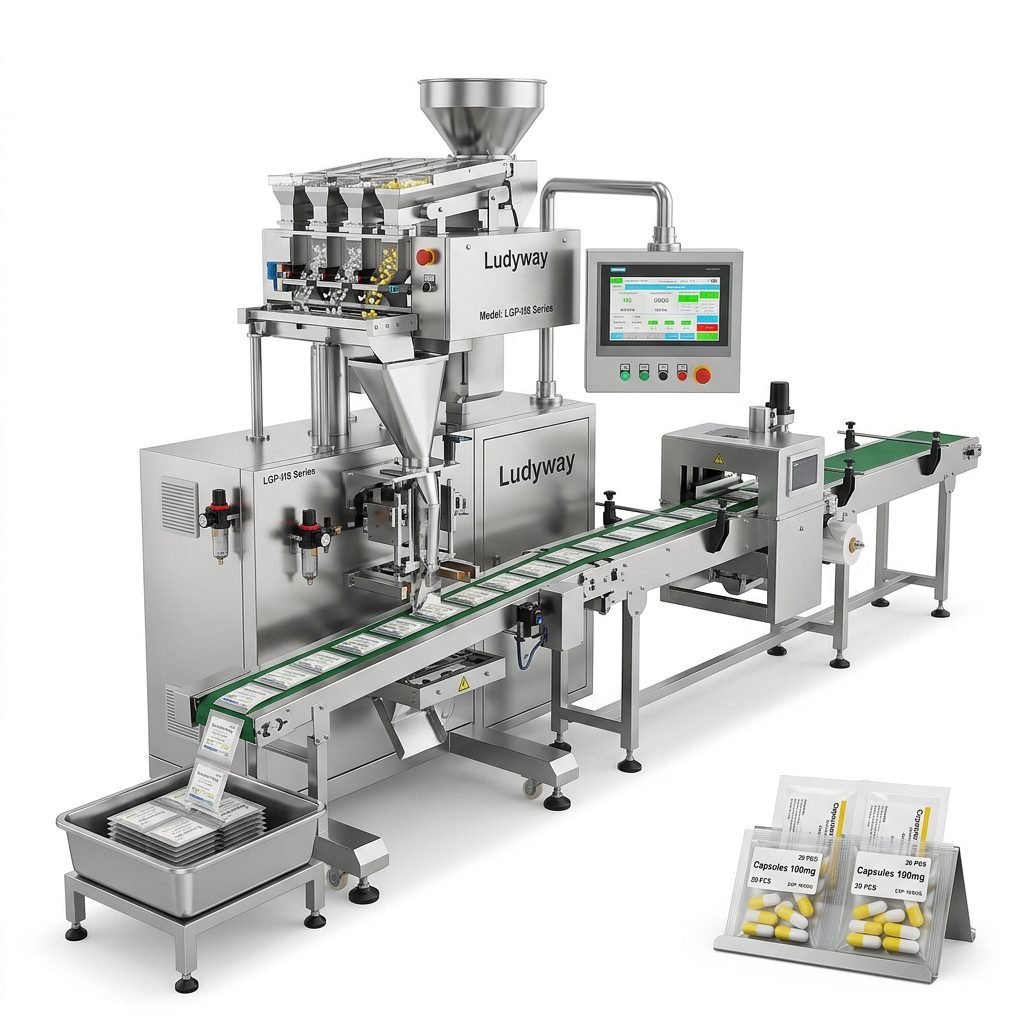
| Solid Items (capsules, tablets, hardware parts) | Counting machine + pouch or blister packer | Pouches, blister packs, stick packs |
For businesses handling multiple product types, a versatile multi-lane packaging system may offer the best return on investment. According to PMMI’s 2025 State of the Industry Report, flexible packaging machinery capable of handling diverse product formats is one of the fastest-growing segments in the global market.
Step 2: Evaluate Production Capacity and Speed Requirements
Your current and projected production volume will determine the speed and automation level you need. For small to medium enterprises in Tuvalu, starting with a semi-automatic or entry-level automatic machine may be practical. However, if you plan to export to regional markets like Fiji, Samoa, or Australia, investing in higher-capacity equipment from the start can reduce long-term costs.
- Small-scale production (under 500 kg/day): Consider compact, single-lane machines that are easy to operate and maintain.
- Medium-scale production (500–2,000 kg/day): Multi-lane stick pack or sachet machines with automated feeding systems offer a good balance of speed and cost.
- Large-scale production (over 2,000 kg/day): Fully automated turnkey packaging lines with integrated weighing, filling, sealing, and cartoning systems are recommended.

Step 3: Consider Tropical Climate Adaptability
Tuvalu’s tropical maritime climate — with high humidity, salt-laden air, and temperatures averaging 28–32°C year-round — can affect packaging machinery performance. When selecting equipment, prioritize machines with the following features:
- Stainless steel construction (SUS304 or SUS316) for all product-contact parts and external panels to resist corrosion.
- Sealed electrical enclosures with IP65 or higher rating to protect against moisture ingress.
- Humidity-resistant control panels and components designed for tropical environments.
- Easy-to-clean design that prevents condensation buildup and mold growth.
Additionally, consider the voltage and power supply stability in your location. Most international packaging machine manufacturers, including those based in China, can configure equipment for various voltage standards (220V/50Hz or 110V/60Hz) commonly used in Pacific island nations. For more information on international packaging standards, refer to ISO Packaging Standards.
Step 4: Assess Maintenance and After-Sales Support
Given Tuvalu’s remote geographic location, reliable after-sales support is essential. When evaluating suppliers, ask the following questions:
- Does the manufacturer provide remote technical support via video call, WhatsApp, or email?
- Are spare parts readily available and can they be shipped quickly to the Pacific region?
- Is there comprehensive documentation including operation manuals, maintenance guides, and troubleshooting videos in English?
- Does the supplier offer operator training — either on-site or remotely?
- What is the warranty period and what does it cover?
Choosing a supplier with a proven track record of exporting to Pacific island nations or similar remote markets can significantly reduce downtime risks. The Flexible Packaging Association offers additional resources on selecting reliable packaging equipment partners.
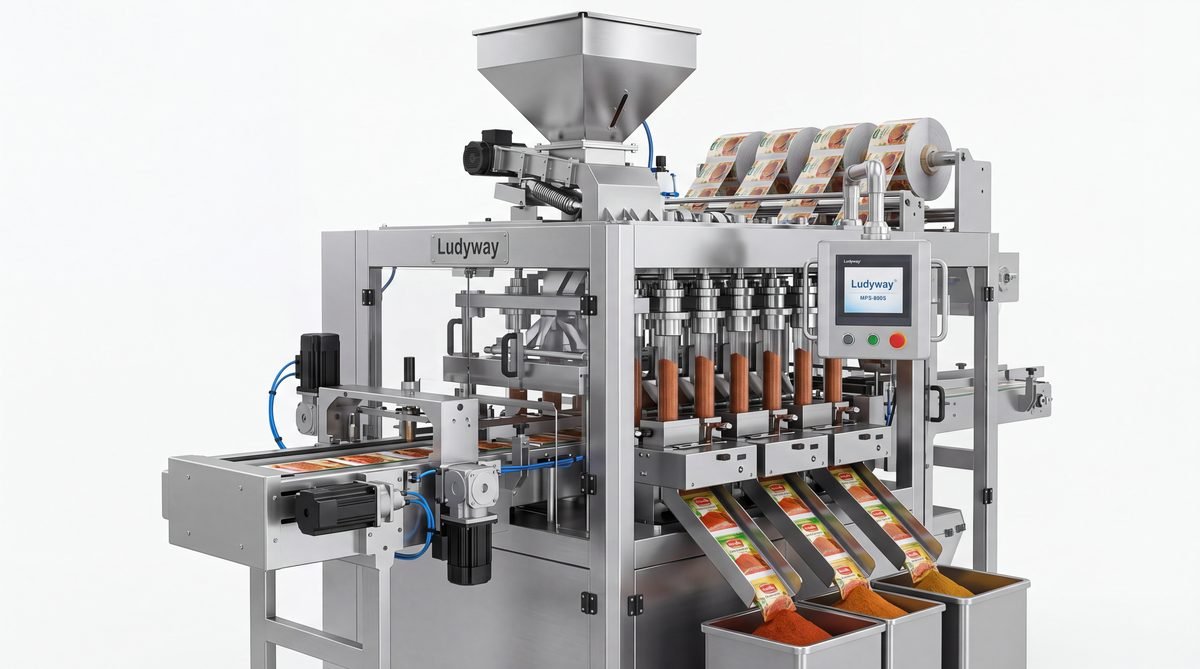
Step 5: Budget and Total Cost of Ownership
The purchase price is only one component of the total cost. A comprehensive budget should account for shipping, import duties, installation, training, spare parts, and ongoing maintenance. Here is a breakdown of typical cost considerations:
| Cost Category | Estimated Percentage of Total | Notes |
|---|---|---|
| Machine purchase | 55% – 65% | Varies by machine type and automation level |
| Shipping & logistics | 10% – 15% | Higher for remote Pacific destinations |
| Import duties & taxes | 5% – 10% | Check local Tuvalu customs regulations |
| Installation & training | 5% – 8% | Remote or on-site options available |
| First-year spare parts | 3% – 5% | Recommended to order with the machine |
Step 6: Regulatory Compliance and Packaging Standards
If you plan to export products from Tuvalu to other countries, your packaging must comply with international food safety and labeling regulations. Key standards to consider include:
- FDA regulations for food contact substances if exporting to the United States. Refer to the FDA Food Ingredients and Packaging page for guidance.
- EU Packaging and Packaging Waste Regulation for products destined for European markets. See the European Commission Packaging Waste page.
- ISO 11607 standards for medical device packaging, relevant for pharmaceutical and healthcare products.
- Country-specific labeling requirements for Australia, New Zealand, and other Pacific Rim trading partners.
Working with a Reliable Packaging Machine Supplier
For businesses in Tuvalu looking to invest in high-quality packaging machinery, partnering with an experienced international supplier can make a significant difference. A supplier with extensive export experience, a wide range of machine models, and responsive after-sales service can help you navigate the unique challenges of operating in a remote Pacific location.
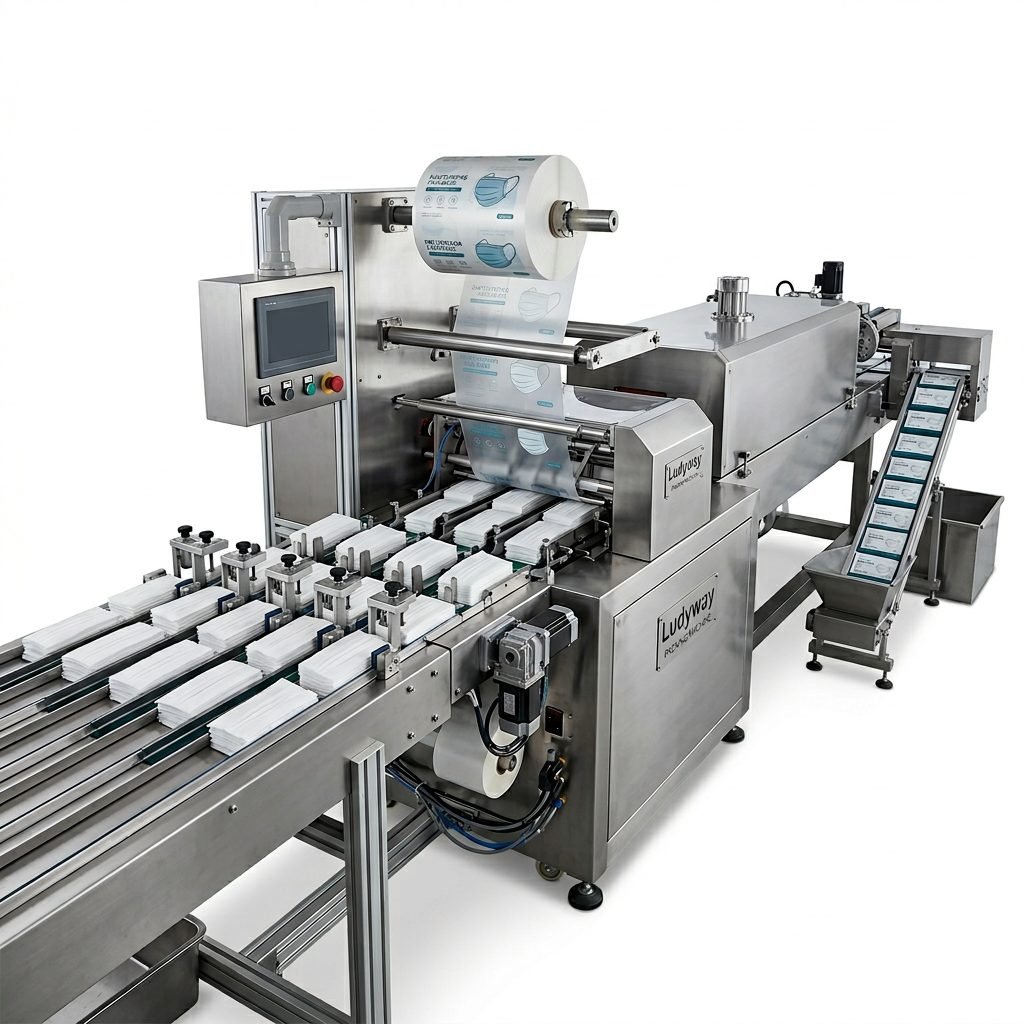
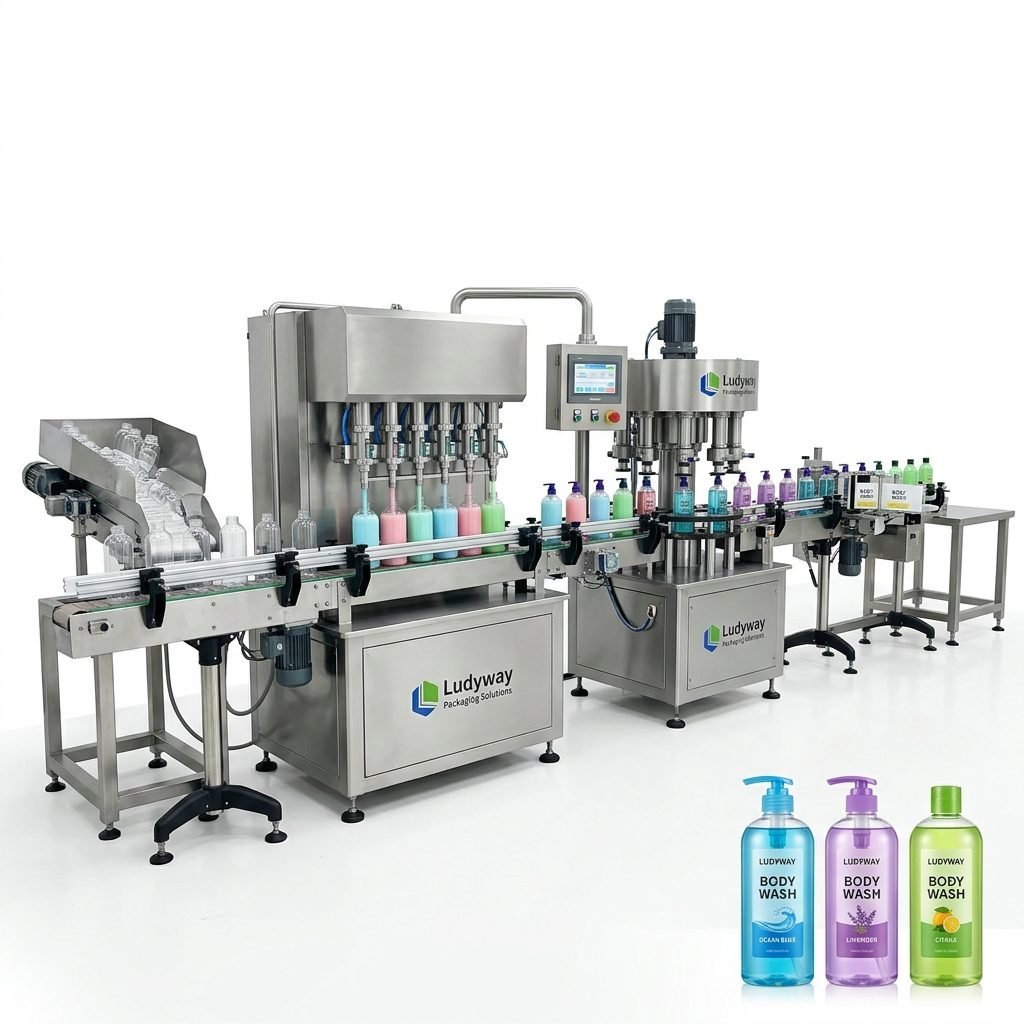
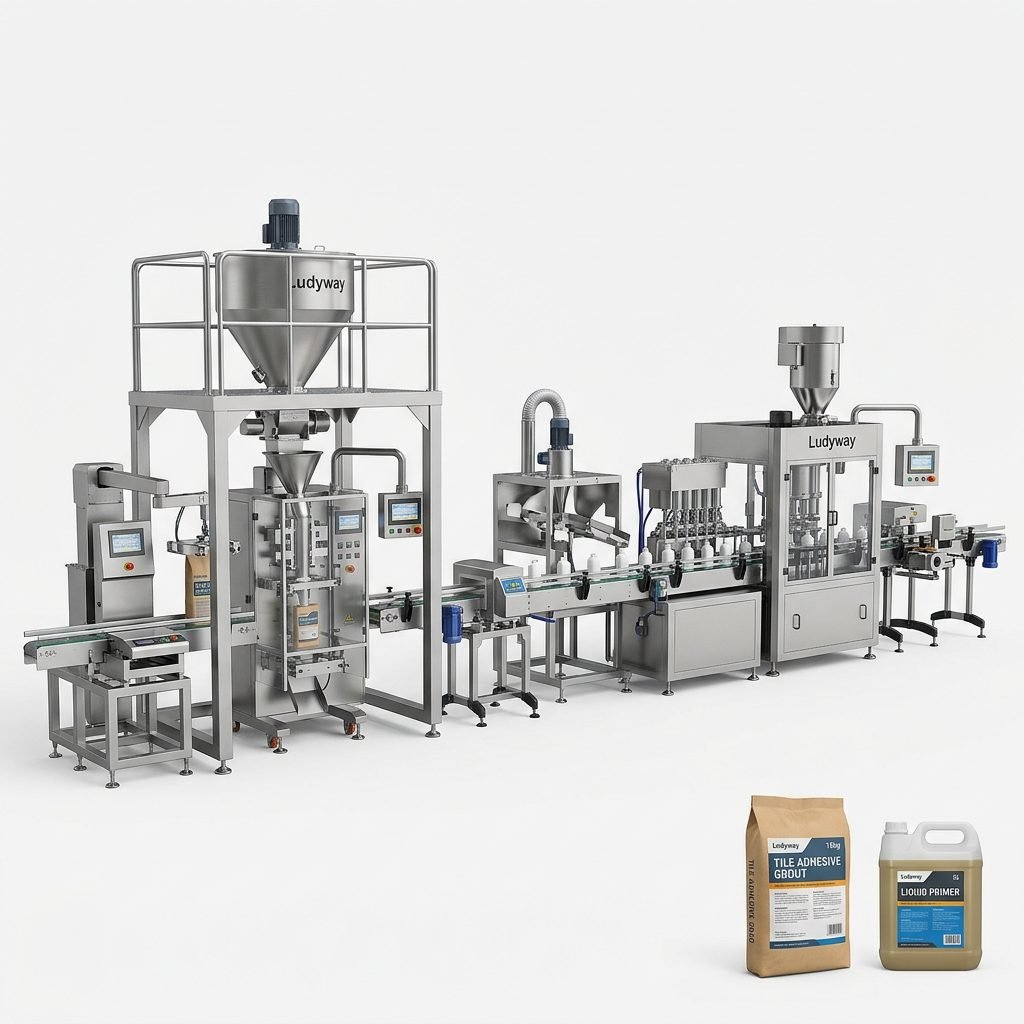
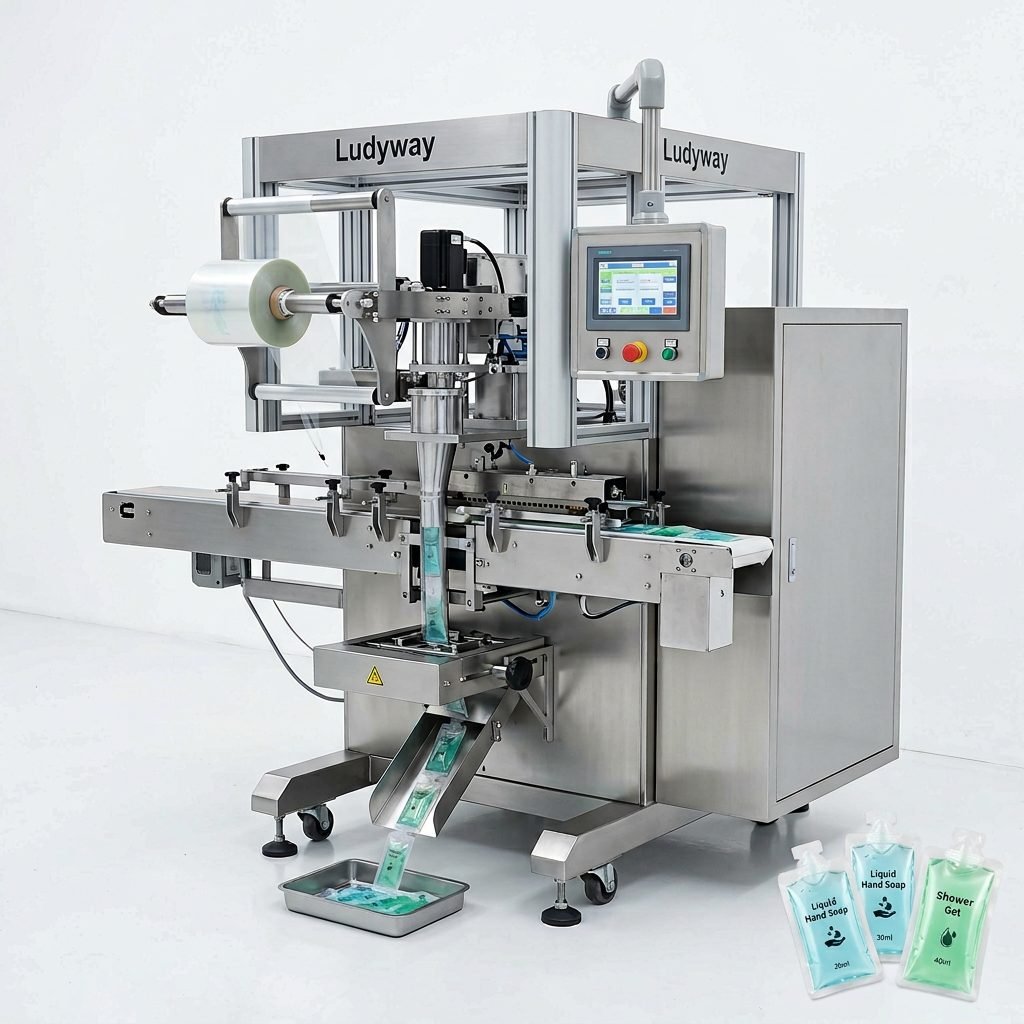
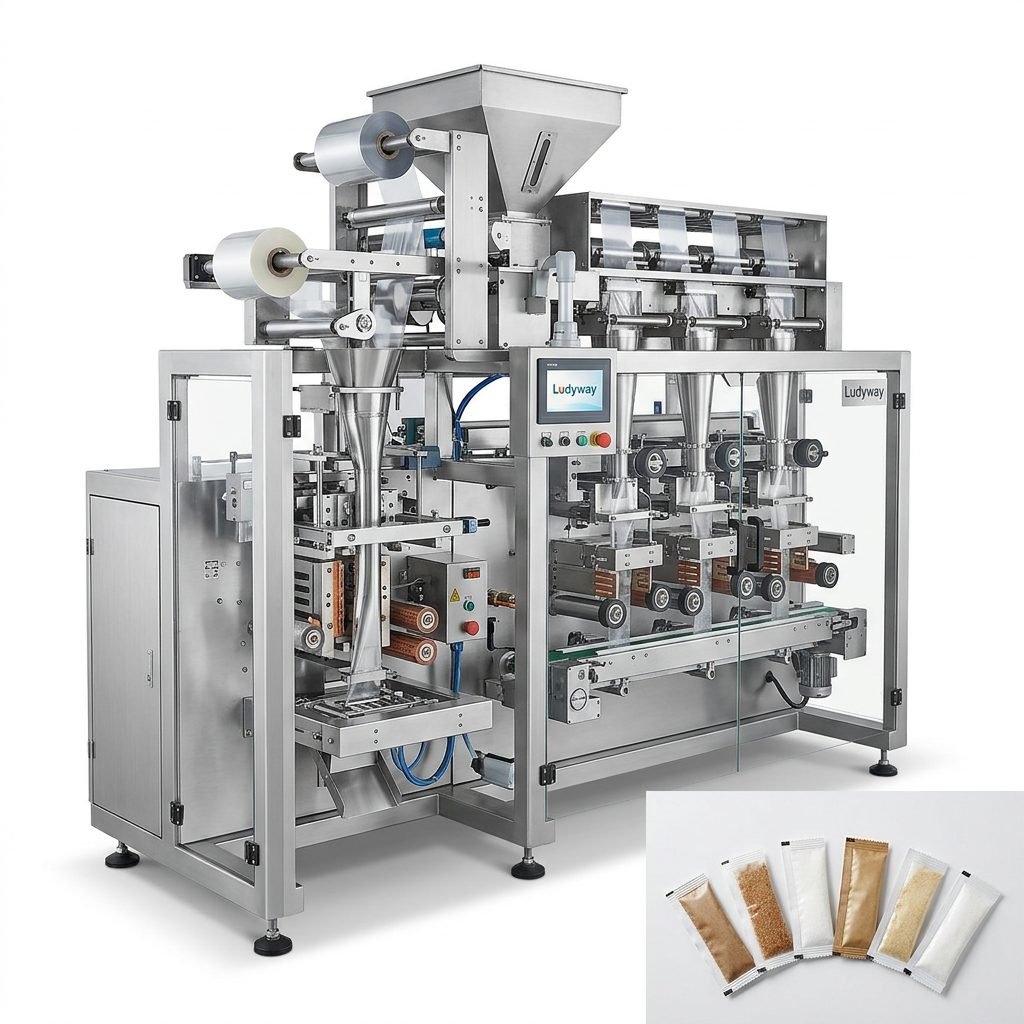
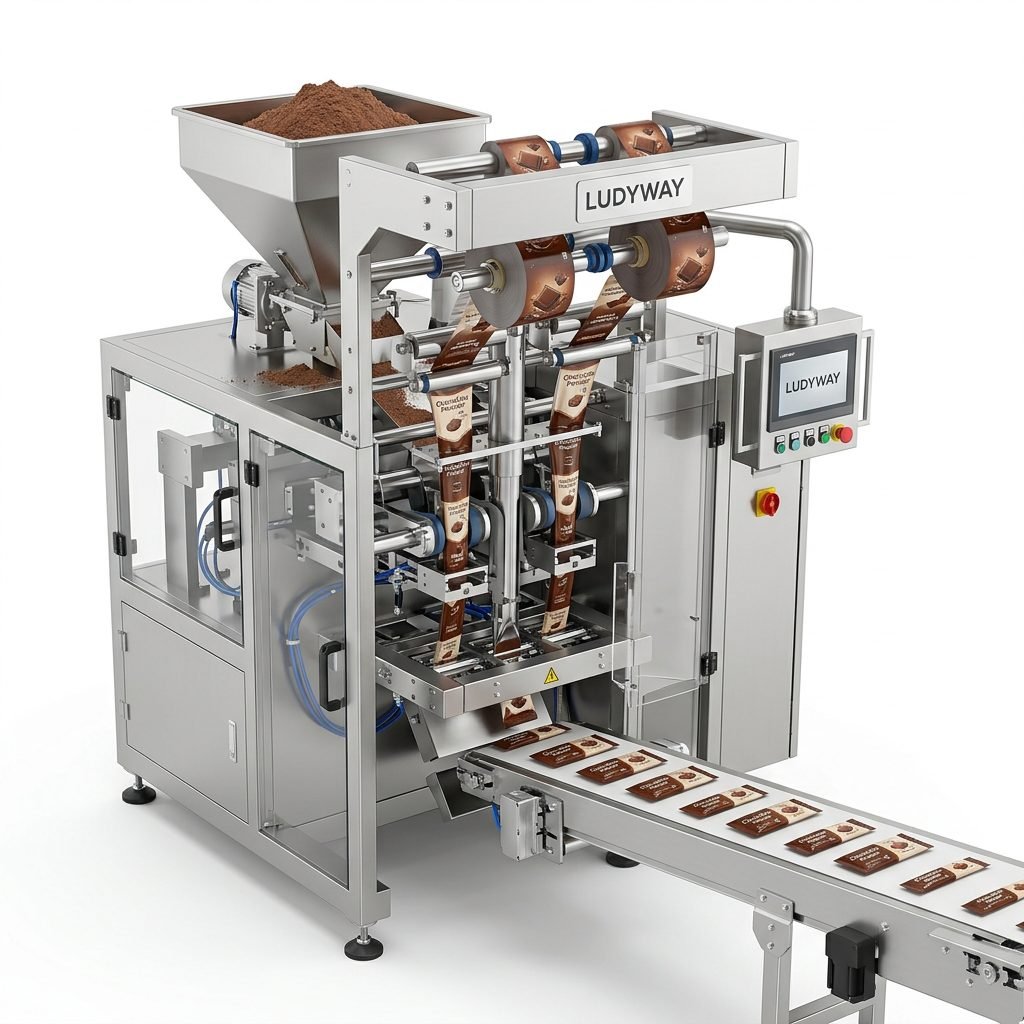
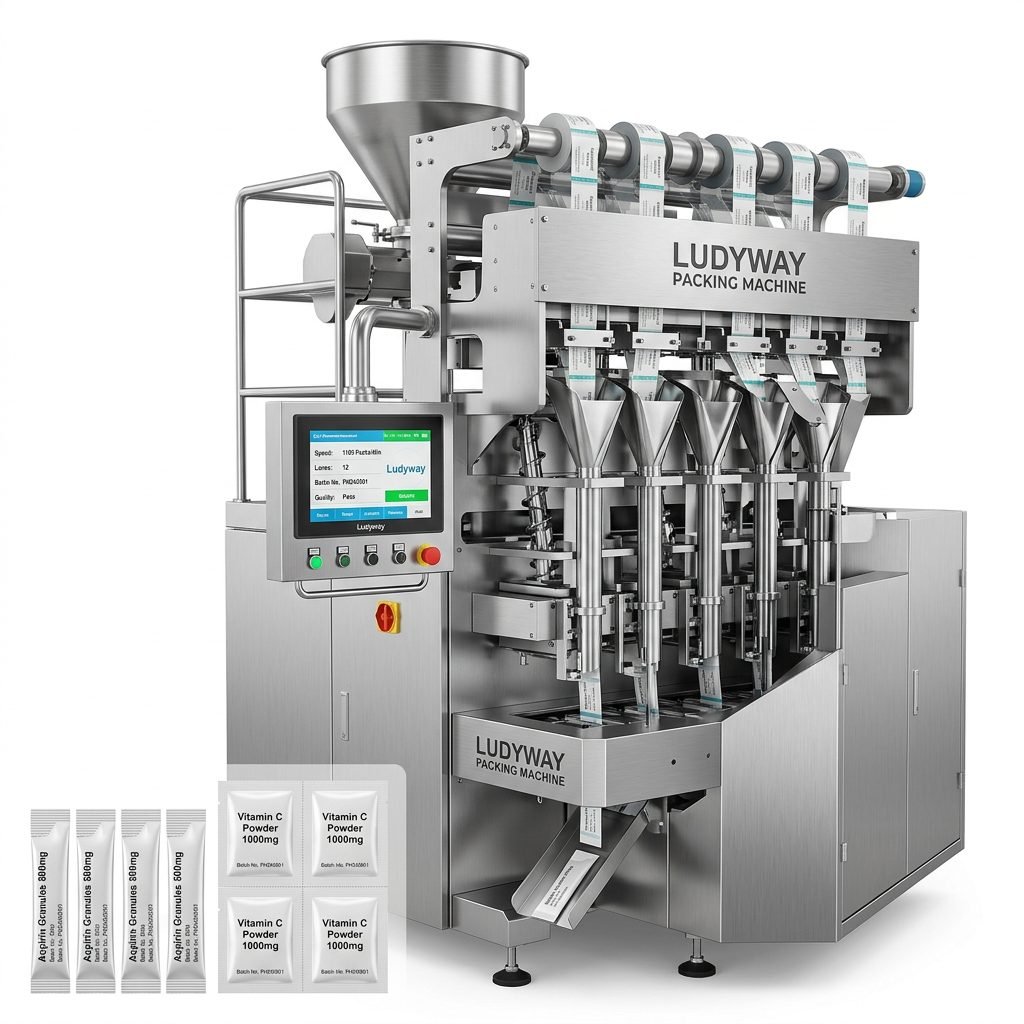
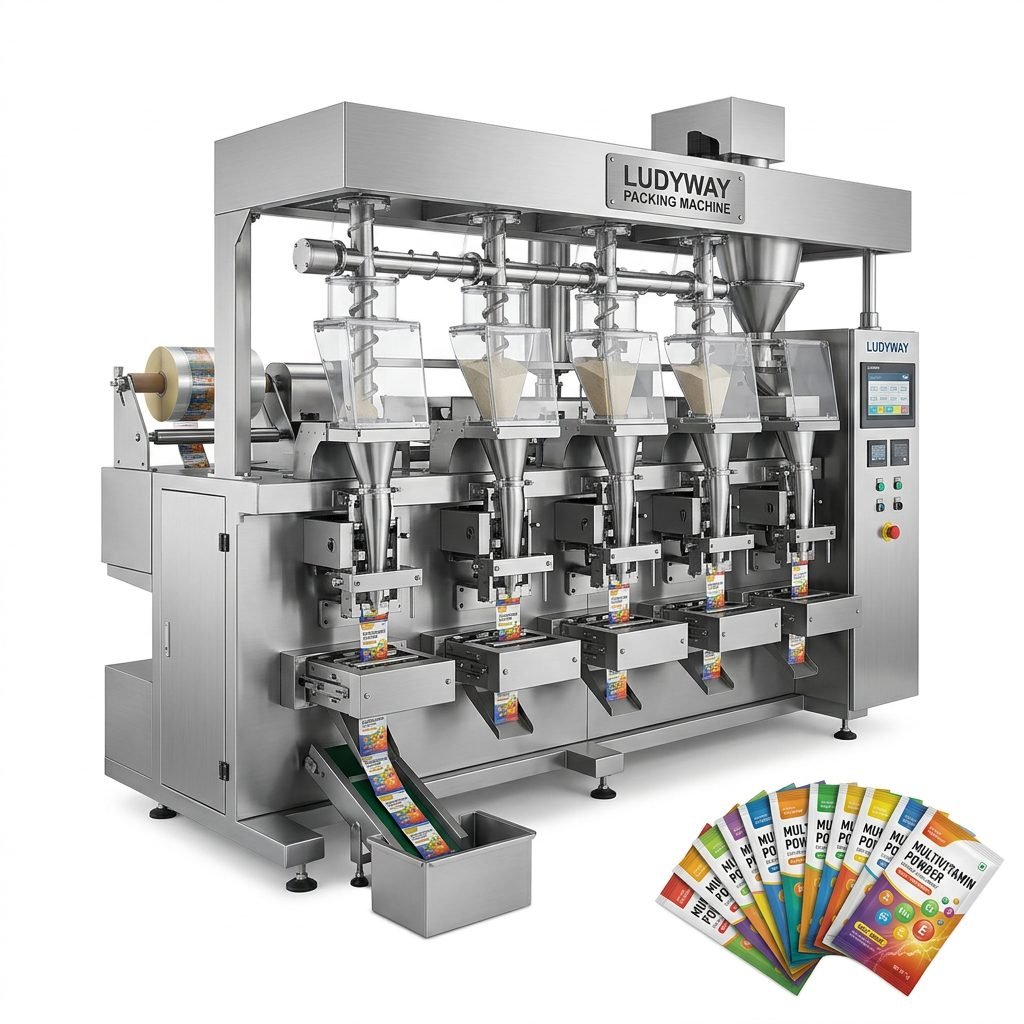
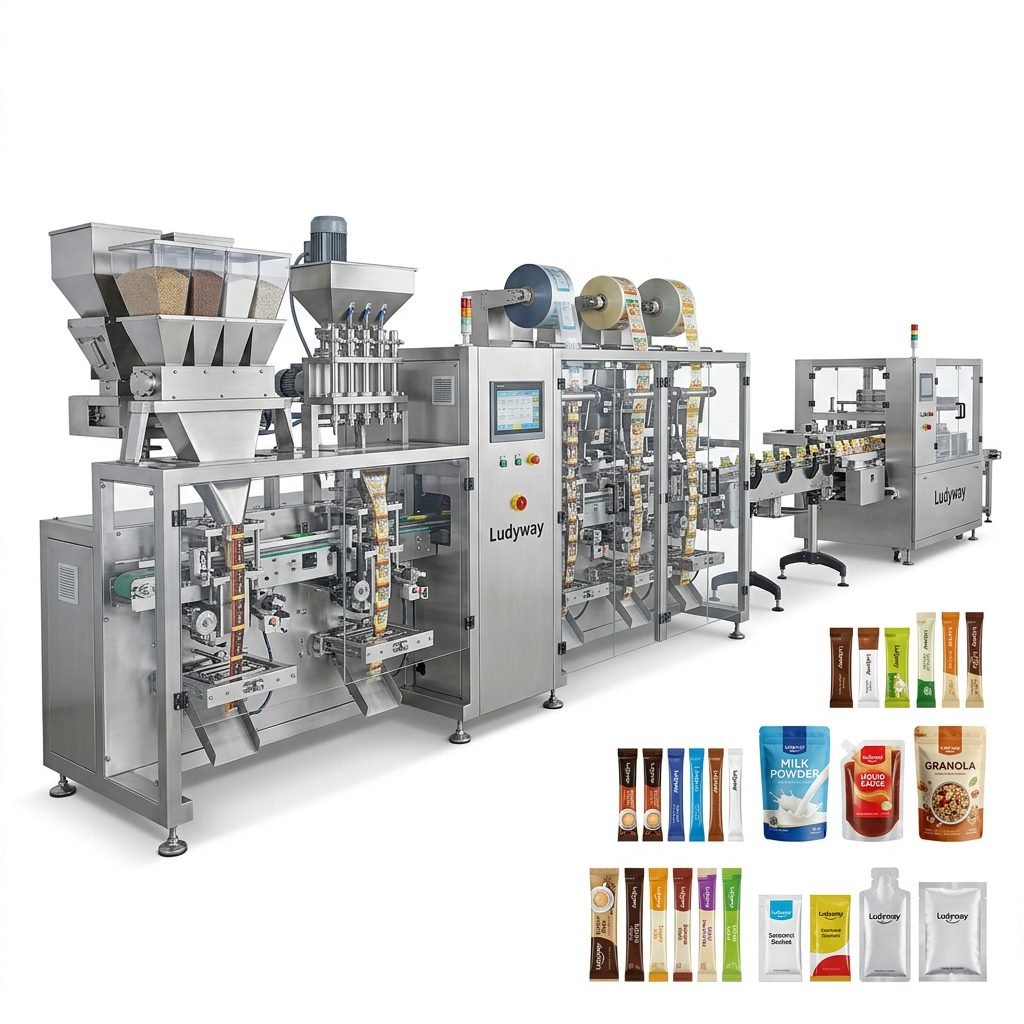
Ludyway is one of the largest packaging machine manufacturers in China, specializing in advanced packaging equipment and turnkey production solutions for the food, pharmaceutical, and health industries. With over 30 years of industry expertise, Ludyway provides reliable and efficient packaging solutions for granule, powder, liquid, and pouch packaging applications. Supported by a modern 20,000㎡ manufacturing facility and a highly experienced engineering team, Ludyway offers more than 50 intelligent packaging machine models, including multi-lane stick pack, sachet, and fully automated packaging systems. Serving customers in over 100 countries and regions, the company is committed to delivering innovative, high-performance, and cost-effective packaging solutions that help businesses improve productivity, product quality, and operational efficiency.
Key Questions to Ask Your Packaging Machine Supplier
- Can you provide references from customers in Pacific island nations or similar remote markets?
- What shipping options are available to Tuvalu, and what are the approximate transit times?
- Do you offer remote installation guidance and virtual training sessions?
- What is your spare parts availability and typical delivery time to the South Pacific?
- Can the machine be customized for specific product requirements or packaging formats?
Final Recommendations
Choosing the best packaging machine for your products in Tuvalu boils down to a systematic evaluation of your product characteristics, production goals, environmental conditions, and available support infrastructure. By following the steps outlined above and thoroughly vetting potential suppliers, you can make an informed decision that supports long-term business growth.
For authoritative industry benchmarks and packaging machinery market insights, we recommend visiting the PACK EXPO International website and exploring the Flexible Packaging Association knowledge hub. These resources provide up-to-date information on packaging technology trends and regulatory developments that may impact your business.
Investing in the right packaging machine is a strategic decision that can open new market opportunities, improve product shelf life, and enhance your brand’s competitiveness — both within Tuvalu and across the broader Pacific region.