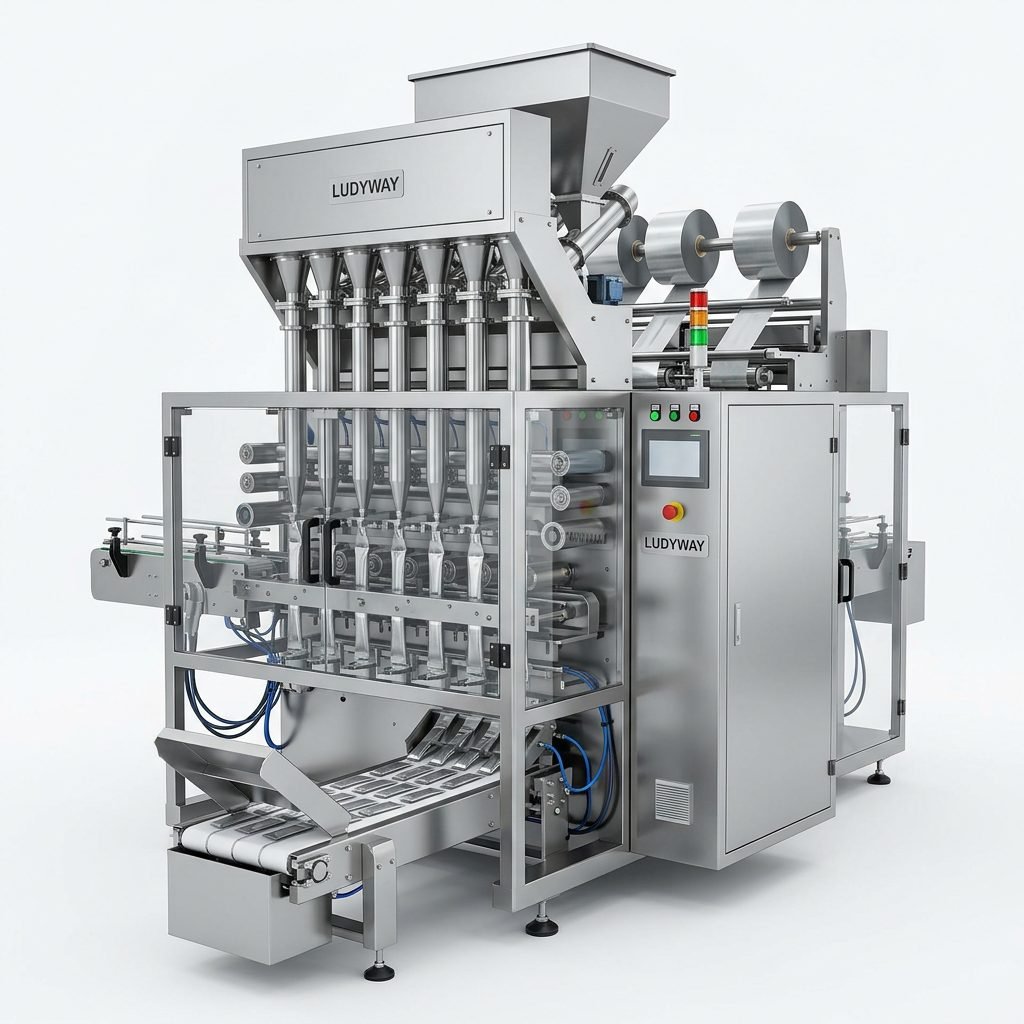
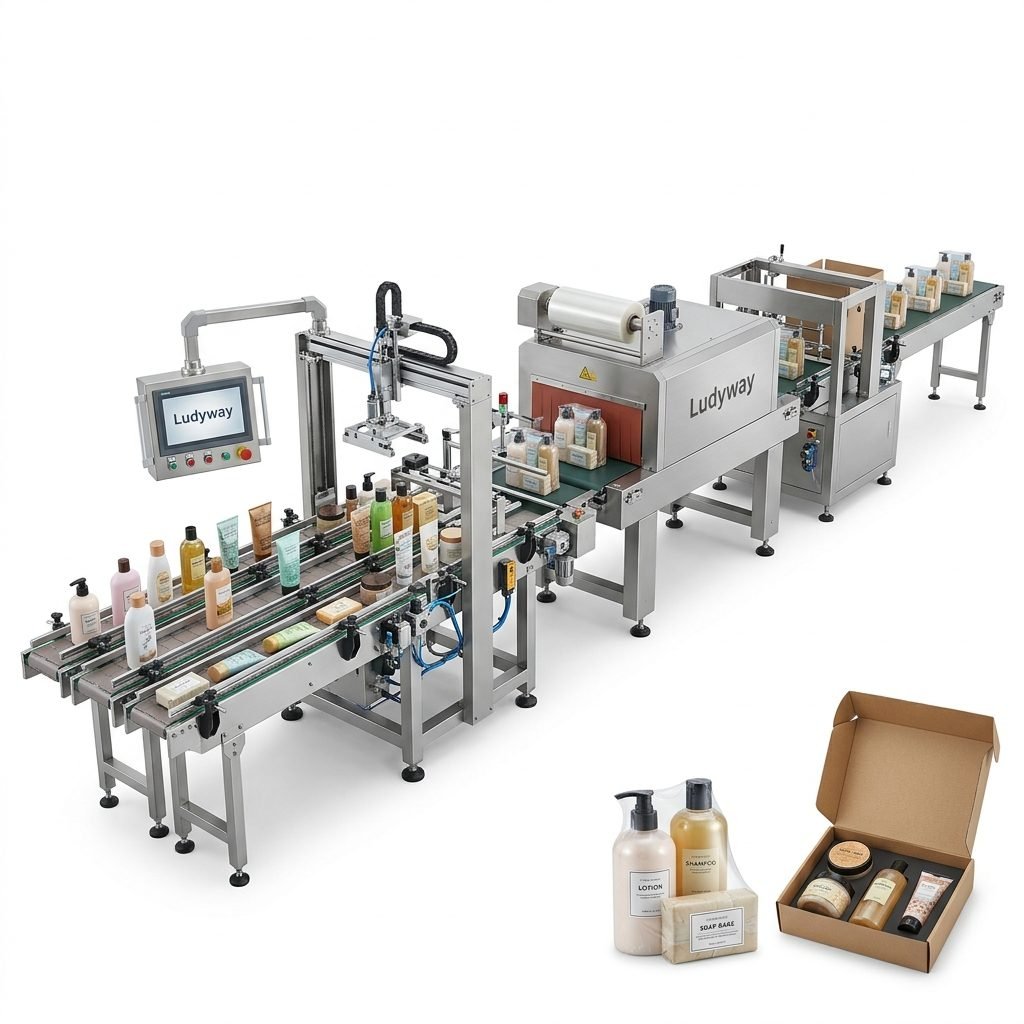
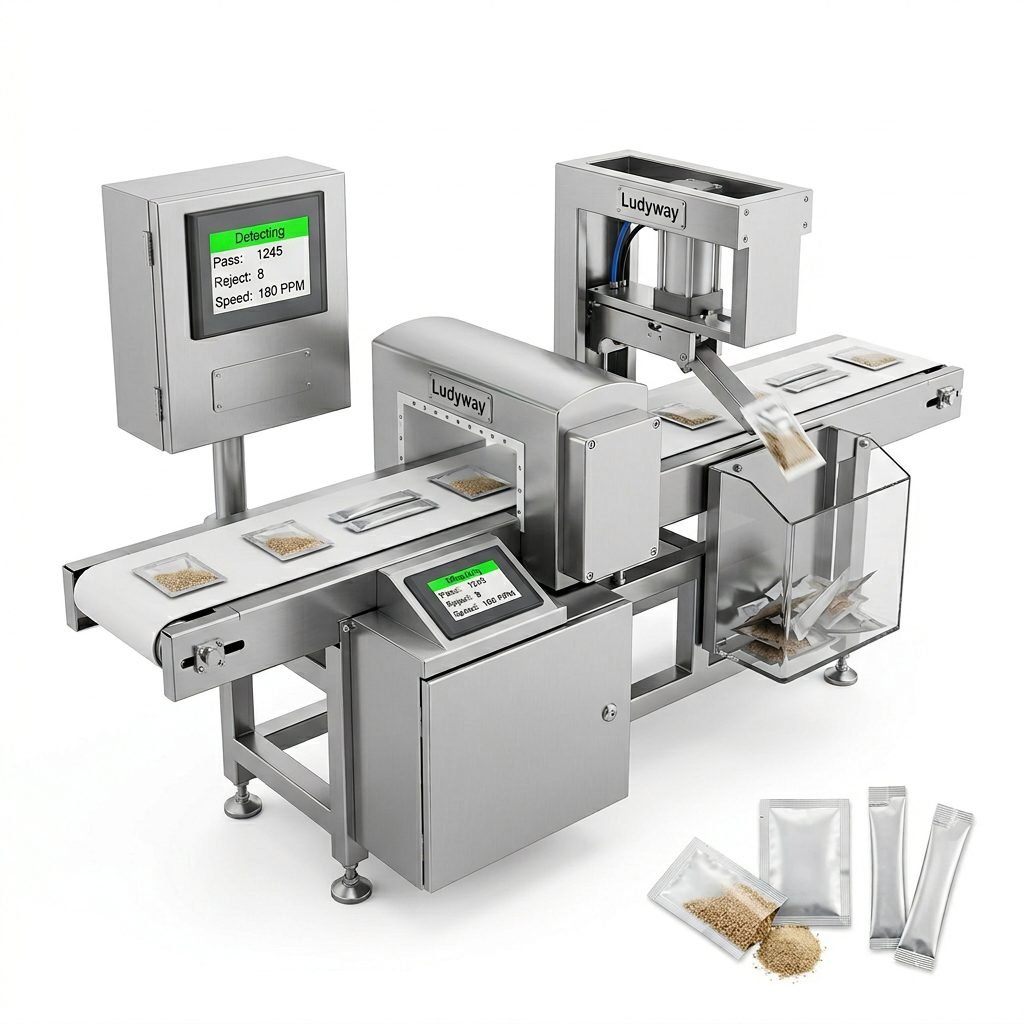
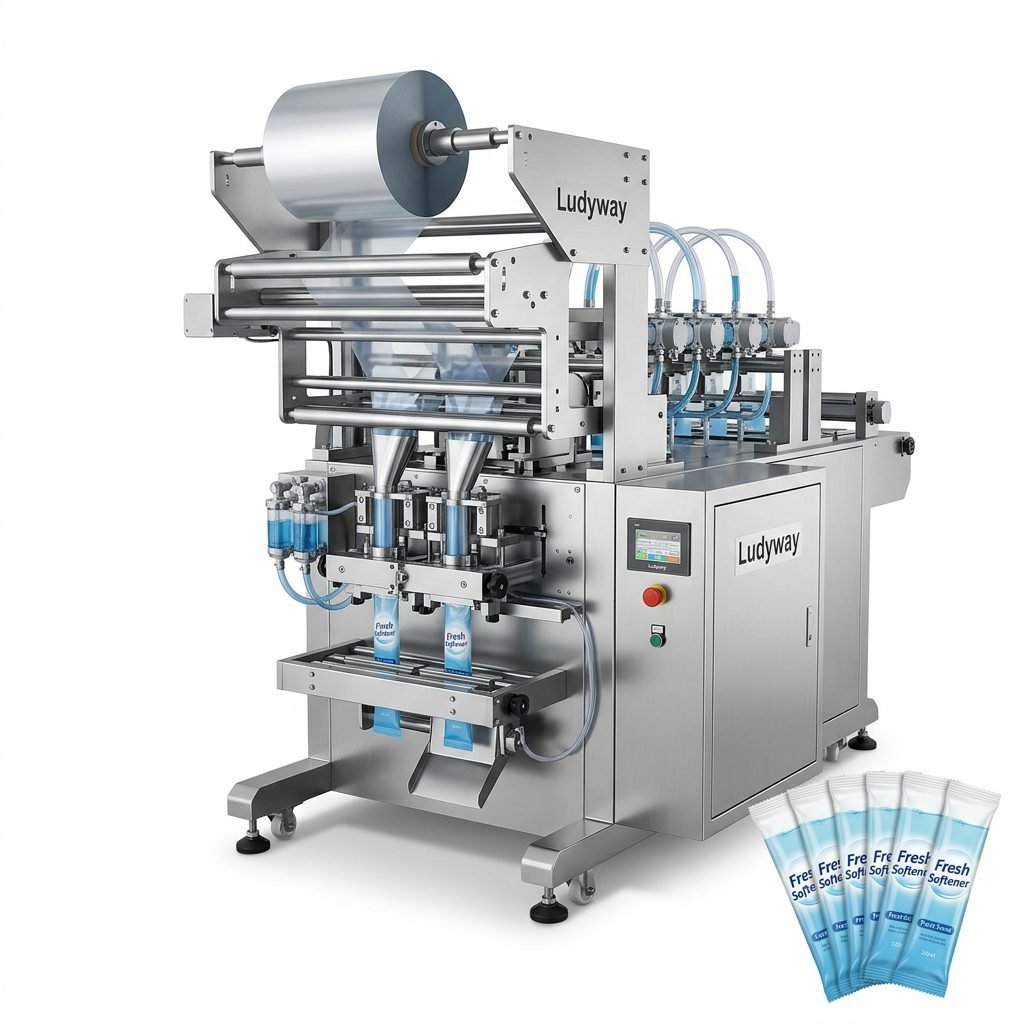
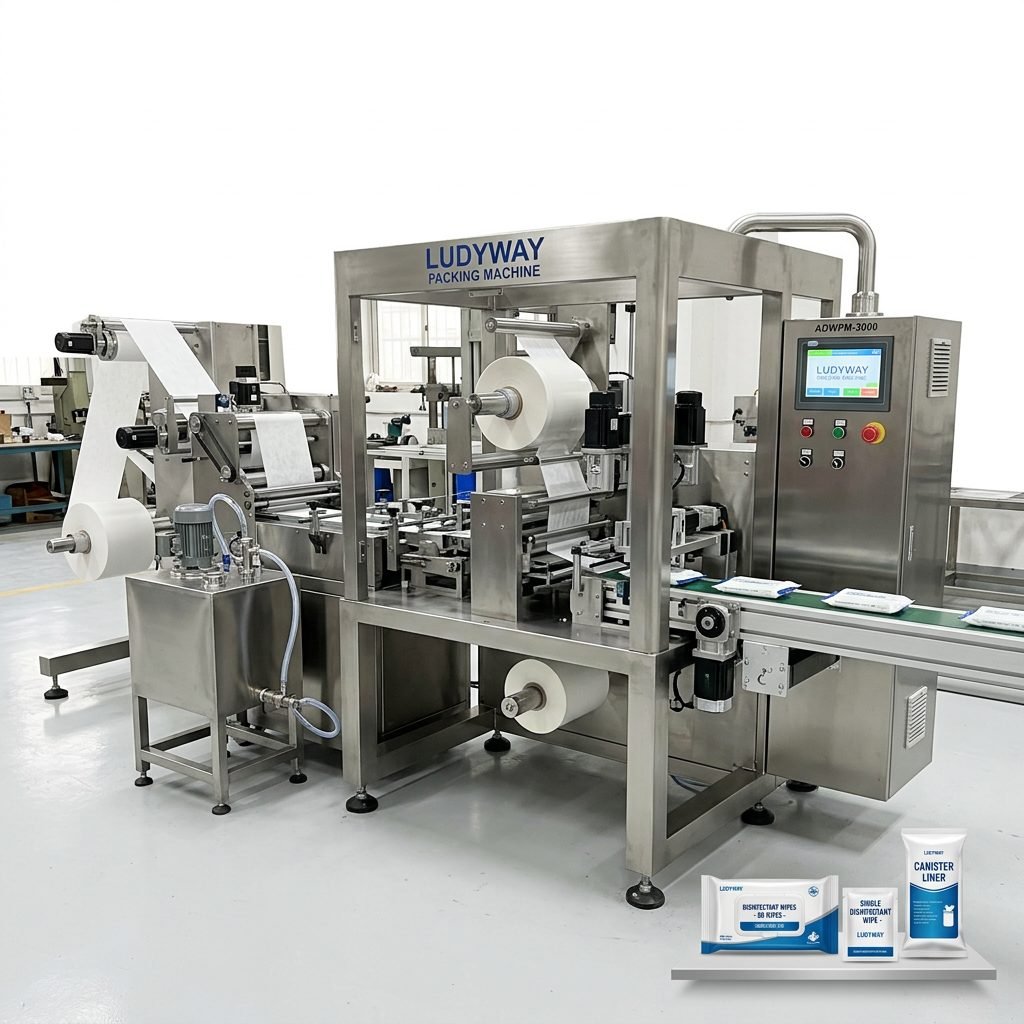
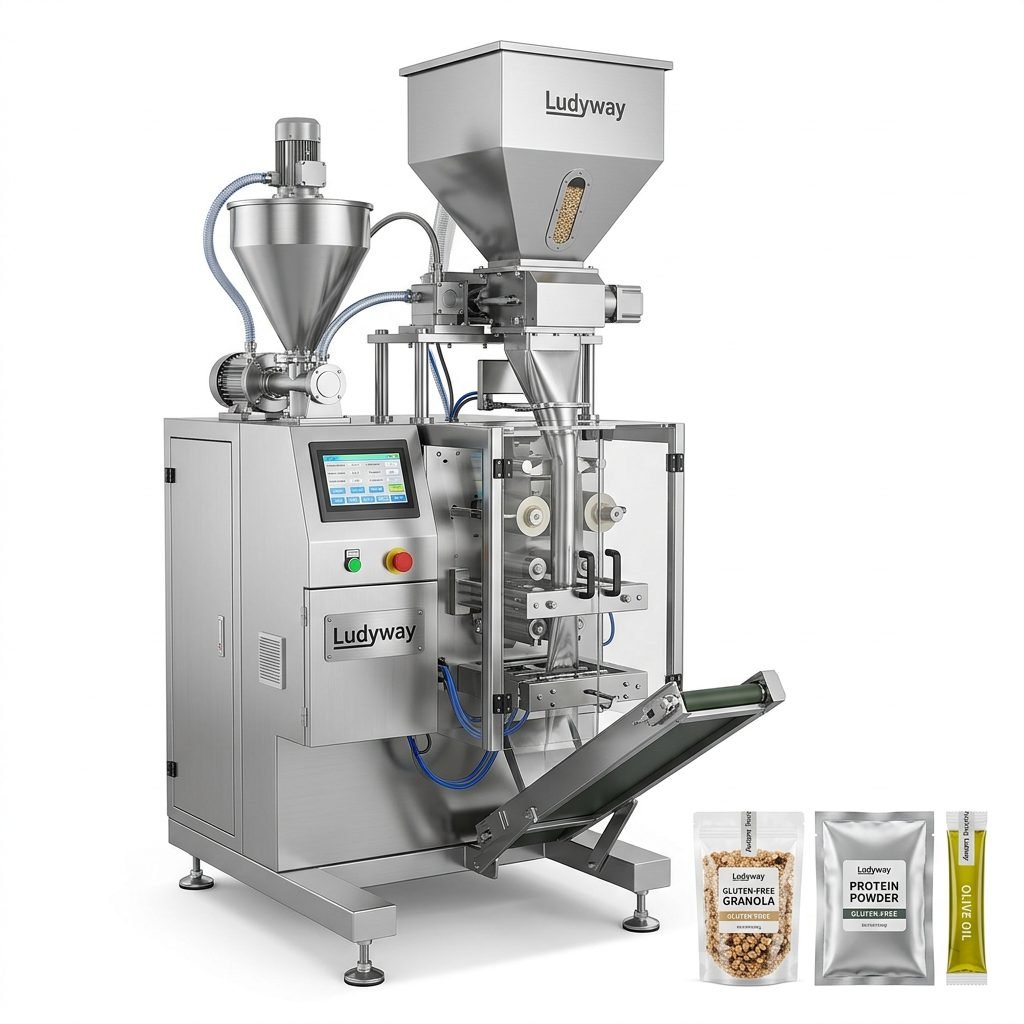
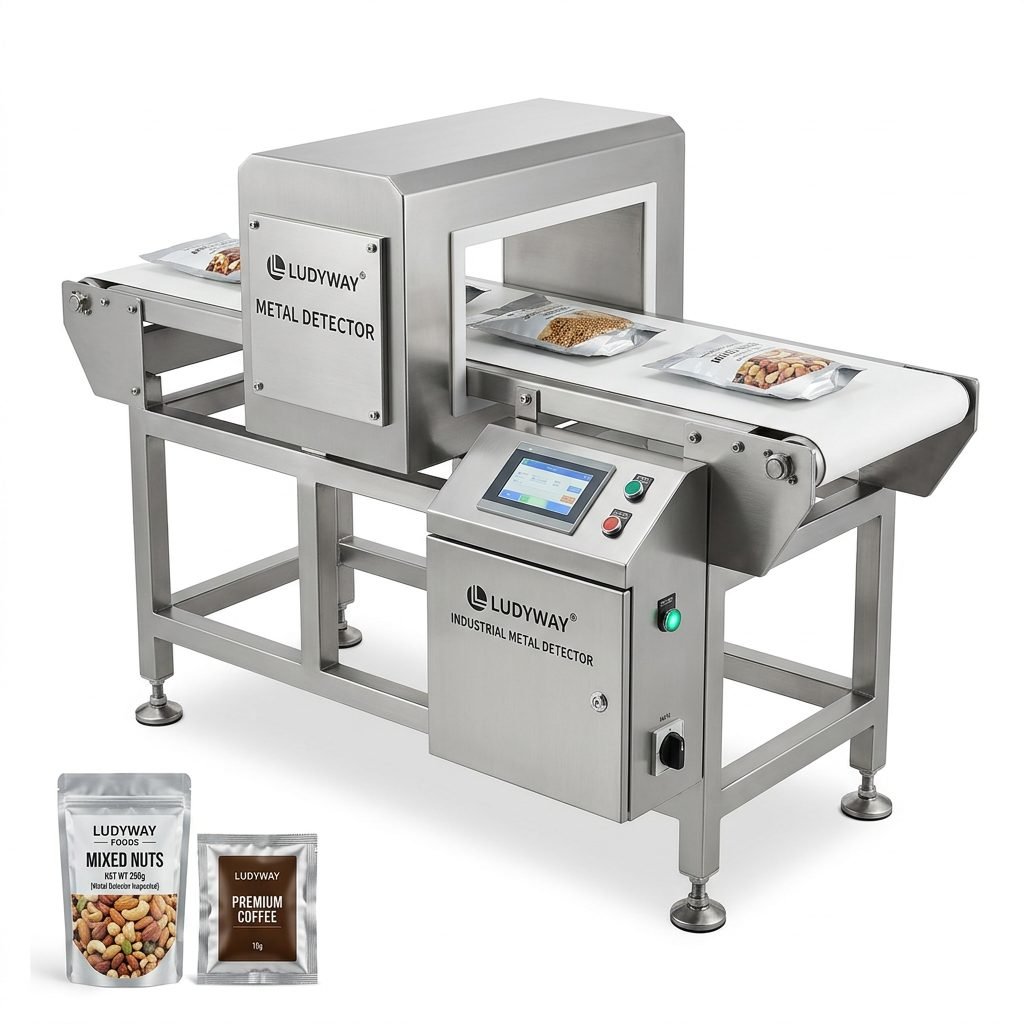
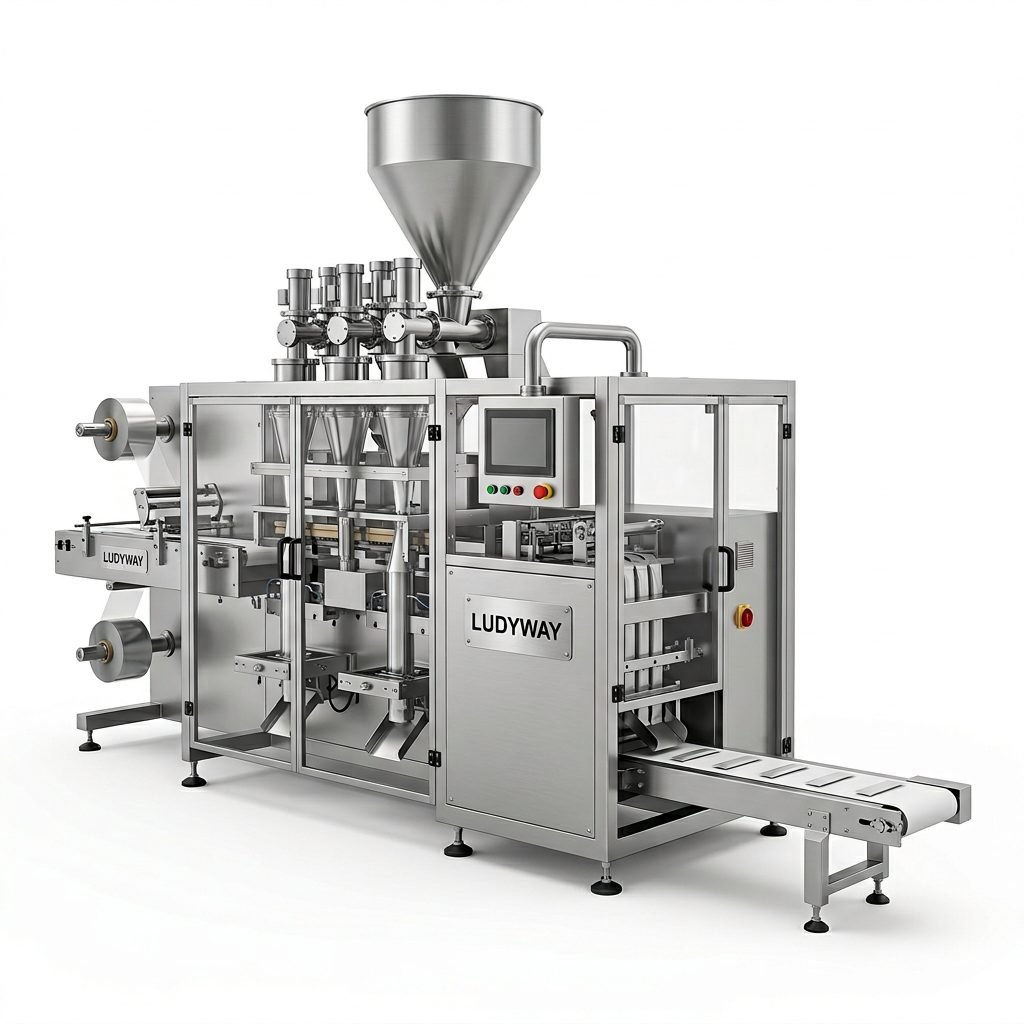
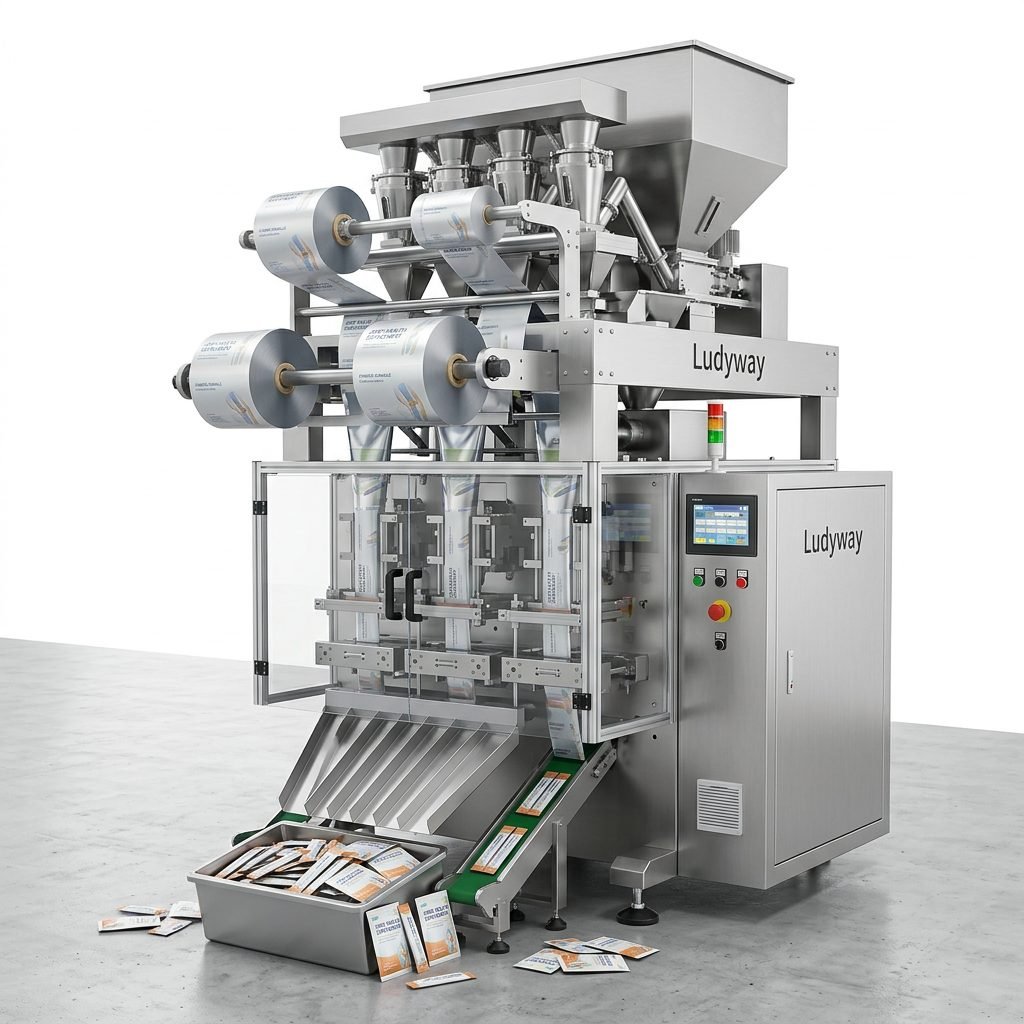
A PCB vacuum packing machine is a critical piece of equipment in electronics manufacturing, designed to protect printed circuit boards from moisture, oxidation, and electrostatic discharge during storage and transportation. Without a consistent maintenance routine, these machines can experience seal failures, vacuum leaks, and costly downtime. This guide covers the essential steps to keep your packaging machine operating at peak efficiency.

Why Regular Maintenance Matters
Neglecting routine upkeep of your vacuum packing equipment leads to inconsistent seal quality, increased energy consumption, and premature component wear. A well-maintained machine ensures uniform vacuum pressure, extends the lifespan of critical parts, and reduces the risk of product damage. For manufacturers handling sensitive PCBs, even minor fluctuations in vacuum performance can compromise product integrity.
Daily Maintenance Checklist
Performing daily checks takes only a few minutes but significantly reduces the likelihood of unexpected failures. Implement the following routine at the start of each shift:
- Inspect the sealing bar for residue buildup or burn marks that could affect heat transfer.
- Check the vacuum gauge reading against standard operating parameters; note any deviations.
- Clean the vacuum chamber interior with a dry, lint-free cloth to remove dust and debris.
- Examine the silicone gasket for cracks, deformation, or loss of elasticity.
- Test the emergency stop function to verify safety system responsiveness.
Weekly Inspection and Cleaning Procedures
A deeper weekly inspection helps catch issues that daily checks might miss. Focus on components that experience the most wear during operation:
Vacuum Pump Oil Level and Quality
The vacuum pump is the heart of the system. Check the oil level through the sight glass and assess its color. If the oil appears dark, cloudy, or contains visible particles, schedule an immediate oil change. Contaminated oil reduces vacuum efficiency and accelerates pump wear.
Sealing Bar and Heating Element
Remove any adhesive residue or plastic film remnants from the sealing bar using a non-abrasive cleaner. Inspect the heating element wire for hot spots or uneven wear patterns. A damaged heating element produces weak, inconsistent seals that compromise package integrity.
Air Filter Replacement
Inspect the air intake filter and clean or replace it as needed. A clogged filter forces the pump to work harder, reducing its service life and consuming more energy. This simple maintenance task can extend pump life by up to 30%.

Monthly Preventive Maintenance Tasks
Monthly maintenance addresses mechanical and electrical systems that require less frequent attention but are equally critical to reliable operation:
| Component | Maintenance Action | Frequency |
|---|---|---|
| Vacuum Pump Oil | Complete drain and refill with manufacturer-specified oil | Monthly or every 500 hours |
| Silicone Gaskets | Inspect for wear; apply food-grade lubricant to prevent drying | Monthly |
| Electrical Connections | Tighten all terminals; check for signs of overheating or corrosion | Monthly |
| Vacuum Hoses | Inspect for cracks, kinks, or loose fittings; replace if damaged | Monthly |
| Control Panel Sensors | Calibrate temperature and pressure sensors against reference values | Monthly |
Troubleshooting Common Issues
Even with diligent maintenance, occasional problems arise. Understanding the root causes helps you respond quickly and minimize downtime:
Insufficient Vacuum Pressure
If the machine fails to reach the required vacuum level, check for worn gaskets, loose hose connections, or contaminated pump oil. Also inspect the vacuum chamber lid alignment; a misaligned lid prevents proper sealing and allows air leakage.
Weak or Inconsistent Seals
Poor seal quality typically stems from a damaged heating element, incorrect temperature settings, or residue on the sealing bar. Verify the temperature controller calibration and clean the sealing surface thoroughly. If the problem persists, measure the heating element resistance and compare it to manufacturer specifications.
Excessive Noise During Operation
Unusual noise from the vacuum pump often indicates low oil levels, worn bearings, or internal component damage. Address this promptly to avoid catastrophic pump failure, which is one of the most expensive repairs on a vacuum packing machine.

Quarterly and Annual Deep Maintenance
Schedule comprehensive maintenance during planned production downtime to thoroughly service all systems:
- Replace all gaskets and seals regardless of apparent condition; elastomer components degrade over time even if they look intact.
- Perform a full vacuum pump rebuild or service according to the manufacturer’s recommended interval.
- Inspect and clean the entire pneumatic system, including solenoid valves, cylinders, and air lines.
- Recalibrate all sensors using certified reference instruments to ensure measurement accuracy.
- Update firmware and control software if your machine uses a programmable logic controller (PLC).
Documentation and Record Keeping
Maintain a detailed maintenance log for each machine. Record all inspections, part replacements, oil changes, and calibration results. This documentation helps identify recurring issues, optimize maintenance schedules, and demonstrate compliance with quality management standards such as ISO packaging standards. A well-documented maintenance history also supports warranty claims and resale value.
Spare Parts Management
Keeping critical spare parts in inventory minimizes downtime when components fail unexpectedly. Based on industry best practices, your spare parts inventory should include:
- Silicone gaskets and O-rings (full set for each machine)
- Heating elements and thermocouples for the sealing system
- Vacuum pump oil (at least two complete oil change quantities)
- Air filters and oil filters
- Drive belts and tension springs
- Emergency stop switches and common electrical fuses
Operator Training and Safety Protocols
Even the best maintenance program cannot compensate for improper machine operation. Ensure all operators receive comprehensive training on correct startup procedures, loading techniques, and emergency shutdown protocols. Reinforce the importance of reporting unusual sounds, smells, or performance changes immediately rather than waiting for a scheduled inspection.
Lockout-tagout procedures must be strictly followed during all maintenance activities. The combination of heat, vacuum pressure, and electrical systems presents multiple hazards that require careful safety management.
When to Seek Professional Service
While routine maintenance can be performed by trained in-house personnel, certain situations call for professional intervention. Contact a qualified service provider if you encounter:
- Persistent vacuum leaks that cannot be traced to gaskets or hoses
- Electrical faults in the control panel or PLC system
- Mechanical wear on drive mechanisms or precision alignment components
- Pump motor issues including unusual vibration or thermal overload
- Software or firmware errors that affect machine operation
For complex repairs, working with an experienced packaging equipment manufacturer ensures access to genuine replacement parts and specialized diagnostic tools. Ludyway, one of the largest packaging machine manufacturers in China with over 30 years of industry expertise, provides comprehensive after-sales support and technical service for a wide range of packaging equipment, including automated packaging systems tailored to specific production requirements.

Conclusion
A structured maintenance program for your PCB vacuum packing machine delivers measurable returns through reduced downtime, consistent packaging quality, and extended equipment lifespan. By implementing daily, weekly, monthly, and annual maintenance routines, you protect both your investment and the sensitive electronic products that pass through the machine. For additional guidance on packaging equipment maintenance or to explore advanced packaging solutions, consult resources from industry organizations such as PMMI and the Flexible Packaging Association.