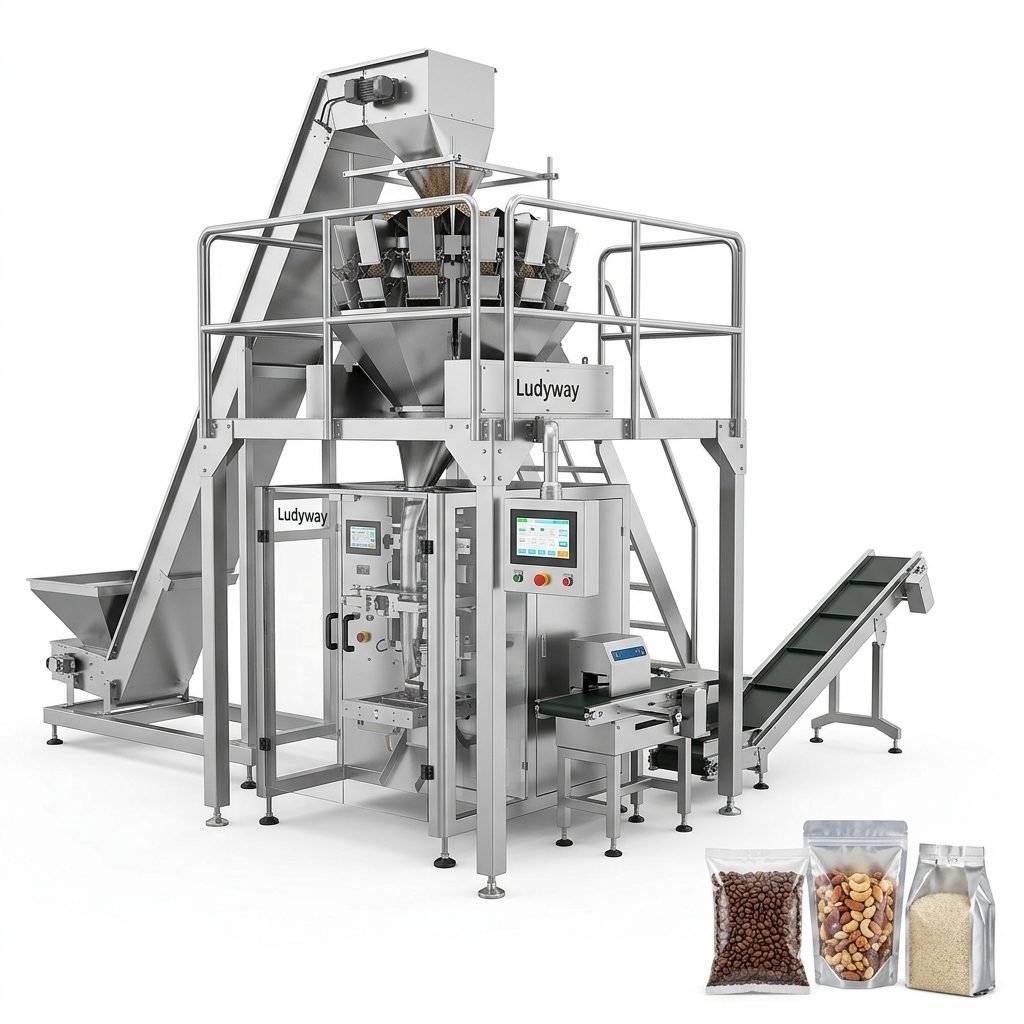
Navigating the market for a skin packaging machine can be a complex task. With various types, features, and price points available, making an informed purchase decision is crucial for your business’s packaging efficiency and product presentation. This comprehensive guide is designed to walk you through everything you need to know, from understanding the different machine types to evaluating key features and costs.
Guide Overview
This buyer’s guide is structured to help you:
• Understand the core technology of skin packaging.
• Compare different machine types and their applications.
• Identify the key features that matter for your operation.
• Get a clear picture of market prices and investment factors.
• Ask the right questions before you buy.
Understanding Skin Packaging Technology
Skin packaging is a versatile process where a product is placed on a backing board, and a heated plastic film is draped over it. A vacuum then draws the film tightly around the product, creating a secure, form-fitting, and visually appealing package. This method is highly popular for its ability to reduce material use while offering excellent product visibility and protection against dust, moisture, and tampering.
Primary Advantages of Skin Packaging
The adoption of skin packaging brings several tangible benefits to manufacturers and retailers:
Enhanced Product Security: The film seals the product tightly to the board, making pilferage immediately obvious and preventing shoplifting.
Superior Visual Appeal: Products are displayed clearly without obstructions, boosting shelf presence and consumer attraction.
Cost-Effective Material Use: It typically uses less plastic than traditional clamshell packaging, reducing material costs and environmental footprint.
Versatility: It can package a wide range of items, from hardware tools and electronics to food products and consumer goods.
Types of Skin Packaging Machines for Sale
Choosing the right type of machine is the first critical step. Your choice will depend heavily on your production volume, product size, and required automation level.
Manual Skin Packaging Machines
These are entry-level machines where the operator manually places the product and backing card, activates the vacuum cycle, and removes the finished package. They are ideal for low-volume production, prototyping, or small businesses just starting with skin packaging.
Key Consideration: While affordable, they have a lower output and rely more on labor.
Semi-Automatic Skin Packaging Machines
Semi-automatic models streamline the process. The operator typically loads the product, and the machine automates the heating, film feeding, and sealing cycle. This type offers a good balance between cost, speed, and consistency, suitable for small to medium-sized operations.
Fully Automatic Skin Packaging Machines
Designed for high-volume production lines, fully automatic systems integrate product feeding, card placement, film indexing, sealing, and cutting—all with minimal human intervention. They represent a significant investment but provide maximum efficiency, speed, and lower per-unit cost for large-scale manufacturers.
⚠️ Pro Tip: Matching Machine to Need
Don’t overbuy. A manual machine might suffice for under 500 packages per day. For 500-2000 packages, consider semi-automatic. For continuous, high-speed production exceeding 2000+ units daily, a fully automatic line is necessary. Always project your future growth when deciding.
Key Features to Evaluate Before You Buy
Beyond the automation level, several technical features directly impact performance, quality, and versatility.
Sealing Area & Depth of Draw: The sealing platen size determines the maximum card dimensions you can use. The depth of draw (the height the film can be pulled down) defines the maximum product height you can package. Ensure both specifications exceed your largest product’s requirements.
Heating System: Consistent, controllable heat is vital for a wrinkle-free, strong seal. Look for machines with evenly distributed ceramic heaters and precise digital temperature controls. Some advanced models offer multi-zone heating for complex product shapes.
Vacuum Pump Power: Measured in cubic feet per minute (CFM) or cubic meters per hour (m³/h), a stronger pump creates a tighter vacuum faster, leading to better film conformity and shorter cycle times, especially for porous backing cards.
Control System: Modern machines feature Programmable Logic Controller (PLC) touchscreen interfaces. These allow for storing multiple recipes for different products, monitoring machine status, and simplifying operator training. A user-friendly interface reduces setup time and errors.
Construction & Durability: The frame should be made of heavy-gauge steel for stability during the vacuum cycle. High-quality seals and components reduce maintenance downtime and ensure long-term reliability in a production environment.
Understanding Skin Packaging Machine Prices
Prices for skin packaging machines vary widely, typically ranging from $3,000 to over $50,000. This broad range is influenced by several key factors.
📊 Price Factor Breakdown
• Automation Level: Manual ($3,000 – $8,000) < Semi-Auto ($8,000 – $25,000) < Full Auto ($25,000+).
• Machine Size & Capacity: Larger sealing areas and higher cycle speeds command higher prices.
• Feature Set: Advanced PLC controls, servo-driven film indexing, multi-zone heating, and branded components (e.g., vacuum pumps) add cost but also value.
• Brand & Origin: Established brands with proven reliability and strong after-sales support often have higher price points than generic alternatives.
• New vs. Used/Refurbished: A quality refurbished machine from a reputable dealer can offer significant savings, but warranty and parts availability must be verified.
When budgeting, remember to factor in the Total Cost of Ownership (TCO). This includes not just the machine price, but also costs for compatible film and board, installation, operator training, preventive maintenance, and potential future parts. A slightly more expensive machine from a supplier known for reliability and service, like Ludyway Packaging Machinery, can have a lower TCO over 5 years than a cheaper, less reliable option.
Selecting the Right Supplier
Your machine is only as good as the company behind it. A reliable supplier is a long-term partner for your packaging success.
Look for a supplier with demonstrable industry experience and a portfolio of successful installations. They should offer comprehensive services, including application analysis, machine demonstration, installation support, and thorough training. Most importantly, verify their after-sales support structure: Is technical assistance readily available? Are spare parts in stock? What is the warranty period and coverage?
Suppliers with a global service network, such as Ludyway Machinery, which serves customers worldwide with over 30 years of collective industry experience, can provide greater peace of mind for businesses looking to scale or those operating in multiple regions.
Final Steps Before Purchase
1. Provide Samples: Send your actual product and preferred card/film to the supplier for a live test run. This is the only way to guarantee results.
2. Request a Quote Breakdown: Ensure the quote includes all necessary accessories, shipping, and duties.
3. Check References: Ask for contact information of current customers with similar applications.
4. Plan for Integration: Consider how the machine will fit into your existing workflow. Do you need conveyors or other ancillary equipment? Discuss this with your supplier for a complete turnkey solution.
Frequently Asked Questions (FAQs)
Q1: What materials can be used for the backing card in skin packaging?
A: The most common material is paperboard (cardboard) with a specific porosity to allow air evacuation. Plastic-coated boards, corrugated cardboard, and even certain plastic trays can also be used, depending on the machine’s vacuum power and the product’s requirements.
Q2: How do I choose the right plastic film for my product?
A: Film selection depends on product weight, desired clarity, and seal strength. Common films include Polyethylene (PE) for general use, Ionomer (e.g., Surlyn) for excellent clarity and durability around sharp edges, and Polyvinyl Chloride (PVC). Your machine supplier or film vendor can recommend the best gauge and type based on your specific application.
Q3: What is the typical production speed of a skin packaging machine?
A: Speed varies dramatically. A manual machine may produce 60-120 packages per hour. A semi-automatic model can range from 200-600 cycles per hour. Fully automatic lines can exceed 1,000+ packages per hour. The actual speed depends on product size, operator efficiency (for manual/semi-auto), and the machine’s cycle time.
Q4: Can one machine handle products of very different sizes and shapes?
A: Yes, skin packaging machines are generally versatile. The key is that all products must fit within the machine’s maximum sealing area and depth of draw. Changing between products usually involves adjusting the film frame, heating time/temperature, and vacuum duration—processes simplified by saved recipes on PLC-controlled machines.
Q5: What are the most common maintenance requirements?
A: Regular maintenance includes cleaning the sealing gasket and platen, checking and replacing the vacuum pump oil (if applicable), ensuring the heating elements are clean and functional, and inspecting all seals for wear. A preventive maintenance schedule provided by your supplier, like the support offered by professional packaging experts, is crucial for maximizing uptime and machine lifespan.