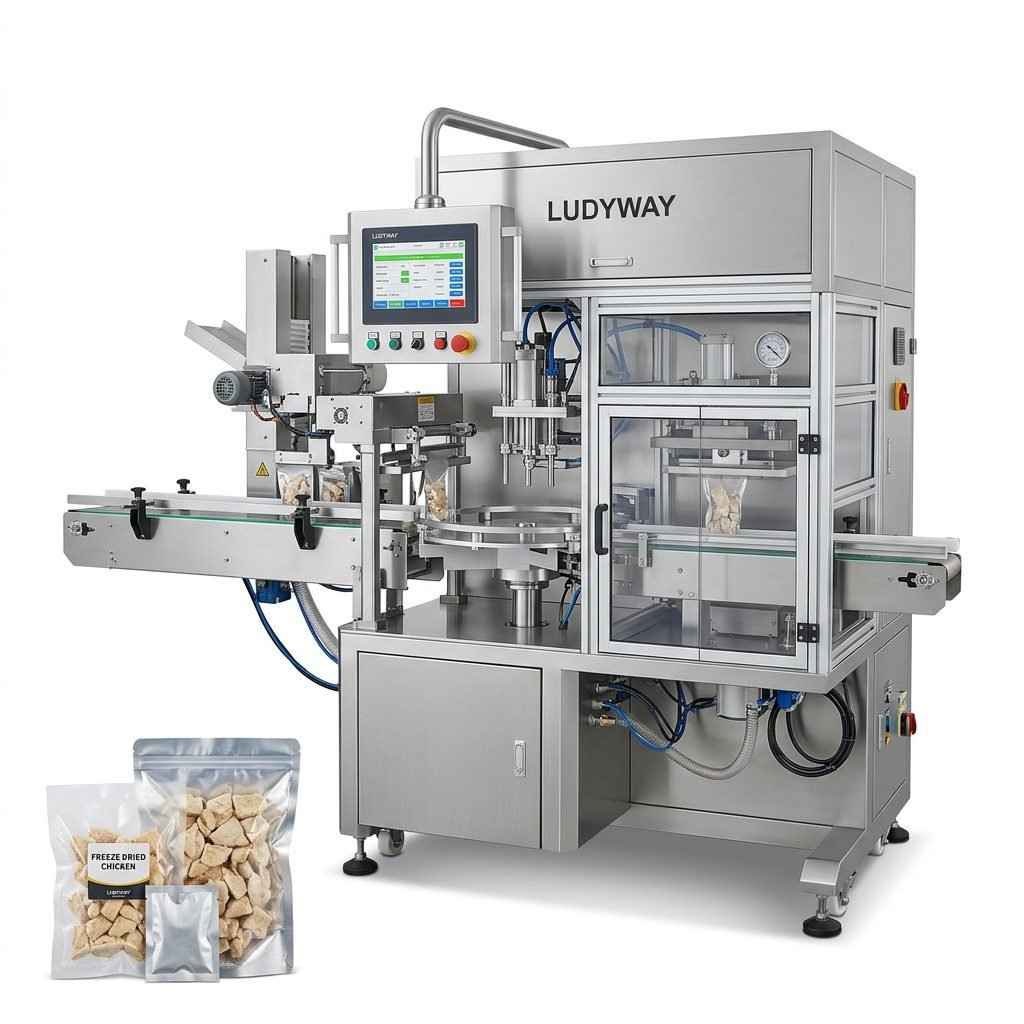
Investing in a chin chin packaging machine is a significant decision for any snack manufacturer. The right equipment can dramatically increase your production output, ensure product freshness, and reduce labor costs. However, with so many configurations, automation levels, and technical specifications available, the selection process can feel overwhelming. This guide breaks down the essential factors to help you choose the perfect packaging solution for your chin chin production line.
Understanding Your Chin Chin Product Characteristics
Before evaluating machine specifications, you must thoroughly understand your product’s physical properties. Chin chin is typically a crunchy, fried dough snack that can vary in shape—from small rectangular cuts to knot-like forms. Its fragility is a critical consideration: unlike powders or liquids, chin chin pieces can break during the filling process if the machine is not configured correctly. Key product attributes to document include:
- Piece size and shape uniformity – Irregular shapes may require specialized feeding systems
- Bulk density and flow characteristics – Affects volumetric or weigh-fill accuracy
- Oil content – Residual oil can impact packaging material compatibility and seal integrity
- Moisture sensitivity – Determines whether nitrogen flushing or barrier films are necessary
- Target shelf life – Influences the choice of flexible packaging materials
Packaging Format and Bag Style Selection
Your choice of packaging format directly determines the type of machine you need. Chin chin is commonly packaged in pillow pouches, gusseted bags, or stick packs depending on your target market and portion size. Consider the following formats and their requirements:
- Pillow pouches – Ideal for retail snack packs ranging from 50g to 500g; compatible with vertical form-fill-seal (VFFS) machines
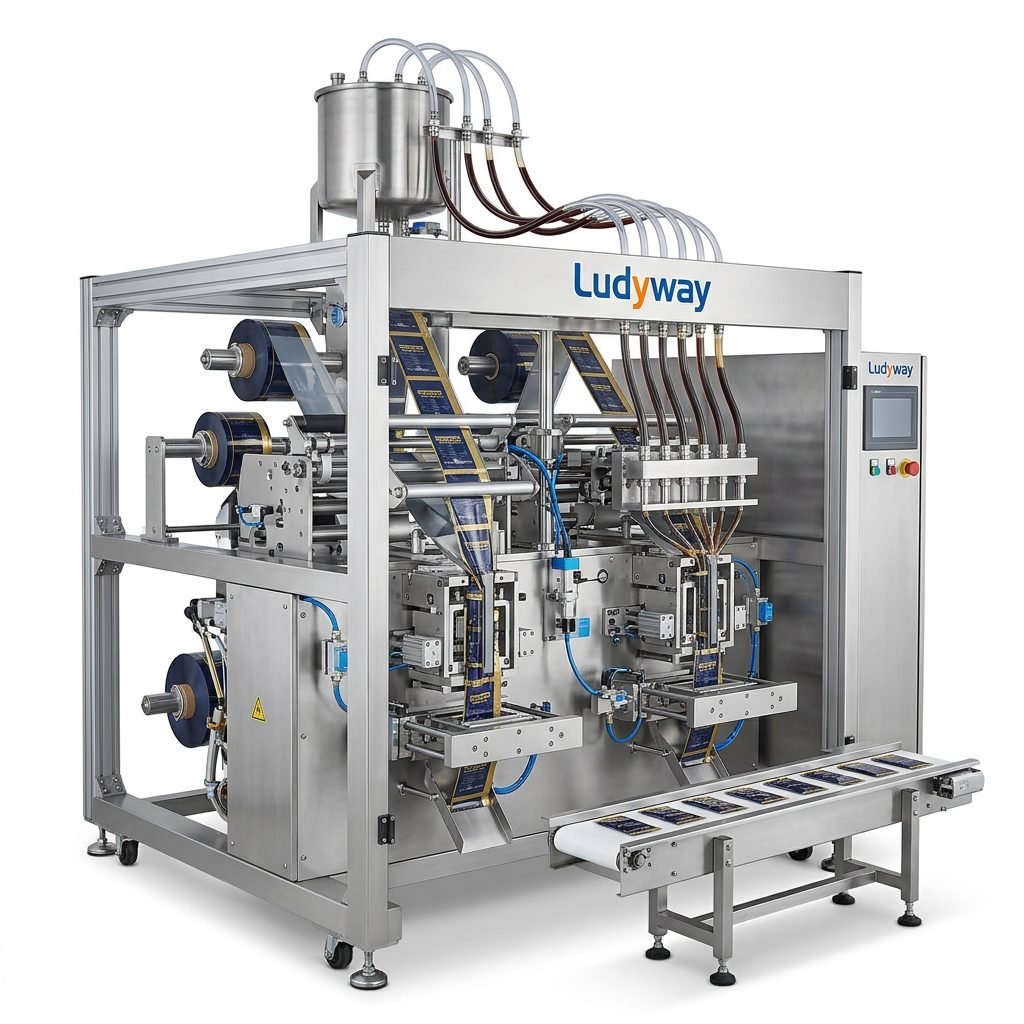
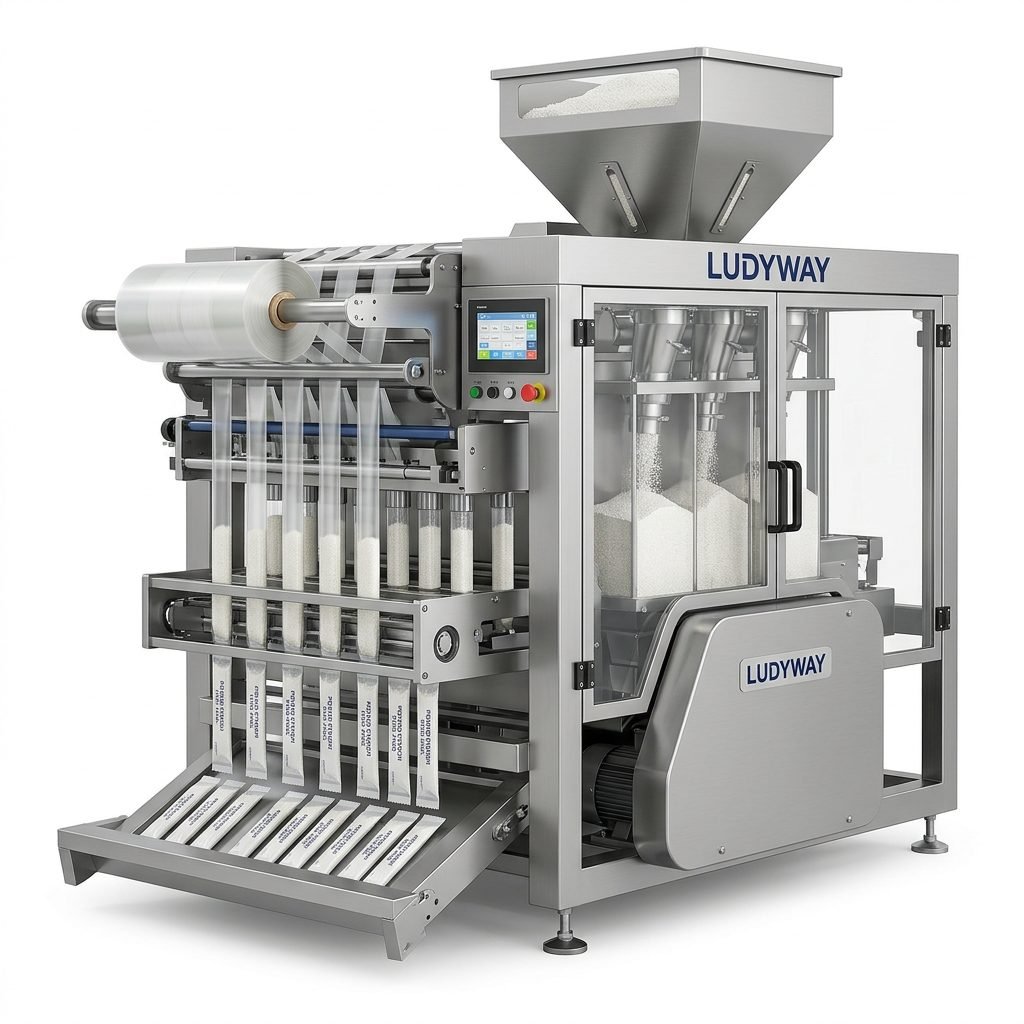
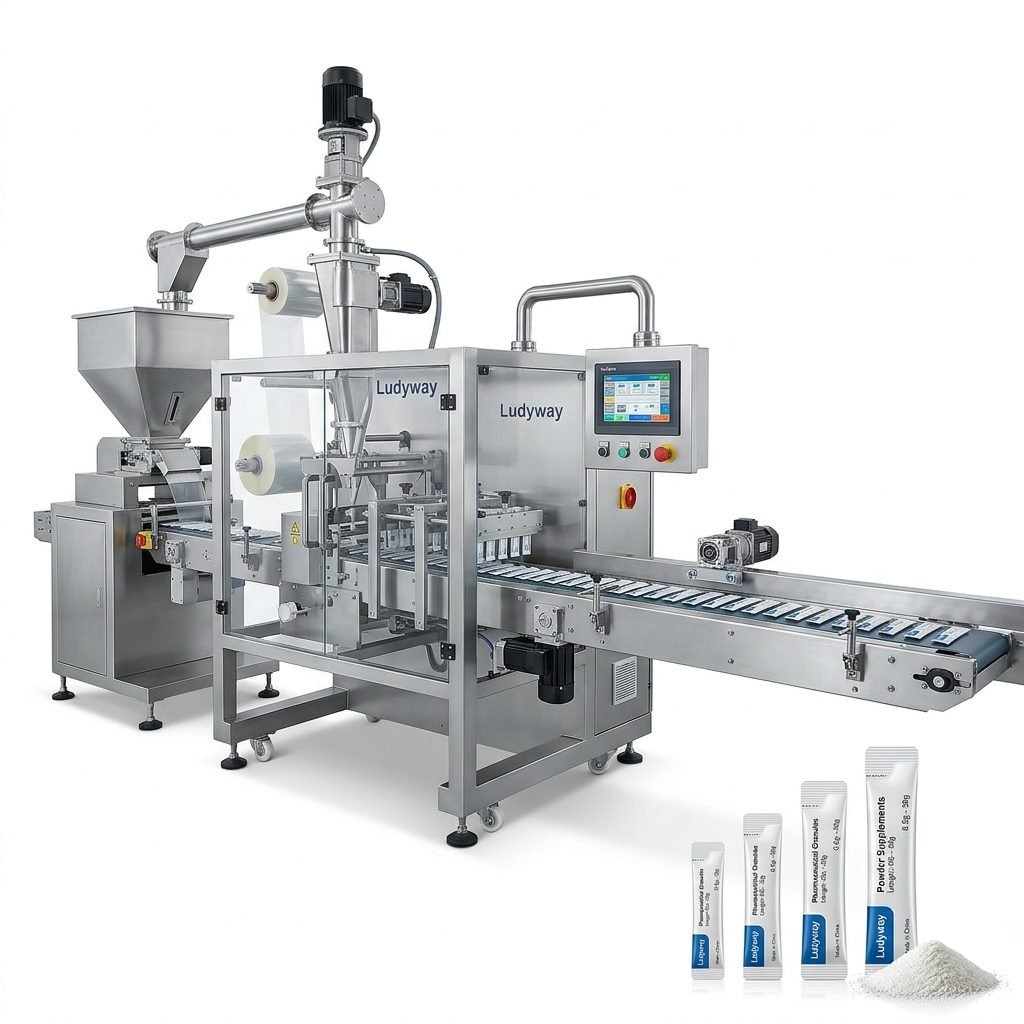
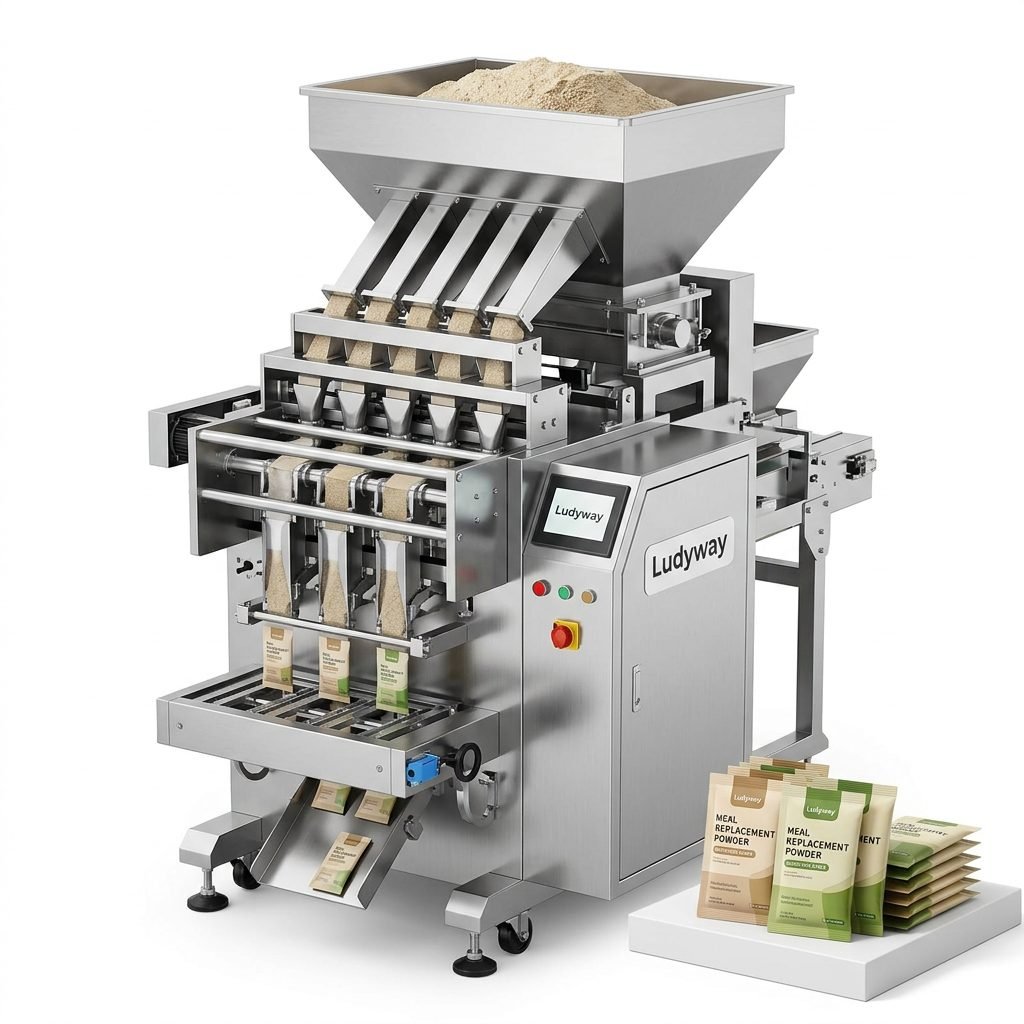
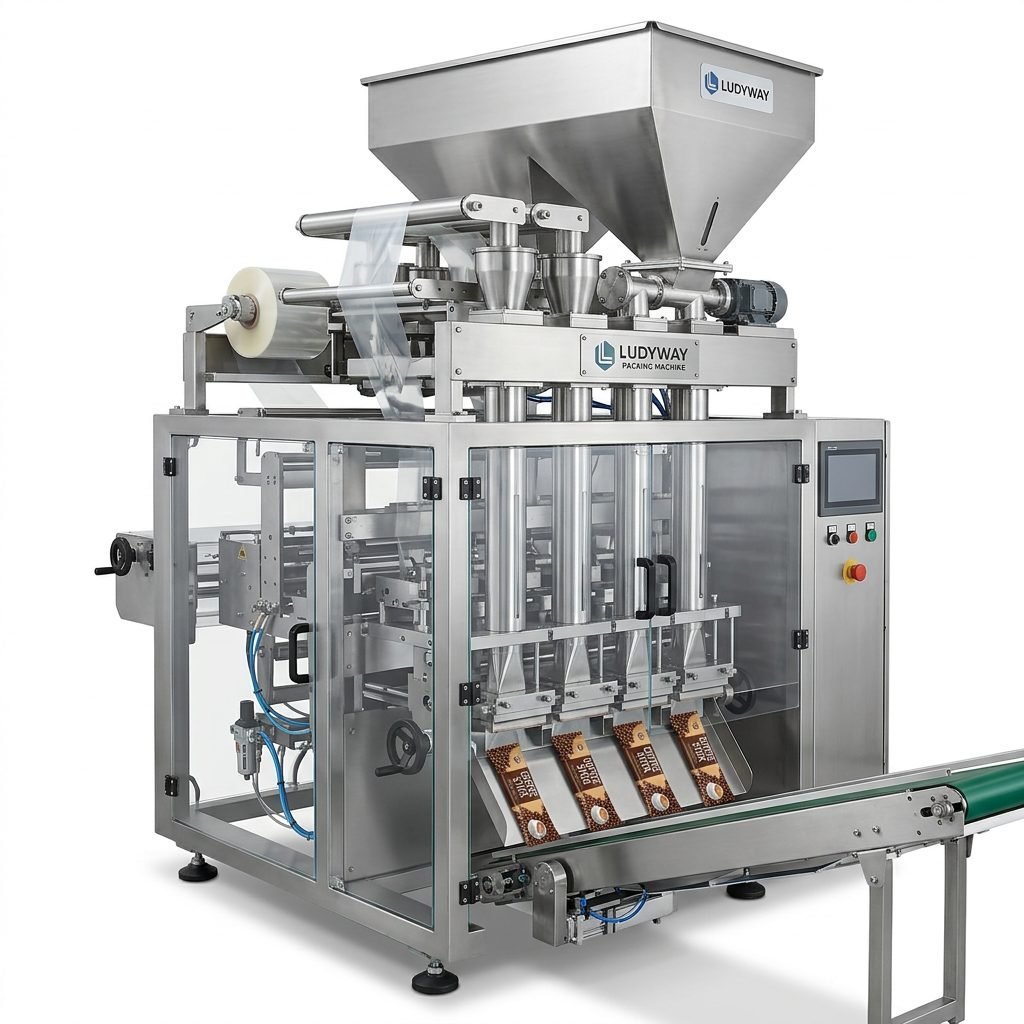
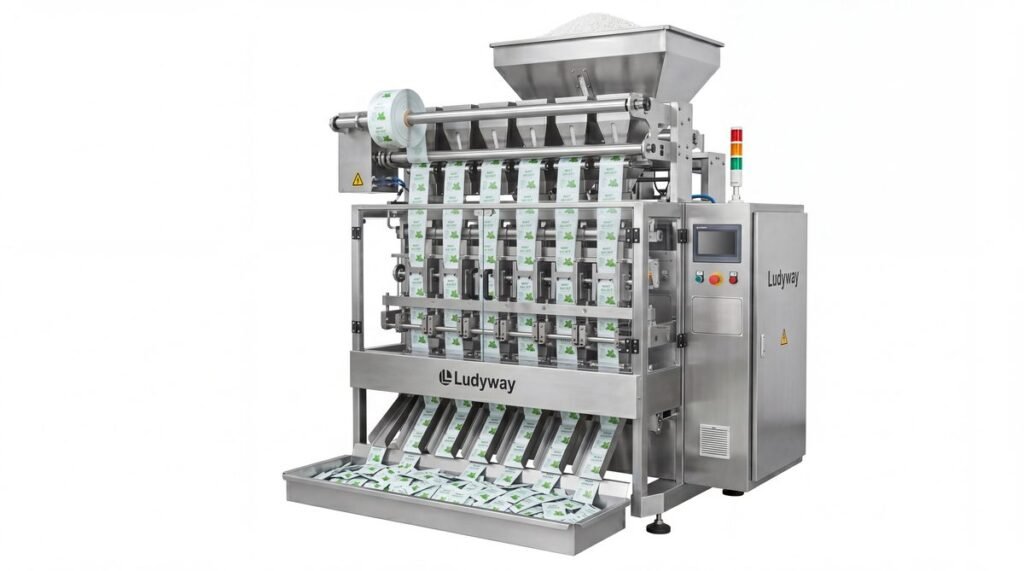
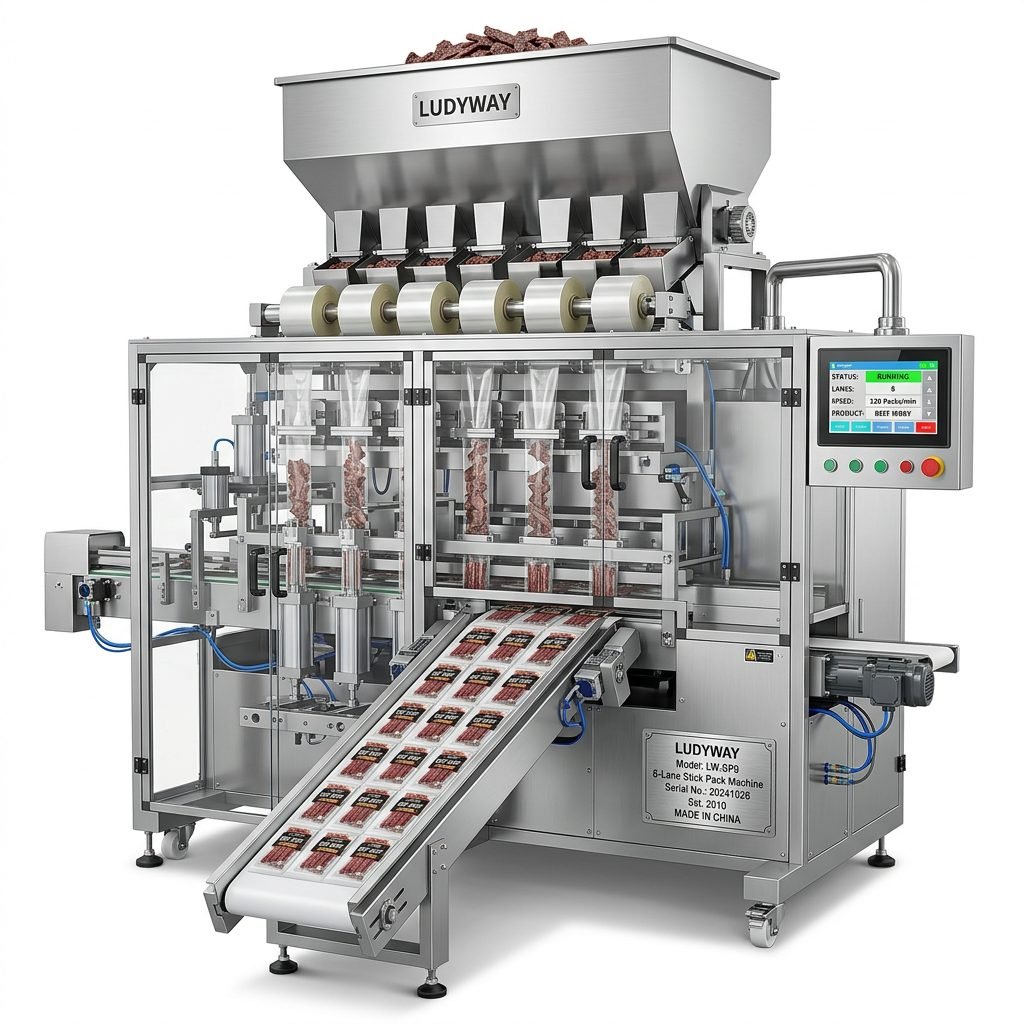
- Stick packs – Perfect for single-serve portions, on-the-go snacking formats
- Quad-seal or block-bottom bags – Premium presentation with excellent shelf stability for larger pack sizes
- Resealable pouches – Increasingly popular for multi-serve packaging with convenience features
Each format requires specific forming, filling, and sealing mechanisms. When discussing options with manufacturers, confirm that the machine can handle your preferred bag dimensions, film thickness range, and seal type.
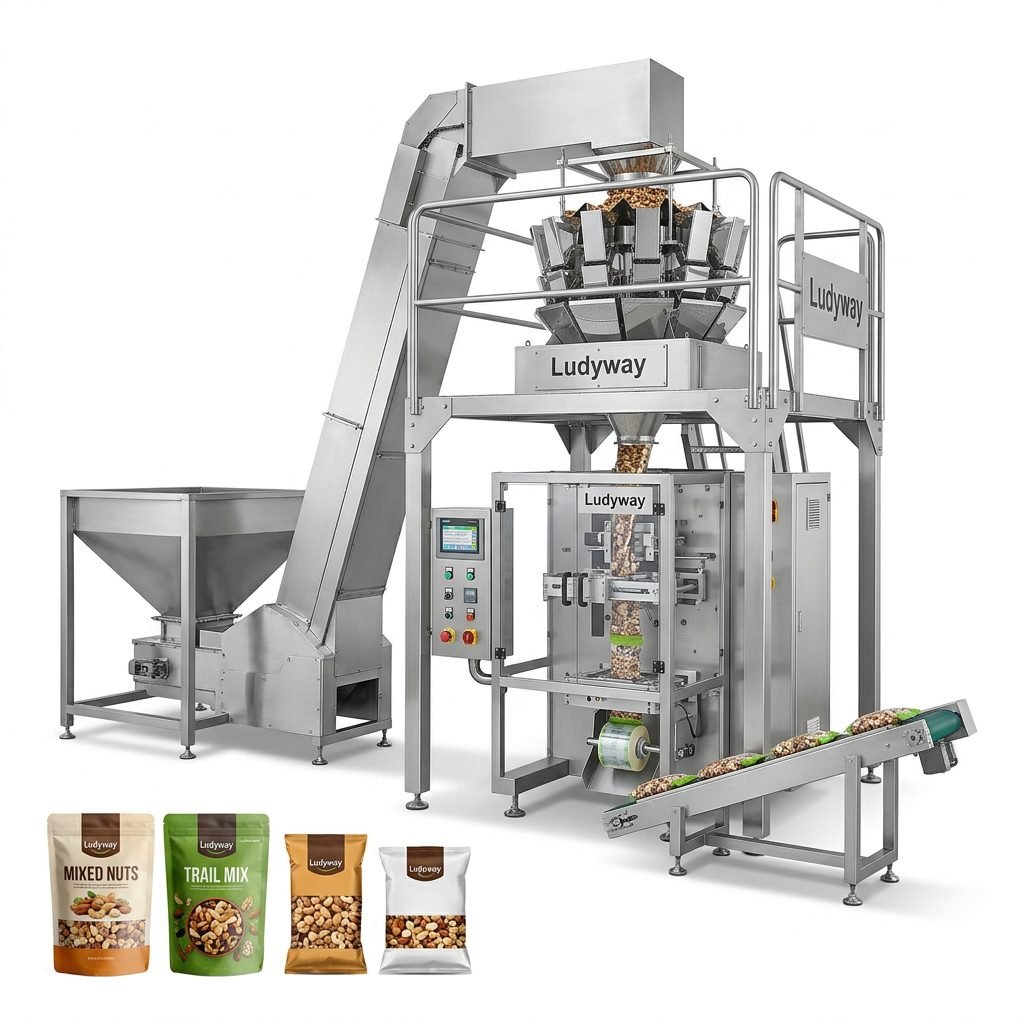
Filling Technology: Protecting Product Integrity
Chin chin’s crispy, brittle texture makes the filling system one of the most critical components of your packaging machine. The wrong filling mechanism can result in excessive product breakage, leading to waste and inconsistent bag appearance. Common filling technologies include:
Volumetric Cup Fillers
These systems use pre-sized cups to dispense consistent volumes of product. They are cost-effective and suitable for relatively uniform chin chin pieces. However, they may not be gentle enough for extremely fragile varieties.
Multi-Head Weighers
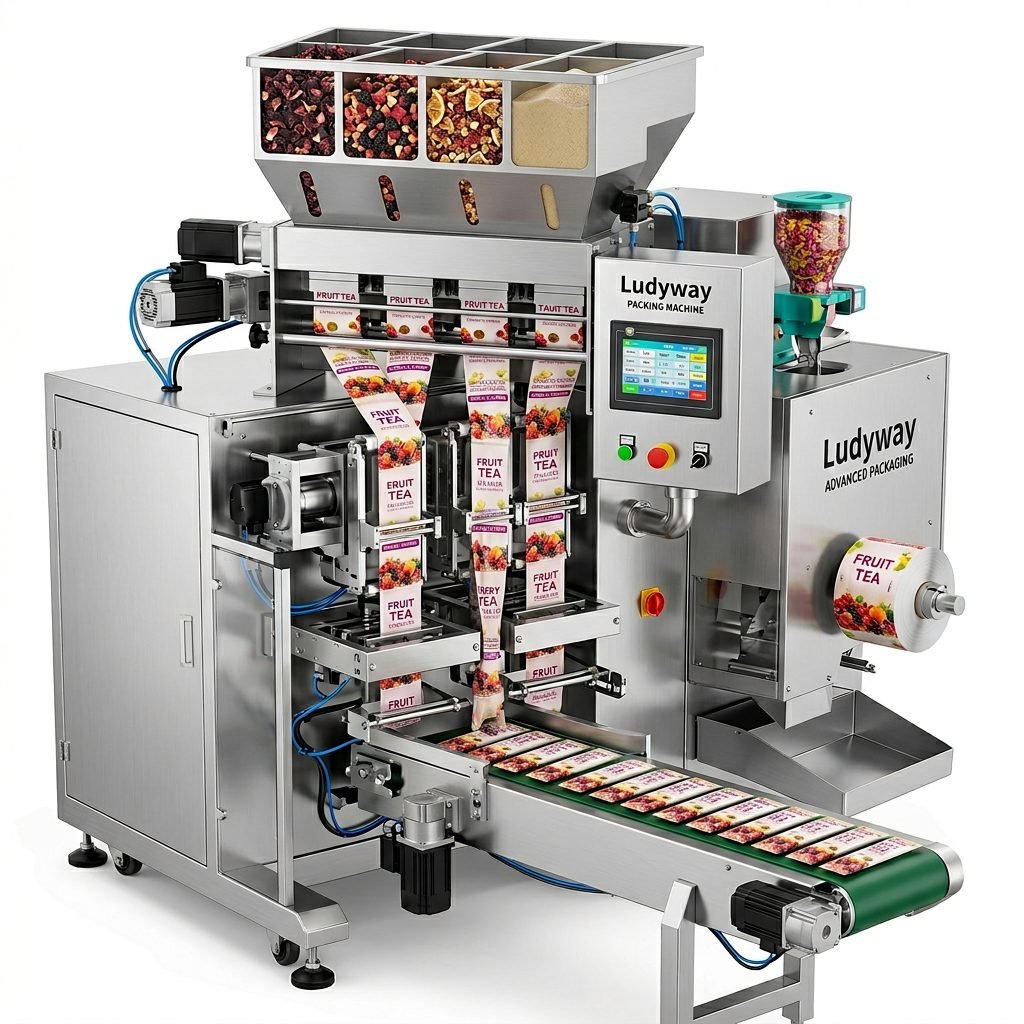
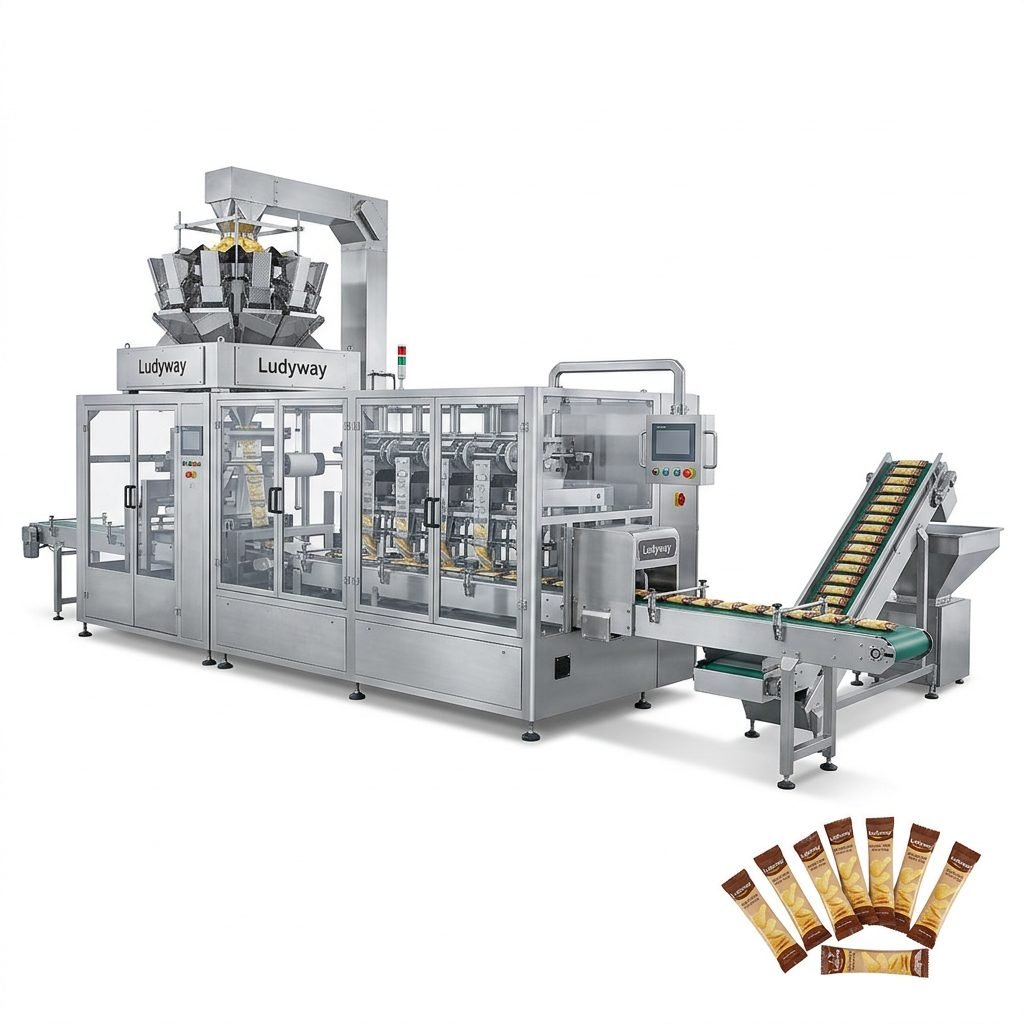
Multi-head weigher systems offer superior accuracy and gentleness. Each weigh hopper dispenses a precise portion, and the system combines hoppers for optimal weight accuracy while minimizing drop height. This technology is highly recommended for premium chin chin products where weight consistency and minimal breakage are priorities.
Auger Fillers
Typically used for powders, auger fillers are generally not recommended for chin chin as the screw mechanism can crush the product. Always confirm filling technology suitability directly with your equipment supplier.
Production Speed and Capacity Planning
Your required packages per minute (PPM) will significantly influence machine selection. A small artisanal producer may only need 30-50 PPM, while a large-scale manufacturer supplying national retail chains might require 120+ PPM across multi-lane configurations. Consider:
- Current production volume – What is your daily or monthly output target?
- Growth projections – Will the machine accommodate increased demand over the next 3-5 years?
- Shift patterns – Single-shift, double-shift, or continuous 24/7 operation affects durability requirements
- Changeover frequency – If you run multiple bag sizes or formats, quick-change features become essential for maintaining overall efficiency
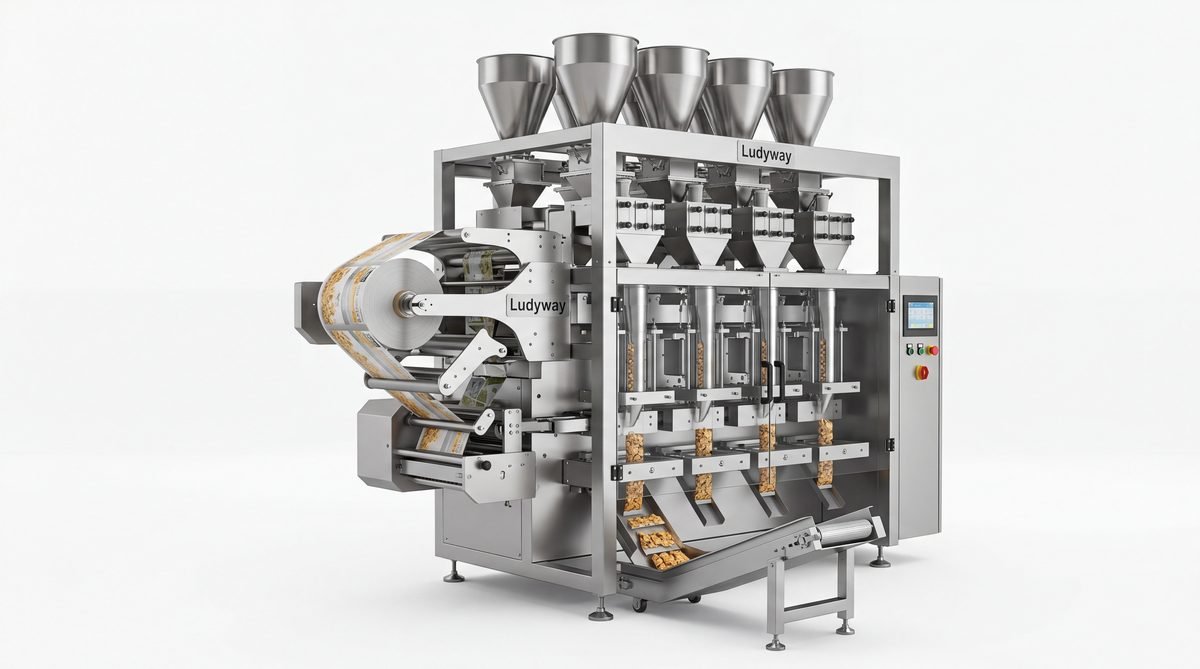
Multi-lane machines can dramatically increase throughput for stick packs and small-format pouches, essentially multiplying output without proportionally increasing floor space. For more information on packaging machinery standards and market trends, industry resources provide valuable benchmarks.
Automation Level and Integration Capabilities
Modern packaging lines offer varying degrees of automation. The right level for your operation depends on labor availability, budget, and production complexity:
Semi-Automatic Systems
Operators manually feed product or place bags. These systems are affordable and suitable for smaller operations with lower throughput requirements. Labor costs remain higher, but capital investment is minimal.
Fully Automatic Lines
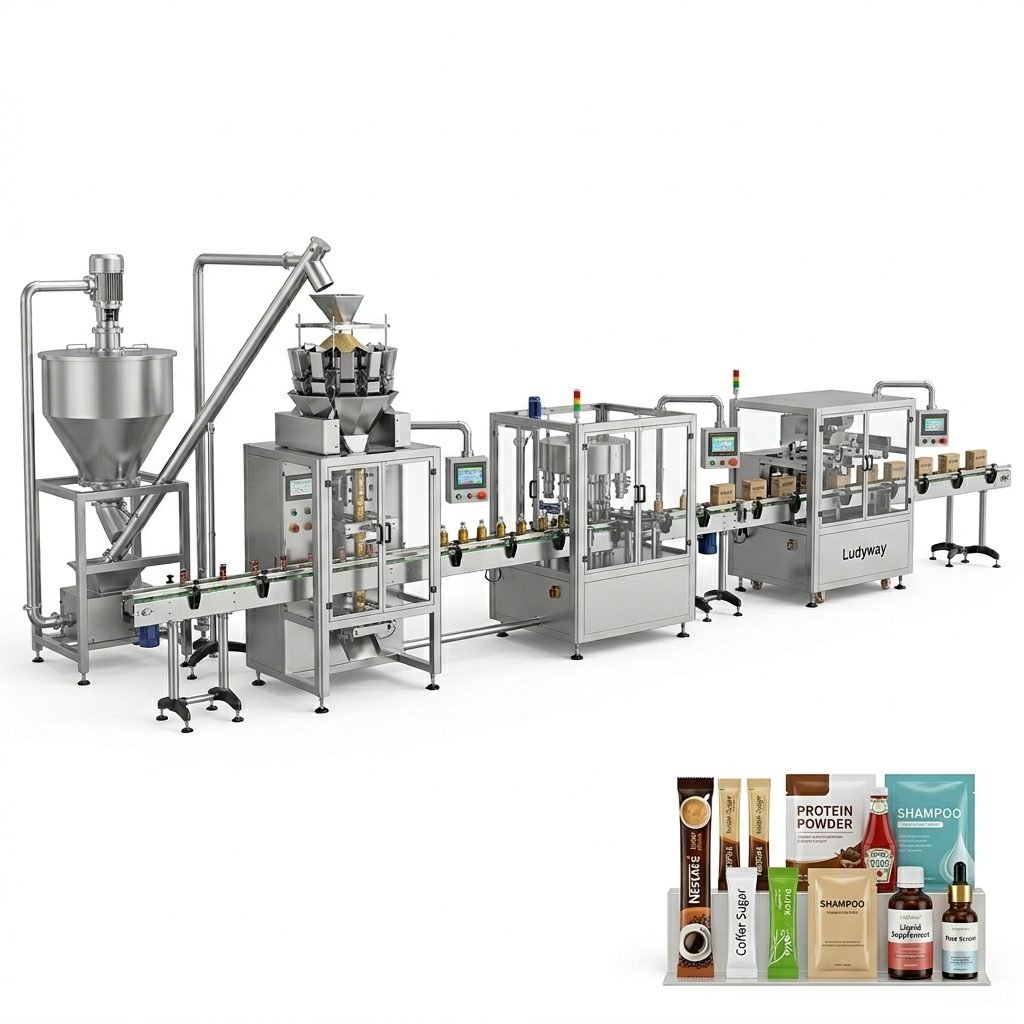
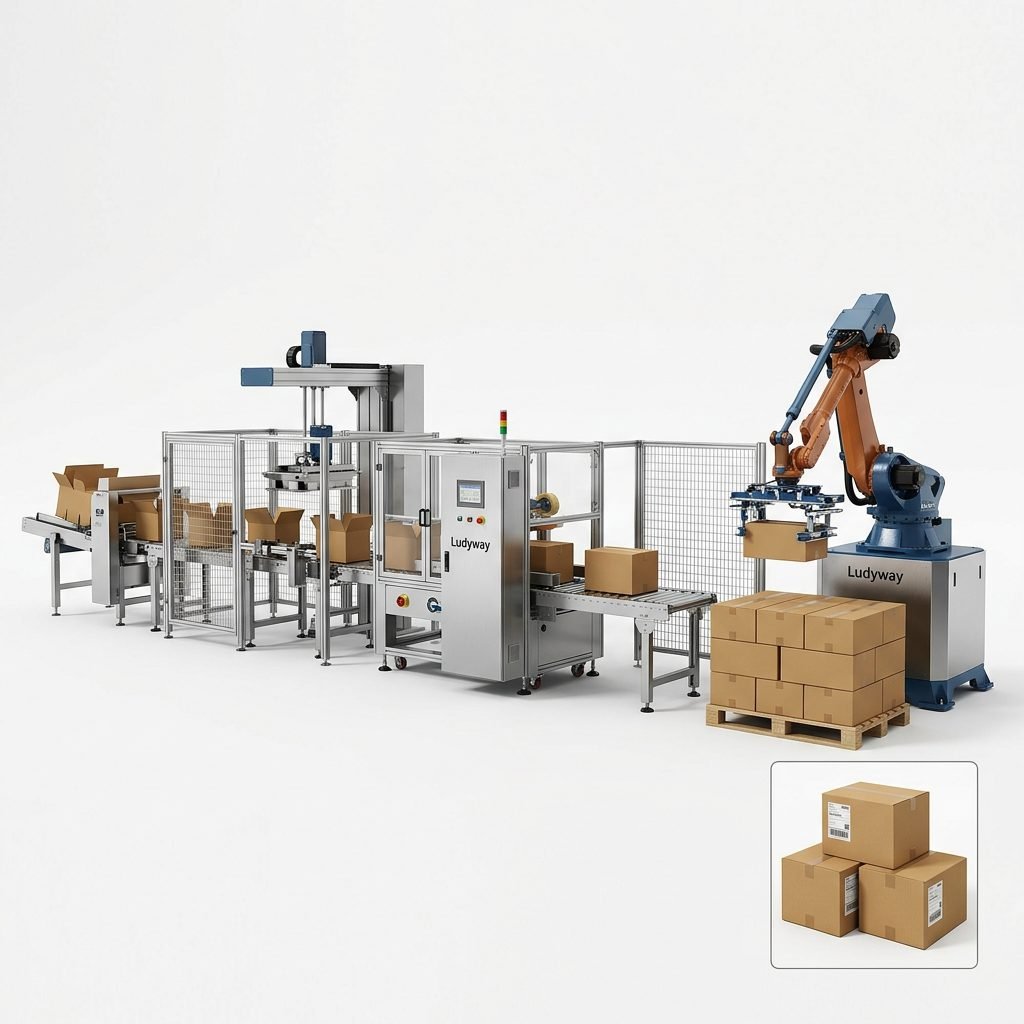
From product feeding to bag forming, filling, sealing, coding, and even cartoning—fully integrated turnkey packaging lines handle every step. These systems minimize labor, reduce human error, and maintain consistent output quality. Integration with upstream fryers, seasoning equipment, and downstream case packers creates a seamless production flow.
Smart Features and Industry 4.0
Some advanced systems now include remote monitoring, predictive maintenance alerts, and data analytics capabilities that help optimize packaging efficiency. These features become increasingly valuable as production scales.
Material Compatibility and Seal Integrity
Chin chin’s oil content requires careful attention to packaging film selection and seal quality. The machine must be compatible with films that provide adequate barrier properties against moisture and oxygen while delivering reliable heat seals despite potential oil residue in the seal area. Key considerations include:
- Film types – Laminated structures such as BOPP/MCPP, PET/PE, or metallized films for enhanced barrier protection
- Seal temperature range – Precision temperature control to prevent weak seals or film damage
- Seal jaw design – Serrated or flat seal patterns; some applications benefit from wider seal bands for oily products
- Gas flushing capability – Nitrogen flushing extends shelf life by displacing oxygen, critical for maintaining crunchiness
Key Machine Specifications Comparison
The following table outlines the critical specifications to evaluate when comparing different chin chin packaging machine models. Use this as a reference checklist during supplier discussions:
| Specification Category | What to Look For | Why It Matters |
|---|---|---|
| Speed Range | 30-150+ PPM depending on model | Must match current and projected demand |
| Bag Size Range | Width: 50-300mm; Length: 50-400mm | Flexibility for different pack sizes and formats |
| Filling Accuracy | ±1-2g for multi-head weighers | Product giveaway directly impacts profitability |
| Power Consumption | Typically 3-15 kW depending on configuration | Operational cost and electrical infrastructure requirements |
| Air Consumption | 0.6-1.0 m³/min at 0.6-0.8 MPa | Requires adequate compressed air supply |
| Construction Material | Stainless steel 304 or 316 for food contact parts | Food safety compliance and corrosion resistance |
| Control System | PLC with HMI touchscreen; multi-language support | Ease of operation, recipe management, and diagnostics |
Hygiene, Cleanability, and Food Safety Compliance
As a food product, chin chin packaging must adhere to strict hygiene standards. Equipment design should follow sanitary principles:
- Tool-free disassembly for quick cleaning and changeover of product-contact parts
- Sloped surfaces to prevent product accumulation and facilitate drainage
- IP65 or higher rated electrical enclosures for washdown environments
- FDA-compliant materials for all food contact surfaces, per FDA food contact substance regulations
- HACCP-compatible design that eliminates harborage points for contaminants
International markets may require additional certifications such as CE marking for European compliance or specific ISO packaging standards for export-oriented manufacturers.
Customization and Engineering Support
Off-the-shelf machines rarely fit every application perfectly. Chin chin manufacturers often benefit from customized packaging solutions that address specific product characteristics, facility layouts, or unique packaging requirements. Leading manufacturers offer engineering services that encompass:
- Custom infeed and feeding systems optimized for chin chin’s size and fragility
- Modified seal jaw configurations for oil-resistant sealing performance
- Integration with existing production lines, including conveyors, coders, and inspection systems
- Specialized dosing mechanisms for multi-flavor or mixed-content packs
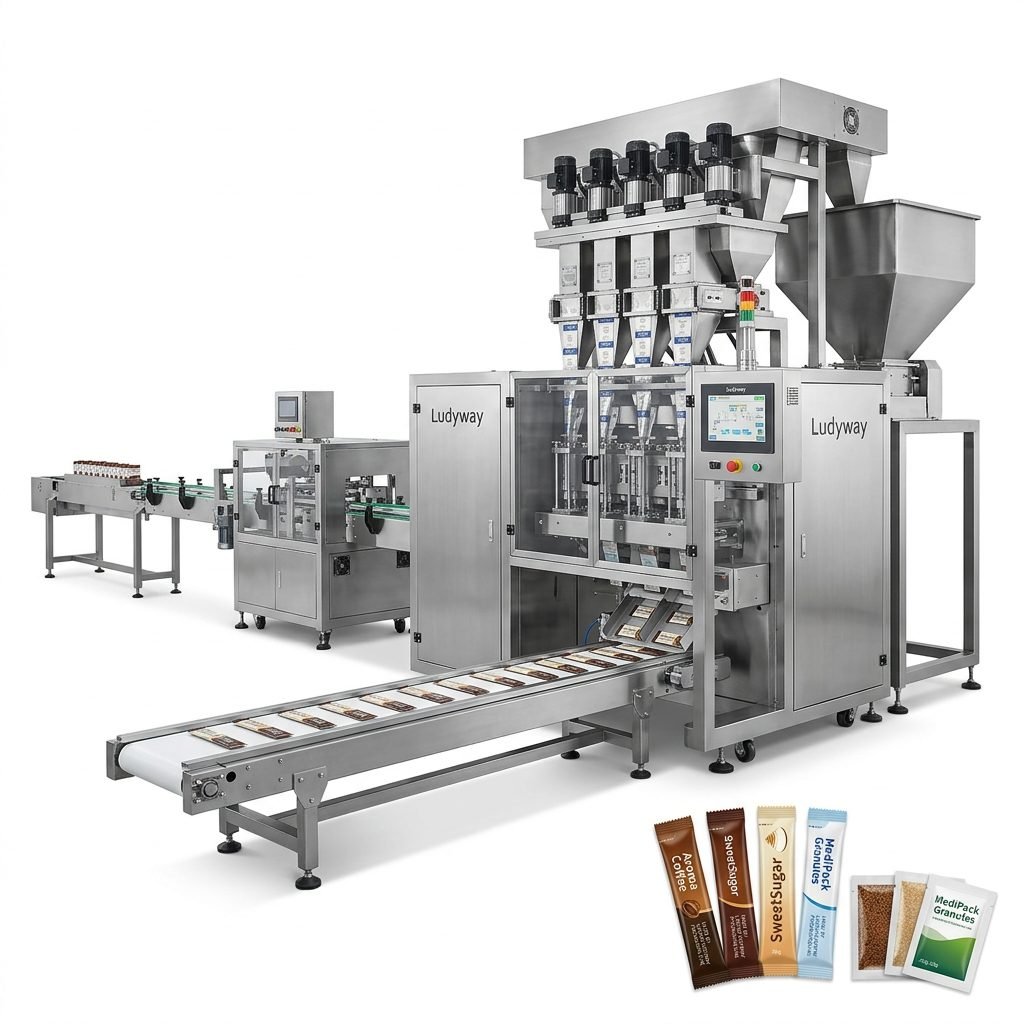
Ludyway Machinery, a China-based packaging machinery manufacturer with more than 30 years of experience, provides customized engineering solutions and turnkey packaging systems for manufacturers worldwide. Their approach combines in-house manufacturing, automation technology, and application experience to develop equipment configurations matched to specific product and production requirements across food, pharmaceutical, and consumer goods industries.
After-Sales Support and Long-Term Partnership
A packaging machine is a long-term investment, and the manufacturer’s service capabilities are just as important as the machine specifications. Evaluate potential suppliers based on:
- Installation and commissioning support – On-site technical assistance for proper setup
- Operator training programs – Comprehensive training ensures optimal machine utilization
- Spare parts availability – Local stock or expedited international shipping for critical components
- Remote diagnostic capabilities – Technical support that can troubleshoot issues without requiring an on-site visit
- Warranty terms – Standard coverage, extended options, and what is included or excluded
Manufacturers serving more than 100 countries with established global service networks typically offer more reliable support for international buyers. Before finalizing your decision, request references from current customers in your industry and region.
Budget, ROI, and Total Cost of Ownership
While the initial purchase price is an important consideration, a comprehensive cost analysis should include the total cost of ownership over the machine’s expected lifespan. Factor in:
- Energy consumption – More efficient machines may cost more upfront but deliver savings over time
- Consumable parts – Seal jaws, belts, filters, and other wear components that require periodic replacement
- Film waste rates – Machines with precise film tracking reduce material costs significantly
- Product giveaway – Accurate filling systems prevent overfilling, which directly impacts margins
- Downtime costs – Reliable equipment with accessible support minimizes costly production interruptions
- Labor reduction – Automated systems can often pay for themselves through reduced staffing requirements
A machine that costs 20% more but delivers 30% higher efficiency and lower operating costs will generate superior returns over a 5-10 year period. When evaluating proposals, request detailed lifecycle cost estimates from shortlisted suppliers.
Making the Final Decision
Selecting the right chin chin packaging machine requires balancing multiple factors: product characteristics, packaging format, speed requirements, automation level, food safety compliance, and budget. The best approach is to:
- Document your detailed requirements – Include product specifications, target output, bag formats, and facility constraints
- Request proposals from multiple qualified manufacturers – Compare specifications, pricing, and service commitments
- Conduct factory acceptance testing (FAT) whenever possible – Test the machine with your actual product before shipment
- Visit reference installations – See similar machines operating in real production environments
- Evaluate the manufacturer’s long-term stability – A partner with decades of experience and global reach, such as those exhibiting at PACK EXPO International, offers greater confidence in ongoing support
With careful evaluation and the right equipment partner, your investment in packaging automation will deliver consistent product quality, increased capacity, and sustainable business growth for years to come.