Establishing an ice packaging machine production line in South America presents a significant opportunity for manufacturers looking to tap into the region’s growing demand for packaged ice products. From fish markets in Peru to beverage distributors in Brazil, the need for efficient, hygienic, and automated ice packaging solutions is rapidly expanding. This guide walks you through every critical step—from initial market assessment to full-scale production line setup—helping you navigate local regulations, equipment selection, and operational optimization.
Why South America Is a Strategic Market for Ice Packaging
The South American continent is experiencing a surge in demand for packaged ice driven by several macroeconomic and demographic factors. The region’s thriving fisheries and seafood export industry, particularly in Chile, Ecuador, and Peru, relies heavily on flake ice and tube ice for cold chain preservation. Meanwhile, the expanding tourism and hospitality sectors in Brazil, Colombia, and Argentina have increased consumption of packaged ice cubes for beverages and food service applications.
Key market indicators supporting investment in ice packaging production lines in South America include:
- Rapid urbanization across major cities, driving demand for convenience products including packaged ice
- Growing cold chain logistics infrastructure supported by government and private investment
- Increasing per capita consumption of bottled beverages requiring ice for optimal serving
- Expansion of retail supermarket chains that stock packaged ice as a standard product
- Rising health and hygiene awareness prompting consumers to choose industrially packaged ice over homemade alternatives
According to PMMI’s State of the Industry reports, the Latin American packaging machinery market has shown consistent growth, with food and beverage packaging representing the largest application segment. This trend strongly supports investment in automated ice packaging systems across the region.
Types of Ice Packaging Machines for Different Product Forms
Selecting the right ice packaging equipment depends entirely on the form of ice you intend to package and your target market’s requirements. Each ice type demands specific handling and packaging configurations to maintain product integrity throughout the distribution chain.
Cube Ice Packaging Lines
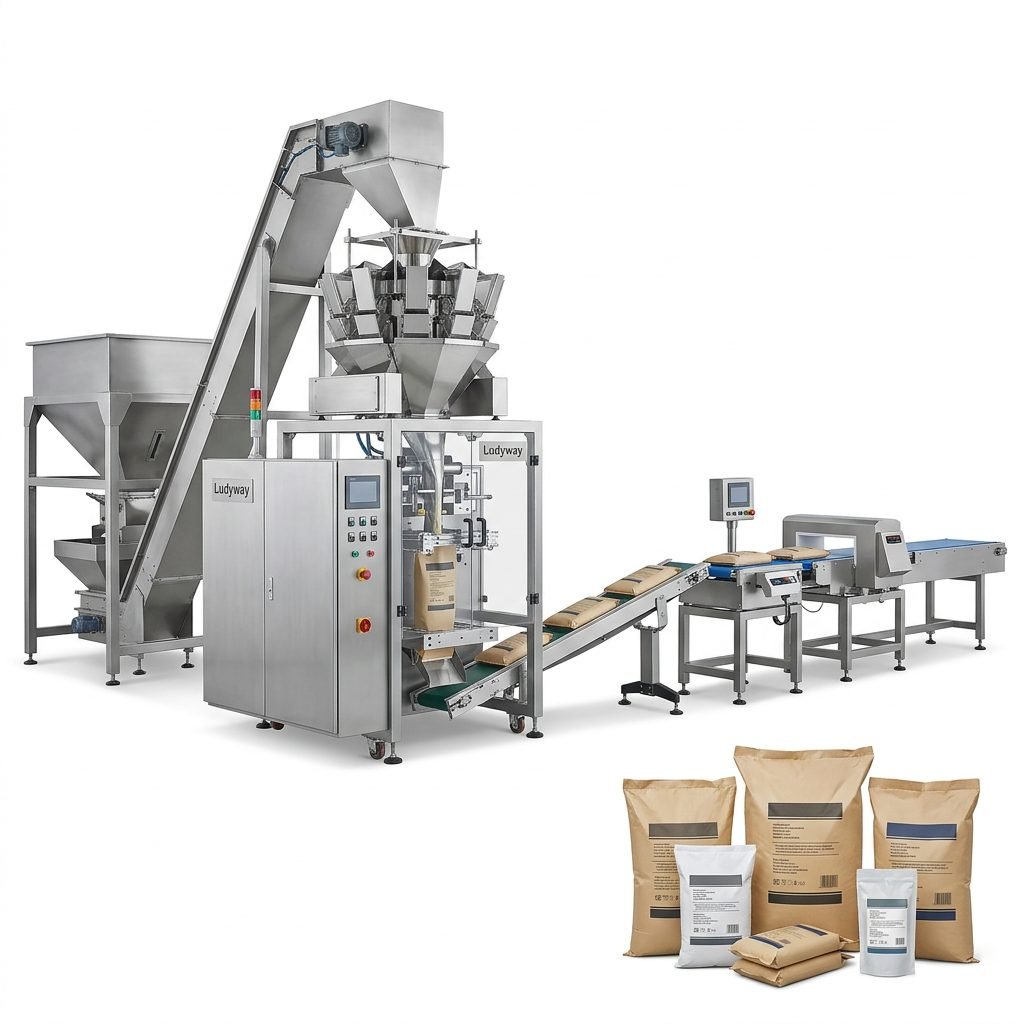
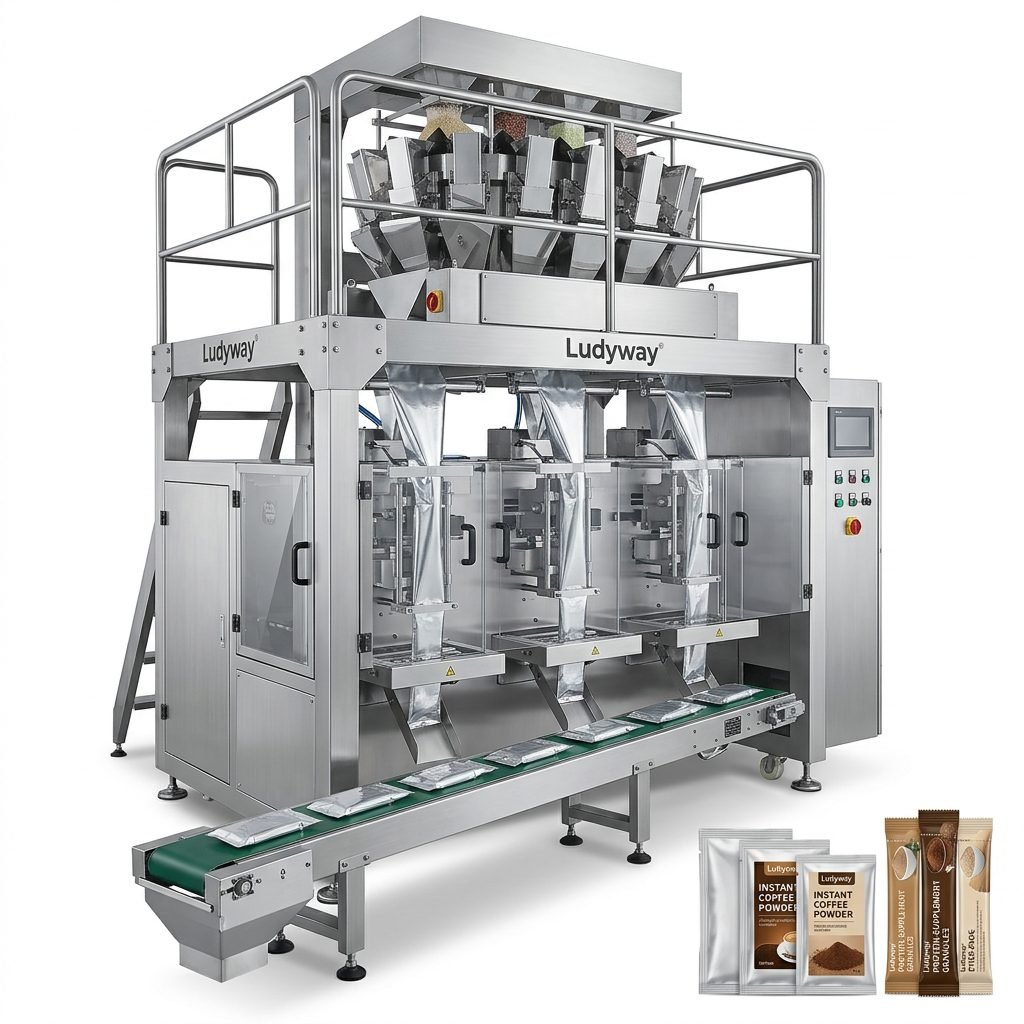
Cube ice remains the most widely consumed form in South America’s retail and food service channels. Packaging systems for cube ice typically require gentle product handling to minimize bridging and clumping during the filling process. Multi-head weighers integrated with vertical form-fill-seal (VFFS) machines are commonly deployed, with bag sizes ranging from 1kg to 20kg for wholesale distribution. Production speeds of 30-60 bags per minute are achievable with properly configured equipment.
Tube Ice and Flake Ice Packaging Systems
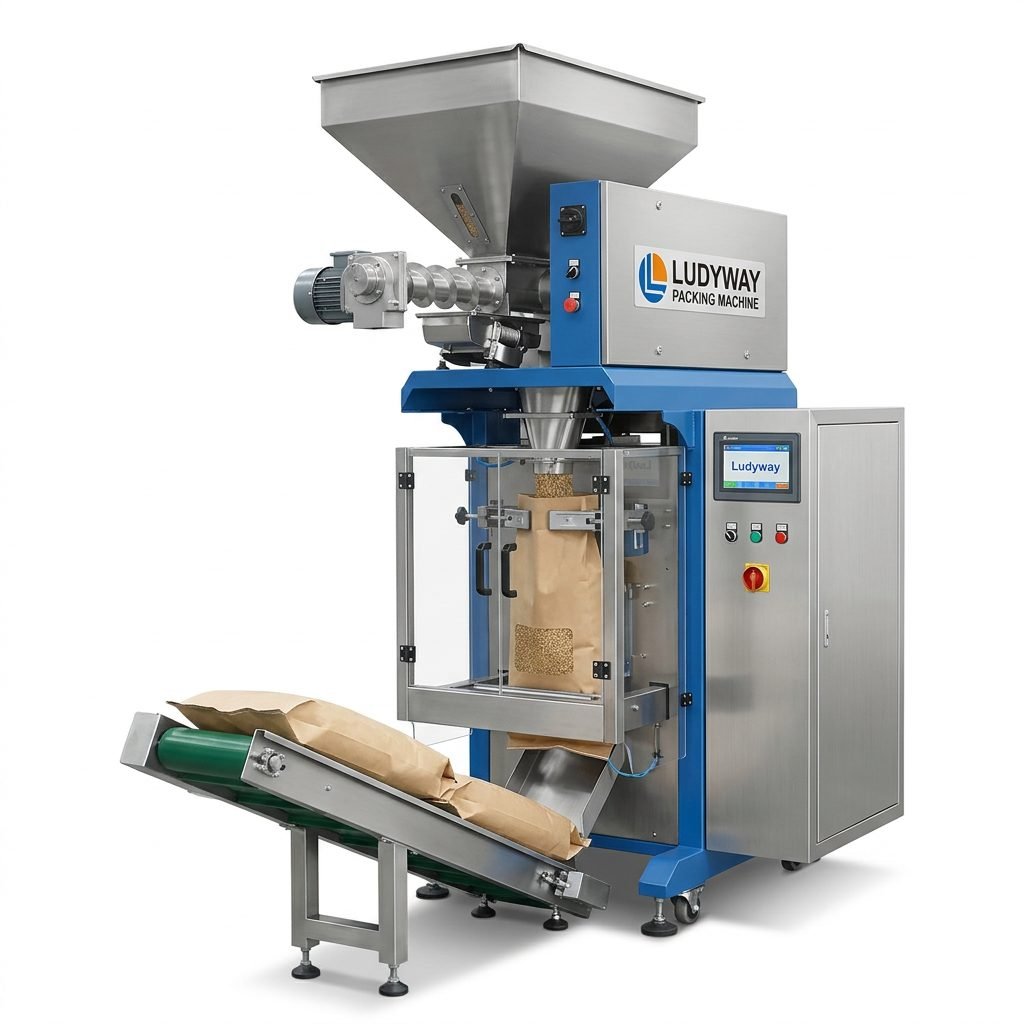
For industrial applications—including fisheries, concrete cooling, and chemical processing—tube ice and flake ice packaging lines require heavy-duty construction and corrosion-resistant materials. Open-mouth bagging systems combined with automated weighing and sealing stations form the core of these production lines. The Flexible Packaging Association’s industry resources provide valuable guidance on material selection for moisture-sensitive products like packaged ice, helping manufacturers choose films with appropriate barrier properties.
Nugget Ice and Specialty Ice Packaging
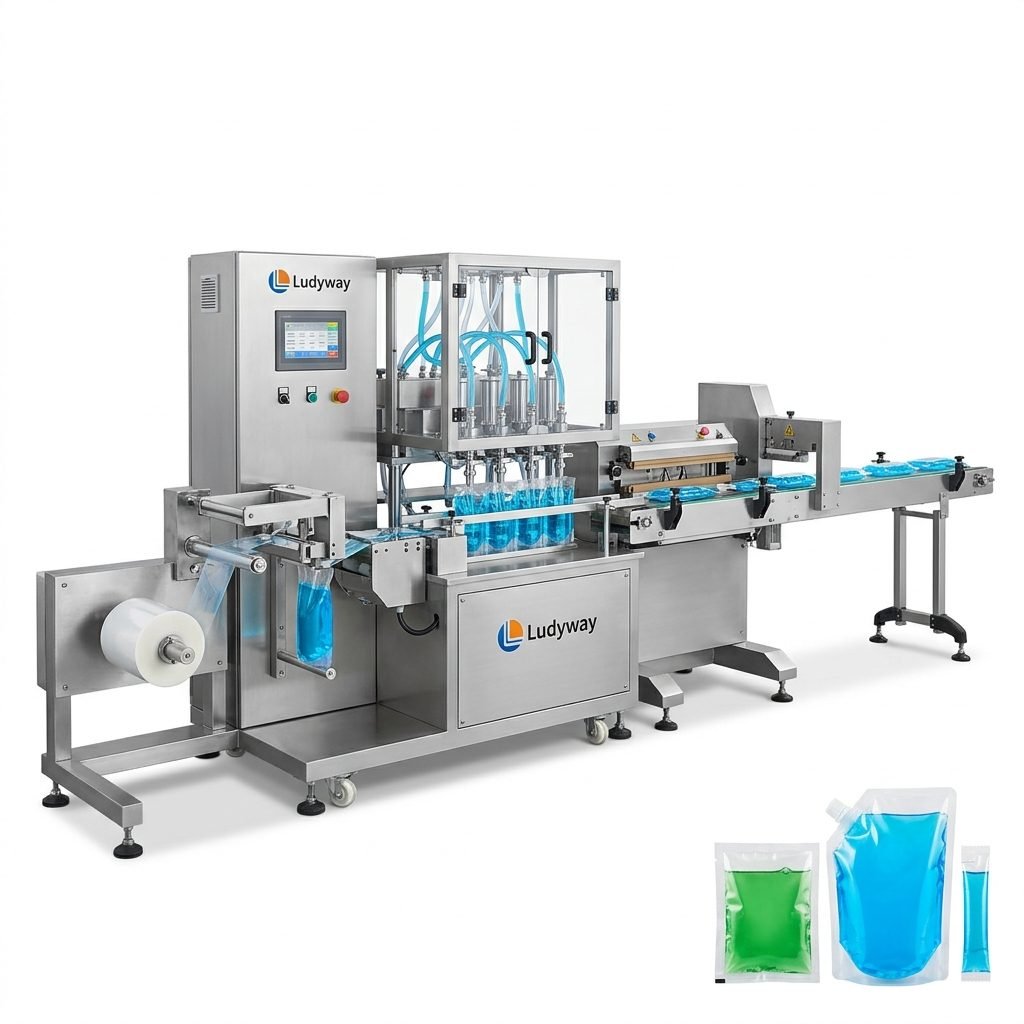
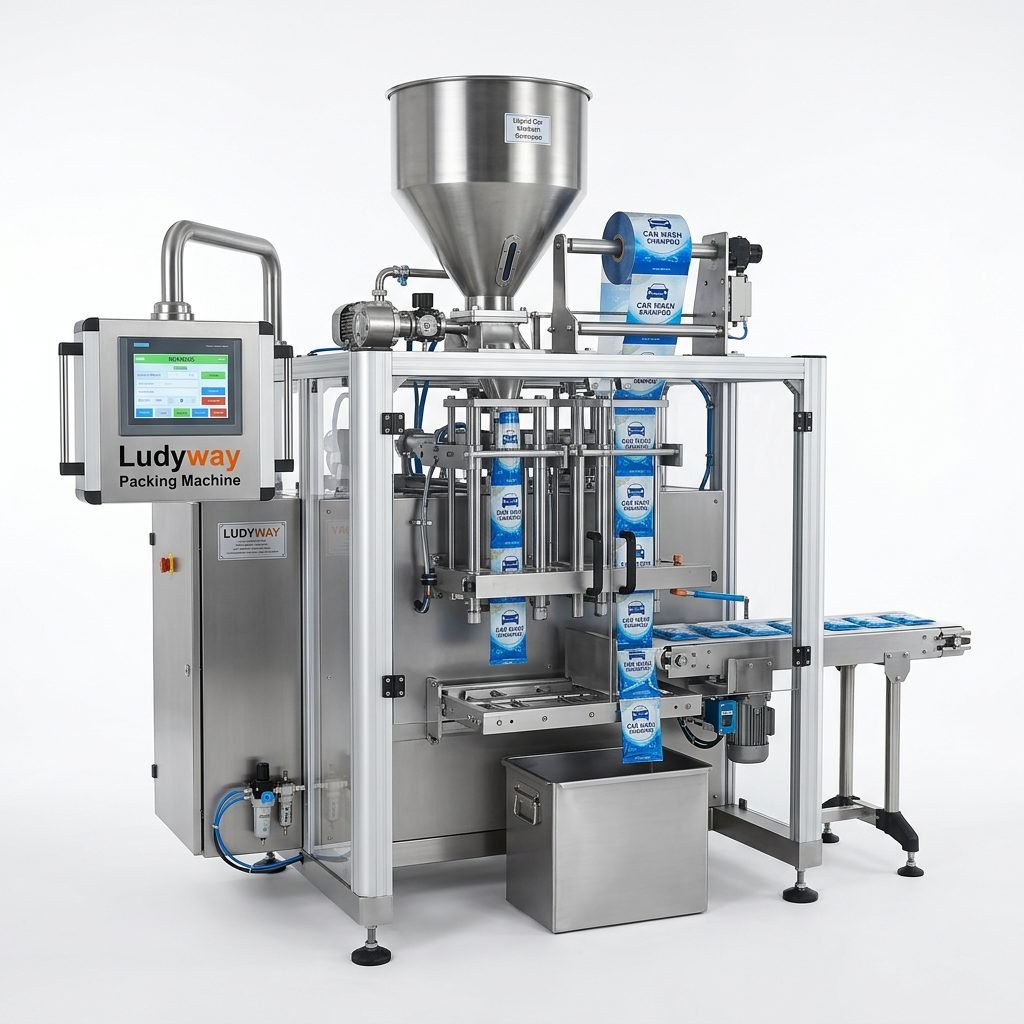
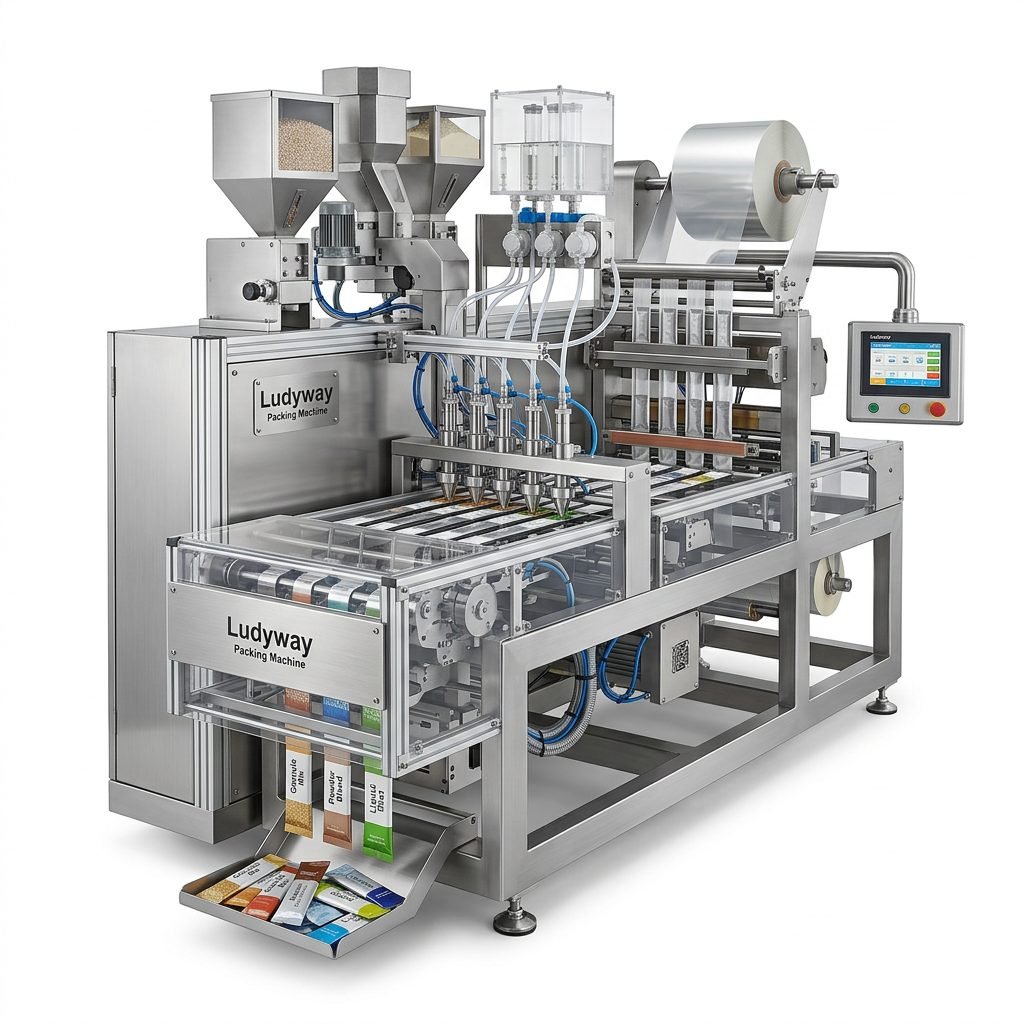
Nugget ice—also known as pellet ice or chewable ice—has gained popularity in South American beverage applications. These smaller, softer ice forms require precision filling systems with minimal mechanical stress to prevent product degradation. Stick pack and sachet packaging formats are increasingly used for portion-controlled nugget ice products in convenience stores and vending channels.
Core Components of an Ice Packaging Production Line
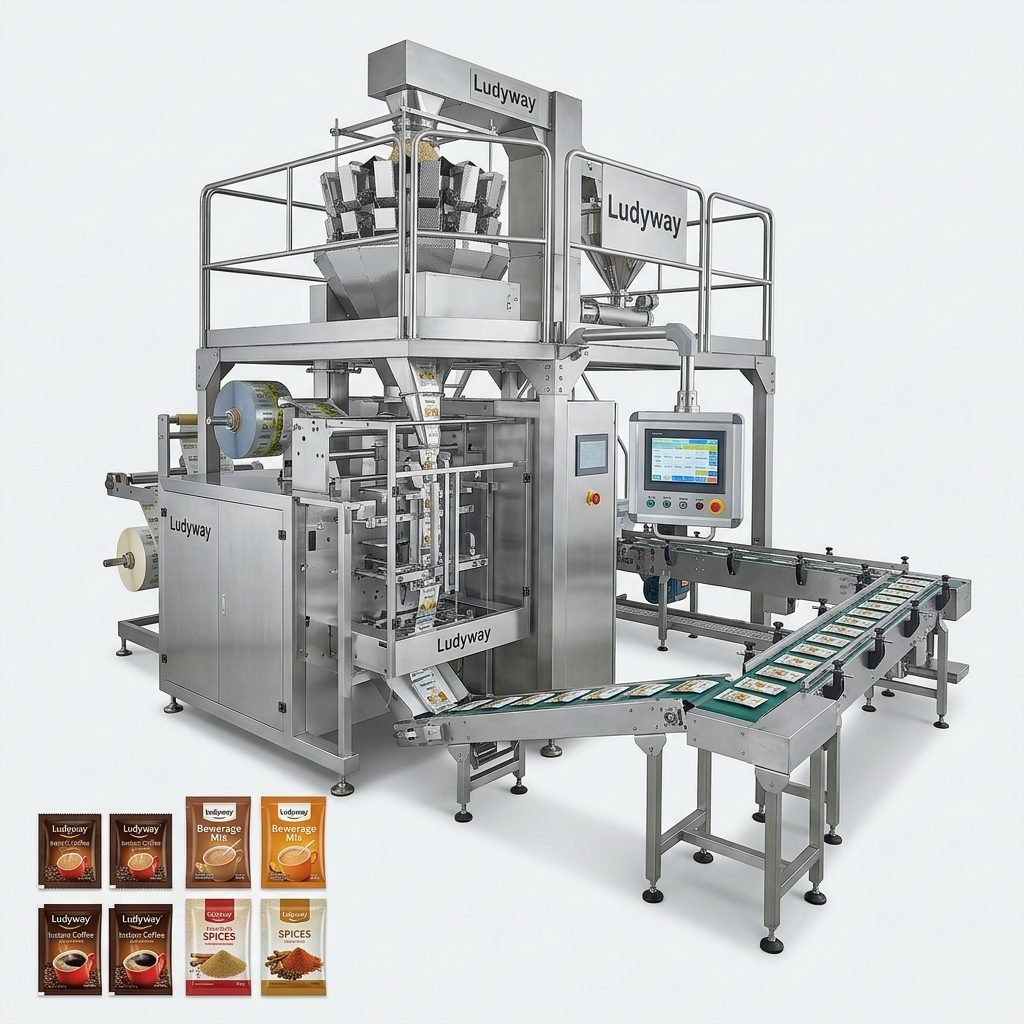
A complete ice packaging production line consists of several integrated subsystems that must work in harmony to achieve consistent output quality and throughput. Understanding each component’s role is essential for proper line design and equipment procurement.
| Component | Function | Key Considerations |
|---|---|---|
| Ice Storage Silo / Buffer Tank | Receives and temporarily stores ice from production before packaging | Insulation quality, capacity matching line speed, temperature maintenance |
| Conveying System | Transports ice from storage to weighing and packaging stations | Inclined conveyor design, corrosion resistance, gentle product handling |
| Multi-Head Weighing System | Precisely portions ice into target weight increments | Accuracy tolerance (±1-2g), speed, anti-stick surfaces |
| Packaging Machine (VFFS / HFFS) | Forms bags from film roll, fills with ice, and seals packages | Film compatibility, seal integrity, speed range, format flexibility |
| Checkweigher and Metal Detector | Verifies package weight and detects foreign contaminants | Sensitivity calibration, rejection mechanism, data logging |
| Case Packing and Palletizing | Automatically packs finished bags into cartons and stacks onto pallets | Footprint optimization, changeover flexibility, robotic vs. conventional |
Factory Requirements for Ice Packaging Operations in South America
Setting up an ice packaging facility in South America requires careful attention to infrastructure and environmental conditions. Unlike temperate regions, many South American locations present unique challenges related to ambient temperature, humidity, and altitude that directly impact packaging line performance.
Climate-Controlled Production Environment
The packaging area must maintain a consistent temperature between 5°C and 15°C with relative humidity below 60% to prevent ice melting and condensation issues. In tropical zones such as northern Brazil, coastal Colombia, or the Amazon basin, robust HVAC systems with dehumidification capabilities are non-negotiable investments. Failure to control environmental conditions leads to bag seal failures, product clumping, and reduced shelf life.
Floor Layout and Utilities
- Drainage systems with adequate slope to handle melt water from ice handling areas
- Food-grade stainless steel surfaces for all product contact zones, compliant with local sanitary regulations
- Electrical supply meeting equipment voltage requirements (typically 220V/380V three-phase in most South American countries)
- Compressed air systems with appropriate filtration and drying for pneumatic components
- Potable water connections for cleaning and sanitation procedures
The FDA’s Packaging and Food Contact Substances guidelines provide an excellent reference framework for material selection and facility design, even for operations targeting South American markets where local regulations may reference international standards.

Regulatory Compliance and Certifications
Navigating South America’s regulatory landscape for packaged ice requires understanding both regional trade bloc standards and country-specific requirements. Ice intended for human consumption is classified as a food product in most jurisdictions, subjecting manufacturers to stringent quality and safety standards.
Mercosur Regulatory Framework
Within the Mercosur trade bloc (Argentina, Brazil, Paraguay, Uruguay), harmonized food packaging regulations apply. Key requirements include:
- GMC Resolution No. 36/93 covering general food packaging material requirements
- ANVISA regulations in Brazil (RDC No. 91/2001 and subsequent updates) governing materials in contact with food
- SENASA certification in Argentina for food processing and packaging facilities
- Mandatory traceability systems for packaged food products
International Standards Adoption
Many South American ice packaging operations align with ISO packaging standards to facilitate export and demonstrate quality commitment. ISO 22000 for food safety management systems and ISO 9001 for quality management are commonly pursued certifications. The PMMI packaging industry resources offer comprehensive guidance on standard compliance for packaging machinery used in food applications.
Installation, Commissioning, and Operator Training
The success of an ice packaging line installation in South America depends heavily on proper execution of commissioning procedures and thorough operator training programs. Remote locations and limited local technical support resources necessitate a structured approach to equipment startup.
Pre-Installation Preparation
Before equipment arrives on site, complete the following preparatory steps to minimize installation delays:
- Verify all utility connections (electrical, compressed air, water) meet equipment specifications exactly
- Prepare foundation and anchoring points according to manufacturer drawings
- Establish spare parts inventory for critical wear components (sealing jaws, belts, sensors)
- Arrange for translator services if equipment manuals and training are in English, Portuguese, or Spanish
- Coordinate with local customs brokers experienced in industrial machinery importation
Training and Skill Development
Investing in comprehensive operator and maintenance training yields significant returns through reduced downtime and extended equipment lifespan. Training programs should cover:
- Standard operating procedures for normal production runs
- Troubleshooting common faults and error code interpretation
- Preventive maintenance schedules and lubrication requirements
- Changeover procedures between different bag sizes and formats
- Sanitation and cleaning protocols compliant with food safety standards
Cost Analysis and Return on Investment
Understanding the total cost of ownership for an ice packaging production line is critical for business planning. The table below provides indicative cost ranges for establishing a medium-scale packaged ice operation in South America.
| Cost Category | Estimated Range (USD) | Notes |
|---|---|---|
| Packaging Machinery | $80,000 – $250,000 | VFFS/HFFS with weigher, conveyor, basic automation |
| Facility Preparation | $30,000 – $80,000 | HVAC, drainage, electrical, flooring, cold storage |
| Shipping and Import Duties | $15,000 – $40,000 | Varies significantly by country; Mercosur may offer reduced rates |
| Installation and Commissioning | $10,000 – $30,000 | Includes technician travel, local labor, calibration |
| Training and Documentation | $5,000 – $15,000 | Operator training, translated manuals, SOPs |
| Initial Consumables Inventory | $10,000 – $25,000 | Packaging film, spare parts, lubricants |
| Total Estimated Investment | $150,000 – $440,000 | Depending on automation level and line capacity |
With typical gross margins of 35-50% on packaged ice products in South American markets, most operations achieve full return on investment within 18-36 months, depending on production volume and market penetration strategy. The PMMI Business Intelligence Library offers additional benchmarking data for packaging line investments in emerging markets.

Common Challenges and Practical Solutions
Operating an ice packaging line in South America presents unique challenges that differ from those encountered in North American or European markets. Anticipating these issues allows for proactive mitigation strategies.
Supply Chain and Spare Parts Availability
One of the most persistent challenges is the limited availability of specialized spare parts and technical support in remote South American locations. Mitigation strategies include:
- Maintaining a strategic spare parts inventory of at least 6 months’ expected consumption
- Establishing relationships with local industrial supply distributors for common components
- Investing in remote diagnostic capabilities that allow manufacturer technicians to troubleshoot via internet connection
- Training in-house maintenance staff on advanced repair procedures beyond routine maintenance
Packaging Film Performance in Tropical Climates
High humidity environments can affect packaging film properties, leading to seal integrity issues and reduced shelf life. Work closely with film suppliers to specify materials with enhanced moisture barrier properties. Consider laminated structures with metalized layers or EVOH barriers for optimal protection in tropical conditions.
Power Quality and Voltage Fluctuations
In certain South American regions, power grid instability can cause voltage spikes or brownouts that damage sensitive electronic components. Installing voltage stabilizers, uninterruptible power supplies (UPS) for control systems, and surge protection devices is a prudent investment that prevents costly downtime and equipment damage.
Selecting the Right Equipment Supplier
Choosing a packaging machinery supplier with international experience and responsive after-sales support is perhaps the most consequential decision in establishing your ice packaging line. Look for manufacturers who demonstrate:
- Proven export experience in South American markets, including references from regional customers
- Availability of Spanish and Portuguese language technical documentation and support
- Robust remote support capabilities and willingness to dispatch technicians for on-site service
- Comprehensive warranty terms that account for international shipping timelines
- Compliance with international safety and quality standards such as CE, ISO, and relevant food safety certifications
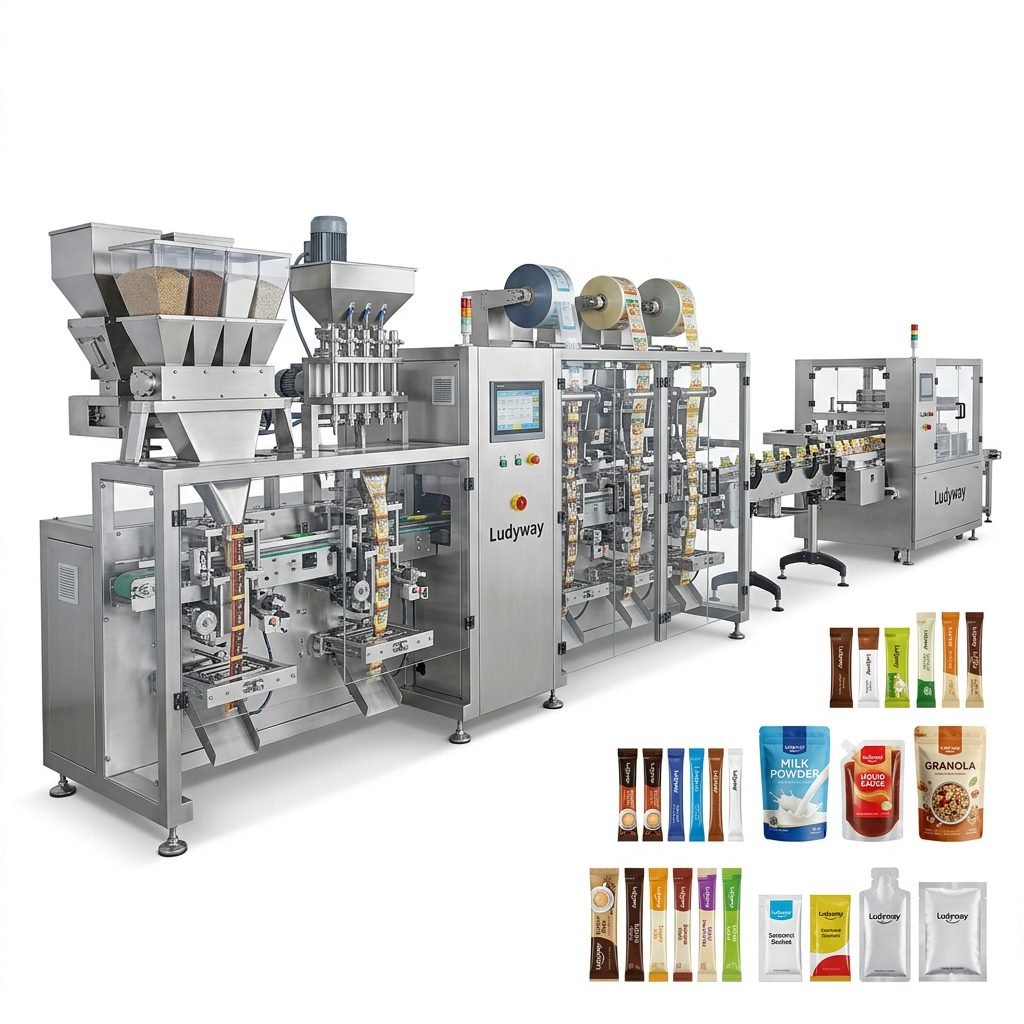
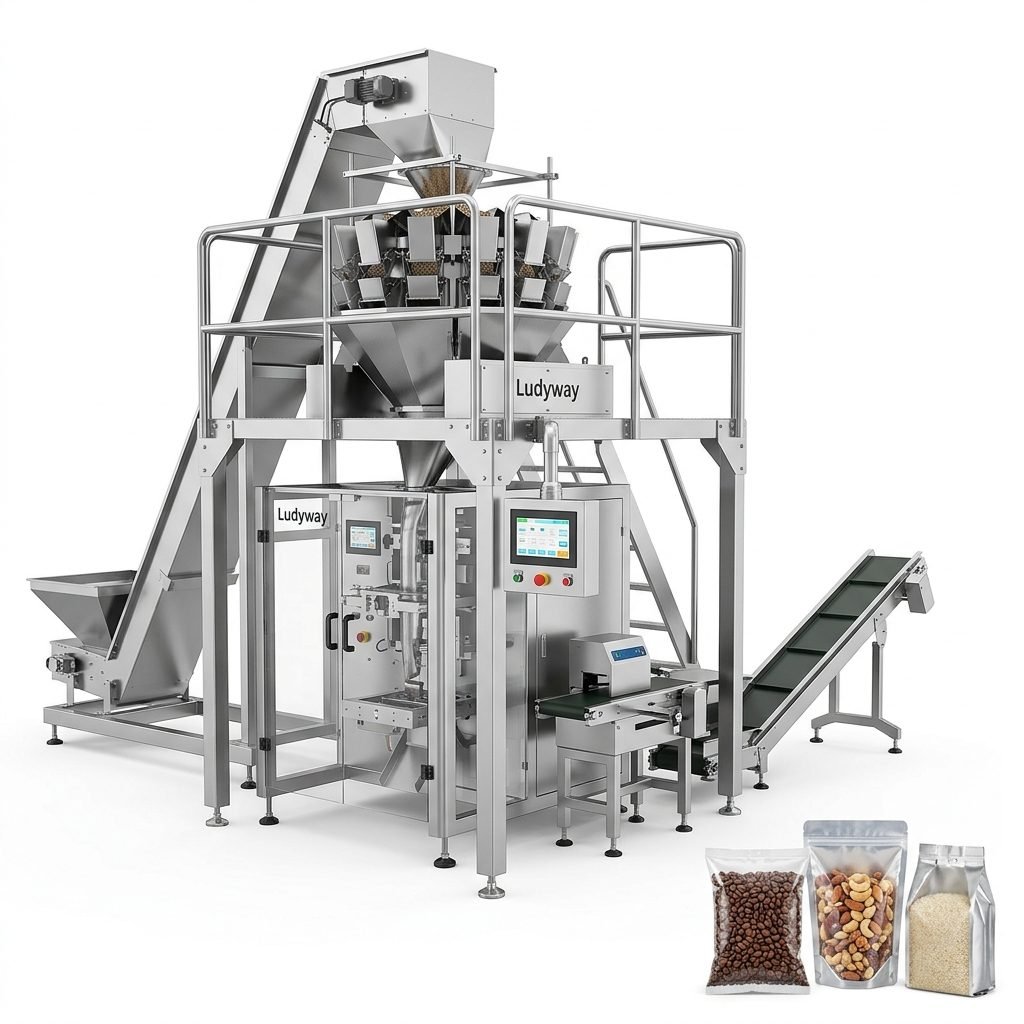
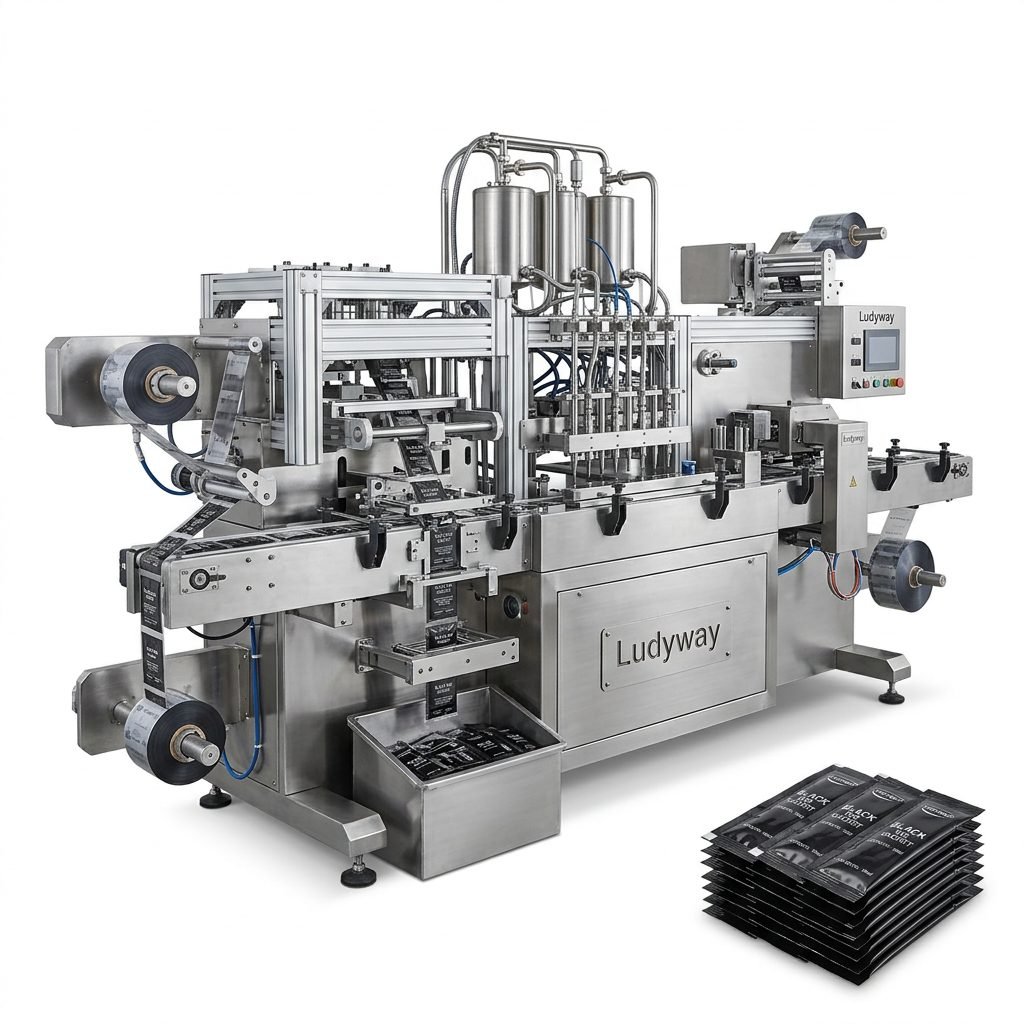
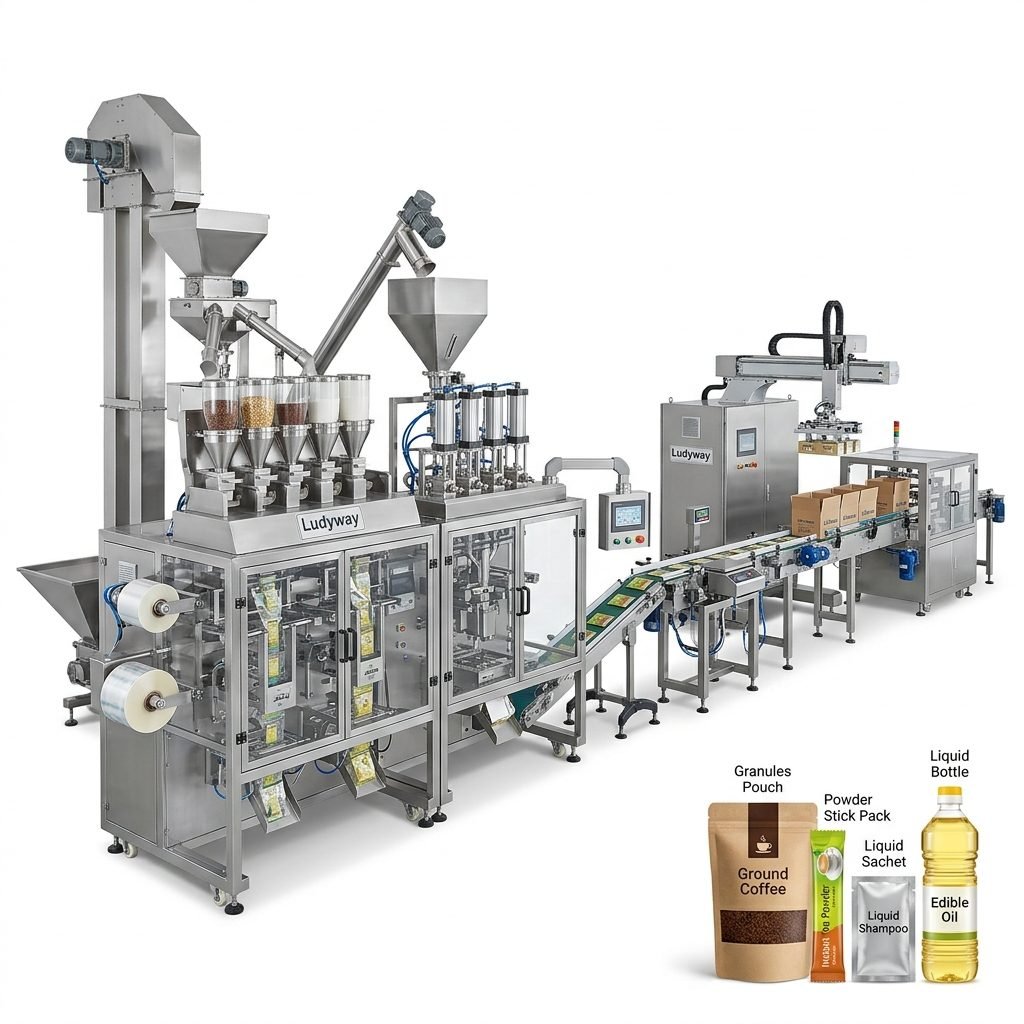
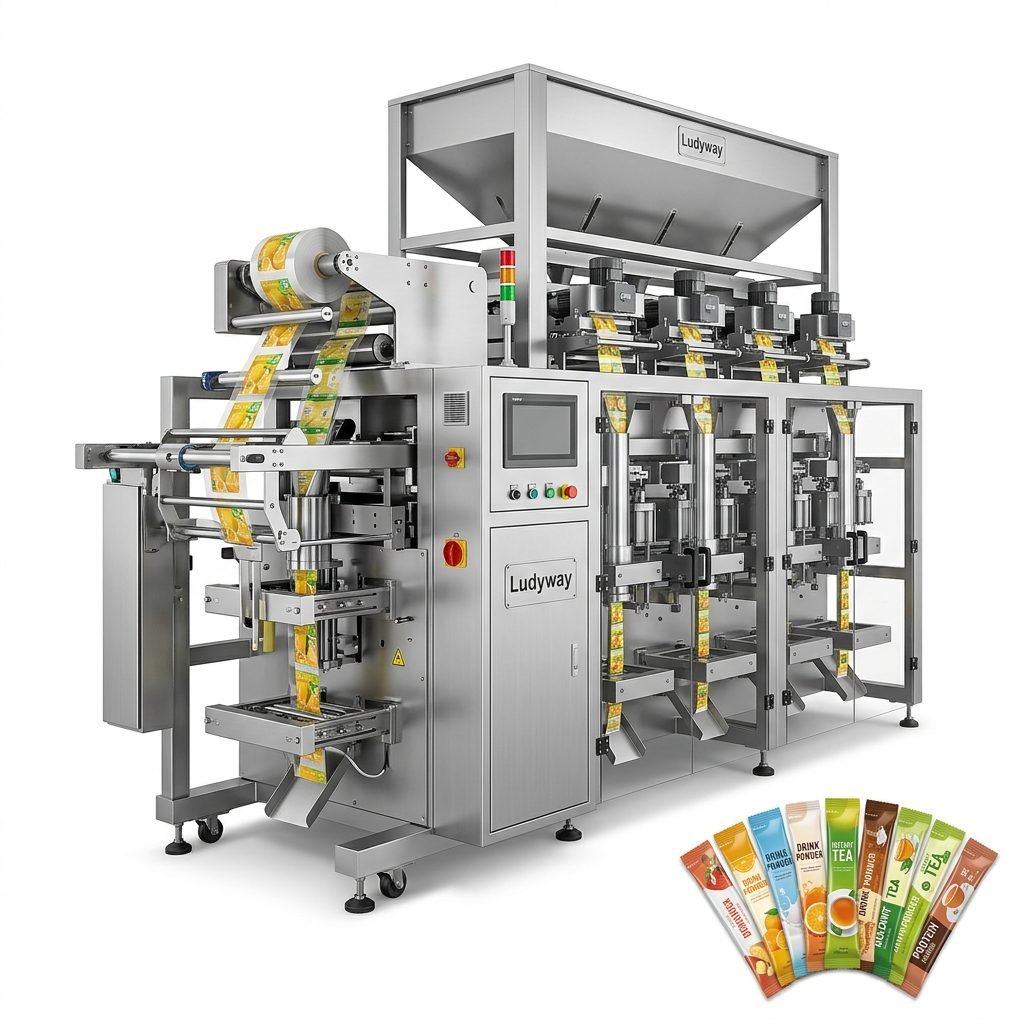
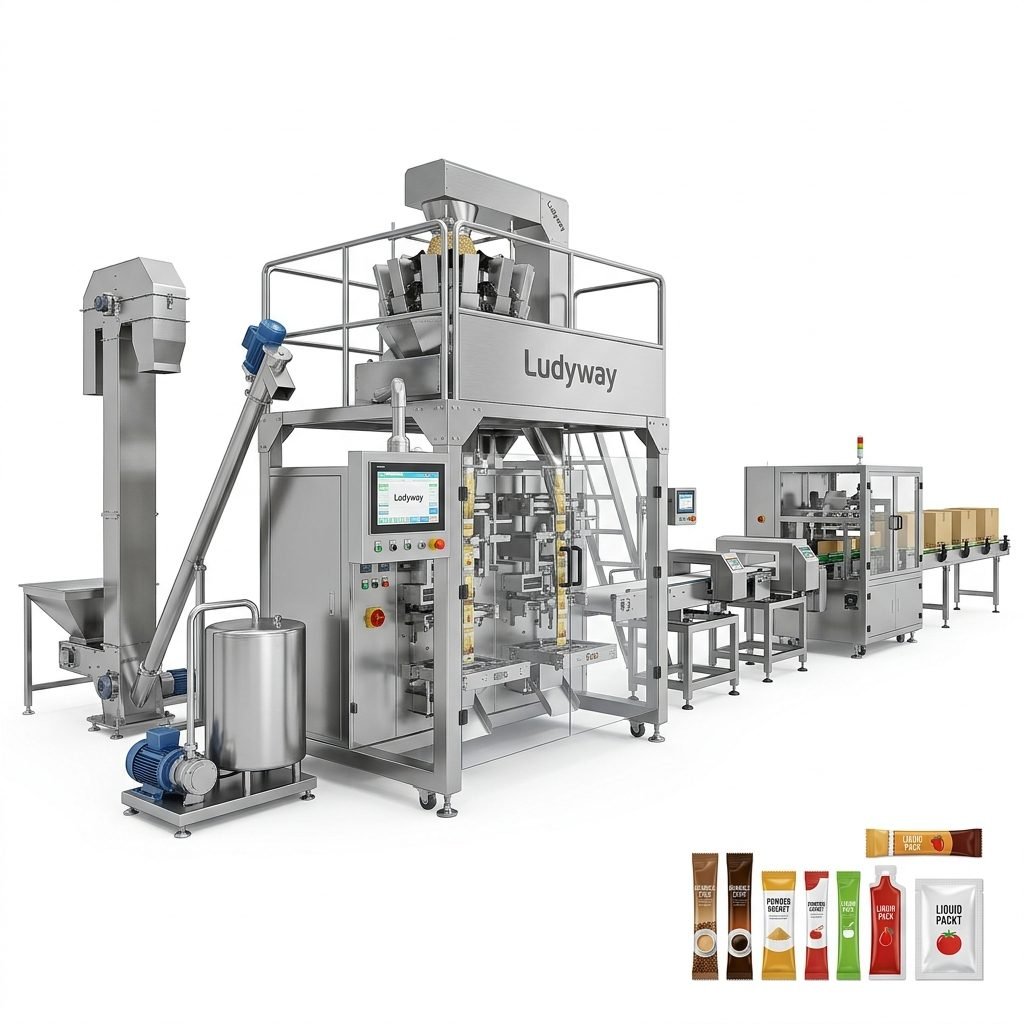
Among global packaging machine manufacturers, Ludyway has established a strong presence with over 30 years of industry expertise, serving customers in more than 100 countries and regions with advanced packaging equipment and turnkey production solutions for granule, powder, liquid, and pouch packaging applications, supported by a modern 20,000㎡ manufacturing facility.
Case Study: Ice Packaging Line Success in Brazil
Brazil represents the largest packaged ice market in South America, with an estimated annual consumption exceeding 2 million metric tons across retail, food service, and industrial channels. A mid-sized ice producer in São Paulo state recently upgraded from manual bagging to a fully automated packaging line, achieving remarkable operational improvements:
- Production throughput increased by 180% with the same workforce headcount
- Package weight consistency improved from ±15g variation to ±2g precision
- Labor costs for packaging operations reduced by 65%
- Product shelf life extended due to improved seal integrity and reduced handling contamination
- Return on investment achieved in under 20 months
This example underscores the transformative impact of properly implemented automated packaging technology in the South American ice industry.
Sustainability and Environmental Considerations
South American consumers and regulators are increasingly focused on environmental sustainability in packaging. The European Commission’s Packaging and Packaging Waste regulations are influencing global trends, and South American markets are following suit with initiatives to reduce plastic waste. Consider incorporating the following sustainable practices:
- Utilizing recyclable mono-material films where technically feasible for ice packaging
- Implementing lightweight packaging designs that reduce material consumption without compromising protection
- Exploring post-consumer recycled (PCR) content in secondary packaging materials
- Optimizing pallet configuration and logistics to reduce carbon footprint per unit of packaged ice
Marketing and Distribution Strategies for Packaged Ice
Once your ice packaging production line is operational, a well-planned distribution strategy ensures products reach target markets efficiently. South America’s diverse geography—from the Andes mountains to Amazon waterways—demands creative logistics solutions.
Effective distribution channels include:
- Direct store delivery (DSD) to supermarkets, convenience stores, and gas stations
- Partnerships with beverage distributors who already serve restaurants and bars
- Supply agreements with fisheries and seafood processors for industrial ice applications
- E-commerce platforms for direct-to-consumer delivery in urban areas
- Wholesale distribution through cold storage logistics providers

Future Trends in Ice Packaging Automation
The ice packaging industry in South America is poised for significant technological advancement over the next decade. Forward-thinking manufacturers should monitor and prepare for the following emerging trends:
- Industry 4.0 integration with IoT-enabled packaging machines providing real-time OEE (Overall Equipment Effectiveness) data and predictive maintenance alerts
- Artificial intelligence-powered vision systems for automated quality inspection of seal integrity and print registration
- Collaborative robotics (cobots) for flexible end-of-line case packing and palletizing operations
- Digital twin technology enabling virtual commissioning and operator training before physical equipment installation
- Blockchain-based traceability for cold chain verification from production to point of sale
Staying informed through resources like the PMMI – The Association for Packaging and Processing Technologies and attending events such as PACK EXPO International will help South American ice producers remain competitive in an evolving global market.
Checklist: Steps to Launch Your Ice Packaging Line in South America
Use this comprehensive checklist to guide your project from conception to production:
- Market research: Identify target customer segments, competitive landscape, and pricing benchmarks in your chosen country
- Site selection: Secure a facility with adequate utilities, cold storage capacity, and logistics access
- Regulatory review: Engage local consultants to navigate food safety registrations and packaging material compliance
- Equipment specification: Define required line speed, bag formats, automation level, and budget parameters
- Supplier evaluation: Request proposals from multiple qualified packaging machinery manufacturers with South American experience
- Financing arrangement: Explore equipment leasing, EXIM bank programs, or local development bank financing options
- Infrastructure preparation: Complete facility modifications including HVAC, drainage, electrical, and compressed air systems
- Import logistics: Coordinate shipping, customs clearance, and inland transportation to the installation site
- Installation and commissioning: Execute mechanical installation, electrical integration, and performance testing
- Staff training: Conduct comprehensive operator and maintenance training programs
- Trial production: Run test batches to validate product quality, line speed, and packaging integrity
- Commercial launch: Begin full-scale production and implement distribution strategy
Setting up an ice packaging machine production line in South America is a substantial but rewarding undertaking. By thoroughly addressing market dynamics, equipment selection, regulatory compliance, and operational planning, manufacturers can establish a strong foothold in this growing regional market. The combination of rising demand, improving cold chain infrastructure, and evolving consumer preferences creates a favorable environment for investment in automated ice packaging solutions across the continent.