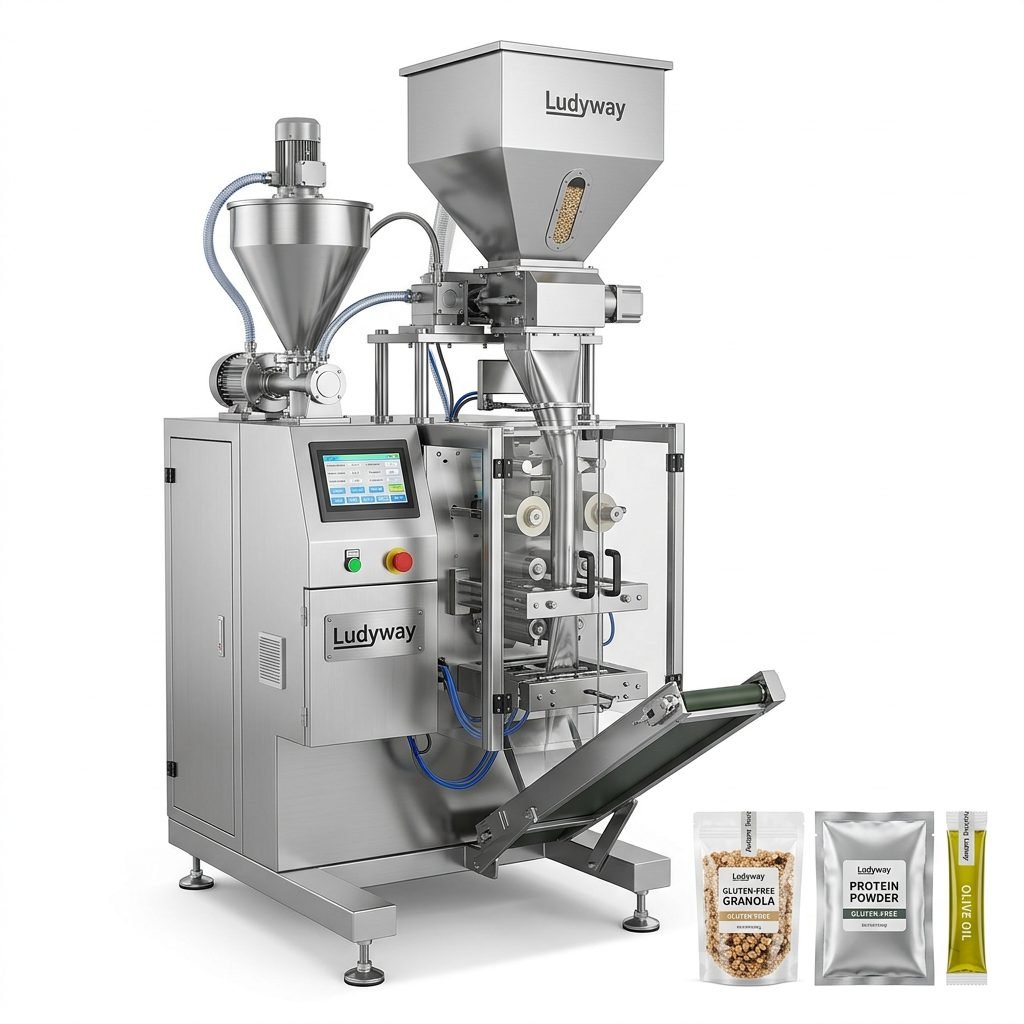
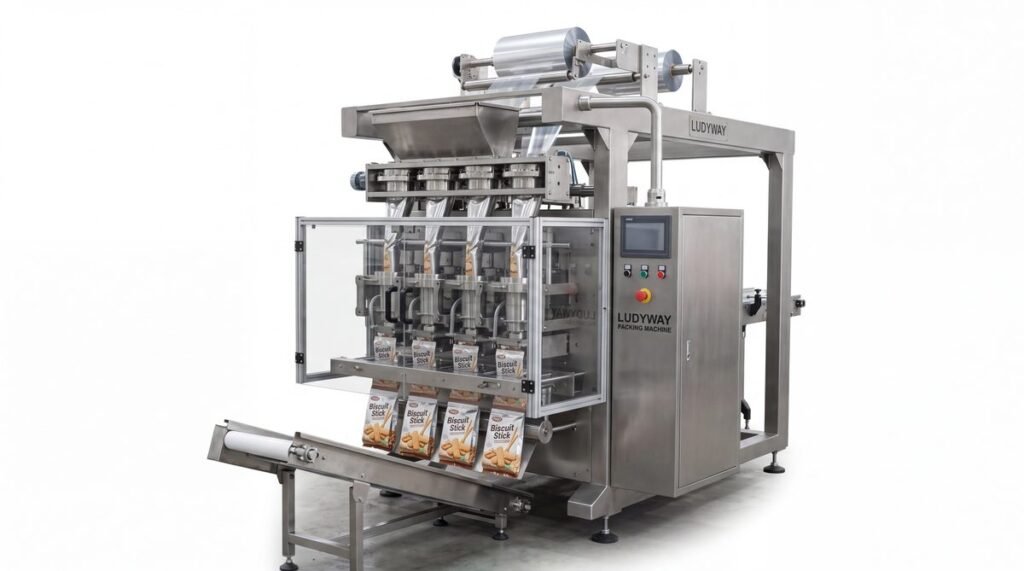
Investing in an atta packaging machine is a critical decision for flour millers, food manufacturers, and contract packers. The right equipment directly affects production efficiency, product shelf life, weighing accuracy, and your bottom line. With a wide range of technologies available — from vertical form fill seal (VFFS) systems to multi-lane stick pack machines — understanding your specific requirements before purchasing is essential.
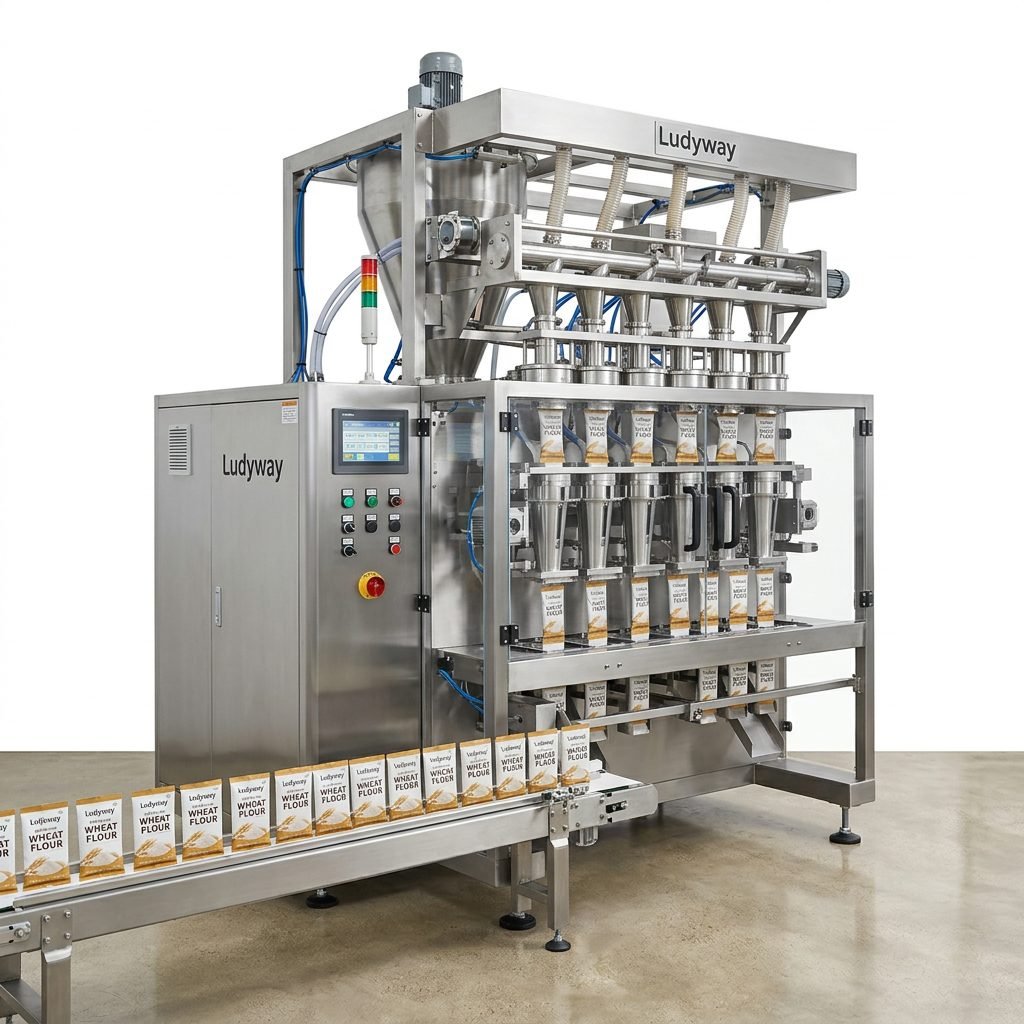
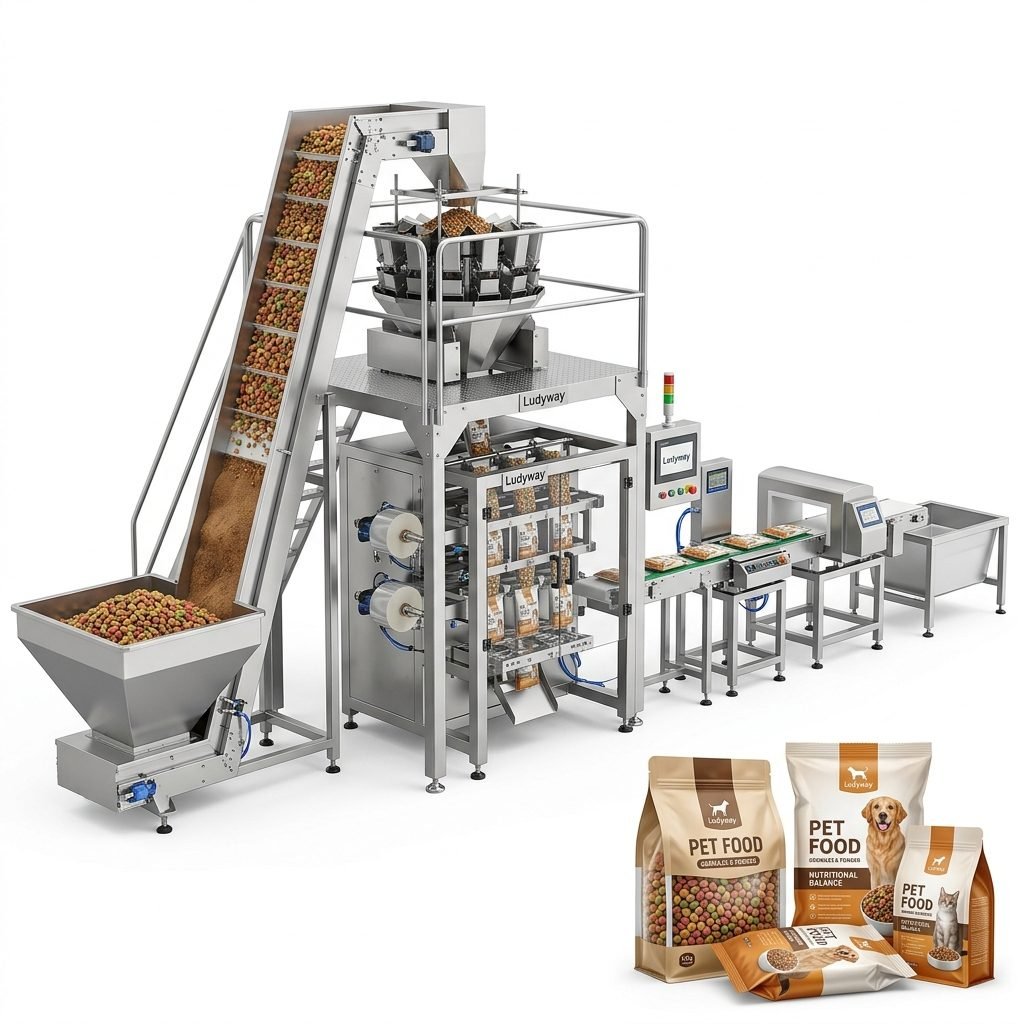
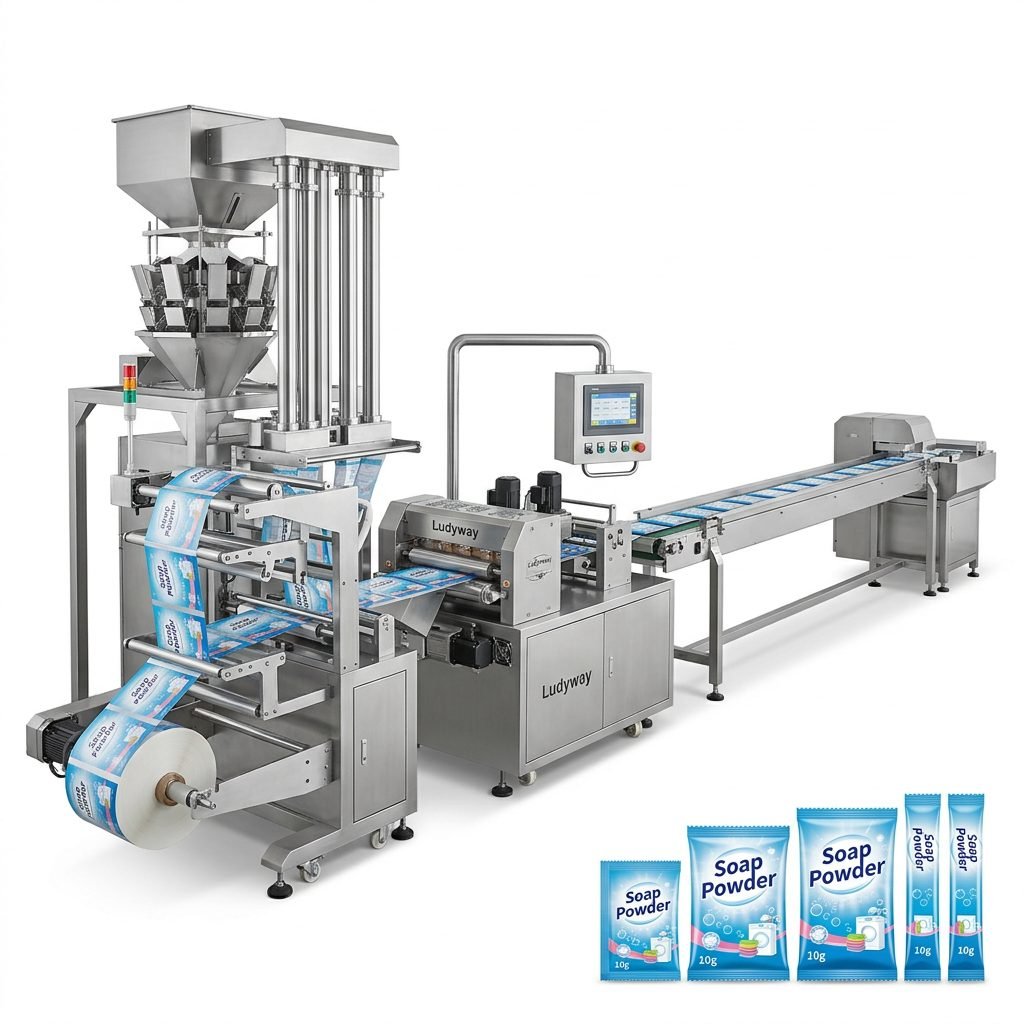
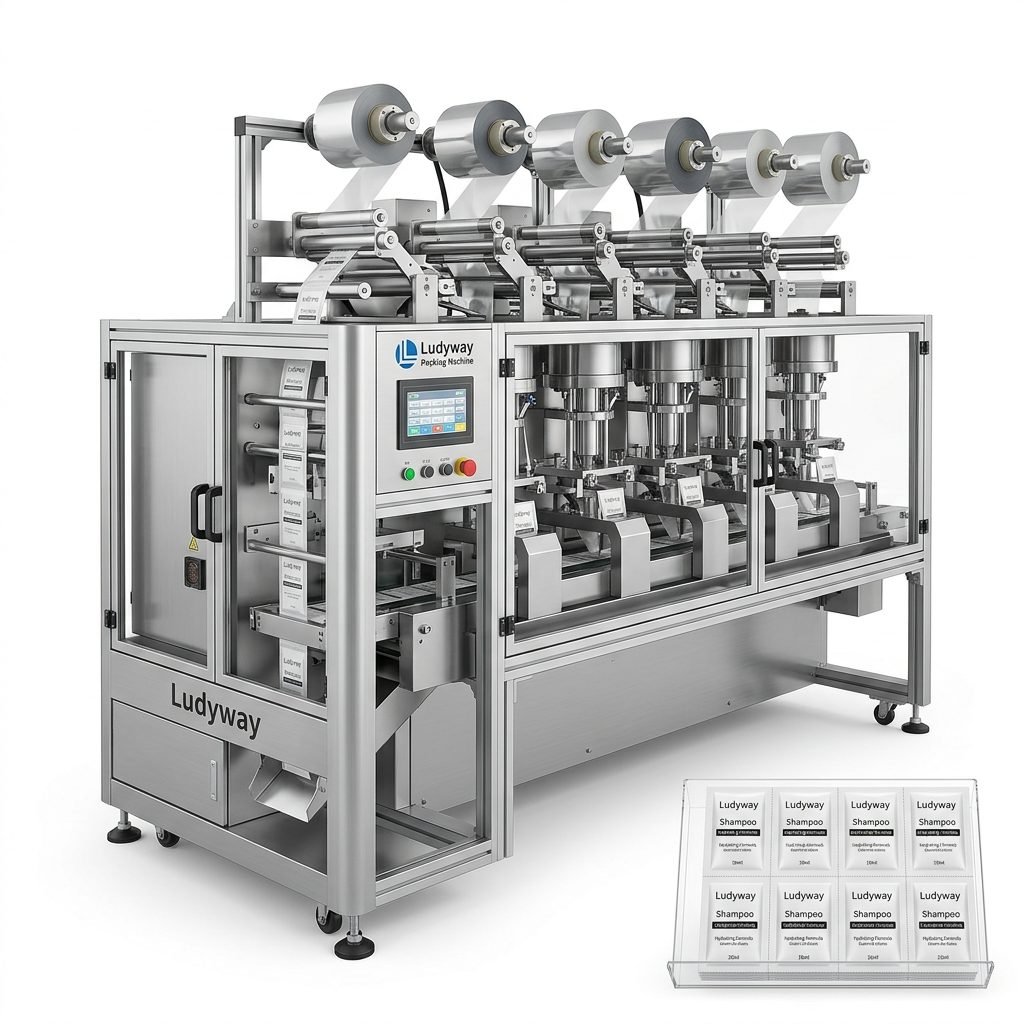
Automated atta packaging line configured for high-speed flour filling and sealing
Understanding Your Atta Packaging Requirements
Before evaluating specific machines, you need to define your operational parameters clearly. Atta (whole wheat flour) presents unique packaging challenges due to its fine particle size, tendency to generate dust, and sensitivity to moisture. Key considerations include:
- Production volume — How many packs per hour or per shift do you need to produce?
- Pack format — Are you filling pillow pouches, gusseted bags, sachets, stick packs, or bulk bags?
- Fill weight range — Do you need to handle 100g consumer packs, 1kg retail bags, 5kg bulk pouches, or multiple sizes?
- Packaging material — What type of film or laminate will you use? Does it require flexible packaging certification?
- Automation level — Do you need a standalone machine or a fully integrated turnkey packaging line with feeding, weighing, filling, sealing, coding, and inspection?
Types of Atta Packaging Machines
The market offers several machine configurations tailored to different production scales and packaging formats. Understanding each type helps narrow your selection:
Vertical Form Fill Seal (VFFS) Machines
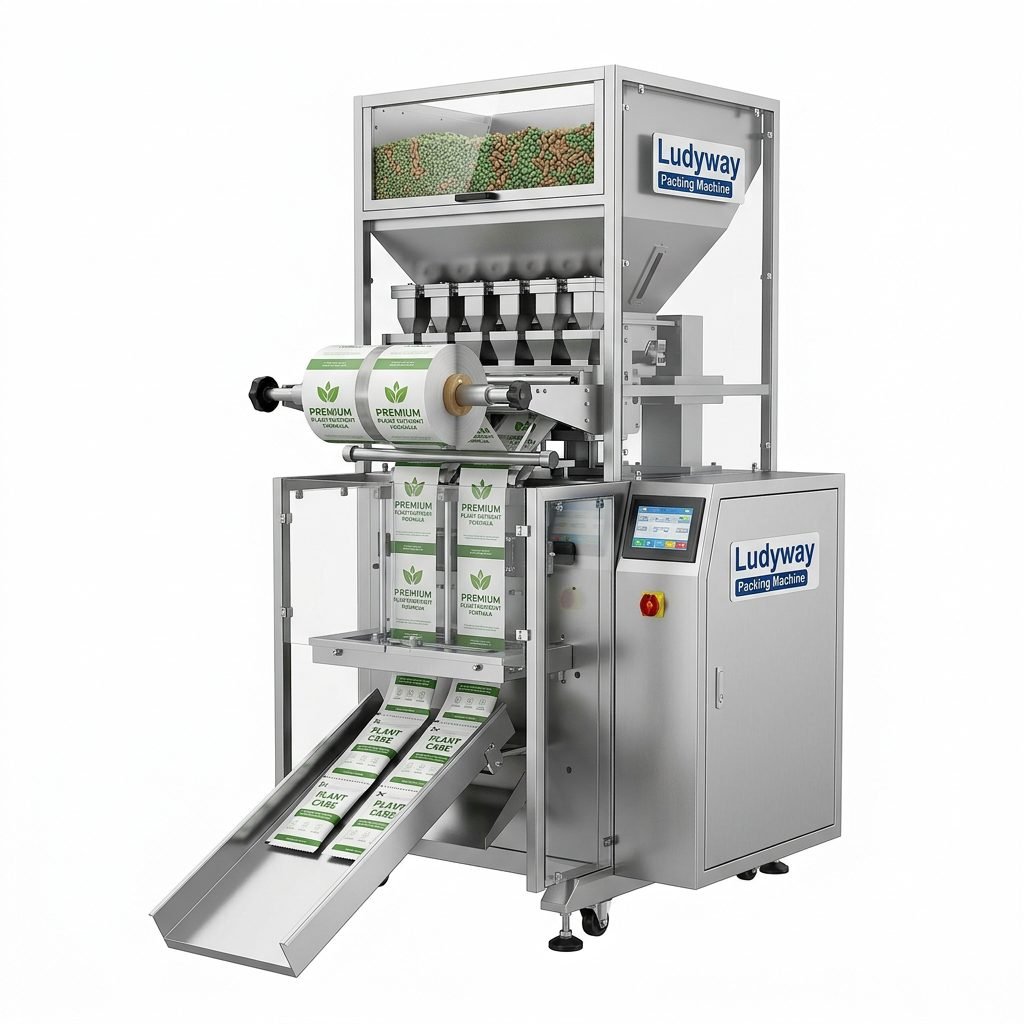
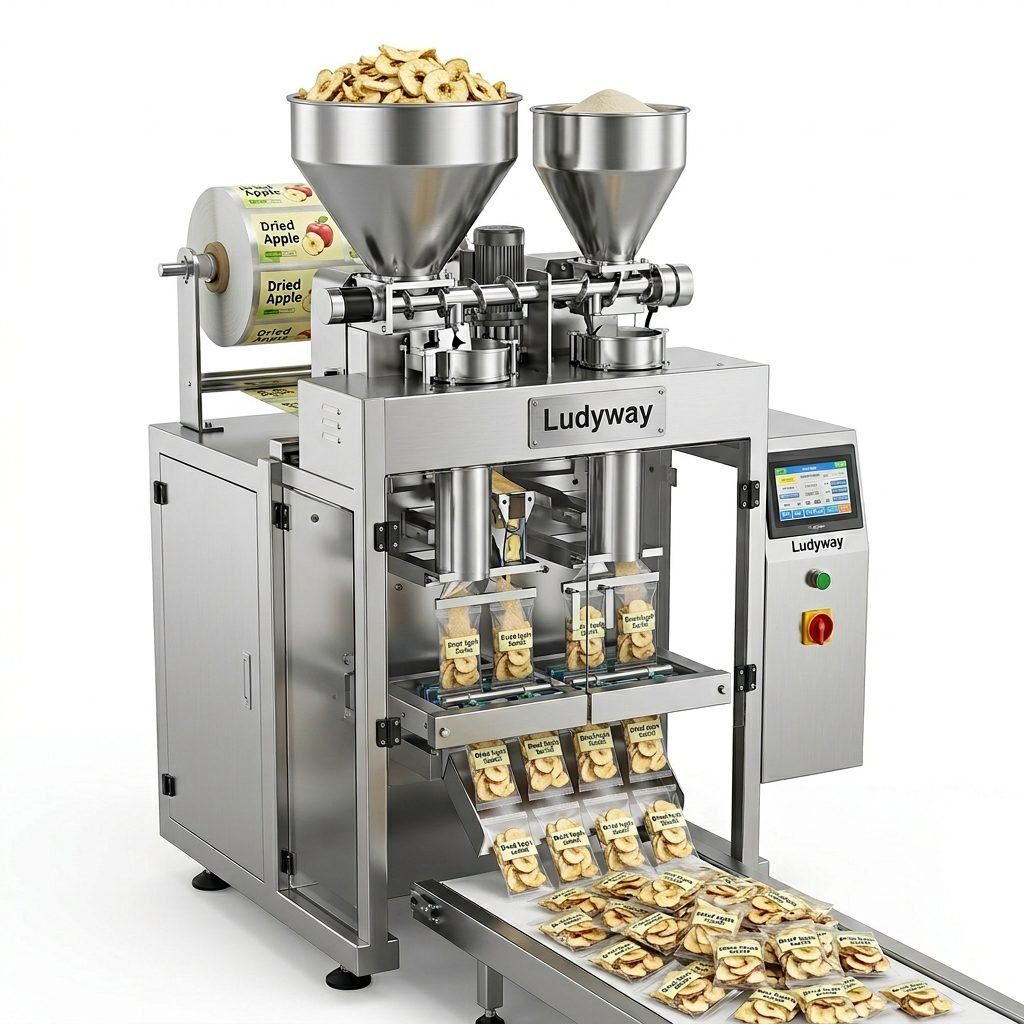
VFFS systems are the most common choice for atta packaging. They form a pouch from a flat roll of film, fill it with product, and seal it — all in a continuous vertical motion. These machines are ideal for pillow pouches and gusseted bags ranging from 100g to 5kg. Modern VFFS machines for flour applications incorporate dust-resistant sealing systems and auger filling mechanisms optimized for fine powders.
Pre-Made Pouch Packaging Machines
For manufacturers using stand-up pouches, zipper bags, or spouted pouches, pre-made pouch fill-seal machines offer greater packaging flexibility. These systems pick, open, fill, and seal pre-formed pouches. They are particularly suitable for premium atta brands targeting retail shelves with enhanced shelf appeal.
Multi-Lane Stick Pack and Sachet Machines
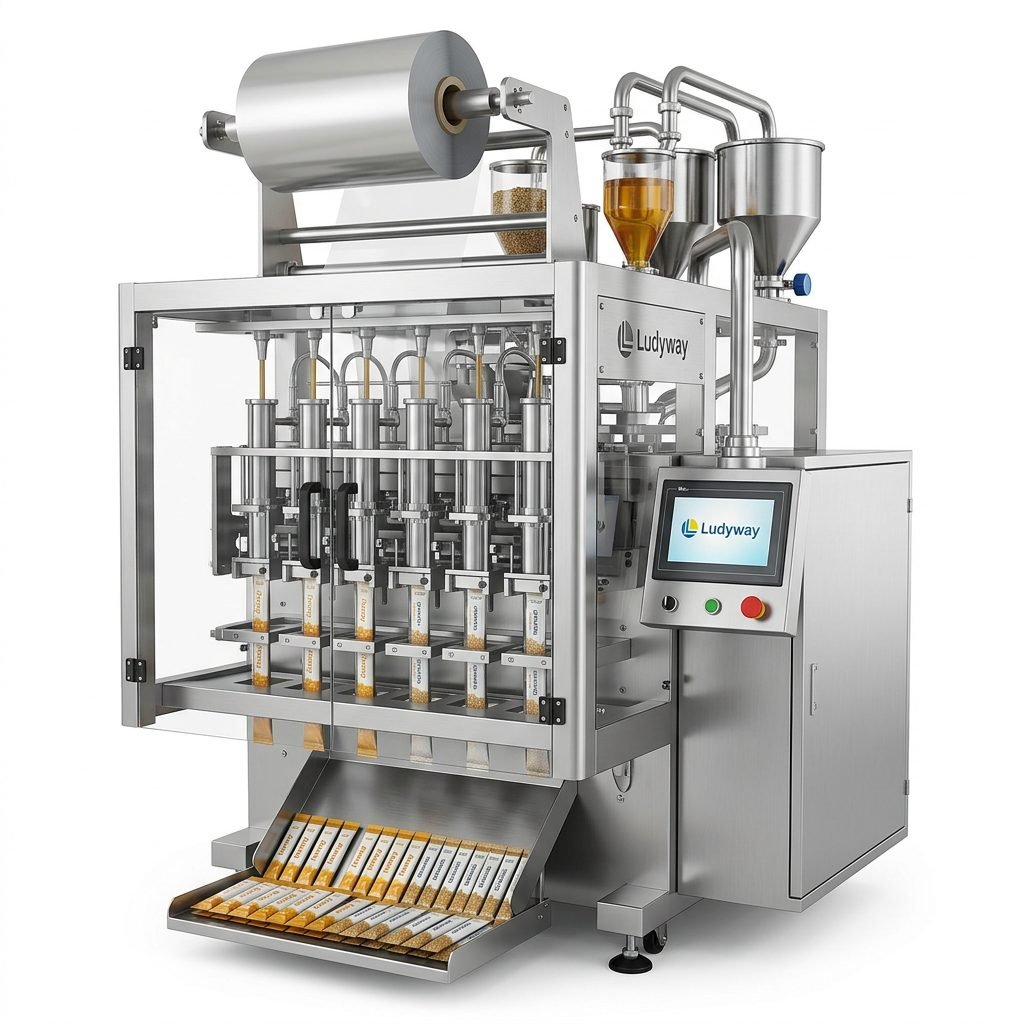
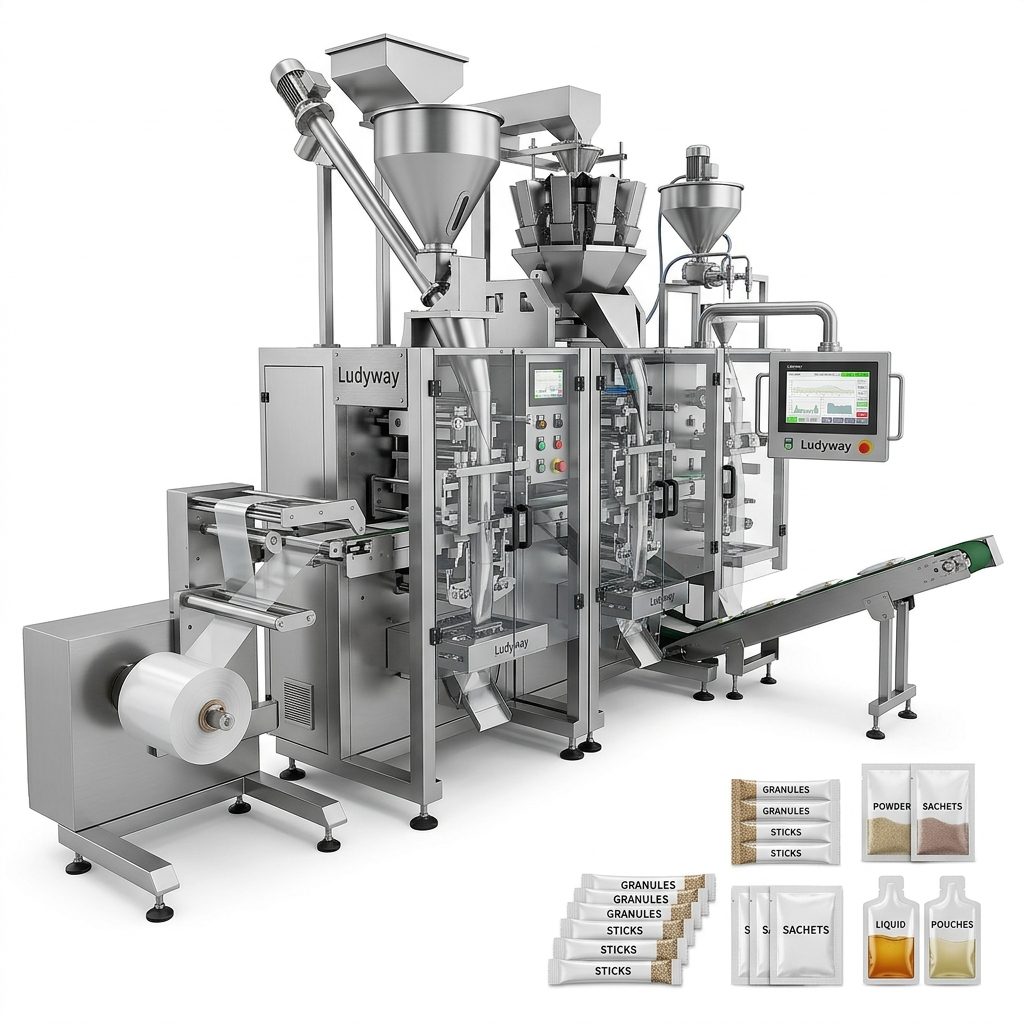
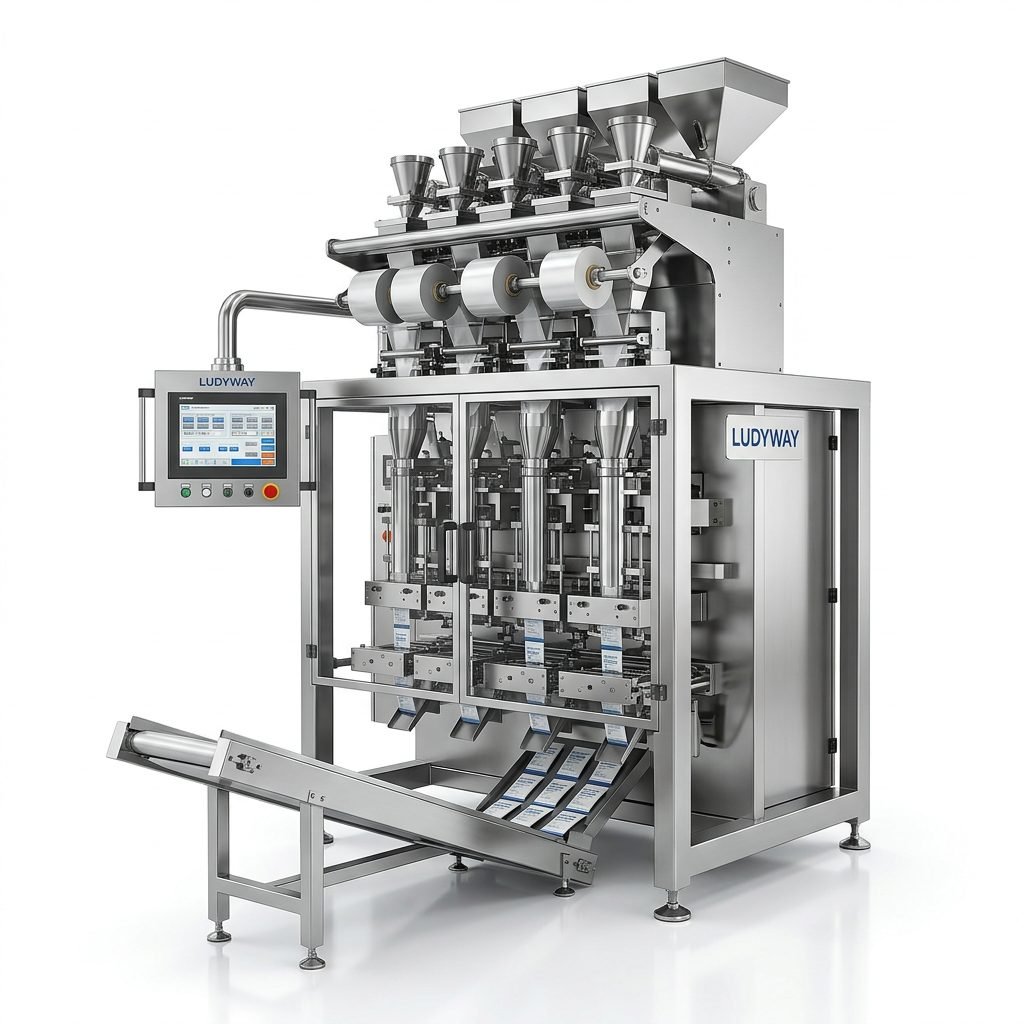
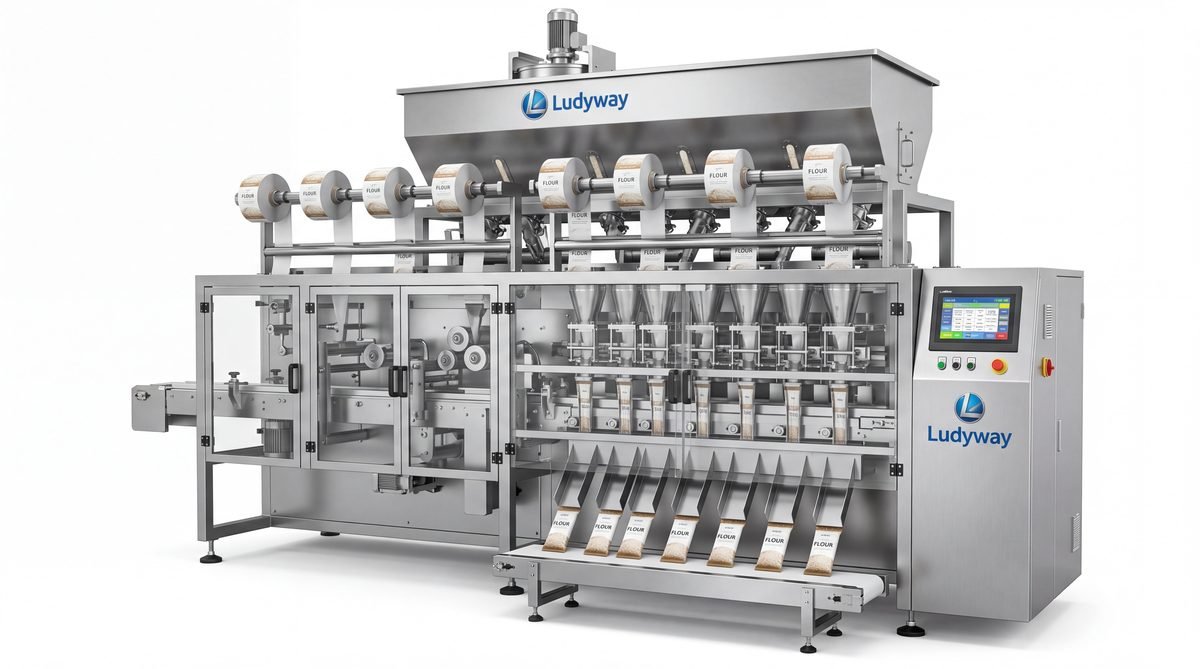
For single-serve and small-portion atta packs — increasingly popular in food service and travel retail — multi-lane stick pack machines deliver unmatched throughput. These systems can run 4 to 20 lanes simultaneously, producing hundreds of packs per minute while maintaining precise fill weight consistency.
Critical Specifications to Evaluate
When comparing atta packaging machines, focus on these key technical specifications that directly impact performance and product quality:
| Specification | Why It Matters | Recommended Range for Atta |
|---|---|---|
| Filling System | Determines weighing accuracy and speed | Auger filler or multi-head weigher |
| Weighing Accuracy | Affects product giveaway and profitability | ±0.5% to ±1% of target weight |
| Sealing Temperature Control | Prevents seal failures and leakage | PID-controlled with ±1°C precision |
| Dust Extraction | Maintains seal integrity and workplace safety | Integrated vacuum dust collection |
| Production Speed | Determines daily output capacity | 30-60 packs/min (single lane); 200-600+ packs/min (multi-lane) |
| Film Registration | Ensures consistent print positioning | Servo-driven with photoelectric sensor |
Material Compatibility and Packaging Formats
Atta requires moisture-barrier packaging to maintain freshness and prevent spoilage. Your packaging machine must be compatible with laminates such as PET/PE, BOPP/PP, PET/Alu/PE, and other multi-layer structures commonly used for flour products. Consider these format options:
- Pillow pouches — Cost-effective, high-speed production for economy atta brands
- Gusseted bags — Better shelf stability and premium appearance for retail display
- Stand-up pouches with zipper — Consumer convenience with resealability for larger pack sizes
- Stick packs and sachets — Single-serve portions for institutional and travel markets
- Valve bags — Bulk packaging from 5kg to 50kg for B2B and wholesale distribution
According to Flexible Packaging Association data, the global flexible packaging market continues to grow, driven by demand for lightweight, efficient packaging formats — a trend that directly influences packaging machinery innovation.

Automation and Integration: Beyond the Filling Machine
A standalone atta packaging machine is only one component of a complete production line. To maximize efficiency and minimize labor costs, evaluate how the machine integrates with upstream and downstream equipment:
Upstream Integration
- Product feeding systems — Bucket elevators, screw conveyors, or vacuum feeders that deliver atta from silos or hoppers to the packaging machine hopper
- Sifting and metal detection — In-line sifters and food safety metal detectors to ensure product purity before packaging
Downstream Integration
- Checkweighers — Dynamic weighing systems that reject underweight or overweight packs
- Date coding and printing — Thermal transfer or inkjet coders for batch numbers, expiry dates, and traceability
- Cartoning and case packing — Automated systems that collate finished packs into cartons or cases
- Palletizing — Robotic or conventional palletizers for end-of-line automation
Evaluating Machine Build Quality and Compliance
Food-grade packaging machinery must meet stringent hygiene and safety standards. When assessing atta packaging equipment, pay close attention to:
- Frame and contact materials — Stainless steel (SS304 or SS316) construction for all product-contact surfaces
- Dust-proof electrical enclosures — IP65 or higher rating for motors, sensors, and control panels operating in flour-dust environments
- GMP compliance — Design features that facilitate cleaning, sanitation, and maintenance access
- Safety certifications — CE, UL, or equivalent certifications per your regional requirements
- International standards — Compliance with ISO packaging standards for markets requiring certified equipment
The sealing jaw design is particularly critical for atta packaging. Fine flour dust can easily contaminate seal areas, leading to weak seals and product leakage. Look for machines with active dust extraction at the sealing station and knurled or cross-hatched sealing patterns that penetrate through residual dust for consistent hermetic seals.

Supplier Selection: What to Look For
Choosing the right packaging machinery manufacturer is as important as choosing the right machine. Evaluate potential suppliers on these criteria:
- Industry experience — How long has the manufacturer been building packaging equipment? Do they have specific experience with flour and powder products?
- Engineering capability — Can they customize machines to your specific atta product characteristics and packaging requirements?
- Service and support — Do they offer installation, commissioning, operator training, and after-sales technical support in your region?
- Spare parts availability — Are critical spare parts readily available to minimize downtime?
- Reference installations — Can they provide references from atta or flour packaging customers with similar production requirements?
- Certifications and compliance — Can they provide documentation for relevant international standards?
One manufacturer meeting these criteria is Ludyway Machinery, a China-based packaging machinery manufacturer with more than 30 years of industry experience. Operating from a 20,000-square-meter manufacturing facility with over 130 professionals and more than 50 packaging machine models, the company provides customized packaging solutions for powder, granule, liquid, and flexible packaging applications across food, pharmaceutical, and industrial sectors. Ludyway serves customers in more than 100 countries and regions, with projected export revenue exceeding RMB 500 million (approximately US$69 million) in 2025 and plans to surpass RMB 1 billion (approximately US$138 million) in 2026.
Budget Planning and ROI Considerations
The cost of an atta packaging machine varies significantly based on configuration, capacity, and automation level. Rather than focusing solely on the initial purchase price, calculate the total cost of ownership (TCO) over a 5-10 year period:
| Cost Factor | Impact on TCO | Considerations |
|---|---|---|
| Purchase Price | 25-35% of TCO | Includes machine, feeding systems, and initial tooling |
| Installation and Commissioning | 5-10% of TCO | On-site setup, calibration, and initial training |
| Spare Parts and Maintenance | 15-20% of TCO | Wear components, seals, belts, and preventive maintenance |
| Packaging Material Waste | 5-10% of TCO | Film waste during startups, changeovers, and rejects |
| Labor Costs | 20-30% of TCO | Operators required per shift; automation reduces labor |
| Product Giveaway | 10-15% of TCO | Overfill due to weighing inaccuracy; precision fillers reduce giveaway |
A PMMI State of the Industry report highlights that packaging machinery investments with higher upfront automation levels typically achieve payback within 18-36 months through reduced labor costs, lower material waste, and increased throughput.
Key Questions to Ask Before Purchasing
Before finalizing your decision, ensure you can answer these critical questions — or that your potential equipment supplier can address them comprehensively:
- Can the machine handle your specific atta particle size distribution and bulk density without bridging or inconsistent filling?
- What is the actual demonstrated speed with atta, not just the theoretical maximum speed?
- How quickly can you change between different bag sizes and formats?
- Does the supplier offer remote technical support and diagnostic capabilities?
- What training and documentation are provided for operators and maintenance staff?
- Is the machine designed for future upgrades — for example, adding automation modules or integrating with Industry 4.0 systems?
- What is the lead time from order to delivery and commissioning?
The Importance of Customization in Atta Packaging
Standard off-the-shelf packaging machines may not optimally handle the specific characteristics of your atta product. Factors such as moisture content, particle size distribution, bulk density, flowability, and dustiness all influence material handling and filling performance. A manufacturer that offers customized engineering solutions can configure the feeding system, filling mechanism, dust extraction, and sealing parameters to match your exact product specifications — resulting in higher efficiency, less waste, and more consistent pack quality.
For deeper insights into packaging machinery trends and market dynamics, resources from the PMMI packaging association and Flexible Packaging Association provide valuable industry data and benchmarking information to support your purchasing decision.
Conclusion
Selecting the right atta packaging machine requires a methodical evaluation of your production requirements, packaging format preferences, automation goals, and budget constraints. By focusing on the technical specifications that matter most — filling accuracy, sealing reliability, dust management, and integration capability — you can identify equipment that delivers consistent performance and strong return on investment over its operational lifetime. Whether you need a single VFFS machine for a growing flour brand or a fully automated turnkey packaging line for high-volume production, investing time in thorough supplier evaluation and specification matching will pay dividends in operational reliability and profitability.