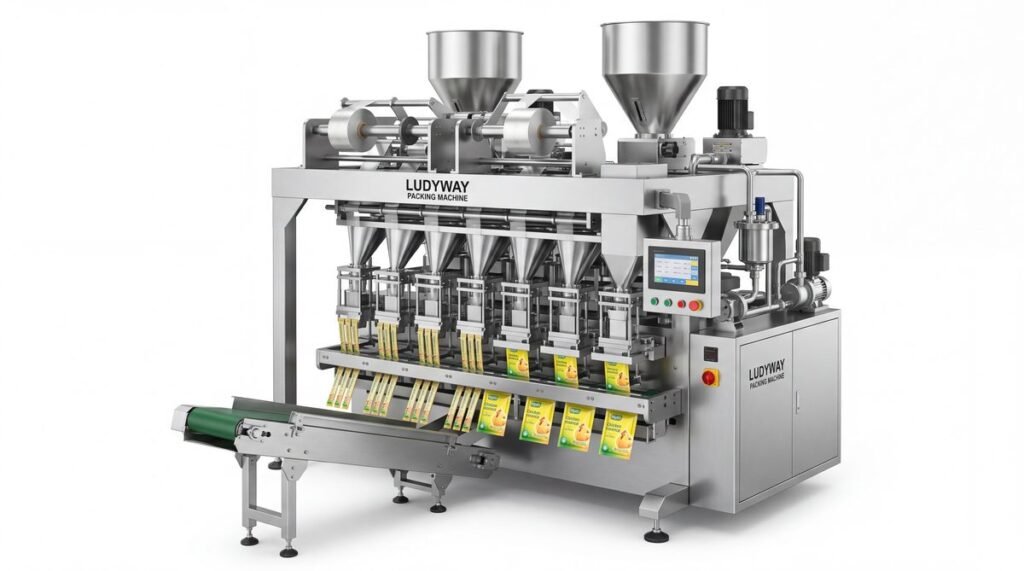
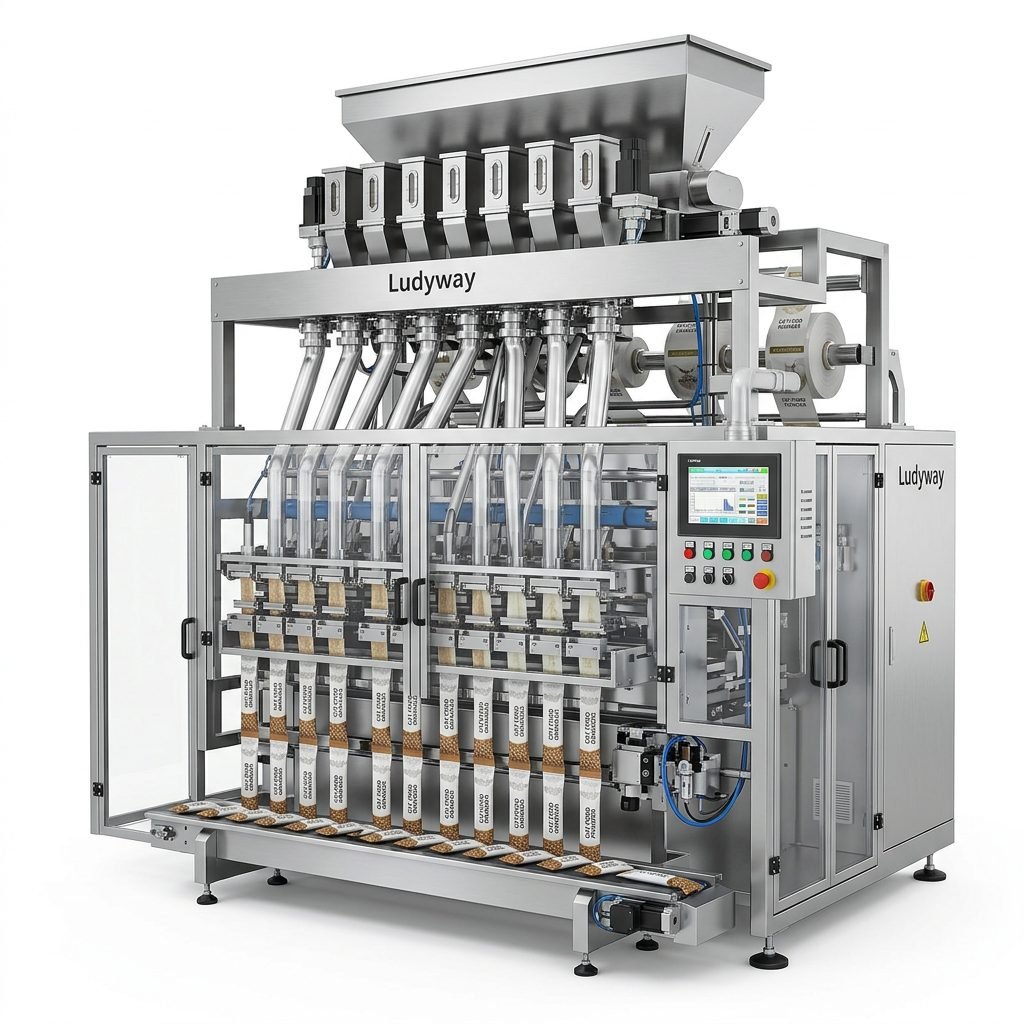
Investing in a vacuum sealed packaging machine is a strategic decision for food processors, pharmaceutical companies, and electronics manufacturers across North America. The right equipment extends product shelf life, prevents freezer burn, and protects sensitive components from moisture and oxidation. This comprehensive guide walks you through the essential factors to evaluate before making your purchase.
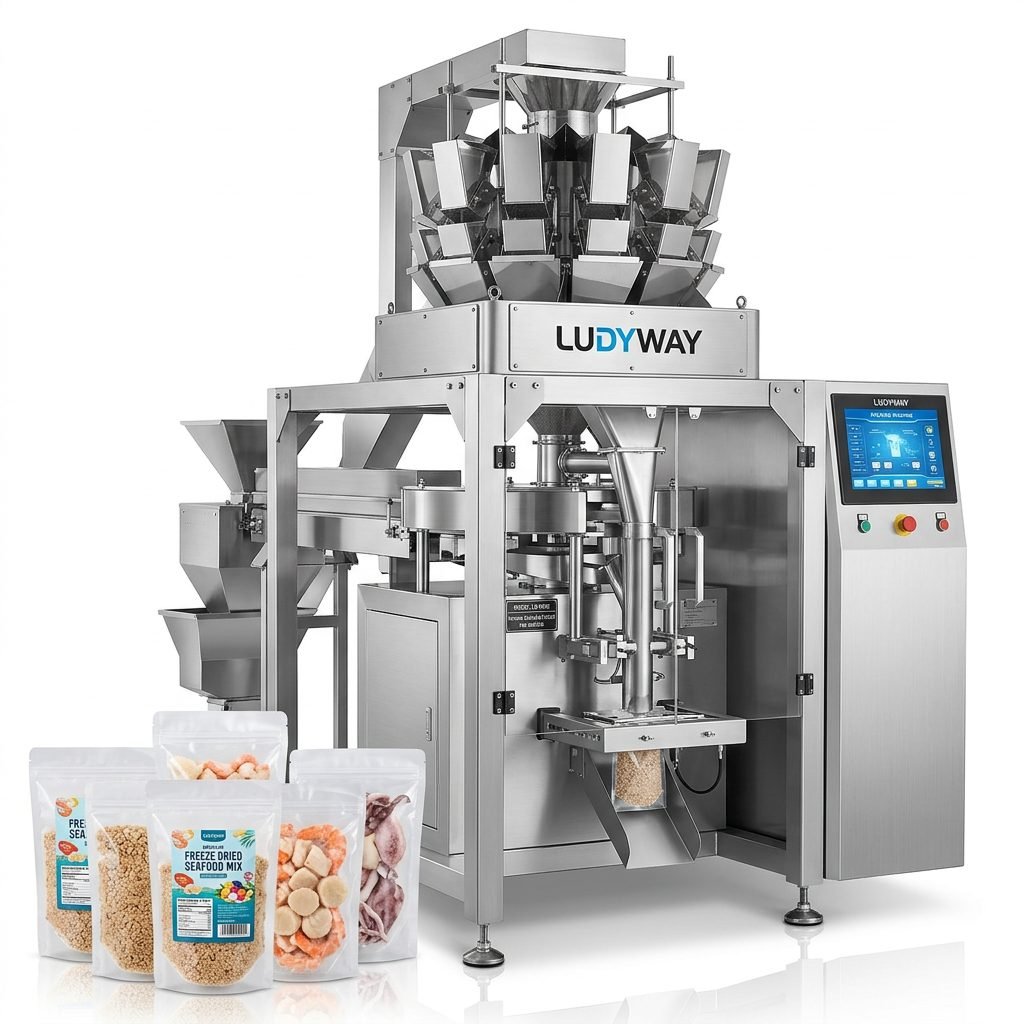
Why Vacuum Sealing Technology Matters in North American Markets
North American food safety regulations and consumer demand for extended freshness drive the need for high-performance vacuum packaging equipment. Beyond food, industries like medical devices and vacuum packaging solutions require precise oxygen removal to meet strict sterilization standards. The right machine reduces waste, improves logistics efficiency, and maintains product integrity from production to end-user.
Key Benefits at a Glance
- Shelf Life Extension: Reduces aerobic bacteria growth by removing oxygen
- Product Protection: Guards against moisture, dust, and physical damage during transport
- Cost Efficiency: Minimizes product returns and spoilage in supply chains
- Regulatory Compliance: Meets FDA and CFIA packaging standards for food safety
Chamber vs. Nozzle Systems: Which Vacuum Machine Fits Your Production?
Selecting between chamber vacuum sealers and external nozzle systems depends entirely on your product type and throughput requirements. Chamber machines work best for liquid-rich foods, marinated meats, and medical instruments, while nozzle sealers excel with dry goods and large-format bags.
| Feature | Chamber Vacuum Sealer | Nozzle Vacuum Sealer |
|---|---|---|
| Best For | Liquids, sauces, marinated products | Dry powders, grains, large solids |
| Vacuum Level | 99.8% oxygen removal | 95-99% oxygen removal |
| Cycle Speed | 25-60 seconds per cycle | 10-30 seconds per cycle |
| Maintenance Level | Moderate, requires pump oil changes | Low, simpler mechanical design |

Critical Specifications to Evaluate Before Purchase
Not all vacuum sealed packaging machines are created equal. North American buyers should scrutinize technical specifications that directly impact production efficiency and long-term reliability. Investing in robust construction and adequate sealing power prevents costly downtime.
1. Pump Capacity and Type
The vacuum pump is the heart of your system. Oil-lubricated rotary vane pumps offer superior vacuum levels and longevity for high-volume operations, while dry pumps reduce maintenance in cleanroom environments. Look for pumps rated between 16 to 100 m³/h depending on your chamber size and desired cycle time. German-made Busch or Italian DVP pumps typically deliver 10,000+ operating hours before major service.
2. Sealing Bar Dimensions and Strength
Seal bar length determines the maximum bag width your operation can handle. Common sizes range from 300mm for small specialty items up to 1000mm for bulk primal cuts or large medical kits. The sealing wire should apply consistent heat across its entire length — look for machines with dual-seal bars or impulse sealing technology that creates reliable, leak-proof seals on textured or gusseted bags.
3. Control Systems and Programmability
Modern vacuum sealers come equipped with PLC interfaces that store multiple recipe parameters. This is particularly valuable for co-packers and manufacturers running diverse product lines. A quality control system should allow you to adjust:
- Vacuum time (seconds)
- Gas flush duration for Modified Atmosphere Packaging (MAP)
- Sealing temperature and dwell time
- Cooling phase before lid release

Industry-Specific Considerations for North American Buyers
Different sectors have unique requirements that dictate machine configuration. Understanding these nuances ensures your equipment meets both regulatory standards and production demands.
Food Processing and Meat Packaging
USDA and CFIA inspectors require validated sanitation protocols for all food-contact surfaces. Stainless steel construction (304 or 316 grade) is non-negotiable. For meat packers, look for machines with angled chamber floors that drain liquids away from the sealing area, preventing contamination. Poultry and seafood processors benefit from advanced food packaging equipment with washdown capabilities and IP65-rated electrical enclosures.
Pharmaceutical and Medical Device Packaging
Sterile barrier systems require validatable sealing processes per ISO 11607 standards. Machines serving this sector should include data logging, user access controls, and calibration verification routines. Vacuum levels must consistently achieve predetermined thresholds to ensure package integrity during ethylene oxide or gamma sterilization cycles. Integration with cleanroom environments often demands HEPA-filtered exhaust and minimal particulate generation.
Electronics and Component Protection
Moisture-sensitive devices (MSD) and static-sensitive components need ESD-safe vacuum packaging. Look for machines with anti-static sealing bars and grounding provisions. Many electronics manufacturers require nitrogen backflushing capability to displace oxygen and create a dry internal atmosphere. Conductive grid bags or moisture barrier bags with desiccant packs are commonly used in this application.
Automation Levels: Manual to Fully Automatic Vacuum Systems
Your production volume dictates the degree of automation required. Selecting the right level prevents overinvestment while ensuring adequate throughput.
| Automation Tier | Output Range | Ideal User Profile |
|---|---|---|
| Manual Tabletop | 50-200 packs/day | Small butcher shops, R&D labs, farmers markets |
| Semi-Automatic Floor Standing | 500-2,000 packs/shift | Mid-size food processors, medical kit assemblers |
| Double Chamber | 3,000-8,000 packs/shift | Meat packing plants, cheese manufacturers |
| Fully Automatic Belt/Conveyor | 10,000+ packs/shift | High-volume co-packers, national brands |
Maintenance and Serviceability for Long-Term ROI
A vacuum sealed packaging machine represents a significant capital investment. Evaluating serviceability before purchase minimizes total cost of ownership over the equipment’s 10-15 year lifespan. Prioritize manufacturers that provide comprehensive documentation and accessible spare parts supply within North America.
Critical Maintenance Checkpoints
- Pump oil changes: Every 500-1,000 operating hours for oil-lubricated pumps
- Seal bar replacement: Typically every 6-12 months depending on usage volume
- Lid gasket inspection: Monthly checks for cracks or compression set that cause vacuum leaks
- Sensor calibration: Quarterly verification of vacuum gauges and temperature controllers
When evaluating suppliers, ask about remote diagnostic capabilities and whether they maintain technical support teams familiar with North American electrical standards (UL/CSA certification). On-site training during installation accelerates operator proficiency and reduces early-stage errors.

Cost Factors Beyond the Initial Purchase Price
Smart buyers calculate total lifecycle cost rather than fixating on upfront machine price. Several ongoing expenses significantly impact profitability over the equipment’s service life.
Consumable Expenses to Budget For
Vacuum pouches and bags represent the largest recurring cost. Multi-layer barrier films with EVOH or nylon layers cost more but provide superior oxygen and moisture barrier properties essential for long shelf-life products. Budget $0.03-$0.15 per bag depending on size and material specification. Pump oil, sealing bars, Teflon tape, and lid gaskets add approximately $500-$1,500 annually in replacement parts for a mid-volume operation.
Energy Consumption and Facility Requirements
Three-phase 208V or 480V power is standard for industrial vacuum sealers in North America. A typical double-chamber machine draws 2-4 kW during peak operation, with annual electricity costs ranging from $800-$2,400 depending on local rates and shift patterns. Nitrogen generators or compressed air systems for pneumatic controls may require additional infrastructure investment.
Regulatory Compliance and Certification Requirements
North American packaging operations must adhere to rigorous standards that vary by industry segment. Confirming your equipment is designed or configurable for these requirements prevents compliance headaches.
- UL 508A — Industrial control panel certification for electrical safety
- FDA 21 CFR Part 177 — Indirect food additives (packaging materials contacting food)
- USDA FSIS Directive 6700.1 — Sanitation performance standards for meat and poultry equipment
- ISO 11607-1 and -2 — Packaging for terminally sterilized medical devices
- HACCP International — Certification for food safety equipment design
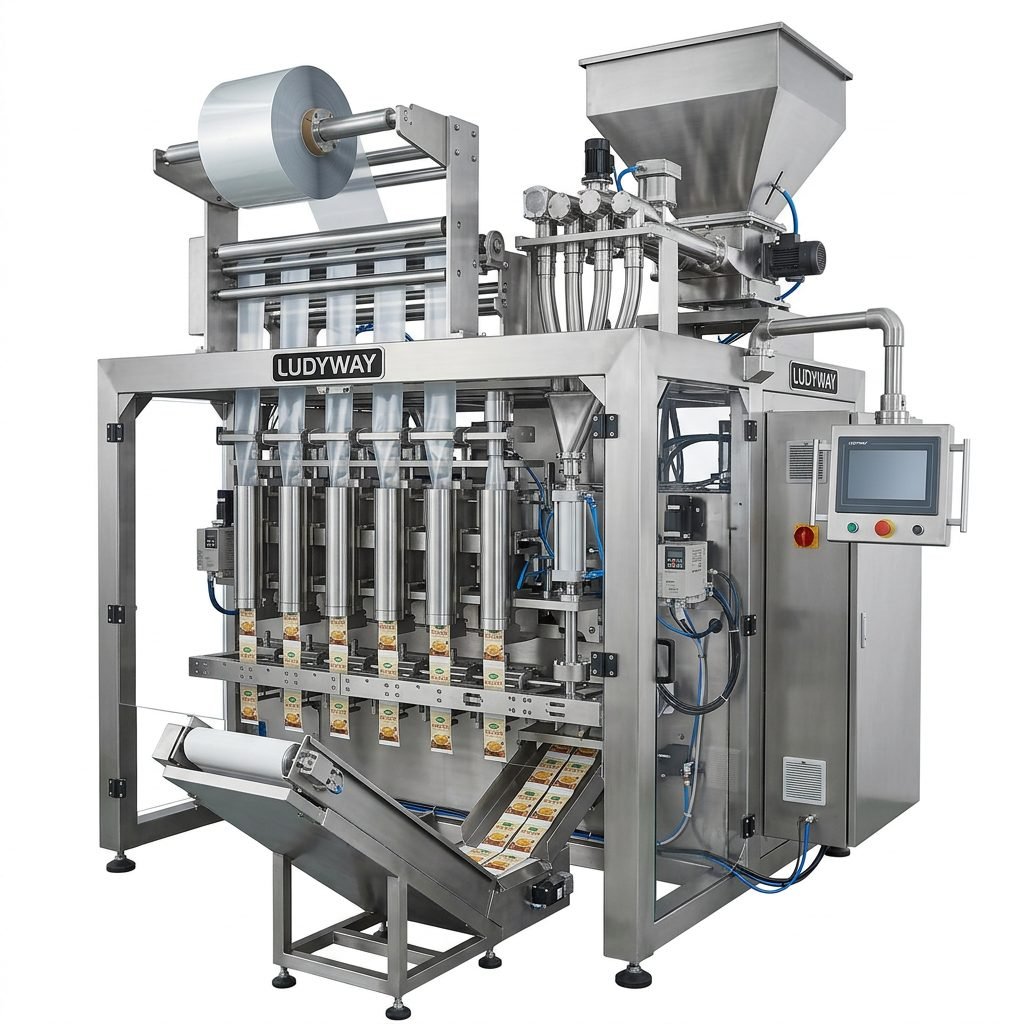
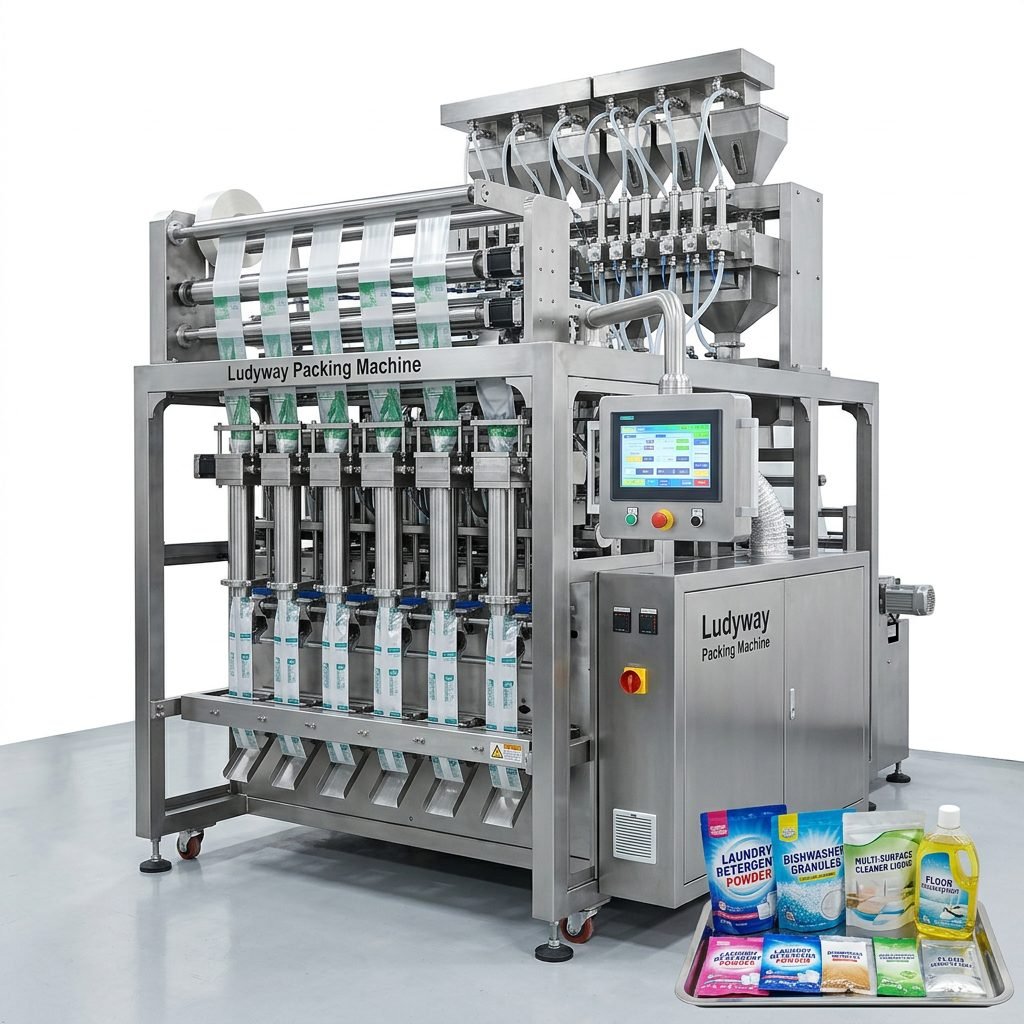
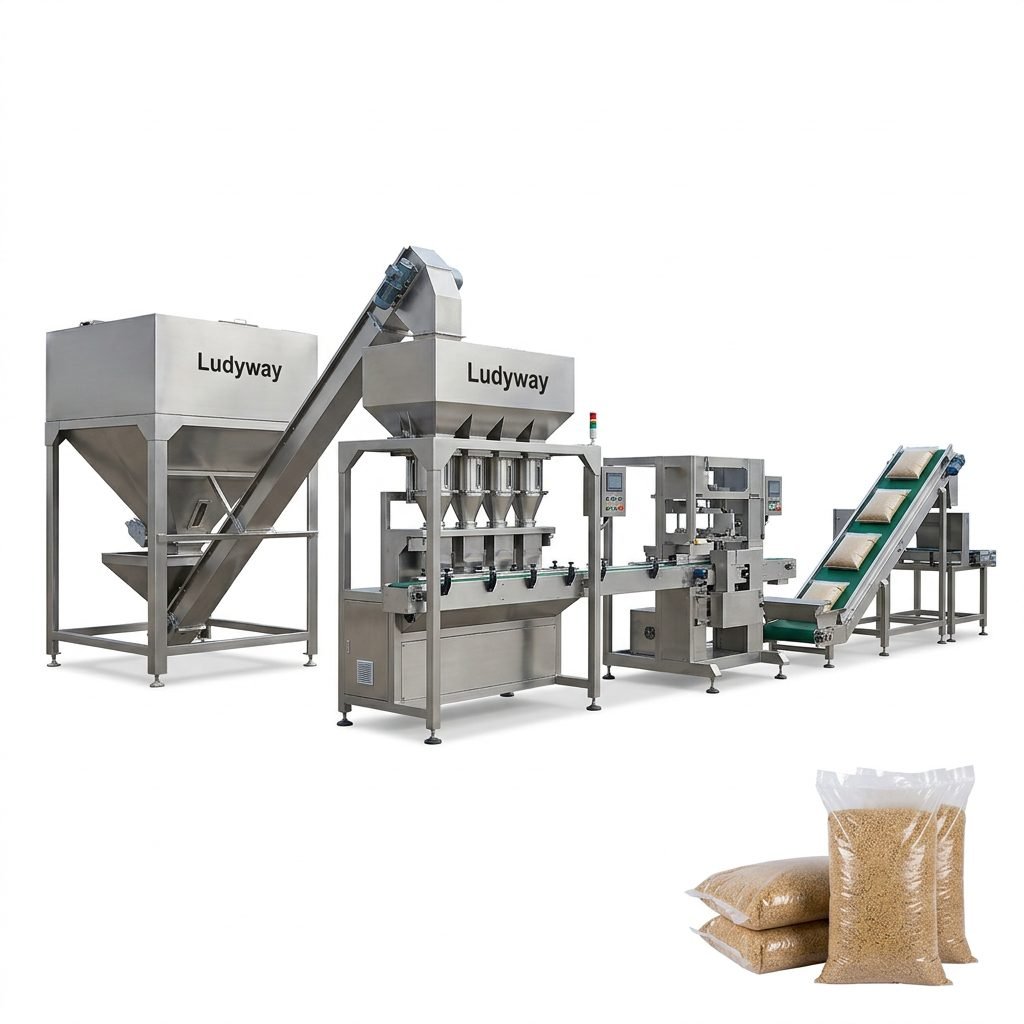
Ludyway is one of the largest packaging machine manufacturers in China, offering over 50 intelligent packaging machine models including industrial vacuum sealing machines designed to meet CE, FDA, and GMP standards for North American importers. With a 20,000㎡ modern production facility and over 30 years of industry experience, they provide customized vacuum packaging solutions for food, pharmaceutical, and industrial applications across more than 100 countries.

Installation, Training, and After-Sales Support
Successful integration of a vacuum sealed packaging machine into your production line extends far beyond delivery day. Comprehensive installation support includes uncrating, positioning, leveling, utility connections, and initial test runs. Factor in at least 2-5 days for commissioning depending on automation complexity and facility readiness.
Operator Training Best Practices
Effective training programs cover daily operation, routine cleaning procedures, basic troubleshooting, and safety protocols. Training should include both classroom instruction and hands-on machine time. Look for suppliers who provide reference materials in English and offer remote follow-up sessions 30-60 days post-installation to address questions that arise during initial production ramp-up.
Proven Performance: Real-World Vacuum Packaging Success
Understanding how different industries apply vacuum technology helps illustrate the versatility and critical nature of proper equipment selection.
Case Study: Meat Processing Application
A mid-western USDA-inspected beef processor switched from external nozzle sealers to a double-chamber vacuum system with Busch pump technology. Result: shelf life increased from 14 to 28 days, leaker rates dropped below 0.3%, and labor costs decreased by 40% due to reduced rework. The machine paid for itself within 14 months through reduced product spoilage and improved distribution reach.
Case Study: Electronics Manufacturing
An Ontario-based electronics contract manufacturer implemented nitrogen-backflush vacuum packaging for moisture-sensitive PCBs and semiconductor components. The controlled atmosphere packaging eliminated corrosion-related defects that had previously caused $120,000 annually in rejected product. Integrated data logging provided traceability documentation required by their ISO 9001 quality system.
Making Your Final Selection: A Decision Framework
Synthesize the information you’ve gathered into a structured comparison. Create a shortlist of 2-3 suppliers who demonstrate industry experience relevant to your specific application. Request sample packaging of your actual products to evaluate seal quality, appearance, and cycle time before committing.
Final Checklist Before Ordering
- Confirm machine dimensions and weight comply with your facility floor loading and door access
- Verify electrical requirements (voltage, phase, amperage) match your building supply
- Request references from North American customers in your industry segment
- Review warranty terms — look for minimum 12-month coverage on parts and pump
- Confirm spare parts availability and typical shipping lead times to your location
- Validate certifications (UL, CE, FDA compliance) with supporting documentation
Expert Tip: When comparing quotes, standardize your comparison on “cost per million sealed packages” rather than machine price alone. This metric accounts for throughput, labor requirements, consumable costs, and expected maintenance intervals — providing a true apples-to-apples evaluation of economic value.

Frequently Asked Questions About Vacuum Packaging Equipment
What is the typical payback period for a commercial vacuum sealer?
Most food processing operations achieve ROI within 12-24 months through reduced product spoilage, lower labor costs for rework, and extended distribution reach enabled by longer shelf life. High-volume operations with significant spoilage rates often see payback in under 9 months.
Can one machine handle both food and non-food products?
While technically possible, this practice is generally discouraged due to cross-contamination risks. Food-grade and industrial vacuum sealers should be dedicated to their respective product categories. If both applications are necessary, consider separate machines or thoroughly validated cleaning protocols between product changeovers.
What is Modified Atmosphere Packaging (MAP) and do I need it?
MAP replaces oxygen with inert gases (nitrogen, carbon dioxide) before sealing. It is essential for fresh produce, baked goods, and fresh meats where residual oxygen accelerates spoilage. Processors targeting retail distribution channels with shelf-life requirements exceeding 21 days typically require MAP capability.
How long do vacuum pump systems typically last?
Quality oil-lubricated vacuum pumps from reputable manufacturers operate for 15,000-25,000 hours before major overhaul. With proper maintenance — regular oil changes, filter replacements, and operating temperature monitoring — pumps often exceed 30,000 hours in well-maintained facilities.