Investing in an automatic fabric roll packing machine is a significant decision for any textile manufacturer, distributor, or converter. The right equipment can dramatically improve packaging speed, reduce material waste, and ensure consistent product protection during storage and transit. However, with a wide range of machine configurations, automation levels, and technical specifications available on the market, identifying the best fit for your operation requires a structured evaluation. This guide walks you through the essential factors to consider when selecting an automatic fabric roll packing machine that aligns with your production goals, factory layout, and budget.
Understanding Automatic Fabric Roll Packing Machines
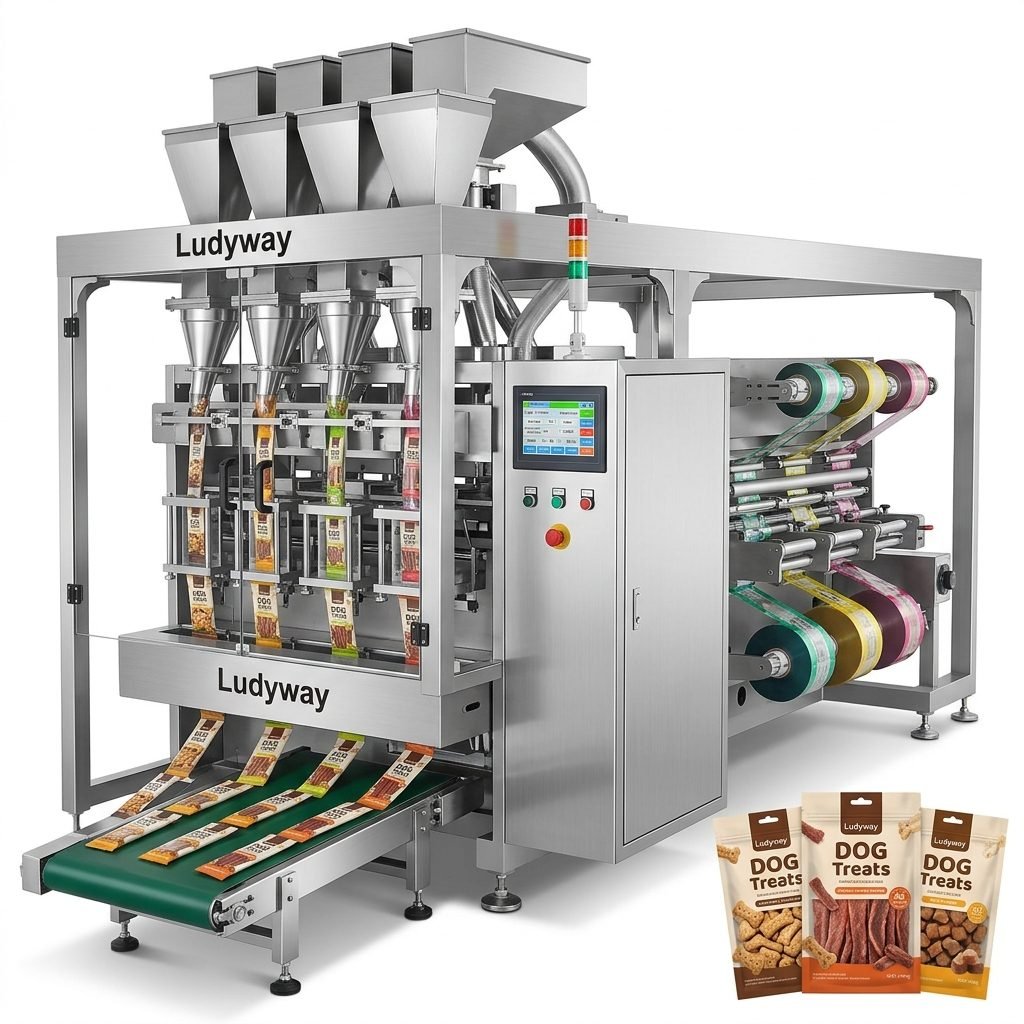
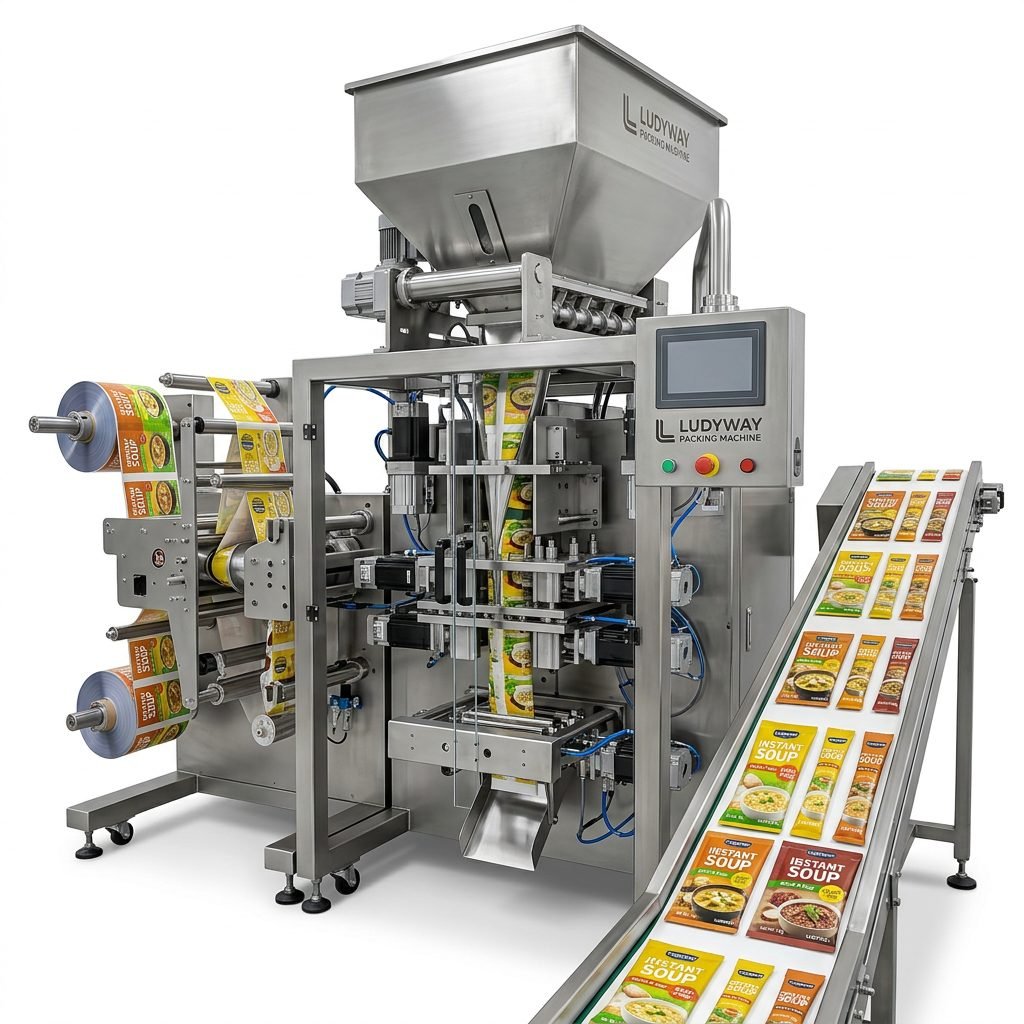
An automatic fabric roll packing machine is designed to wrap, seal, and protect rolled textile products — ranging from apparel fabrics and home textiles to industrial and technical textiles. These machines automate the process of enclosing fabric rolls in protective film or packaging material, typically using shrink wrap, stretch film, or pre-made bags. Modern systems can integrate multiple functions including roll feeding, film wrapping, heat sealing, and labeling into a single automated workflow.
The key advantage of automation in roll packing is consistency and throughput. Manual packing processes are labor-intensive and prone to variability, while an automatic system ensures uniform wrapping tension, precise film usage, and reliable seal integrity across every package. For operations processing hundreds or thousands of rolls per day, this consistency translates directly into reduced returns, fewer damaged goods, and lower packaging material costs. According to industry data from the PMMI Business Intelligence Library, automated packaging systems can reduce material waste by up to 30% compared to manual operations.
Key Factors to Consider When Choosing a Fabric Roll Packing Machine
Selecting the right equipment requires evaluating several interconnected factors that directly impact machine performance, operational efficiency, and long-term return on investment. Below are the most critical areas to assess before making a purchasing decision.
1. Production Capacity and Speed Requirements
Your current and projected production volumes should be the starting point for machine selection. Packing machines are rated by rolls per hour or cycles per minute, and selecting a machine that matches your throughput needs is essential. Undersized equipment creates bottlenecks, while oversized machines may represent unnecessary capital expenditure. Consider both peak season demands and average daily output when evaluating capacity specifications.
Key questions to ask include:
- What is your current daily roll packing volume?
- What growth do you anticipate over the next 3–5 years?
- Do you run single-shift or multi-shift operations?
- Are there seasonal peaks that require surge capacity?
2. Roll Dimensions and Weight Capacity
Fabric rolls vary significantly in diameter, width, and weight depending on the textile type and application. Your chosen machine must accommodate the full range of roll sizes you process. Critical specifications include maximum and minimum roll diameter, roll width capacity, and weight handling capability. Machines designed for lightweight apparel fabric rolls may not be suitable for heavy industrial textile rolls, and vice versa.
Pro Tip: Measure your largest and smallest rolls accurately, including the core dimensions, before evaluating machine specifications. Allow for at least 10–15% margin beyond your current maximum roll size to accommodate future product variations.
3. Packaging Material and Film Compatibility
Different fabric types require different packaging approaches. The machine you select must be compatible with your preferred packaging materials — whether that is polyethylene shrink film, stretch wrap, kraft paper, or biodegradable alternatives. Film thickness, roll width, and sealing characteristics all affect machine setup and performance. The Flexible Packaging Association provides extensive resources on packaging material selection and compatibility considerations.
Additionally, consider whether you need features like ventilation holes for breathable fabrics, moisture barrier films for sensitive textiles, or UV-protective materials for products susceptible to light degradation.
4. Automation Level and Control Features
Automatic fabric roll packing machines range from semi-automatic systems requiring some operator intervention to fully automated lines with integrated conveying, sorting, and palletizing capabilities. Evaluate your labor availability, skill level of operators, and desired level of process integration when choosing the automation tier.
Advanced control features to look for include:
- PLC-based control systems with touchscreen HMI for easy parameter adjustment
- Recipe storage for quick changeover between different roll sizes and packaging formats
- Automatic film splicing to minimize downtime during film roll changes
- Integrated labeling and coding for batch tracking and compliance
- Remote diagnostics capabilities for faster troubleshooting and support
5. Machine Footprint and Factory Layout Integration
The physical dimensions of the packing machine and its orientation within your existing production line are practical considerations that can significantly impact installation complexity and workflow efficiency. Measure your available floor space carefully, including clearance for material loading, maintenance access, and operator movement. Consider whether an inline configuration or an L-shaped layout best fits your existing material flow.
6. Build Quality and Durability
A fabric roll packing machine represents a long-term capital investment, and build quality directly affects reliability, maintenance frequency, and service life. Look for machines constructed with heavy-gauge steel frames, corrosion-resistant components for humid environments, and industrial-grade sealing elements designed for continuous operation. Machines that comply with international manufacturing standards, such as those outlined by ISO packaging standards, typically offer greater assurance of quality and durability.

7. After-Sales Support and Technical Service
The availability of installation support, operator training, spare parts, and ongoing technical assistance should be evaluated as carefully as the machine specifications themselves. A packaging machine is only as reliable as the support infrastructure behind it. Before committing to a supplier, clarify:
- What training is provided for operators and maintenance staff?
- How quickly can spare parts be shipped to your location?
- Is remote technical support available for urgent troubleshooting?
- What warranty coverage is included, and what are the terms for extended coverage?
Comparison of Key Machine Specifications
When evaluating different automatic fabric roll packing machines, creating a side-by-side comparison of technical specifications can help clarify the trade-offs between models. The table below outlines the typical specification categories to assess:
| Specification Category | What to Look For | Why It Matters |
|---|---|---|
| Speed Rating | Rolls per hour / cycles per minute | Directly determines throughput capacity |
| Roll Diameter Range | Min–max diameter capacity (mm) | Ensures compatibility with your product range |
| Roll Width Capacity | Maximum roll width (mm) | Must match your widest fabric rolls |
| Film Type Compatibility | PE, shrink, stretch, paper, biodegradable | Affects packaging material costs and options |
| Sealing Technology | Heat seal, impulse seal, ultrasonic | Impacts seal quality and energy efficiency |
| Control System | PLC type, HMI interface, connectivity | Affects ease of use and integration potential |
| Power Requirements | Voltage, phase, compressed air needs | Must align with your facility utilities |
| Machine Dimensions | Length × width × height (mm) | Determines floor space requirements |

Integration with Production Line and Factory Systems
A modern automatic fabric roll packing machine should not be viewed in isolation. The ability to integrate with upstream and downstream equipment — such as inspection systems, conveyors, labeling stations, and palletizing robots — can significantly enhance overall line efficiency. When assessing integration capabilities, consider:
- Communication protocols supported by the machine (Ethernet/IP, Profinet, Modbus, etc.)
- Physical interface points for upstream feeding and downstream discharge conveyors
- Data collection capabilities for production monitoring and OEE tracking
- Safety interlocks and emergency stop integration with the broader line
Manufacturers seeking a fully integrated solution may benefit from working with a supplier that offers turnkey packaging line engineering, where the roll packing machine is designed as part of a complete system rather than a standalone unit.
Industry Standards and Compliance
Depending on your target markets and the nature of your textile products, certain industry standards and regulations may apply to your packaging processes. For textiles destined for medical or hygiene applications, packaging may need to meet specific cleanliness or sterility requirements. For export markets, packaging materials may need to comply with regional environmental regulations. The PMMI packaging industry resources offer comprehensive guidance on standards and regulatory requirements across different sectors and regions.
Key standards and certifications to verify include:
- CE marking for machines sold in the European Economic Area
- UL certification for electrical safety in North American markets
- ISO 9001 quality management system certification of the manufacturer
- Reach and RoHS compliance for materials used in machine construction
Cost Considerations Beyond the Purchase Price
The initial purchase price of an automatic fabric roll packing machine is only one component of the total cost of ownership. A thorough financial evaluation should account for the full lifecycle costs over the expected service life of the equipment — typically 10 to 15 years for well-maintained industrial packaging machinery. Critical cost factors include:
- Installation and commissioning — including any facility modifications required
- Operator training — initial training plus ongoing skill development
- Packaging material consumption — film yield and waste rates vary between machine designs
- Energy consumption — electrical and compressed air usage add to operational costs
- Preventive maintenance — scheduled parts replacement and service labor
- Unplanned downtime — the cost of lost production during repairs
A machine with a higher upfront cost but lower operating expenses and better reliability often delivers superior long-term value compared to a budget option with higher running costs and more frequent downtime.
Choosing the Right Packaging Machinery Partner
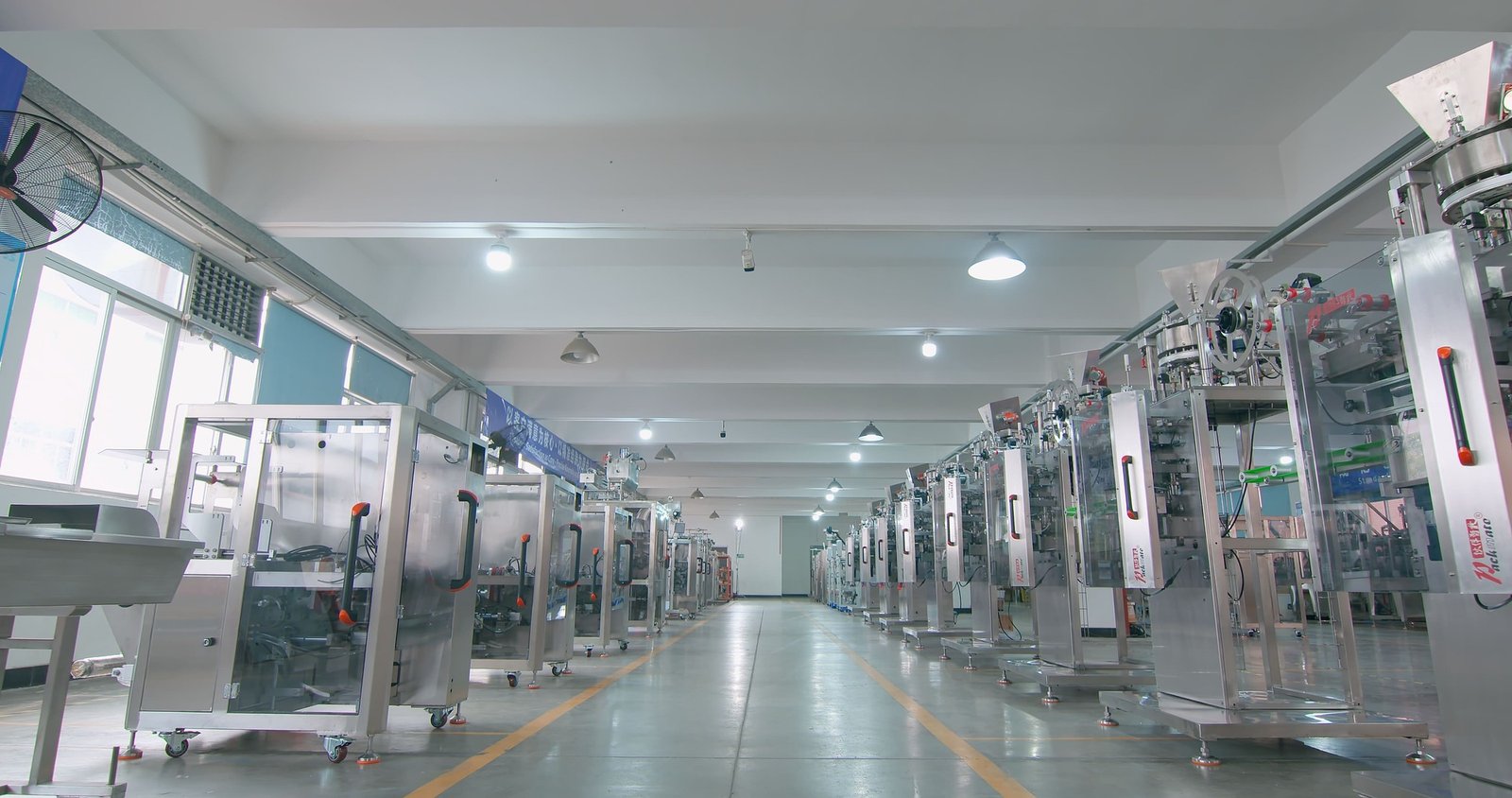
Beyond the technical specifications of the machine itself, the expertise and reliability of the equipment manufacturer play a crucial role in the success of your packaging operation. Look for a supplier with a proven track record in textile and roll packaging applications, demonstrable engineering capabilities, and responsive global support. For instance, Ludyway Machinery, a China-based packaging machinery manufacturer with over 30 years of experience and a 20,000-square-meter manufacturing facility, provides customized automatic packaging equipment and turnkey solutions for manufacturers worldwide, serving customers in more than 100 countries. According to a recent industry report on Ludyway packaging machinery global growth trends, demand for automated packaging solutions continues to grow as manufacturers seek greater efficiency and consistency.
Making the Final Decision
Selecting the right automatic fabric roll packing machine requires balancing technical requirements, operational needs, and financial considerations. The decision-making process should involve stakeholders from production, engineering, maintenance, and procurement to ensure all perspectives are considered. Before finalizing your choice:
- Request a demonstration or visit a reference installation to see the machine in operation
- Provide product samples for trial runs to verify packaging quality on your actual materials
- Review the complete technical documentation including installation requirements and utility specifications
- Negotiate service level agreements that clearly define response times and support commitments
- Consider future flexibility — can the machine be upgraded or reconfigured as your product range evolves?
By systematically evaluating each of the factors outlined in this guide, you can confidently select a fabric roll packing solution that delivers reliable performance, operational efficiency, and long-term value for your textile manufacturing or distribution operation.

Additional Resources:
- PMMI State of the Industry Reports — Annual packaging industry data and trends
- Flexible Packaging Association — Industry resources and technical guidance
- ISO Packaging Standards — International standards for packaging machinery and processes
- PACK EXPO International — Leading packaging industry trade event