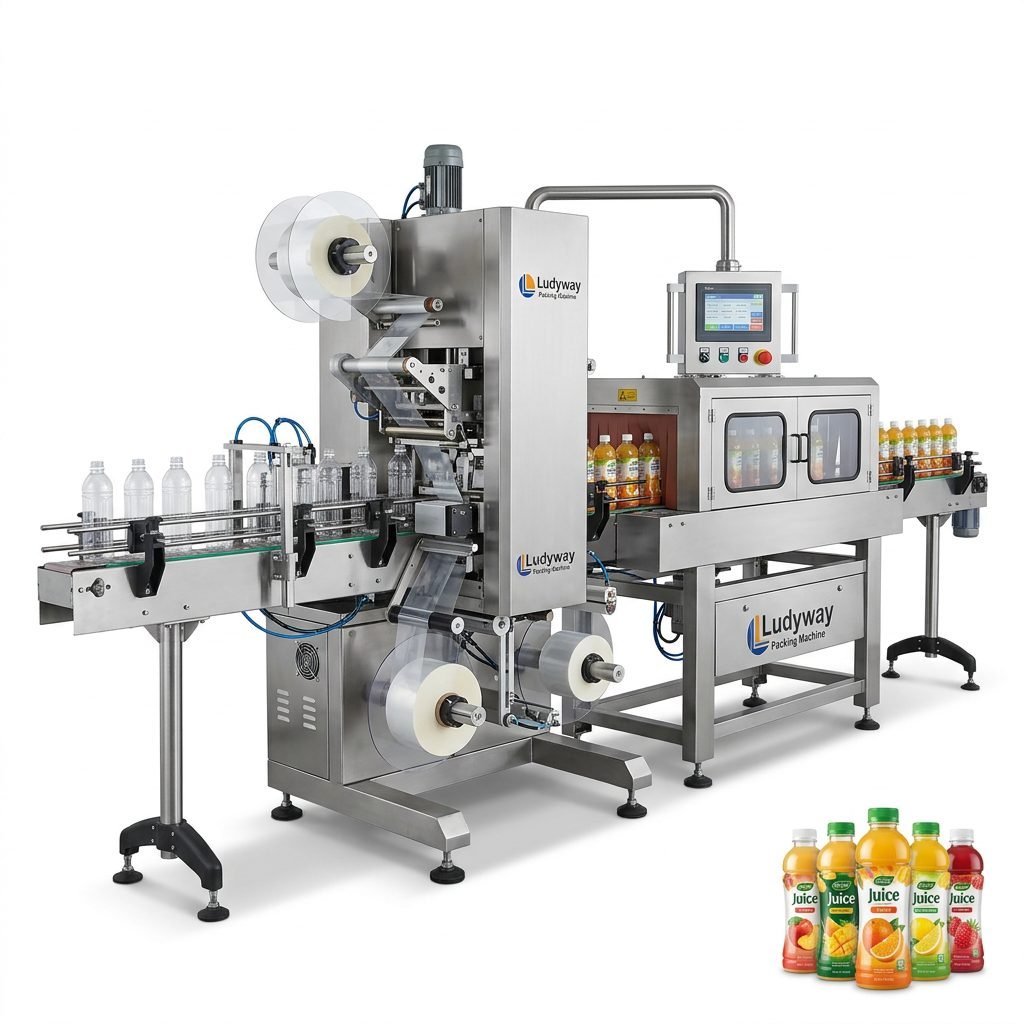
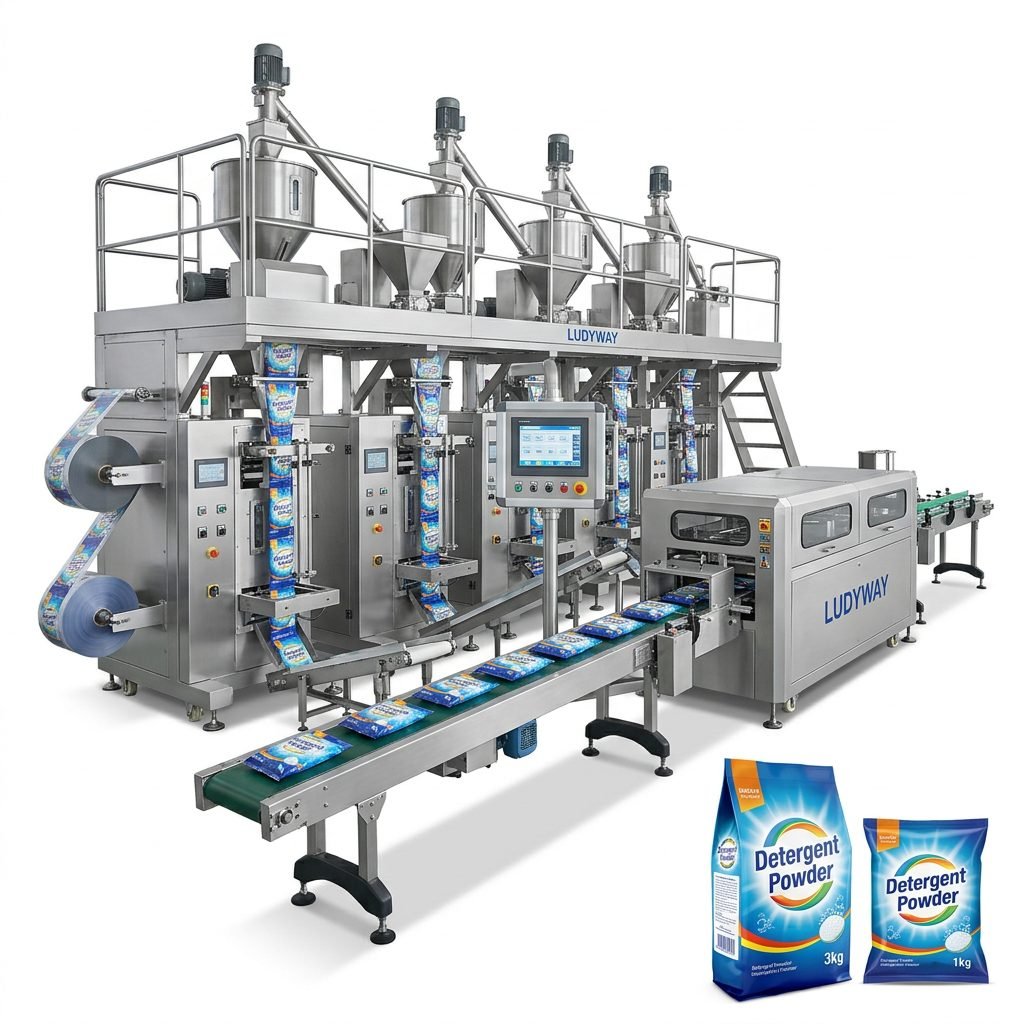
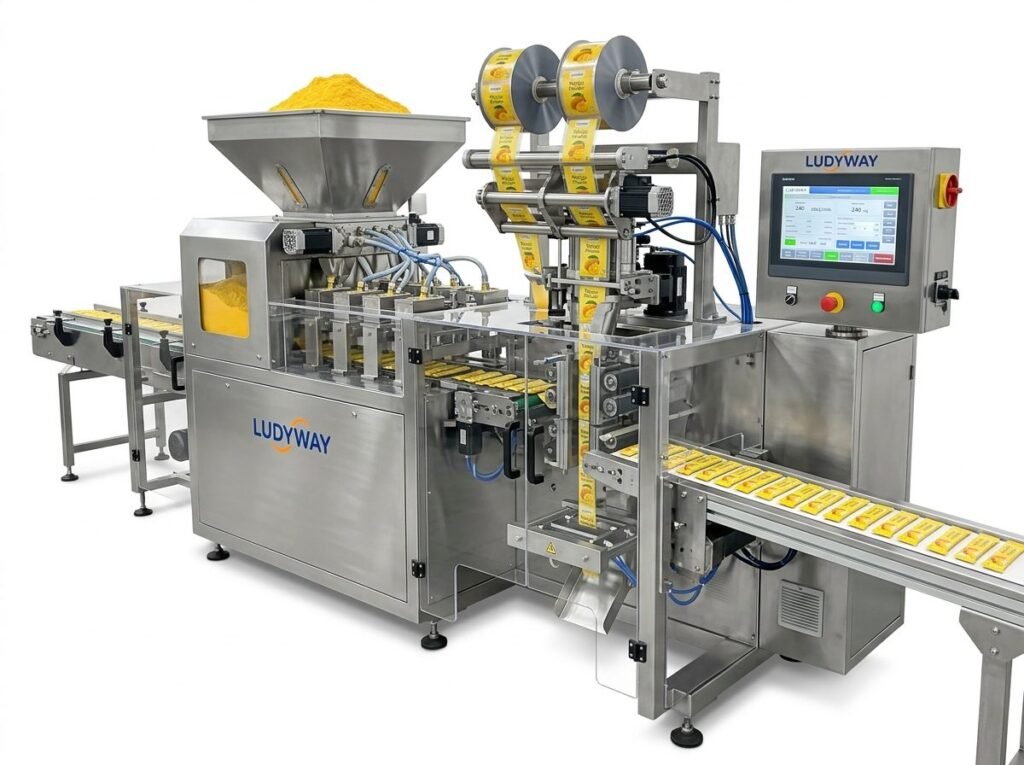
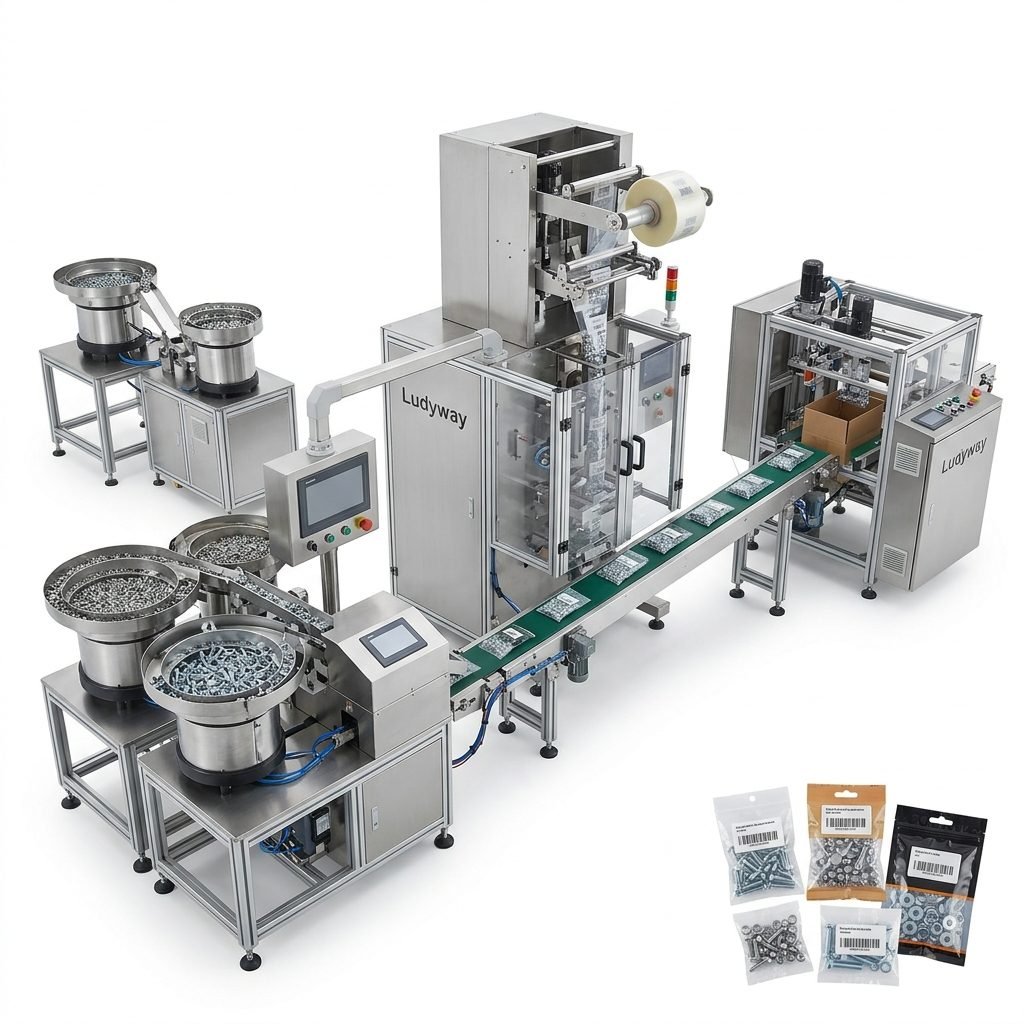
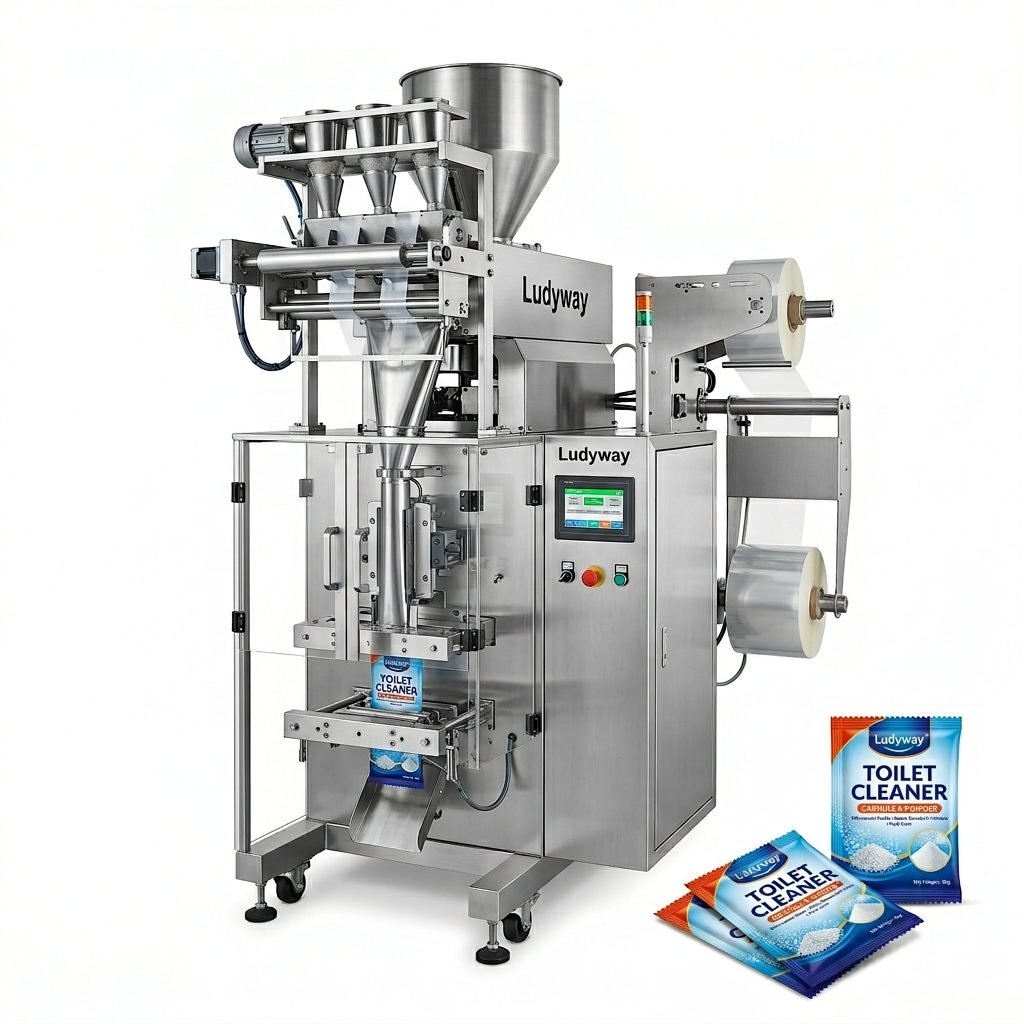
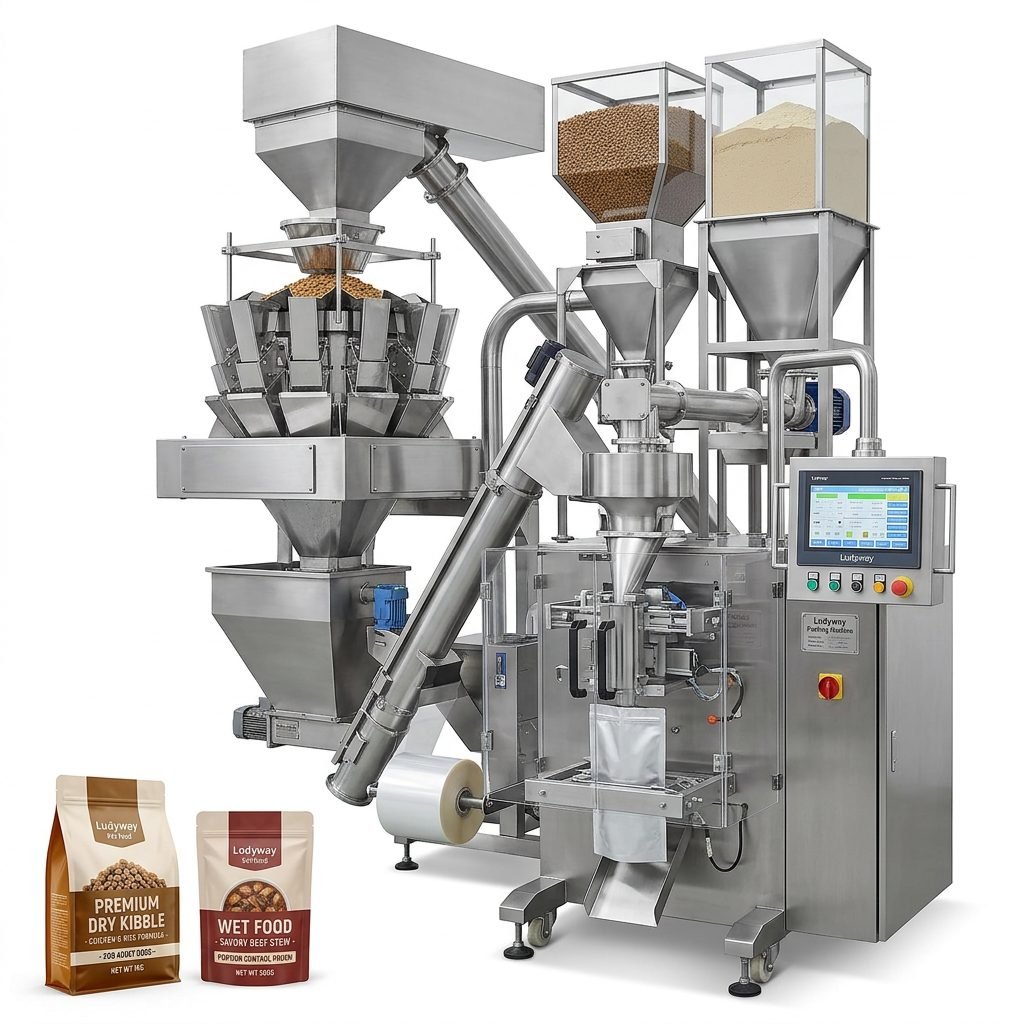
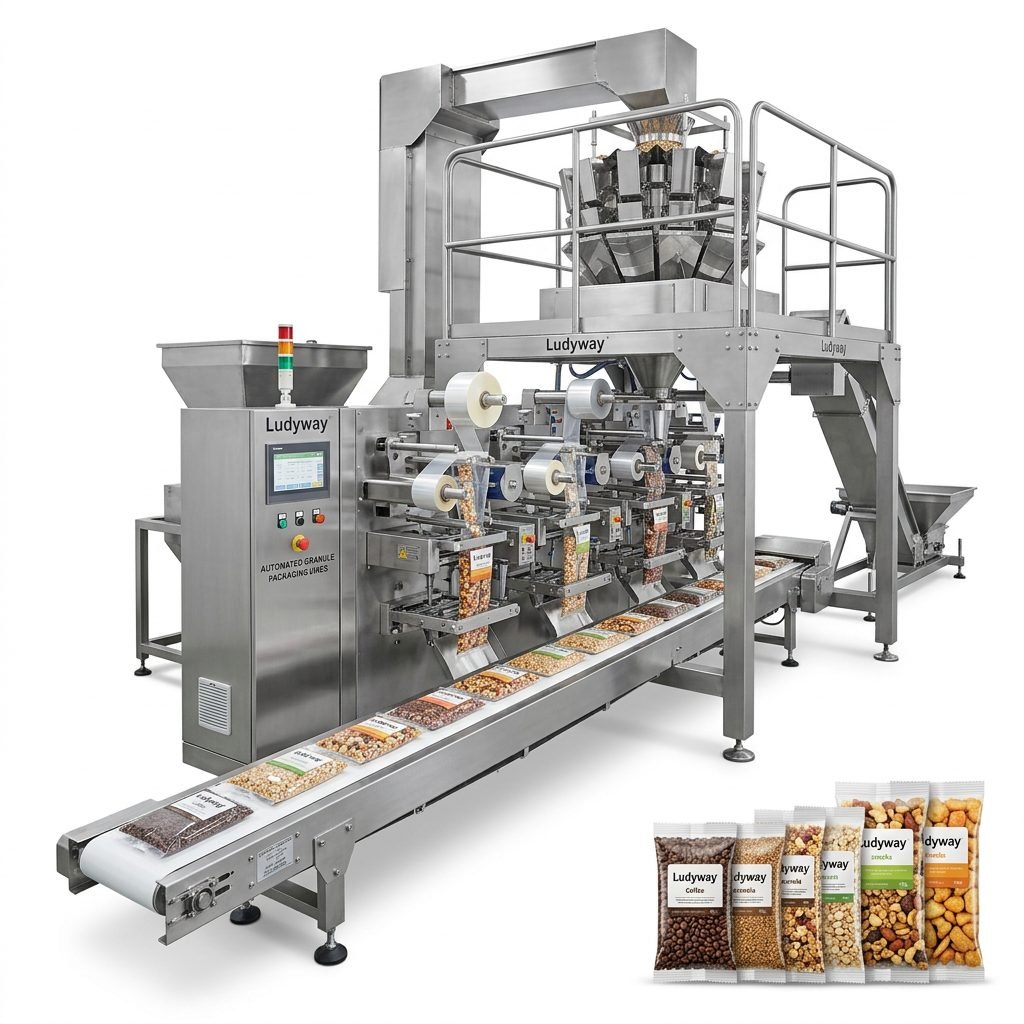
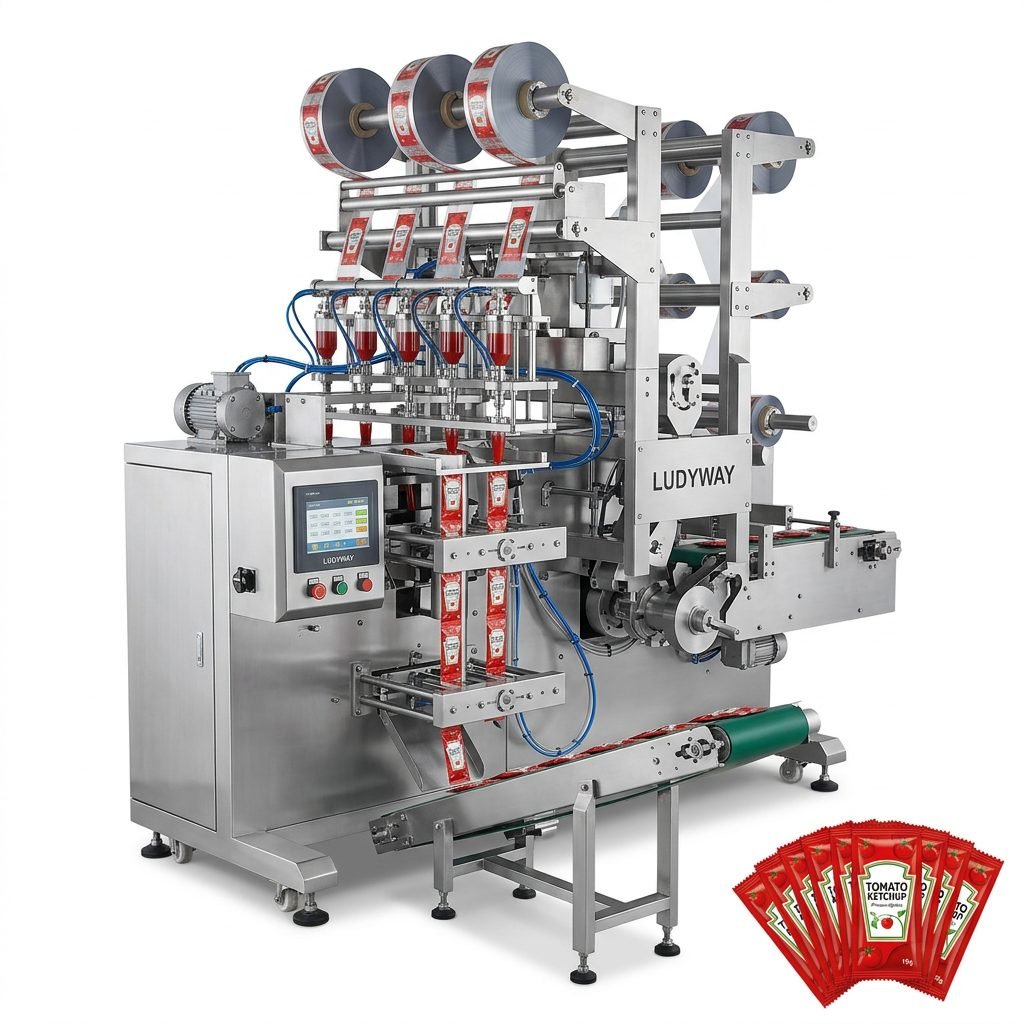
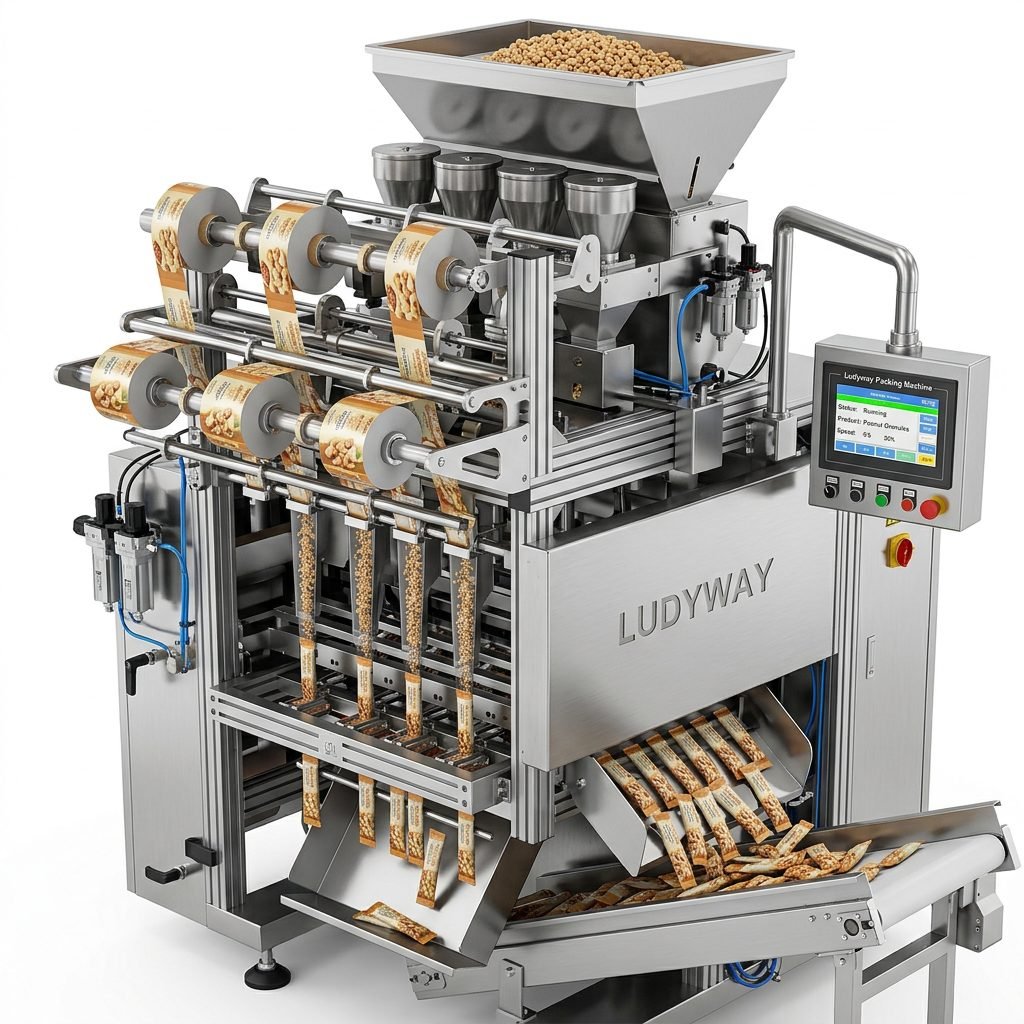
A vertical packaging machine is a critical investment for any production line. Without a structured maintenance routine, even the most robust packaging equipment can suffer from unexpected downtime, inconsistent seal quality, and costly repairs. Implementing a proactive maintenance program not only extends the lifespan of your machine but also ensures reliable performance and consistent product quality. This guide covers essential maintenance practices that every operator and maintenance team should follow.
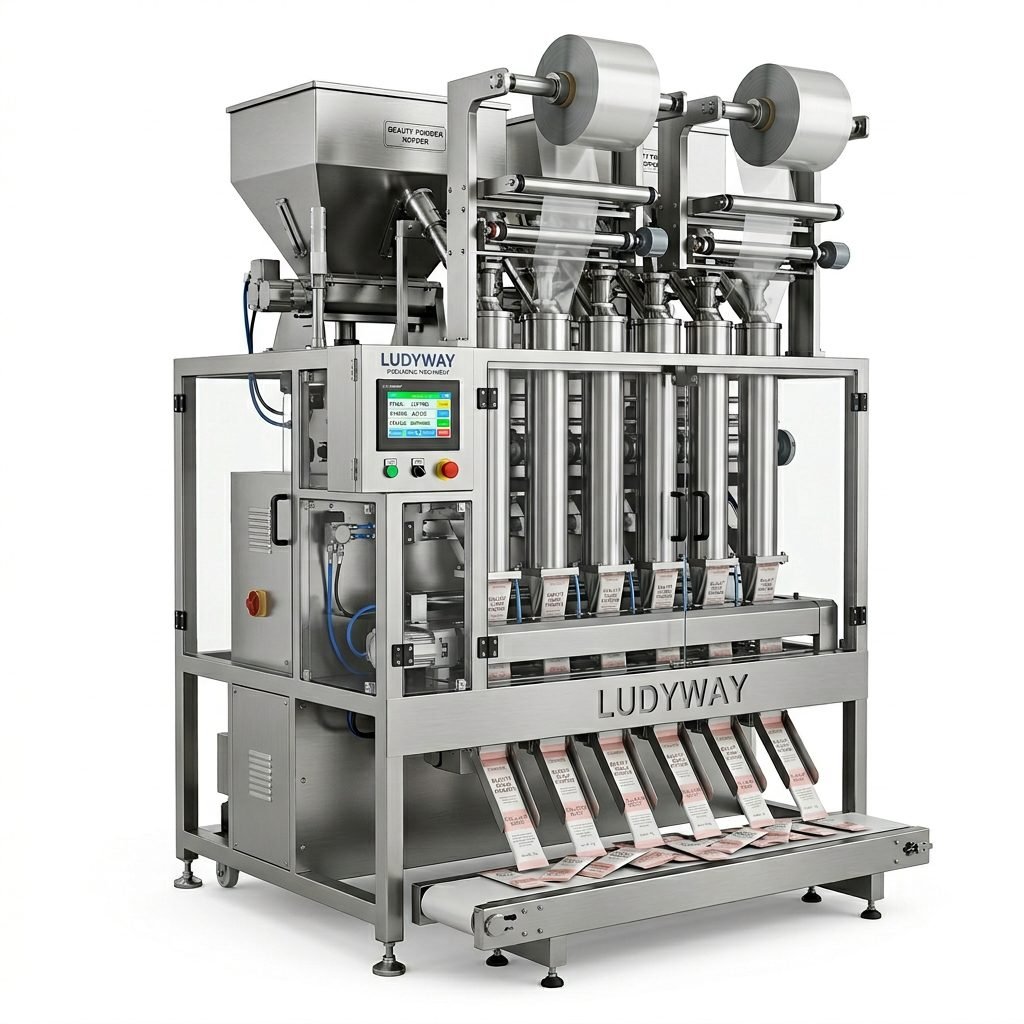
Understanding the Importance of Routine Maintenance
Regular maintenance of a vertical form fill seal machine directly impacts production efficiency and product integrity. Neglecting routine checks can lead to film misalignment, temperature fluctuations, and sealing defects. According to PMMI packaging industry standards, preventive maintenance reduces unplanned downtime by up to 30%. A well-maintained machine operates at peak performance, minimizes waste, and delivers consistent package quality across every production run.
Daily Maintenance Checklist
Daily inspections are the first line of defense against mechanical failures. Operators should perform these essential tasks at the start and end of each shift:
- Clean all product contact surfaces to prevent residue buildup and cross-contamination
- Inspect the sealing jaws for any film residue or debris accumulation
- Check forming tube alignment and verify that the film runs smoothly without wrinkles
- Verify temperature settings on all sealing zones using calibrated sensors
- Examine the photoelectric sensor for proper registration mark detection
- Lubricate guide rollers and moving components per manufacturer specifications
- Listen for unusual noises during operation that may indicate bearing wear
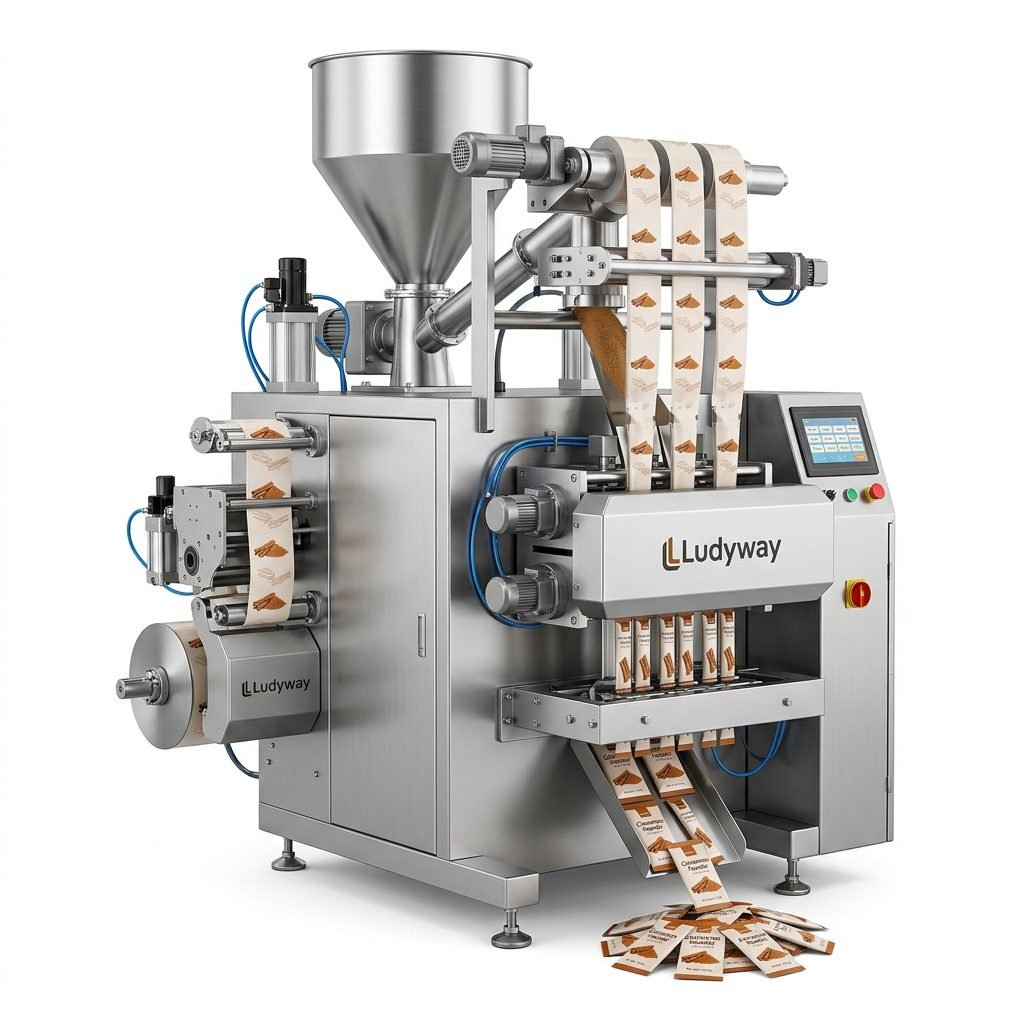
Weekly and Monthly Maintenance Tasks
Beyond daily checks, a deeper level of maintenance should be scheduled on a weekly and monthly basis. These tasks help identify wear patterns before they escalate into major failures.
Weekly Inspections
- Inspect all drive belts and chains for proper tension and signs of fraying
- Clean air filters on pneumatic systems and verify consistent air pressure levels
- Test emergency stop functions and all safety interlocks for reliable operation
- Check electrical connections for any loose terminals or signs of overheating
- Examine film unwind and tension control mechanisms for smooth operation
Monthly Deep-Clean Procedures
- Perform thorough cleaning of the heat sealing assemblies using manufacturer-approved solvents
- Inspect and clean the internal gearbox components and replenish lubricating oil
- Calibrate temperature controllers against a certified reference thermometer
- Verify the accuracy of the filling and dosing system with test weights
- Check all pneumatic cylinders and solenoid valves for proper actuation and seal integrity
Critical Components That Require Special Attention
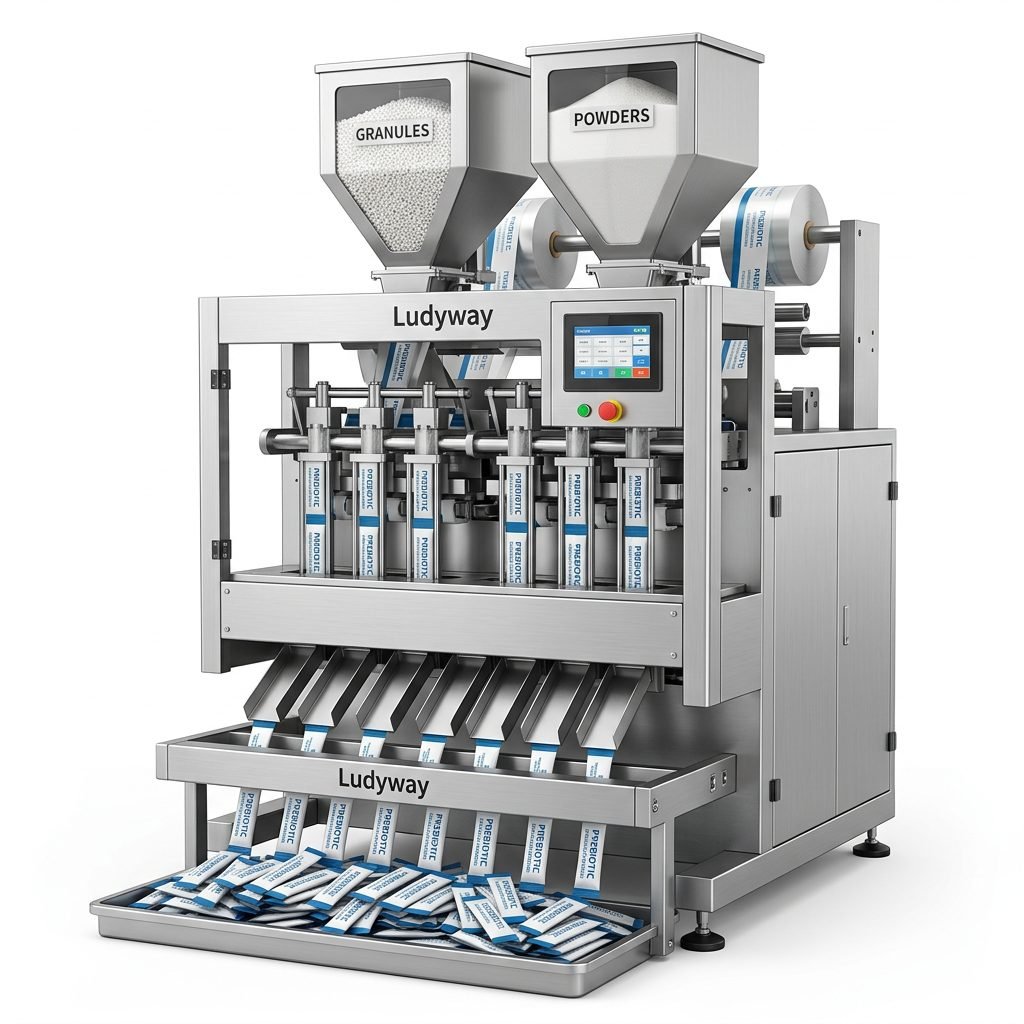
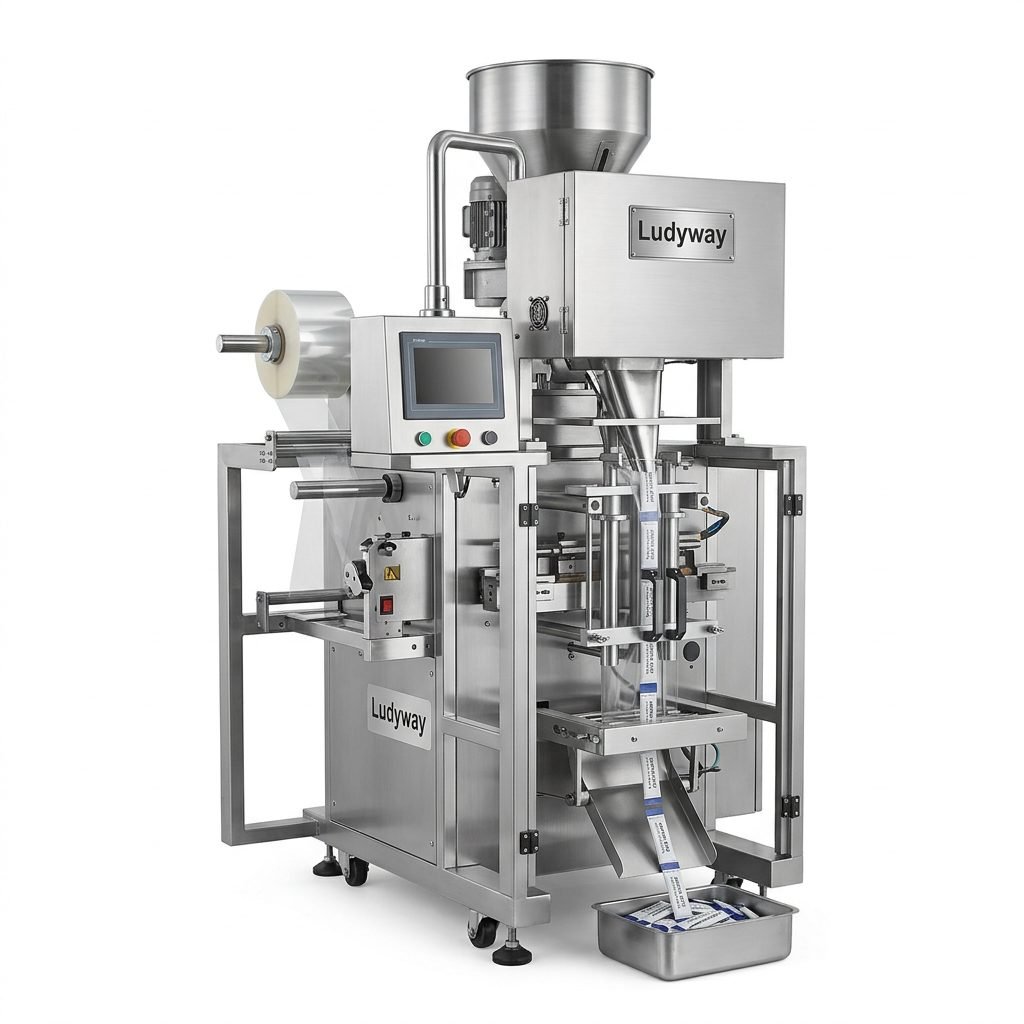
Certain components of a vertical packaging machine are subject to higher wear rates and demand focused maintenance. The heat sealing system is particularly sensitive—thermocouples and heating elements should be inspected every 500 operating hours. Film tracking components, including the forming collar and pull belts, must remain precisely aligned to prevent package distortion. For machines handling granule, powder, or liquid products, special care must be given to the filling system to maintain accurate dosing and prevent clogging. Refer to ISO packaging standards for comprehensive guidelines on equipment validation and maintenance documentation.
Recommended Maintenance Schedule
The following table outlines a comprehensive maintenance schedule tailored for high-performance vertical packaging machines. Adhering to this schedule helps maintain optimal operating conditions and extends equipment service life.
| Maintenance Task | Frequency | Responsible Role | Priority Level |
|---|---|---|---|
| Clean product contact surfaces | Daily | Operator | Critical |
| Inspect sealing jaw condition | Daily | Operator | Critical |
| Check belt and chain tension | Weekly | Maintenance Technician | High |
| Lubricate moving components | Weekly | Maintenance Technician | High |
| Calibrate temperature controllers | Monthly | Quality & Maintenance | Critical |
| Verify filling and dosing accuracy | Monthly | Quality Assurance | High |
| Replace worn sealing elements | Quarterly | Maintenance Supervisor | Medium |
| Full mechanical inspection | Semi-Annually | Engineering Team | High |
Troubleshooting Common Issues
Even with diligent maintenance, operational issues may arise. Understanding common problems and their root causes enables faster resolution and minimizes production interruptions.
Inconsistent Seal Quality
- Verify that sealing temperature matches the film material specifications
- Check for contamination on the sealing surface or worn Teflon coating
- Inspect the pressure adjustment and ensure even contact across the seal area
- Examine film quality—moisture or improper storage can affect seal integrity
Film Tracking Problems
- Ensure the forming collar is centered and free of scratches or burrs
- Verify that film roll alignment is correct and the unwind tension is consistent
- Check pull belt condition and adjust tracking guides as needed
Filling Inconsistencies
- Calibrate the dosing mechanism according to product density and flow characteristics
- Inspect for partial blockages in the filling tube or auger assembly
- Verify that product supply remains consistent throughout the production run
Training and Documentation Best Practices
A well-trained team is essential for effective packaging machine maintenance. All operators should receive comprehensive training on daily inspection procedures, basic troubleshooting, and safety protocols. Maintenance records should be meticulously documented, including dates of service, parts replaced, and any anomalies observed. These records provide valuable data for predictive maintenance planning and help identify recurring issues before they cause significant downtime. Industry resources such as flexible packaging guidelines offer additional insights into maintaining packaging equipment efficiently.
When to Seek Professional Support
While routine maintenance can be handled in-house, certain situations require professional expertise. If you encounter persistent sealing defects, unexplained mechanical vibrations, or control system errors that resist standard troubleshooting, it is time to consult qualified technicians. As a leading manufacturer in the packaging machinery sector, Ludyway provides comprehensive technical support and genuine spare parts to keep your equipment running at peak efficiency. Professional servicing ensures that complex issues are diagnosed accurately and resolved with manufacturer-approved procedures.
Conclusion: Building a Culture of Preventive Maintenance
Maintaining a vertical packaging machine is not a one-time effort but an ongoing commitment to operational excellence. By implementing the daily, weekly, and monthly maintenance routines outlined in this guide, production facilities can significantly reduce unexpected downtime, improve packaging quality, and extend equipment life. Document your procedures, train your team thoroughly, and partner with reliable equipment suppliers to ensure long-term success. A proactive approach to maintenance always delivers superior results compared to reactive repairs.