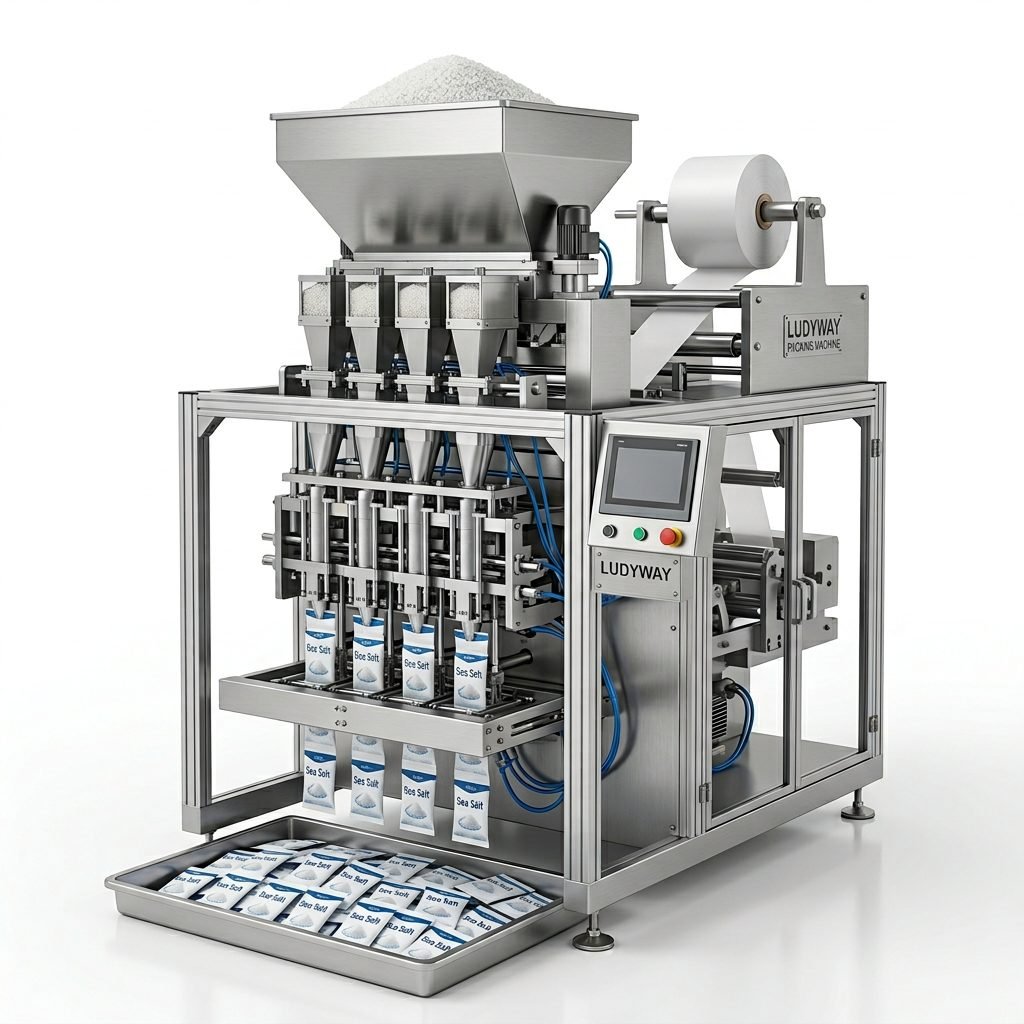
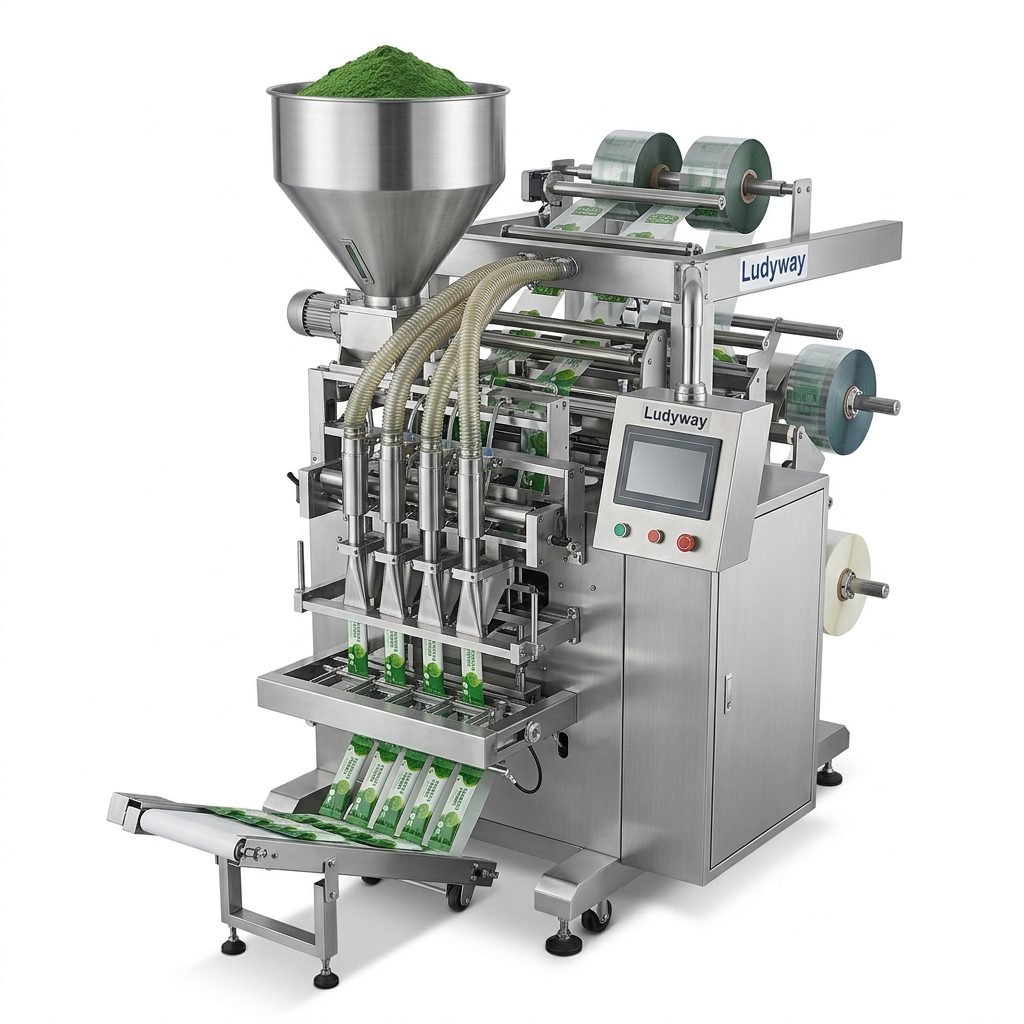
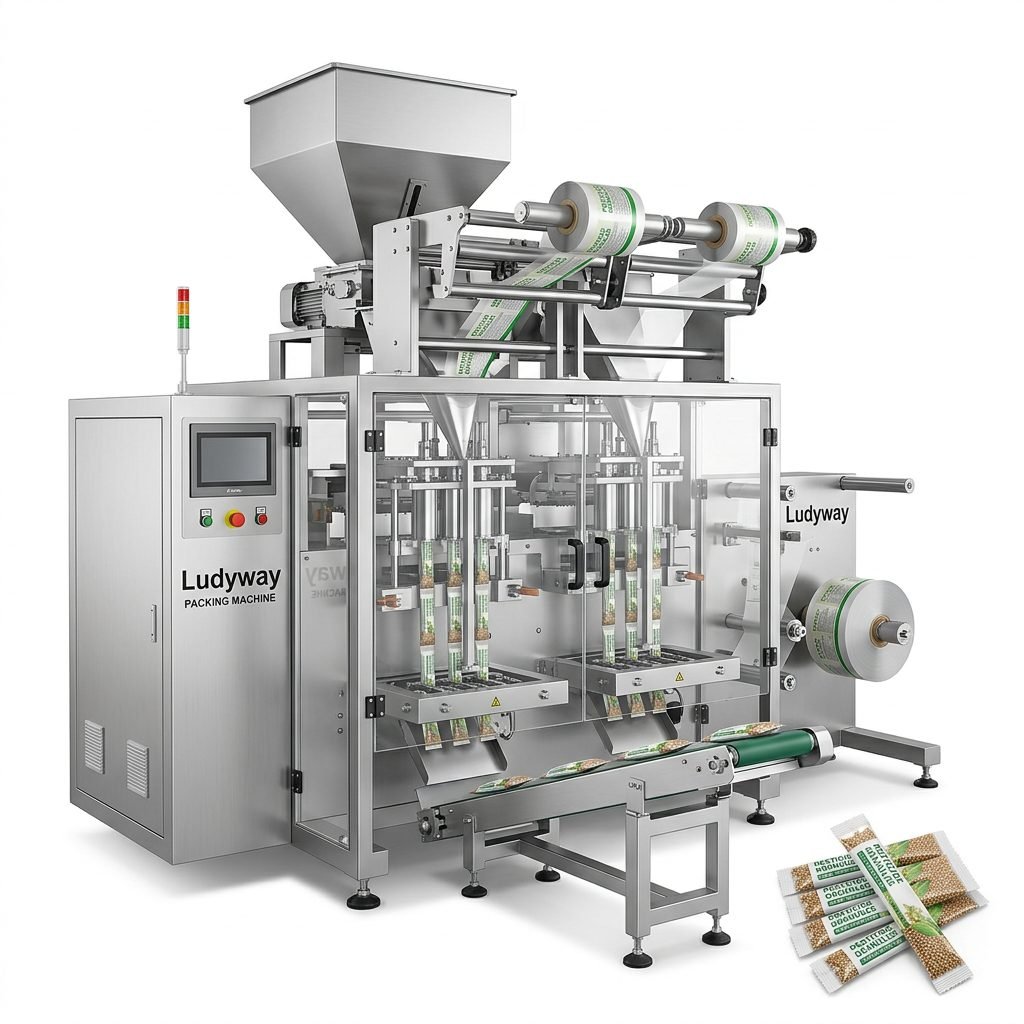
Investing in a bar packing machine is a critical decision for manufacturers looking to automate their packaging operations. Whether you are packing powders, granules, liquids, or solid products into stick packs or sachets, selecting the right equipment directly impacts your production efficiency, product quality, and overall profitability. This guide walks you through the essential factors to consider before making a purchase.
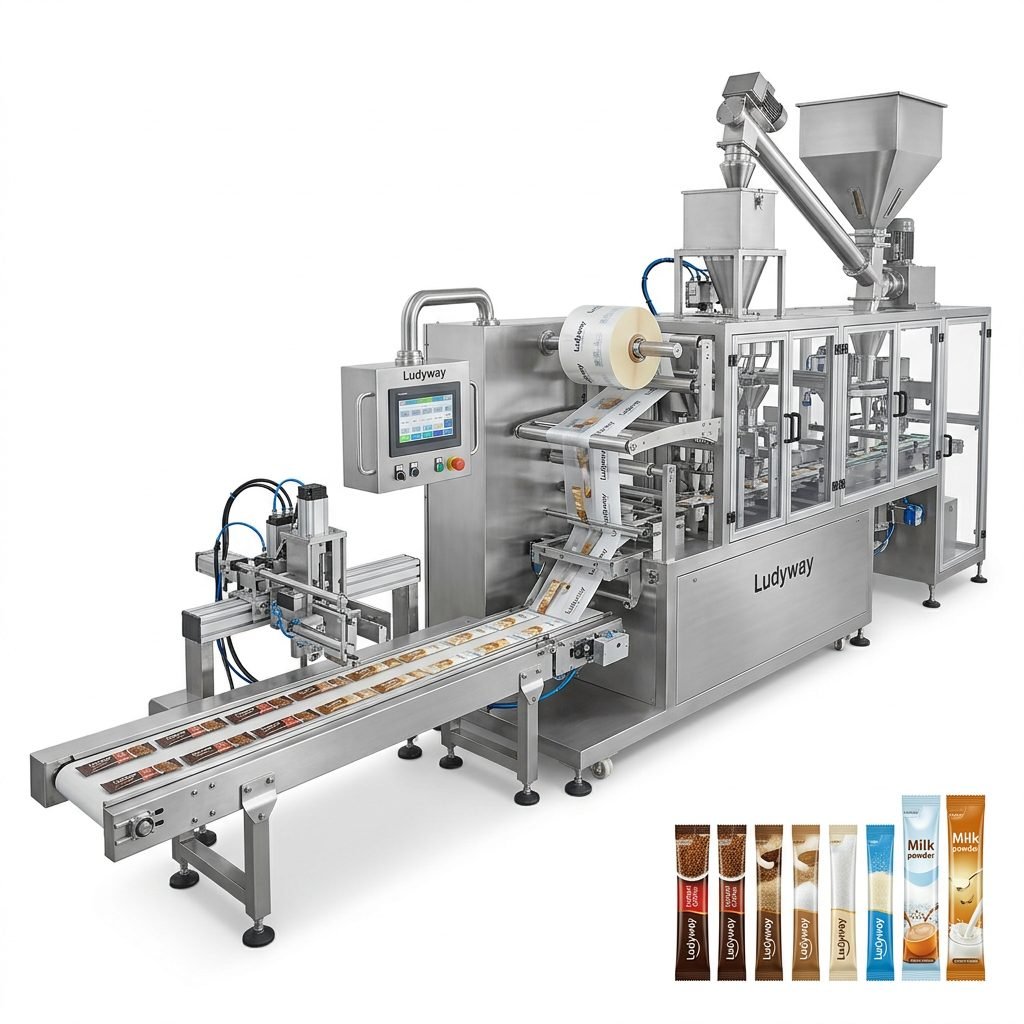
Understanding Bar Packing Machines
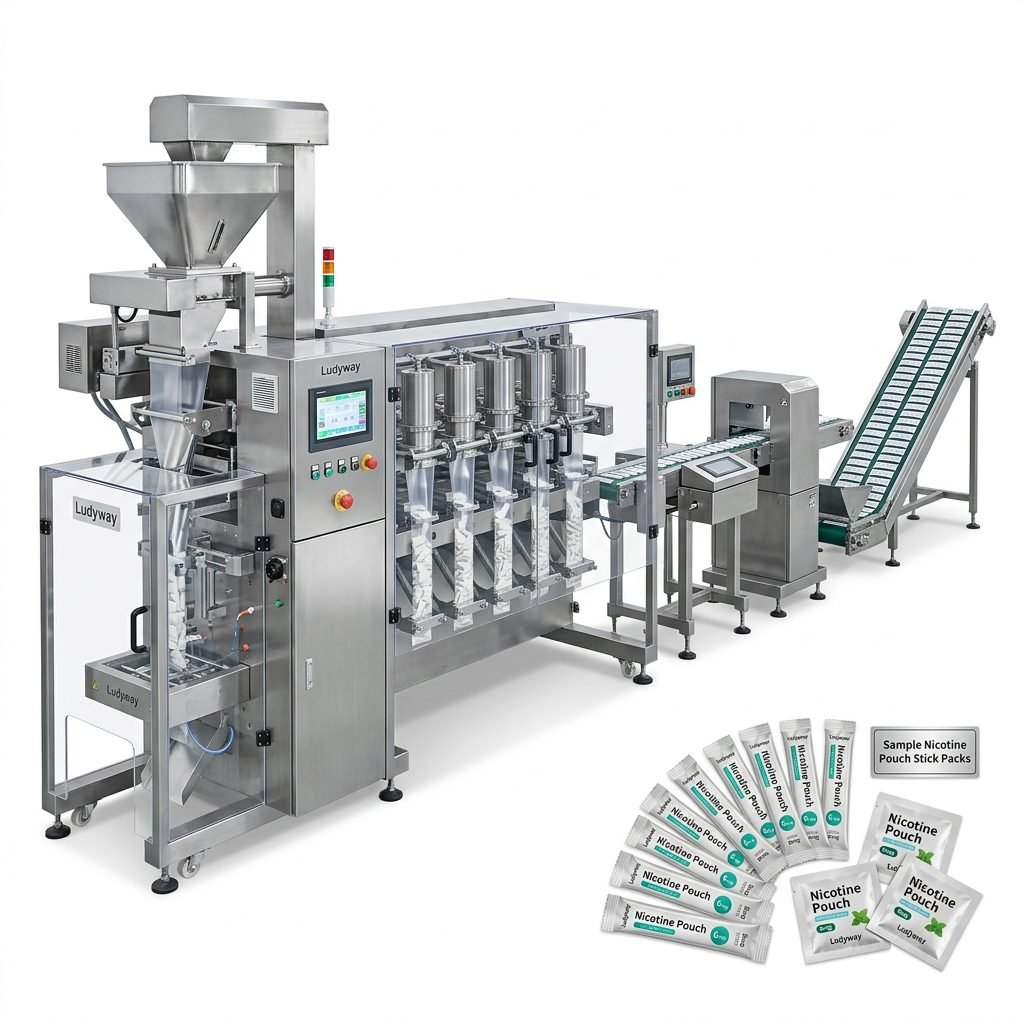
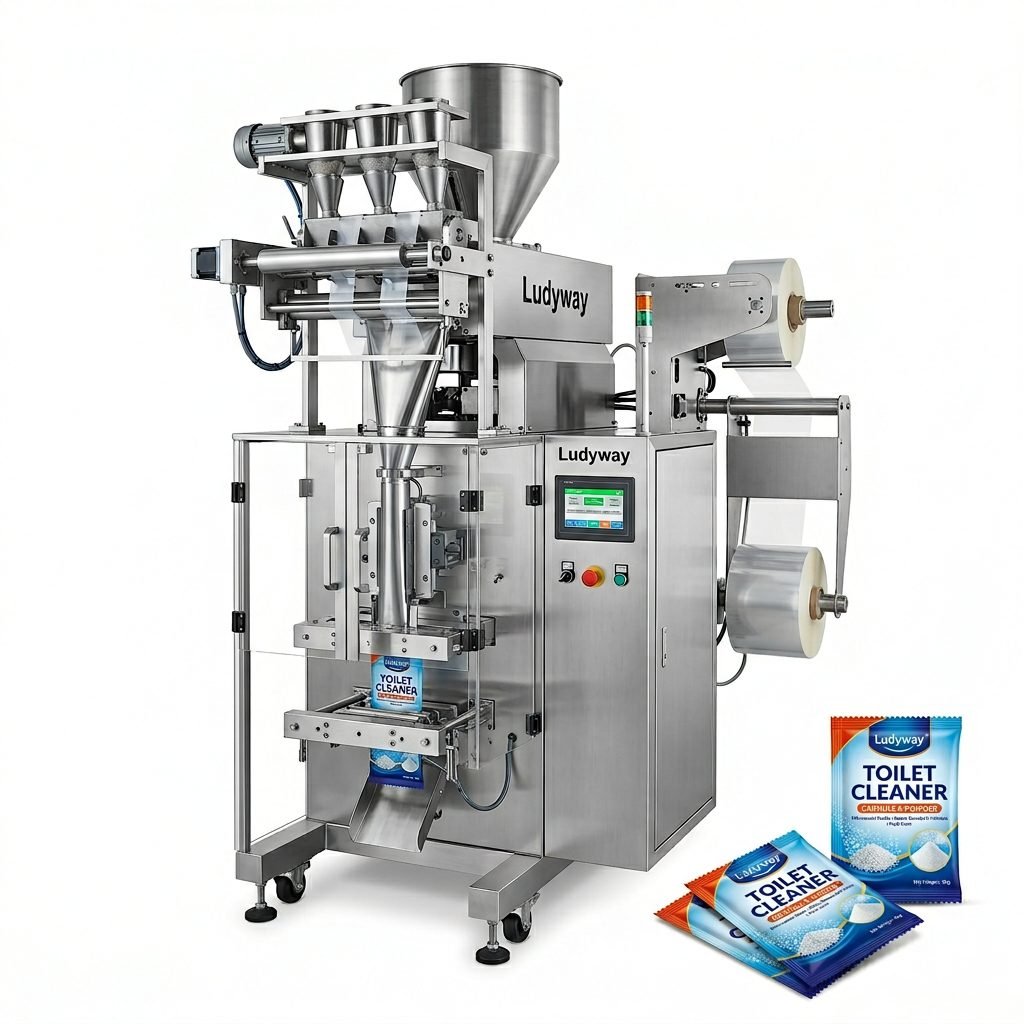
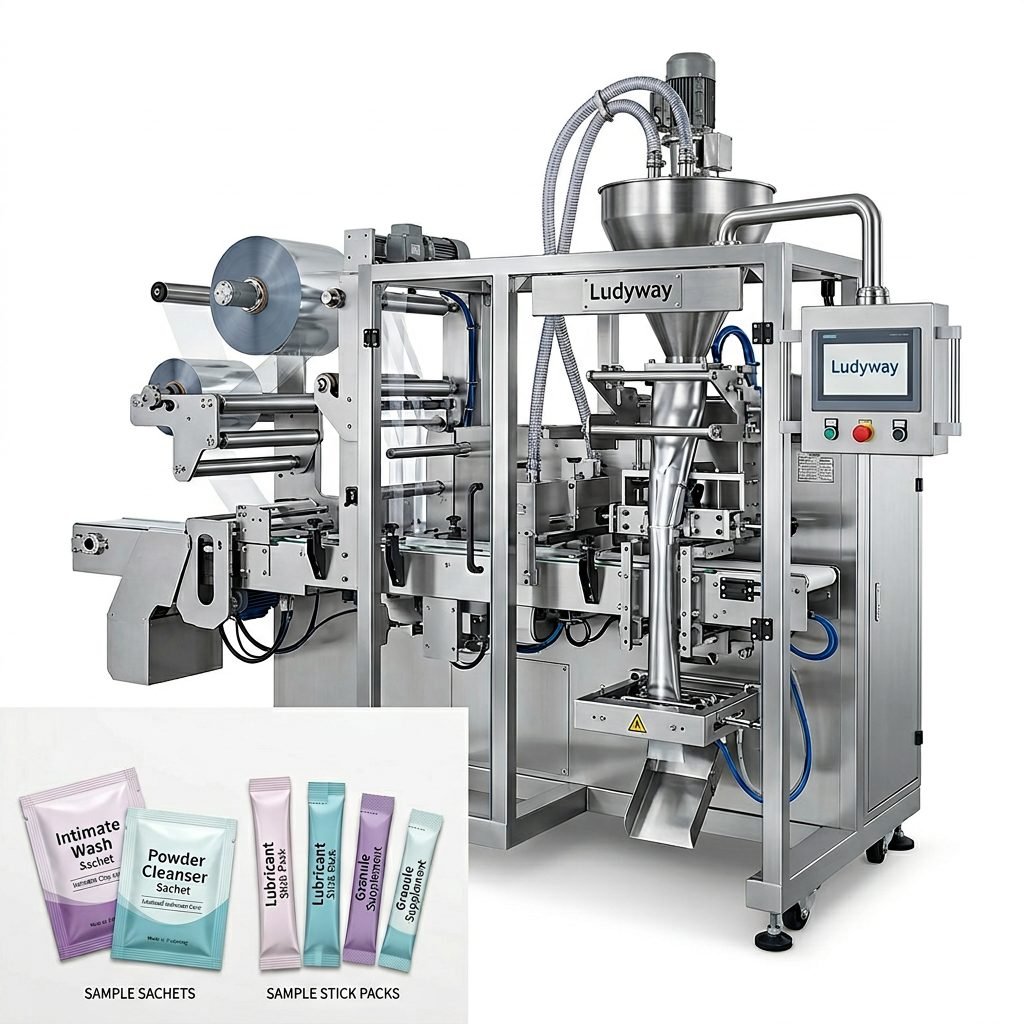
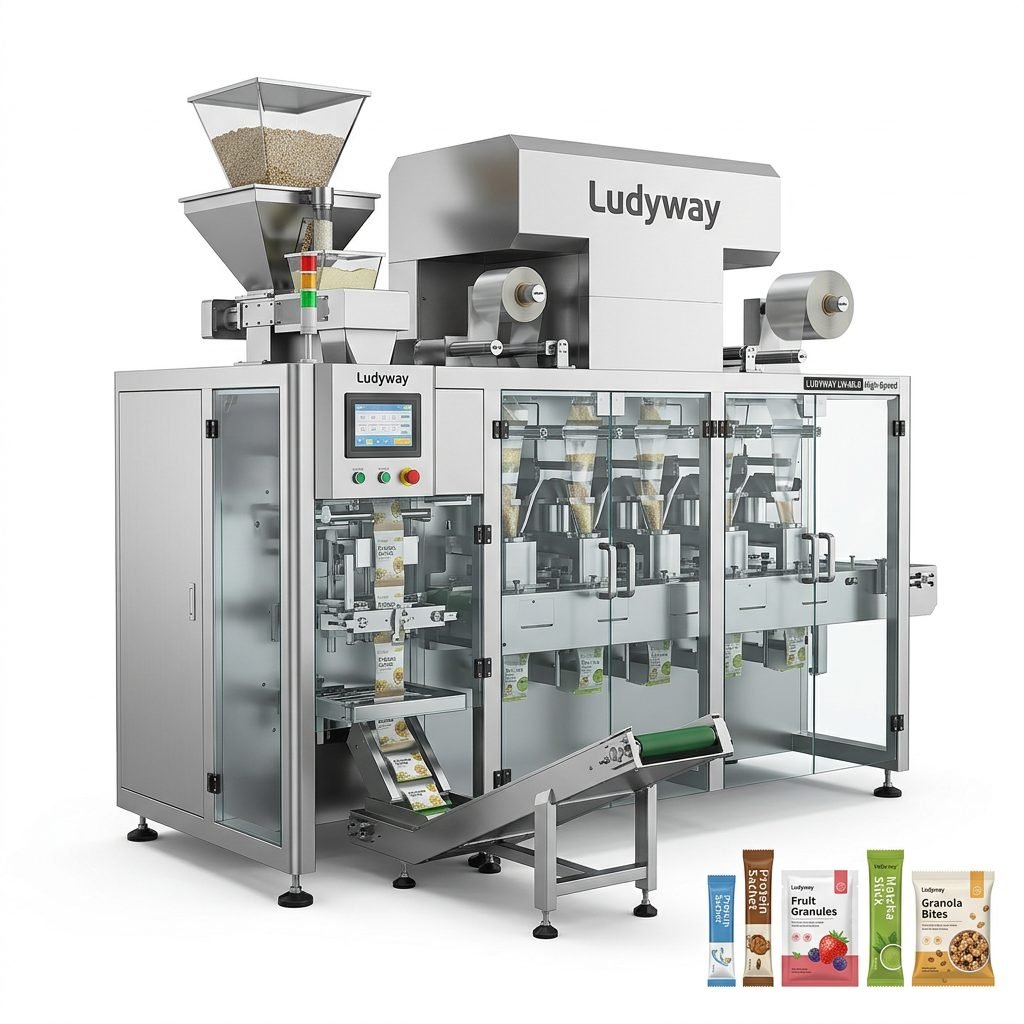
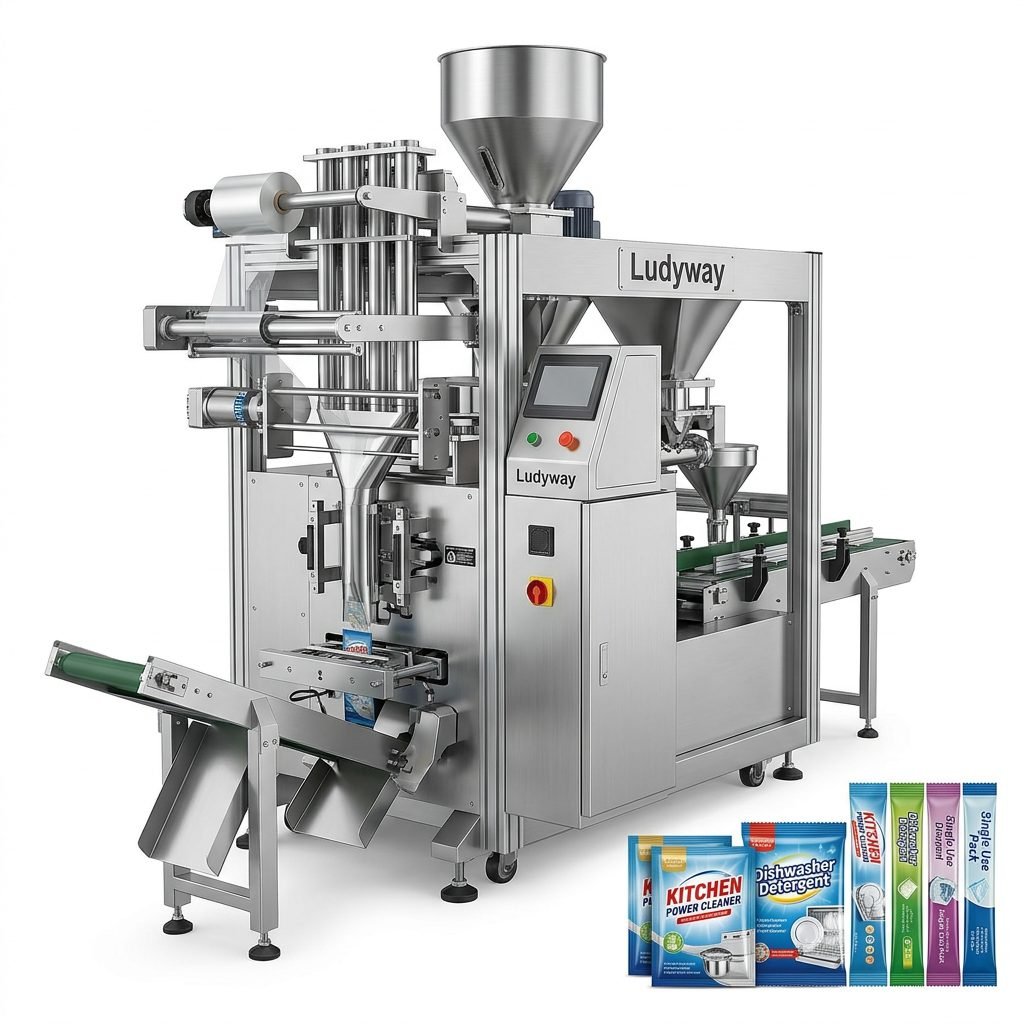
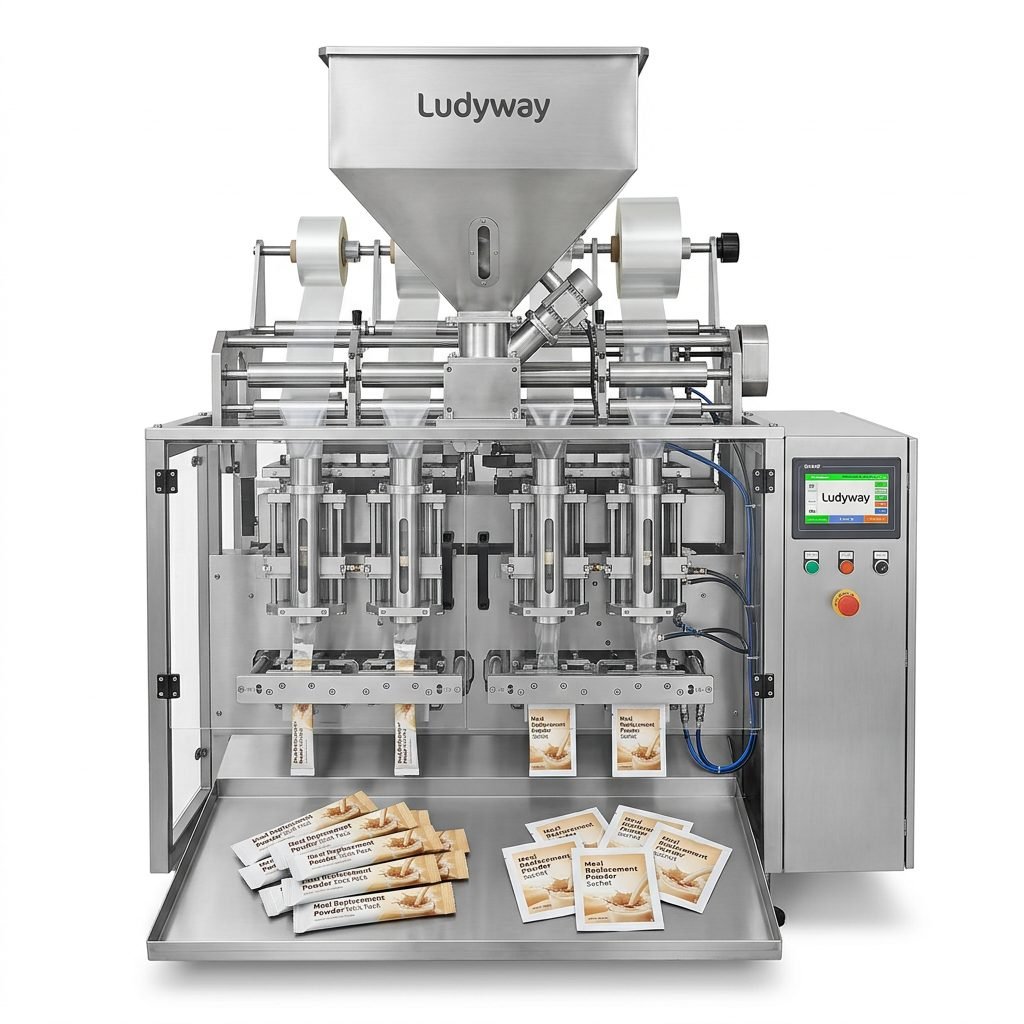
A bar packing machine, commonly referred to as a stick pack machine, is an automated packaging system designed to form, fill, and seal narrow, elongated sachets. These machines are widely used across the food, pharmaceutical, cosmetic, and chemical industries for single-serve and portion-control packaging. The versatility of bar packing technology allows it to handle a broad spectrum of products — from coffee powder and sugar to liquid detergents, honey, and even nicotine pouches.
Key Factors to Evaluate Before Buying
Choosing the right bar packing machine requires a systematic evaluation of your specific production needs. Below are the most important criteria to consider:
1. Product Characteristics
The physical and chemical properties of your product significantly influence machine configuration. Consider the following:
- Product form: Is it a free-flowing powder, sticky granule, viscous liquid, or paste? Each requires a specific dosing and filling mechanism.
- Particle size and density: Fine powders demand different handling than coarse granules to ensure accurate fill weights.
- Hygroscopic or sensitive products: Materials that absorb moisture or are oxygen-sensitive may require nitrogen flushing or specialized sealing systems.
- Abrasiveness: Some powders and granules can wear down machine components faster, necessitating hardened contact parts.
2. Production Speed and Capacity
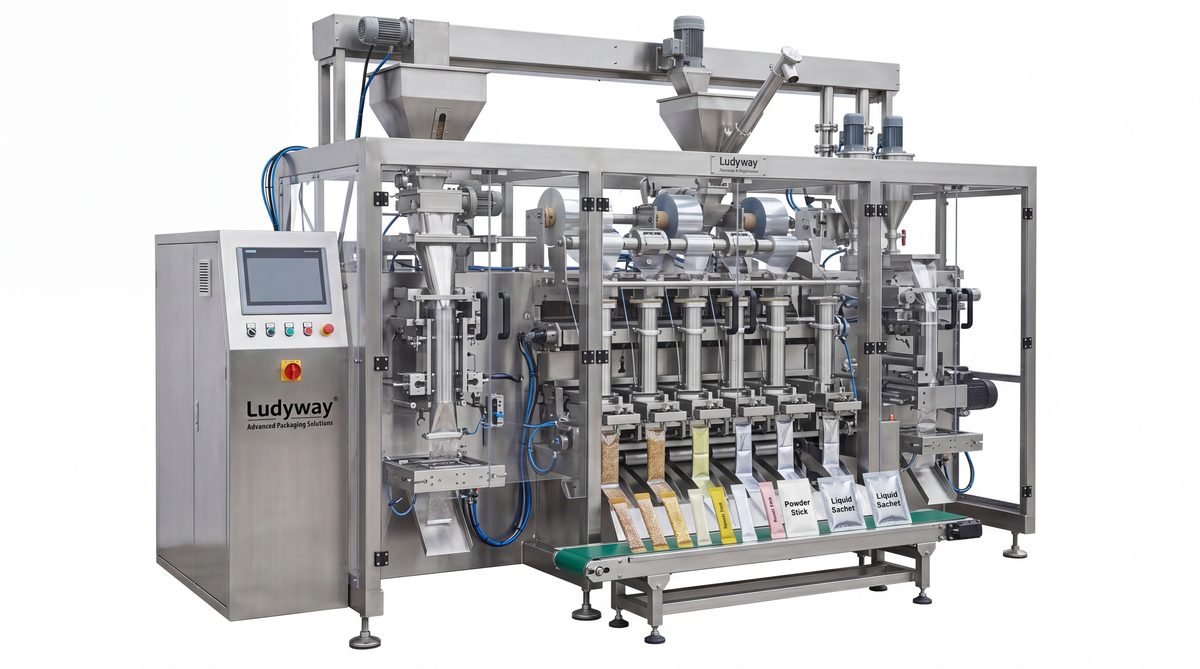
Production volume is a primary driver of machine selection. Bar packing machines are available in single-lane and multi-lane configurations. A single-lane machine may produce 30 to 60 packs per minute, whereas a multi-lane system — such as a 4-lane, 6-lane, 8-lane, 10-lane, or even 14-lane model — can significantly multiply output. According to PMMI’s State of the Industry report, demand for high-speed flexible packaging continues to grow, making multi-lane systems increasingly popular for manufacturers scaling up production.
3. Packaging Material Compatibility
The type of packaging film you plan to use affects machine performance and seal quality. Common materials include:
- Laminated films (PET/AL/PE, PET/PE, OPP/CPP)
- Paper-based laminates
- Biodegradable and recyclable films
- Aluminum foil laminates for high-barrier applications
Ensure the machine’s sealing temperature range, pressure control, and film tension system are compatible with your chosen material. The Flexible Packaging Association provides extensive resources on material innovations that can guide your selection.
4. Bag Dimensions and Formats
Stick packs come in various sizes, typically ranging from 1 gram to 50 grams or more for dry products, and from 1 ml to 30 ml for liquids. Key format considerations include:
- Width and length range: Ensure the machine can produce your desired pack dimensions.
- Seal type: Three-side seal, four-side seal, or center seal configurations.
- Tear notch options: Laser scoring, mechanical notching, or easy-tear perforations.
- Multi-format flexibility: Some machines can switch between stick packs and sachets with minimal changeover time.
5. Filling and Dosing Accuracy
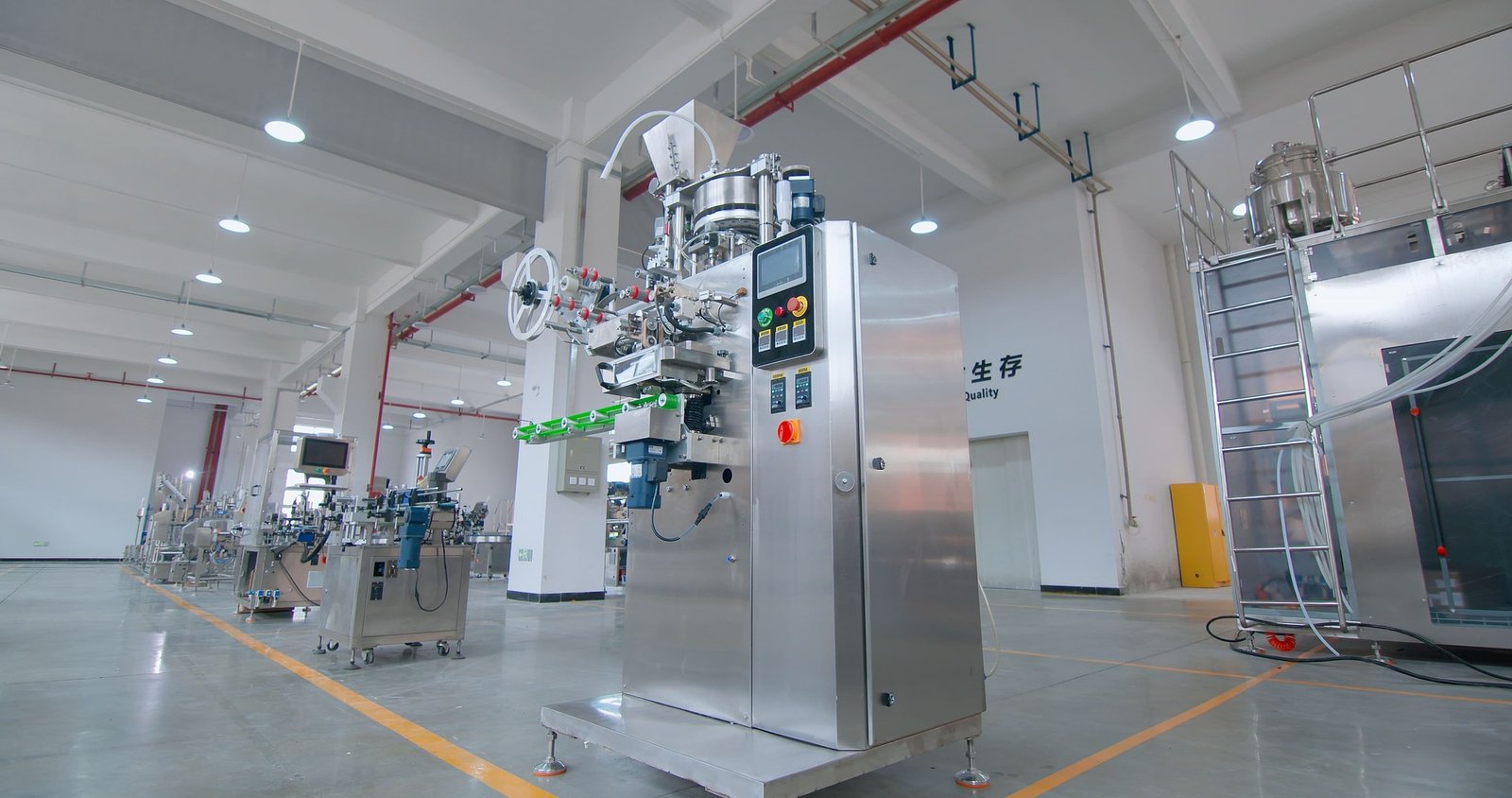
Precision in filling is critical — especially for pharmaceutical and nutraceutical products where dosage accuracy is regulated. Dosing systems commonly used include:
| Dosing Type | Best For | Accuracy Level |
|---|---|---|
| Auger Filler | Powders, fine granules | ±0.5% – ±1% |
| Volumetric Cup Filler | Free-flowing granules | ±1% – ±2% |
| Piston Filler | Liquids, pastes, creams | ±0.5% – ±1% |
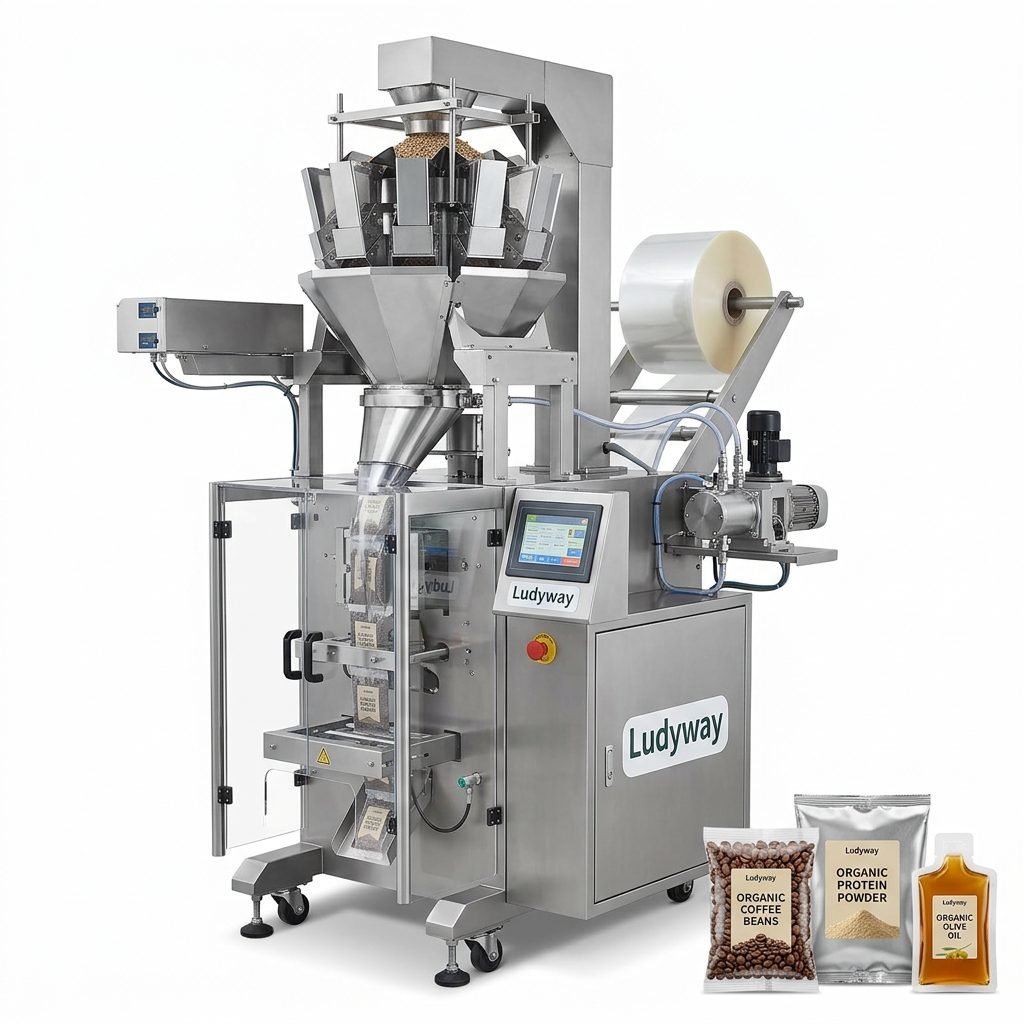
| Multi-Head Weigher | Granules, snacks, irregular shapes | ±0.2% – ±0.5% |
| Peristaltic Pump | Sterile liquids, serums | ±0.5% – ±1% |
6. Automation and Integration Capabilities
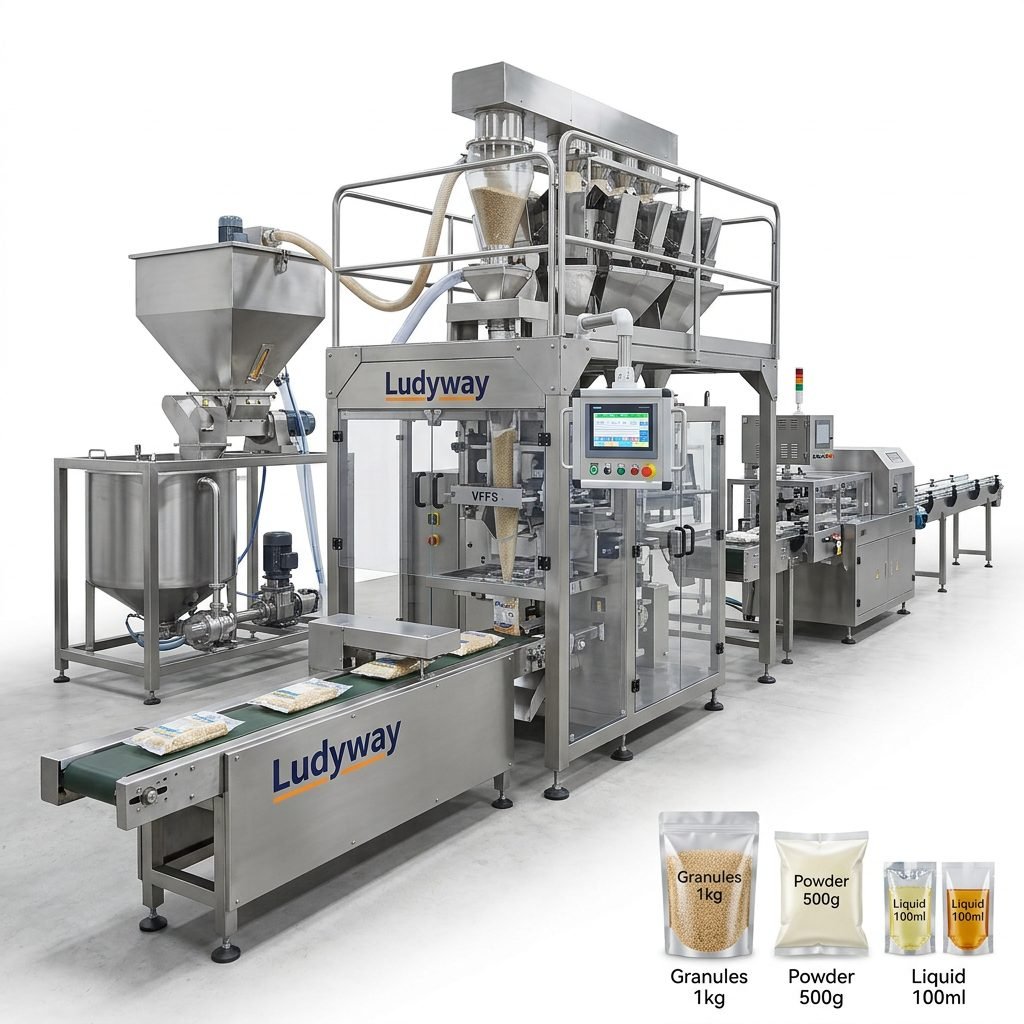
Modern packaging lines rarely operate in isolation. Consider how the bar packing machine will integrate with upstream and downstream equipment:
- Feeding systems: Vibratory feeders, screw conveyors, bucket elevators, or vacuum conveyors for consistent product supply.
- Filling and dosing units: Should match your product characteristics and accuracy requirements.
- Coding and marking: Integration with thermal inkjet printers, laser markers, or thermal transfer printers for batch coding.
- Inspection systems: Checkweighers, metal detectors, X-ray inspection, and seal integrity testers.
- Secondary packaging: Automatic cartoning, case packing, and palletizing systems.
7. Hygiene and Cleanability
For food, pharmaceutical, and cosmetic applications, hygienic design is non-negotiable. Look for:
- Stainless steel construction (SUS304 or SUS316L for pharmaceutical grade)
- Tool-free disassembly for quick cleaning and product changeover
- Washdown-compatible electrical enclosures (IP65 or higher)
- Crevice-free design to prevent product buildup and cross-contamination
- Compliance with GMP, FDA, and CE standards where applicable
The ISO packaging standards provide a useful reference for quality and safety compliance in packaging machinery.
8. Changeover and Maintenance Efficiency
Frequent product or format changes demand a machine designed for quick changeover. Features that reduce downtime include:
- Quick-release forming tubes and sealing jaws
- Recipe-based parameter settings stored in the HMI
- Servo-driven adjustments rather than manual mechanical changes
- Easy-access panels for routine maintenance and cleaning
Single-Lane vs. Multi-Lane Bar Packing Machines
One of the most significant decisions is whether to invest in a single-lane or multi-lane system. Each has its place depending on your operational requirements:
| Feature | Single-Lane | Multi-Lane (4-14 lanes) |
|---|---|---|
| Output per minute | 30 – 80 packs | 200 – 600+ packs |
| Floor space | Compact footprint | Larger footprint required |
| Initial investment | Lower upfront cost | Higher initial investment |
| Flexibility | Easier changeover for small batches | Optimized for long production runs |
| Ideal for | Startups, R&D, niche products | High-volume contract manufacturers |
Evaluating Machine Build Quality and Supplier Credentials
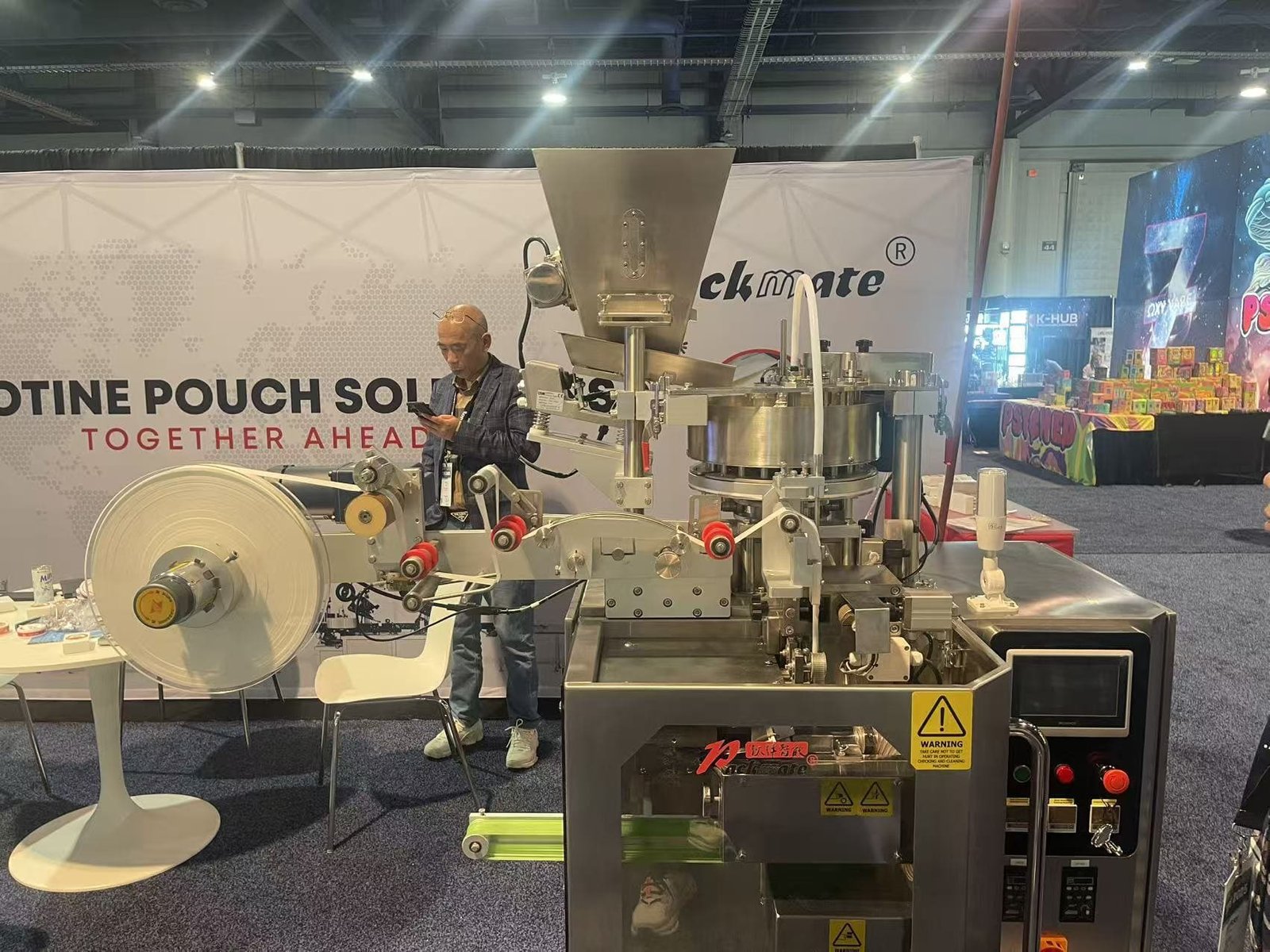
Not all bar packing machines are created equal. When assessing potential suppliers, look beyond the specification sheet and consider:
- Manufacturing experience: How long has the supplier been building packaging machinery? Do they specialize in stick pack and sachet technology?
- Engineering capabilities: Does the supplier have in-house mechanical design, automation, and controls expertise?
- Component sourcing: Are critical components — PLCs, servo motors, pneumatic systems, sensors — sourced from recognized industrial automation brands?
- Certifications and compliance: Can the supplier provide CE, FDA compliance, or other relevant certifications for your target markets?
- After-sales support: What technical support, spare parts availability, and operator training does the supplier offer?
As an example, Ludyway Machinery — a China-based packaging machinery manufacturer with over 30 years of experience — operates a 20,000-square-meter manufacturing facility, offers more than 50 packaging machine models, and serves customers in over 100 countries. The company is expected to achieve export revenue of more than RMB 500 million (approximately US$69 million) in 2025, and plans to surpass RMB 1 billion (approximately US$138 million) in export revenue in 2026, reflecting the growing global demand for automated packaging solutions. Learn more about this global growth trend in packaging machinery exports.
Questions to Ask Before Finalizing Your Purchase
Before signing a purchase agreement, confirm these critical points with your equipment supplier:
- Can the machine be tested with your specific product and packaging material? Always request a factory acceptance test (FAT) with your actual product samples.
- What is the expected lead time for manufacturing, delivery, installation, and commissioning?
- What spare parts are recommended for the first year of operation? A proactive spare parts list minimizes downtime.
- Is operator training included, and can it be conducted on-site?
- What warranty terms apply, and what does the after-sales service agreement cover?
- Can the machine be upgraded or reconfigured in the future if your production needs change?
Future-Proofing Your Investment
The packaging industry is evolving rapidly, driven by sustainability demands, smart factory integration, and changing consumer preferences. When choosing a bar packing machine, consider how the equipment can adapt to future requirements:
- Sustainable materials: Can the machine handle recyclable mono-materials and bio-based films?
- Industry 4.0 readiness: Does it support IoT connectivity, remote monitoring, and data analytics?
- Modular design: Can additional lanes or downstream modules be integrated later?
- Energy efficiency: Look for servo-driven systems that reduce power consumption compared to pneumatic alternatives.
For deeper insights into packaging machinery standards and industry trends, resources from the PMMI – Association for Packaging and Processing Technologies and the Flexible Packaging Association offer valuable guidance for equipment buyers.
Conclusion
Selecting the right bar packing machine is a multifaceted decision that goes far beyond the initial purchase price. By carefully evaluating your product characteristics, production speed requirements, packaging material, dosing accuracy needs, automation integration, and supplier capabilities, you can invest in a system that delivers consistent quality, operational efficiency, and long-term ROI. As global demand for flexible stick pack and sachet packaging continues to rise, partnering with an experienced machinery manufacturer becomes increasingly important for staying competitive in today’s fast-paced market.