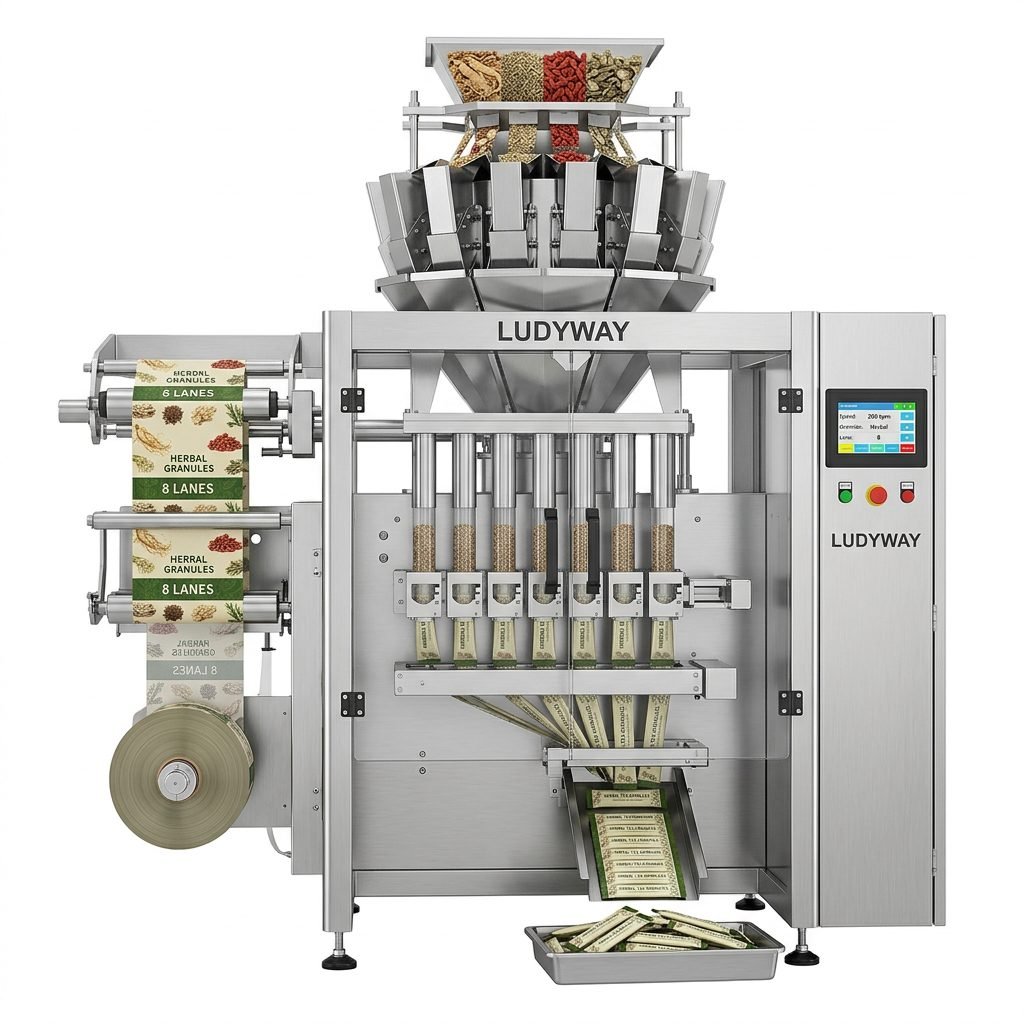
Investing in a CAM blister packing machine is a significant decision for pharmaceutical, nutraceutical, and food manufacturers. Unlike standard intermittent-motion machines, cam-driven blister packaging systems use mechanical cam profiles to coordinate forming, sealing, perforating, and cutting stations with exceptional precision and speed. Choosing the wrong configuration can lead to production bottlenecks, material waste, and costly downtime. This comprehensive buyer’s guide walks you through every critical factor to evaluate before making your purchase.
Understanding CAM Blister Packaging Technology
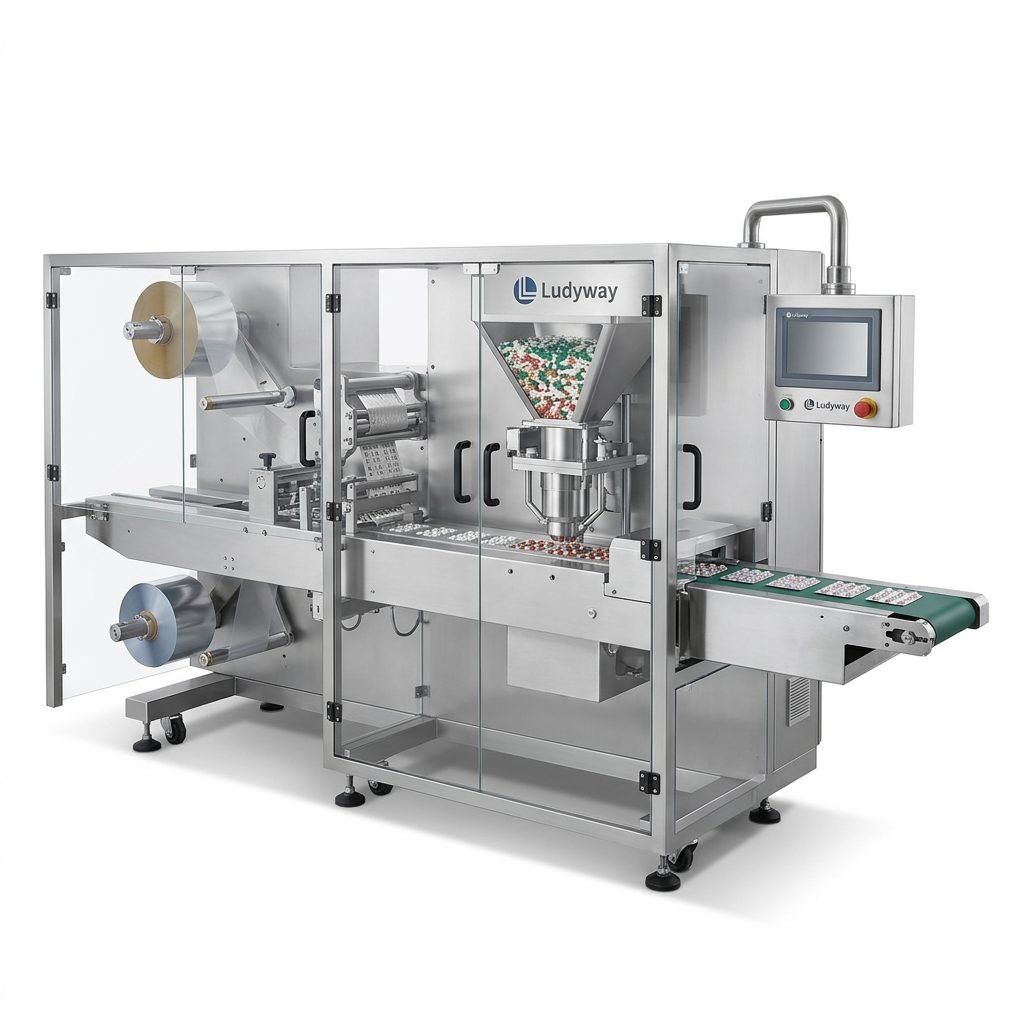
A CAM blister pack machine relies on mechanical cams rather than pneumatic cylinders or servo-only systems to drive the primary motions of the packaging cycle. The cam-driven approach offers several distinct advantages: higher cycle speeds, superior repeatability, and synchronized station timing. In pharmaceutical packaging, where ISO 11607 compliance for sterile barrier systems is often mandatory, the mechanical consistency of cam-operated systems makes them the preferred choice for high-volume production lines.
These machines typically handle thermoformed blister cavities filled with tablets, capsules, ampoules, or syringes, then seal them with lidding foil. The cam mechanism ensures that the forming station, filling zone, sealing platen, and punching unit all operate in perfect mechanical harmony, minimizing registration errors that can compromise seal integrity.
Key Factors to Evaluate Before Buying
1. Production Speed and Output Capacity
Production speed is often the first specification buyers examine. CAM blister machines can range from 60 cycles per minute for compact models to over 500 cycles per minute for high-speed multi-lane systems. However, actual output depends on blister format, cavity count per cycle, and material characteristics. A machine rated at 200 cycles per minute with a 4-cavity tool produces 800 blisters per minute, while the same machine with an 8-cavity tool doubles that output. Always calculate real throughput based on your specific blister layout rather than relying solely on cycle-speed figures.
- Low-volume production: 60-120 cycles/min, suitable for clinical trial batches and small-batch generics
- Mid-volume production: 120-250 cycles/min, ideal for regional pharmaceutical manufacturers
- High-volume production: 250-500+ cycles/min, designed for multinational pharmaceutical companies and contract packers
2. Blister Format and Tooling Flexibility
Not all CAM blister machines accommodate every blister format. Consider whether you need standard push-through blisters, peel-push configurations, child-resistant formats, or unit-dose peelable packs. Tooling changeover time is another critical variable. Quick-change tooling systems can reduce format changeovers from several hours to under 30 minutes, significantly impacting overall equipment effectiveness for manufacturers running multiple product SKUs.
When evaluating tooling, examine the forming area dimensions, maximum draw depth, and cavity layout flexibility. Some machines limit you to fixed cavity spacing, while others offer adjustable pitch between cavities, giving you more freedom to optimize blister card design for retail display and patient compliance.
3. Material Compatibility and Sealing Technology
The forming film and lidding material you plan to use directly influence machine selection. Common forming films include PVC, PVDC-coated PVC, PP, PET, and aluminum-based cold-form laminates. Each material has different thermoforming characteristics, requiring specific heating zone configurations and forming station designs. Cold-form aluminum blisters, for instance, demand higher pressing forces and specialized tooling compared to thermoformed PVC blisters.
Sealing technology is equally important. Flat-plate sealing with heated platens provides uniform seal pressure across the entire blister card. Roller-based sealing offers higher throughput but may require tighter process control. For moisture-sensitive products, consider machines equipped with nitrogen-flushing capabilities integrated into the sealing station to displace oxygen before lidding.
4. Automation and Integration Capabilities
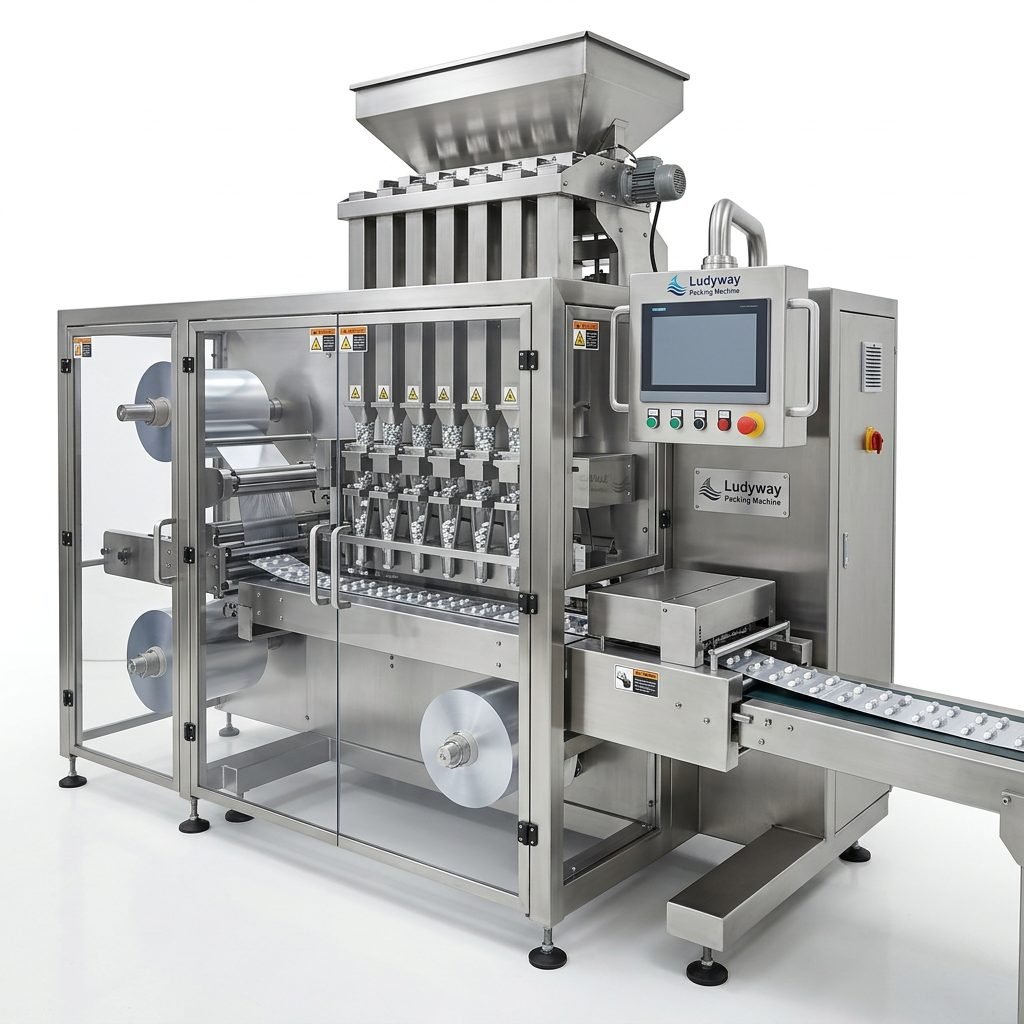
Modern CAM blister packaging lines rarely operate in isolation. Evaluate how easily the machine integrates with upstream feeding systems such as vibratory bowl feeders, brush-box feeders, or robotic pick-and-place units for delicate products. On the downstream side, consider vision inspection systems for detecting missing tablets, broken capsules, or seal defects before cartoning.
Industry 4.0 readiness is becoming a key differentiator. Machines equipped with OPC-UA communication protocols, remote diagnostics capabilities, and production data logging can integrate seamlessly into manufacturing execution systems. This connectivity enables real-time OEE tracking, predictive maintenance scheduling, and electronic batch record generation, which is increasingly important for FDA regulatory compliance in pharmaceutical manufacturing.
Comparing CAM Blister Machine Configurations
The table below summarizes the key differences between common CAM blister packaging machine configurations to help you narrow down your options based on production requirements.
| Machine Type | Speed Range | Best For | Key Advantage |
|---|---|---|---|
| Compact CAM Blister Machine | 60-120 cycles/min | Clinical trials, small batches | Low capital cost, fast changeover |
| Continuous-Motion CAM Machine | 200-400 cycles/min | Mid-to-high volume generics | High throughput, consistent seal quality |
| Multi-Lane CAM System | 300-500+ cycles/min | High-volume OTC and prescription drugs | Maximum output per square foot |
| Cold-Form CAM Machine | 40-100 cycles/min | Moisture-sensitive products | Superior barrier protection |
Critical Features to Look For
Vision Inspection and Quality Control
Integrated camera-based inspection systems can detect tablet fragments, missing doses, foreign particles, and seal defects at full production speed. High-resolution line-scan cameras positioned after the filling station and downstream of the sealing unit provide 100% inspection coverage. Reject stations automatically eject defective blisters without stopping production, maintaining line efficiency while ensuring product quality.
Quick-Change Tooling Design
For manufacturers running multiple products, rapid tooling changeover capability is essential. Look for machines with quick-release clamping systems, pre-registered tooling cartridges, and recipe-driven servo adjustments that automatically reposition guides and sensors for each product format. The best systems reduce changeover time to under 20 minutes, enabling efficient just-in-time production across a diverse product portfolio.
Energy Efficiency and Sustainability
Modern CAM blister machines incorporate regenerative drive systems that capture and reuse braking energy, reducing overall power consumption. Efficient heating zones with precise temperature control and insulation minimize energy waste during both production and standby modes. Additionally, machines designed to handle recyclable mono-material films and reduced-gauge lidding foils support sustainability initiatives without sacrificing barrier performance.
Evaluating Equipment Suppliers
Selecting the right packaging machinery partner is as important as choosing the right machine configuration. Look for manufacturers with documented experience in your specific industry segment. A supplier with a track record in pharmaceutical blister packaging will understand validation requirements, documentation protocols, and regulatory expectations that a general-purpose packaging equipment supplier may overlook.
Key supplier evaluation criteria include:
- Industry-specific references — Request case studies from manufacturers in your sector
- Validation support — Confirm that the supplier provides IQ/OQ/PQ documentation packages
- After-sales technical support — Evaluate response times, spare parts availability, and remote diagnostic capabilities
- Factory acceptance testing — Plan an on-site FAT visit to verify machine performance before shipment
- Long-term partnership potential — Consider whether the supplier can support future line expansions and upgrades
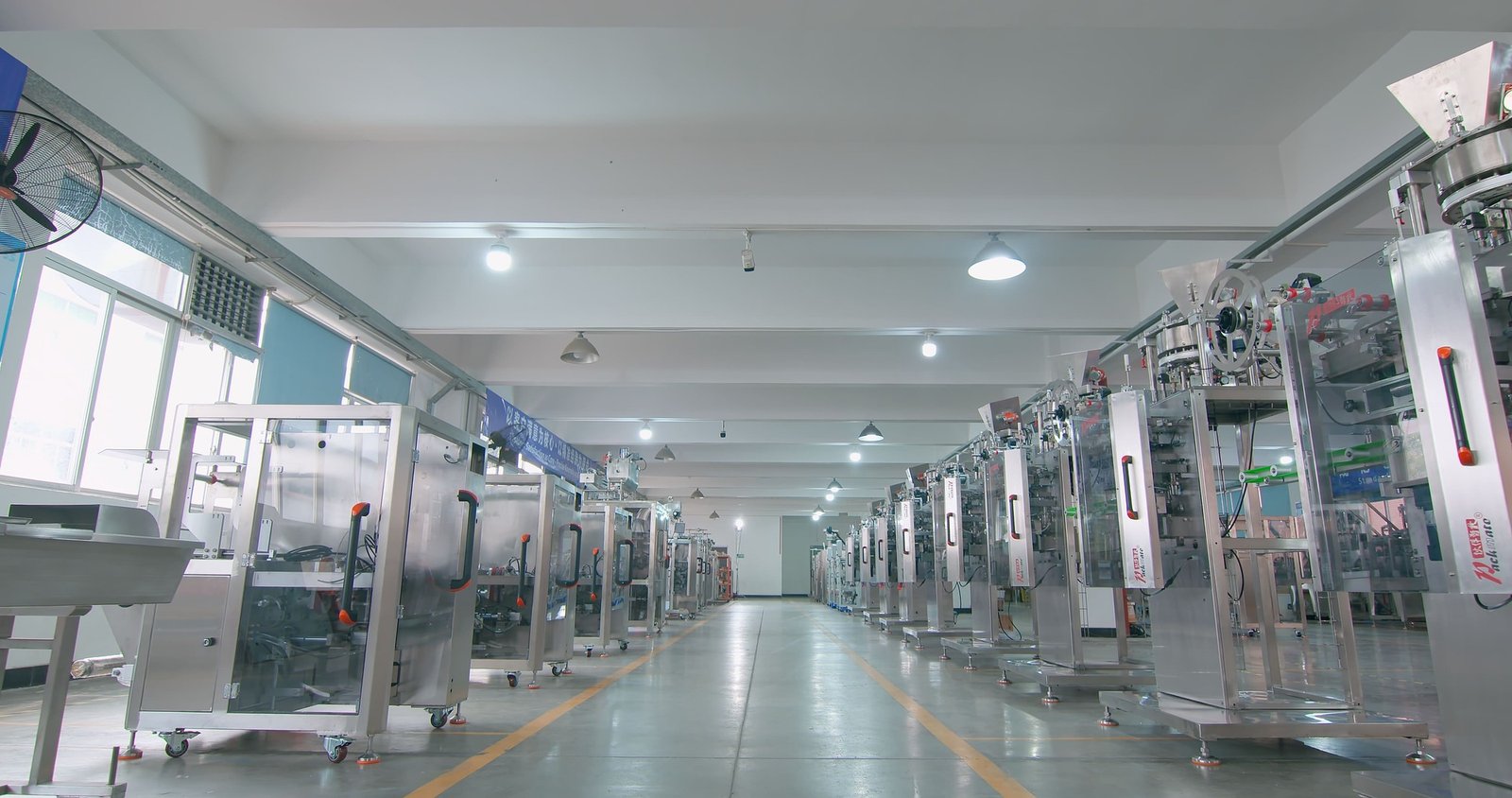
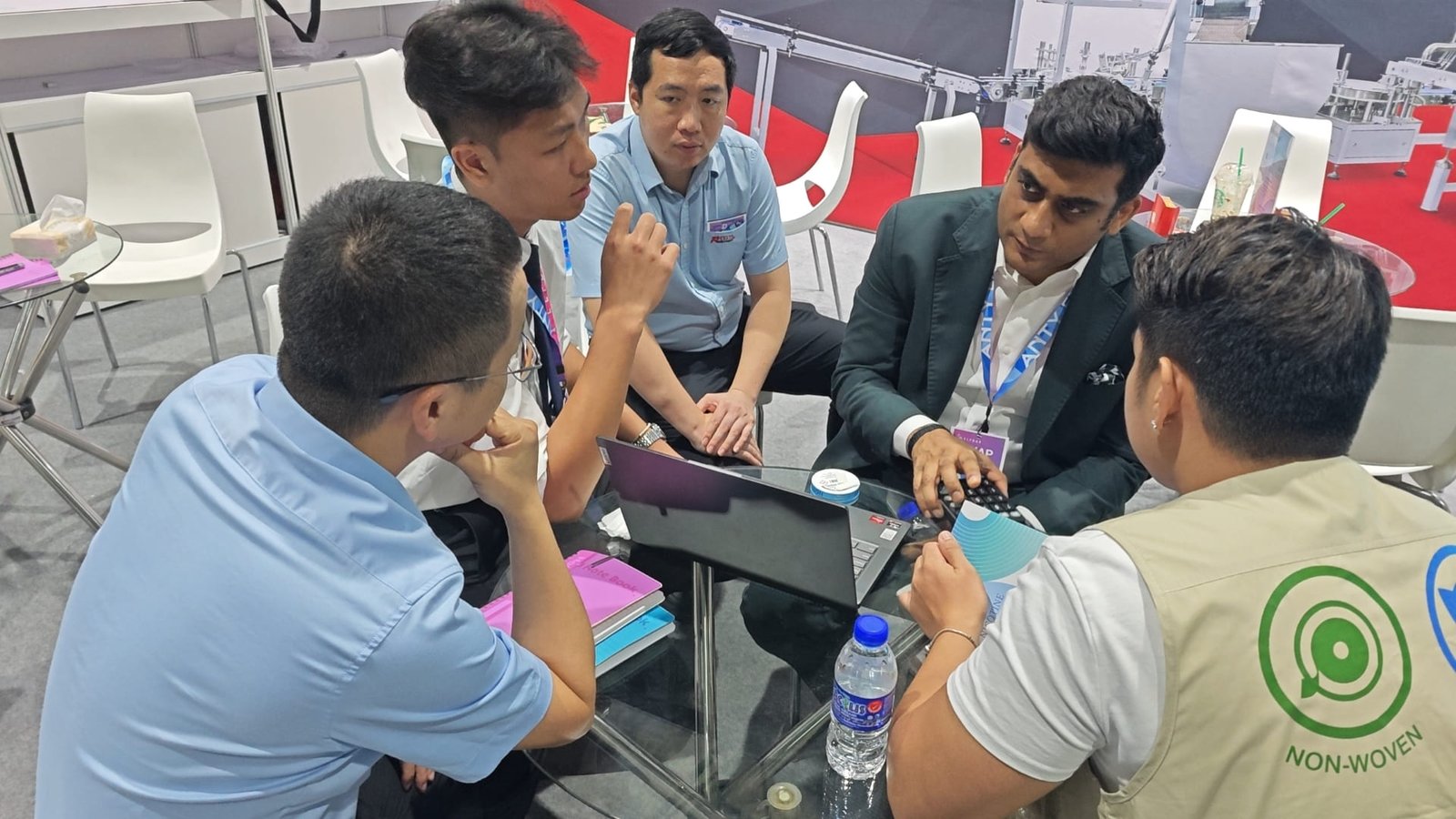
One example of a manufacturer with extensive cross-industry experience is Ludyway Machinery, a China-based packaging machinery manufacturer with more than 30 years of experience and a 20,000-square-meter manufacturing facility. With over 50 packaging machine models and a team of more than 130 professionals, Ludyway has served customers in over 100 countries across the food, pharmaceutical, cosmetic, and chemical industries. The company is expected to achieve export revenue of more than RMB 500 million (approximately US$69 million) in 2025, with plans to surpass RMB 1 billion (approximately US$138 million) in export revenue in 2026.
Total Cost of Ownership Considerations
The purchase price of a CAM blister packing machine represents only a portion of the total cost of ownership. A thorough TCO analysis should account for tooling costs per format, estimated energy consumption, preventive maintenance expenses, spare parts inventory requirements, and expected service life. High-quality cam-driven machines from reputable manufacturers often deliver 15-20 years of reliable service with proper maintenance, making the long-term investment considerably more attractive than lower-cost alternatives that may require replacement after 5-8 years.
Additional cost factors to include in your evaluation:
- Tooling investment per blister format — Multiple SKUs multiply tooling costs
- Changeover labor costs — Faster changeovers reduce labor expense per batch
- Material waste rates — Precise cam-driven registration minimizes film and foil scrap
- Downtime risk — Reliable machines with strong service support reduce costly production interruptions
- Regulatory compliance costs — Machines with built-in validation-friendly features lower compliance overhead
Making the Final Decision
Choosing the right CAM blister packaging machine requires balancing technical specifications, production flexibility, supplier reliability, and total lifecycle cost. Start by clearly defining your current and projected production volumes, blister formats, material requirements, and automation needs. Then evaluate machines from established manufacturers who can provide documented performance references, comprehensive validation support, and responsive after-sales service.
Before finalizing your purchase, conduct a thorough on-site factory acceptance test with your actual products and materials. This step verifies that the machine meets all agreed-upon performance criteria and gives your team hands-on familiarity with operation and maintenance procedures. Consult resources from industry organizations such as the Association for Packaging and Processing Technologies (PMMI) and the Flexible Packaging Association for independent guidance on packaging machinery standards and industry benchmarks.
By approaching the selection process with a structured evaluation framework, you can invest in a CAM blister packing machine that delivers reliable high-speed performance, regulatory compliance, and strong returns for years to come.