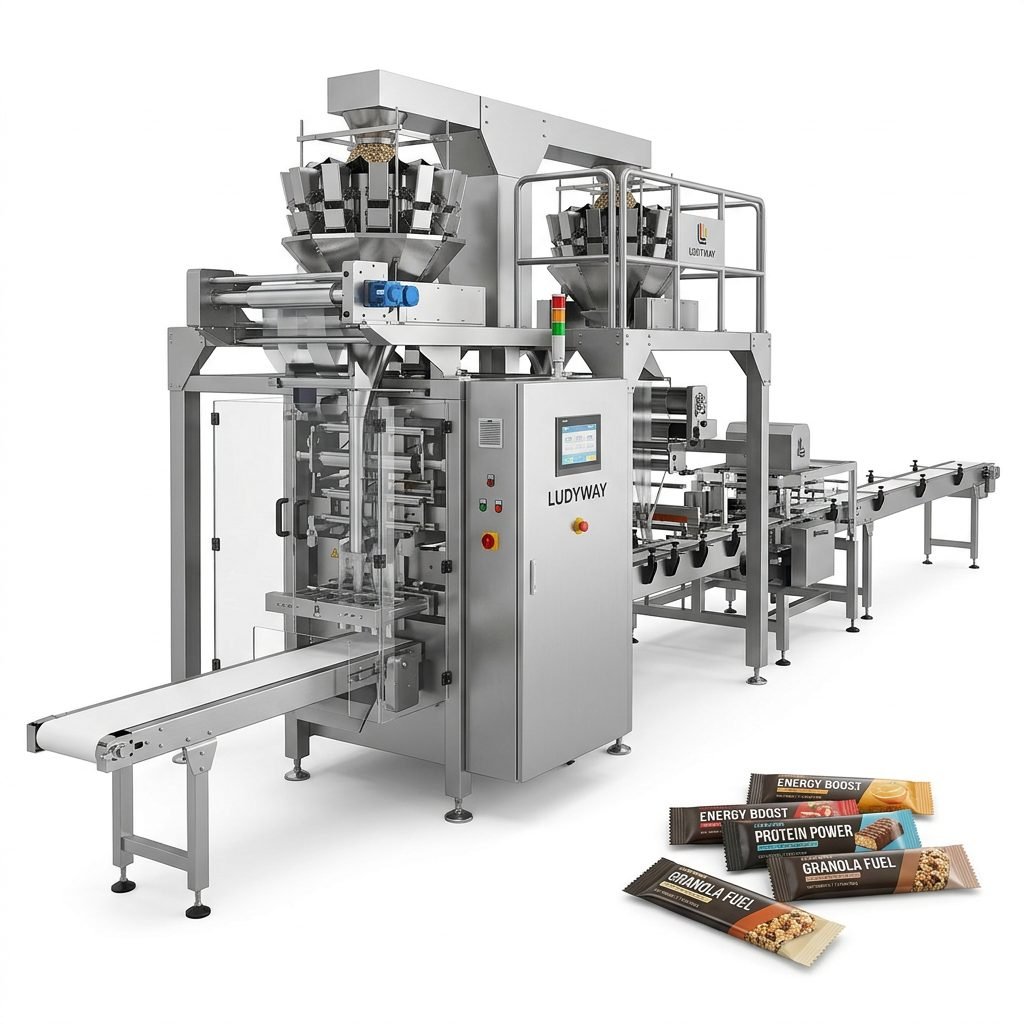
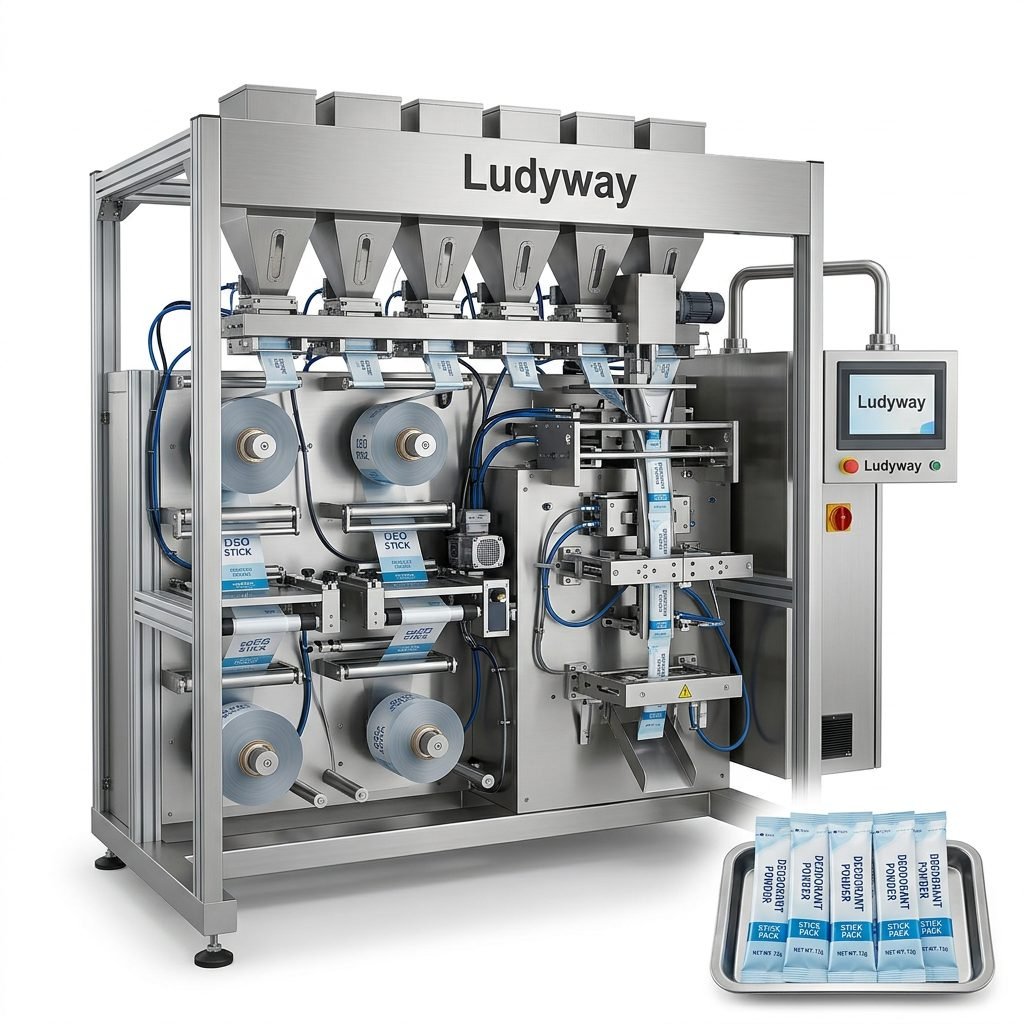
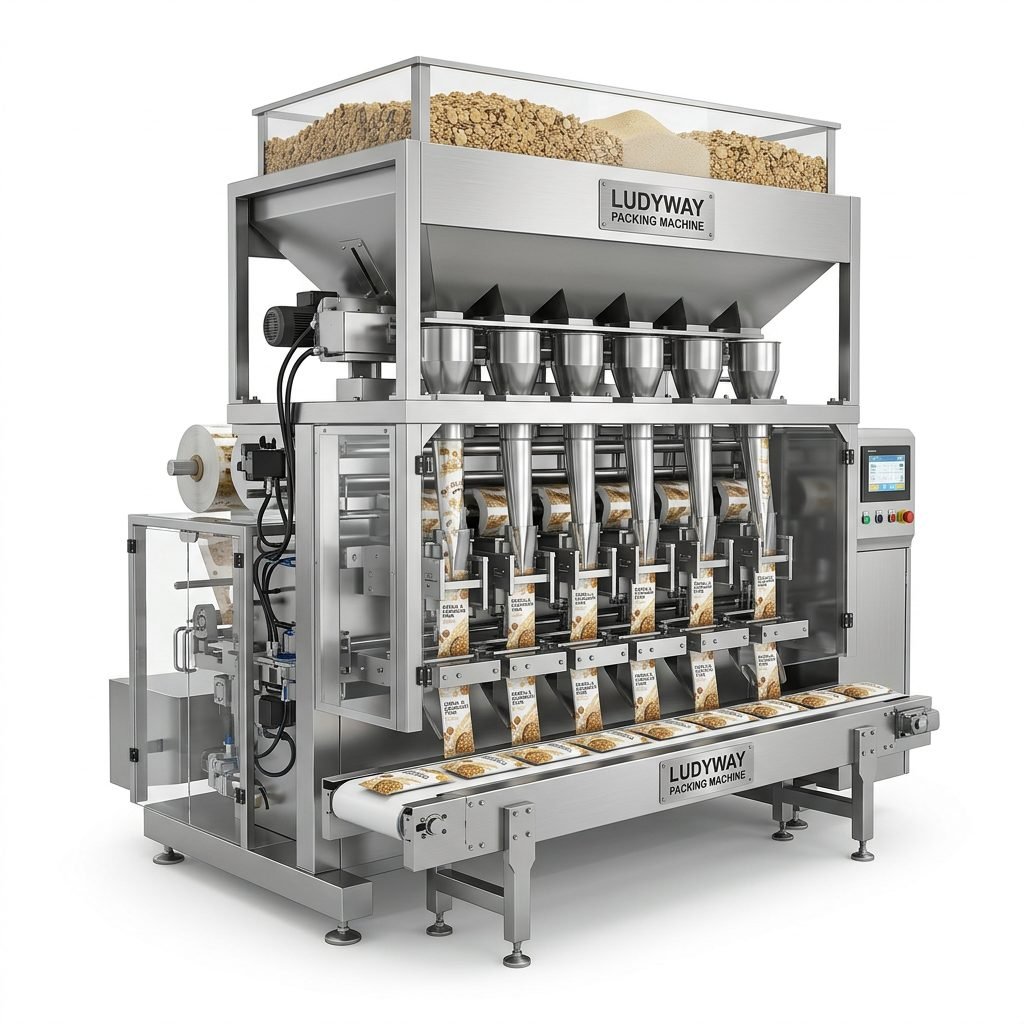
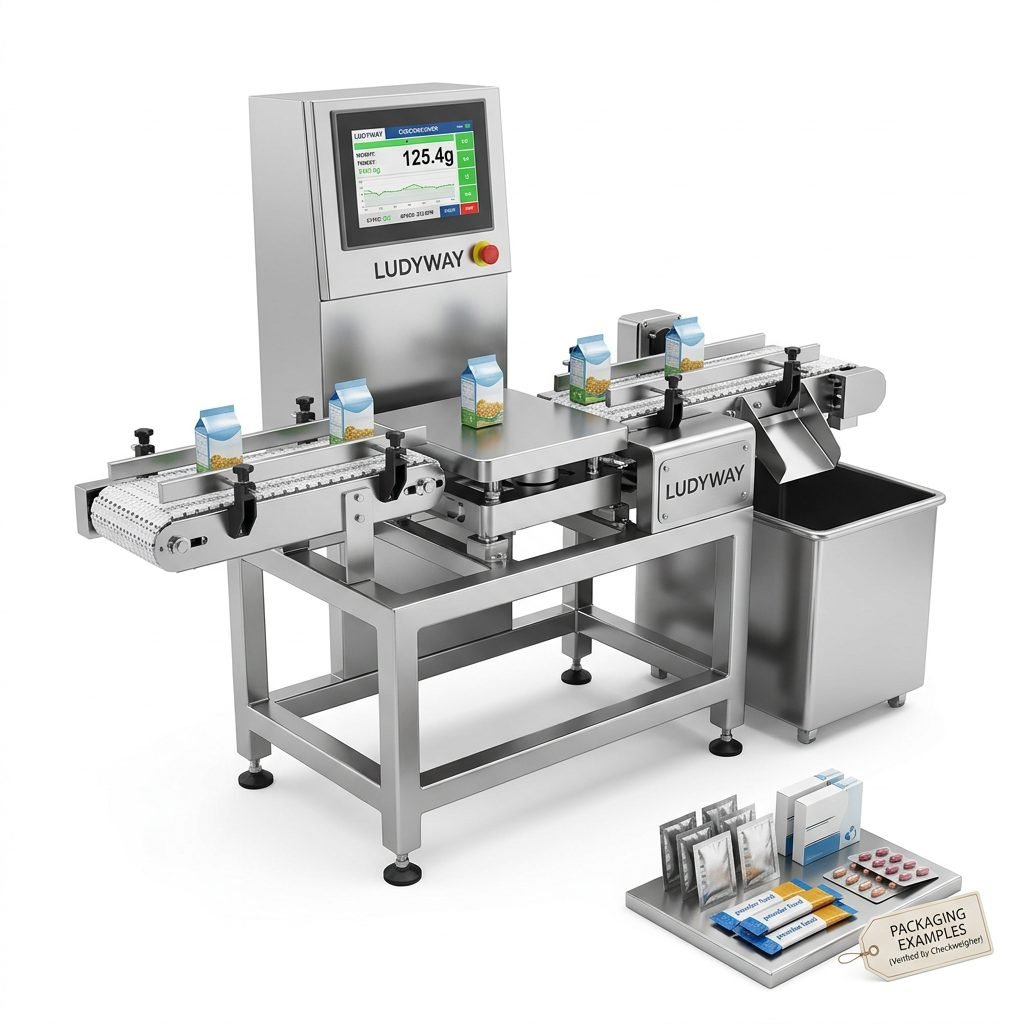
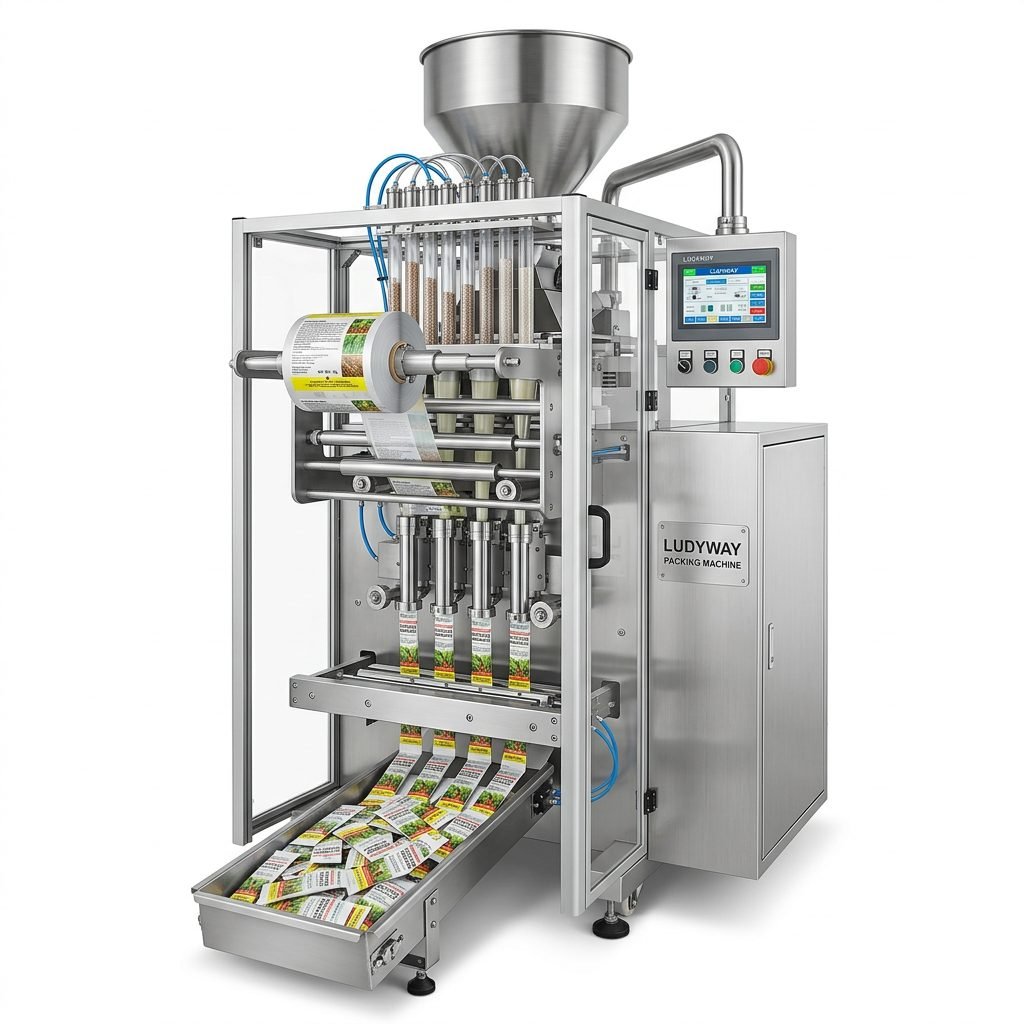
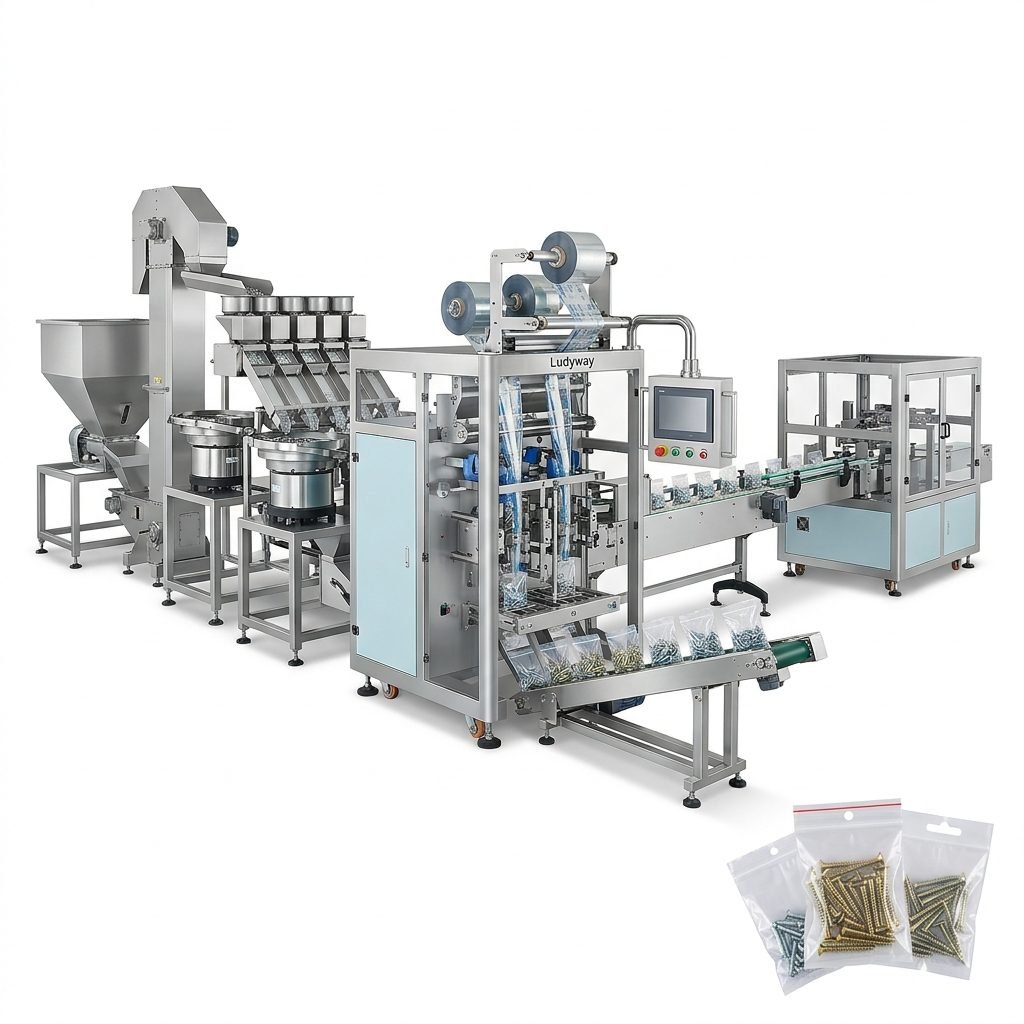
Investing in the right produce packaging machine is one of the most critical decisions for any manufacturer in the food, pharmaceutical, or consumer goods industries. A well-chosen machine not only improves production efficiency and product consistency but also directly impacts your bottom line. However, with so many options available—from vertical form fill seal machines to multi-lane sachet systems—the selection process can feel overwhelming. This comprehensive guide walks you through every essential factor to consider before making your purchase.
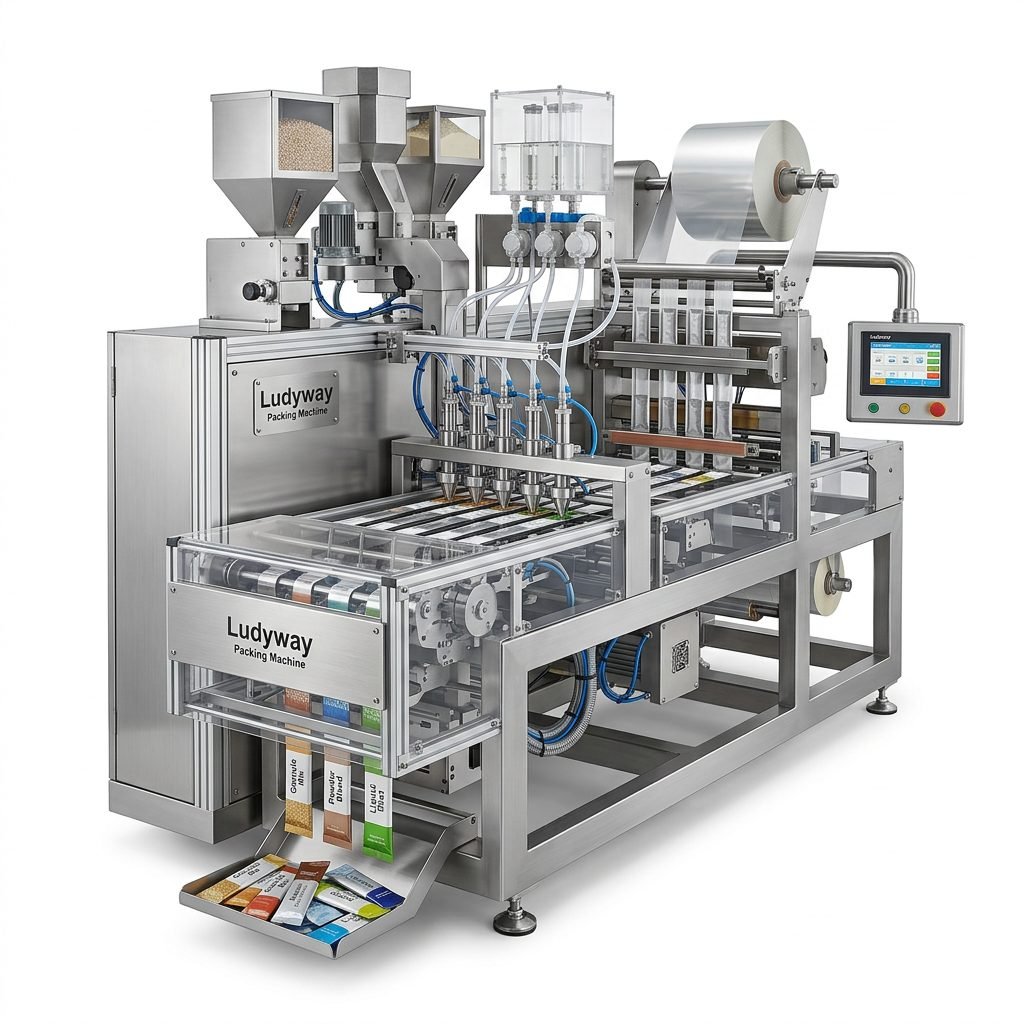
Why Choosing the Right Packaging Machine Matters
A packaging machine is far more than just a piece of equipment—it’s the backbone of your production line. The wrong choice can lead to inconsistent fill weights, frequent downtime, material waste, and missed delivery deadlines. Conversely, the right machine ensures seamless production, reduces labor costs, and maintains product freshness and quality. For manufacturers handling fresh produce, powders, granules, or liquids, the packaging format directly influences shelf life, brand perception, and consumer convenience. Whether you need a single-lane stick pack machine or a fully automated turnkey line, the decision must align with both current needs and future growth plans.
Step 1: Define Your Product Characteristics
Before evaluating any machine specifications, you must thoroughly understand the product you’ll be packaging. Product characteristics fundamentally determine the type of dosing system, sealing technology, and machine configuration you need.
- Physical state: Is your product a free-flowing powder, sticky granule, viscous liquid, paste, or solid piece? Each state requires a specific filling mechanism. Auger fillers work well for powders like spices and flour, while piston fillers are ideal for creams and sauces.
- Flow properties: Free-flowing granules like sugar behave differently from cohesive powders like cocoa. Products with poor flow characteristics may require agitation systems or specialized hoppers.
- Hygroscopicity and sensitivity: Products that absorb moisture, such as instant coffee or powdered milk, demand packaging materials with high moisture barriers and machines capable of creating hermetic seals.
- Particle size and dust generation: Fine powders can create dust that interferes with sealing integrity. In such cases, dust collection systems and precision sealing jaws become essential.
- Temperature sensitivity: Heat-sensitive products may require cold-seal packaging films or machines with precise temperature controls to prevent product degradation during sealing.
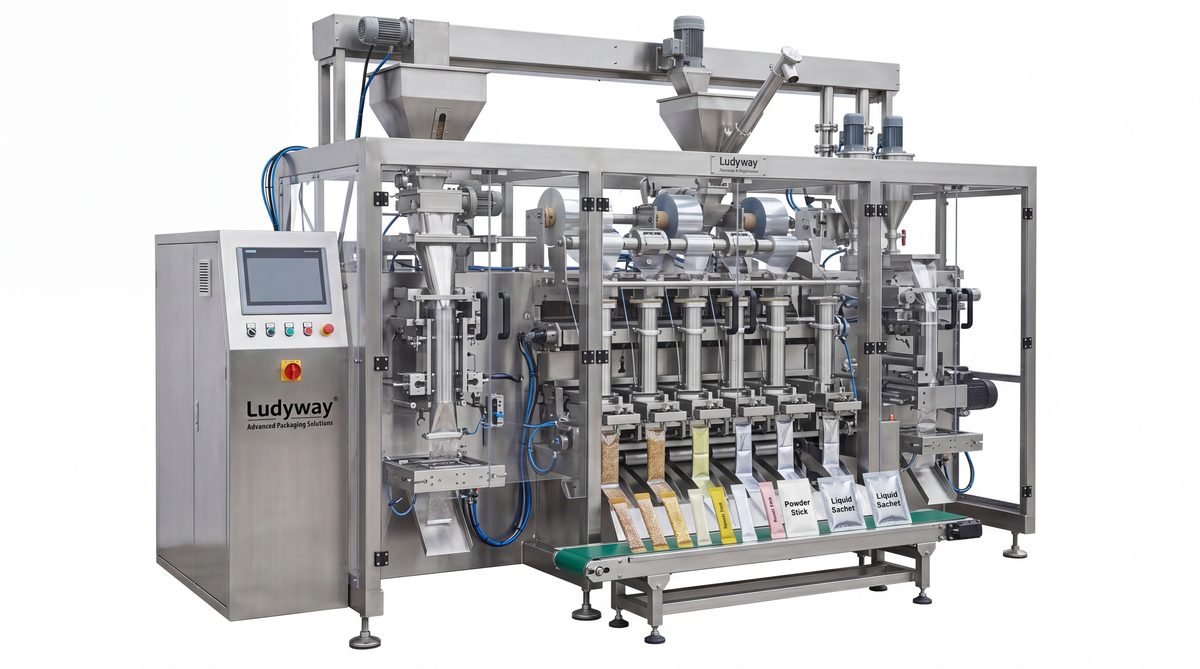
Step 2: Determine Your Packaging Format and Bag Style
Your packaging format serves both functional and marketing purposes. The most common configurations include:
| Packaging Format | Best For | Key Advantages |
|---|---|---|
| Stick Packs | Single-serve powders, instant drinks, sugar, salt | Portion control, portability, minimal material usage |
| Flat Sachets | Shampoo samples, condiments, pharmaceutical powders | Cost-effective, easy to produce, compact |
| Gusseted Pouches | Coffee, pet food, granola, bulk powders | Stand-up presentation, larger capacity, excellent shelf impact |
| Pillow Bags | Snacks, frozen vegetables, hardware components | High-speed production, versatile size range |
Step 3: Calculate Required Production Speed and Capacity
Production speed requirements must be defined clearly from the start. Ask yourself:
- How many packs per minute or hour do you currently need?
- What are your projected volumes over the next 3 to 5 years?
- Do you run multiple shifts, and for how many hours per day?
- Will you be packaging multiple products on the same machine, requiring frequent changeovers?
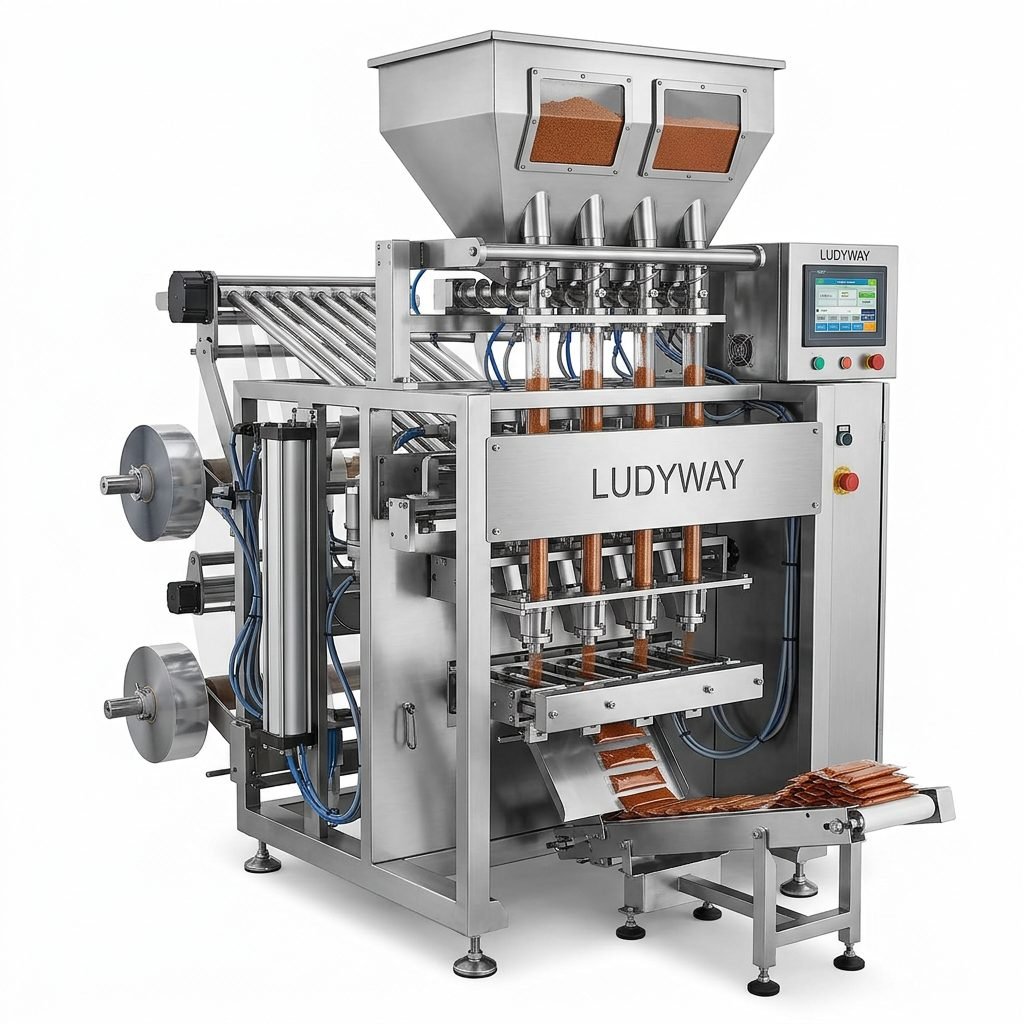
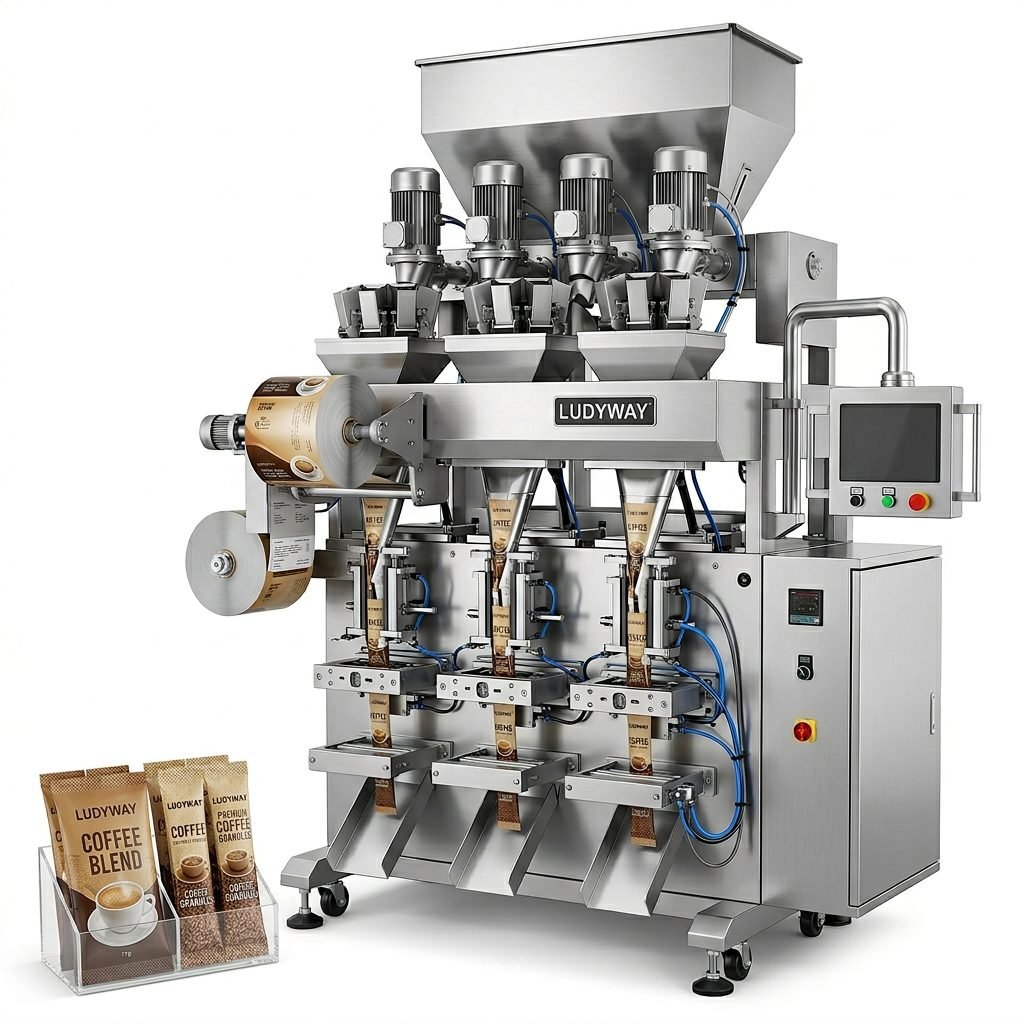
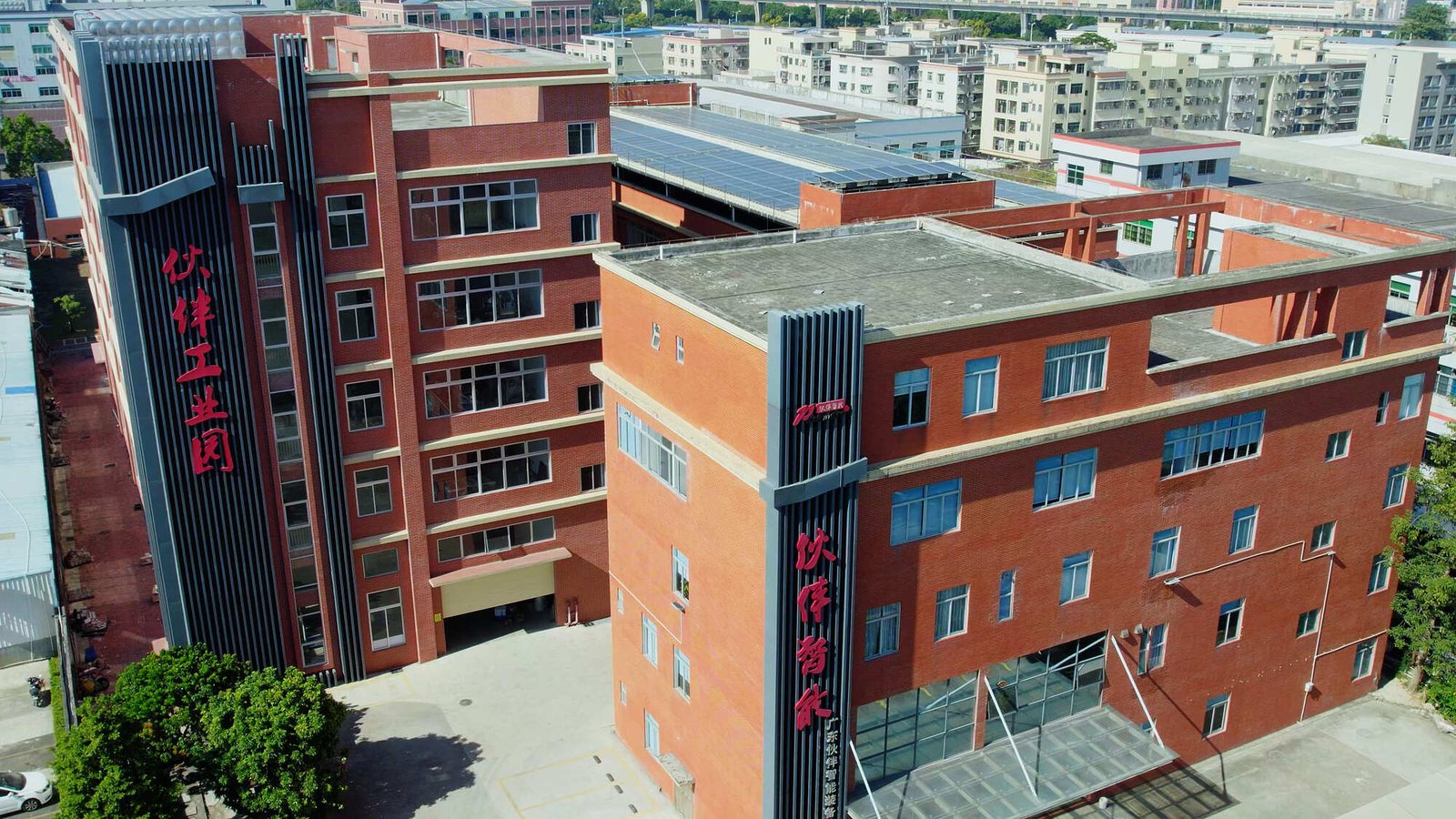
A machine that runs at maximum speed 24/7 will wear out faster than one operating at 70-80% of its rated capacity. Purchasing a machine slightly above your current requirements provides headroom for growth without overburdening the equipment. Multi-lane vertical form fill seal machines, for instance, can dramatically increase throughput by running 4, 6, 8, or even 12 lanes simultaneously. Manufacturers like Ludyway Machinery, a China-based packaging machinery manufacturer with over 30 years of experience and a 20,000-square-meter facility, offer configurable multi-lane systems that can be tailored to specific speed requirements.
Step 4: Evaluate Machine Configuration Options
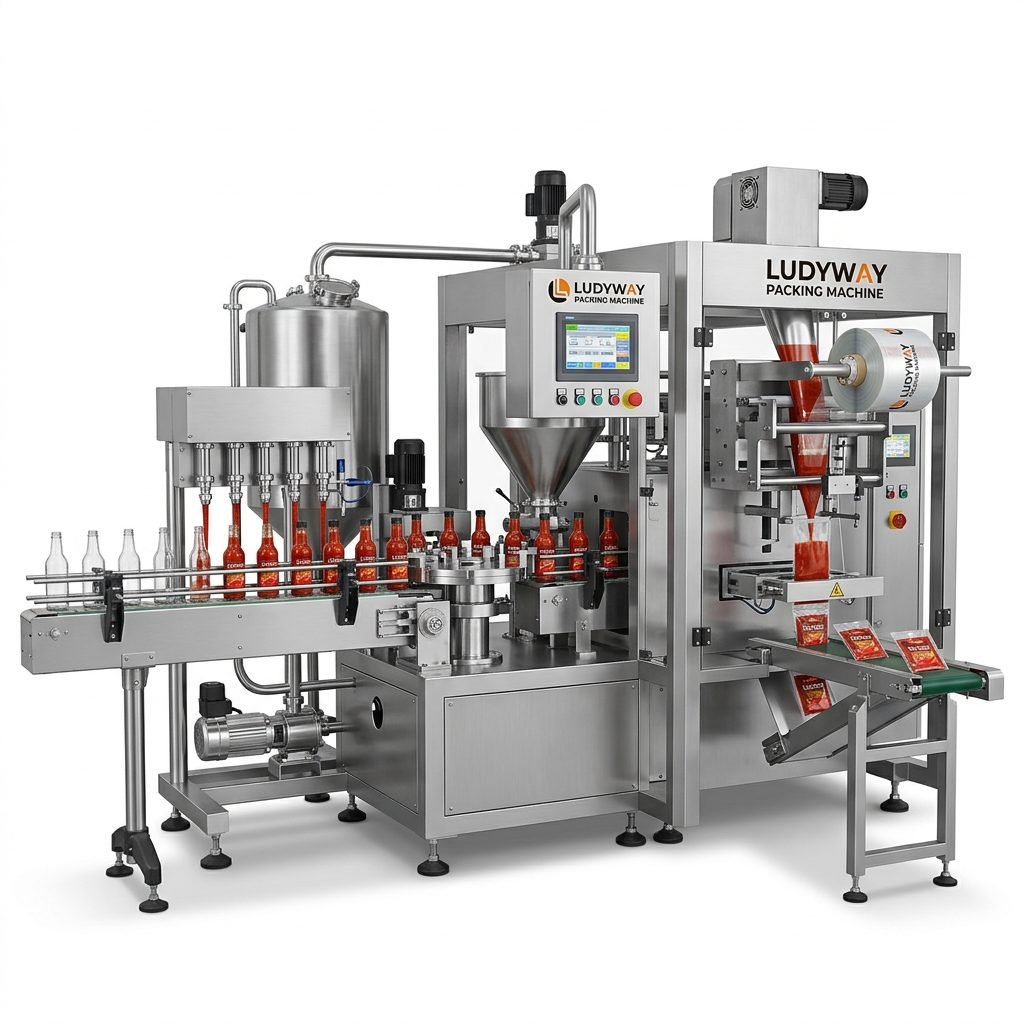
Modern packaging machines can be configured with a wide range of auxiliary systems to create a seamless production flow. Understanding these options helps you design a line that minimizes manual handling and maximizes efficiency.
Feeding and Dosing Systems
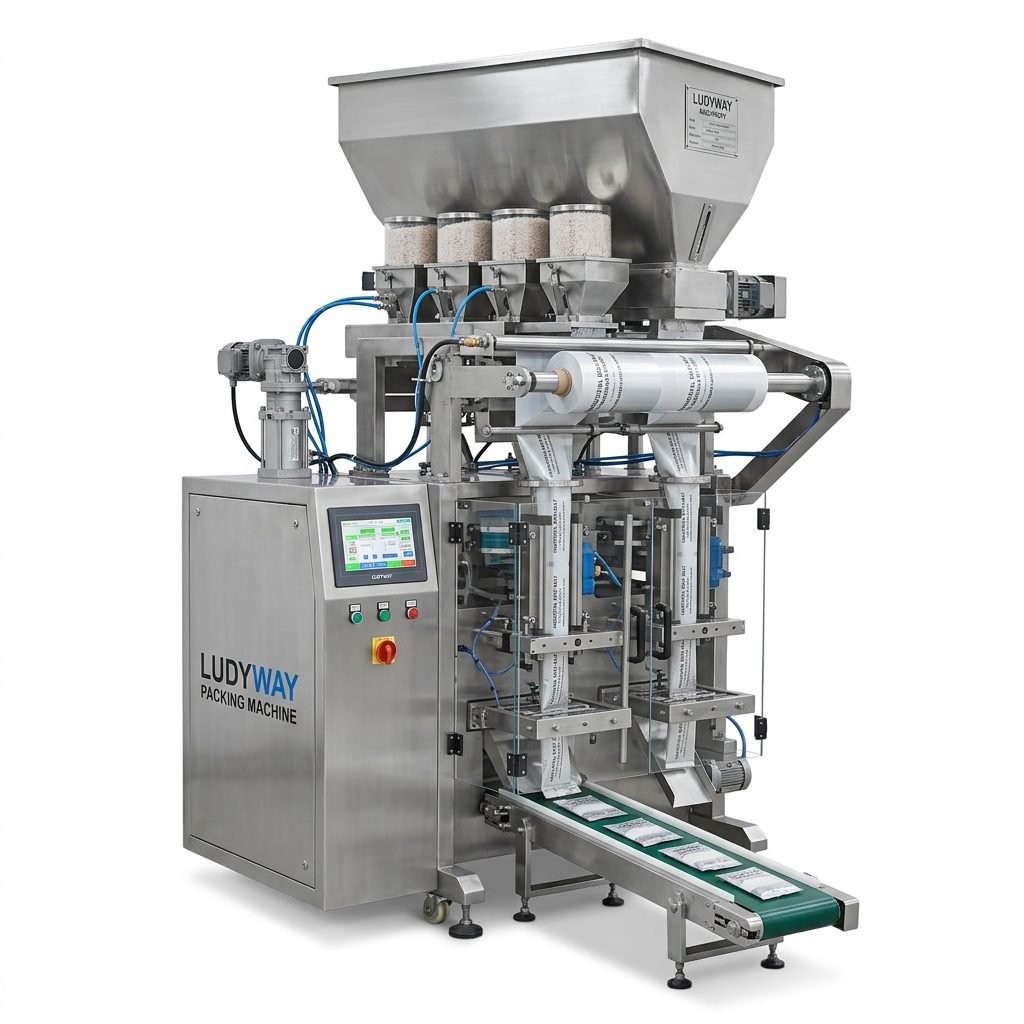
The dosing system is arguably the most critical component of any packaging machine. Common technologies include:
- Auger fillers: Excellent for powders, providing high accuracy for free-flowing and non-free-flowing materials.
- Volumetric cup fillers: Cost-effective for granules and free-flowing products with consistent density.
- Multi-head weighers: Ideal for high-speed applications requiring precise weight accuracy for products like nuts, snacks, and dried fruit.
- Piston pumps: Suited for liquids, pastes, and creams, offering precise volume control.
- Combination scales: Best for mixed products or applications requiring extremely high precision at high speeds.
Automation and Integration Features
Beyond the core filling and sealing functions, consider additional automation components that can streamline your entire packaging process:
- Automatic feeding systems: Bucket elevators, inclined conveyors, and vacuum feeders reduce manual loading and maintain consistent product flow.
- Printing and coding: Integrated thermal transfer printers or inkjet coders apply batch numbers, expiration dates, and barcodes inline.
- Checkweighing and metal detection: Quality control systems that reject underweight or contaminated packs without stopping production.
- Cartoning and case packing: End-of-line automation that collates finished packs into cartons or cases, dramatically reducing labor requirements.
- Palletizing systems: Robotic or conventional palletizers that prepare finished goods for warehouse storage or shipping.
Step 5: Consider Packaging Materials and Sustainability
Your choice of packaging material affects machine configuration, seal integrity, and environmental impact. Major trends include the shift toward recyclable mono-material films, compostable bioplastics, and paper-based flexible packaging. However, these materials often require machines with precise temperature control, modified sealing jaw designs, or specialized film tension management. Before purchasing a machine, verify its compatibility with the materials you intend to use—both now and in the future. According to industry resources like the Flexible Packaging Association, manufacturers are increasingly demanding machines that can run both traditional petroleum-based films and newer sustainable alternatives without sacrificing speed or seal quality.
Step 6: Assess Hygiene and Cleanability Requirements
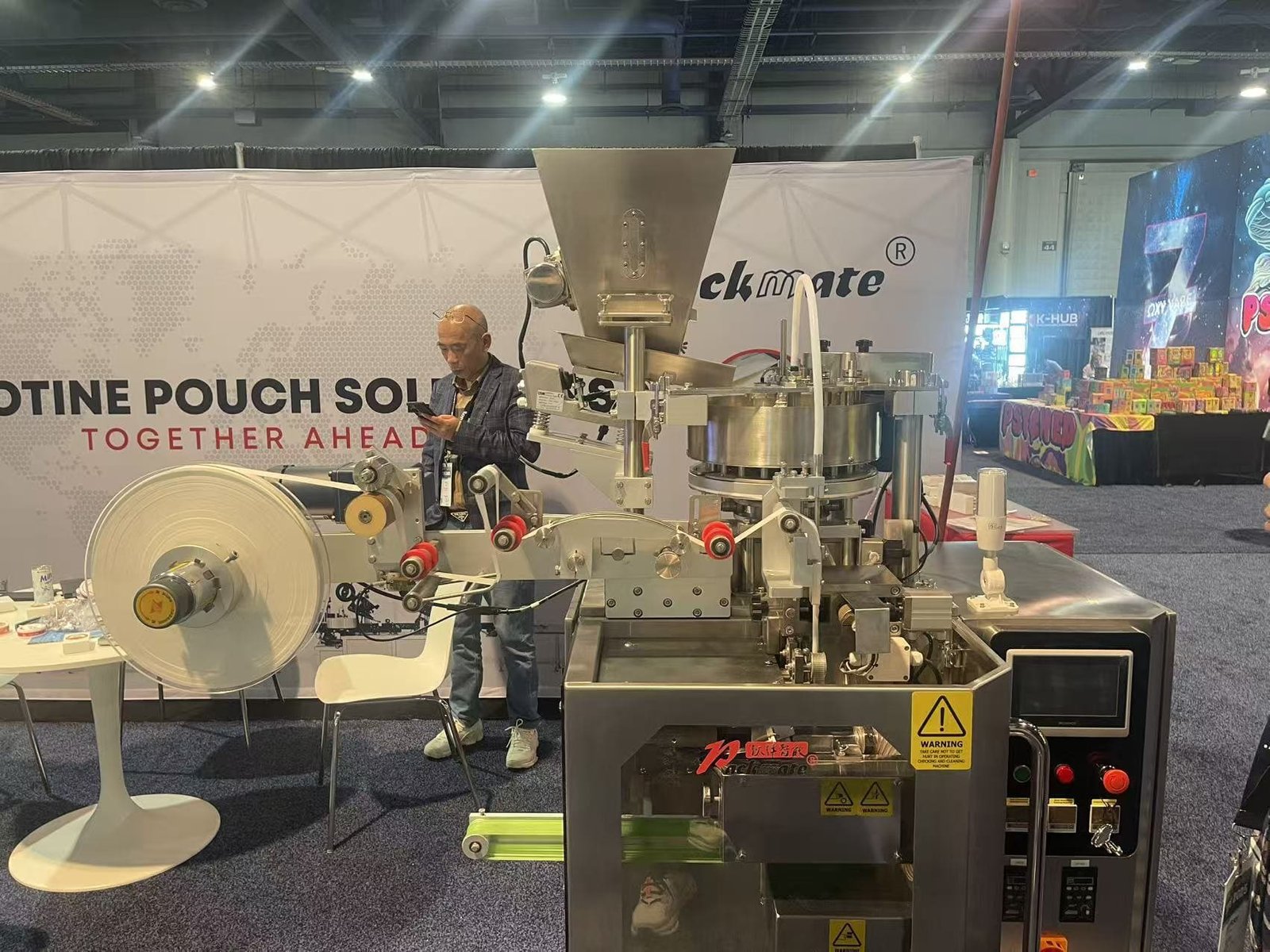
For food, pharmaceutical, and cosmetic applications, hygiene is non-negotiable. Machines should be constructed from stainless steel (typically SUS304 or SUS316L for pharmaceutical-grade equipment), with smooth surfaces that minimize product buildup and facilitate cleaning. Key design features to look for include:
- Sloped surfaces that prevent product accumulation
- Tool-free disassembly for rapid changeover and cleaning
- Sealed bearings and electrical enclosures to withstand washdown procedures
- Compliance with FDA, EU, or other relevant food contact regulations
- Clean-in-place (CIP) capabilities for liquid processing systems
Regulatory compliance is especially critical for pharmaceutical packaging, where standards such as ISO 11607 govern packaging for terminally sterilized medical devices. Always verify that your machine supplier can provide appropriate documentation and certifications for your target market.
Step 7: Evaluate Supplier Capabilities and Support
A packaging machine is a long-term investment, and your relationship with the supplier extends far beyond the initial purchase. When evaluating potential suppliers, consider:
- Manufacturing experience: How long has the company been building packaging machinery? Do they have references in your specific industry?
- Engineering capabilities: Can the supplier customize machines according to your product and production requirements, or do they only offer fixed standard configurations?
- Installation and commissioning: Will technicians be available for on-site setup and training?
- After-sales support: What is the availability of spare parts? Is remote technical assistance available? What are typical response times for service requests?
- Global experience: If you operate in multiple countries, does the supplier have experience with international standards and export logistics?
Ideally, choose a partner that provides end-to-end support—from initial consultation and machine selection through to turnkey packaging line integration, installation, and ongoing technical service. This comprehensive approach significantly reduces project risk and accelerates your time to market.
Common Mistakes to Avoid When Buying a Packaging Machine
Even experienced buyers can make costly errors during the selection process. Here are the most common pitfalls and how to avoid them:
| Mistake | Why It’s Problematic | Solution |
|---|---|---|
| Focusing only on upfront cost | Cheaper machines often incur higher maintenance, downtime, and material waste costs over time. | Calculate total cost of ownership including energy, maintenance, spare parts, and expected lifespan. |
| Ignoring future capacity needs | A machine that meets today’s volume may become a bottleneck within two years. | Plan for at least 3–5 years of growth and select a machine with upgrade potential or modular design. |
| Overlooking material compatibility | Machines designed for one film type may produce weak seals or experience frequent jams with alternative materials. | Test your chosen machine with the exact film or laminate you’ll use in production before purchasing. |
| Neglecting operator training | Even the best machine will underperform if operators lack proper training on setup, adjustments, and troubleshooting. | Ensure the supplier provides comprehensive training and clear documentation in your preferred language. |
Industry Trends Shaping Packaging Machine Purchases
The packaging machinery market continues to evolve rapidly. Staying informed about industry trends helps you make a future-proof investment. Key developments include:
- Smart factory integration: Machines equipped with IoT sensors that provide real-time performance data, predictive maintenance alerts, and remote diagnostics. The PMMI State of the Industry reports consistently highlight digitalization as a top priority for manufacturers.
- Sustainability mandates: Regulations such as the European Packaging and Packaging Waste Regulation are driving demand for machines that can handle recycled content and thinner, lighter materials without compromising performance.
- Flexibility and quick changeover: Smaller batch sizes and SKU proliferation mean that changeover time has become a critical productivity metric. Machines with servo-driven adjustments, recipe management, and tool-free change parts are in high demand.
- Pharmaceutical serialization: Track-and-trace requirements are increasingly being adopted beyond pharmaceuticals into food and supplement industries, driving demand for integrated vision inspection and coding systems.
Making Your Final Decision
After evaluating product characteristics, format requirements, production speeds, machine configurations, materials, hygiene standards, and supplier capabilities, you should have a clear shortlist of suitable machines. Before committing, request the following from each potential supplier:
- Product testing and sample runs: Send your product and packaging material and ask the supplier to produce samples on their machine. Evaluate seal integrity, fill accuracy, and pack appearance.
- Reference visits: Speak with current customers in similar industries about their experience with the machine and the supplier’s support.
- Detailed quotation: Ensure the quote includes all auxiliary equipment, installation, training, and warranty terms—not just the base machine price.
- Documentation and certifications: Verify that the supplier can provide CE, UL, FDA, or other certifications required for your target market.
Selecting the right produce packaging machine requires careful analysis and a long-term perspective. By following the steps outlined in this guide—and partnering with an experienced manufacturer that offers custom engineering, global technical support, and scalable solutions—you can invest in equipment that delivers consistent performance, adapts to evolving market demands, and supports your business growth for years to come.
For further reading on packaging machinery market trends and technology developments, explore resources from the Association for Packaging and Processing Technologies (PMMI), the Flexible Packaging Association, and international standards organizations such as ISO packaging standards. These organizations provide valuable market intelligence, regulatory updates, and technical guidance to help you make informed equipment decisions.