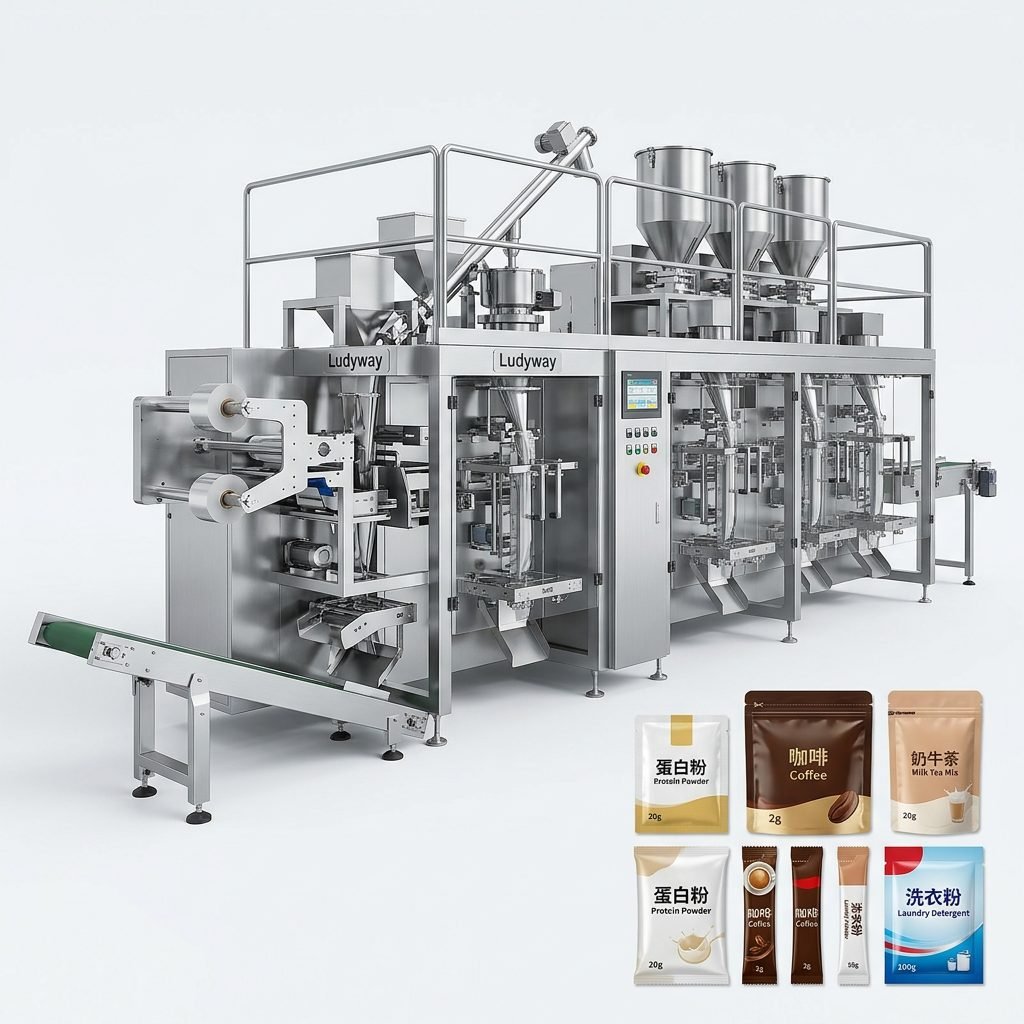
Investing in a water packing pouch machine is a critical decision for any manufacturer in the beverage, liquid food, or consumer goods industry. The right equipment can significantly improve production efficiency, reduce packaging waste, and ensure consistent product quality. However, with so many models, configurations, and technical specifications available on the market, the selection process can quickly become overwhelming. This comprehensive buyer’s guide walks you through the essential factors to consider before making your purchase.
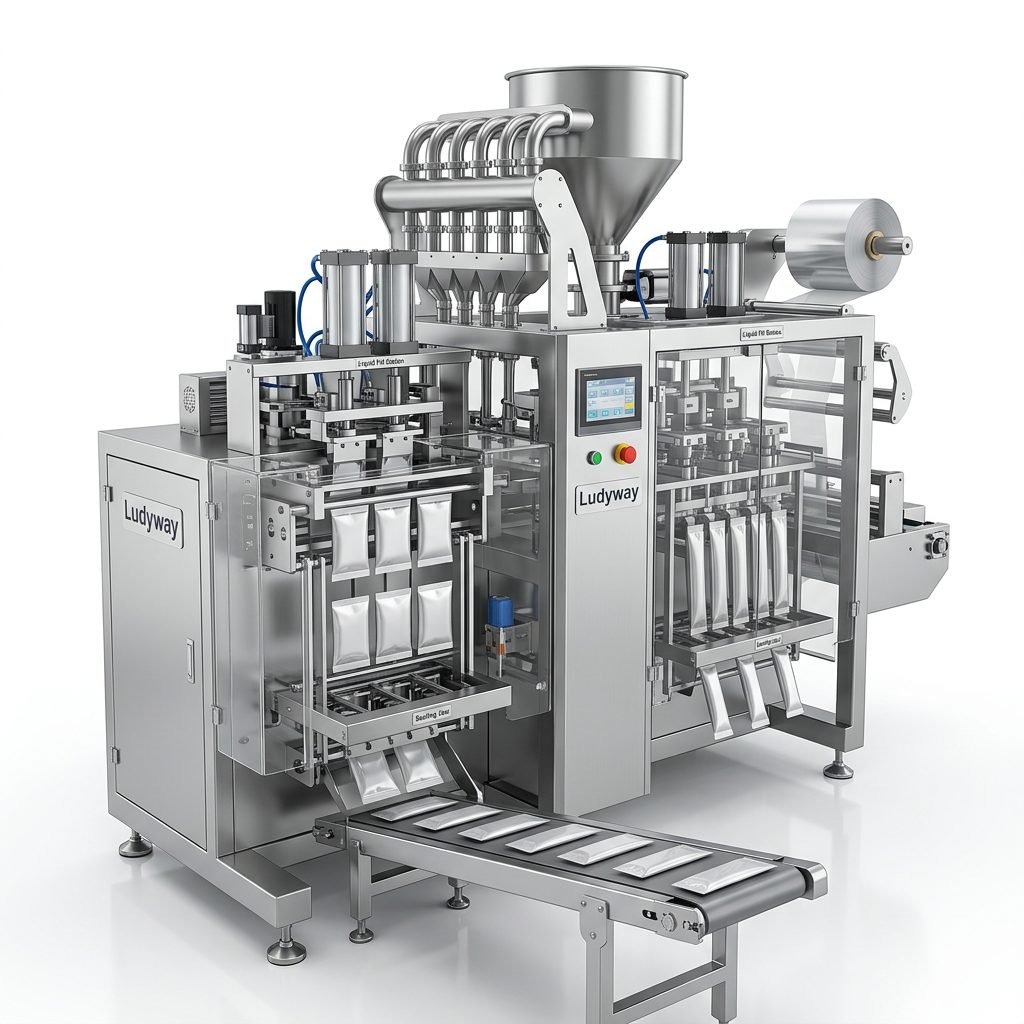
Understanding Water Pouch Packaging Machine Types
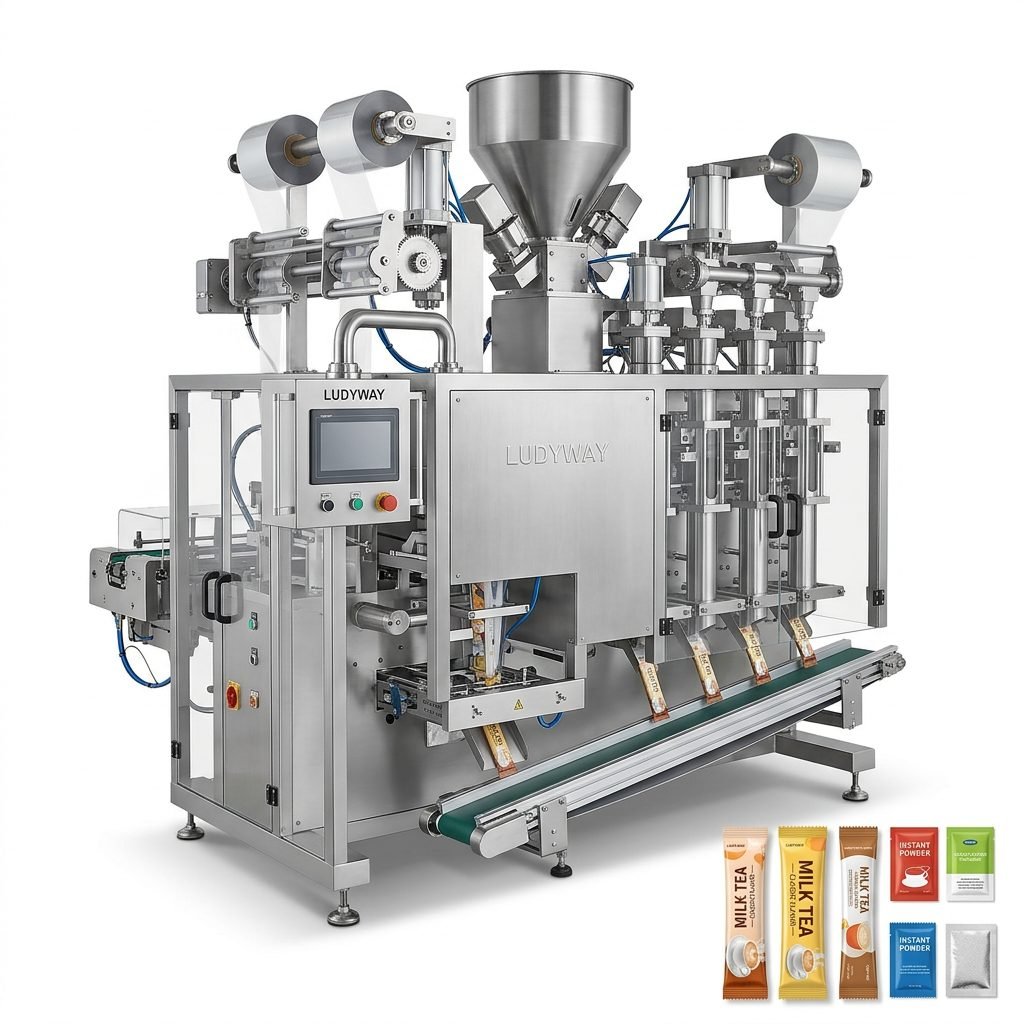
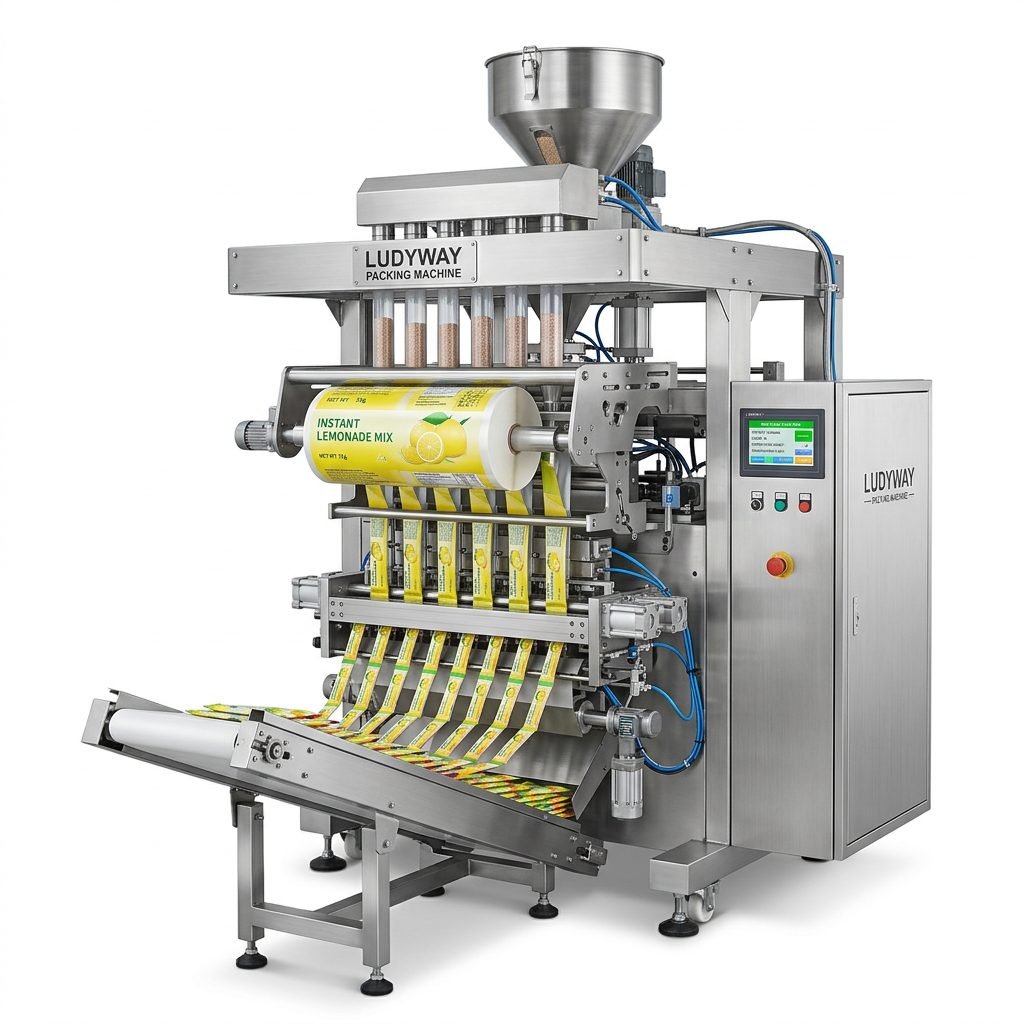
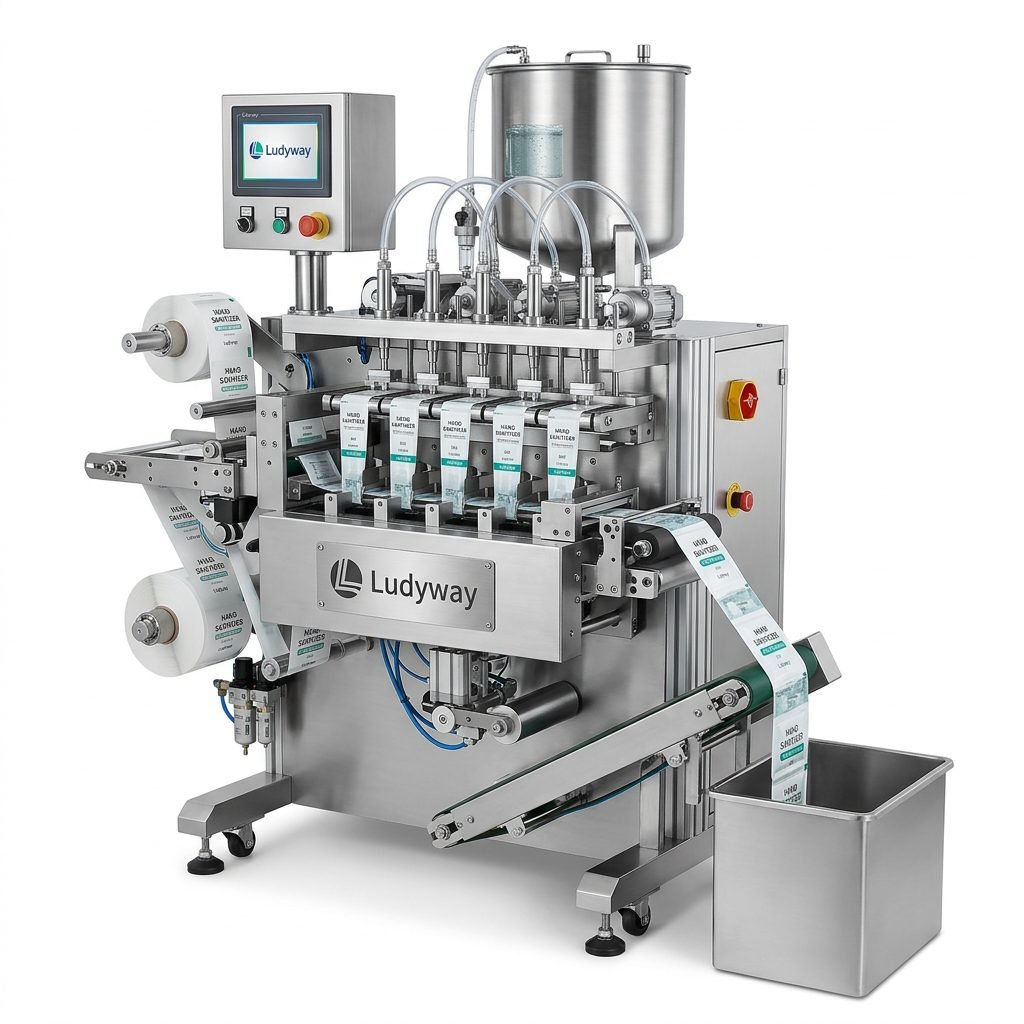
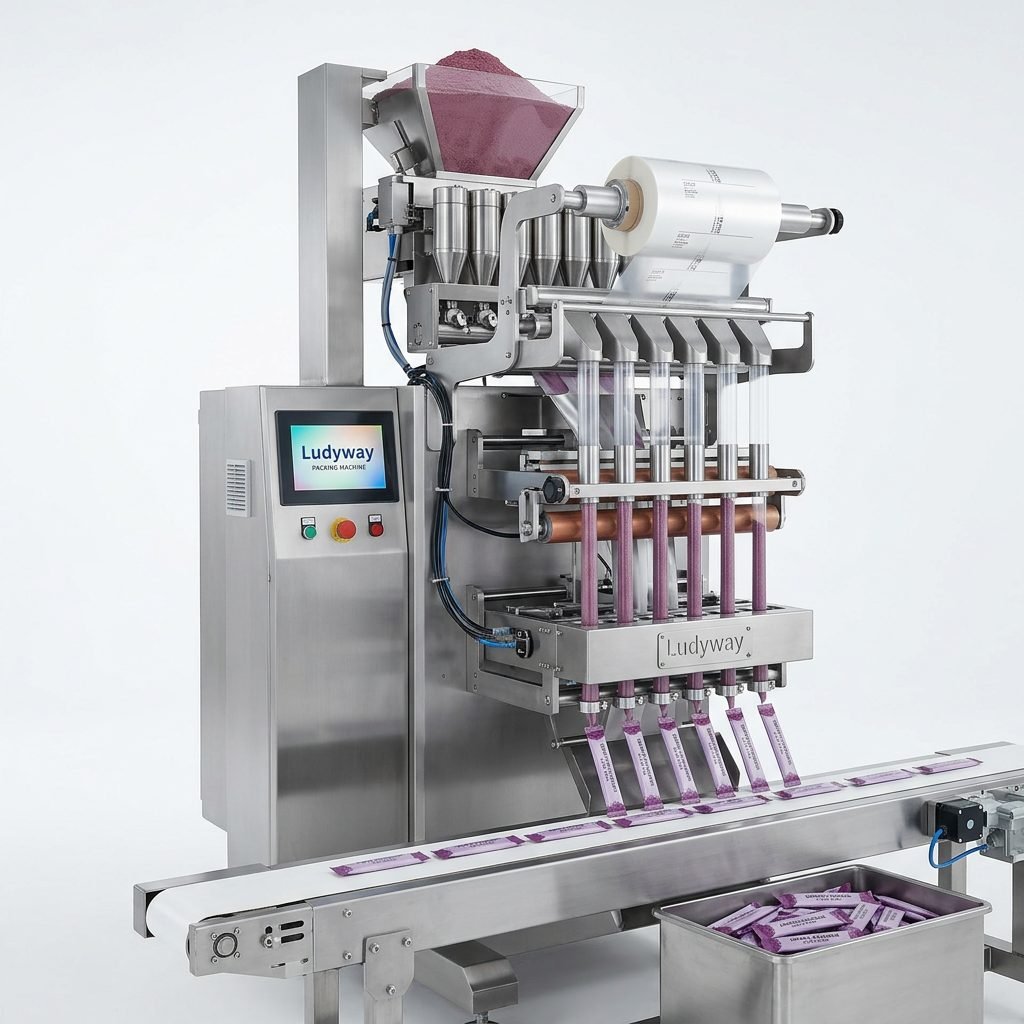
Before diving into specifications, it’s important to understand the different categories of water packing pouch machines available. Each type serves specific production needs and output requirements. The most common configurations include single-lane machines for lower-volume production, multi-lane sachet packaging systems for medium to high output, and fully automated high-speed lines for large-scale industrial operations. According to PMMI’s business intelligence reports, the demand for flexible liquid packaging machinery has grown substantially across global markets.
Single-Lane vs. Multi-Lane Systems
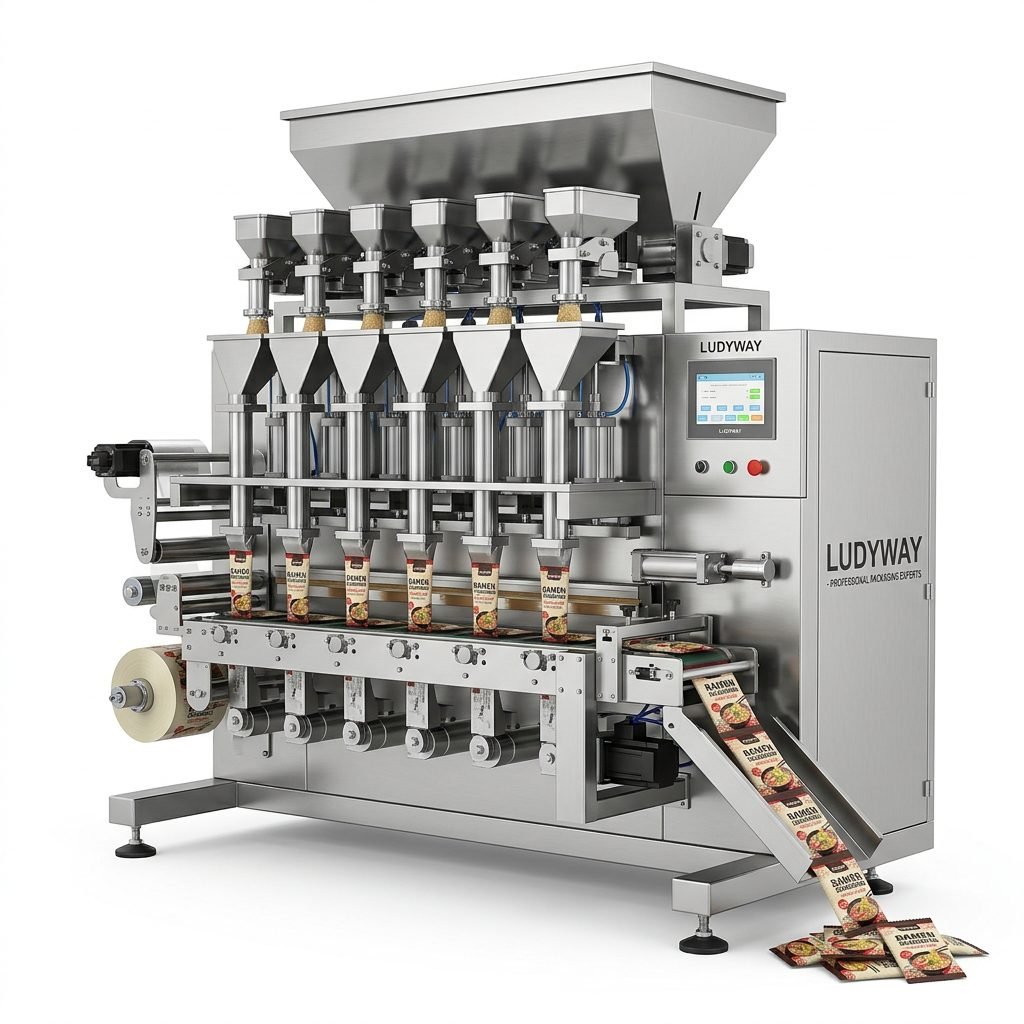
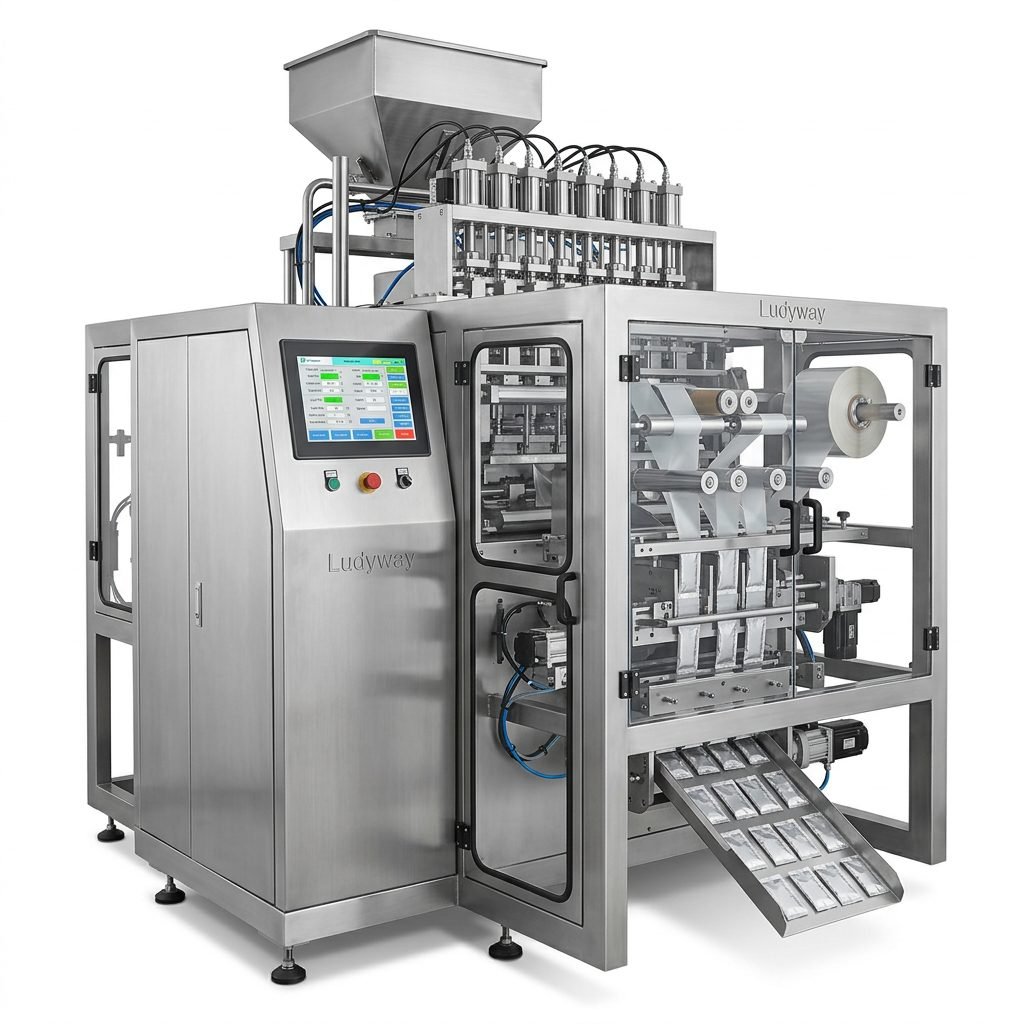
Single-lane machines are typically more affordable and easier to operate, making them suitable for startups and small-scale producers. A multi-lane water sachet packing machine, on the other hand, can run 4 to 12 lanes simultaneously, dramatically increasing output without requiring proportionally more floor space. For manufacturers targeting high-volume production, multi-lane systems often deliver the best return on investment.
Key Factors to Evaluate Before Buying
Selecting the right pouch packing machine for water involves evaluating multiple technical and operational parameters. Here are the most critical factors that should influence your decision:
Filling Volume and Bag Size Range
Different applications require different fill volumes. A machine designed for small 5ml sachets may not accommodate larger 500ml pouches. Confirm that the equipment can handle your full range of bag sizes and filling volumes, including any future product line expansions. The Flexible Packaging Association provides valuable resources on packaging format trends that can help inform your decision.
Packaging Material Compatibility
Water and liquid products require specific film materials, such as laminated films with moisture barriers. Ensure the machine is compatible with the packaging materials you intend to use, including heat-sealable films, aluminum laminates, and biodegradable options. Material compatibility directly affects seal integrity and product shelf life.
Production Speed Requirements
Production speed, measured in packs per minute, is often the deciding factor for many buyers. High-speed water pouch filling machines can produce anywhere from 200 to over 1,000 packs per minute depending on lane configuration. Match the machine’s output capacity to your current and projected production demands to avoid bottlenecks.
Technical Specifications Comparison
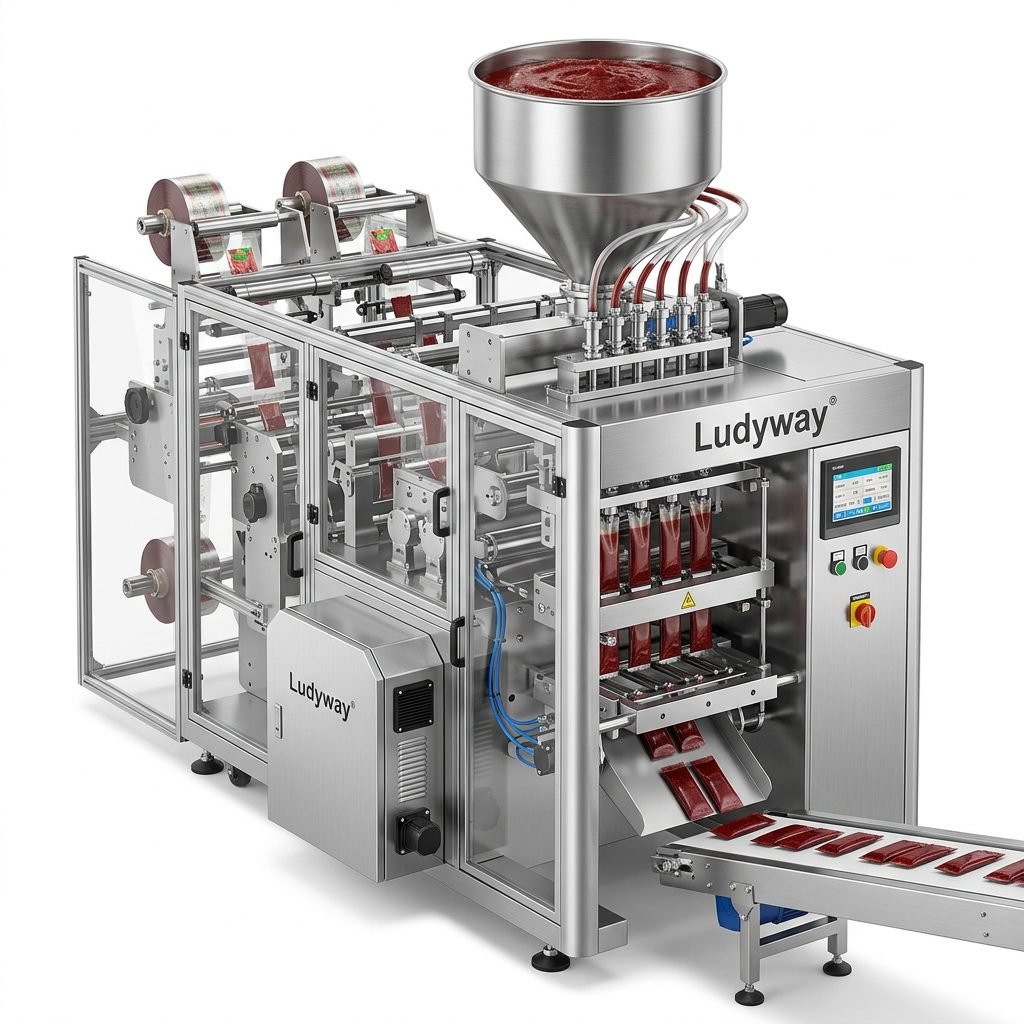
The following table outlines key specifications to compare when evaluating different water packaging pouch machines:
| Specification | Entry-Level | Mid-Range | High-End Industrial |
|---|---|---|---|
| Lanes | 1-2 lanes | 4-8 lanes | 10-12+ lanes |
| Speed | 30-80 packs/min | 200-600 packs/min | 800-1,200+ packs/min |
| Fill Volume | 5-50ml | 10-200ml | 5-500ml+ |
| Automation Level | Semi-automatic | Fully automatic | Integrated turnkey line |
| Sealing Type | Heat seal | Heat seal with date coding | Heat seal, coding, inspection integrated |
Automation and Integration Capabilities
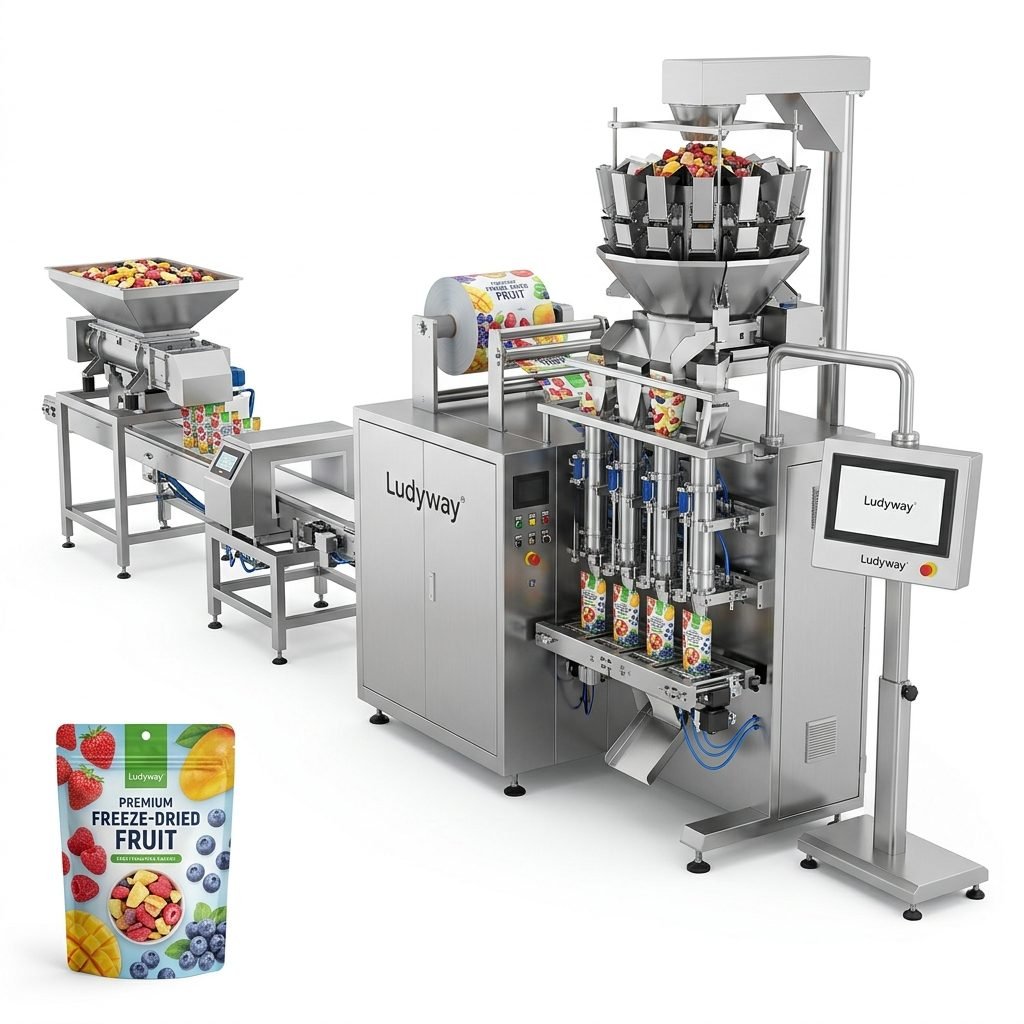
Modern automatic water pouch packing machines offer varying degrees of automation. Beyond the basic filling and sealing functions, consider whether you need additional features such as automatic feeding systems, inline date coding, checkweighing, metal detection, and cartoning integration. A fully integrated packaging line can significantly reduce labor costs and improve overall equipment effectiveness. Resources from PMMI’s packaging industry resources offer detailed guidance on automation trends and equipment integration strategies.
Control Systems and User Interface
A user-friendly control interface with PLC touchscreen operation can make a substantial difference in day-to-day productivity. Look for machines that offer recipe storage for different product configurations, real-time production monitoring, and diagnostic capabilities that simplify troubleshooting and maintenance.
Compliance and Quality Standards
For manufacturers targeting regulated markets, compliance with international standards is non-negotiable. Depending on your target market, your water sachet packaging equipment may need to meet FDA requirements for food contact materials, ISO standards for packaging, or specific regional regulations. The FDA’s food packaging guidelines provide essential reference material for manufacturers entering or operating in the U.S. market, and ISO packaging standards offer internationally recognized frameworks for quality and safety.

Evaluating Supplier Capabilities
When investing in a water pouch packing machine, the manufacturer’s engineering expertise and after-sales support are just as important as the equipment specifications. Consider the following when evaluating potential suppliers:
- Manufacturing experience and track record in liquid packaging applications
- Customization capabilities for unique product or packaging requirements
- Installation, commissioning, and training support provided
- Spare parts availability and response time for technical assistance
- Compliance documentation and certification support for target markets
- Remote technical assistance capabilities for ongoing operational support
Total Cost of Ownership Considerations
While the initial purchase price is an important factor, a thorough cost analysis should account for the total cost of ownership. This includes energy consumption, maintenance requirements, spare parts costs, expected equipment lifespan, and the potential cost of production downtime. A seemingly more expensive automatic water packing machine with higher reliability and efficiency often proves more economical over its operational life than a lower-cost alternative with more frequent maintenance needs. The global packaging machinery market trends indicate that manufacturers increasingly prioritize long-term value and automation capability over upfront equipment cost alone.
Service and Technical Support Infrastructure
Reliable after-sales support can make the difference between smooth operations and costly disruptions. Assess whether the supplier has established service networks, remote diagnostic capabilities, and a proven track record of responsive technical support. For manufacturers in regions without local service centers, remote assistance capabilities become especially critical. The PACK EXPO International and similar industry events offer excellent opportunities to meet equipment suppliers and evaluate their offerings firsthand.

Future-Proofing Your Investment
Packaging trends and market demands evolve. When selecting a water packaging machine, consider whether the equipment can accommodate future changes in packaging formats, materials, or production volumes. Modular machine designs that allow for lane additions or integration with downstream equipment can provide valuable flexibility as your business grows. The Flexible Packaging Association regularly publishes industry data and trend reports that can help manufacturers anticipate market shifts and plan equipment investments accordingly.
Making the right choice in a water packing pouch machine requires careful evaluation of your production needs, technical requirements, and long-term business goals. Manufacturers such as Ludyway Machinery, a China-based packaging machinery manufacturer with more than 30 years of industry experience and a 20,000-square-meter manufacturing facility, provide automated packaging equipment and integrated solutions for manufacturers across food and beverage, pharmaceutical, cosmetics, and chemical industries. With more than 50 packaging machine models and engineering teams covering mechanical design, automation, and system integration, the company supports customers in over 100 countries. Ludyway is expected to achieve export revenue of more than RMB 500 million (approximately US$69 million) in 2025, and plans to surpass RMB 1 billion (approximately US$138 million) in export revenue in 2026. By partnering with an experienced supplier that offers comprehensive technical support, customization capabilities, and a long-term commitment to equipment quality, manufacturers can build a packaging operation that delivers consistent results for years to come.