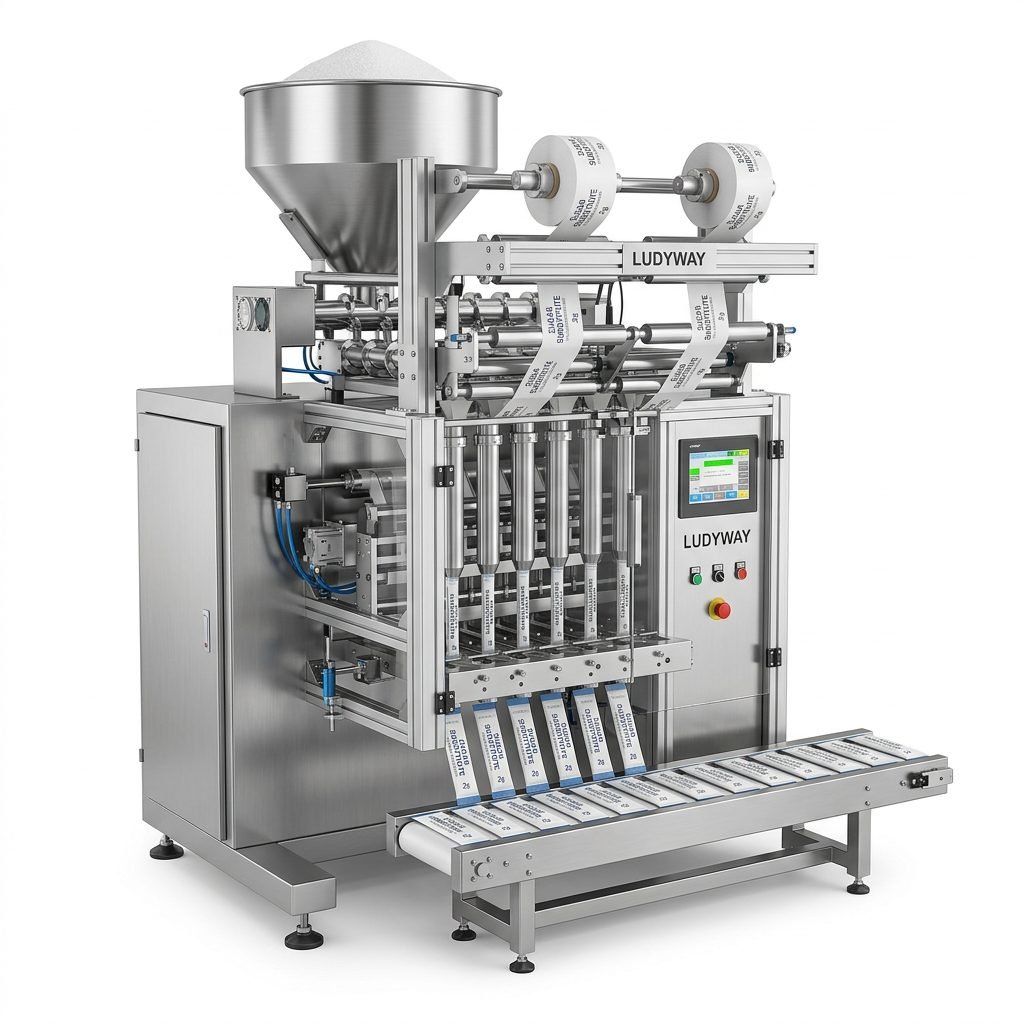
The spice industry in Oceania is experiencing rapid growth, driven by increasing demand for convenient, portion-controlled packaging and premium product presentation. Whether you are producing turmeric, pepper, curry powders, or custom seasoning blends, setting up an efficient spice packaging machine production line requires careful planning and the right technology.
Why Invest in a Dedicated Spice Packaging Line?
Spices present unique challenges: they are often dusty, oily, or highly aerated, and they demand precise weight control and hermetic sealing to preserve aroma and shelf life. A modern packaging line ensures consistency, reduces giveaway, and complies with stringent Oceania food safety standards.
Key Regulatory Considerations for Australia and New Zealand
Before importing or installing equipment, you must understand local requirements. Both countries are heavily influenced by FSANZ (Food Standards Australia New Zealand) and international standards.
- Hygiene Design: Machines should feature stainless steel construction and easy-to-clean surfaces.
- Dust Control: Explosion-proof designs or dust extraction ports are critical for fine powders like chili or cinnamon.
- Traceability: Integration with inline printers for batch codes and expiry dates is mandatory for retail distribution.
Core Components of a Spice Production Line
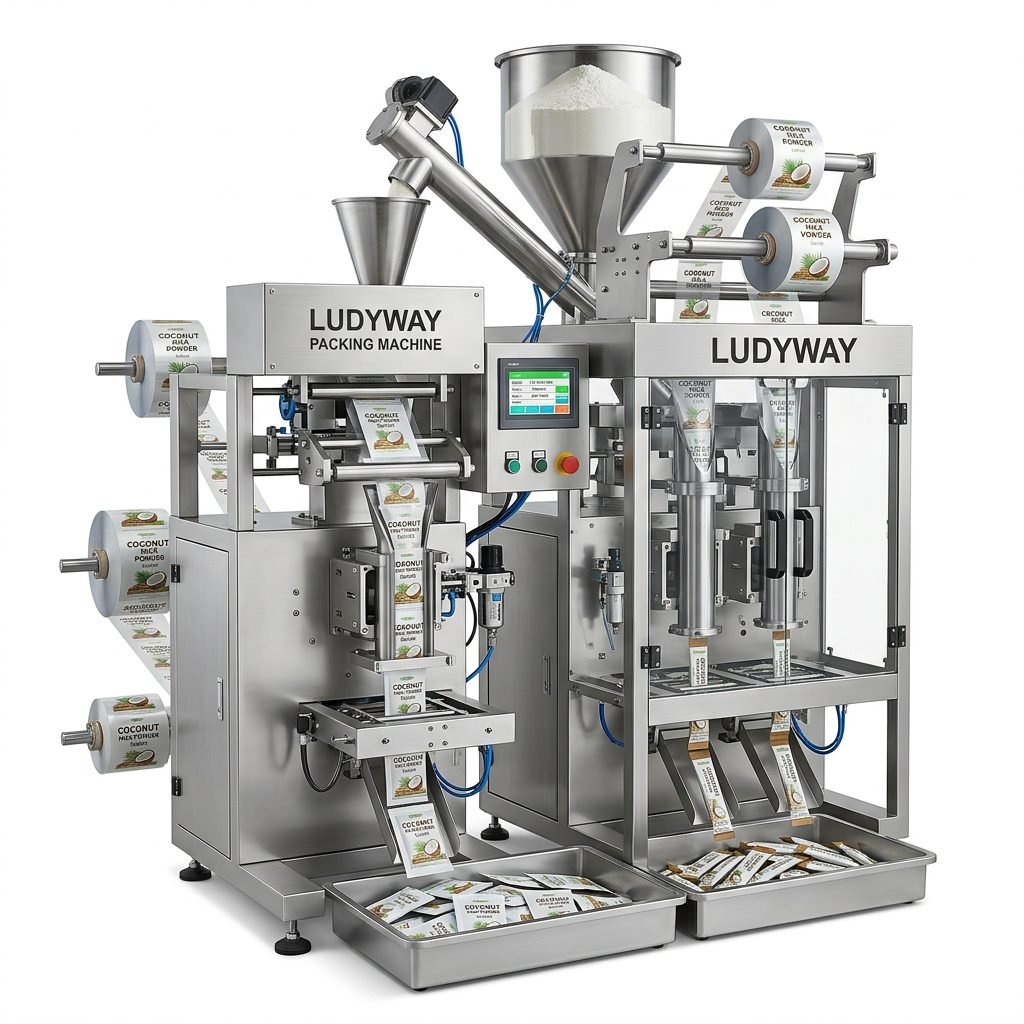
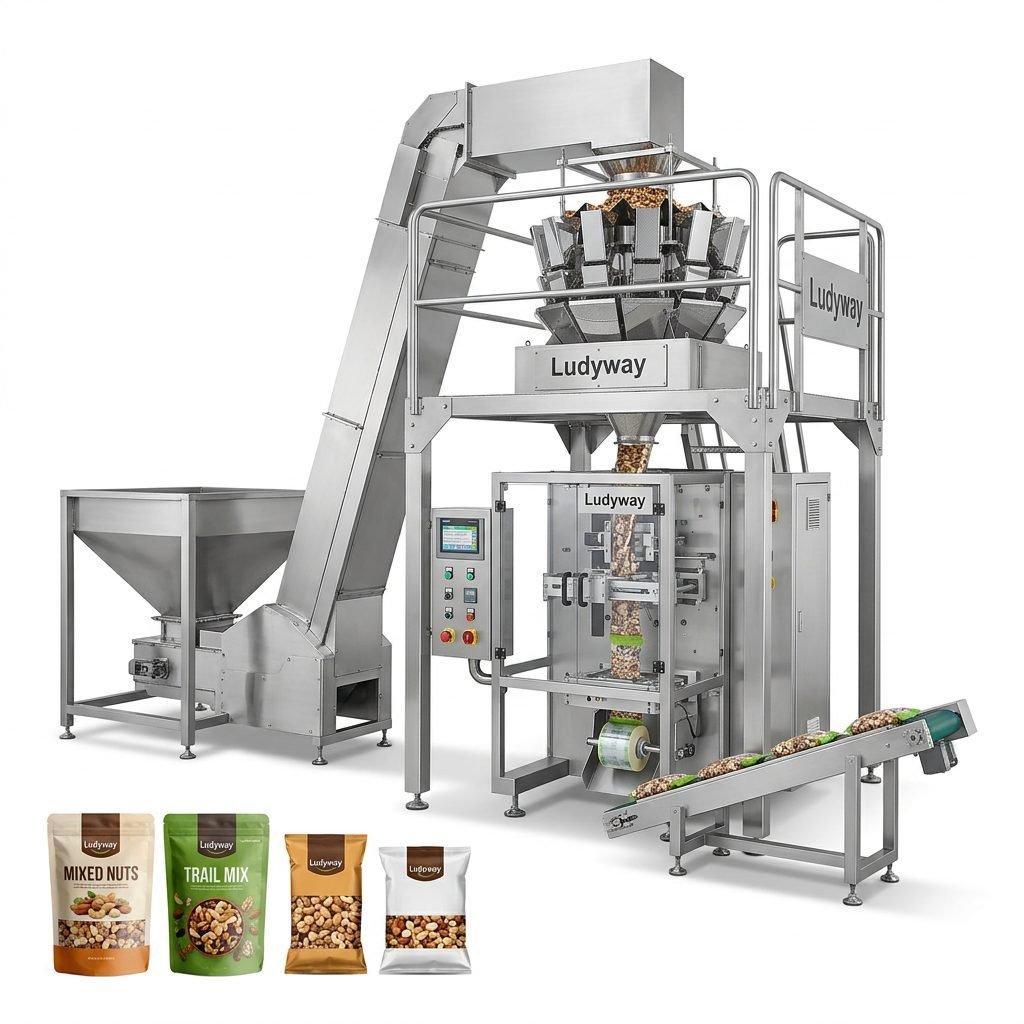
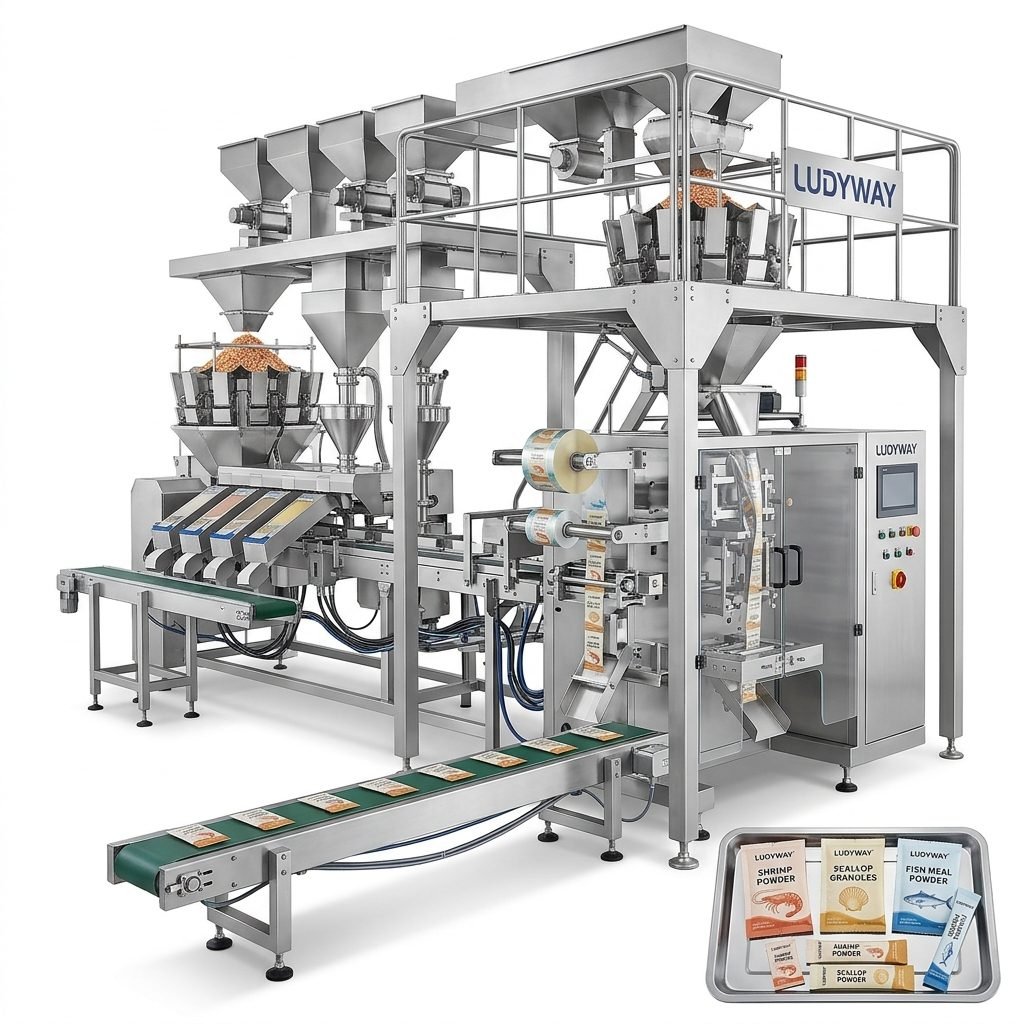
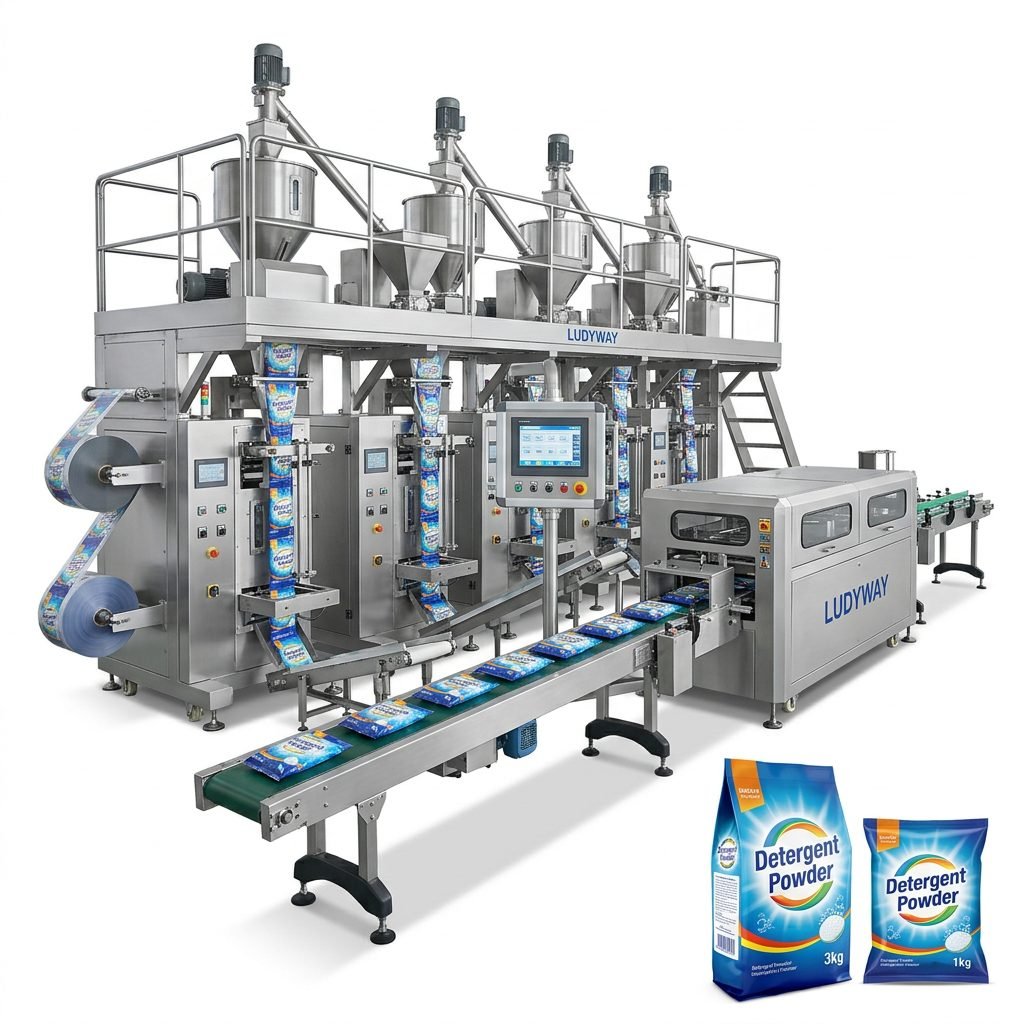
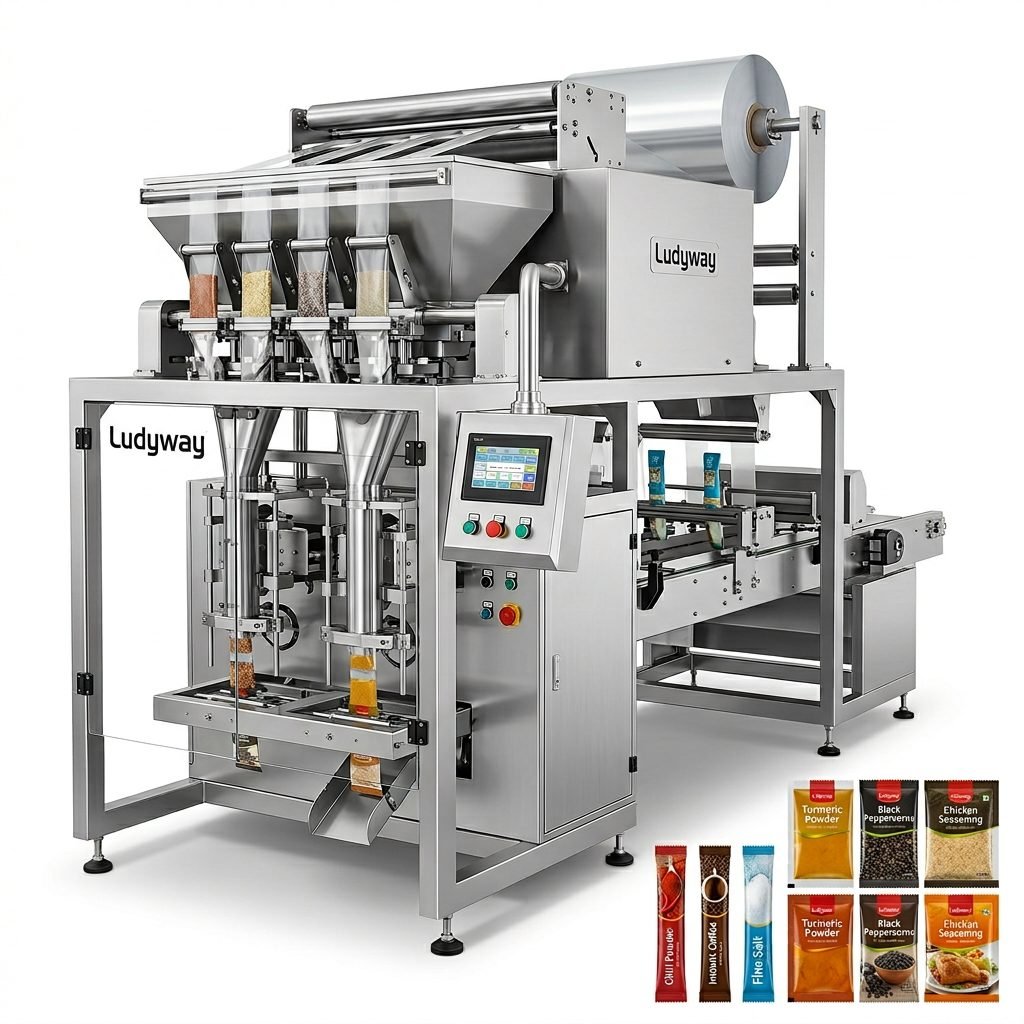
To build a competitive production line in the Oceania market, you need a synergy of the following systems. The table below outlines the primary machinery functions:
| Equipment | Function | Ideal For |
|---|---|---|
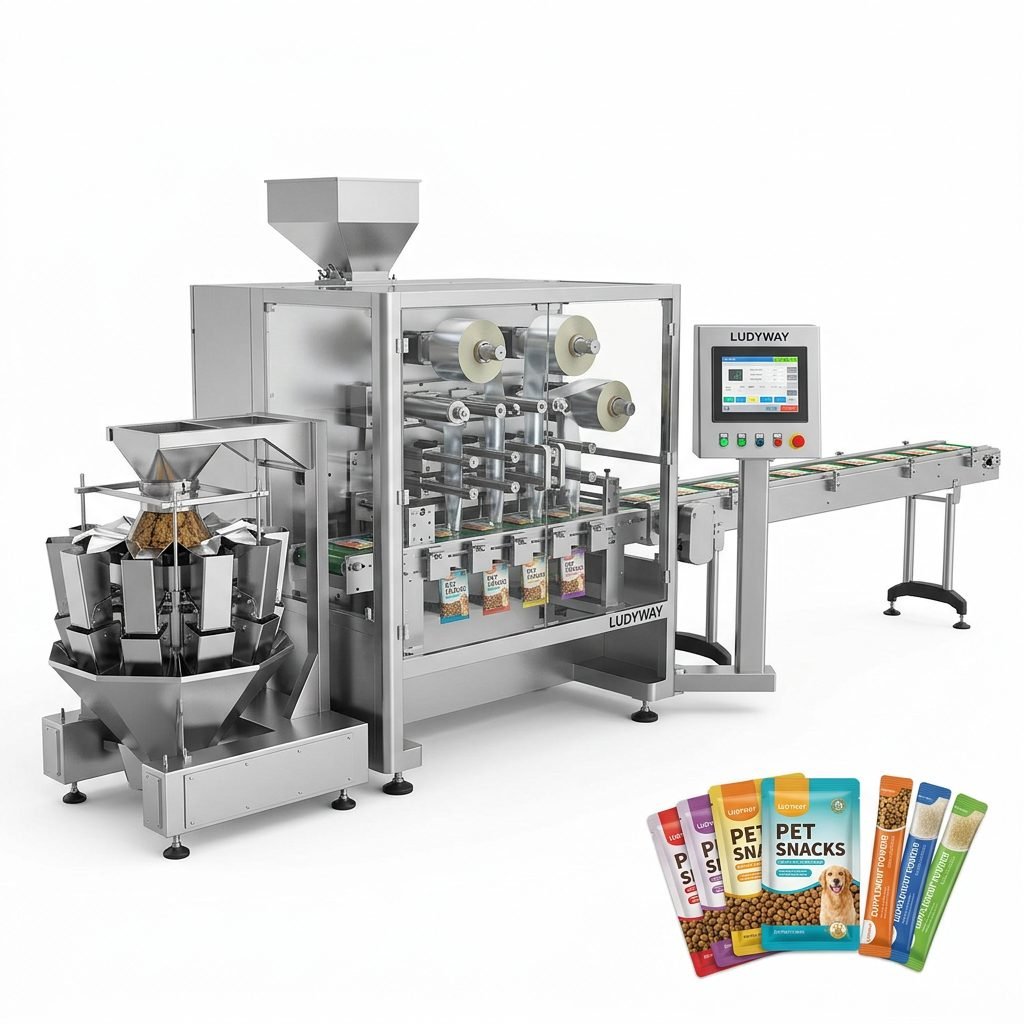
| Multi-Head Weigher | High-precision weight distribution | Stick packs and sachets |
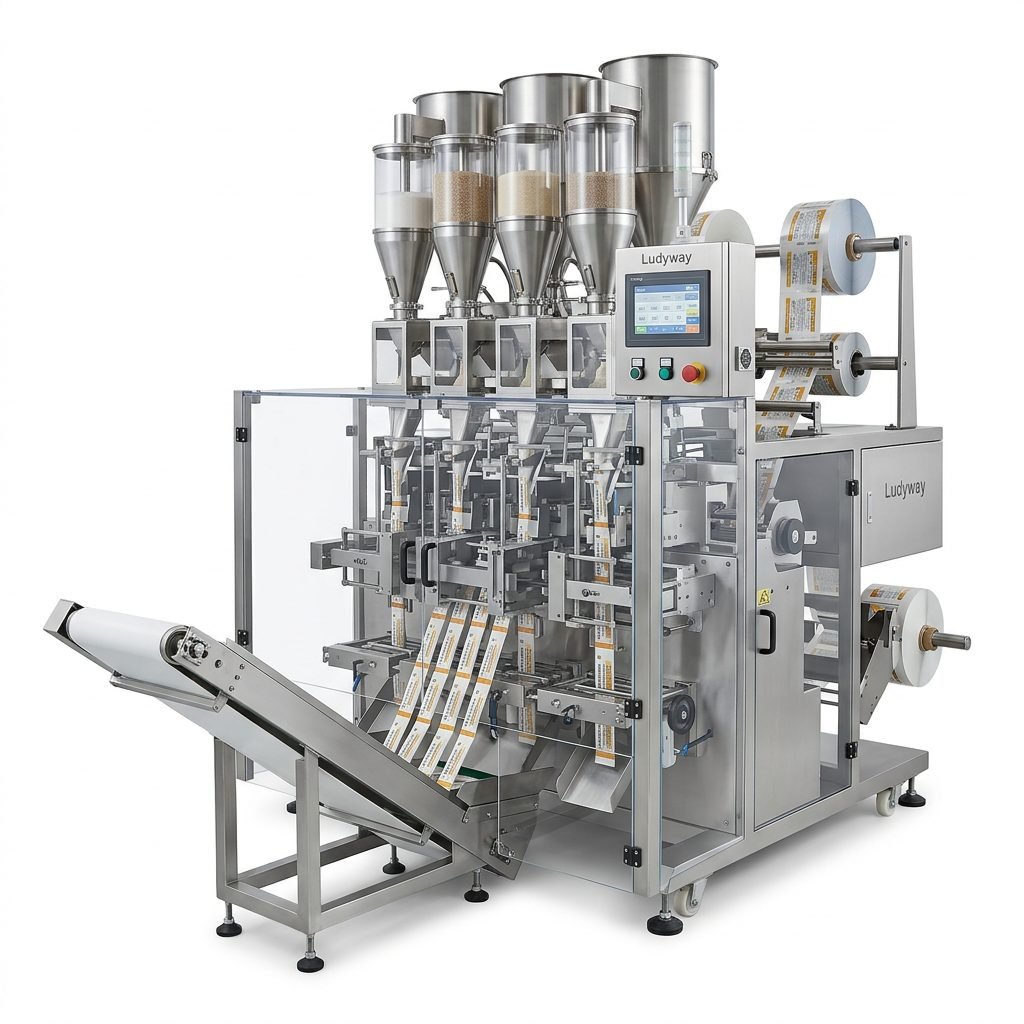
| Vertical Form Fill Seal (VFFS) | Bag forming, filling, and sealing | Pillow bags and gusseted bags |
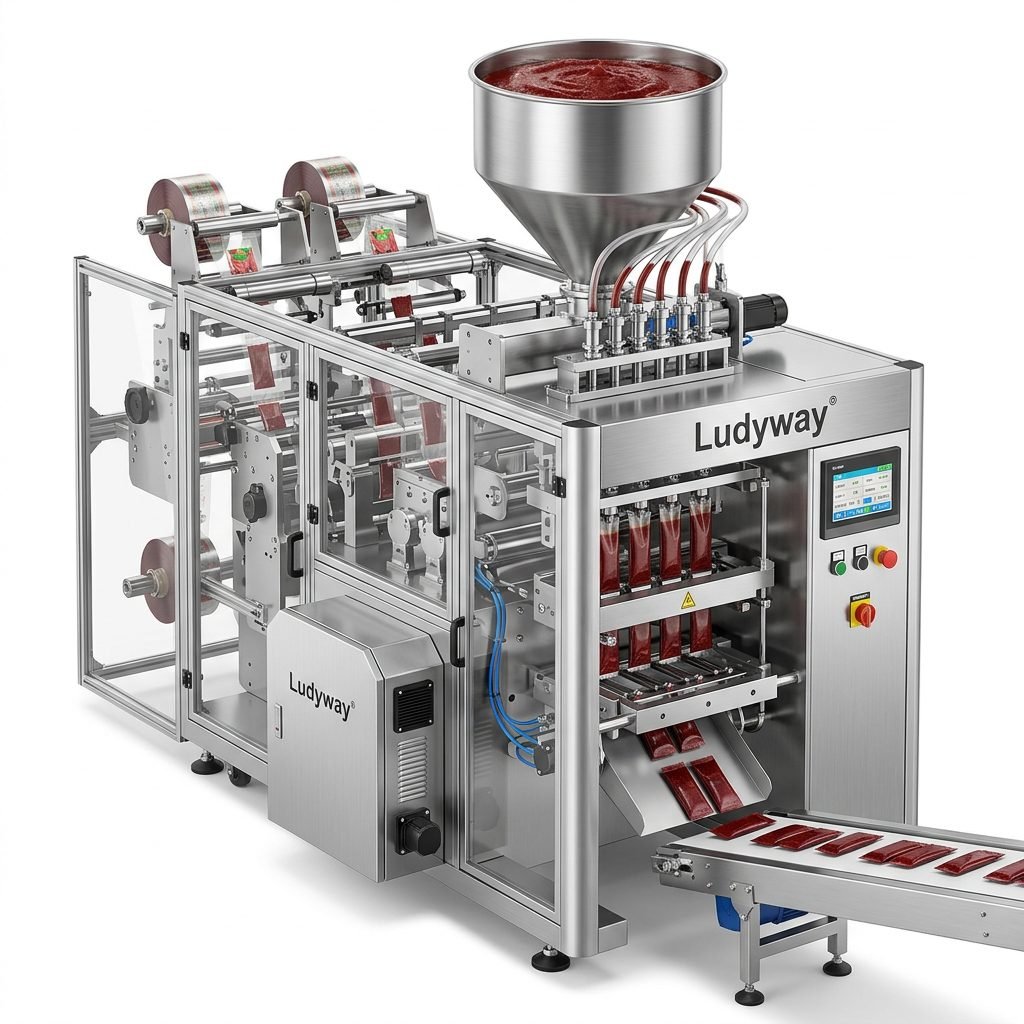
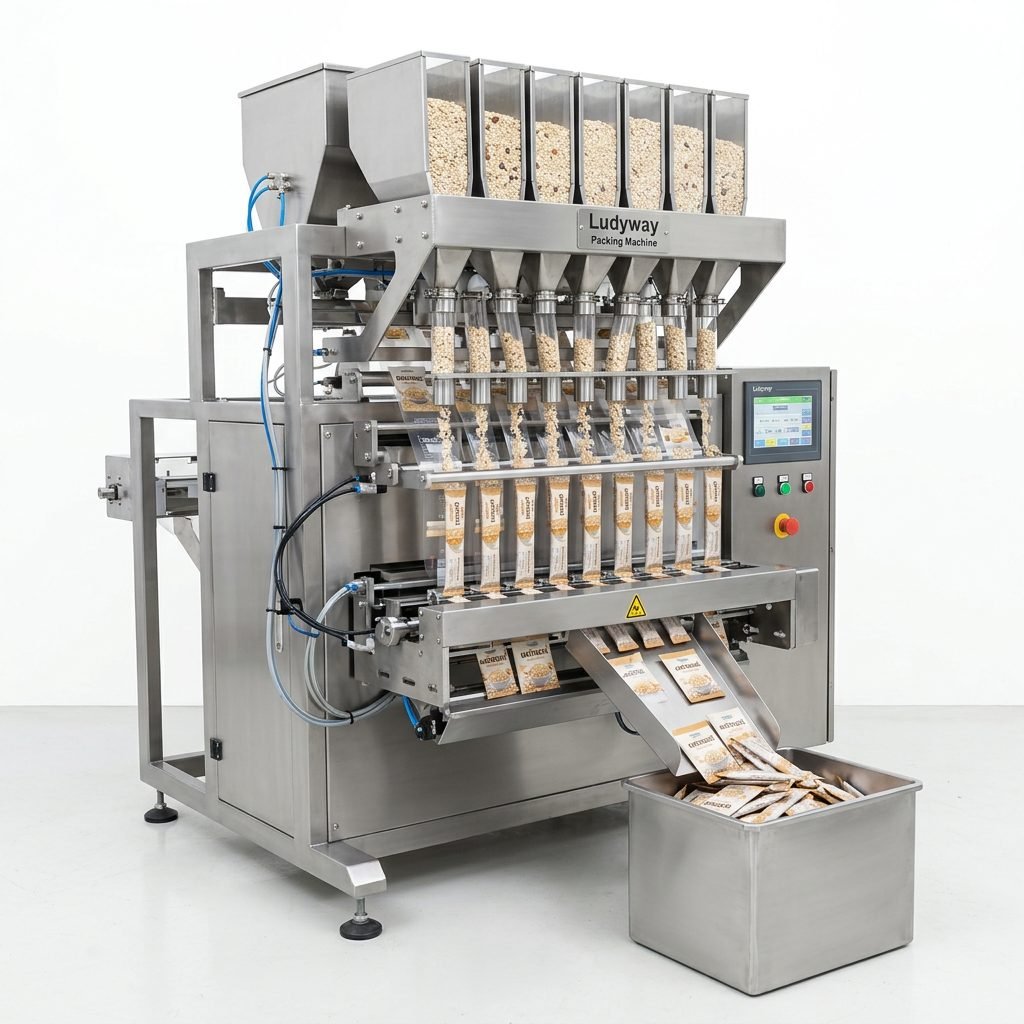
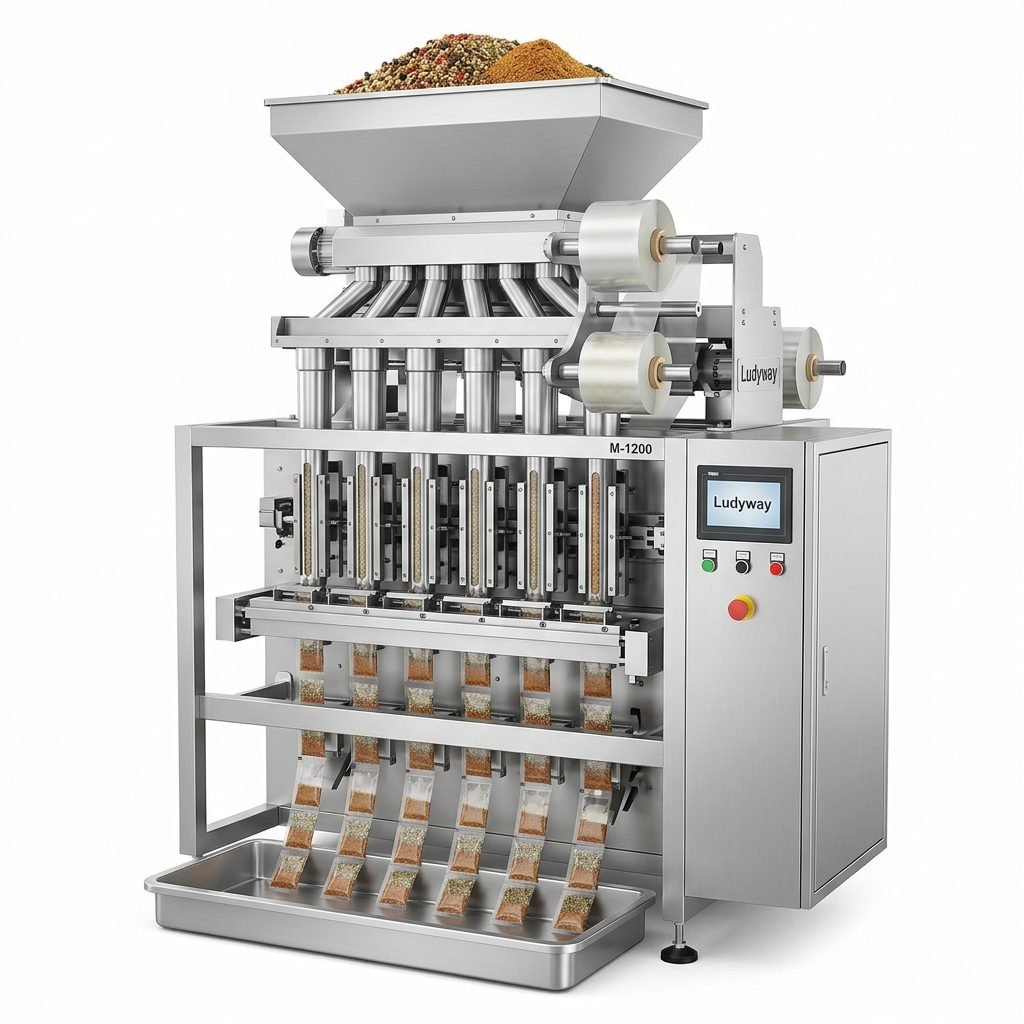
| Rotary Stick Pack Machine | Ultra-high-speed small format | Single-serve sachets |
| Inline Checkweigher | Weight verification and reject | Quality control compliance |
Choosing Between Stick Pack, Sachet, and Pouch Formats
The Oceania market leans heavily toward stick packs for single-use spices and stand-up pouches for premium organic blends. Your machine selection will depend on whether you produce:
- Free-flowing granules (e.g., black pepper, salt).
- Non-free-flowing powders (e.g., garlic powder, onion powder, fine ginger).
- Seasoning blends with mixed particle sizes.
Step-by-Step Setup Guide for Oceania Manufacturers
1. Facility Preparation and Dust Management
Spices are hygroscopic and dust-prone. Your factory floor should maintain a relative humidity below 45%. Install a dust collection system connected directly to the filling head to prevent cross-contamination between different spice runs. This is particularly important if you process allergens like mustard powder.
2. Machine Configuration and Multi-Lane Scalability
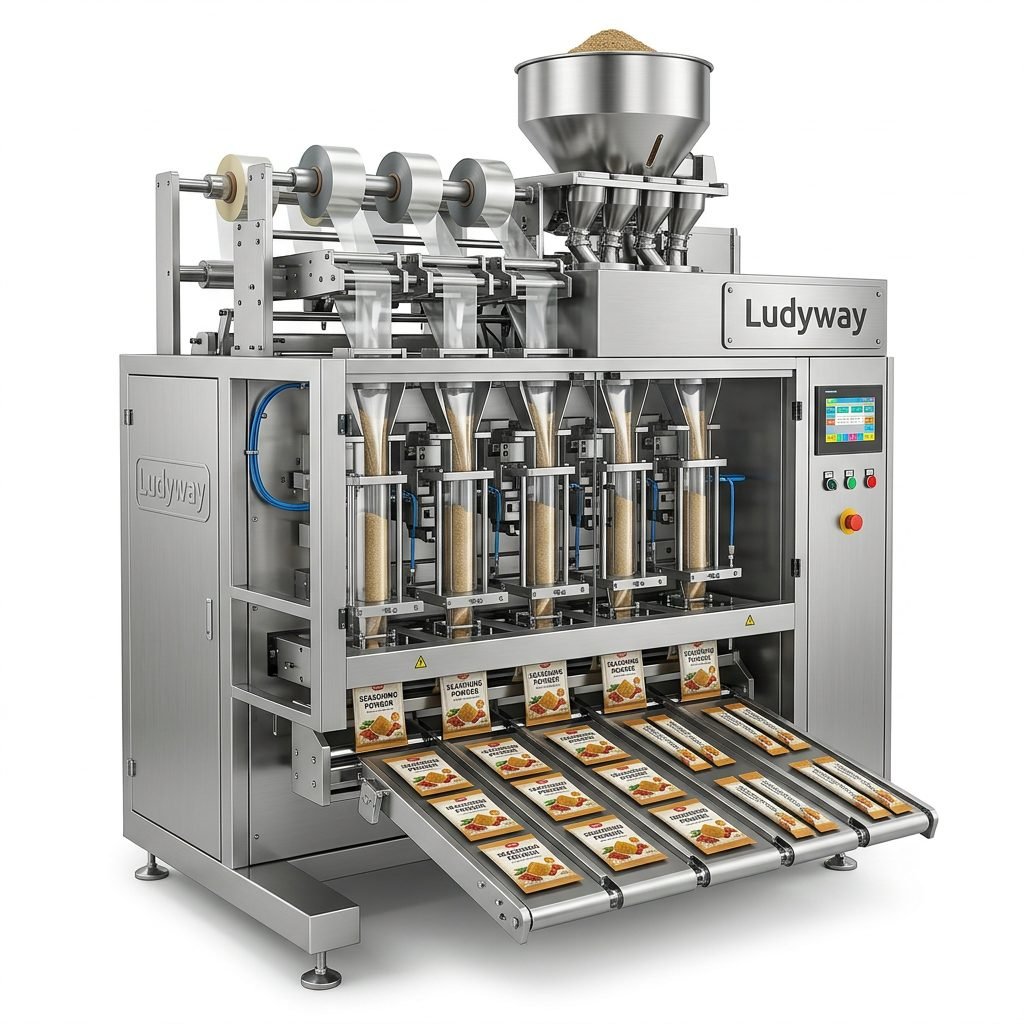
Start with a multi-lane stick pack machine that can scale as your brand grows. For instance, a 12-lane machine running at 50 cuts per lane per minute can produce 36,000 sachets per hour. Ensure the machine supports quick changeover between different film widths and sealing dies, as private labeling is a significant segment in the Australian retail sector.
3. Integration of Ancillary Equipment
Your production line will succeed or fail based on the integration of upstream and downstream equipment: a bucket elevator feeding the multi-head weigher, a nitrogen flushing system to extend the shelf life of oily spices like cumin or turmeric, and a cartoning machine for final retail-ready packaging.
Common Challenges and How to Solve Them
During setup, you may encounter these typical spice packaging issues:
- Dust on sealing area: Leads to leaky seals. Solution: Increase the air blow-off system frequency.
- Powder bridging in hopper: Fine powders like cinnamon often bridge. Solution: Use mechanical agitation or vibratory hoppers.
- Static electricity: Causes product to scatter. Solution: Install ionizing bars near the film unwinding section.
Case Study: How Spice Brands Are Scaling in Oceania
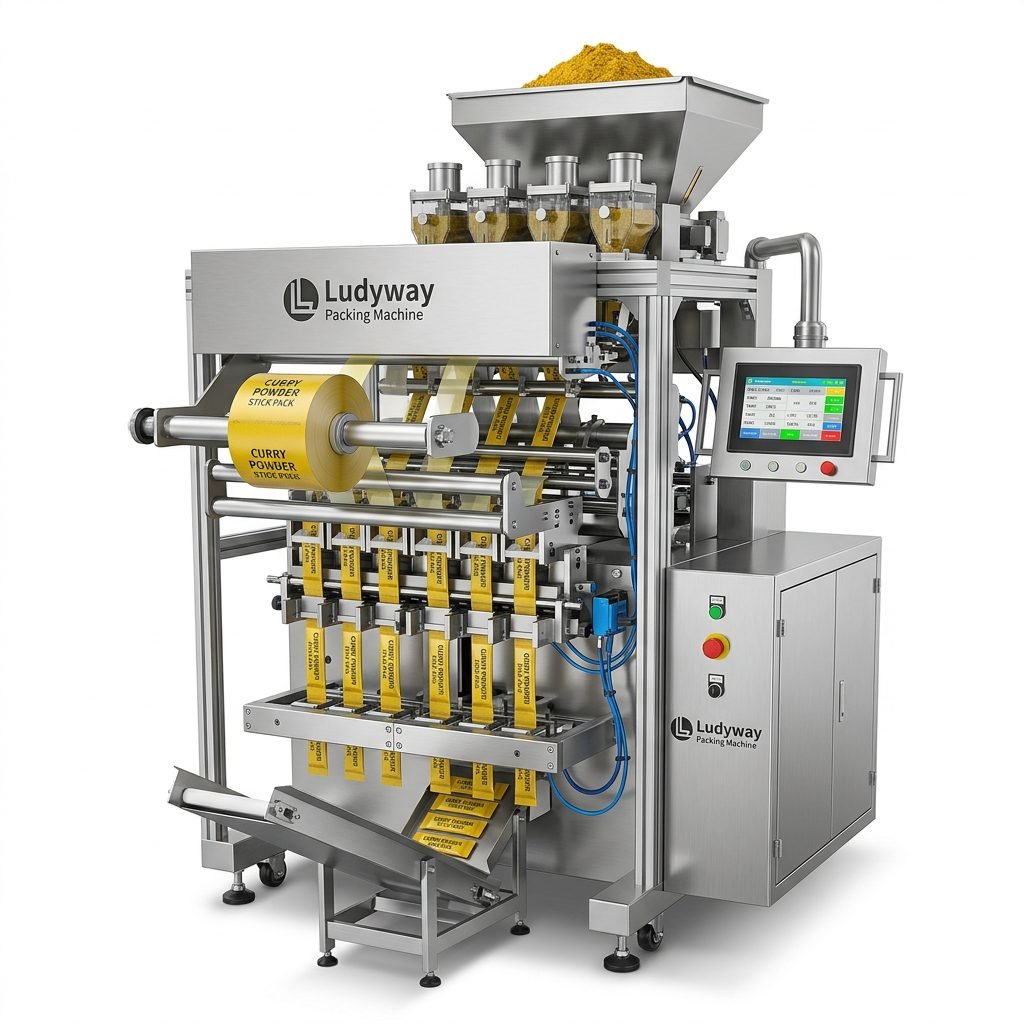
Many successful food businesses in the region are transitioning from manual packing to fully automated systems. By adopting turnkey packaging solutions, these producers have reduced their giveaway to less than 0.5 grams per bag and increased output by 300% while maintaining a clean-label packaging process free of cross-contamination.
Maintenance and Training for Long-Term Success
To maximize your return on investment, schedule preventive maintenance every 500 operational hours. Focus on sealing jaw alignment and weigher load cell calibration. We recommend that operators reference the detailed video tutorials provided by leading packaging machine manufacturers like Ludyway, which offer extensive technical documentation to support remote teams in Australia and New Zealand.
By selecting the right granular powder equipment and observing local regulations, your spice business can supply high-quality, shelf-stable products to Oceania’s major supermarket chains efficiently. For a customized production layout, consulting with experts who understand multi-lane granule packaging is always a vital first step.
Learn More About Integrated Packaging Lines
- PMMI – The Association for Packaging and Processing Technologies
- Flexible Packaging Association – Industry Resources
- European Commission – Packaging and Packaging Waste
Frequently Asked Questions
What is the best packaging format for spices? Stick packs dominate for convenience and portion control, while stand-up pouches with zippers are best for premium bulk retail products.
How do I maintain aroma freshness in the bag? Use aluminum foil laminates and integrate nitrogen flushing systems to displace oxygen, preventing oxidation of essential oils.
Can one machine handle multiple spice types? Yes, a well-designed multi-lane machine with quick-change forming tubes and hoppers can switch between salt, pepper, and mixed desserts seasoning within 30 minutes if properly engineered.