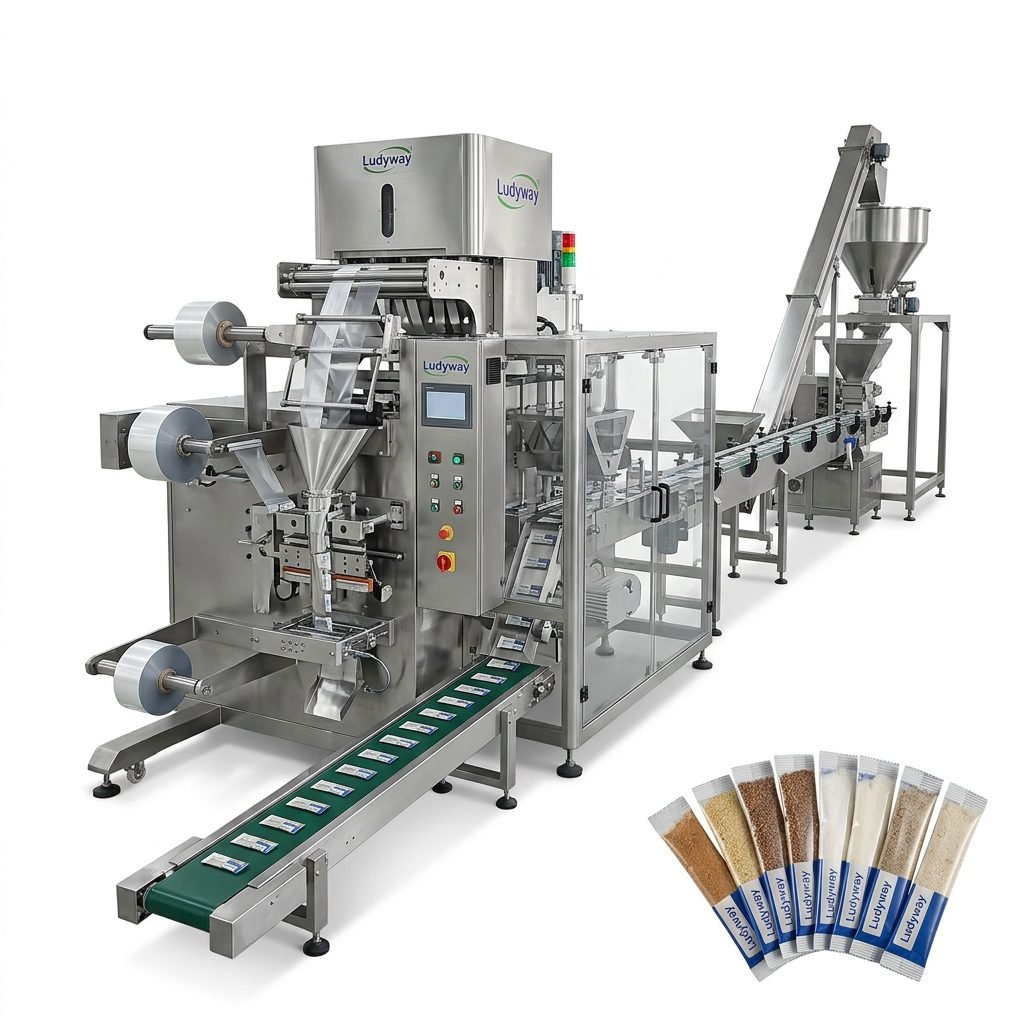
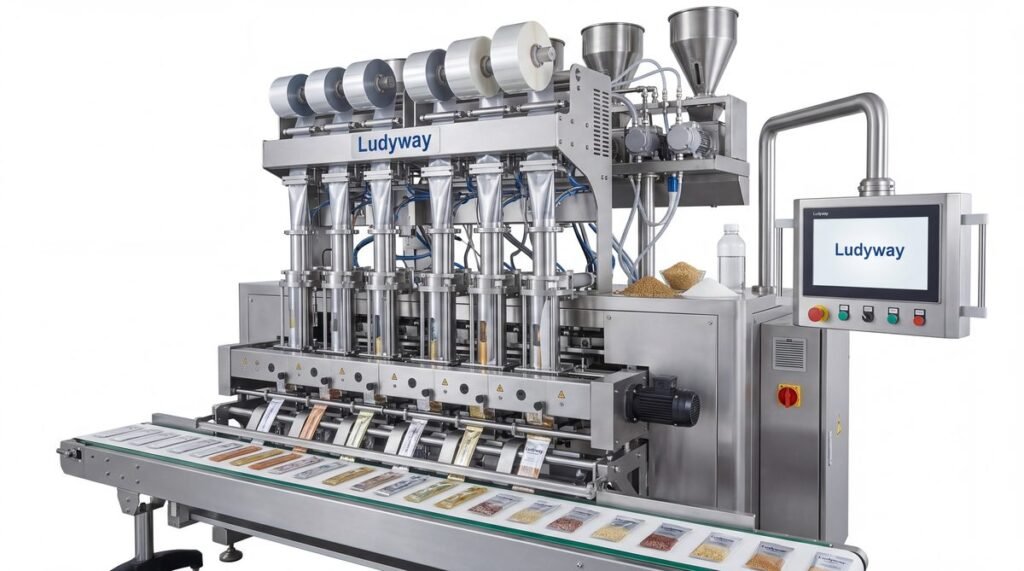
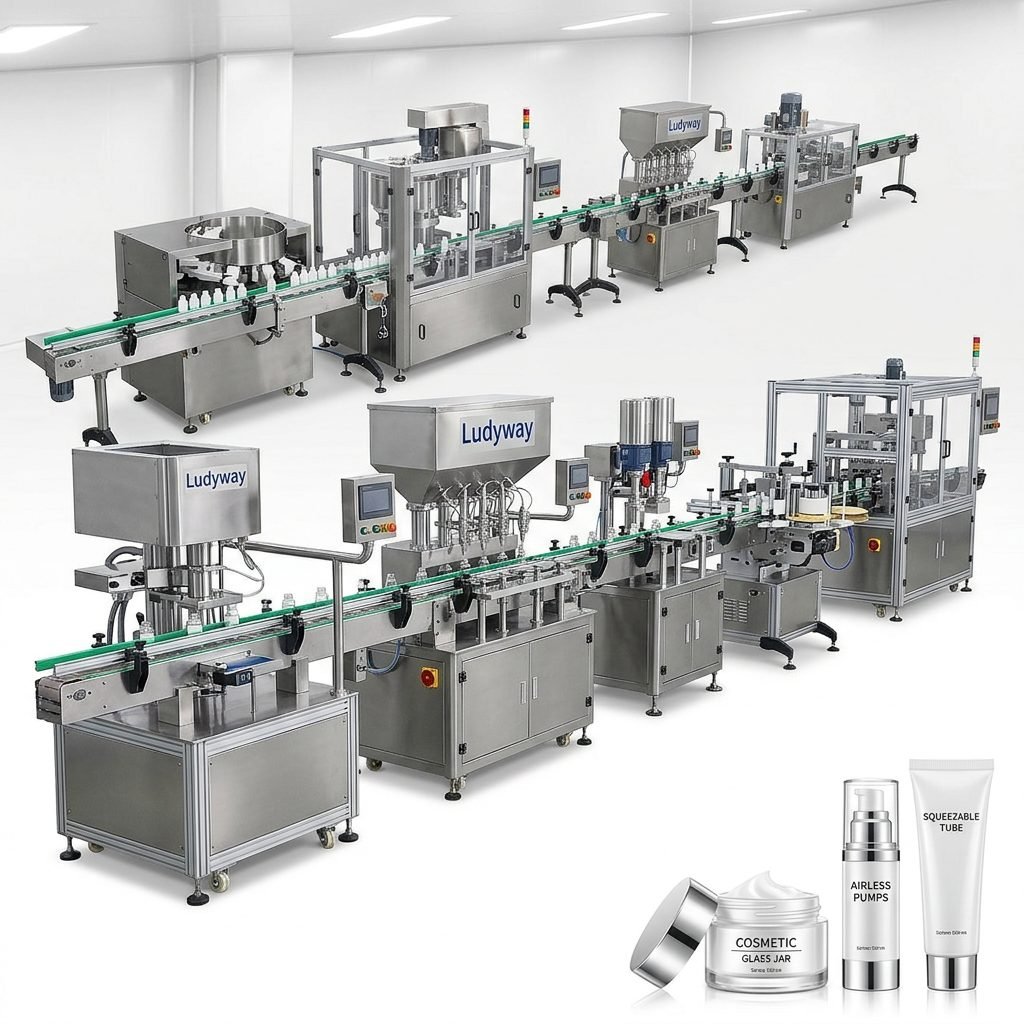
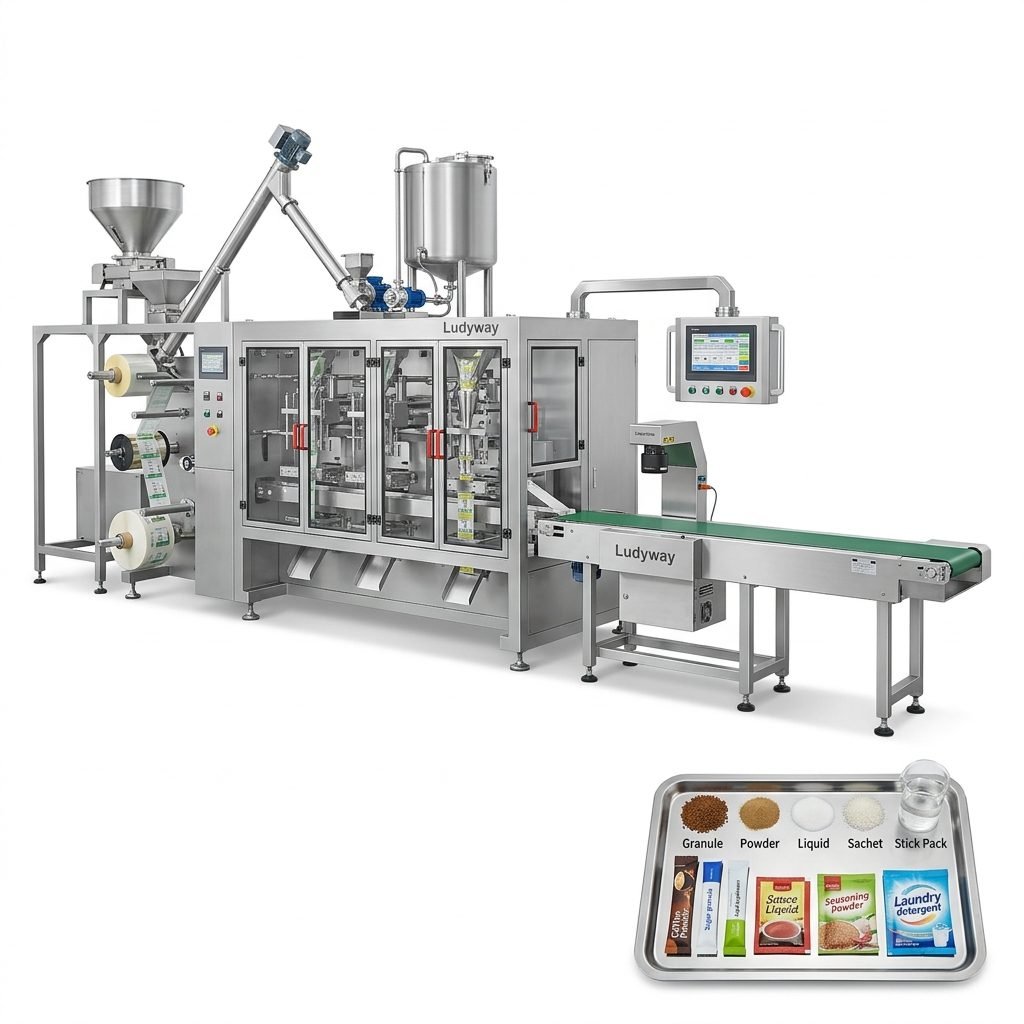
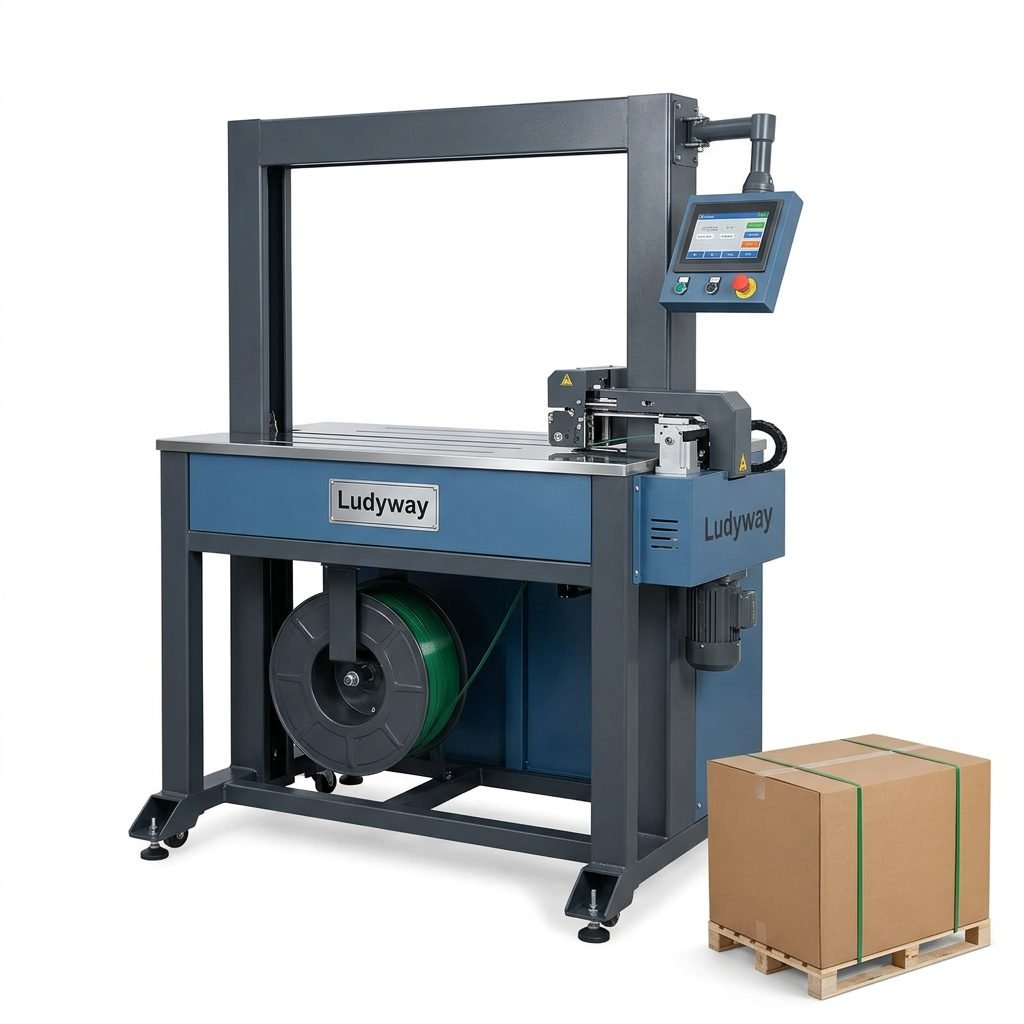
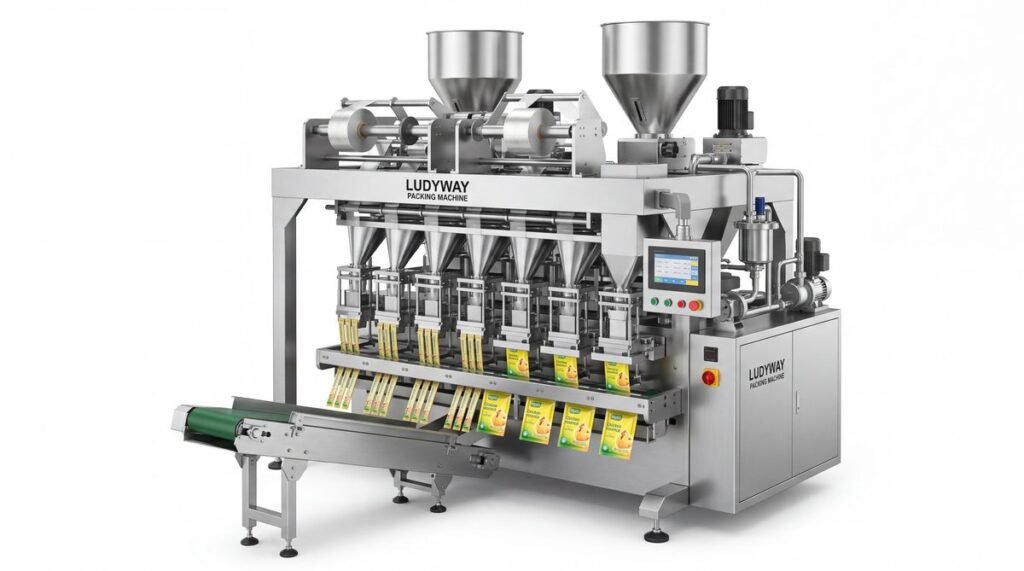
Investing in a diaper packaging machine is a significant decision for any manufacturer in the hygiene products industry. Whether you produce baby diapers, adult incontinence products, or pull-up pants, the right packaging equipment directly impacts your production efficiency, product presentation, and bottom line. This comprehensive guide walks you through every critical factor to consider before making your purchase.

Understanding Your Diaper Packaging Requirements
Before evaluating specific machines, you need to clearly define your production requirements. Diaper packaging machines vary significantly based on the product type, packaging format, and production volume you need. Start by answering these fundamental questions:
- Product type: Are you packaging baby diapers, adult diapers, pull-ups, or training pants? Each requires different handling mechanisms.
- Packaging format: Do you need poly bag packaging, carton packaging, compression packaging, or multi-pack bundling?
- Production speed: What is your target output in pieces per minute (ppm)? Entry-level machines may run at 20-40 ppm, while high-speed systems can exceed 100 ppm.
- Bag style: Will you use pre-made bags, roll stock film, or both? This determines whether you need a form-fill-seal system or a bagging machine.
- Automation level: Do you require a fully automatic line with automatic feeding, counting, stacking, bagging, and sealing, or a semi-automatic solution?
Types of Diaper Packaging Machines
The diaper packaging machinery market offers several distinct machine types, each suited to different production scales and packaging formats. Understanding these categories will help you narrow down your options efficiently.
1. Automatic Diaper Packaging Machines
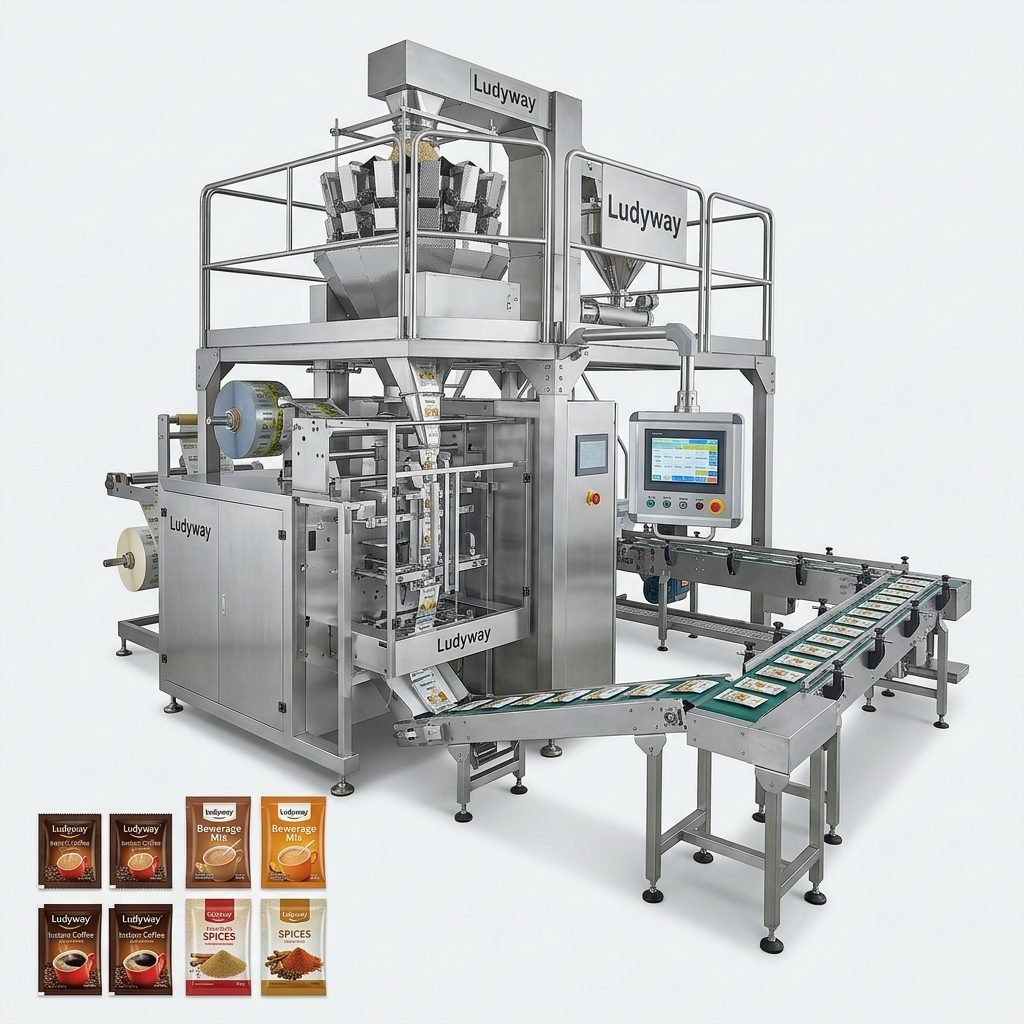
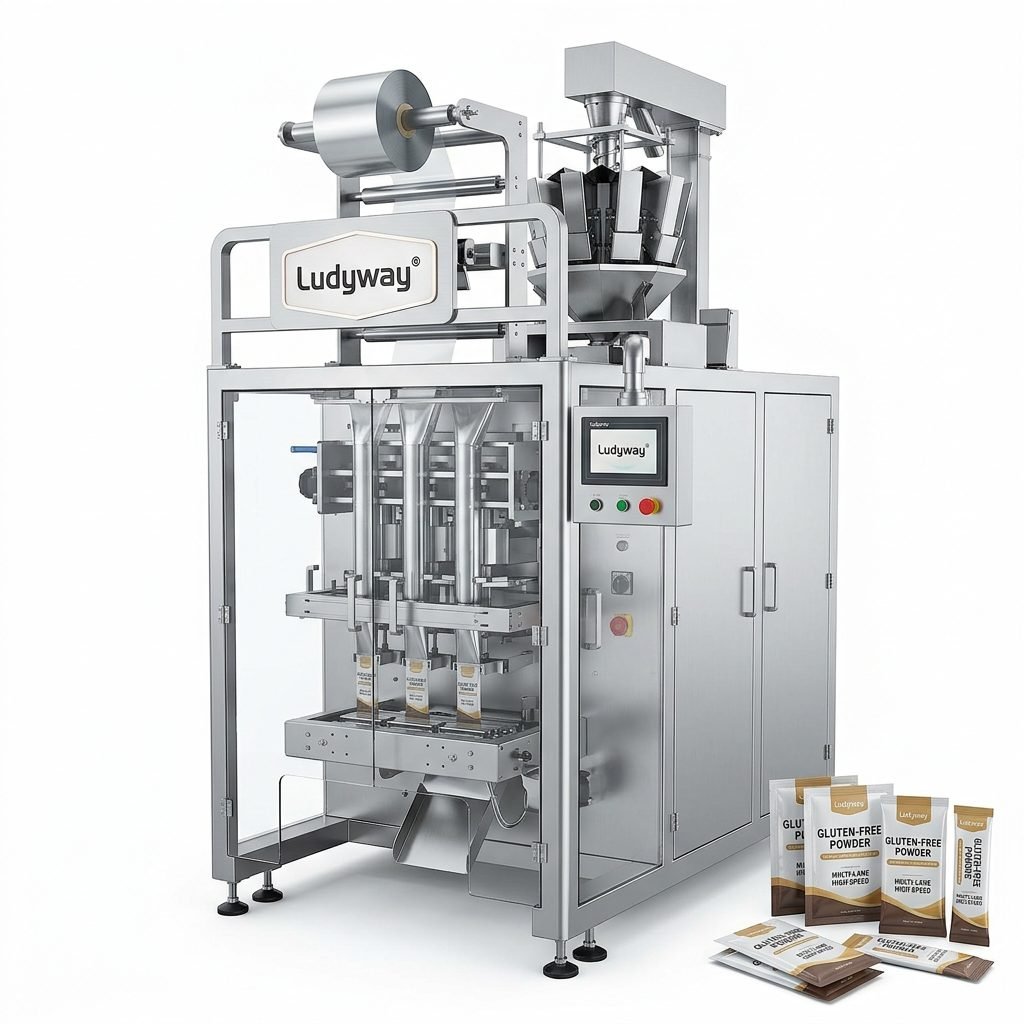
These are fully integrated systems that handle the entire packaging process from product infeed to sealed package discharge. They typically include automatic counting, stacking, compression, bag forming or bag opening, filling, and sealing stations. Modern automatic machines are equipped with advanced automation technologies including servo-driven systems and PLC controls for precise operation.
2. High-Speed Diaper Packaging Lines
For large-scale manufacturers producing millions of units per month, high-speed packaging lines are essential. These systems can process 80-120+ packs per minute and often incorporate multi-lane configurations. According to PMMI industry data, high-speed automation continues to be a top investment priority for hygiene product manufacturers worldwide.
3. Compression Packaging Machines
Compression packaging is widely used in the diaper industry to reduce pack volume, lowering shipping and storage costs. These machines compress the stacked diapers before bagging, creating compact, shelf-ready packages. The compression ratio and control precision are critical factors to evaluate.
4. Multi-Pack and Bundle Packaging Systems
Many retailers prefer multi-pack configurations. Specialized bundling machines group individual packs into larger units, often with shrink wrap or poly bag overwrap, creating value packs that appeal to wholesale and club store channels.

Key Features to Evaluate in a Diaper Packaging Machine
When comparing different machines, pay close attention to the following critical features that determine long-term performance, reliability, and return on investment:
| Feature | Why It Matters | What to Look For |
|---|---|---|
| Counting Accuracy | Prevents under/over-pack errors | ±1 piece accuracy, optical or sensor-based counting |
| Sealing Quality | Ensures product protection and shelf appeal | Temperature-controlled heat sealing, consistent seal width |
| Changeover Time | Affects production flexibility and downtime | Tool-less changeover, recipe memory, quick-adjust guides |
| Film Compatibility | Determines packaging material options | PE, PP, laminated films, biodegradable options |
| Control System | Impacts ease of operation and diagnostics | PLC with touchscreen HMI, remote access, data logging |
| Safety Features | Protects operators and ensures compliance | Safety guards, emergency stops, CE/UL compliance |
Packaging Material Considerations
The choice of packaging film significantly impacts your machine selection. Different machines are optimized for specific film types and thicknesses. According to the Flexible Packaging Association, the flexible packaging industry continues to evolve with new sustainable materials that may affect machine compatibility. Key considerations include:
- Film thickness — typically ranging from 30-80 microns for diaper packaging
- Material type — LDPE, HDPE, BOPP, or multilayer laminates
- Sustainability requirements — recyclable films, biodegradable options, or reduced gauge materials
- Print registration — if you use pre-printed film with branding, the machine needs precise registration capabilities
- Film waste reduction — modern machines minimize film waste through optimized cutting and sealing patterns
Evaluating Diaper Packaging Machine Suppliers
Choosing the right supplier is as important as choosing the right machine. A reliable packaging machinery partner provides more than equipment — they offer engineering expertise, customization capabilities, installation support, and long-term technical service. Here are key criteria for supplier evaluation:
Manufacturing Experience and Track Record
Look for manufacturers with proven experience in hygiene product packaging specifically. General packaging machine experience does not necessarily translate to expertise with diaper products, which have unique handling requirements including soft product handling, accurate counting of compressible items, and consistent compression control.
Customization Capabilities
Diaper products vary widely in size, thickness, and packaging requirements. A supplier that offers customized machine configurations rather than only standard models can better match your specific needs. This is especially important for manufacturers producing multiple product lines or planning future product development. Ludyway Machinery, for instance, provides customized packaging machinery and engineering solutions, with its technical team evaluating each customer’s product and packaging requirements to recommend appropriate machine configurations.
After-Sales Support and Service
Consider the supplier’s global service network, spare parts availability, technical support responsiveness, and whether they offer remote assistance. Equipment downtime in a diaper production line can be extremely costly, making responsive support critical. Evaluate:
- Availability of spare parts and typical delivery times
- Remote diagnostic capabilities
- Local service representatives or partners
- Operator training programs
- Installation and commissioning support
Budget and ROI Analysis
Diaper packaging machines represent a significant capital investment, with prices varying widely based on automation level, speed, and features. A thorough ROI analysis should account for:
- Initial machine cost — including customization, shipping, and installation
- Operational savings — reduced labor, lower material waste, higher throughput
- Maintenance costs — routine servicing, spare parts, and potential downtime
- Productivity gains — higher output per shift, consistent quality, fewer rejects
- Energy efficiency — modern servo-driven machines consume significantly less power than older pneumatic systems
A well-chosen automatic packaging machine typically achieves full ROI within 18-36 months through labor reduction and productivity improvements alone. Industry reports from PMMI consistently show that automation investments in packaging deliver strong returns for manufacturers across the hygiene products sector.
Technical Specifications to Compare
When you receive proposals from different suppliers, create a detailed comparison matrix covering these technical specifications:
- Rated speed (packs per minute) and whether this is sustainable or peak speed
- Film roll diameter and changeover frequency
- Power consumption and compressed air requirements
- Machine footprint and required operator space
- Bag size range — minimum and maximum dimensions
- Noise level during operation
- Warranty terms and what is covered
Compliance and Standards
Diaper packaging machines must meet applicable safety and quality standards for your target markets. Key standards to verify include:
- CE marking for European markets
- UL certification for North American markets
- ISO packaging standards relevant to machinery safety and performance
- FDA compliance for materials in contact with products where applicable — per FDA food packaging guidelines
Working with a Long-Term Packaging Partner
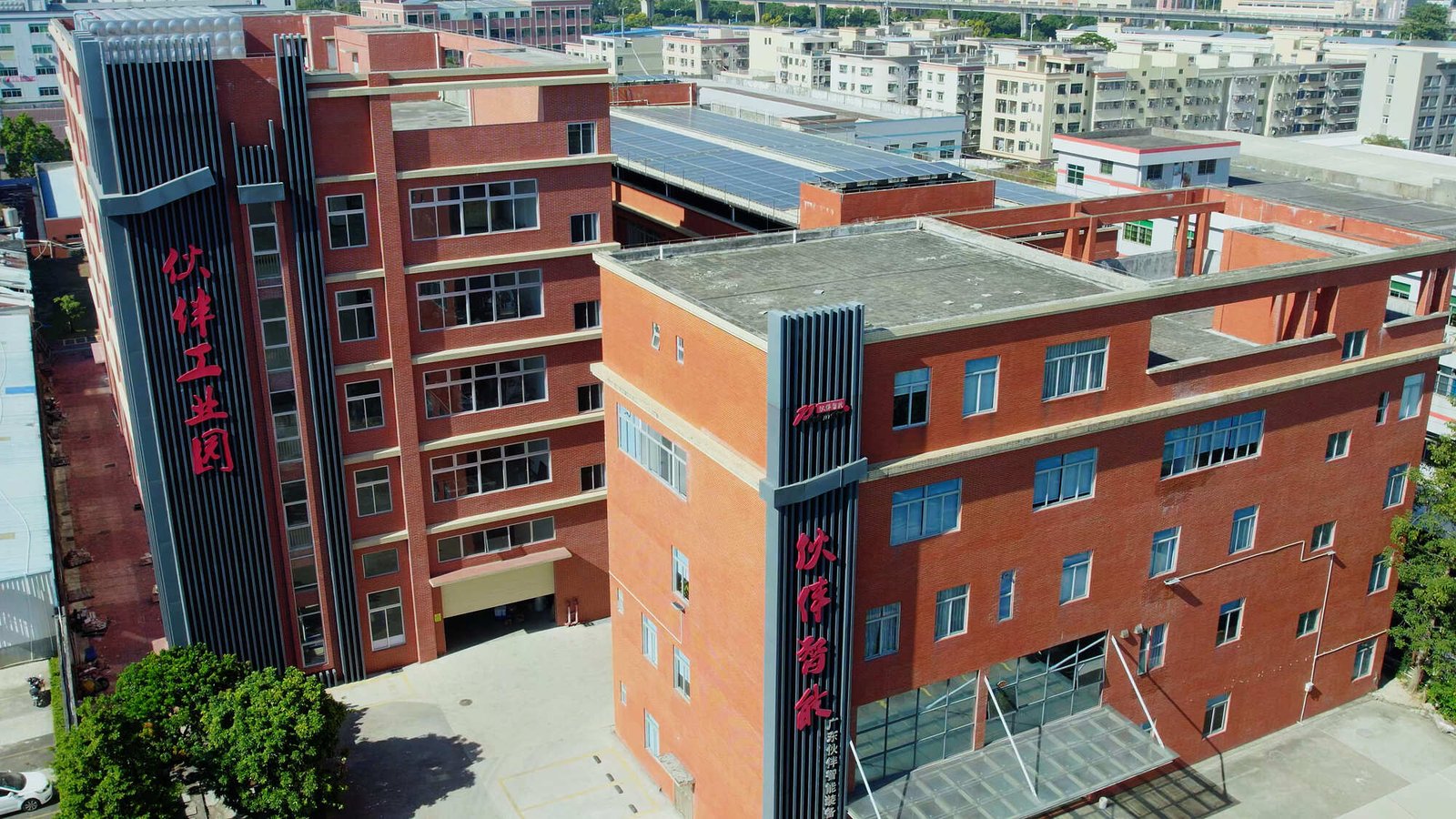
Beyond the machine itself, consider whether you are buying from a company that can serve as a long-term packaging partner. The right supplier grows with your business, supporting you through capacity expansions, new product introductions, and evolving packaging formats. A comprehensive packaging machinery partner like Ludyway Machinery — a China-based manufacturer with more than 30 years of experience, a 20,000-square-meter facility, and over 130 professionals — offers integrated packaging systems and turnkey solutions that can connect multiple stages of the packaging process. The company serves customers in more than 100 countries and provides technical support throughout the project lifecycle. Ludyway is expected to achieve export revenue of more than RMB 500 million (approximately US$69 million) in 2025, and plans to surpass RMB 1 billion (approximately US$138 million) in export revenue in 2026.
Common Mistakes to Avoid
Based on industry experience, here are frequent pitfalls that buyers encounter when selecting diaper packaging equipment:
- Underestimating future capacity needs — always plan for at least 20-30% growth headroom
- Focusing only on purchase price — total cost of ownership including maintenance, downtime, and film waste matters more
- Neglecting operator training — even the best machine underperforms without properly trained staff
- Ignoring film compatibility — verify that your preferred packaging materials work optimally with the machine
- Overlooking local service availability — ensure you can get timely support when issues arise
- Skipping factory acceptance testing (FAT) — always test the machine with your actual products before shipment
Making Your Final Decision
After evaluating all the factors above, your final decision should balance technical capability, supplier reliability, total cost of ownership, and future scalability. Request detailed proposals from shortlisted suppliers, conduct reference checks with existing customers, and whenever possible, visit the manufacturing facility to assess build quality and engineering capabilities firsthand. A PACK EXPO exhibition can also be an excellent opportunity to compare different machines and meet suppliers in person. The right diaper packaging machine becomes a competitive advantage — enabling higher throughput, consistent quality, and the flexibility to adapt as your product portfolio evolves.