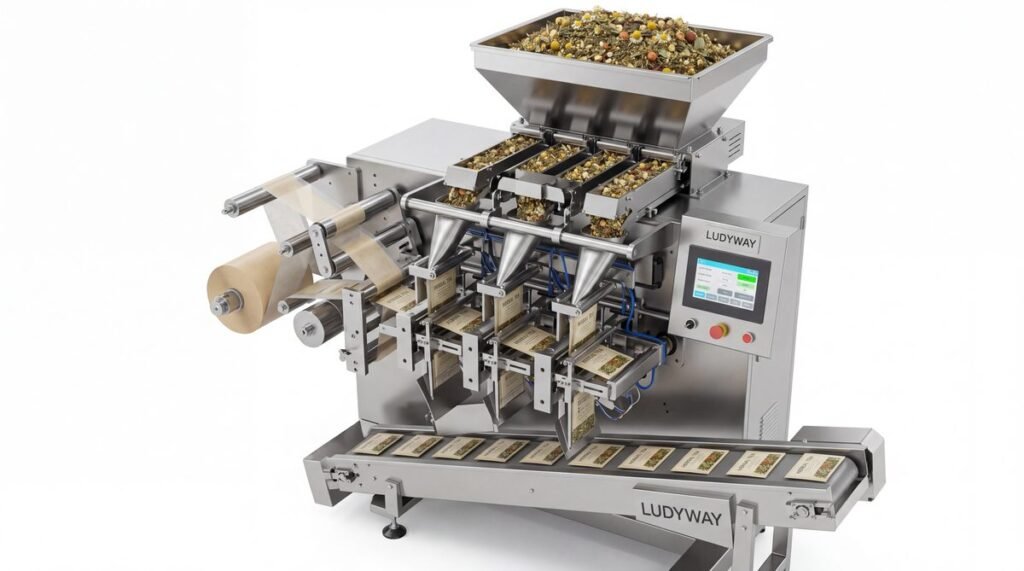
Southeast Asia has emerged as one of the fastest-growing markets for packaged honey products, driven by rising health consciousness, booming e-commerce, and expanding export opportunities. Countries like Thailand, Vietnam, Indonesia, and Malaysia are witnessing increased demand for portion-controlled honey sachets, stick packs, and premium bottled honey. Setting up a honey packaging machine production line in this region requires careful planning around equipment selection, regulatory compliance, humidity control, and distribution logistics.
Understanding the Southeast Asian Honey Packaging Market
The honey packaging landscape in Southeast Asia is shaped by diverse consumer preferences. Single-serve stick packs and sachets dominate the retail channel, especially in countries like the Philippines and Indonesia where affordability and portability drive purchase decisions. Meanwhile, premium glass jars and squeezable bottles cater to urban middle-class consumers in Singapore, Bangkok, and Kuala Lumpur.
Key market drivers include:
- Export demand — Southeast Asian honey, particularly from Vietnam and Thailand, is increasingly exported to the Middle East, Europe, and North America.
- Food service growth — Hotels, cafes, and airline catering rely on portion-pack honey formats.
- Private label expansion — Regional supermarket chains are launching own-brand honey lines requiring flexible packaging solutions.
- Regulatory harmonization — ASEAN food safety standards are gradually aligning, simplifying cross-border distribution.
Understanding these dynamics is essential before investing in equipment, as packaging format choice directly influences machine specifications. For broader industry insights, refer to the PMMI Business Intelligence Library which regularly publishes packaging market data.
Essential Equipment for a Honey Packaging Production Line
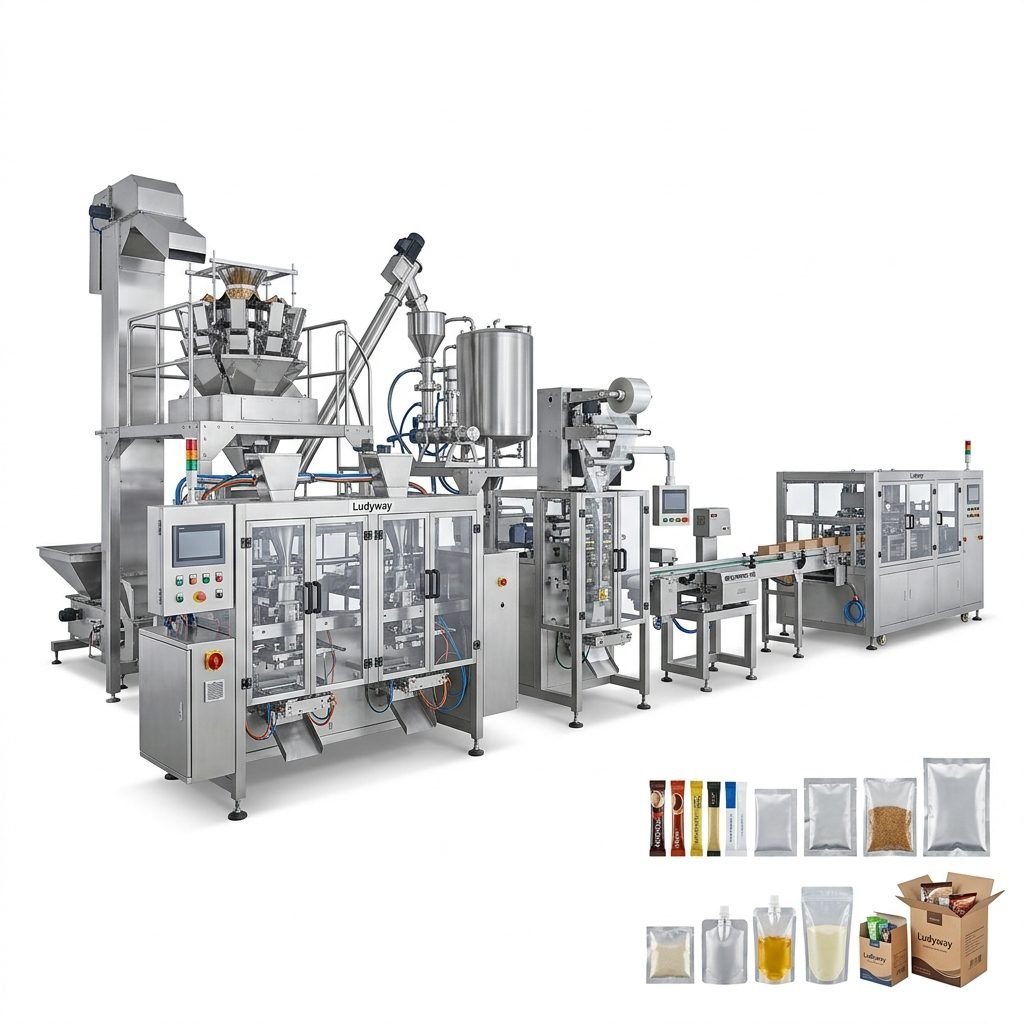
A complete honey packaging line consists of several interconnected machines. The configuration depends on your target packaging format — stick packs, sachets, bottles, or jars. Below is an overview of core equipment categories:
| Equipment Type | Primary Function | Best For |
|---|---|---|
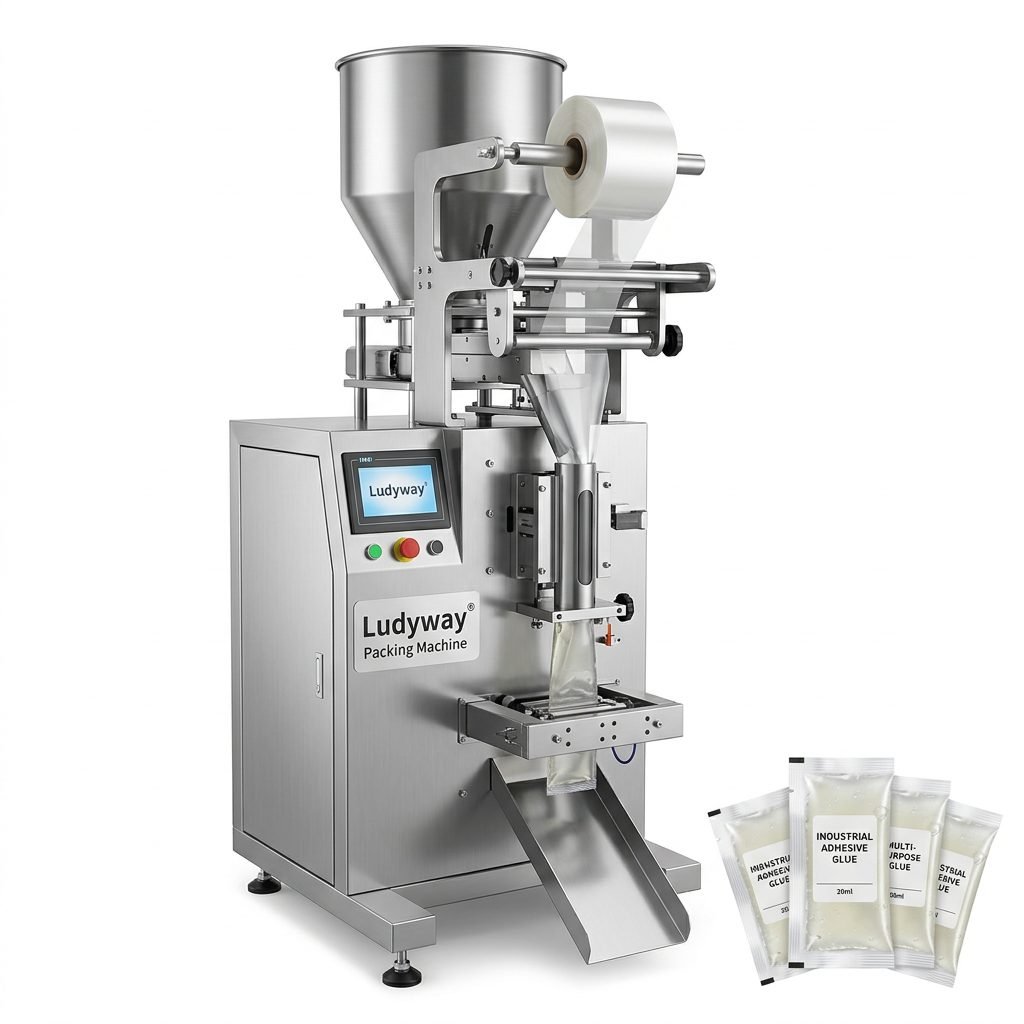
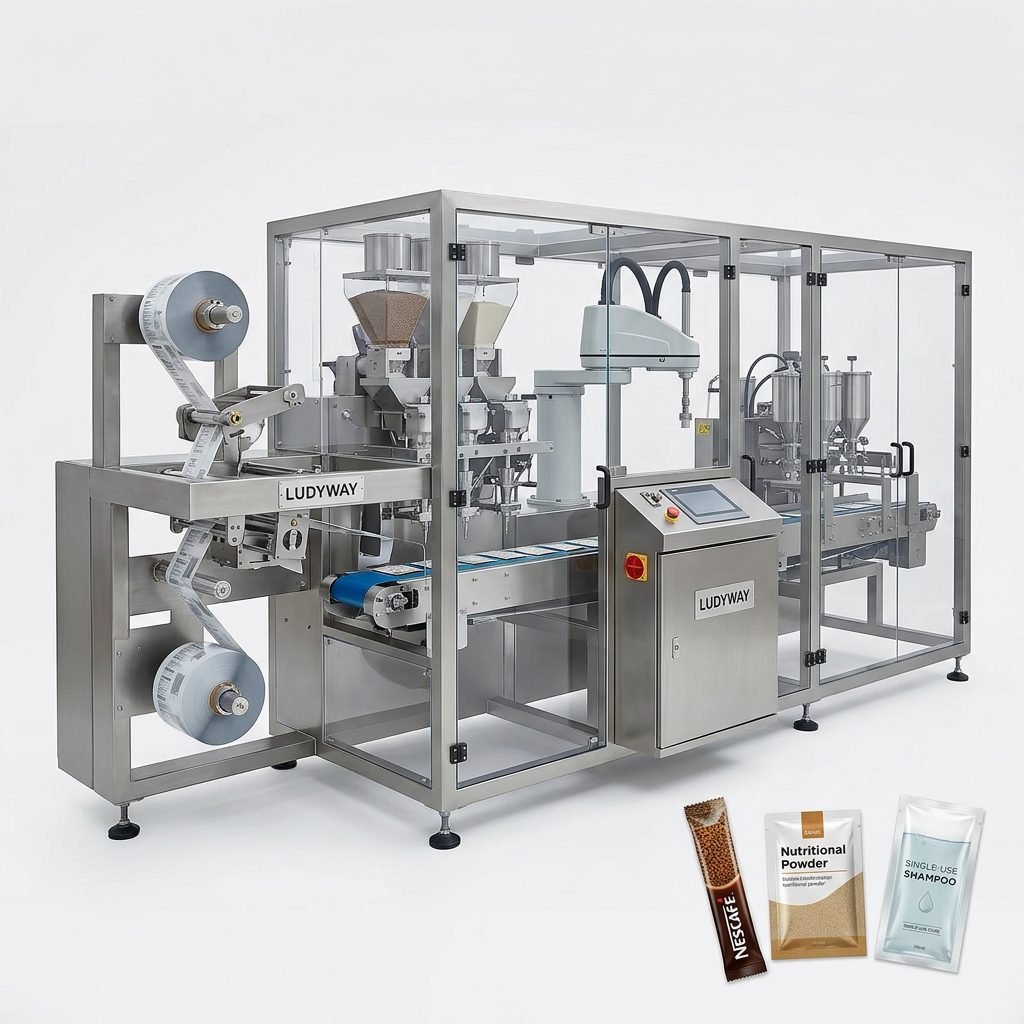
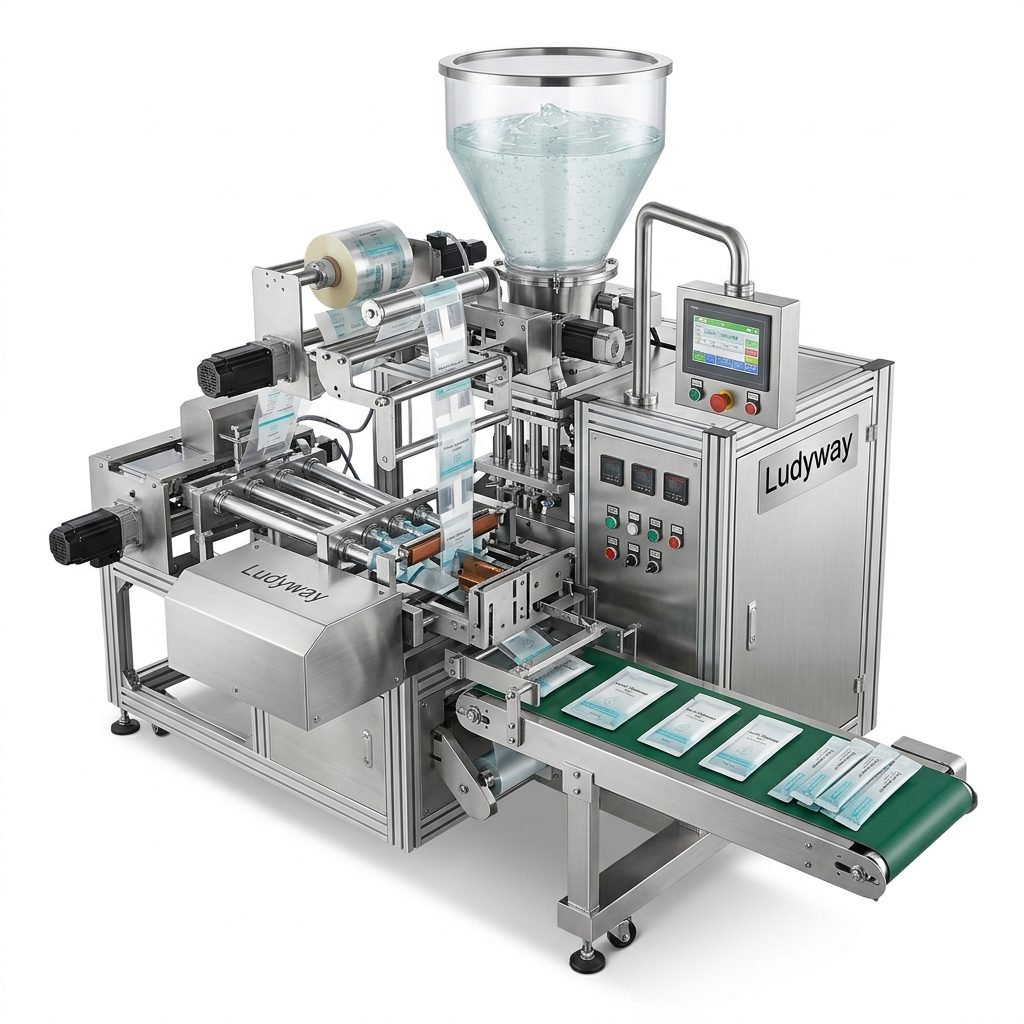
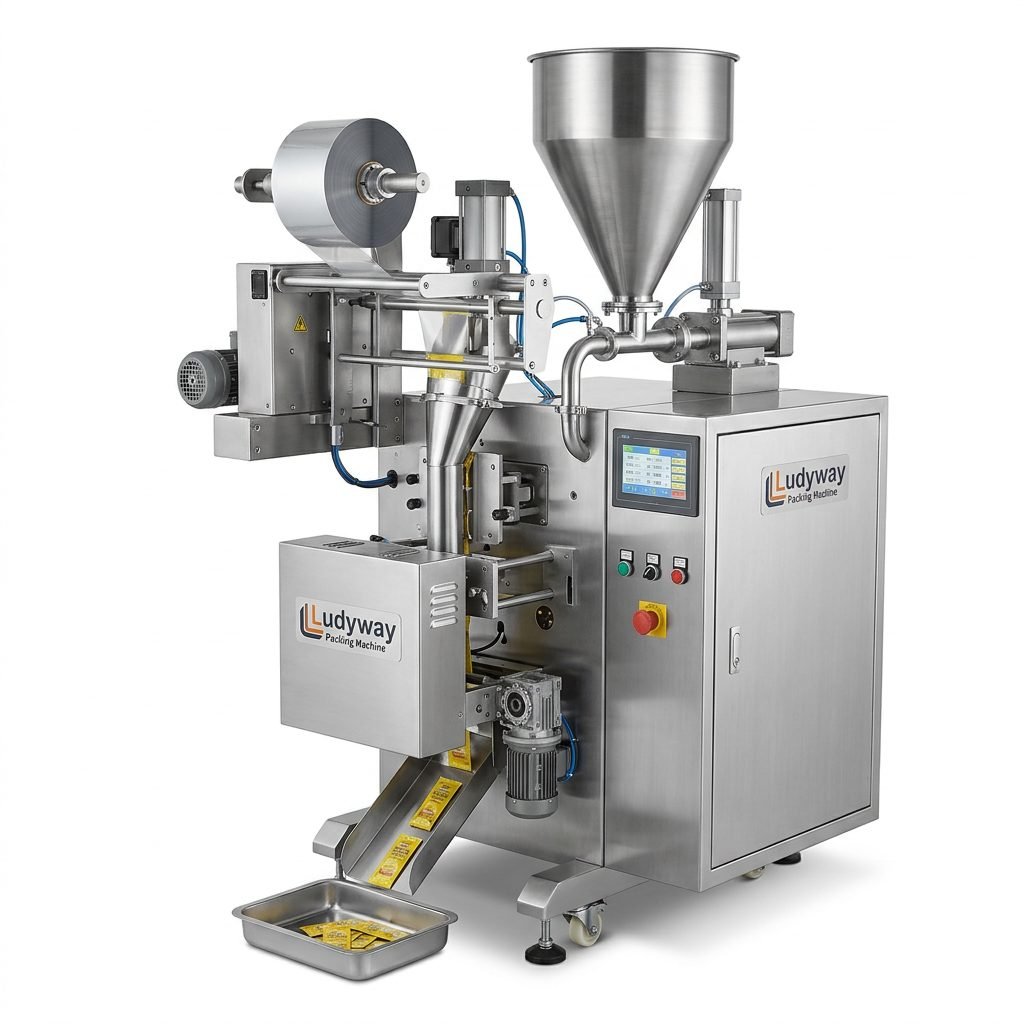
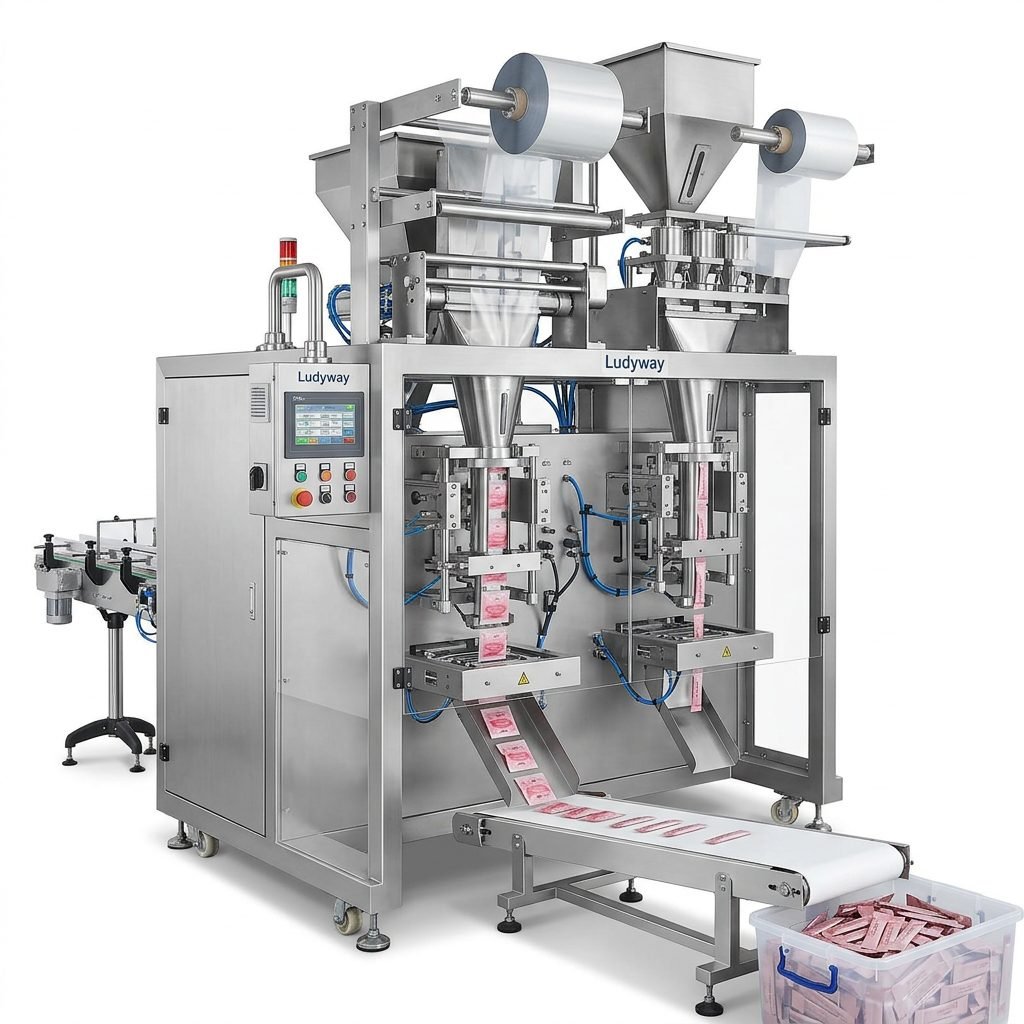
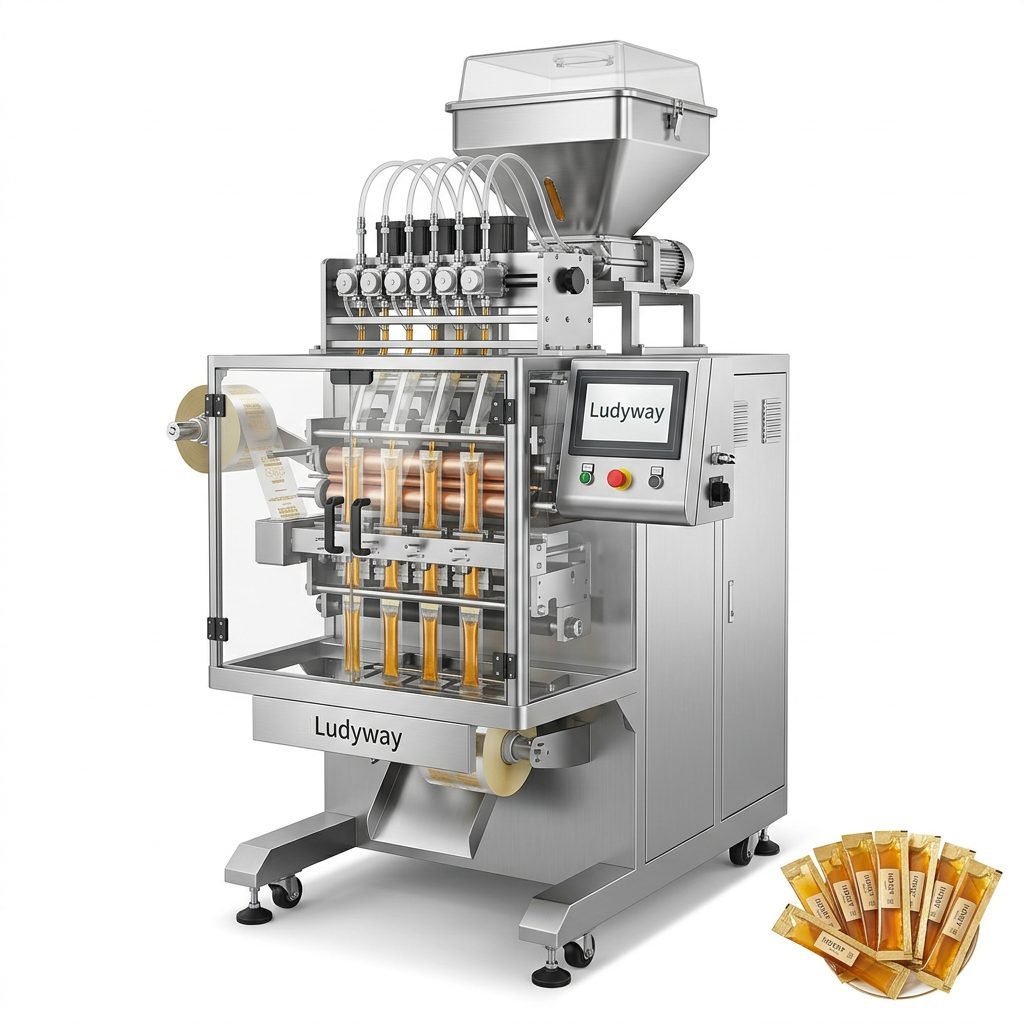
| Multi-Lane Stick Pack Machine | High-speed vertical form-fill-seal for narrow stick packs (3g–30g) | Single-serve honey portions; food service |
| Liquid Sachet Filling Machine | Precision volumetric or piston filling for flat sachets | Retail honey sachets; condiment packs |
| Bottle Filling & Capping Line | Gravity or pump-based filling with torque capping | Premium glass/plastic bottled honey |
| Labeling Machine | Wrap-around or front-back adhesive labeling | Brand compliance; export-ready packaging |
| Cartoning & Case Packing | Automated boxing of finished packs into cartons | High-volume distribution; retail chains |
For viscous products like honey, temperature-controlled filling systems are strongly recommended. Honey’s viscosity varies significantly with temperature; maintaining a consistent product temperature of 30°C–35°C ensures accurate fill volumes and prevents stringing or dripping at the sealing area. The FDA Food Packaging Guidelines provide detailed requirements for food-contact materials used in filling equipment.
Step-by-Step Production Line Configuration
Setting up a honey packaging line in Southeast Asia involves a phased approach. Below is a structured implementation roadmap:
Phase 1: Facility Preparation
Honey packaging facilities in tropical climates require dedicated humidity and temperature control. High ambient humidity can cause packaging material curling, adhesive failure on labels, and moisture absorption by hygroscopic honey. Install HVAC systems capable of maintaining 22°C–26°C and relative humidity below 55%. Flooring should be epoxy-coated for hygiene and easy cleaning. Ensure adequate electrical supply — multi-lane machines may require 380V three-phase power.
Phase 2: Primary Packaging Equipment Installation
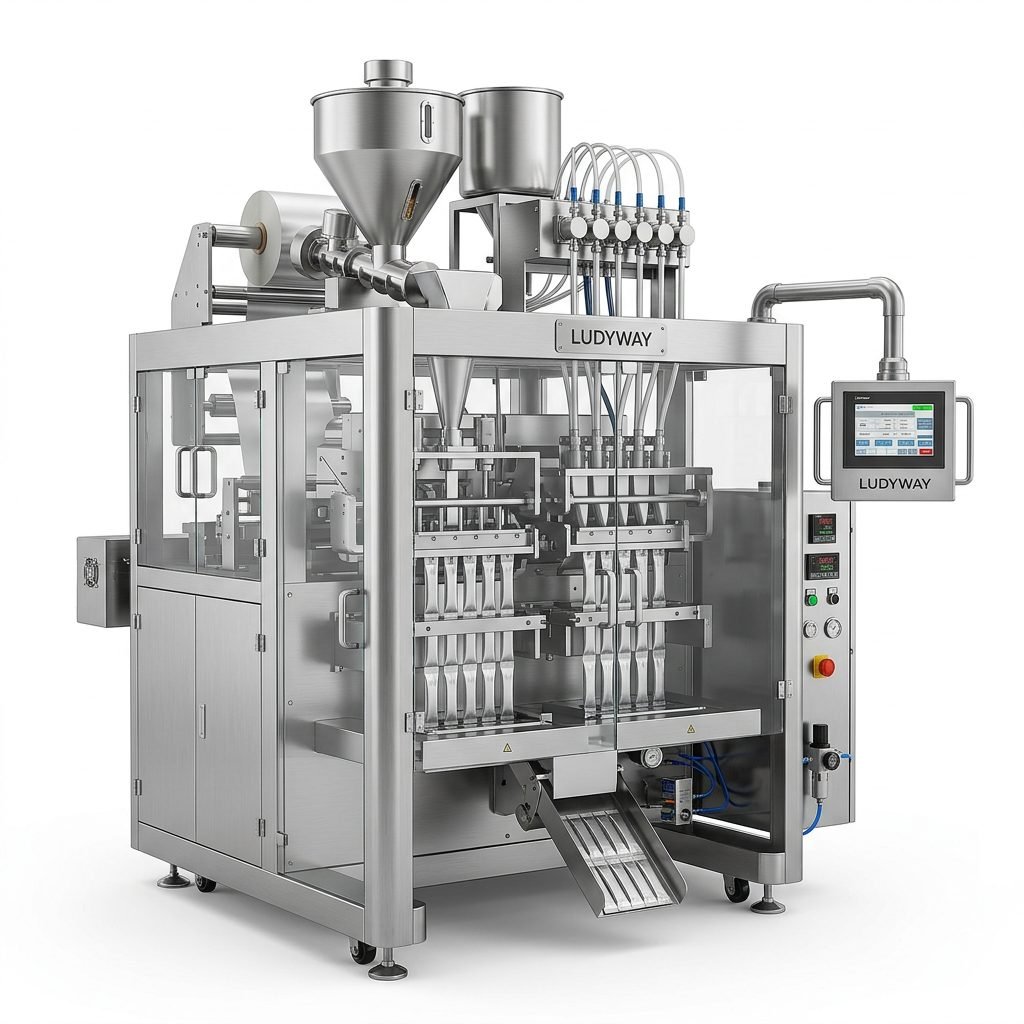
Begin with the core filling and sealing machine. For stick pack production, a multi-lane vertical form-fill-seal (VFFS) machine with 6–12 lanes can produce 200–400 packs per minute depending on fill volume. For bottled honey, install a rotary or linear filling system with integrated capping. Position the machine to allow operator access on all sides and overhead clearance for film roll loading.
Phase 3: Secondary Packaging Integration
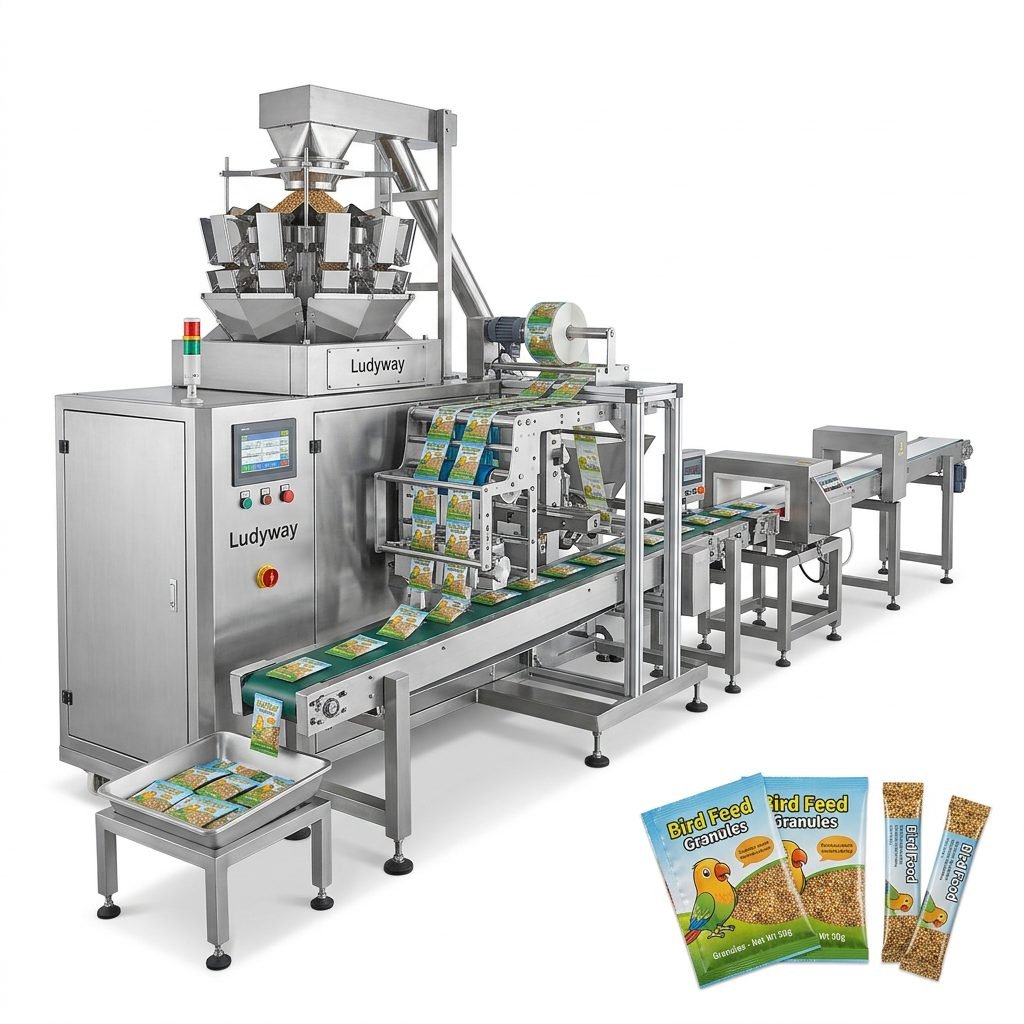
Once primary packaging is operational, integrate conveyors connecting to cartoning machines, checkweighers, and case packers. A dynamic checkweigher ensures each pack meets net weight requirements — critical for export markets with strict ISO Packaging Standards compliance. Metal detectors and X-ray inspection systems add an essential food safety layer.
Phase 4: Quality Control Station Setup
Establish in-line quality checkpoints including seal integrity testing, fill weight verification, and label alignment inspection. For products destined for the EU or US markets, implement HACCP documentation protocols traceable to specific equipment parameters.
Regulatory Standards and Compliance in Southeast Asia
Each Southeast Asian country maintains distinct food packaging regulations, though ASEAN harmonization efforts are progressing. Key requirements include:
- Food-grade contact materials — All machine parts contacting honey must use 304 or 316 stainless steel and FDA-approved elastomers.
- Labeling compliance — Country-specific nutrition panels, halal certification logos (critical for Malaysia and Indonesia), and origin labeling.
- GMP certification — Good Manufacturing Practice certification is increasingly required for food processing facilities across the region.
- Export documentation — Certificate of Free Sale, health certificates, and lab analysis reports for honey purity.
Refer to the Flexible Packaging Association Industry Resources for updates on packaging material compliance and sustainability regulations affecting the industry.
Cost Breakdown and Investment Planning
Capital expenditure for a honey packaging line varies significantly based on automation level and production capacity. Below is a representative cost structure for a mid-scale Southeast Asian operation:
| Cost Category | Estimated Range (USD) | Notes |
|---|---|---|
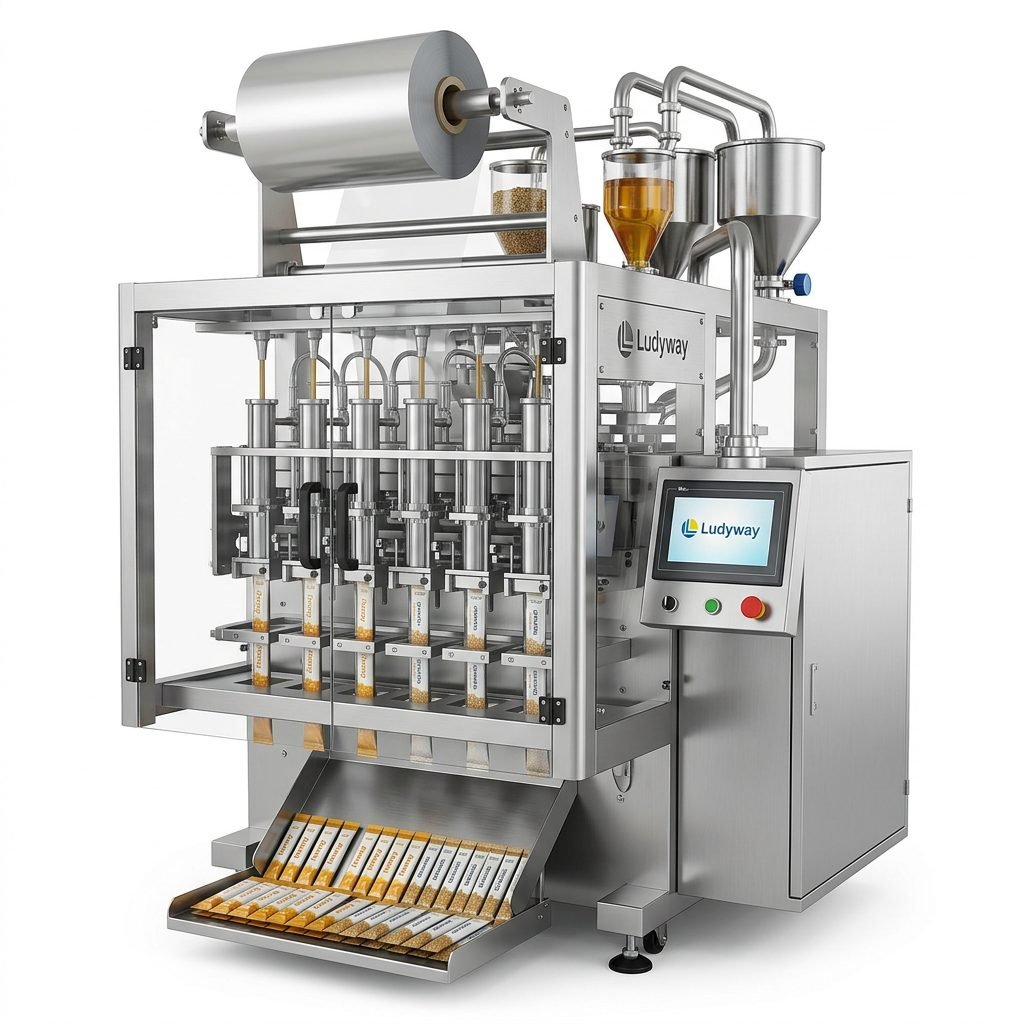
| Multi-Lane Stick Pack Machine (8-lane) | $45,000 – $120,000 | Varies by speed, lanes, and features |
| Bottle Filling & Capping Line | $30,000 – $90,000 | Depends on output (bottles per hour) |
| Conveyor & Integration Systems | $8,000 – $25,000 | Custom length and configuration |
| Checkweigher & Inspection | $12,000 – $35,000 | Essential for QC and export compliance |
| Installation, Training & Shipping | $10,000 – $30,000 | Includes on-site support and sea freight |
Additional operational costs include packaging film inventory, spare parts, and ongoing maintenance contracts. Budget 8%–12% of equipment cost annually for maintenance and consumables.
Selecting the Right Packaging Machine Supplier
Choosing a reliable equipment partner is critical for long-term success in the Southeast Asian market. Evaluate suppliers based on the following criteria:
- Experience with viscous liquid packaging — Not all filling machines handle honey’s unique flow characteristics well. Verify the supplier has proven installations for honey or similar products.
- Regional service support — Look for suppliers with technical service teams or authorized partners in Southeast Asia to minimize downtime.
- Turnkey capability — A supplier offering complete line integration — from filling to cartoning — simplifies project management and ensures equipment compatibility.
- Compliance documentation — Ensure the manufacturer provides full material traceability, CE certification, and food-grade compliance certificates.
- After-sales support — Confirm availability of remote diagnostics, spare parts inventory, and operator training programs.
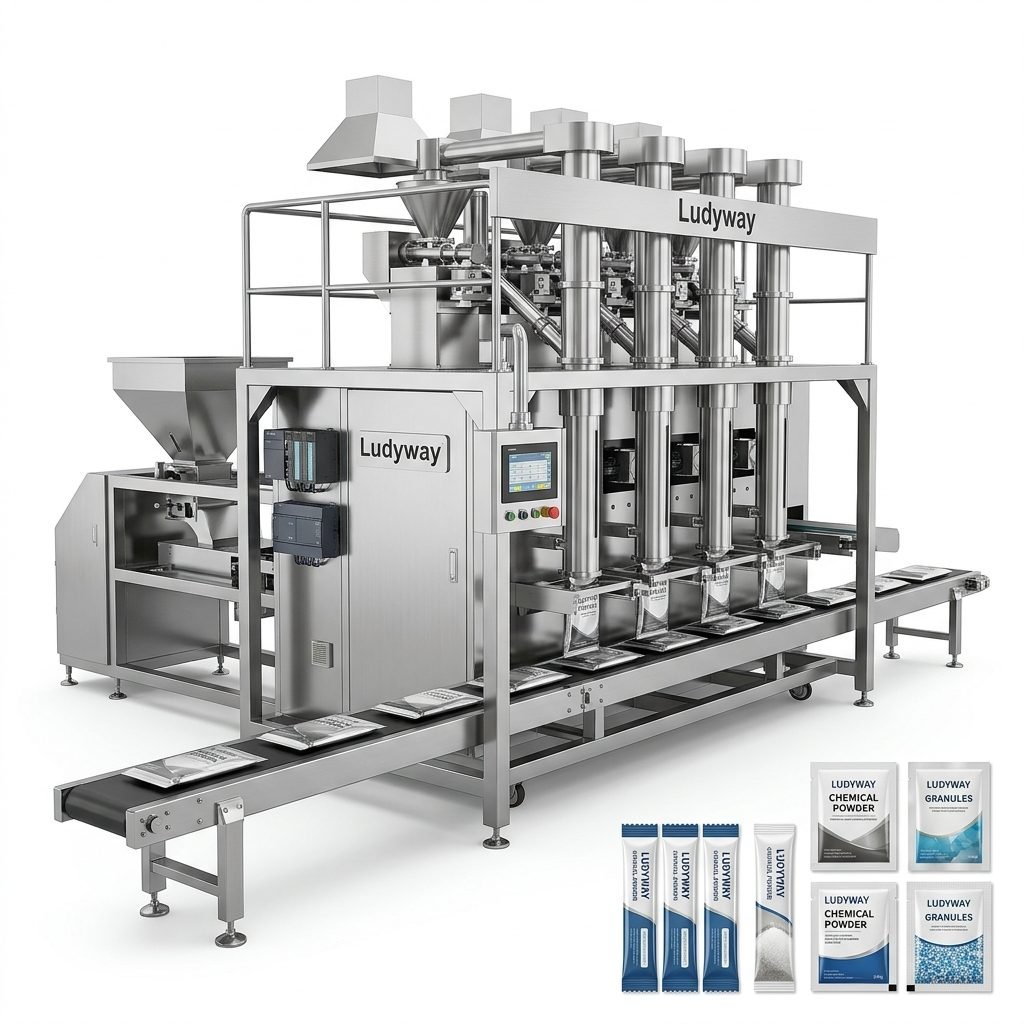
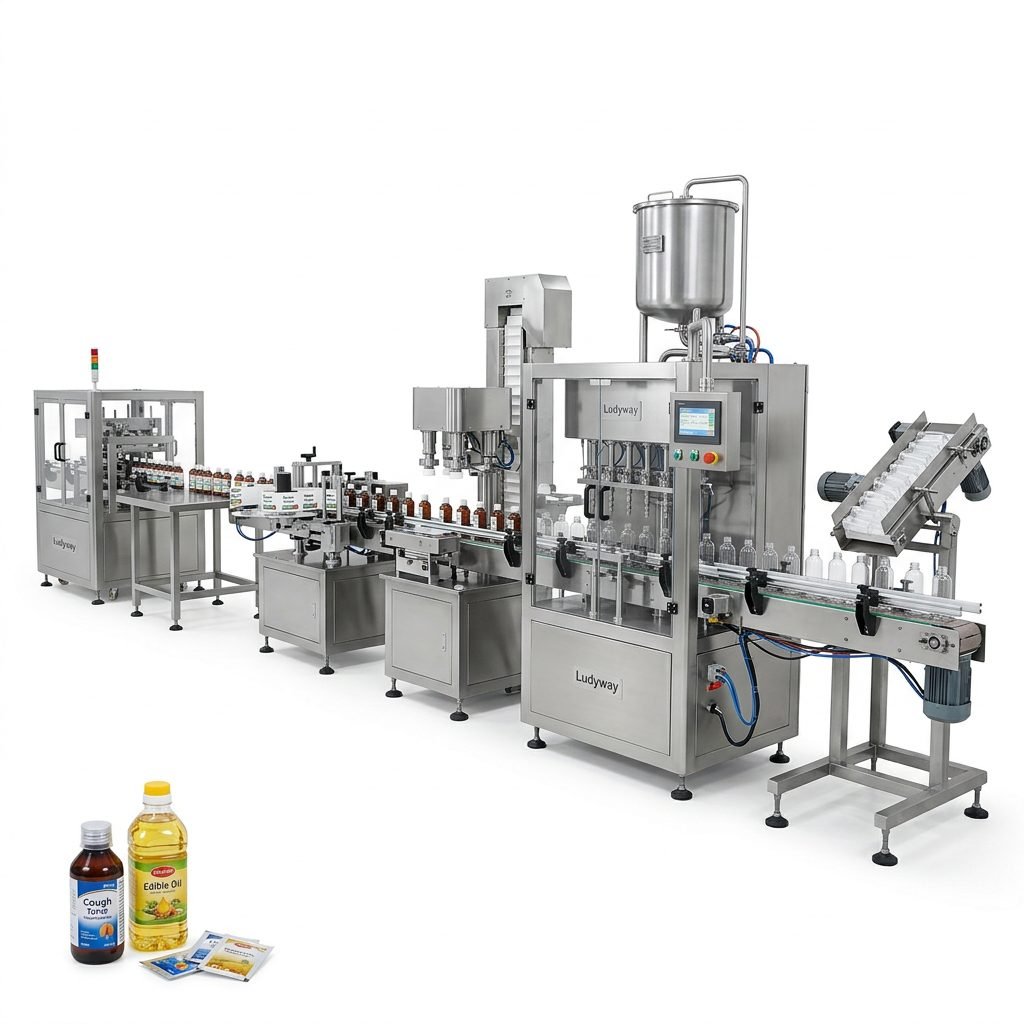
One notable manufacturer serving this region is Ludyway, a leading Chinese packaging machine company with over 30 years of experience. Their portfolio includes multi-lane stick pack machines, liquid sachet fillers, and fully automated turnkey packaging lines suitable for honey applications. With a modern 20,000 m² manufacturing facility and exports to over 100 countries, they offer scalable solutions backed by comprehensive technical support — an important consideration for businesses establishing production in emerging Southeast Asian markets.
Installation, Training, and Maintenance Best Practices
Proper installation and operator training directly impact production efficiency and equipment longevity. Follow these best practices when commissioning your honey packaging line:
Pre-Installation Checklist
- Verify utility connections — compressed air (6–8 bar), electrical supply, and water connections for CIP systems if applicable.
- Prepare packaging materials — confirm film specifications, bottle dimensions, and cap types are compatible with the machine setup.
- Arrange for a Factory Acceptance Test (FAT) before shipment to identify any issues prior to delivery.
Operator Training Program
Invest in comprehensive training covering machine operation, daily cleaning procedures, basic troubleshooting, and safety protocols. Well-trained operators reduce unplanned downtime by up to 40%. Most reputable suppliers provide 3–5 days of on-site training during commissioning. Supplement this with video documentation and multilingual operation manuals for ongoing reference.
Preventive Maintenance Schedule
Establish a tiered maintenance program:
- Daily: Clean product contact surfaces, inspect sealing jaws for residue buildup, verify fill accuracy.
- Weekly: Lubricate moving parts, check belt tensions, inspect electrical connections.
- Monthly: Calibrate temperature controllers, verify sensor accuracy, inspect pneumatic systems for leaks.
- Quarterly: Comprehensive mechanical inspection, replace wear parts (sealing bands, cutting blades, o-rings).
Navigating Logistics and Import Procedures in Southeast Asia
Importing packaging machinery into Southeast Asian countries requires navigating varying tariff structures and customs procedures. Key considerations include:
- Harmonized System (HS) codes — Packaging machines typically fall under HS 8422.30 or 8422.40. Verify the correct code with local customs brokers to avoid clearance delays.
- Import duties — Rates vary from 0% (Singapore, for most machinery) to 5%–15% in countries like Vietnam and Indonesia, though exemptions may apply under ASEAN Free Trade Area (AFTA) provisions for intra-ASEAN sourcing.
- Certificate of Origin — Form D or Form E certificates can significantly reduce or eliminate import duties under applicable trade agreements.
- Local agent requirements — Some countries mandate a local registered agent for customs clearance and ongoing compliance.
Engage a freight forwarder with experience handling industrial equipment imports in your target country to streamline the process and anticipate potential bottlenecks.
Future-Proofing Your Honey Packaging Investment
As the Southeast Asian honey market matures, packaging trends are evolving toward sustainable materials, smart packaging features, and higher automation. When selecting equipment, prioritize modular machine designs that can be upgraded with additional lanes, modified filling systems, or integrated with future technologies. Machines compatible with recyclable mono-material films and biodegradable packaging substrates will position your operation ahead of tightening environmental regulations across the region.
Additionally, consider Industry 4.0 readiness — equipment with IoT-enabled sensors for remote monitoring, predictive maintenance alerts, and production data analytics provides a competitive edge in operational efficiency. The initial investment in smart-enabled machinery typically pays for itself within 18–24 months through reduced downtime and improved yield rates.
For further guidance on packaging technology trends and industry benchmarks, explore resources from the PMMI — Association for Packaging and Processing Technologies and stay informed on global packaging innovations shaping the industry.