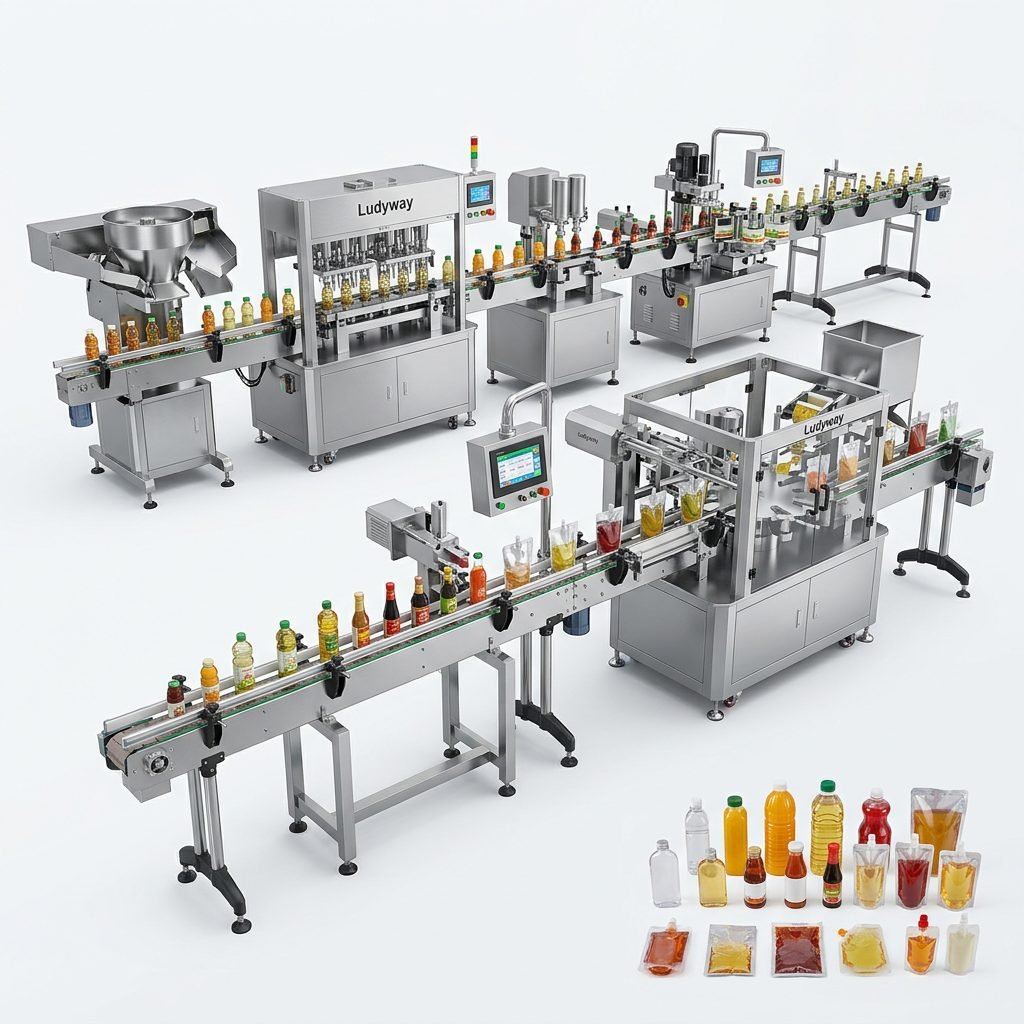
Understanding Global Market Requirements for Cream Packaging
Setting up a cream packaging machine production line for international markets demands a thorough understanding of regional regulatory frameworks, consumer expectations, and packaging standards. Cream products—whether cosmetic, pharmaceutical, or food-grade—require precision handling due to their viscosity, sensitivity to contamination, and shelf-life considerations. Before investing in equipment, manufacturers must evaluate target market requirements to ensure compliance and market access.
Key regional considerations include:
- North America: FDA food contact substance regulations and cGMP compliance for pharmaceutical creams.
- European Union: Strict adherence to EU Packaging and Packaging Waste Regulations and cosmetic product safety standards.
- Asia-Pacific: Diverse regulatory landscapes with growing demand for multi-lane sachet packaging in emerging economies.
- Middle East & Africa: Halal certification considerations and climate-adapted packaging requirements.
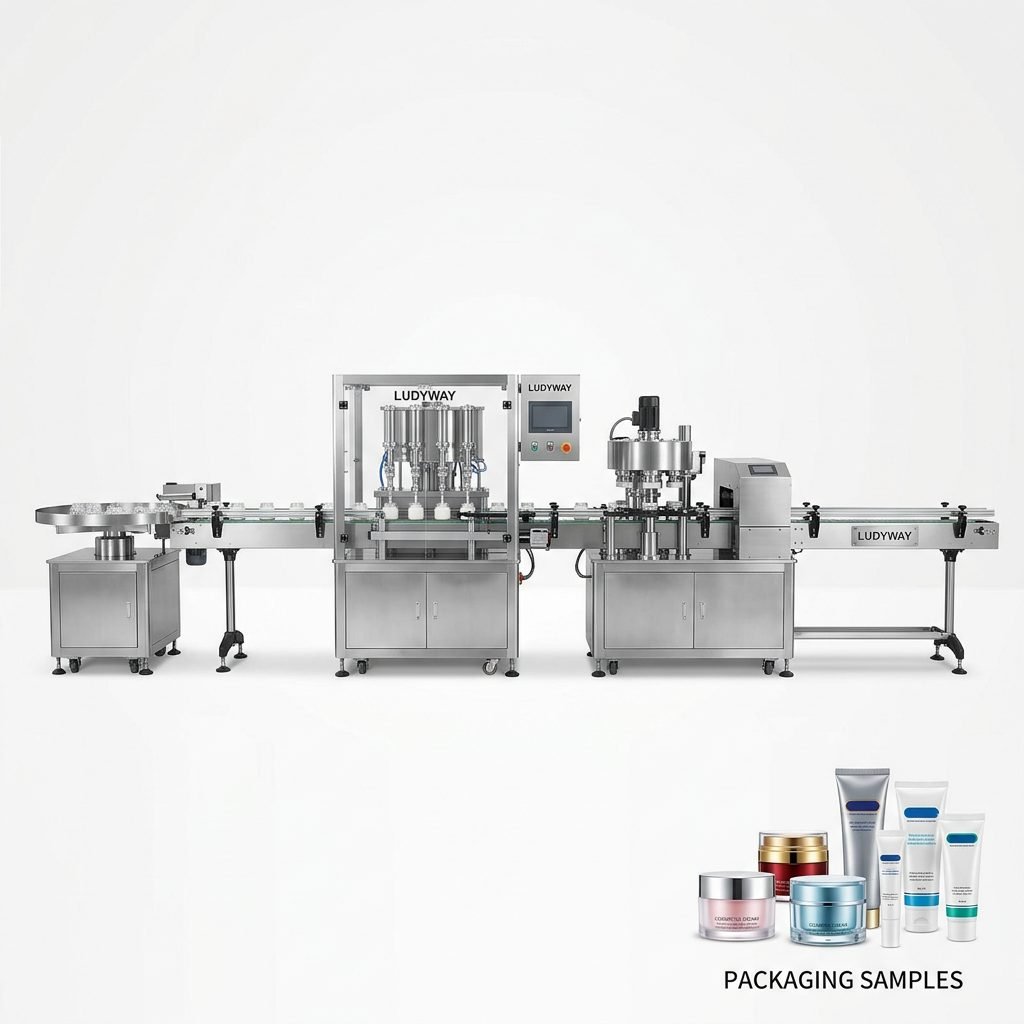
Essential Components of a Cream Packaging Machine Production Line
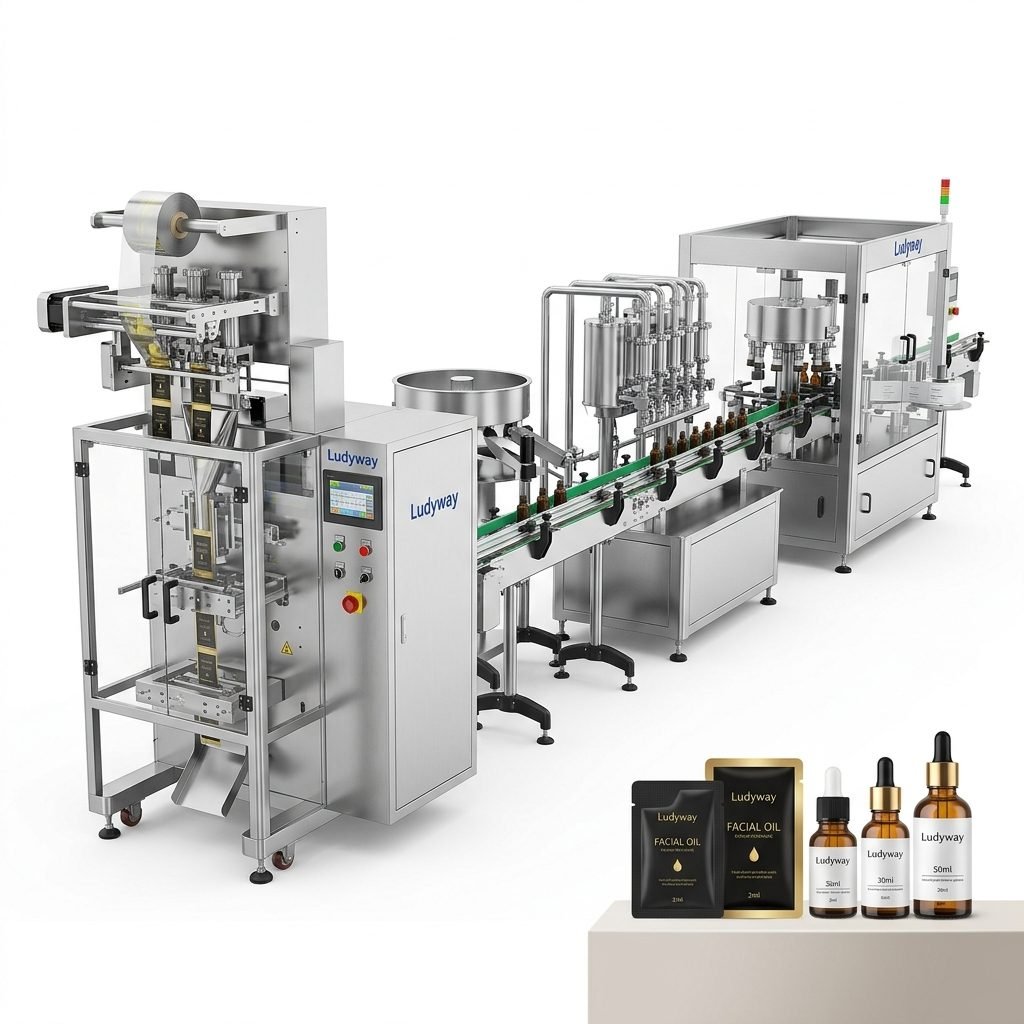
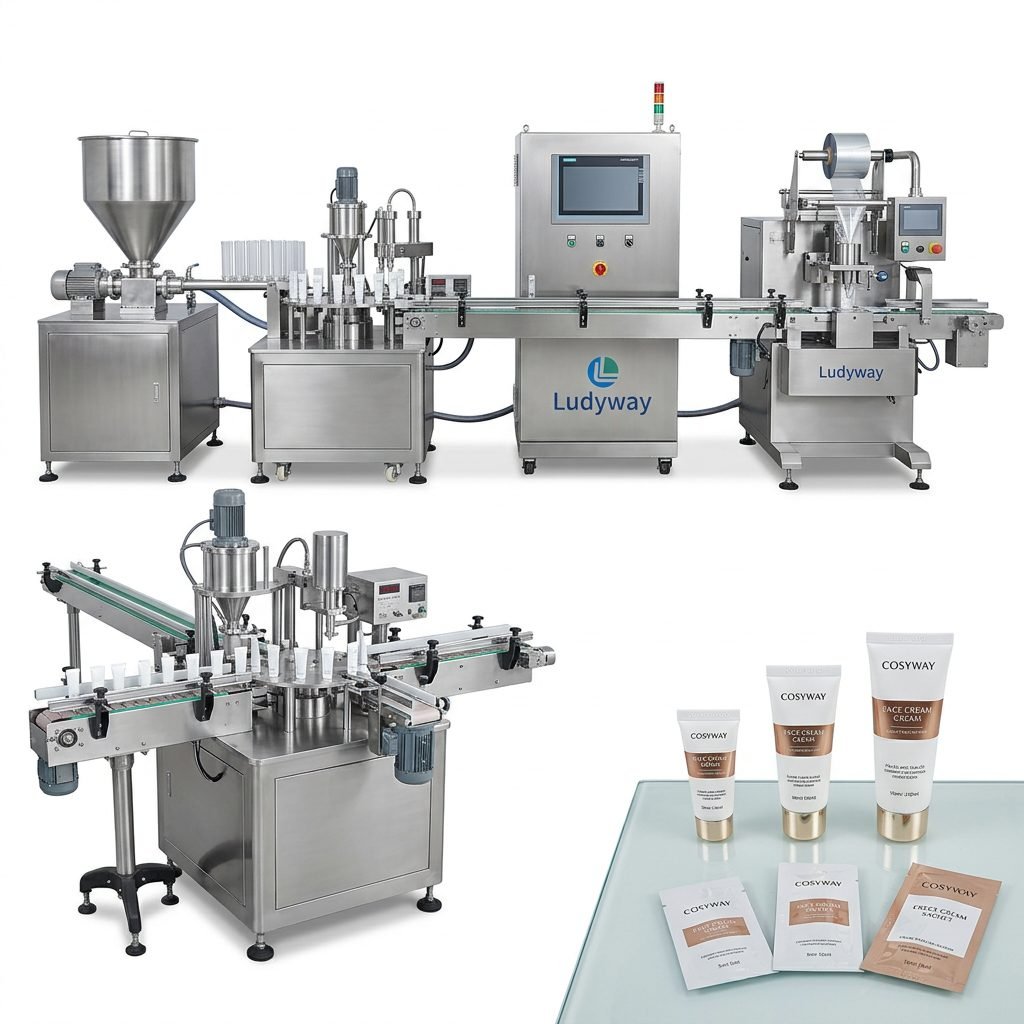
A well-designed cream packaging production line integrates multiple subsystems that must work in harmony. Understanding each component helps buyers make informed decisions when configuring equipment for global distribution.
Precision Filling Systems for Viscous Products
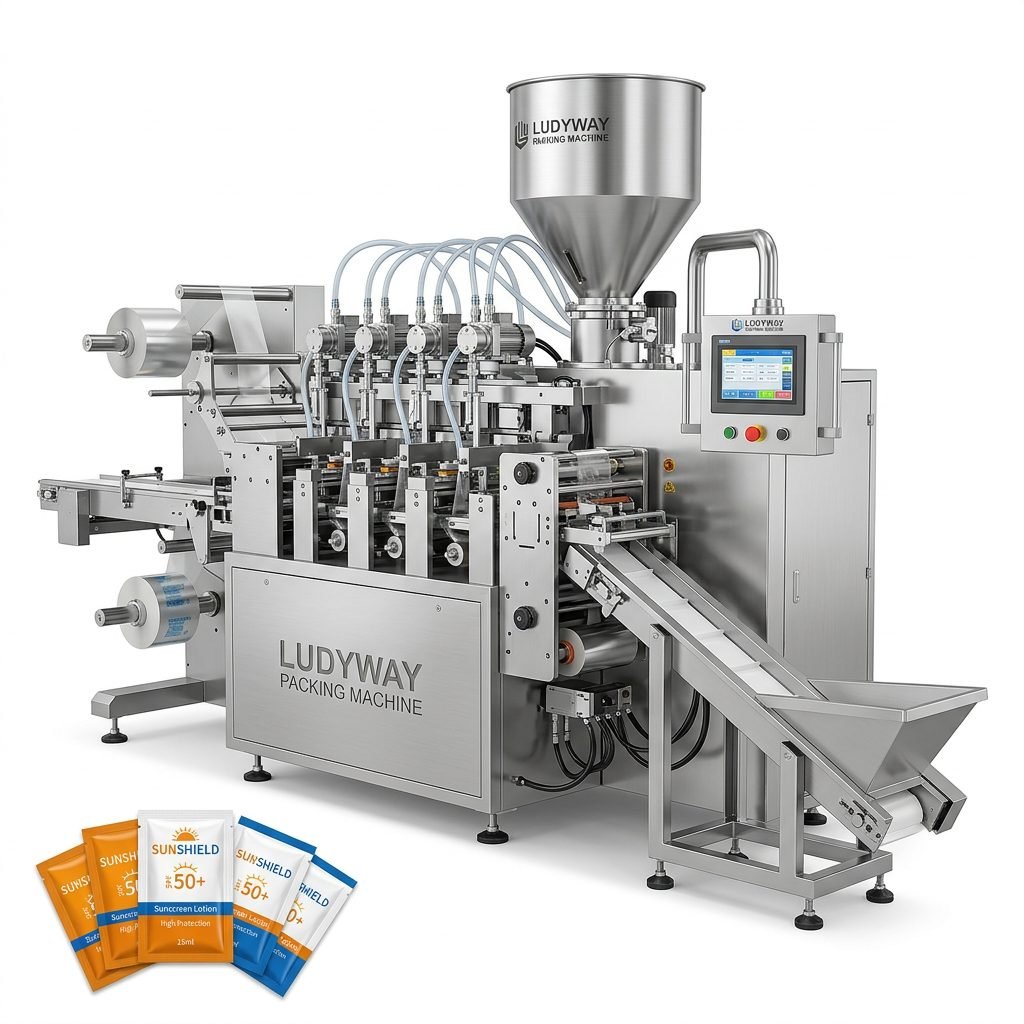
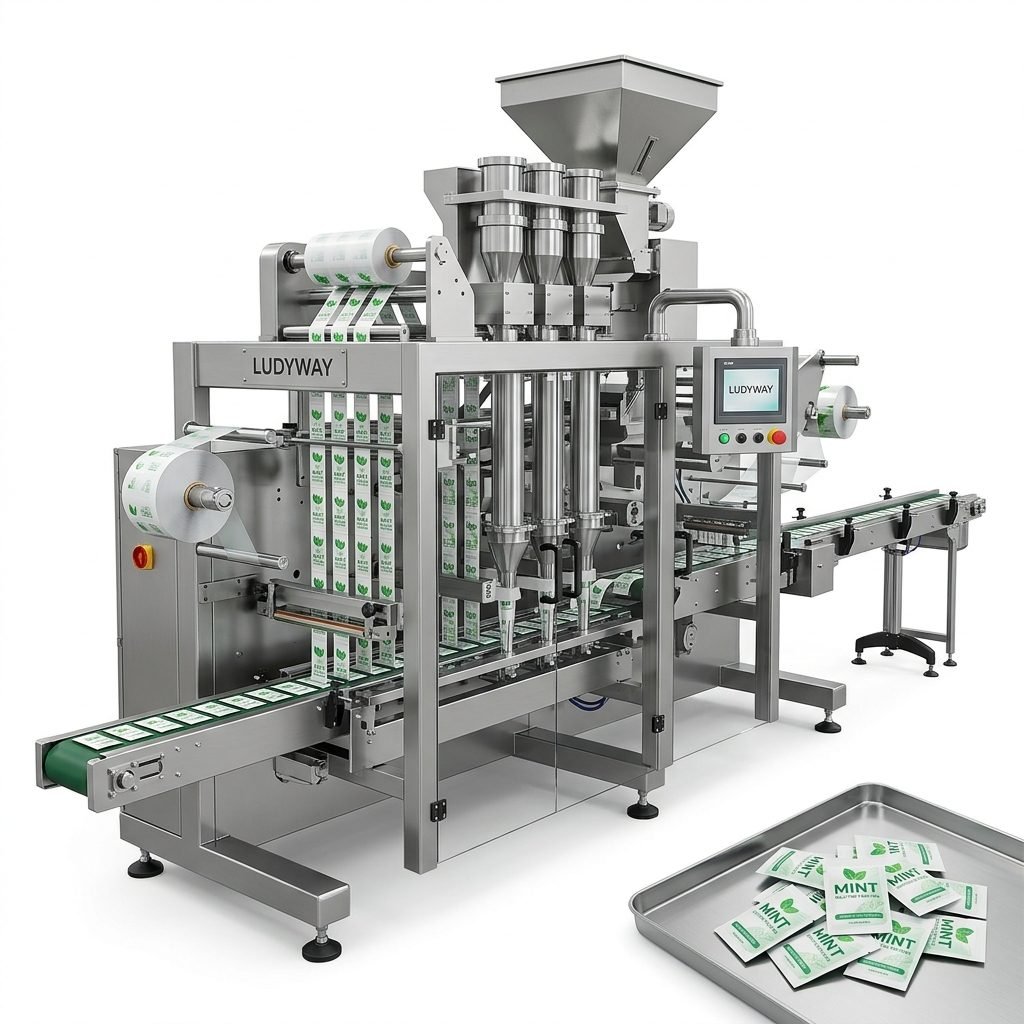
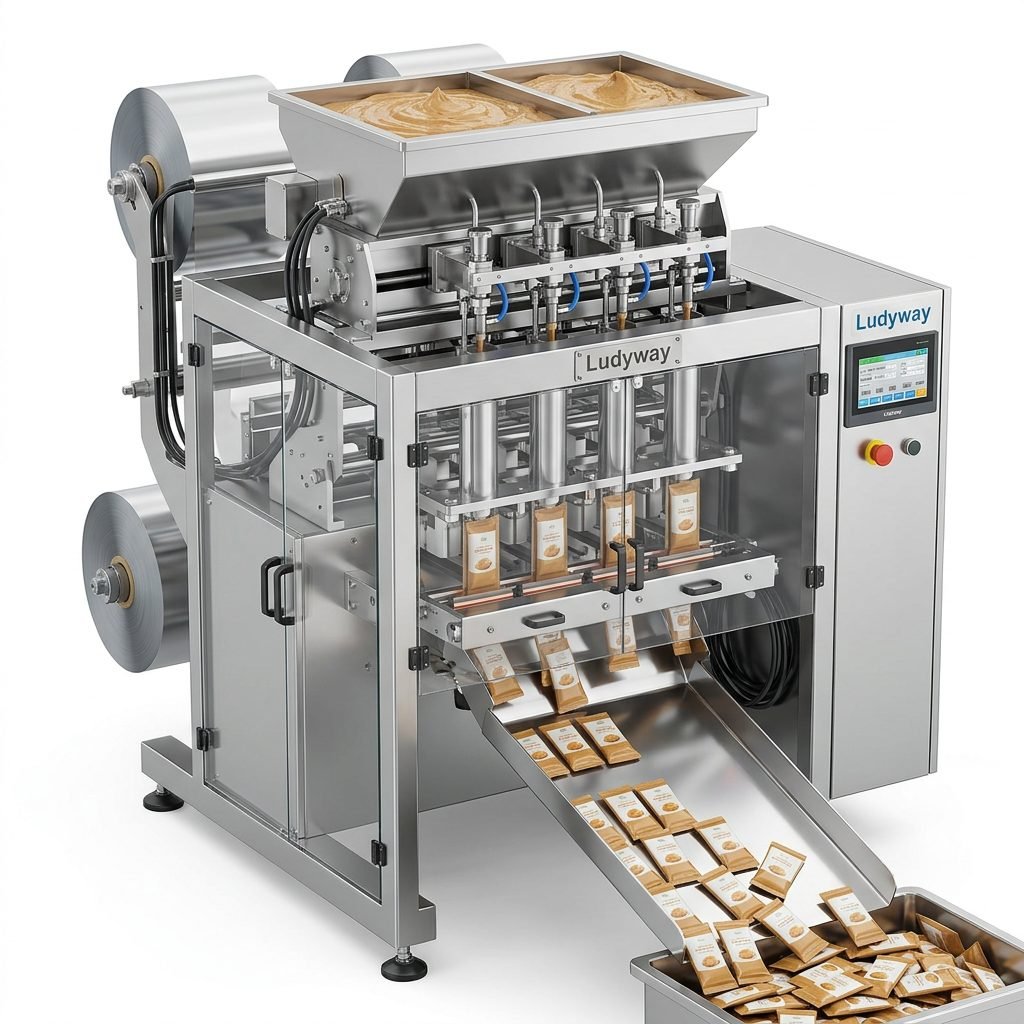
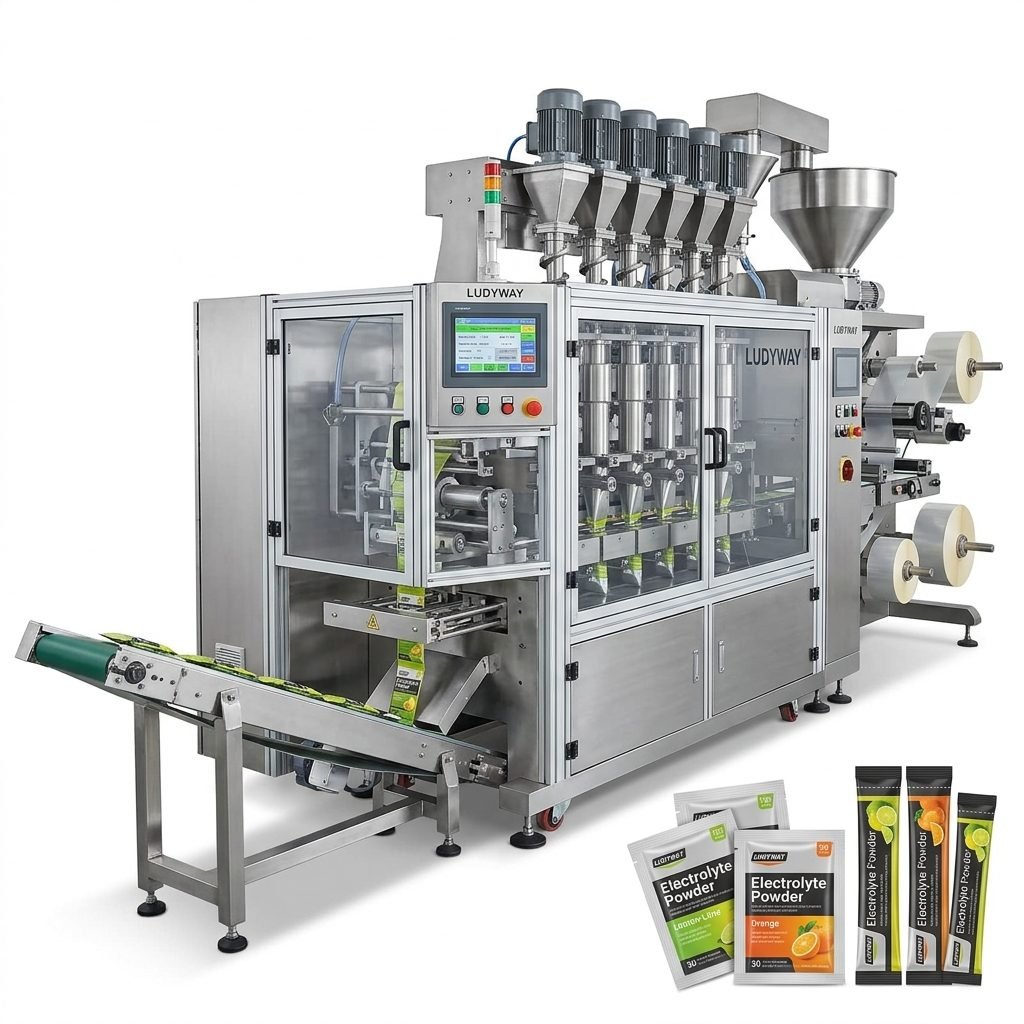
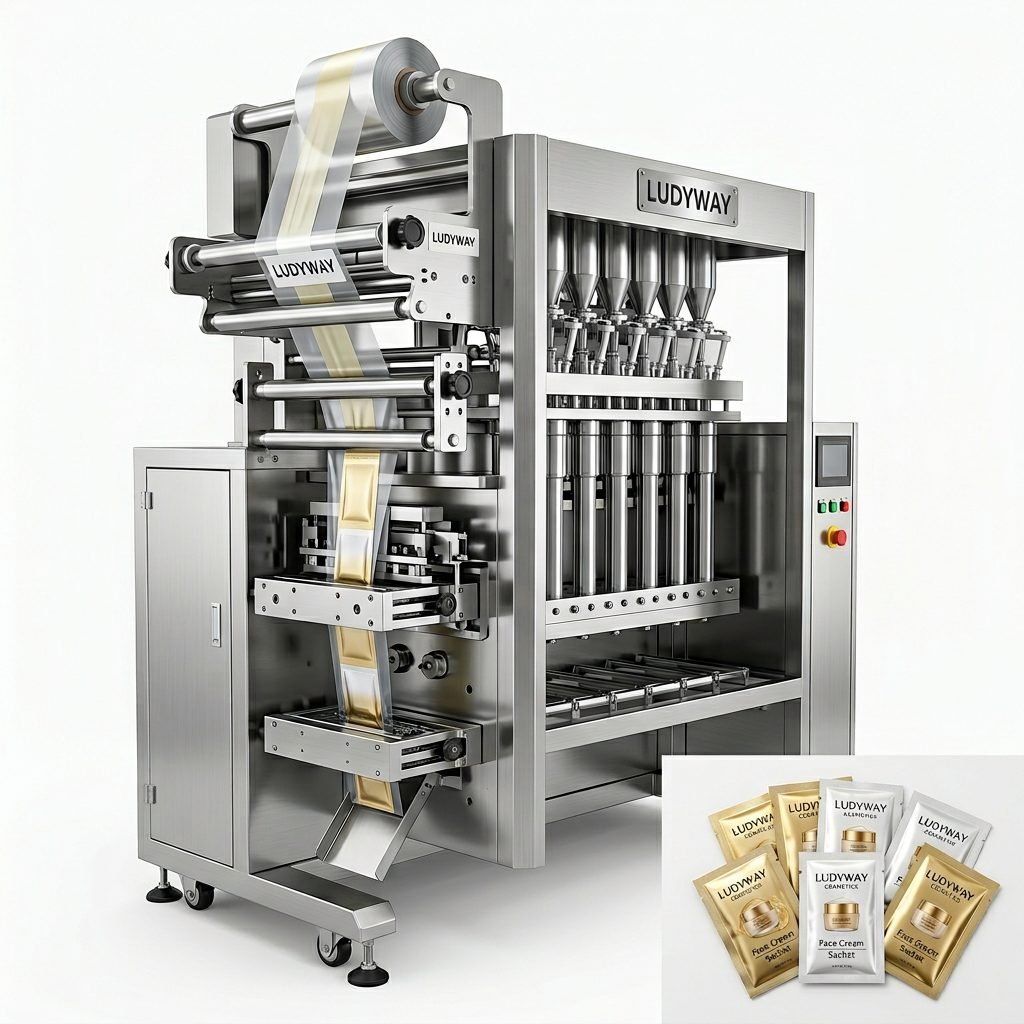
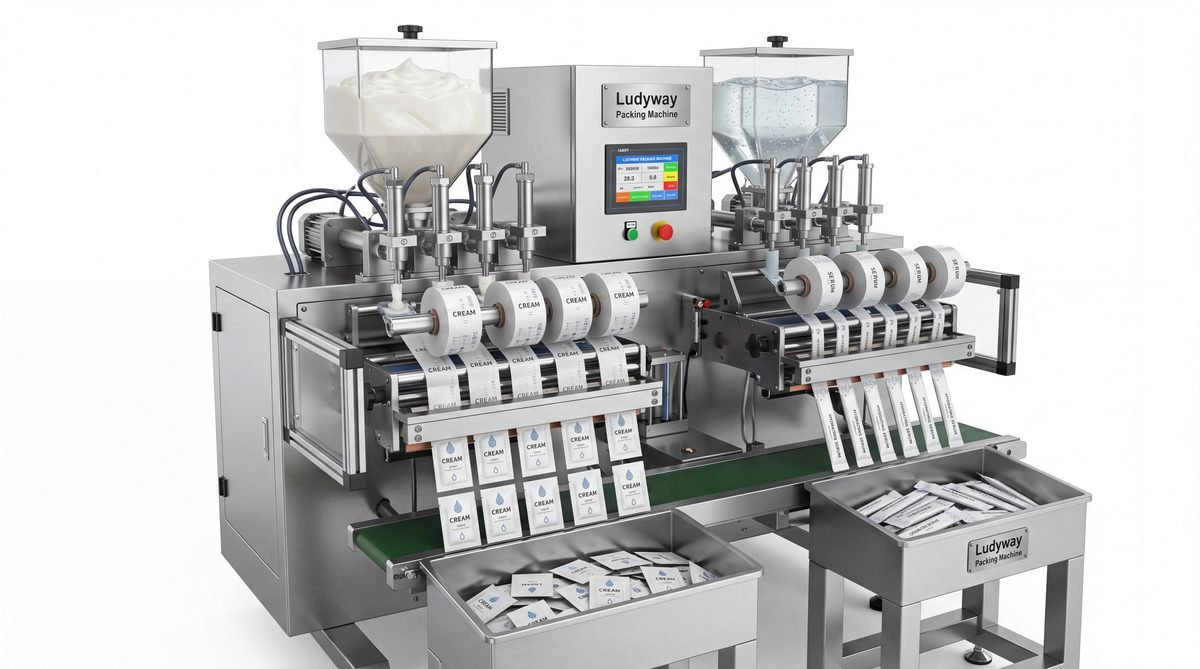
Cream formulations present unique filling challenges due to their variable viscosity and tendency to trap air. Modern filling systems utilize piston fillers, peristaltic pumps, or servo-driven positive displacement mechanisms to achieve accurate dosing. For multi-lane sachet and stick pack applications, individual lane calibration ensures consistent fill weights across all lanes, which is critical for meeting international net content regulations.
Advanced Sealing Technologies
Seal integrity directly impacts product shelf life and safety. Triple-seal or quad-seal configurations provide redundant protection against leakage, a feature increasingly demanded by global cosmetics and pharmaceutical brands. Temperature-controlled sealing jaws with real-time monitoring ensure consistent seal strength across varying production speeds.
Integrated Quality Control Systems
Automated inspection systems—including vision inspection, checkweighing, and metal detection—should be integrated directly into the production line. These systems help manufacturers comply with ISO packaging standards and retailer-specific quality requirements in different global markets.
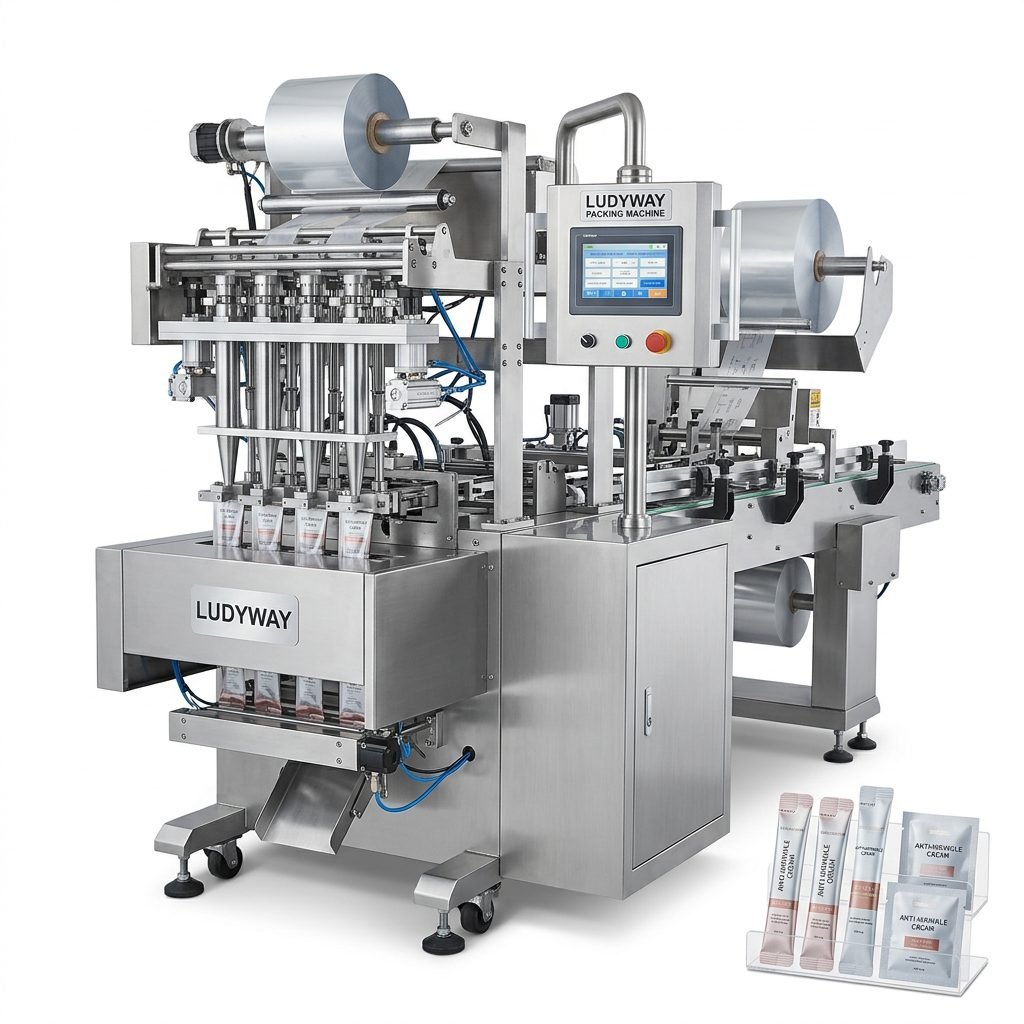
Step-by-Step Production Line Setup and Configuration
Proper line configuration maximizes throughput while minimizing changeover downtime—a critical factor when serving multiple international SKUs. Follow these steps for an optimized setup:
- Product Analysis: Characterize cream viscosity, particle content, and foaming tendency under shear conditions to select appropriate filling technology.
- Packaging Format Selection: Determine whether sachets, stick packs, tubes, or jars best align with target market preferences and distribution channels.
- Machine Lane Configuration: Choose single-lane or multi-lane configurations based on required output volumes and facility space constraints.
- Auxiliary Equipment Integration: Connect feeders, conveyors, coding systems, and end-of-line packaging modules into a seamless automated workflow.
- Validation and Commissioning: Conduct installation qualification (IQ), operational qualification (OQ), and performance qualification (PQ) per international GMP guidelines.
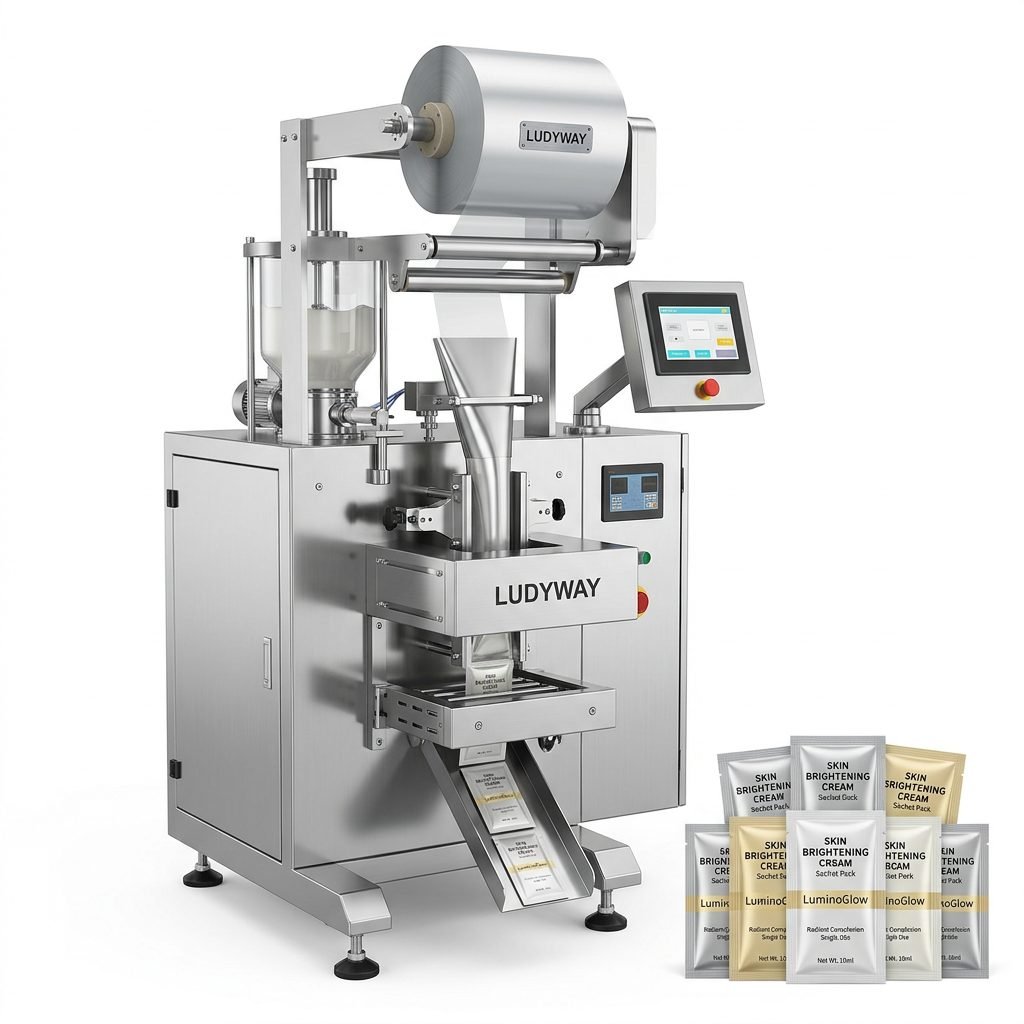
Regulatory Compliance for International Markets
Navigating global compliance requirements is one of the most complex aspects of setting up a cream packaging operation. The table below summarizes key standards across major markets:
| Region | Key Regulatory Body | Critical Packaging Standards |
|---|---|---|
| United States | FDA | 21 CFR Part 211 (cGMP), Food Contact Substance Notification |
| European Union | EC / EMA | EU Cosmetics Regulation (EC) No 1223/2009, ISO 11607 |
| China | NMPA | Cosmetics Supervision and Administration Regulation (CSAR) |
| Japan | PMDA / MHLW | Pharmaceutical and Medical Device Act, JP pharmacopoeia standards |
| Global (Harmonized) | ICH / WHO | ICH Q7 (GMP for APIs), WHO GMP guidelines |
Staying current with PMMI packaging industry intelligence helps manufacturers anticipate regulatory changes and adapt their cream packaging lines proactively.
Optimizing Production Efficiency and Scalability
When targeting global markets, production lines must accommodate rapid format changes and scalable throughput. Consider these optimization strategies:
- Quick-Change Tooling: Modular filling heads and sealing jaws enable format changes in under 30 minutes, reducing downtime between production batches for different regional SKUs.
- Servo-Driven Motion Control: Precise electronic synchronization of all stations eliminates mechanical adjustment needs and ensures repeatable performance.
- Data Integration: Industry 4.0-ready systems with OPC-UA or MQTT protocols enable real-time production monitoring and remote diagnostics across global facilities.
- Energy Efficiency: Regenerative drive systems and optimized heating zones reduce operational costs and support corporate sustainability goals.
Packaging Material Considerations for Cream Products
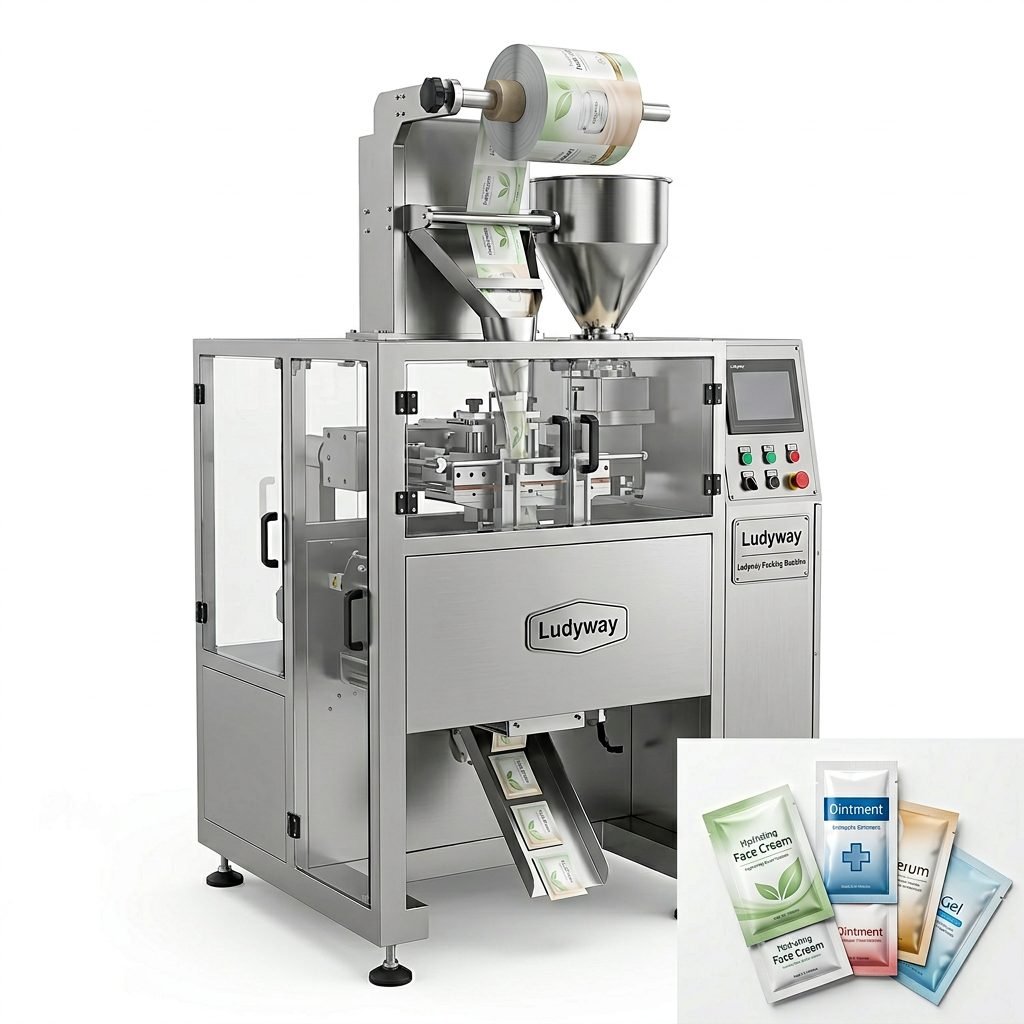
The interaction between cream formulations and packaging materials requires careful evaluation. Factors such as barrier properties, compatibility testing, and sustainability goals influence material selection. For comprehensive industry data, refer to Flexible Packaging Association resources and EPA sustainable materials management guidelines.
Selecting a Reliable Equipment Partner
Choosing the right packaging machinery manufacturer is critical for long-term success in global markets. Evaluate potential partners based on their experience with cream and viscous product applications, international project references, and after-sales support capabilities. A manufacturer with a proven track record in multi-lane sachet and stick pack systems can significantly reduce commissioning time and technical risk.
Ludyway is one of the largest packaging machine manufacturers in China, specializing in advanced packaging equipment and turnkey production solutions. With over 30 years of industry expertise and more than 50 intelligent packaging machine models, the company has served customers in over 100 countries, providing reliable cream packaging solutions that meet diverse international standards.
Key Takeaways for Global Cream Packaging Success
- Conduct thorough regional regulatory assessments before finalizing equipment specifications.
- Invest in flexible, multi-format capable machinery to serve diverse international markets without extensive retooling.
- Integrate comprehensive quality control systems that meet or exceed target market inspection requirements.
- Partner with experienced equipment manufacturers who understand the nuances of cream product handling and global compliance.
- Stay informed about evolving packaging standards through resources like PMMI packaging industry resources and Flexible Packaging Association updates.