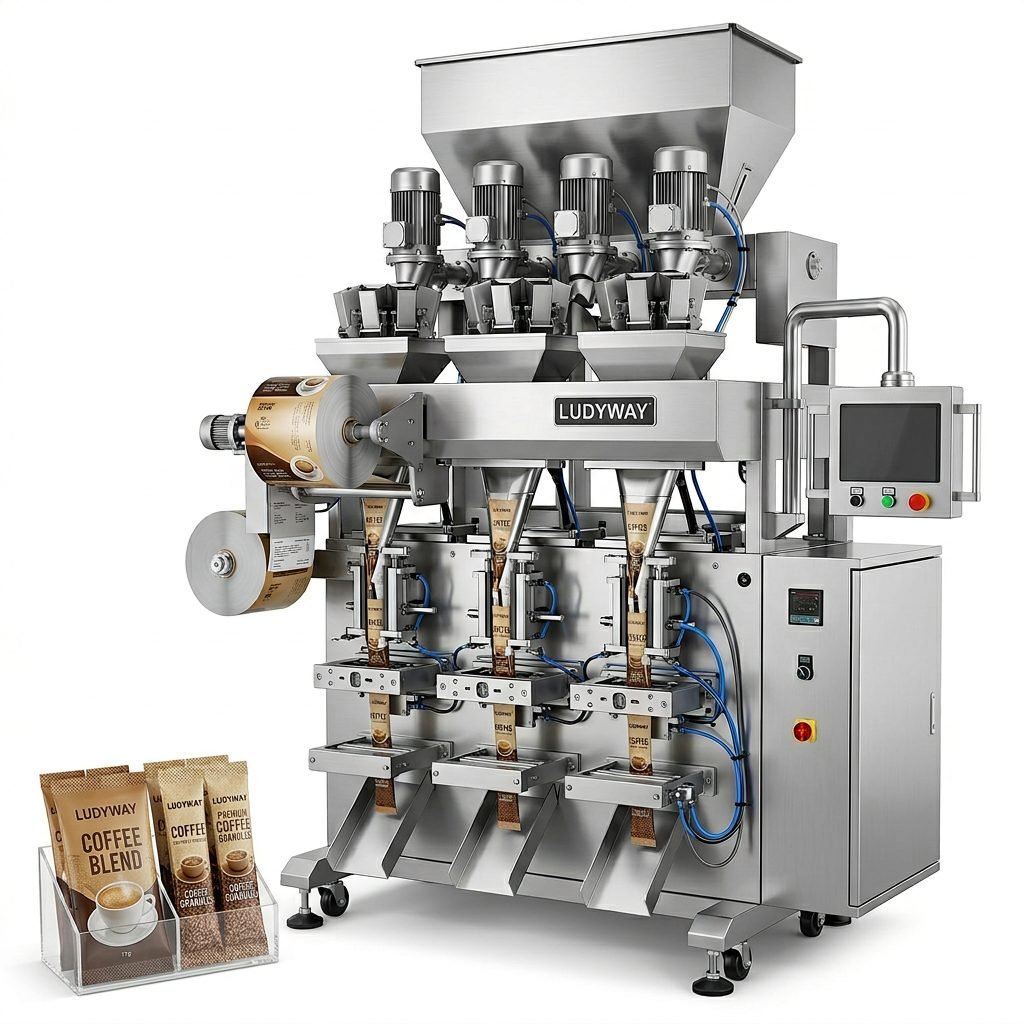
Investing in a ghee packing machine is a significant decision for any dairy processing business. The right equipment can dramatically improve your production efficiency, product shelf life, and overall profitability. However, with numerous models, technologies, and configurations available, navigating the selection process can feel overwhelming. This comprehensive guide breaks down every critical factor to help you make an informed purchasing decision.
Understanding Your Ghee Production Requirements
Before comparing machine specifications, you must first define your operational needs. Start by answering these foundational questions about your production environment.
Daily and Peak Production Volume
Your current and projected output is the single most important parameter. Are you packaging 500 liters per day or 5,000 liters per day? Small-scale artisanal producers have very different needs compared to large industrial dairies. Underestimating capacity leads to bottlenecks, while overestimating results in unnecessary capital expenditure. Analyze your production data over the last 12 months to identify peak demand periods.
Target Packaging Format and Material
Ghee is packaged in a wide range of formats, each requiring specific machine configurations. Common options include:
- Stand-up pouches with resealable zippers for premium retail segments
- Pillow pouches or sachets for single-serve and travel packs
- Jars and bottles made of glass or PET for traditional markets
- Tin cans for long shelf life in specific geographic regions
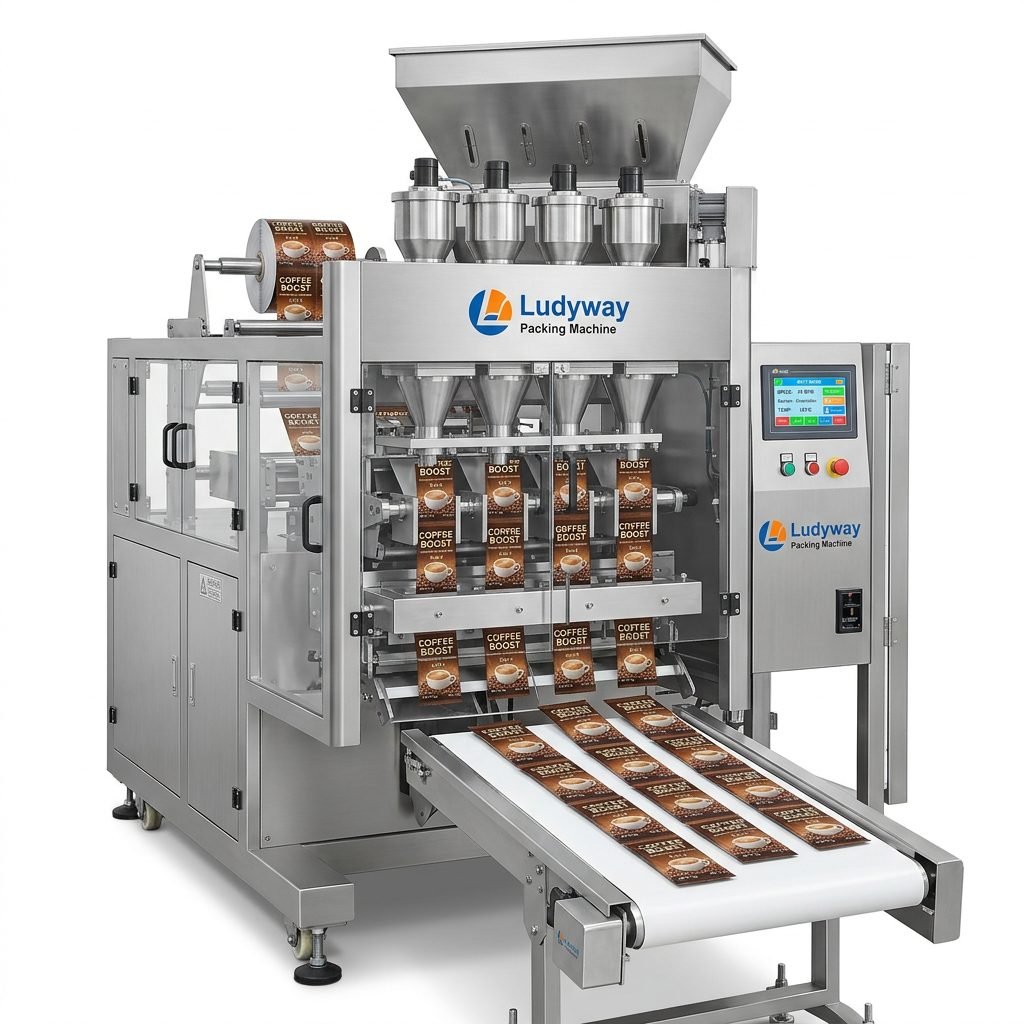
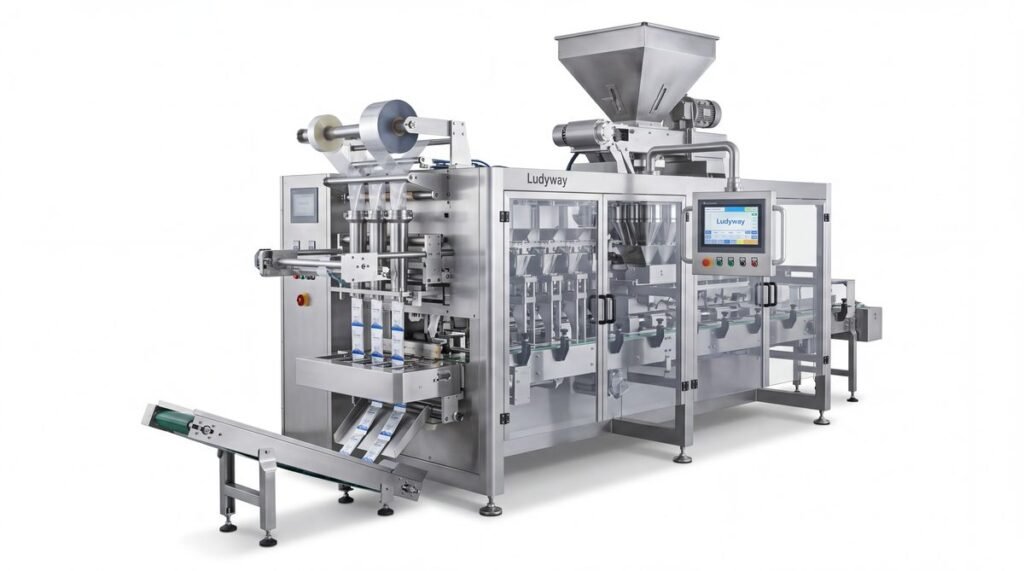
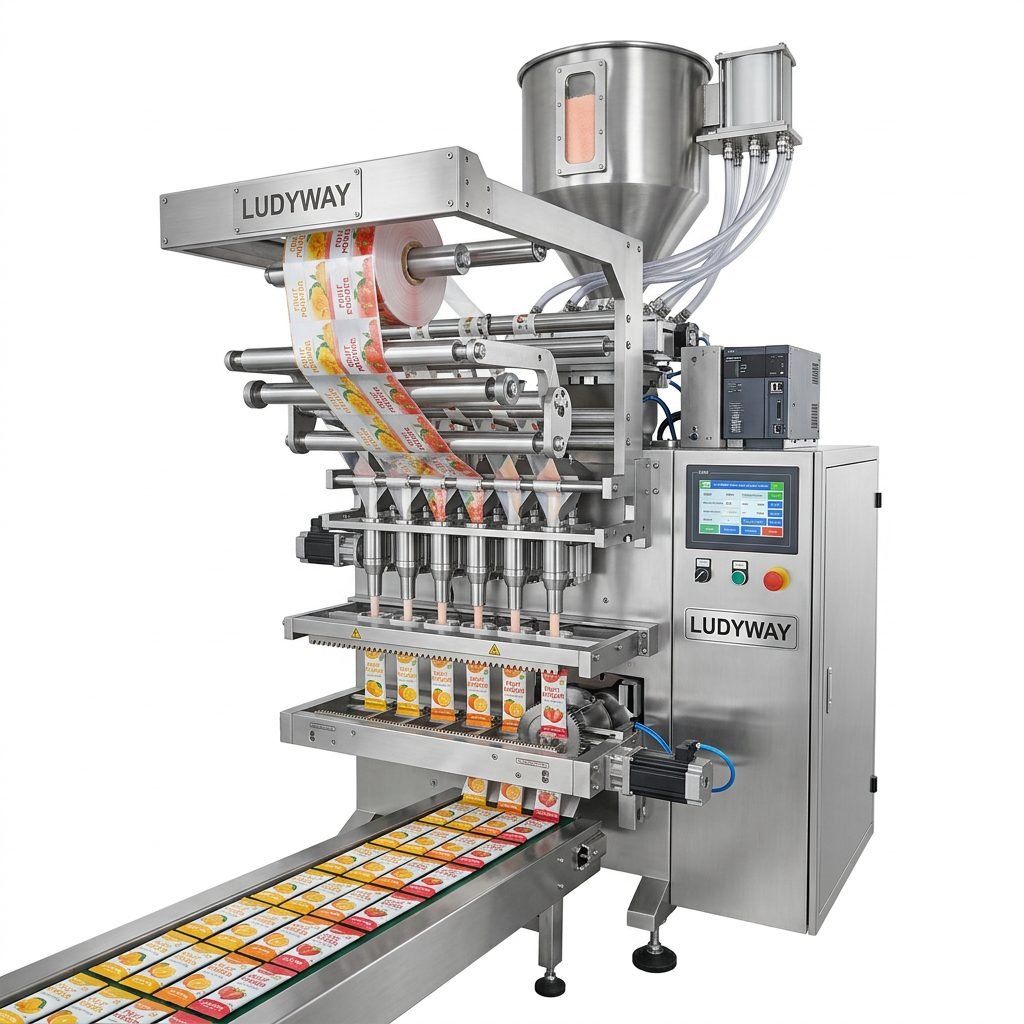
- Multi-lane stick packs for modern portion-control applications
The packaging material structure also matters — ghee requires excellent barrier properties to prevent oxidation and rancidity, so compatibility with aluminum foil laminates or high-barrier films is essential.
Types of Ghee Packing Machines
The packaging machinery market offers several distinct categories of equipment suitable for ghee. The choice depends primarily on your packaging format, level of automation, and budget.
| Machine Type | Best For | Typical Speed | Key Advantage |
|---|---|---|---|
| Semi-Automatic Liquid Filler | Small dairies, startups | 10-30 packs/min | Low initial investment |
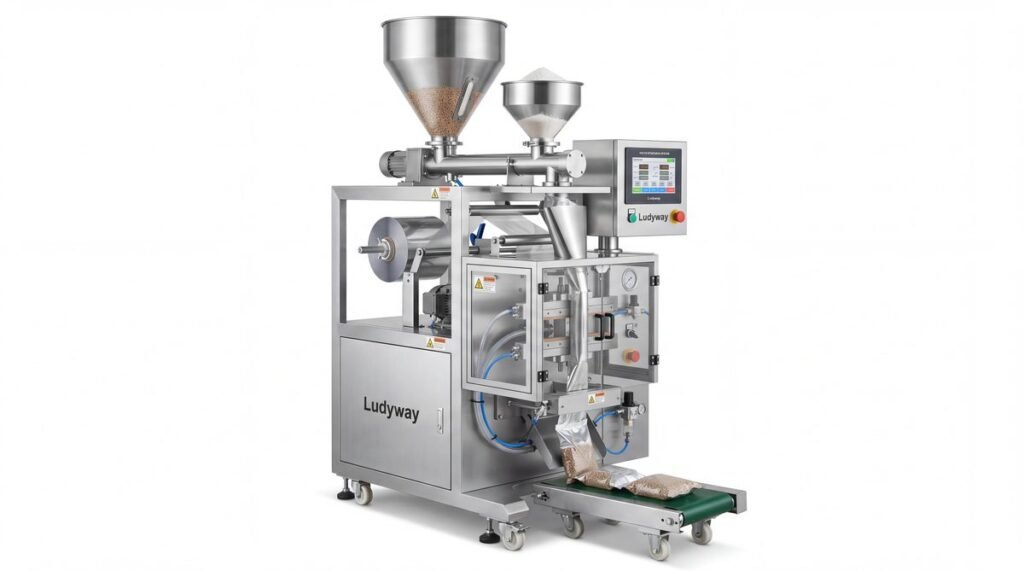
| Automatic VFFS Machine | Medium to large producers | 40-80 packs/min | Cost-effective pouch forming |
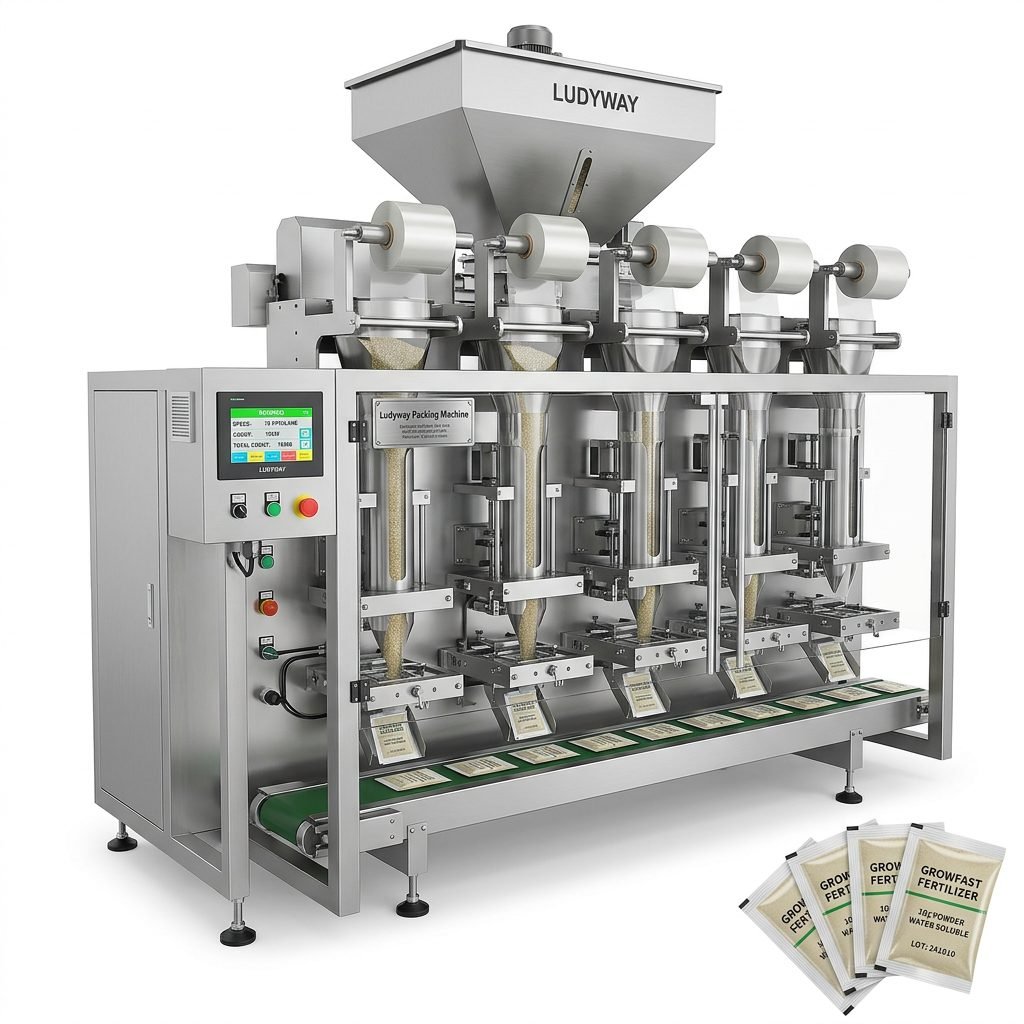
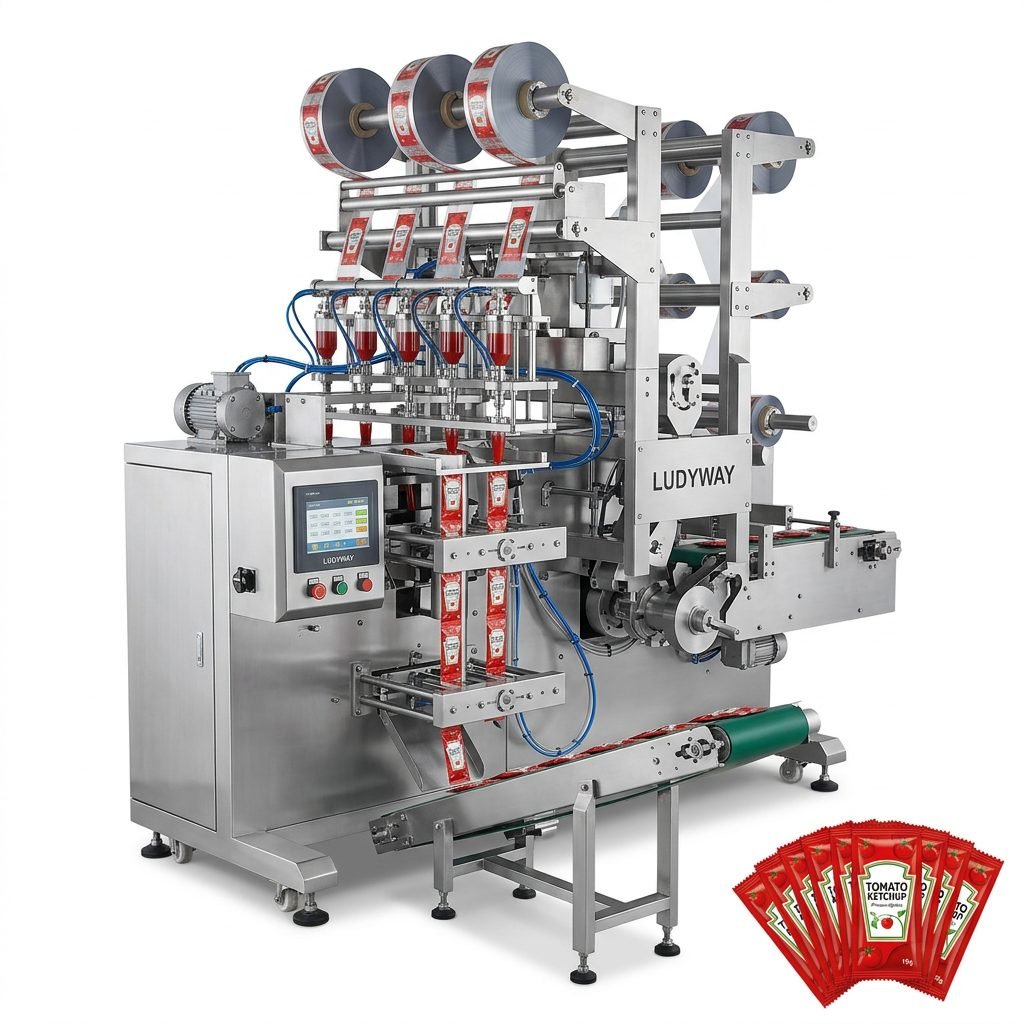
| Multi-Lane Sachet Machine | High-volume portion packs | 200-600 packs/min | Maximum throughput |
| Premade Pouch Rotary Filler | Premium stand-up pouches | 30-60 packs/min | Superior pouch appearance |
| Jar/Bottle Filling Line | Glass and PET containers | 40-120 bottles/min | Consumer familiarity |
Critical Temperature Control for Ghee Packaging
Ghee presents a unique packaging challenge because it is a semi-solid at room temperature and a free-flowing liquid when heated above approximately 36°C (97°F). This thermal characteristic directly impacts machine selection.
Heated Filling Systems
Your chosen machine must include a reliable heated product tank and temperature-controlled filling nozzles. Precise temperature regulation prevents product solidification in the dosing system, which can cause inconsistent fill volumes and equipment downtime. Look for machines with thermostatically controlled heating with an accuracy of ±1°C.
Dosing Accuracy for Viscous Products
Ghee’s viscosity varies with temperature, so the dosing system must compensate for these changes. Piston fillers and positive displacement pumps are generally preferred over gravity-based systems for their superior volumetric accuracy when handling viscous oils and fats. The dosing system should deliver fill accuracy within ±0.5% to 1% of the target weight.
Hygiene and Material Construction Standards
For dairy processing, hygiene is non-negotiable. The machine construction must support your cleaning protocols and food safety compliance requirements.
| Component | Recommended Material | Reason |
|---|---|---|
| Product Contact Parts | SUS304 or SUS316L Stainless Steel | Corrosion resistance, food-grade compliance |
| Machine Frame | SUS304 Stainless Steel | Durability, washdown capability |
| Sealing Jaws | Anodized Aluminum or Teflon-coated | Consistent heat distribution |
| Gaskets and Seals | FDA-approved silicone or PTFE | Temperature resistance, no leaching |
Clean-in-Place (CIP) Compatibility
If your facility operates under stringent food safety regulations, consider machines with CIP capability. This feature allows you to clean the product pathway without disassembling the machine, significantly reducing changeover time and cross-contamination risks.
Automation and Integration Capabilities
Modern ghee packing machines go far beyond simple filling and sealing. The level of automation you choose directly impacts labor costs, product consistency, and line efficiency.
Inline Quality Control Systems
Many advanced machines now integrate or can be connected to supplementary inspection equipment:
- Checkweighers to ensure every pack meets declared weight
- Metal detectors to identify any foreign contaminants
- Vision inspection systems to verify seal integrity and print quality
- Gas flushing systems for nitrogen injection to extend shelf life
End-of-Line Automation
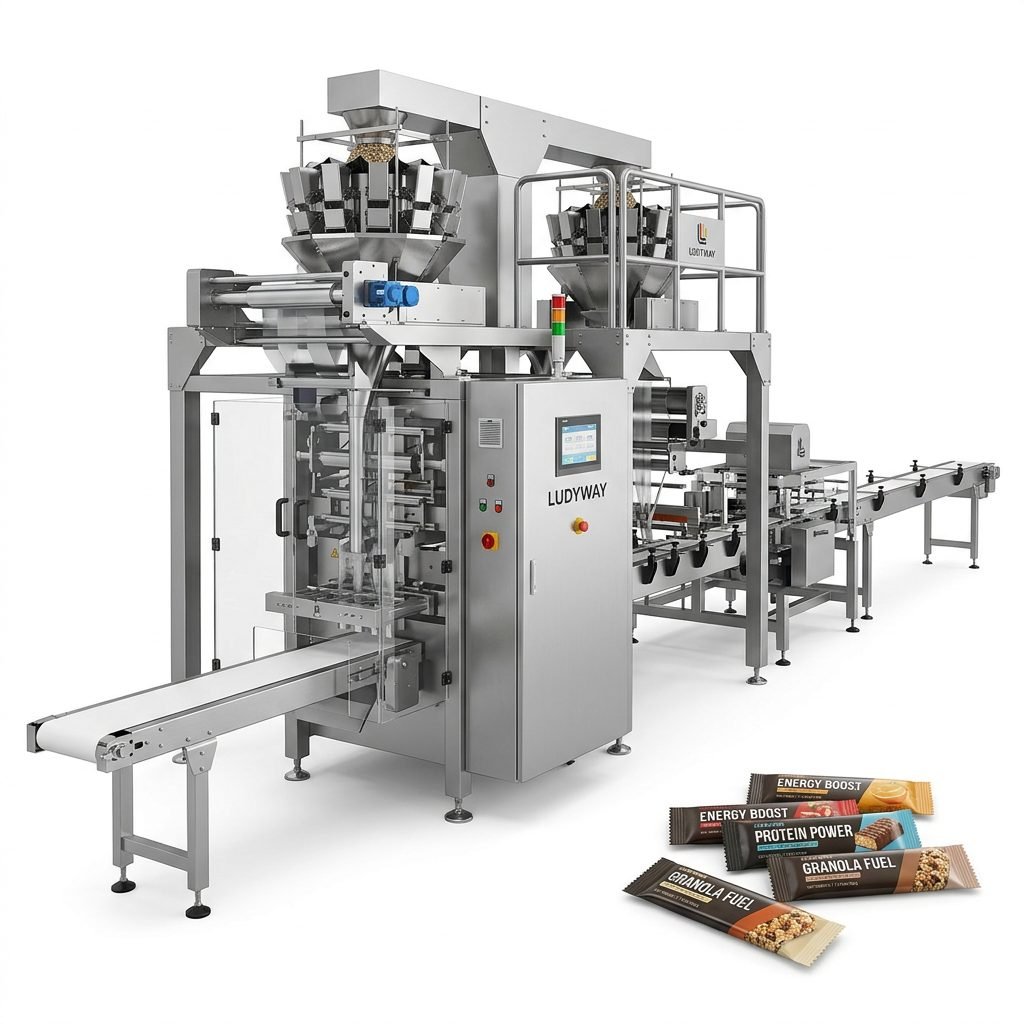
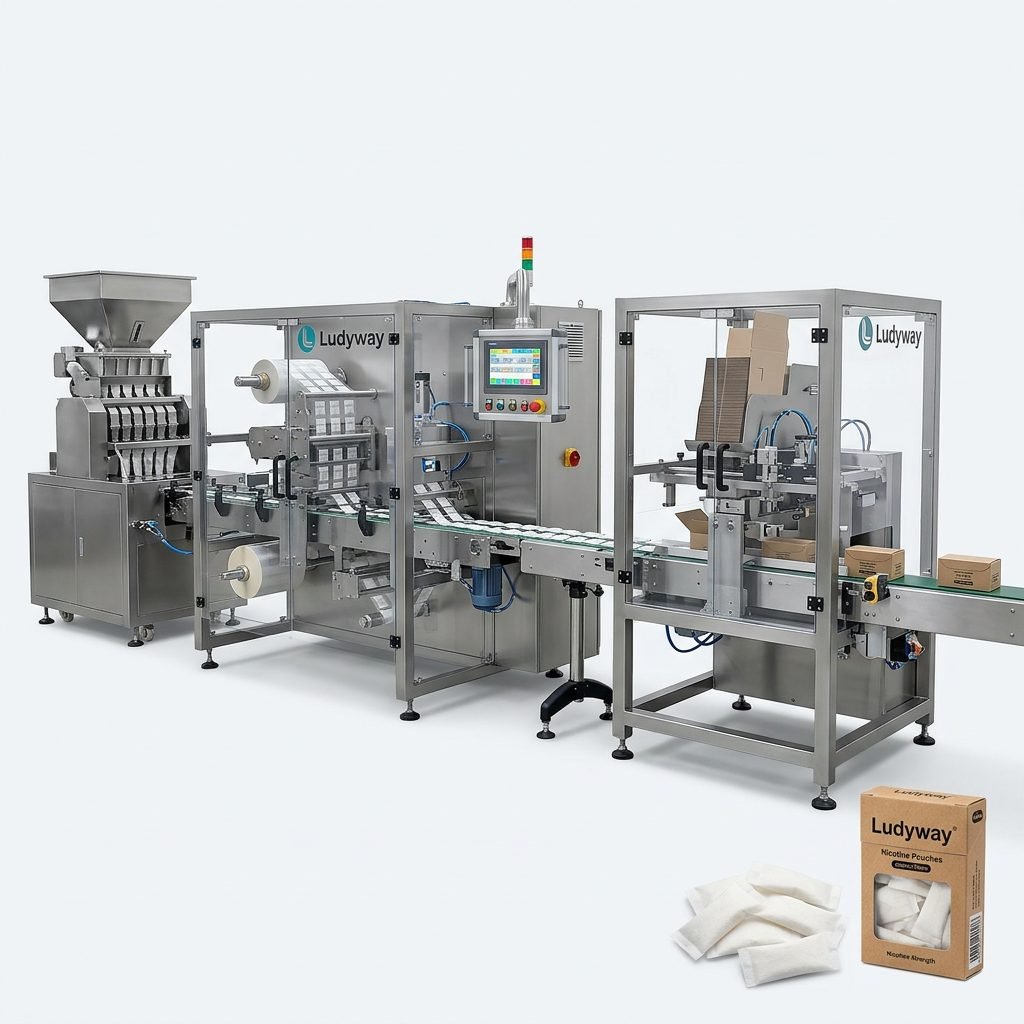
Consider whether you need the packing machine to connect seamlessly with downstream equipment such as cartoning machines, case packers, palletizers, and stretch wrapping systems. A fully integrated packaging line reduces manual handling and improves overall equipment effectiveness (OEE).
Evaluating Supplier Expertise and Support
The machine is only as good as the manufacturer behind it. When selecting a ghee packing machine supplier, assess their experience with dairy-specific and high-fat product applications, not just general liquid packaging.
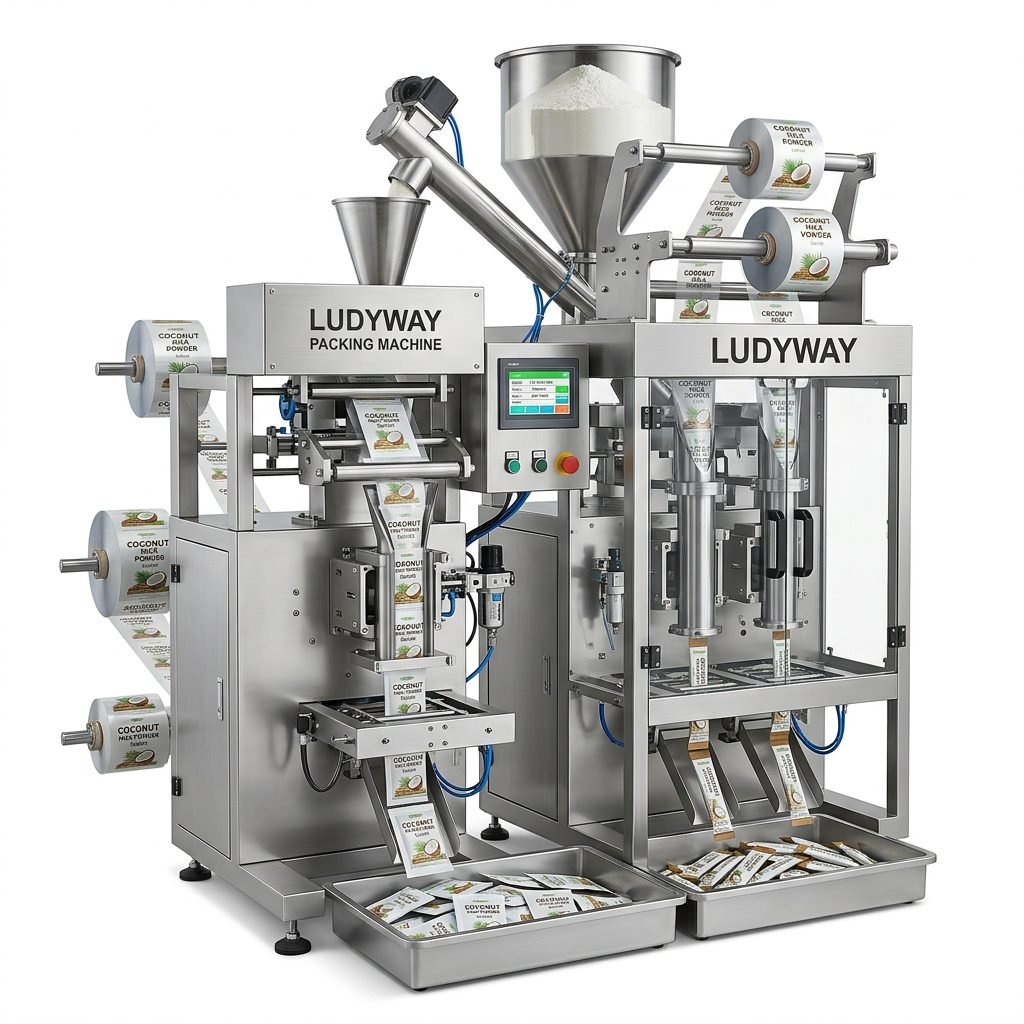
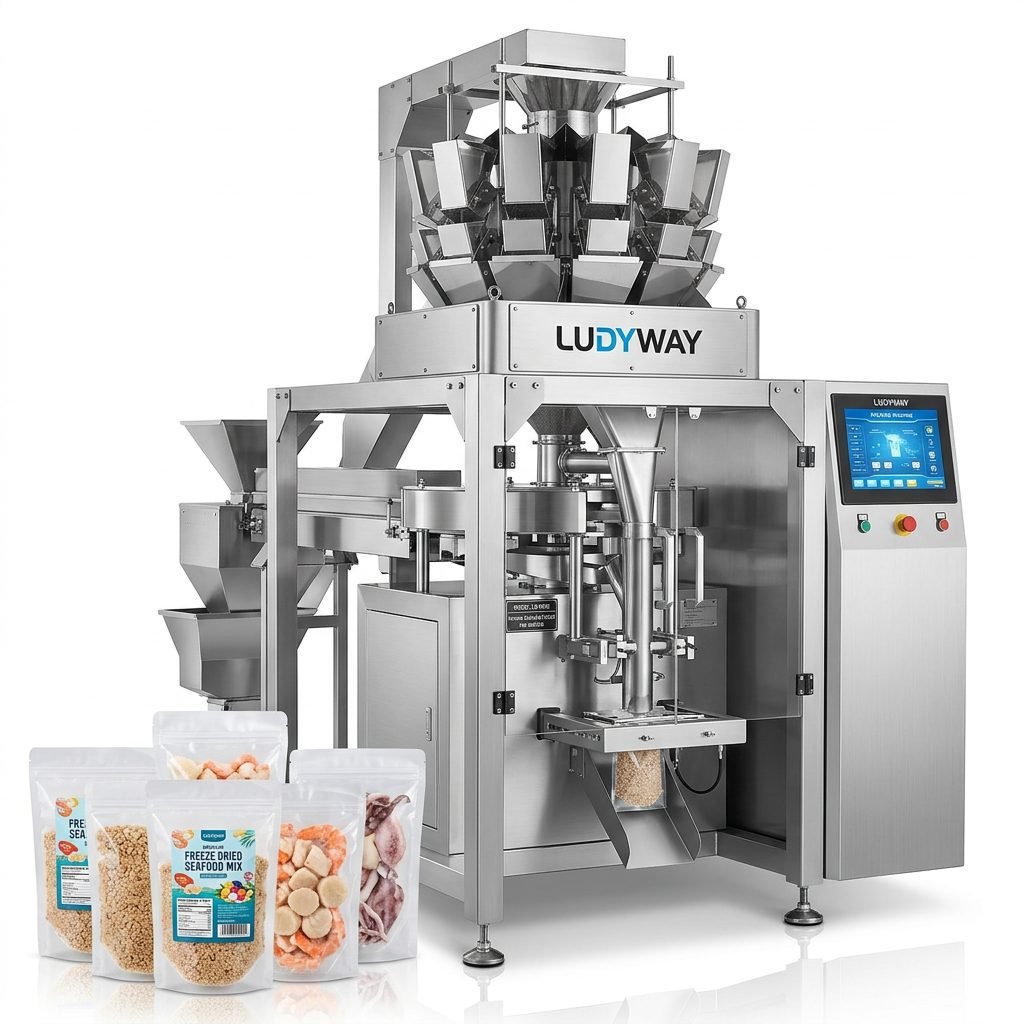
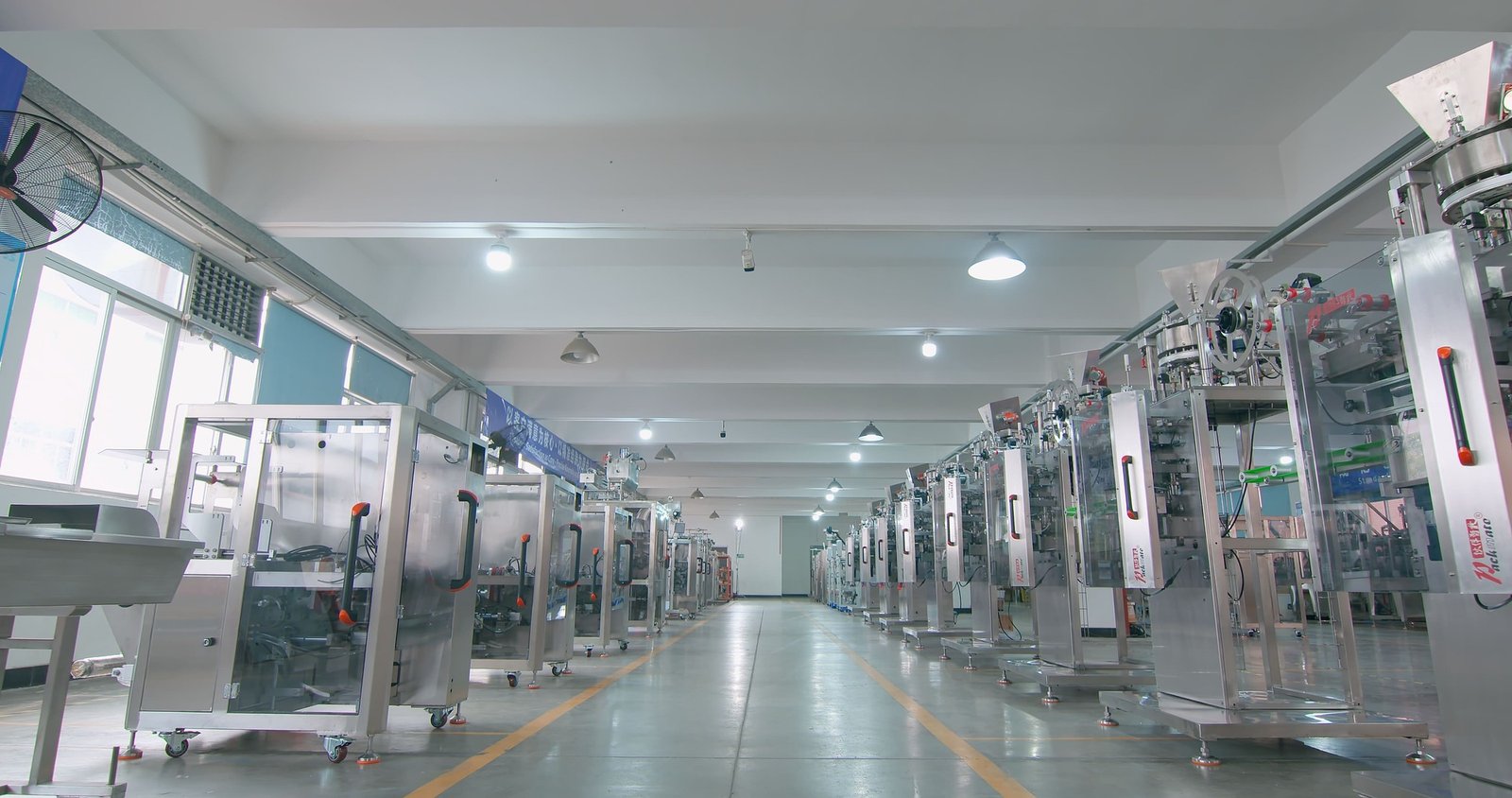
Experienced packaging machinery manufacturers like Ludyway Machinery, a China-based packaging machinery manufacturer and turnkey packaging solution provider with more than 30 years of experience, bring engineering expertise to applications involving viscous, temperature-sensitive dairy products. With a 20,000-square-meter manufacturing facility, more than 130 professionals, and over 50 packaging machine models, companies with this level of manufacturing depth can configure equipment for different production speeds, filling volumes, packaging materials, and bag formats, and provide integrated packaging systems that connect multiple stages of the packaging process.
Key Support Considerations
- Installation and commissioning support at your facility
- Operator training programs for your production team
- Spare parts availability and lead times in your region
- Technical support responsiveness, including remote assistance
- Machine warranty coverage and extended service agreements
Total Cost of Ownership Calculation
Comparing initial purchase prices alone is misleading. A comprehensive cost analysis should factor in all expenses over the machine’s expected lifespan, which is typically 10 to 15 years for well-maintained packaging equipment.
| Cost Factor | Description | Impact on TCO |
|---|---|---|
| Capital Expenditure | Purchase price, shipping, import duties | 20-35% |
| Consumables | Packaging film, spare parts, lubricants | 40-55% |
| Energy | Electricity consumption, heating | 5-10% |
| Labor | Operators, maintenance technicians | 8-15% |
| Downtime Losses | Production stoppages during breakdowns | Variable, can be significant |
Packaging Format Flexibility
The most versatile machines allow you to run multiple packaging formats with quick changeover times. Evaluate whether the machine supports:
- Different bag widths and lengths within a specified range
- Various pack styles such as pillow, gusseted, or stand-up pouches
- Easy-to-clean design for product changeovers with minimal disassembly
- Quick-change forming tubes and sealing jaw assemblies
Compliance with International Standards
If you plan to export ghee or supply to large retail chains, your packaging machine should be capable of producing packs that comply with relevant standards. Check that the machine can be configured to meet applicable ISO packaging standards, regulations from the FDA regarding food contact substances, and requirements under the European Commission packaging regulations. Machines that support certifications and compliance documentation are generally built to a higher quality standard.
Key Technical Specifications to Compare
When reviewing product datasheets and proposals, create a systematic comparison matrix. Pay close attention to:
- Filling range: Minimum and maximum dose volumes the machine can accurately dispense
- Film width compatibility: The range of packaging film roll widths the machine accepts
- Sealing temperature control: Whether each sealing jaw has individual PID temperature controllers
- Machine footprint: Dimensions and layout requirements on your factory floor
- Utility requirements: Electrical specifications and compressed air consumption
- Control system: PLC brand, touchscreen language support, and remote monitoring capabilities
Making Your Final Decision
Selecting the right ghee packing machine is a strategic decision that affects your business for years to come. Start by clearly documenting your requirements, then methodically evaluate potential solutions against those criteria. Whenever possible, request factory acceptance testing (FAT) with your actual product to verify machine performance before shipment.
For producers looking to explore a comprehensive range of configurations — from individual automatic packaging machines to fully integrated turnkey packaging lines — understanding how packaging machinery manufacturers are evolving globally can provide valuable context on current technology trends and available capabilities. The industry continues to advance rapidly, with faster automation, smarter controls, and more sustainable packaging options becoming standard. By investing time in thorough research now, you position your dairy operation for efficient, reliable ghee packaging well into the future.