The frozen food sector in Southeast Asia is expanding rapidly, driven by urbanization, changing consumer habits, and the rise of modern retail chains. Selecting the right frozen food packaging machine is a critical decision that directly impacts product quality, shelf life, and operational costs. Whether you are packing frozen fruits, seafood, ready-to-eat meals, or frozen pet food, machine precision under sub-zero temperatures matters. This guide walks you through every step of the purchasing process in the Southeast Asian market.
1. Assess Your Frozen Food Production Requirements
Before comparing machine models, you must define your production line needs. The diversity of frozen products in Southeast Asia, from frozen dim sum in Thailand to seafood in Vietnam, demands specific configurations.
| Product Characteristic | Machine Feature Required | Common SEA Application |
|---|---|---|
| Loose IQF (Individually Quick Frozen) Granules | Multi-head weigher, anti-frost sealing | Frozen peas, corn, shrimp |
| Sticky or Saucy Products | Piston filler, wide-open jaws, Teflon coating | Marinated meats, curry paste |
| Bulk Frozen Blocks | Heavy-duty vacuum sealing, box motion | Frozen fish blocks, meat cuts |
| Ready-to-Eat Meals | MAP (Modified Atmosphere Packaging), tray sealing | Frozen pad thai, nasi goreng kits |
2. Understand Cold Environment Machine Specifications
Not all packaging machines are built to withstand the humidity and temperature swings of a cold storage environment. Operating conditions in Southeast Asia, where ambient heat meets freezing rooms, require robust engineering. Key specifications include stainless steel 304 or 316L construction to prevent corrosion from salt and moisture.

3. Regional Market Insights: Southeast Asia’s Frozen Boom
According to industry data from the PMMI Business Intelligence Library, the packaging sector in APAC is witnessing double-digit growth. The frozen food sector reveals specific trends:
- Cold Chain Expansion: Supermarkets across Jakarta, Manila, and Bangkok are installing more freezer aisles, boosting demand for consumer-ready packs.
- Pet Food Segment: The rise of premium frozen pet foods in the region requires specialized granule and powder packaging machines adaptable to cold protein extrusion.
- Halal Certification: Materials and lubricants in machines must often comply with Halal standards, a critical non-negotiable factor in Malaysia and Indonesia.
4. Types of Frozen Food Packaging Machines
Selecting the form factor depends on your distribution channel. Are you targeting retail sticks, bulk bags, or food service pouches?
Vertical Form Fill Seal (VFFS) for IQF Products
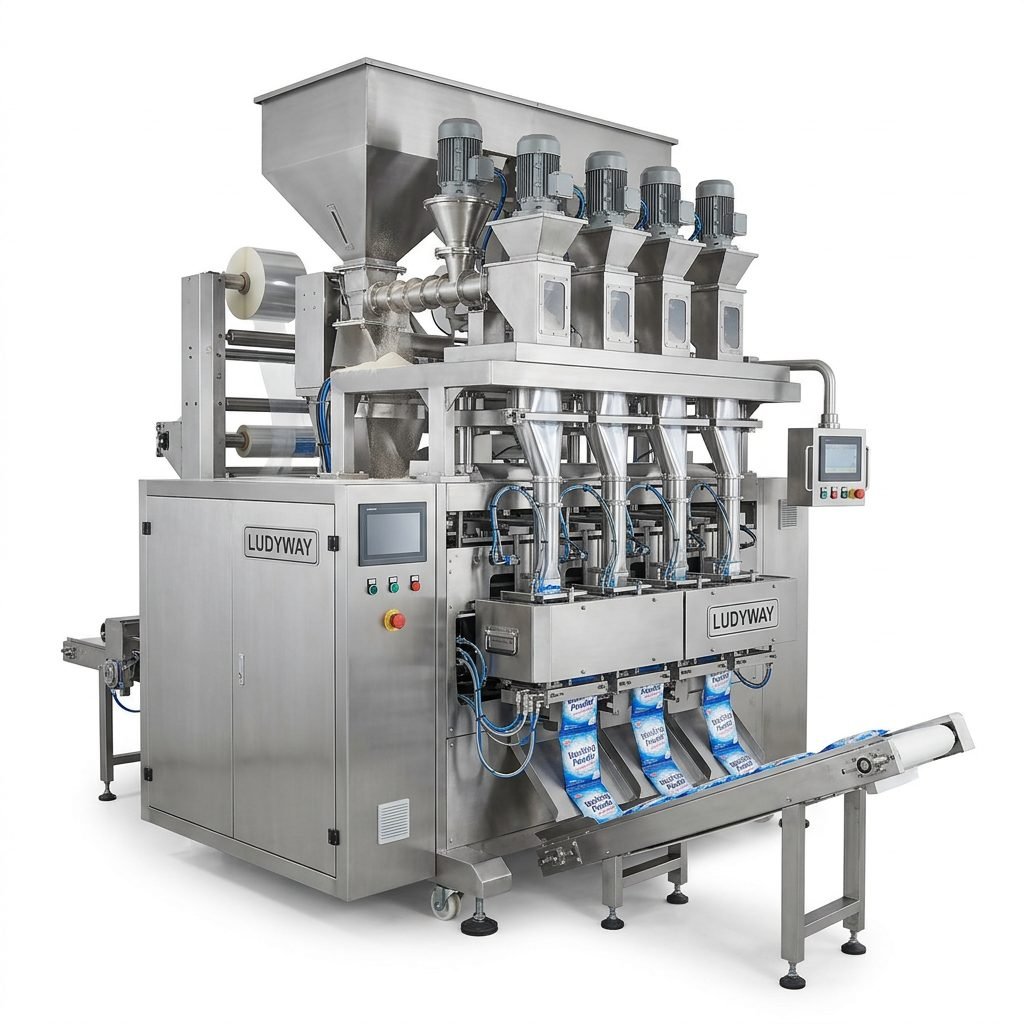
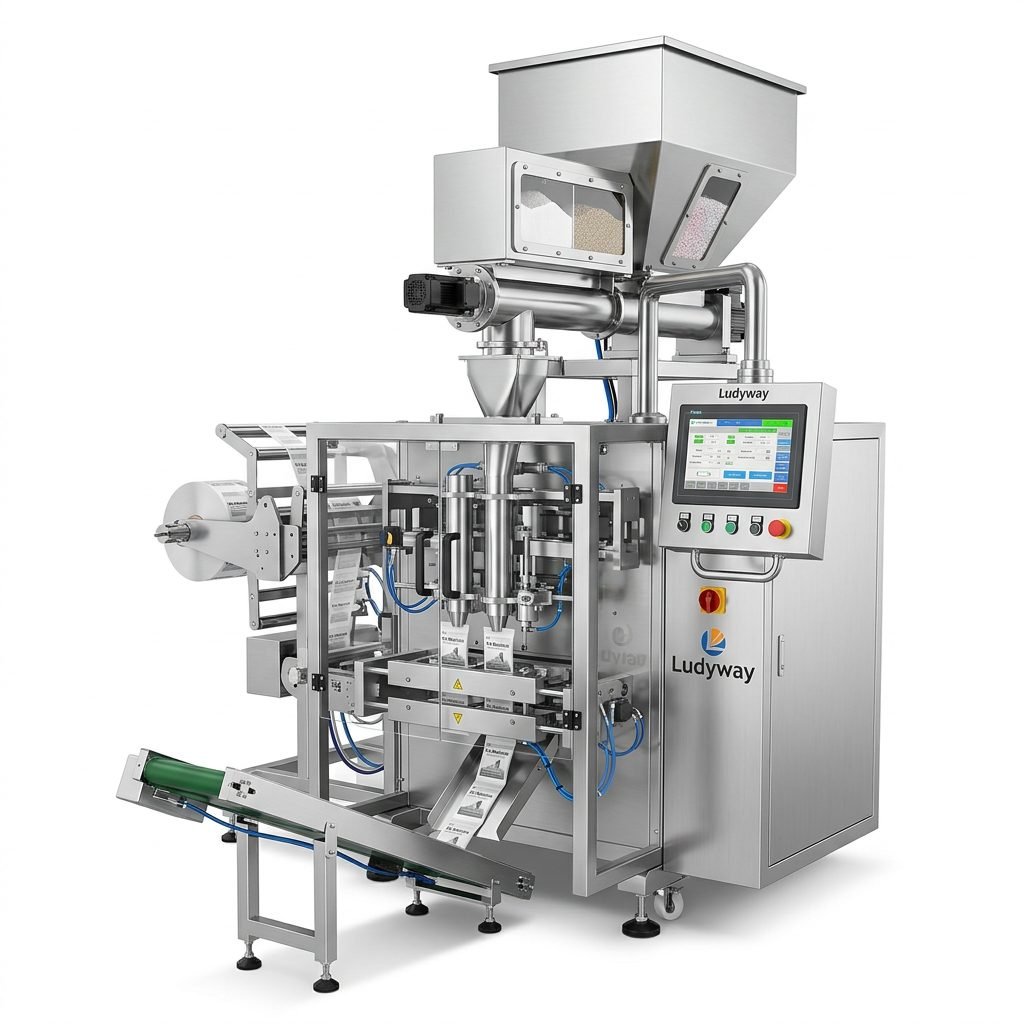
VFFS machines are the backbone of the frozen vegetable and seafood sector. They form a bag from a roll of film, fill it by weight, and seal it in one continuous motion. For frozen applications, look for serrated jaws that cut through frost and moisture without compromising the seal integrity.
Stick Pack & Sachet Lines for Portion Control
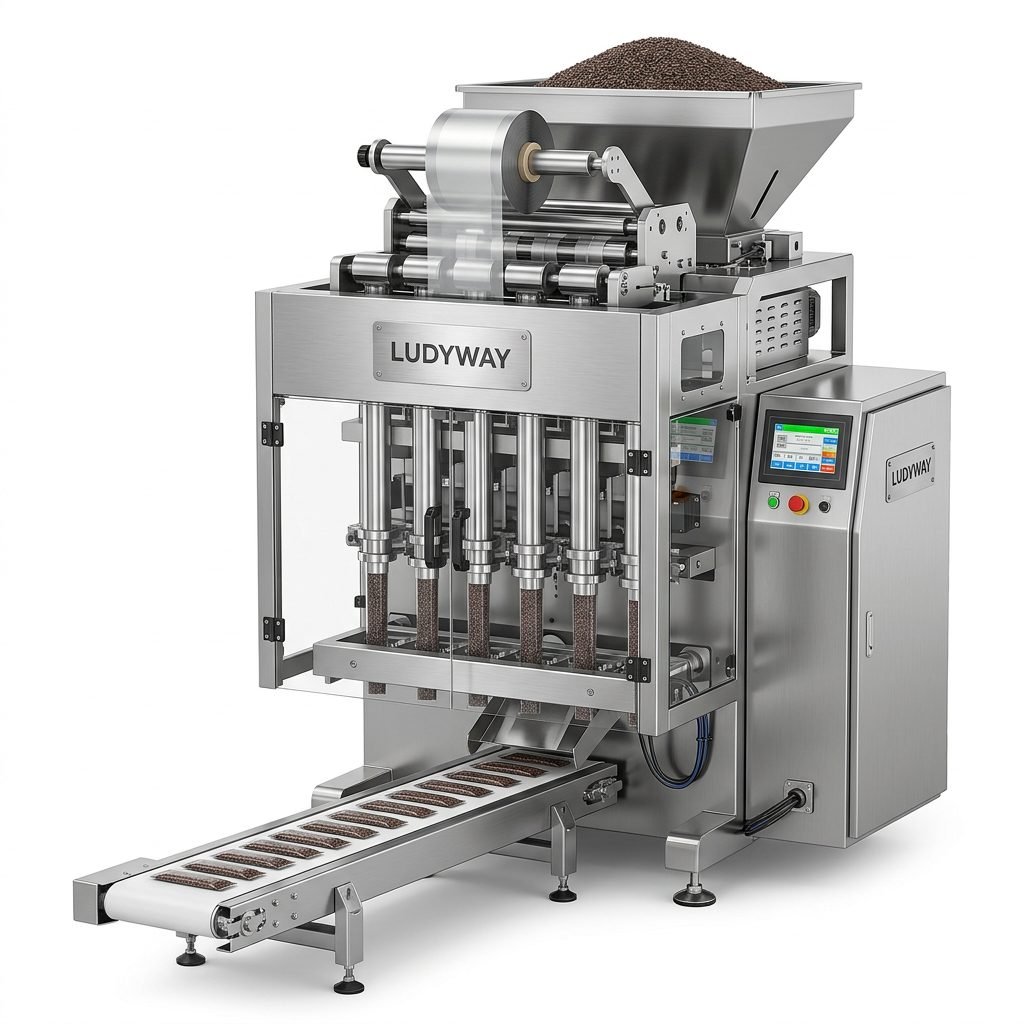
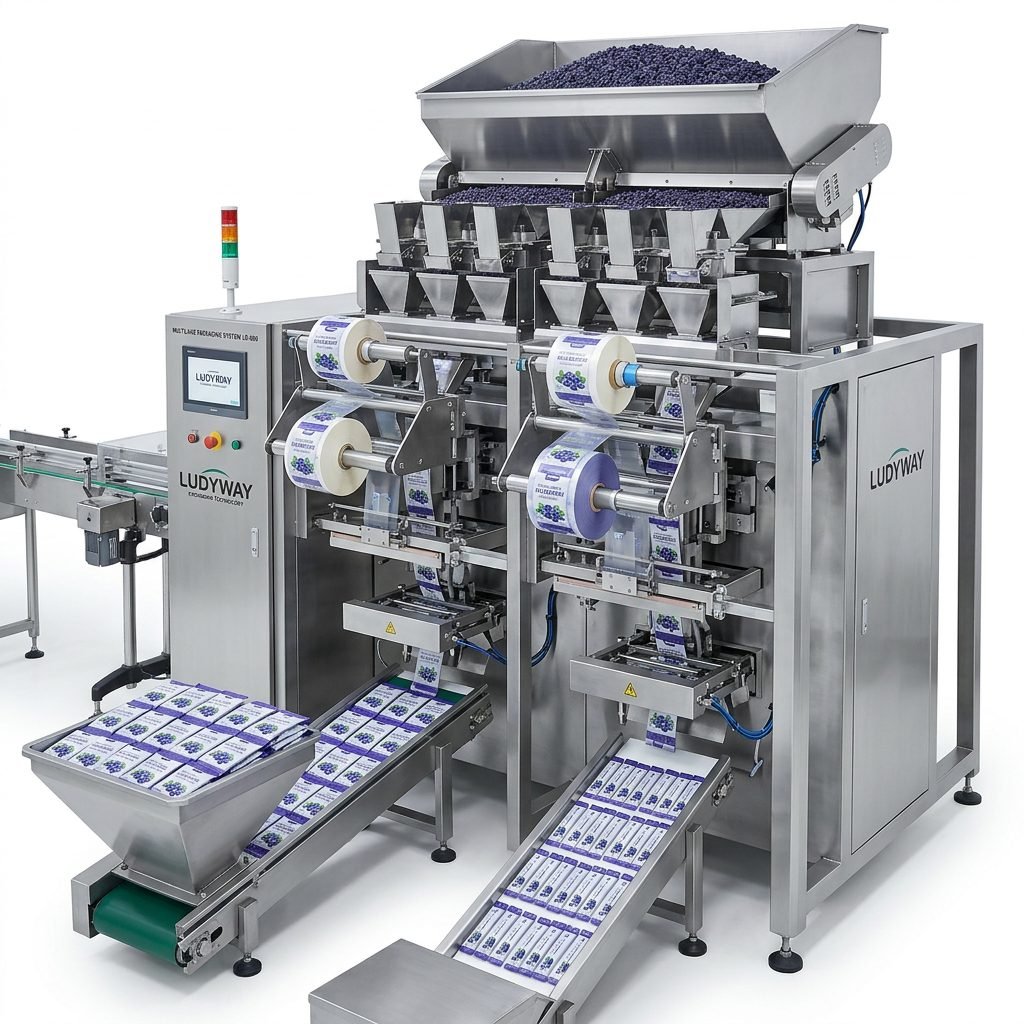
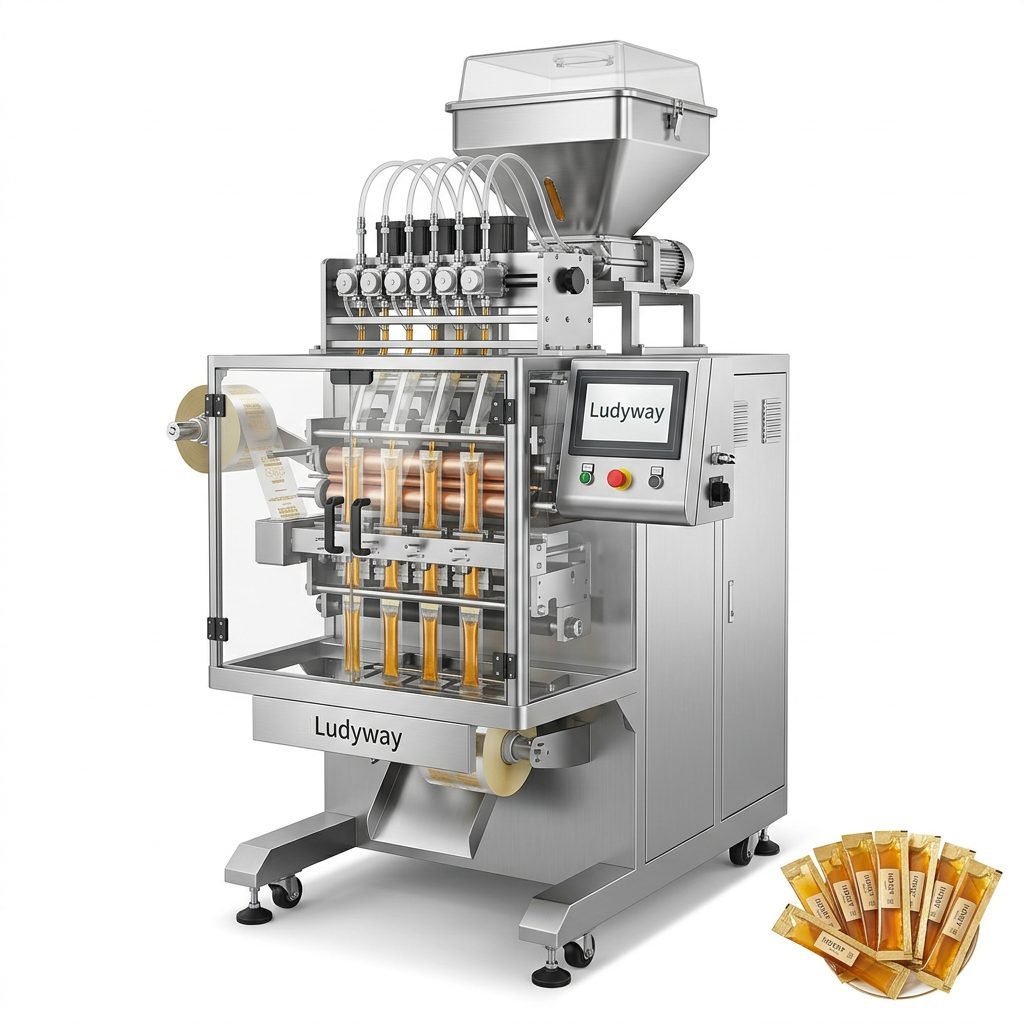
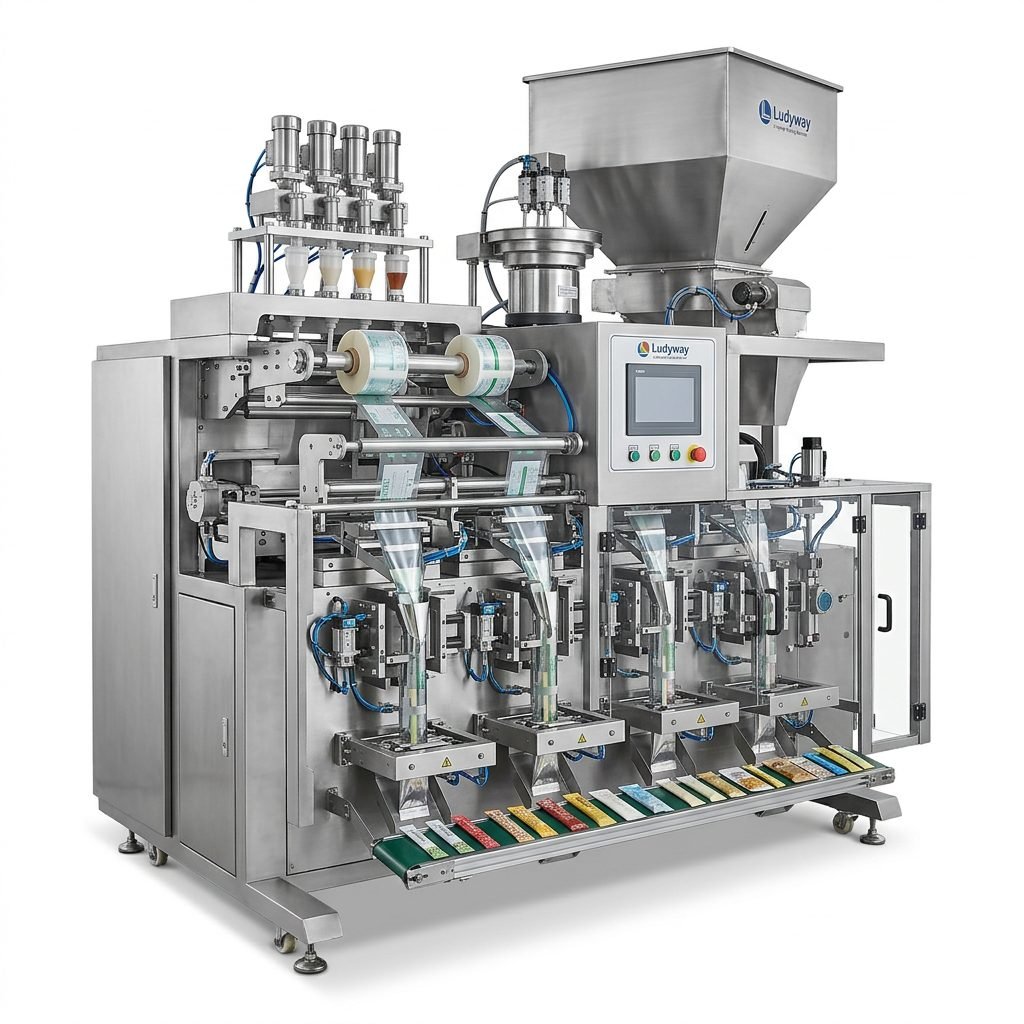
The demand for single-serve frozen snacks and ready-to-blend smoothie packs is soaring. High-speed multi-lane stick pack machines are ideal. These systems handle fine powders like frozen coffee extracts or granular items like frozen berries. You can explore advanced multi-lane solutions for frozen food packaging lines to increase throughput without manual intervention.
| Machine Type | Best For | Pack Style |
|---|---|---|
| Multi-Lane Stick Pack | Powders, granules (e.g., iced coffee, supplements) | Narrow individual sticks |
| Premade Pouch Rotary | Wet frozen foods (seafood, sauces) | Stand-up pouches, zipper packs |
| Vacuum Thermoforming | Protein blocks, whole fish | Vacuum skin packs |
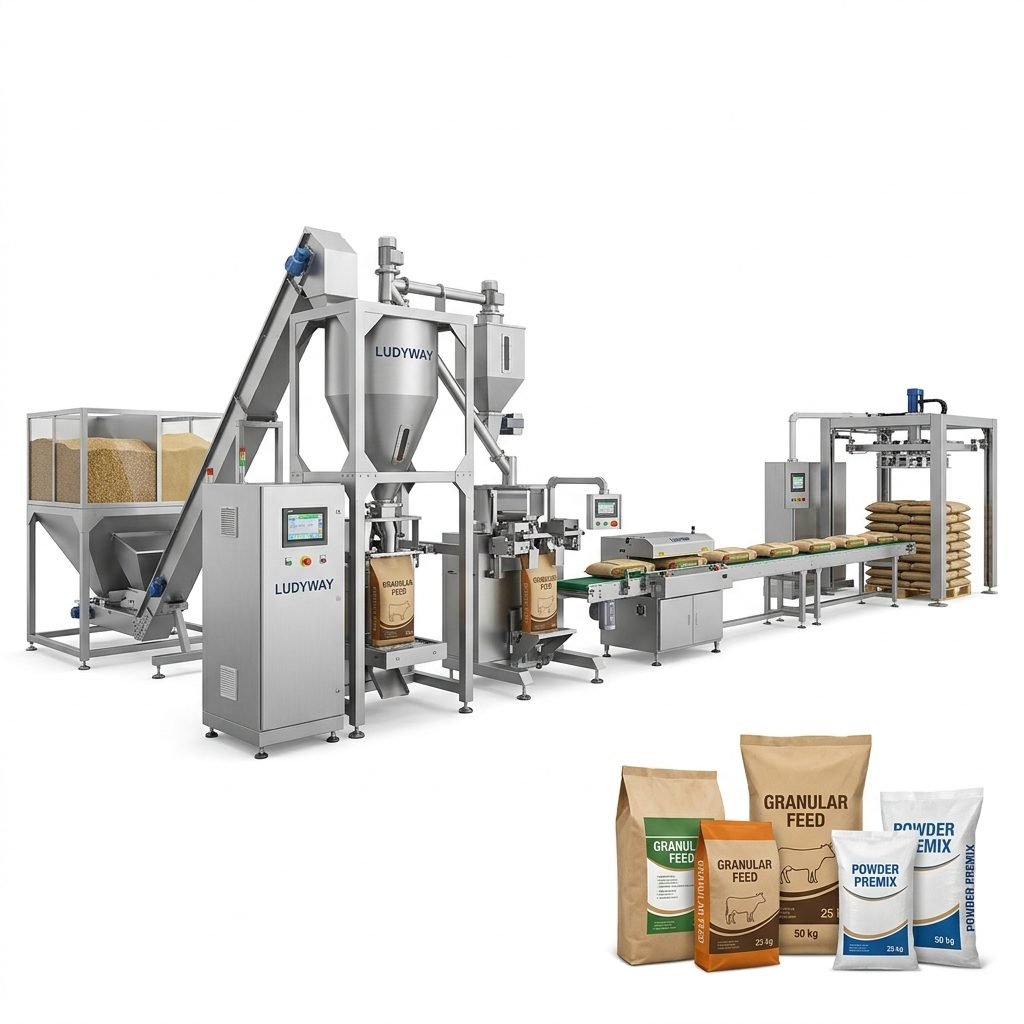
| Bulk Bagging Systems | Raw material export (shrimp, squid) | 10-25kg bulk bags |
5. Critical Technology: Defrost and Hygiene Design
In Southeast Asia, where power fluctuations occur, the packaging machine’s tolerance to condensation is vital. Look for IP65 or higher rated electrical cabinets and sloped surfaces to prevent water accumulation during washdowns. Metal detection and X-Ray inspection are also becoming mandatory for export to the EU from SEA nations; consider integrating a high-precision checkweigher and reject system immediately after the frozen packaging line.

6. Supplier Selection: Local Agents vs. Direct Manufacturers
Many Southeast Asian businesses face a choice between a local trading company in Singapore or a direct manufacturer in China. While local agents provide immediate service, the cost difference is significant. Ludyway has been serving customers in over 100 countries, providing high-performance intelligent packaging machines directly from their 20,000㎡ modern production facility. Direct sourcing from an OEM manufacturer gives you access to engineering teams for customization while avoiding intermediary markups, which is crucial for maintaining margins in competitive frozen food distribution.
7. Budgeting and After-Sales Support
The total cost of ownership goes beyond the machine price. Consider the following:
- Spare Parts Kits: Sealing jaws and Teflon tapes for frozen applications require periodic replacement.
- Technical Training: Operators must understand how to adjust temperatures and dwell times for different frozen food formats.
- Remote Troubleshooting: Ensure the supplier offers VR or video-guided support. As referenced in international packaging exhibitions and resources like PMMI packaging machinery standards, service reliability is paramount.
8. Future-Proofing Your Investment
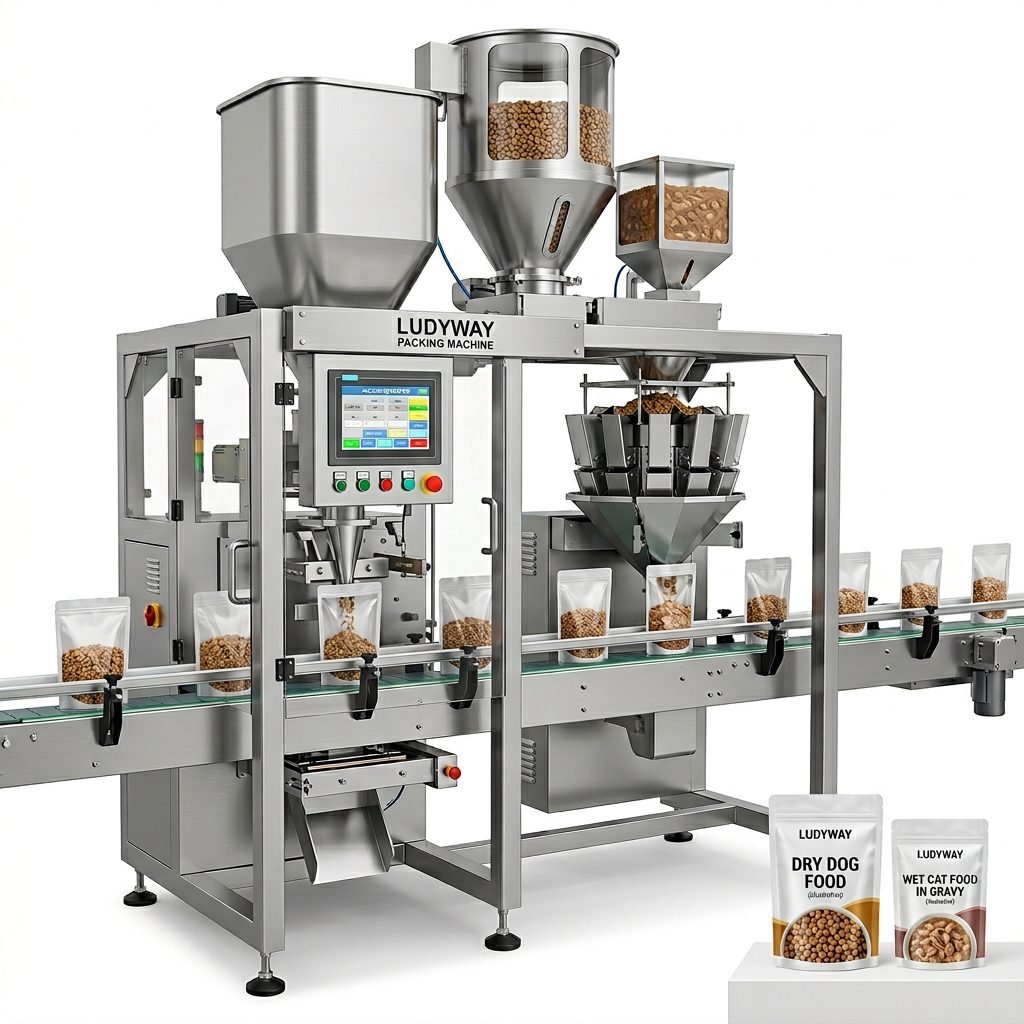
The frozen food packaging landscape in Southeast Asia is shifting toward sustainable films and automation. Consider machines with servo-driven controls that can handle recyclable mono-materials, which have a narrower sealing window. A smart, fully automated frozen granular packaging system ensures your brand remains compliant with both local and export regulations, aligning with data-supported trends found in the Flexible Packaging Association insights.
Choosing a frozen food packaging machine is a long-term partnership. By focusing on cold-resistant engineering, easy washdown design, and accurate weighing, you build a reliable foundation for your company’s success in the dynamic Southeast Asian market.