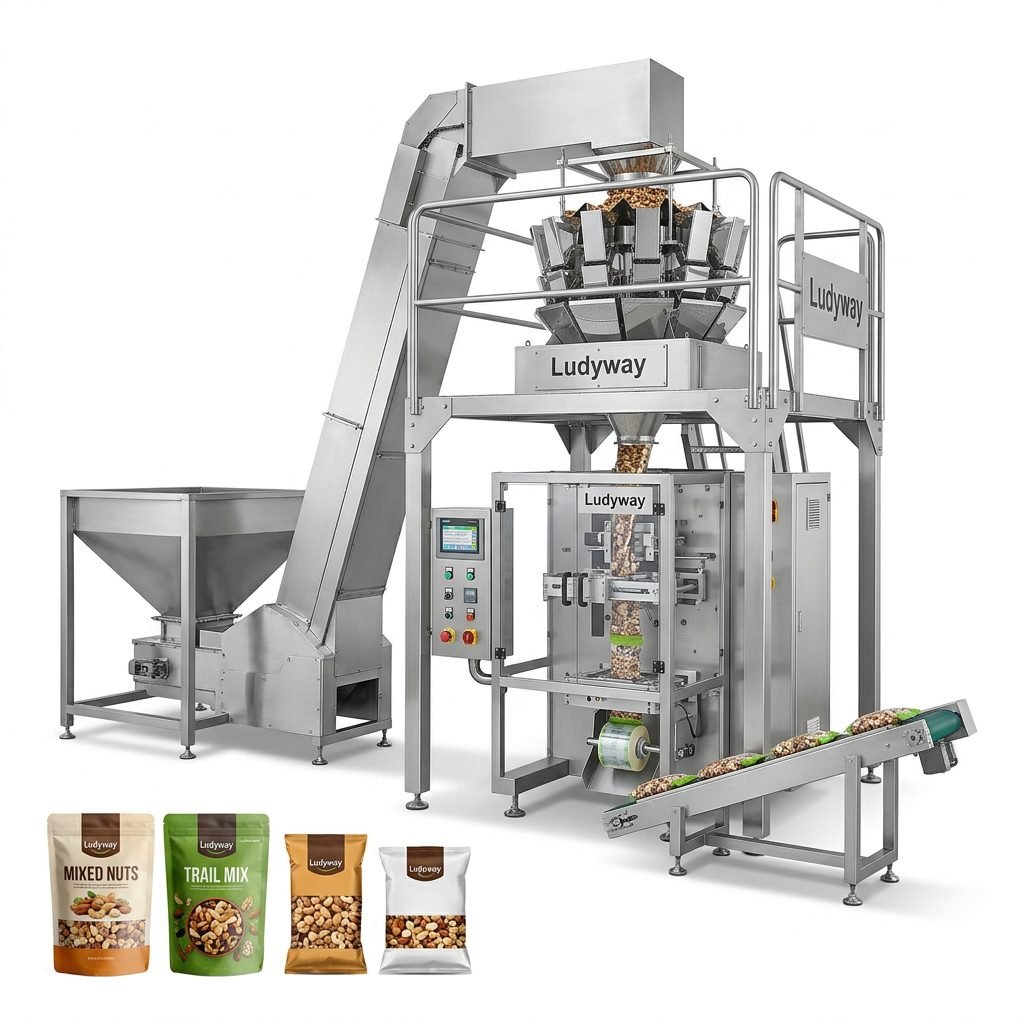
Investing in a pillow bag packaging machine is a significant decision for any manufacturer. The right equipment can dramatically improve production efficiency, reduce waste, and ensure consistent product quality. However, with so many options available on the market, the selection process can quickly become overwhelming. Whether you are packaging powders, granules, liquids, or solid products, understanding the key factors that influence machine performance is essential to making an informed purchase. This guide walks you through every critical consideration, from technical specifications to long-term operational costs, helping you select the perfect pillow bag packaging solution for your production line.
Understanding Pillow Bag Packaging Machine Types
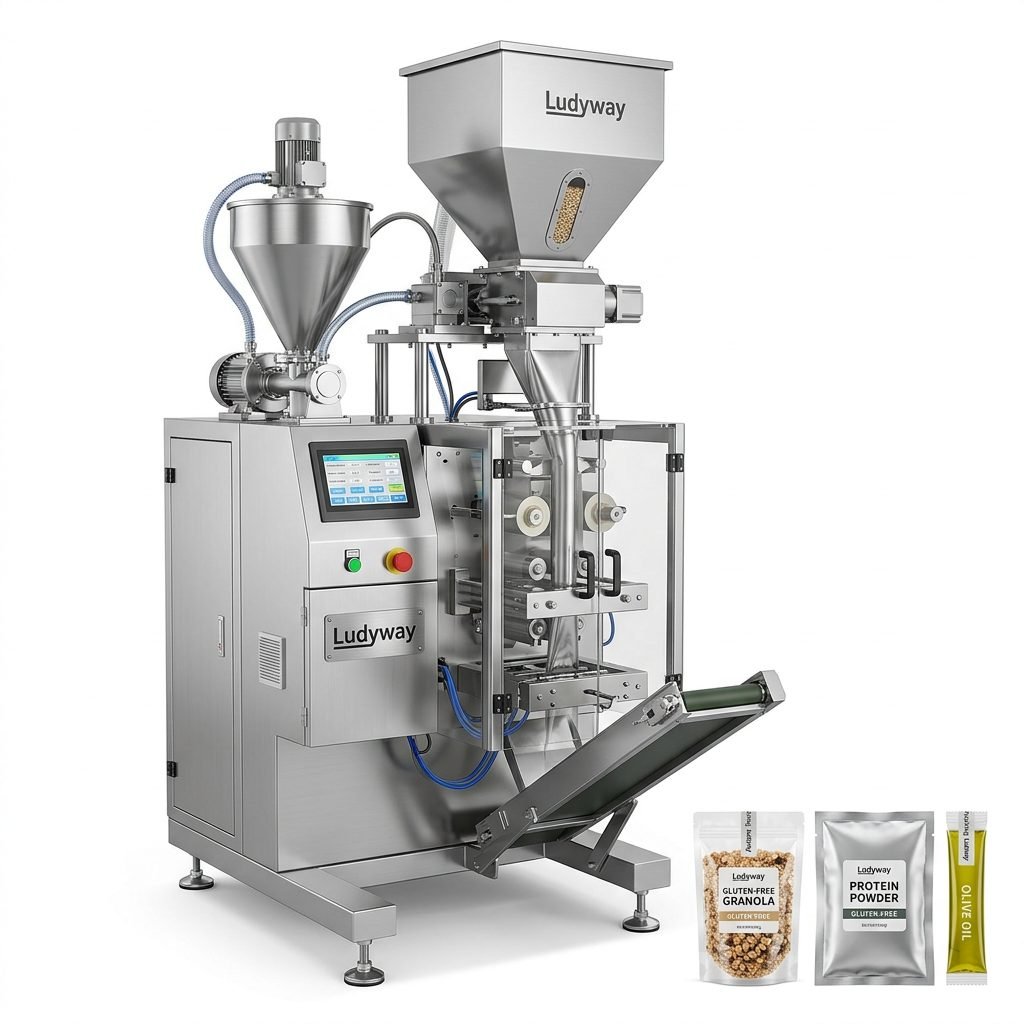
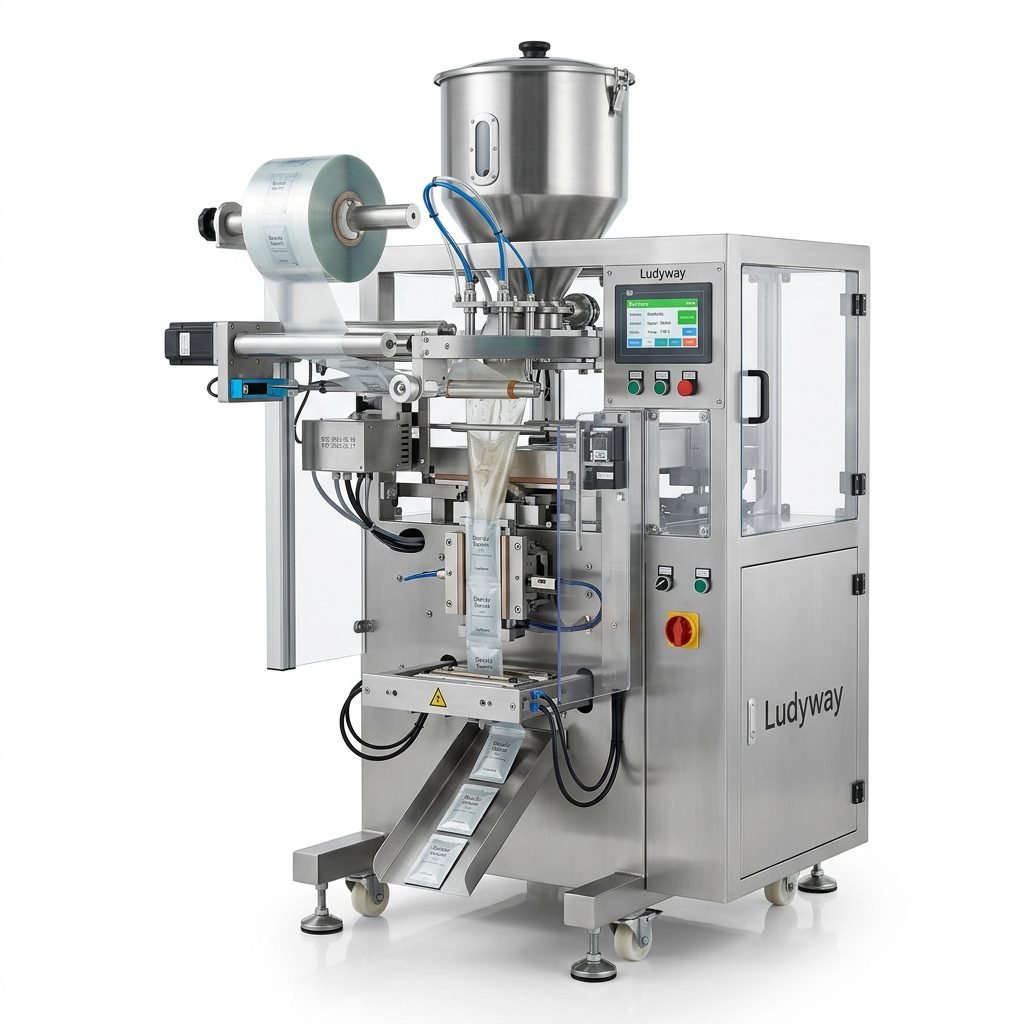
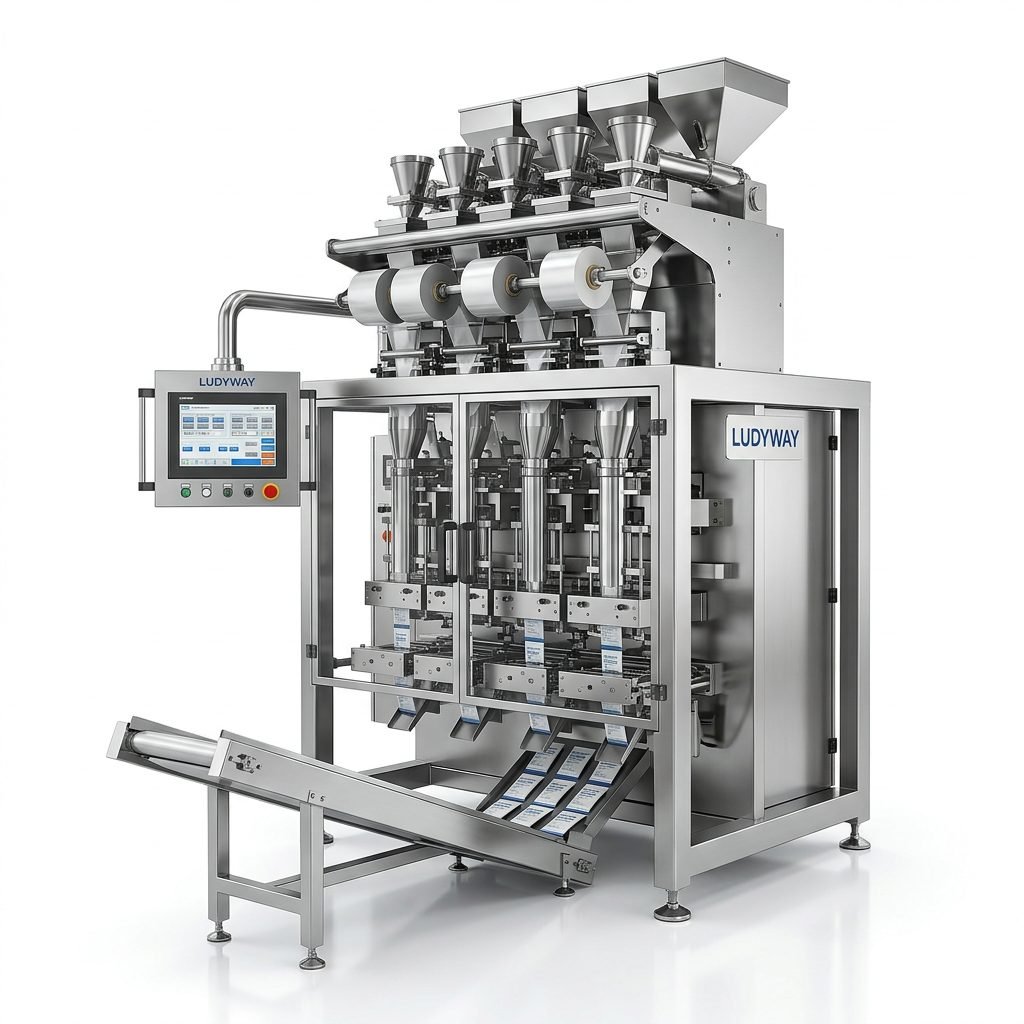
Before diving into specifications, it is important to understand the different types of pillow bag packaging machines available. These machines generally fall into several categories based on their configuration and intended application. Vertical form fill seal (VFFS) machines are among the most common for pillow bag production, where the packaging film is formed into a vertical tube, filled with product, and sealed. Alternatively, horizontal form fill seal (HFFS) machines are better suited for certain product types and packaging formats.
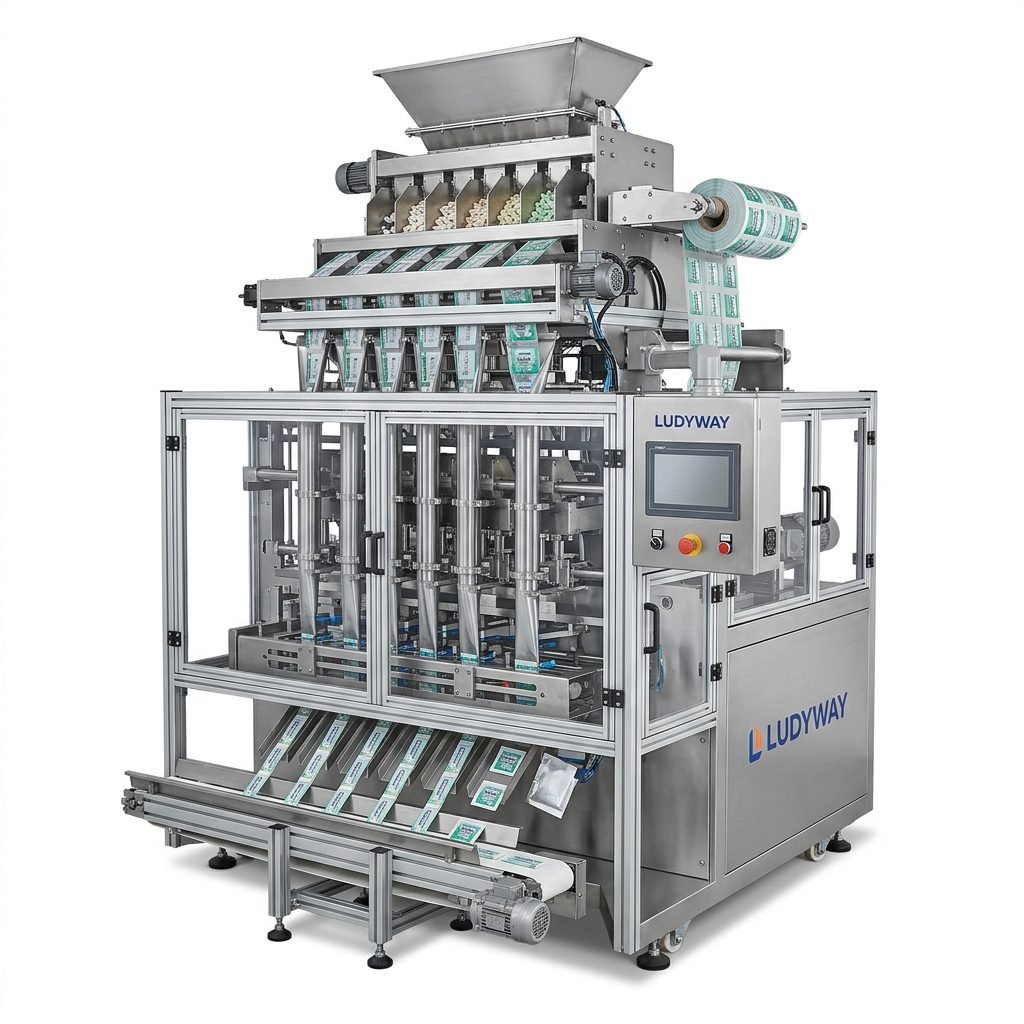
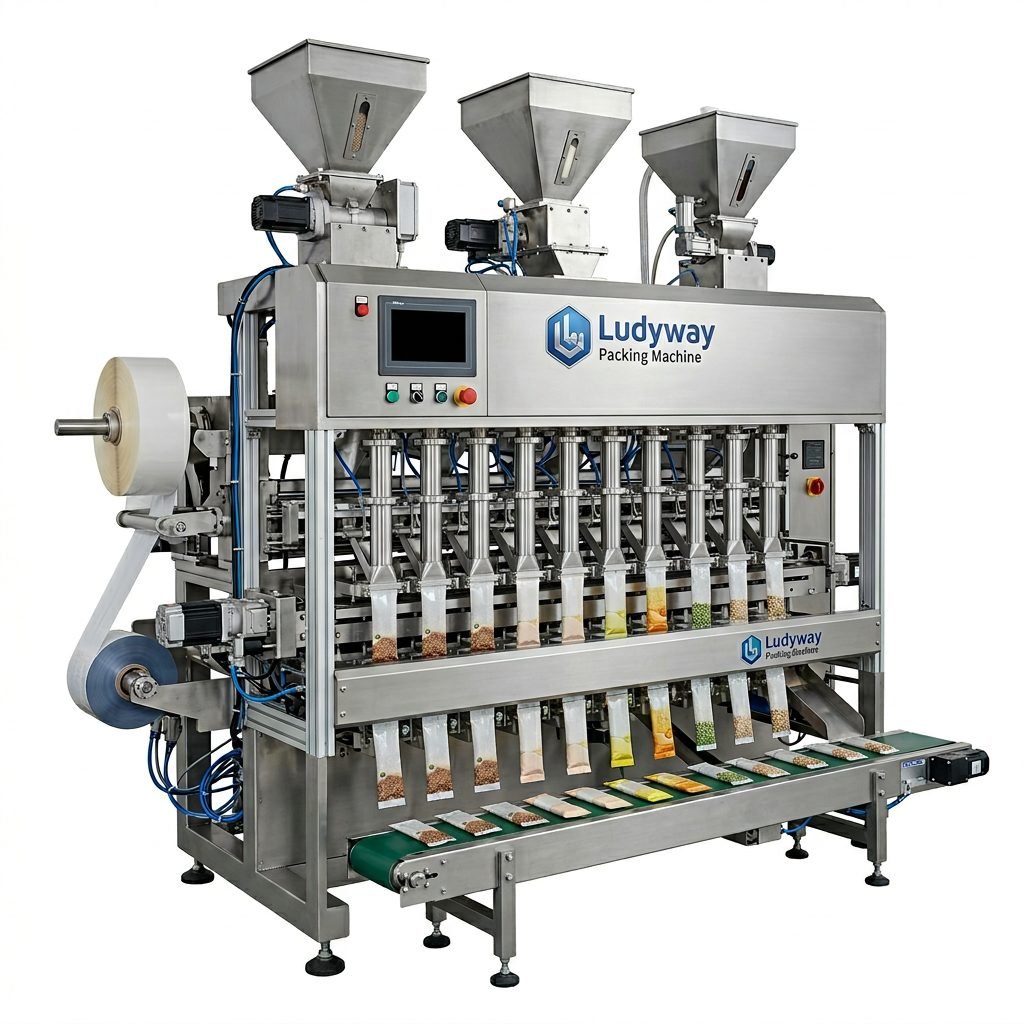
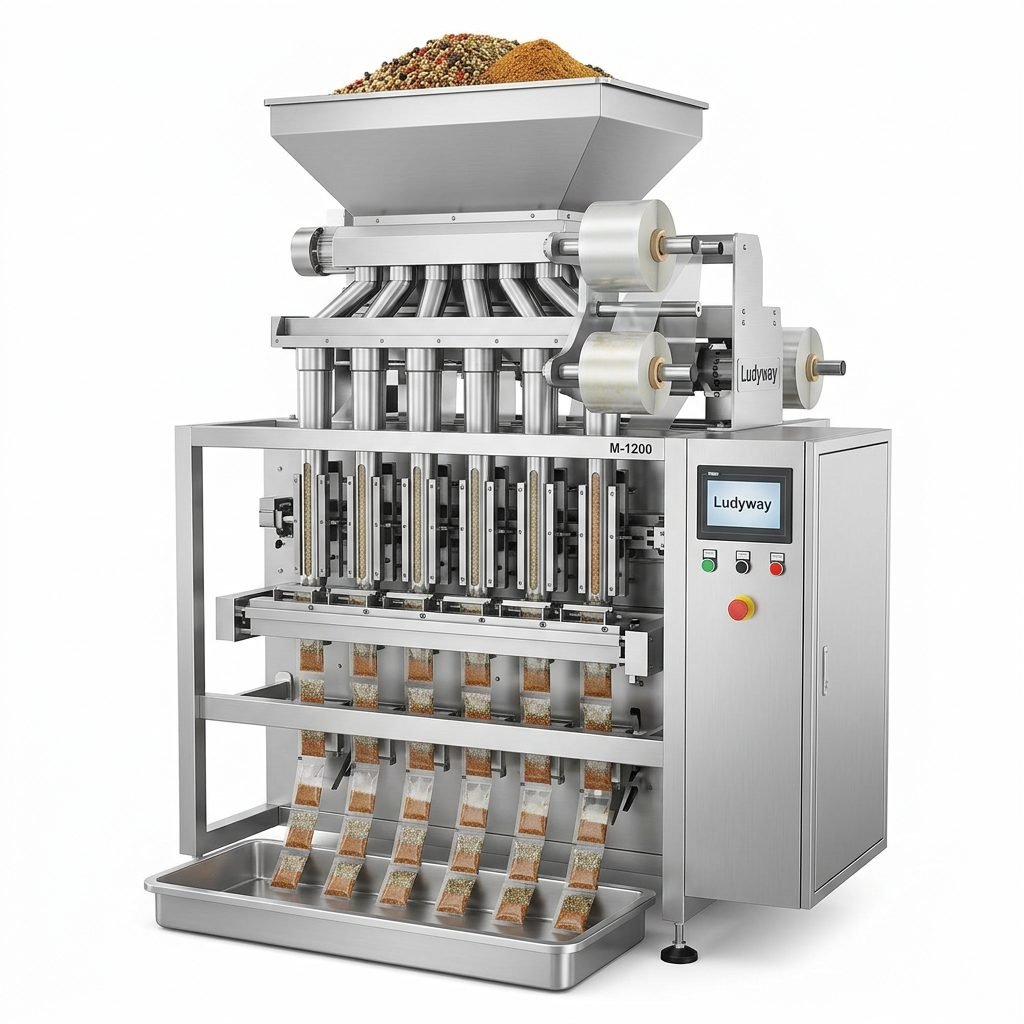
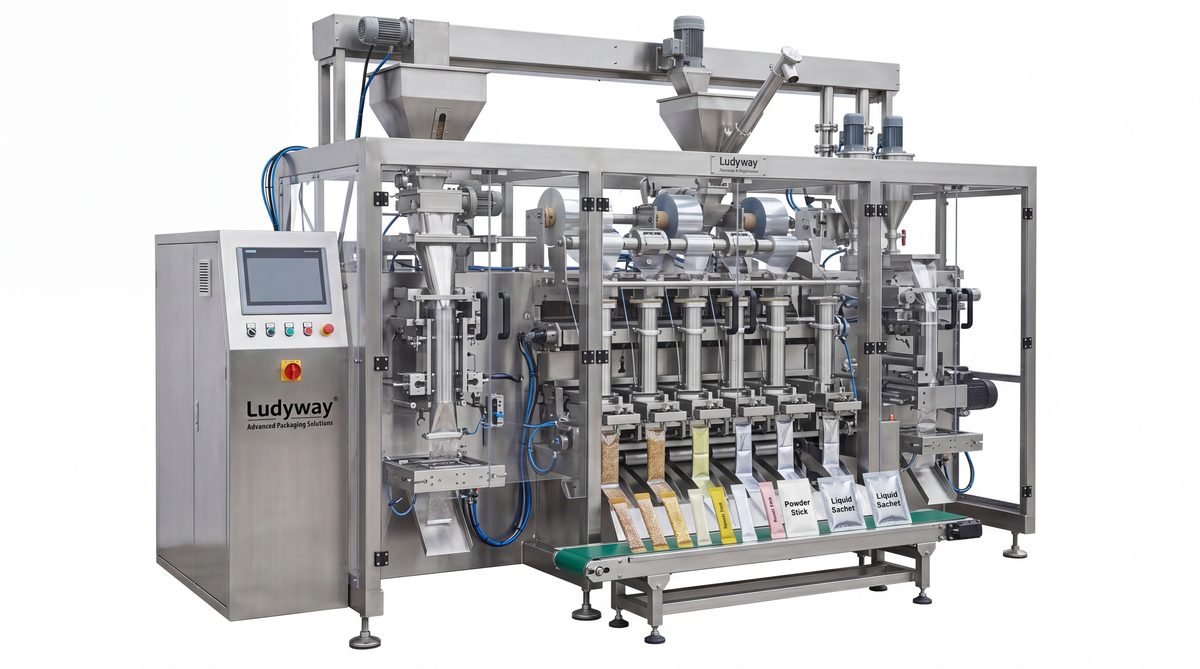
Multi-lane pillow bag machines allow simultaneous production of multiple bags, dramatically increasing output for high-volume manufacturers. Single-lane machines, by contrast, offer greater flexibility for smaller production runs or frequent product changeovers. The choice between these configurations depends largely on your production volume requirements and product diversity.
Key Factors to Consider When Selecting Your Machine
Choosing the right equipment requires evaluating multiple factors that directly affect your packaging operations. Here are the most critical elements to examine:
- Product characteristics – powder, granule, liquid, or solid products each require specific filling mechanisms
- Bag dimensions and formats – ensure the machine supports your required bag sizes and styles
- Production speed – measured in bags per minute, this must align with your output targets
- Packaging film compatibility – verify that the machine works with your preferred film materials
- Automation level – consider whether you need semi-automatic or fully automatic systems
- Changeover efficiency – quick changeover capabilities reduce downtime between product runs
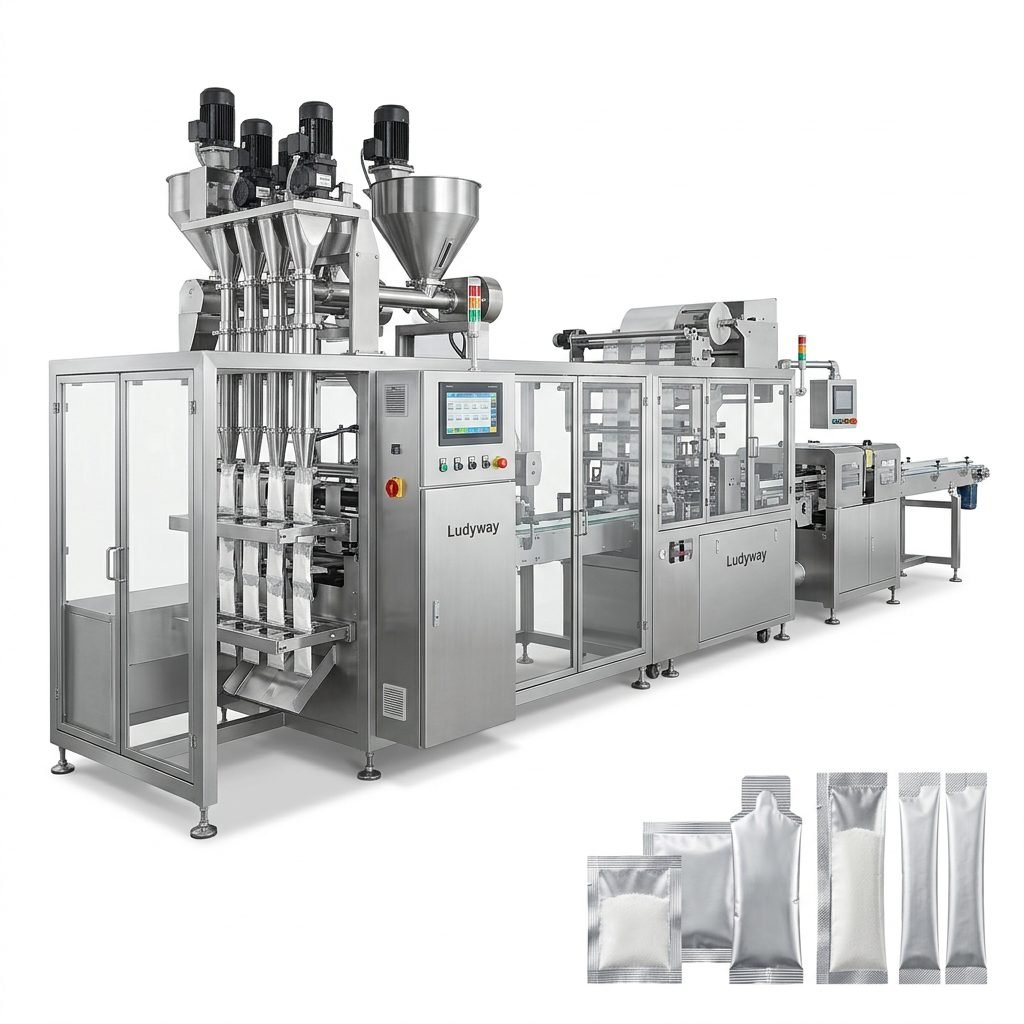
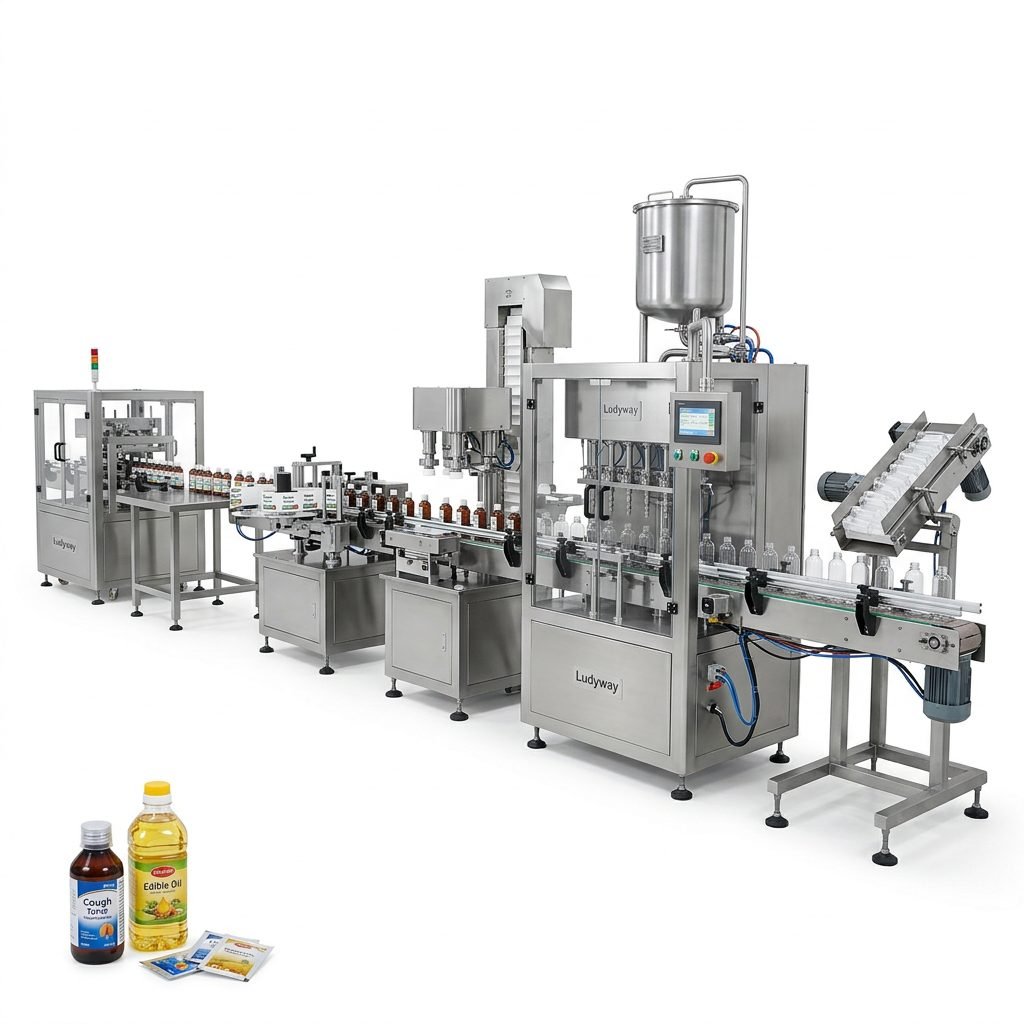
- Integration potential – the machine should connect seamlessly with upstream and downstream equipment
Machine Specifications and Technical Requirements
Technical specifications form the backbone of any purchasing decision. When evaluating a pillow bag packaging machine, pay close attention to filling accuracy, sealing temperature control, and film tracking systems. Modern machines incorporate servo-driven motors and PLC control systems that provide precise adjustments and consistent performance. The dosing system is particularly important—auger fillers work best for powders, volumetric cup fillers suit granules, and piston fillers are ideal for liquids.
Sealing integrity is another crucial specification. Look for machines with independent temperature zone controls for vertical and horizontal seals, as this ensures reliable seal quality across different film types and production speeds. Additionally, consider the machine’s footprint and compatibility with your existing factory layout.
Comparing Different Pillow Bag Packaging Solutions
The table below provides a clear comparison of different machine configurations and their ideal applications, helping you narrow down the options based on your specific needs:
| Feature | Single-Lane VFFS | Multi-Lane VFFS | HFFS Pillow Bag |
|---|---|---|---|
| Production Speed | 30-80 bags/min | 200-800+ bags/min | 50-150 bags/min |
| Product Suitability | Powders, granules | Free-flowing powders, granules | Solid items, irregular shapes |
| Changeover Time | Moderate | Longer | Shorter |
| Initial Investment | Lower | Higher | Moderate to High |
| Best For | Small to medium production | High-volume production | Specialized product formats |
Material Compatibility and Packaging Film Considerations
Your choice of packaging film directly influences machine selection. Common film materials for pillow bags include laminated polyethylene, polypropylene, aluminum foil laminates, and biodegradable films. Each material has different heat-sealing characteristics, barrier properties, and cost profiles. Ensure the machine you select can handle your preferred film type and thickness range. Some machines offer flexibility across multiple film types, which can be valuable if you anticipate changing packaging materials in the future.
According to the Flexible Packaging Association, material selection is critical for product protection, shelf life, and sustainability goals. Modern pillow bag machines increasingly support recyclable and compostable film structures, aligning with evolving regulatory requirements and consumer expectations.
Production Speed and Automation Level
Production speed requirements should be matched carefully with machine capabilities. While multi-lane machines offer the highest output, they also require more sophisticated product feeding systems and greater operator expertise. Consider not just your current production volume but also your projected growth over the next three to five years. Investing in a machine with some headroom capacity can prevent the need for premature replacement.
Automation features such as automatic film splicing, servo-driven adjustments, and integrated quality inspection systems can significantly enhance productivity. These features reduce manual intervention, minimize downtime, and ensure consistent output quality. The PMMI Business Intelligence Library provides valuable data on automation trends and their impact on packaging efficiency across industries.
Total Cost of Ownership and ROI Analysis
Beyond the initial purchase price, a comprehensive cost analysis should account for several ongoing operational expenses. Calculate the total cost of ownership (TCO) including energy consumption, spare parts, maintenance labor, film waste rates, and expected machine lifespan. A slightly more expensive machine with lower operating costs often delivers better long-term value than a cheaper alternative with higher running expenses.
Key cost factors to evaluate:
- Energy efficiency ratings and power consumption
- Spare parts availability and pricing
- Estimated maintenance hours per year
- Film waste percentage during startups and changeovers
- Operator training requirements and learning curve
Industry standards for packaging machinery are extensively documented by organizations like PMMI, offering benchmarks for performance and reliability that can guide your evaluation process.
After-Sales Support and Service Accessibility
The relationship with your equipment supplier extends well beyond the initial purchase. Comprehensive after-sales support is critical for maintaining production uptime and resolving technical issues quickly. When evaluating suppliers, inquire about their service infrastructure, including the availability of remote troubleshooting, on-site technical support, spare parts distribution, and operator training programs. Leading manufacturers provide extensive documentation, video tutorials, and responsive customer service teams to support their global customer base.
Compliance and Certification Requirements
Depending on your industry and target markets, your pillow bag packaging machine may need to meet specific regulatory standards. Food packaging applications often require FDA-compliant materials and sanitary machine designs, while pharmaceutical packaging demands even stricter validation protocols. The FDA Food Packaging guidelines detail requirements for food contact materials and packaging safety. International markets may also require CE marking, ISO compliance, or other regional certifications. Confirm that your chosen equipment can be configured to meet all applicable standards.
Making the Final Decision
Selecting the right pillow bag packaging machine requires balancing multiple priorities: production capacity, budget constraints, product compatibility, and long-term operational efficiency. Start by clearly defining your requirements, then systematically evaluate machines against these criteria. Whenever possible, arrange machine demonstrations with your actual products and packaging materials to verify performance before committing to a purchase. For manufacturers seeking a comprehensive packaging machinery partner with extensive experience across multiple industries, companies like Ludyway Machinery offer integrated solutions that span machine selection, customization, installation, and global technical support, helping you build a packaging line that meets both current needs and future growth objectives.
PMMI Packaging Association
Flexible Packaging Association
PACK EXPO International
ISO Packaging Standards