Why Routine Maintenance Matters for Your Coffee Powder Packaging Machine
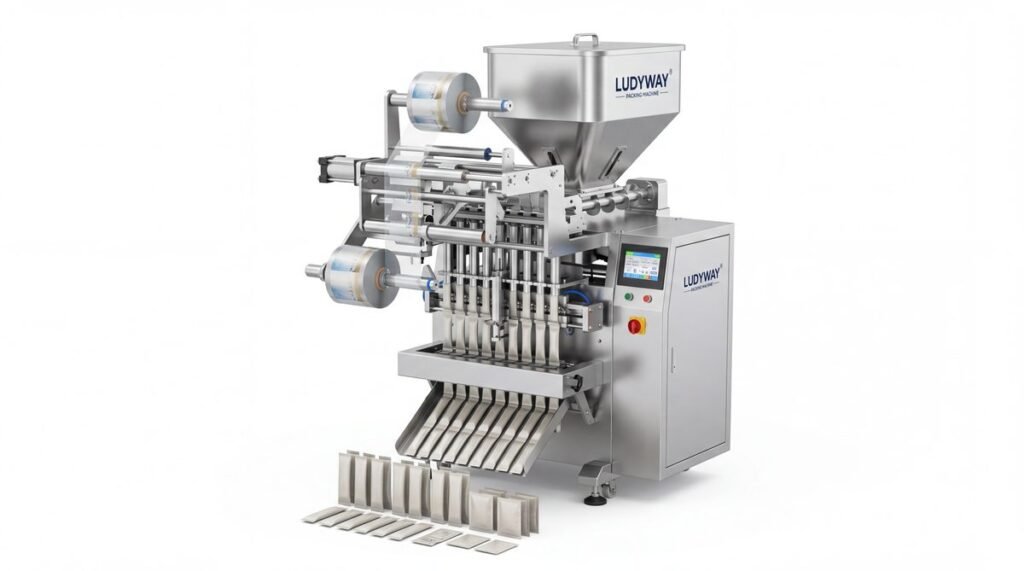
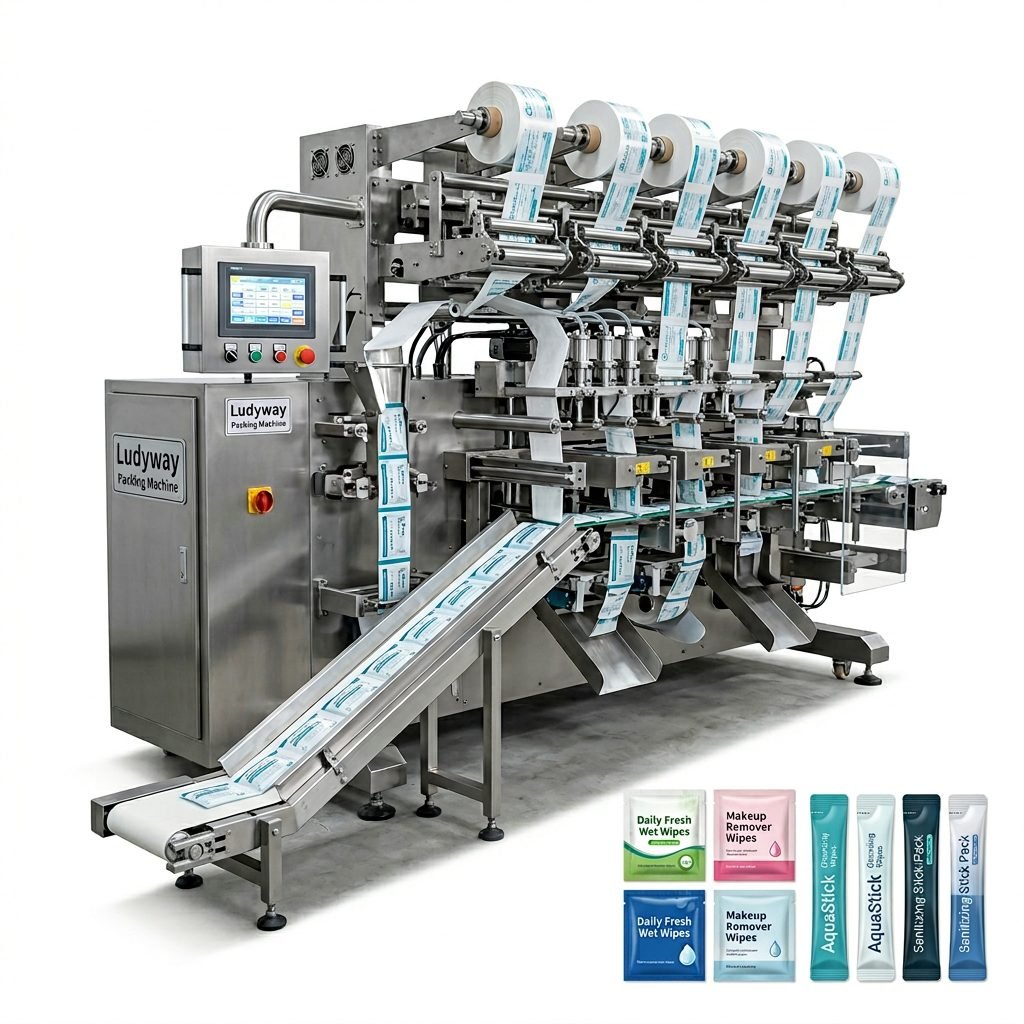
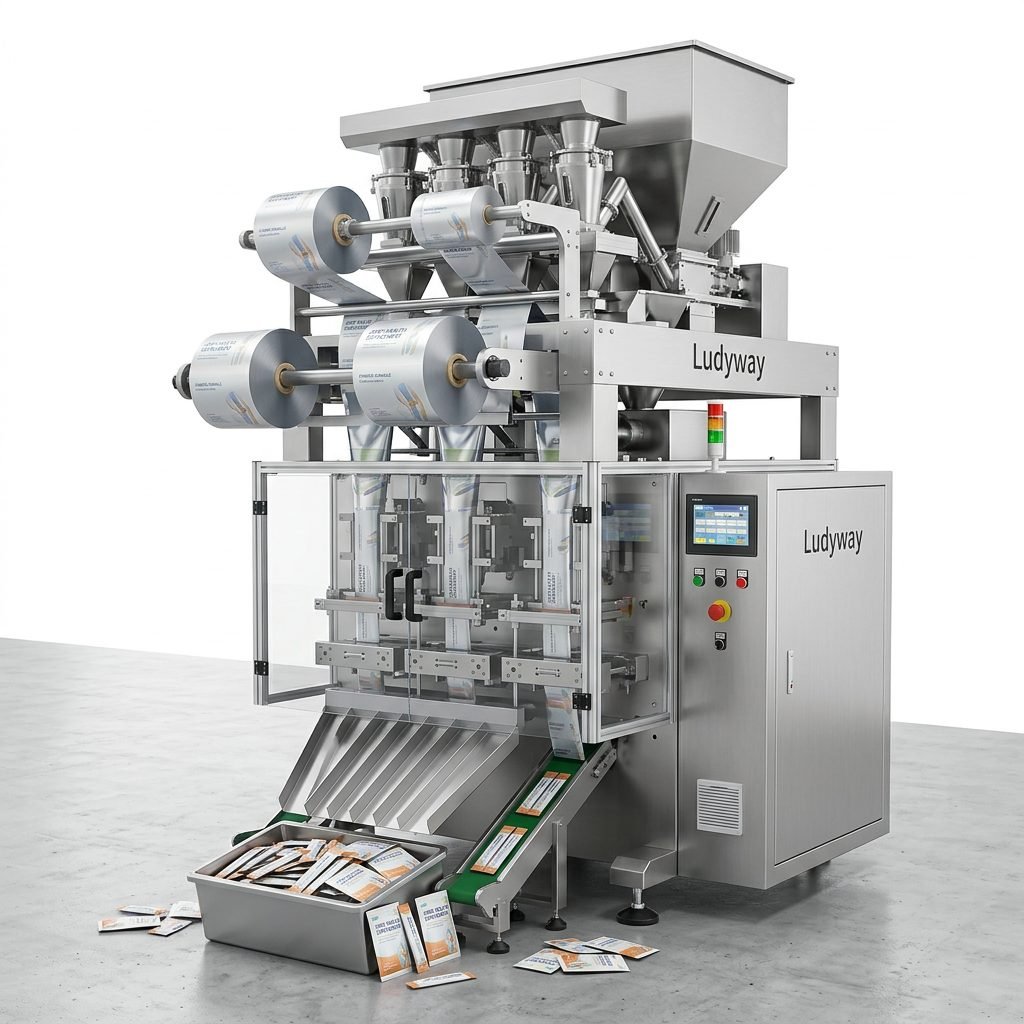
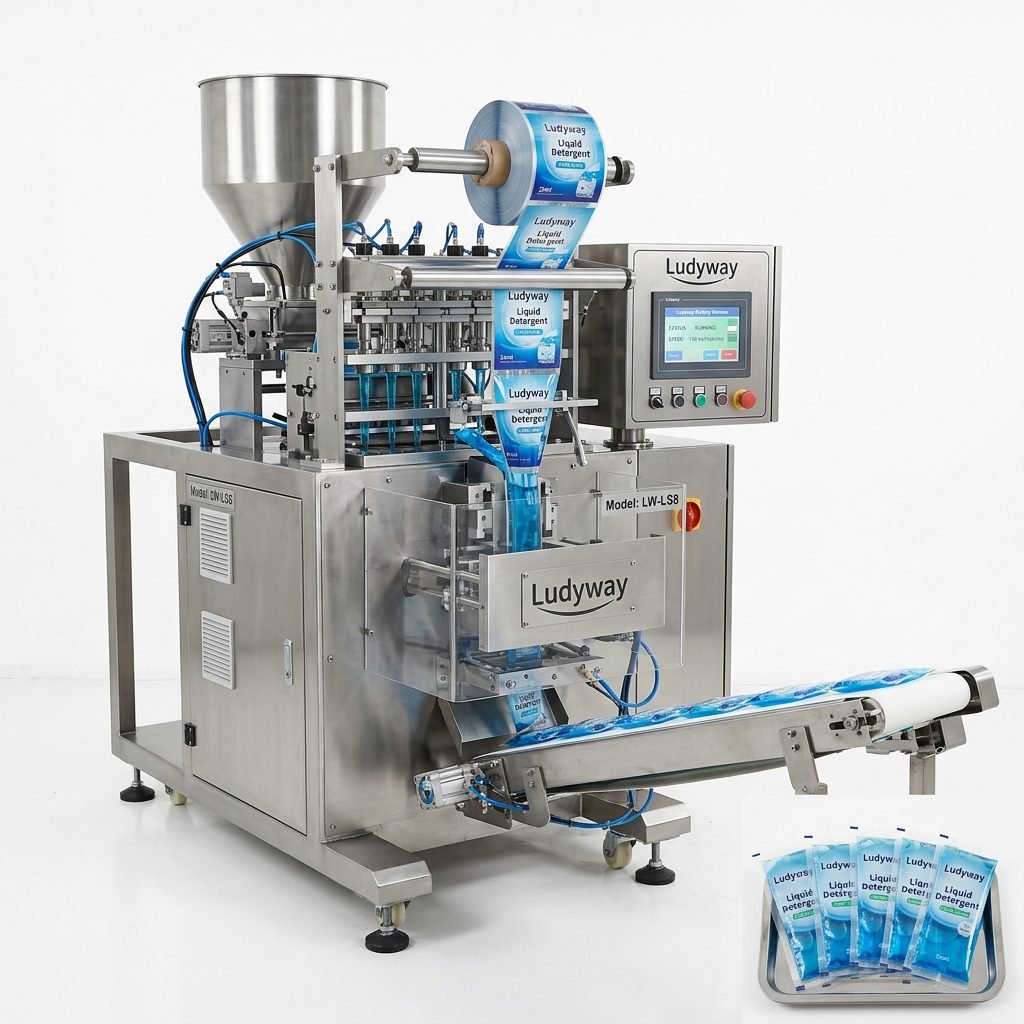
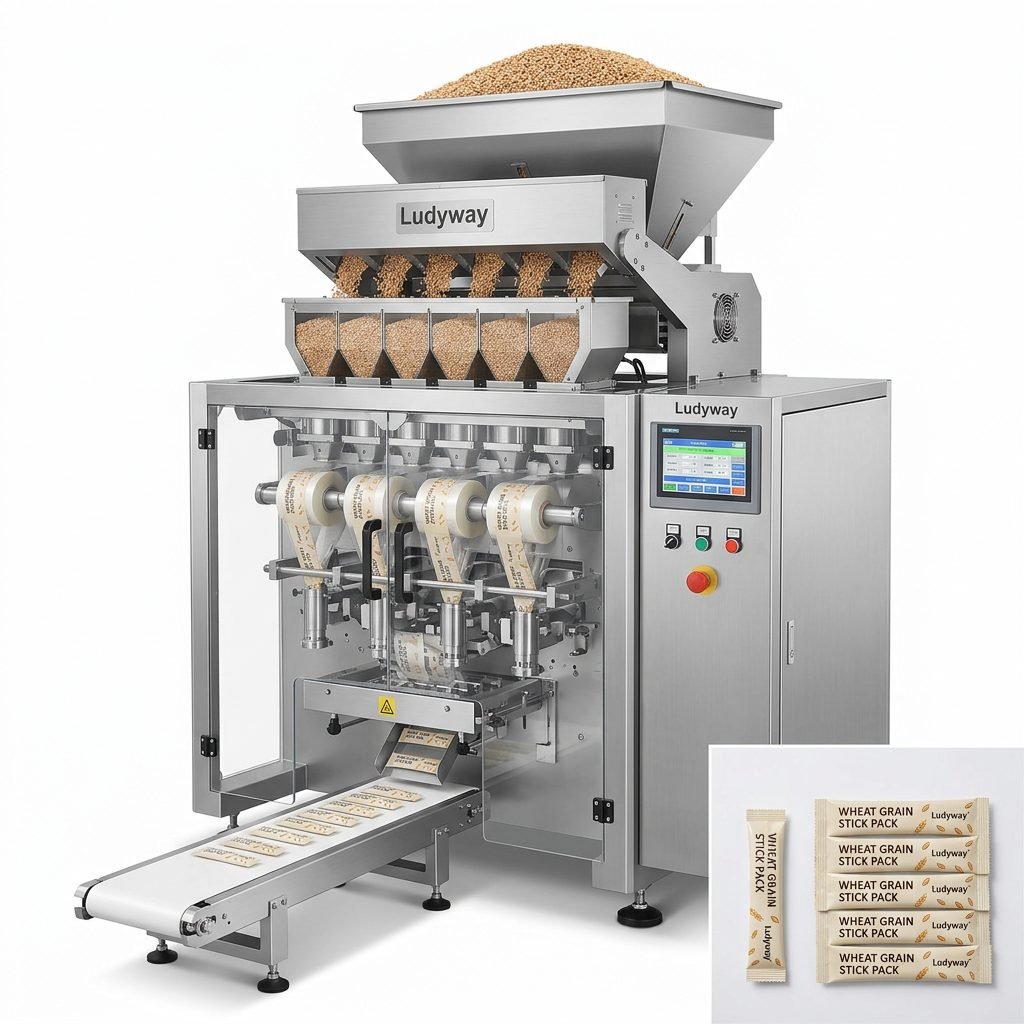
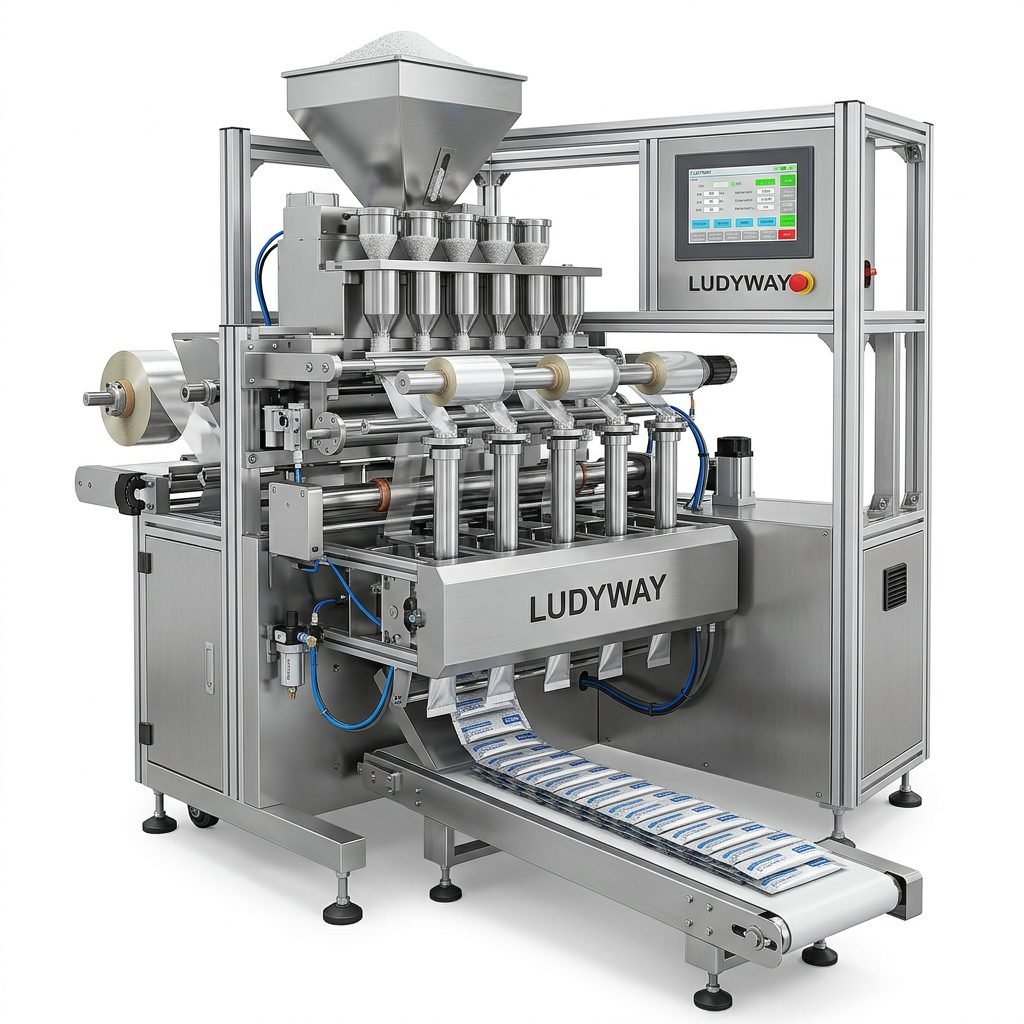
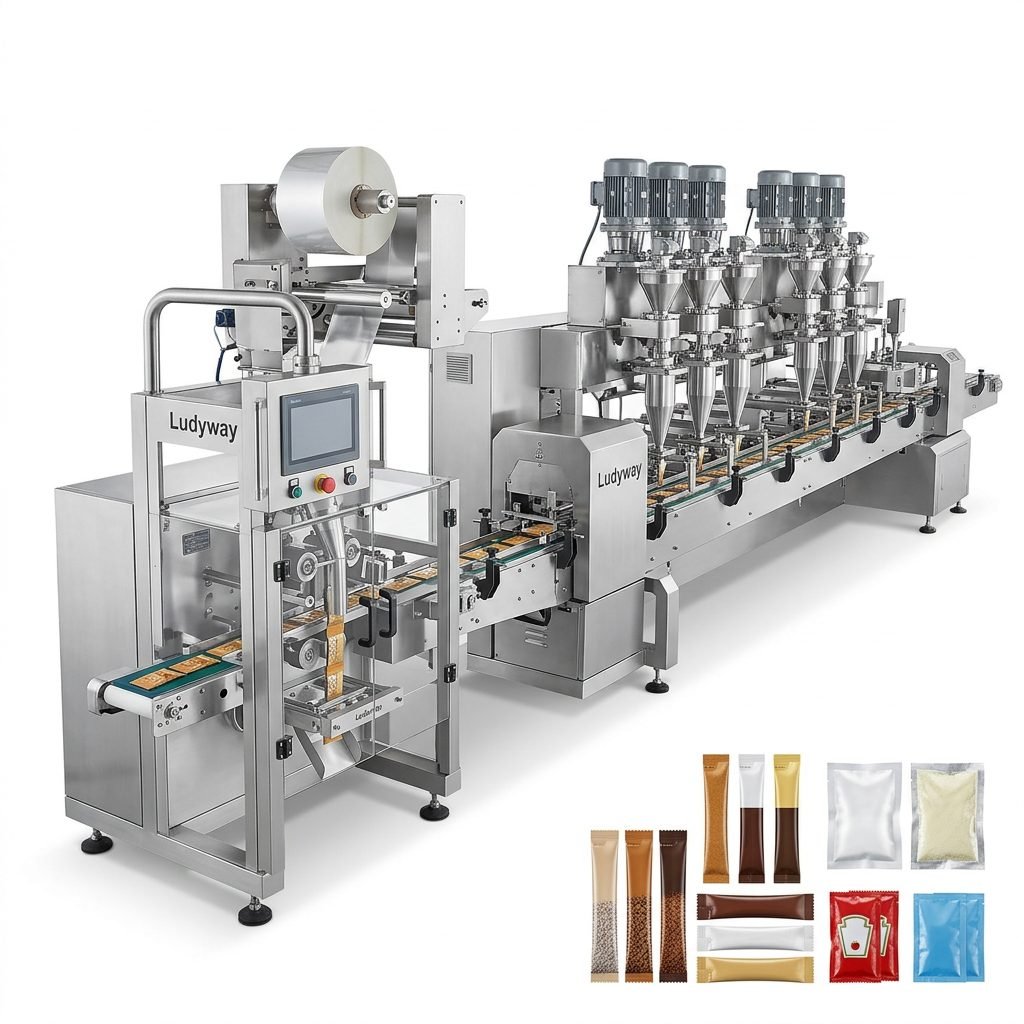
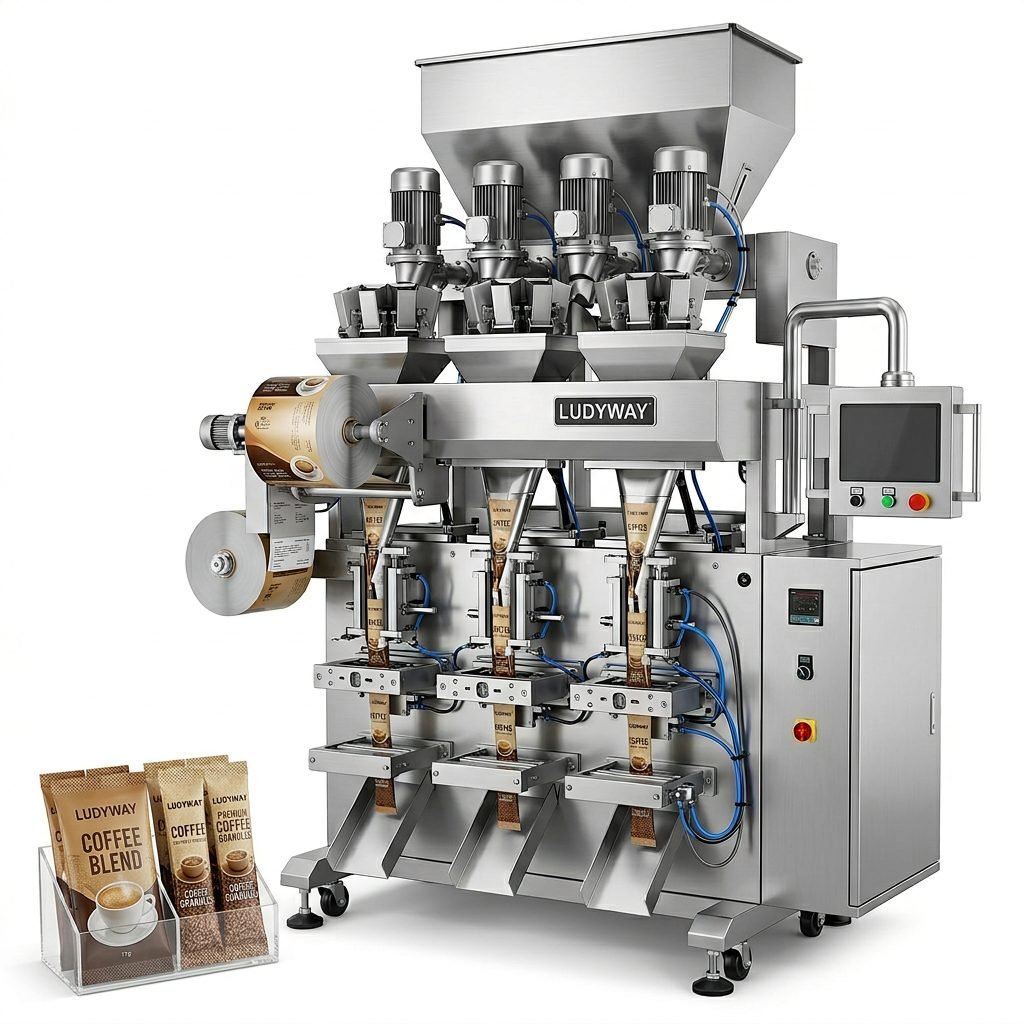
A coffee powder packaging machine is a critical asset in any coffee production line. Whether you operate a multi-lane sachet packaging system or a high-speed stick pack machine, consistent maintenance directly impacts product quality, machine longevity, and overall operational efficiency. Neglecting routine care can lead to unexpected downtime, inconsistent fill weights, seal failures, and costly repairs that disrupt your entire production schedule.
Coffee powder presents unique challenges for packaging equipment. Its fine particle size can infiltrate sensitive components, while its oily nature may cause residue buildup on sealing jaws and forming tubes. A well-structured maintenance program addresses these specific issues before they escalate into major problems.
Daily Cleaning Procedures for Powder Packaging Equipment
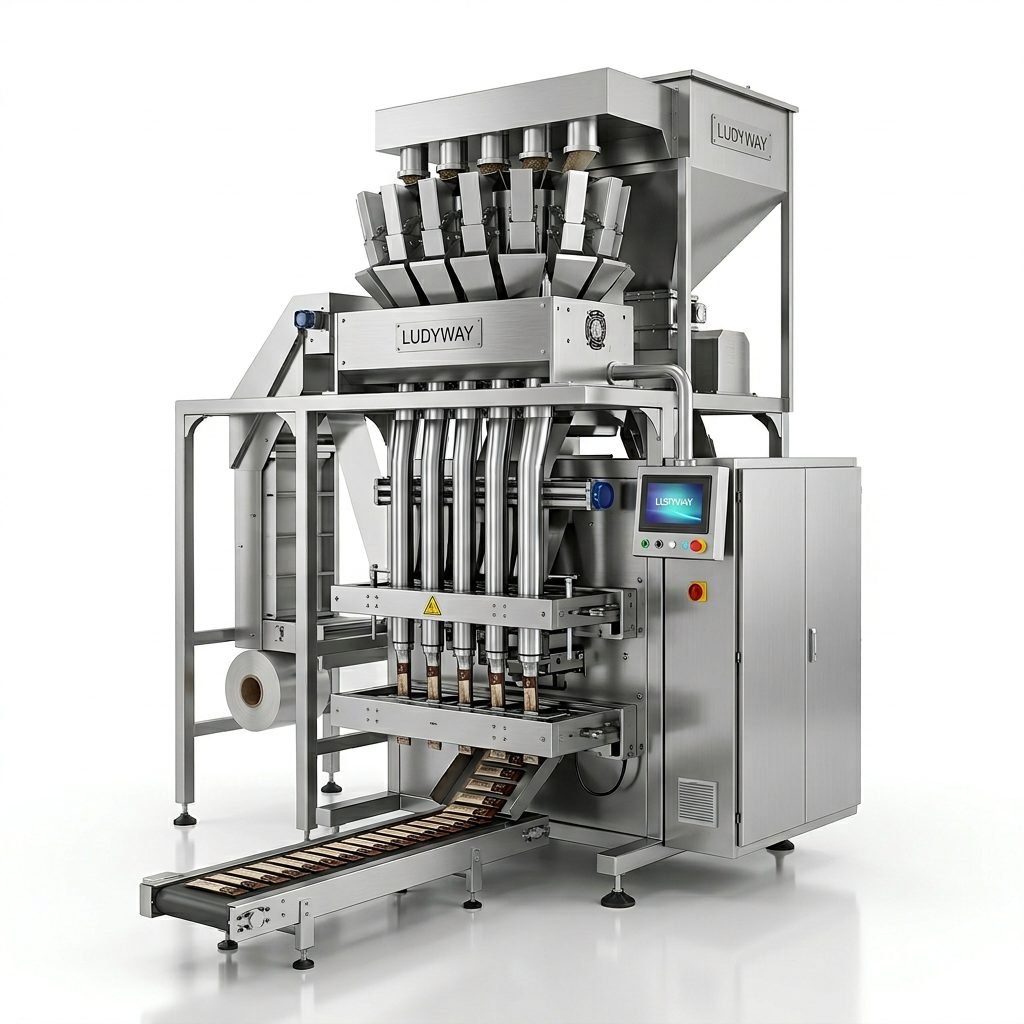
Daily cleaning is the foundation of any effective maintenance routine. Coffee residue left on machine surfaces can harden overnight, causing friction and wear on moving parts. Implement the following steps at the end of each production shift:
- Blow down all surfaces with compressed air to remove loose coffee powder from forming tubes, sealing areas, and drive mechanisms.
- Wipe down sealing jaws with a food-grade solvent to remove oily coffee residue that can compromise seal integrity.
- Inspect and clean photoelectric sensors to ensure accurate film registration and pouch length control.
- Empty and clean the dust collection system if your machine is equipped with one.
- Check the forming collar and filling tube for any powder accumulation that could affect pouch formation.
For machines running multiple shifts, consider implementing a quick-clean protocol between shift changes to maintain consistent performance throughout the day.
Weekly and Monthly Maintenance Tasks
Weekly Inspection Checklist
| Component | Inspection Point | Action Required |
|---|---|---|
| Sealing Jaws | Teflon coating condition | Replace if worn or peeling |
| Film Rollers & Guides | Bearing smoothness | Lubricate or replace bearings |
| Temperature Controllers | Calibration accuracy | Recalibrate if deviation >2°C |
| Pneumatic Cylinders | Air leaks, smooth operation | Replace seals if leaking |
| Fill Auger / Dosing Unit | Wear on flight surfaces | Check accuracy, adjust or replace |
Monthly Deep Maintenance
Set aside dedicated time each month for more thorough maintenance activities. These tasks require the machine to be fully stopped and locked out:
- Lubricate all grease points including cam followers, linear bearings, and chain drives with food-grade lubricant appropriate for coffee processing environments.
- Inspect drive belts and timing belts for signs of cracking, fraying, or loss of tension. Replace any belts showing wear.
- Clean and inspect electrical cabinets for dust ingress. Coffee powder is conductive when humid and can cause short circuits in control panels.
- Verify safety interlocks and emergency stops are functioning correctly across all guard doors and access points.
- Run a complete calibration cycle on weighing systems and check against a certified test weight.
Critical Component Care for Extended Machine Life
Sealing System Maintenance
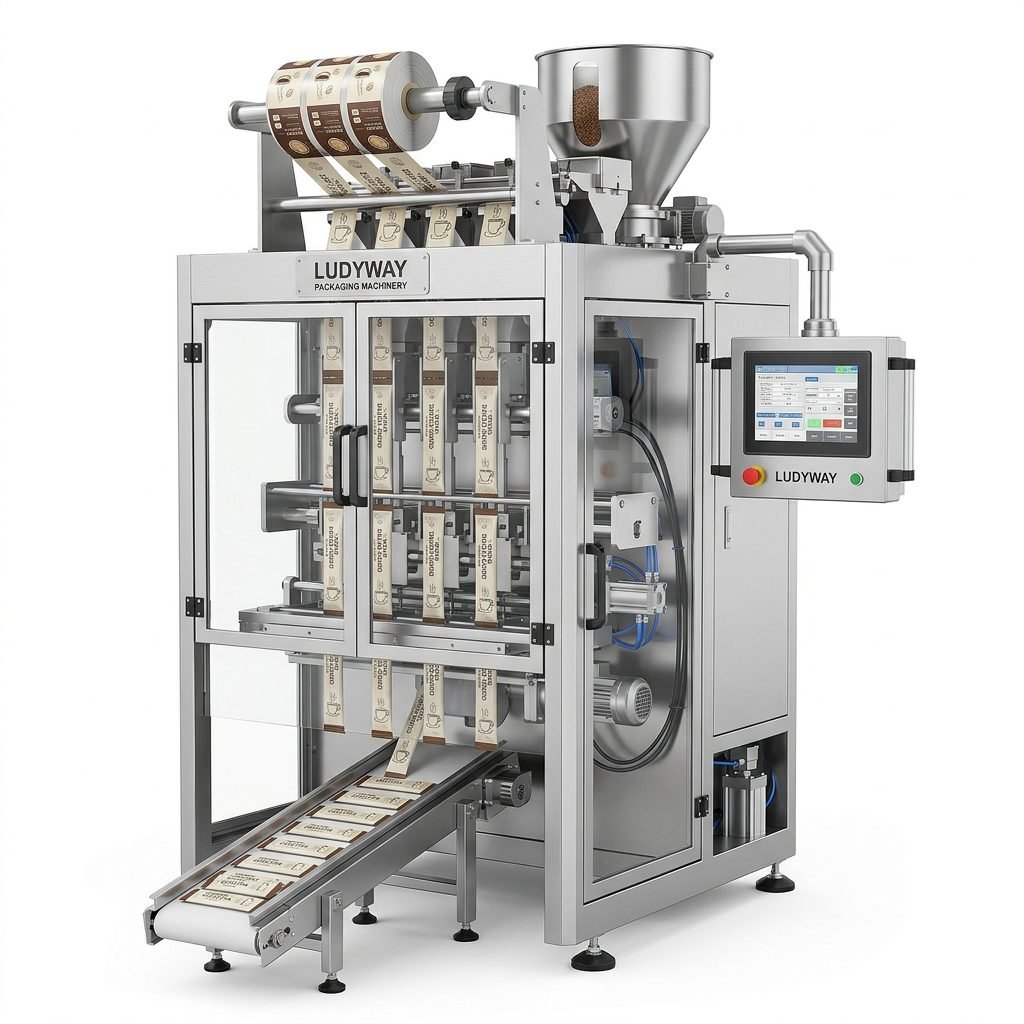
The sealing system is arguably the most critical subsystem in any coffee powder packaging equipment. A failed seal means product spoilage, customer complaints, and wasted materials. Pay particular attention to:
- Teflon tape replacement: Replace heat-seal Teflon covers at the first sign of wear. A damaged cover causes inconsistent heat transfer and weak seals.
- Thermocouple verification: Use an external temperature probe monthly to verify that displayed temperatures match actual jaw temperatures.
- Pressure adjustment: Check and adjust sealing pressure according to film specifications. Excessive pressure accelerates wear; insufficient pressure causes leaks.
Powder Filling Mechanism Care
Coffee powder’s abrasive nature means the filling mechanism requires special attention. Auger fillers, volumetric cup fillers, and multi-head weighers all have unique maintenance requirements. For auger-based systems, inspect the auger flights and tube interior for scoring that can trap powder and harbor bacteria. Clean thoroughly between product changeovers to prevent cross-contamination and flavor transfer between different coffee blends.
Troubleshooting Common Issues
| Problem | Possible Cause | Solution |
|---|---|---|
| Inconsistent fill weight | Powder bridging in hopper | Install mechanical agitator or vibrator |
| Weak or leaking seals | Worn Teflon or incorrect temperature | Replace Teflon, recalibrate heat setting |
| Film tracking off-center | Misaligned rollers or tension issues | Adjust roller alignment and film tension |
| Excessive noise or vibration | Worn bearings or loose components | Inspect and replace bearings, tighten fasteners |
| Pouch length variation | Faulty registration sensor | Clean sensor lens, check registration mark contrast |
Preventive Maintenance Scheduling
Implementing a structured preventive maintenance schedule transforms your maintenance approach from reactive to proactive. Track all maintenance activities in a digital log or CMMS (Computerized Maintenance Management System) to identify patterns and predict component replacement intervals.
Key intervals to observe:
- Daily: Cleaning, visual inspection, check seal quality samples from each lane.
- Weekly: Sensor cleaning, belt tension checks, lubrication of accessible points.
- Monthly: Comprehensive lubrication, electrical inspection, calibration verification.
- Quarterly: Full teardown of filling and sealing assemblies, replacement of wear parts.
- Annually: Complete machine overhaul, gearbox oil change, PLC backup and firmware updates.
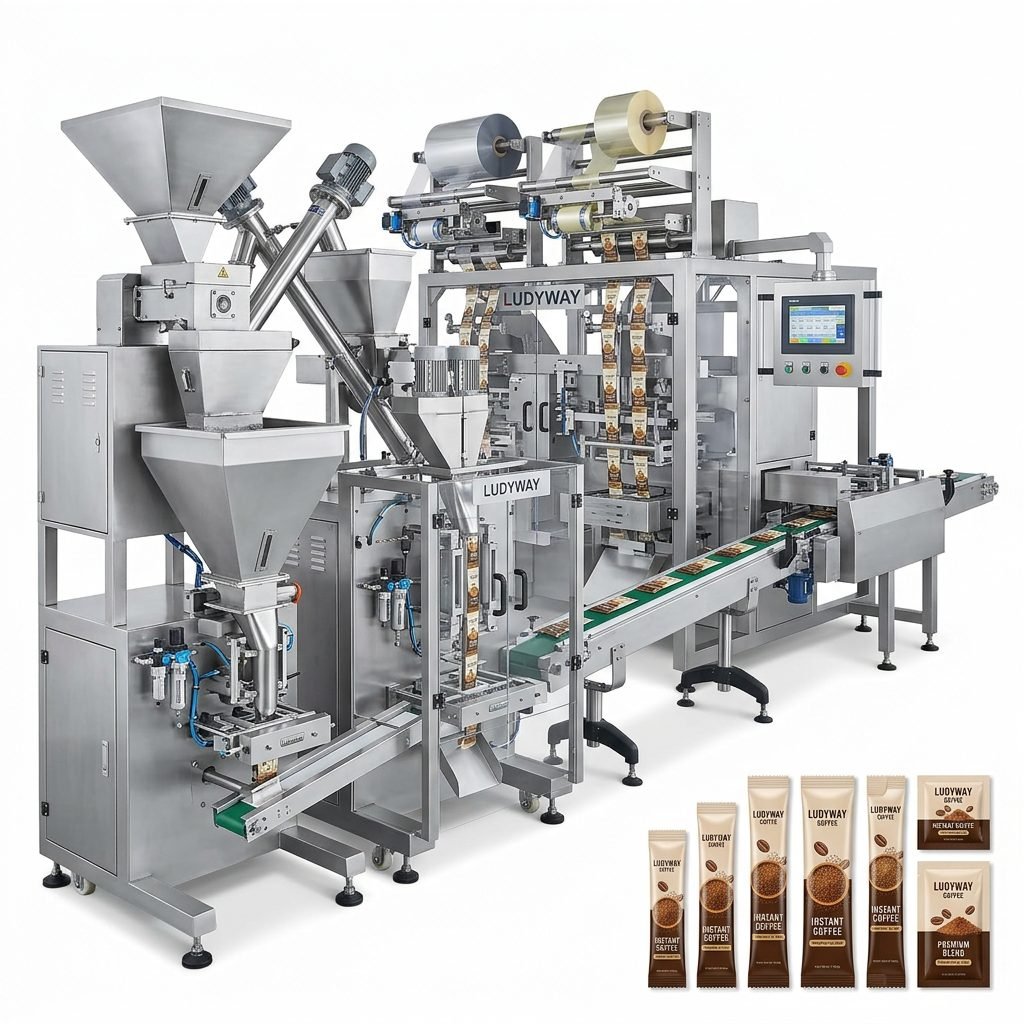
Operator Training and Standard Operating Procedures
Even the best maintenance program fails without properly trained operators. Every operator should understand basic machine functions, recognize early warning signs of component wear, and know how to perform daily cleaning and inspection tasks correctly. Develop clear SOPs (Standard Operating Procedures) with photographs showing proper cleaning points, lubrication locations, and inspection areas. Post these procedures near the machine for quick reference.
Train operators to listen for unusual sounds, watch for irregular film movement, and smell for overheating components. These sensory observations often provide the earliest indication that maintenance is needed. A well-trained operator is your first line of defense against unexpected equipment failure on a high-speed powder packaging system.
Spare Parts Inventory Management
Maintaining an adequate spare parts inventory minimizes downtime when components fail. For coffee powder packaging machines, keep the following critical spares on hand:
- Teflon tape and sealing jaw covers in the correct size for your machine model
- Replacement thermocouples and heating elements
- Drive belts and timing belts specific to your equipment
- Sensor units, including photoelectric registration sensors
- Pneumatic seals and O-rings for cylinder rebuilds
- Forming tube and collar assemblies for different pouch formats
- Auger screws and funnel components for powder filling systems
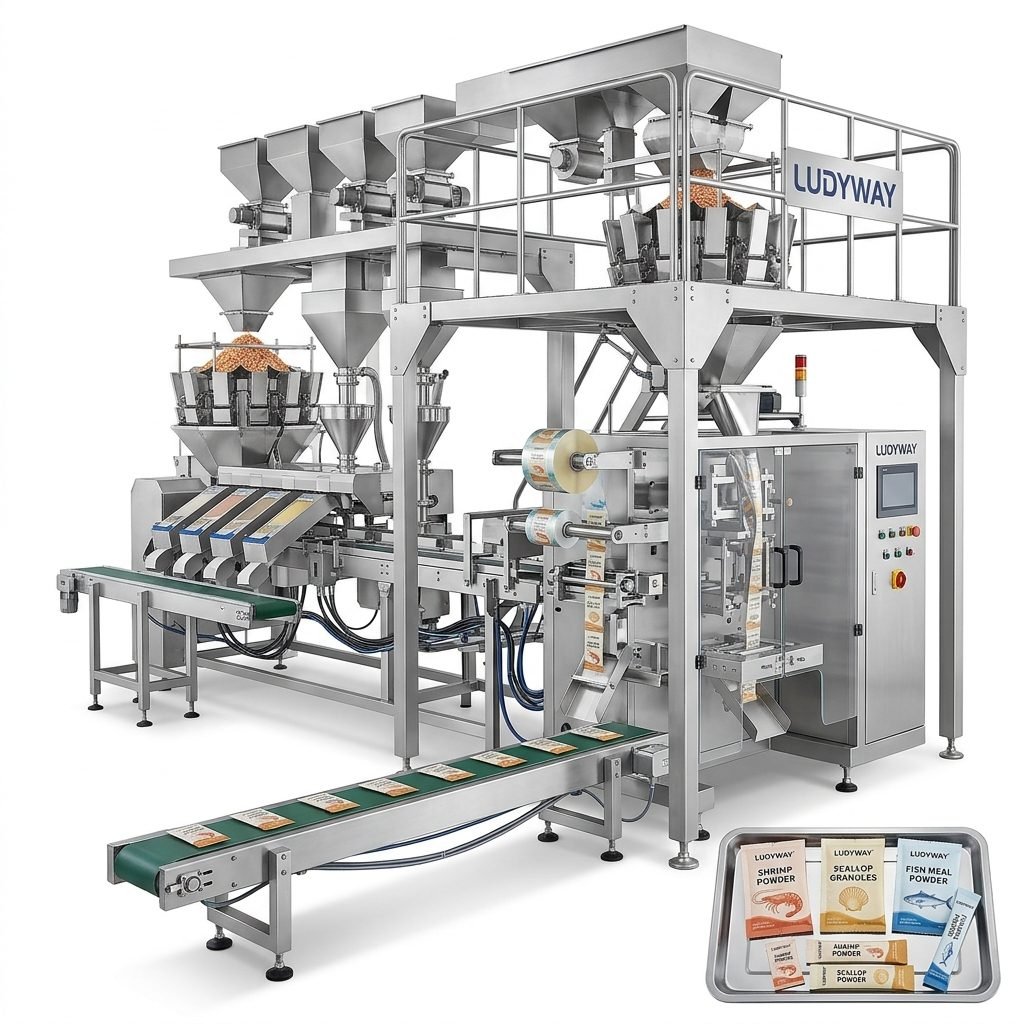
Leading manufacturers like Ludyway provide comprehensive spare parts catalogs and recommended inventory lists tailored to each machine model, helping you maintain the right parts at the right quantity. Their 20,000㎡ manufacturing facility ensures rapid availability of genuine OEM parts for their full range of over 50 packaging machine models.
Documentation and Continuous Improvement
Your maintenance program should evolve based on data. Record every maintenance action, parts replacement, and unexpected failure. Review these records quarterly to identify patterns. If a particular bearing consistently fails before its expected service life, investigate whether the load calculation is correct, if lubrication intervals are sufficient, or if a higher-specification bearing is warranted.
Consider creating a maintenance scorecard that tracks key metrics such as MTBF (Mean Time Between Failures), MTTR (Mean Time To Repair), and OEE (Overall Equipment Effectiveness). These metrics provide objective measures of your maintenance program’s effectiveness and highlight areas for improvement.
Working with Professional Service Providers
While routine maintenance can be handled by in-house teams, periodic professional servicing adds significant value. Qualified technicians can perform advanced diagnostics, identify developing issues that may not be visible during routine inspections, and provide specialized calibration services. Schedule an annual comprehensive service visit to ensure your coffee packaging machinery operates at peak performance throughout its service life.
For more information on maintaining industrial packaging equipment, refer to resources from the PMMI – The Association for Packaging and Processing Technologies and the Flexible Packaging Association, both of which offer extensive technical documentation and industry best practices for packaging machinery maintenance.
Final Thoughts on Optimal Machine Performance
A disciplined maintenance routine is the foundation of reliable and efficient coffee powder packaging operations. By following structured daily, weekly, and monthly protocols, maintaining critical spare parts, and investing in operator training, you can significantly extend equipment life, reduce costly downtime, and ensure consistent product quality. Remember that your packaging machine is a precision system—treat it with the care it deserves, and it will deliver reliable service for many years to come.