Investing in a packaging machine is a significant decision for any manufacturer in Cambodia. Whether you operate in the food, pharmaceutical, agricultural, or cosmetic sector, selecting the right equipment directly impacts your production efficiency, product shelf life, and brand reputation. Cambodia’s manufacturing landscape is rapidly evolving, with increasing demand for packaged goods both domestically and for export within the ASEAN region. This guide walks you through the essential factors to consider when choosing a packaging machine tailored to your specific needs.
Understanding Your Product Characteristics
Before evaluating any machinery, you must thoroughly analyze your product’s physical properties. The type of product you manufacture will determine the optimal filling technology and machine configuration. Ask yourself the following questions:
- Is your product a free-flowing granule, a fine powder that generates dust, a viscous liquid, or a paste?
- What is the target fill weight or volume per package?
- Does the product require nitrogen flushing or vacuum sealing for extended shelf life?
- Is the product hygroscopic, corrosive, or abrasive, requiring special contact materials like 316 stainless steel?
For instance, granule products such as coffee beans, rice, or dried nuts typically work well with multi-head weigher systems. Fine powders like milk powder, flour, or herbal extracts often require auger filler systems with dust control mechanisms. Liquids, including sauces, oils, and cleaning solutions, demand precision piston fillers or peristaltic pumps. Understanding these distinctions is critical for avoiding costly mismatches. According to industry resources from the Flexible Packaging Association, proper material compatibility analysis can reduce downtime by up to 30%.
Matching Machine Type to Packaging Format
Different markets in Cambodia demand different packaging formats. The modern packaging machine market offers a wide array of configurations, including:
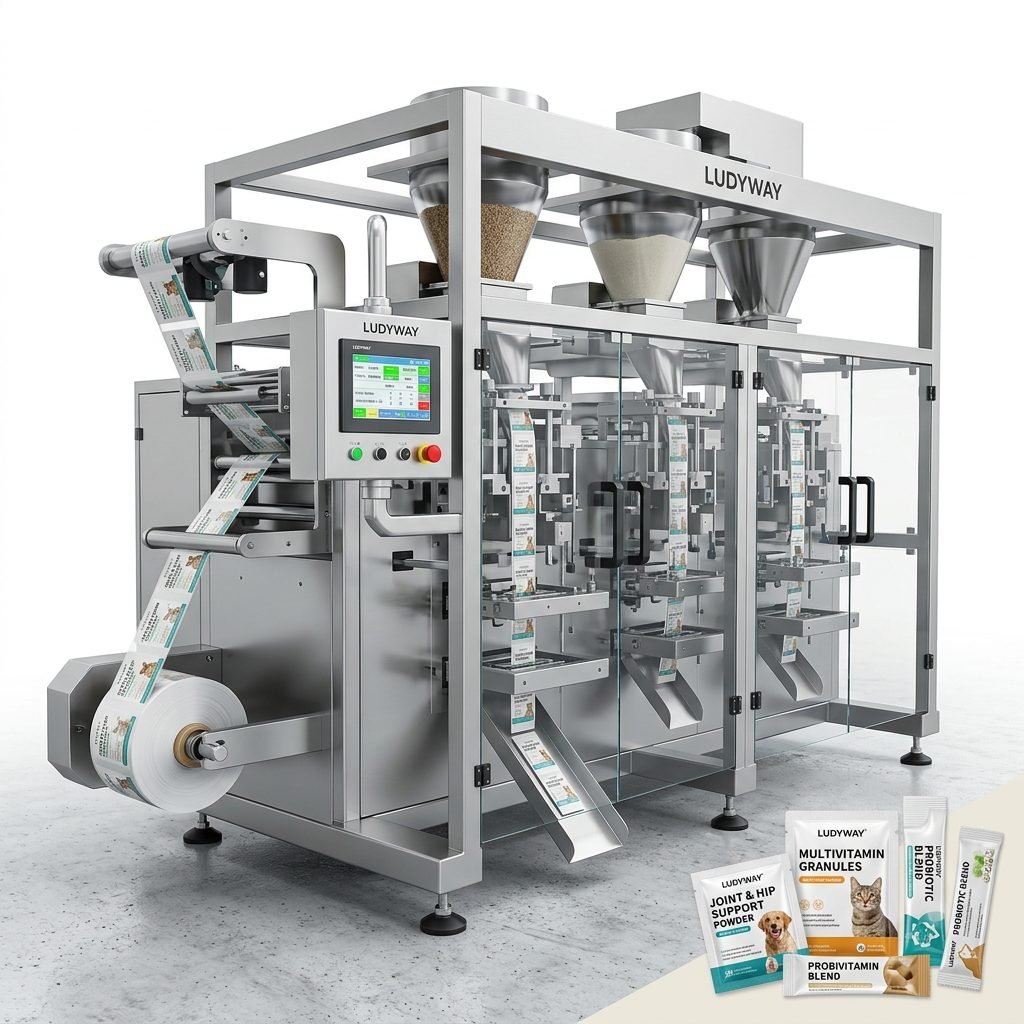
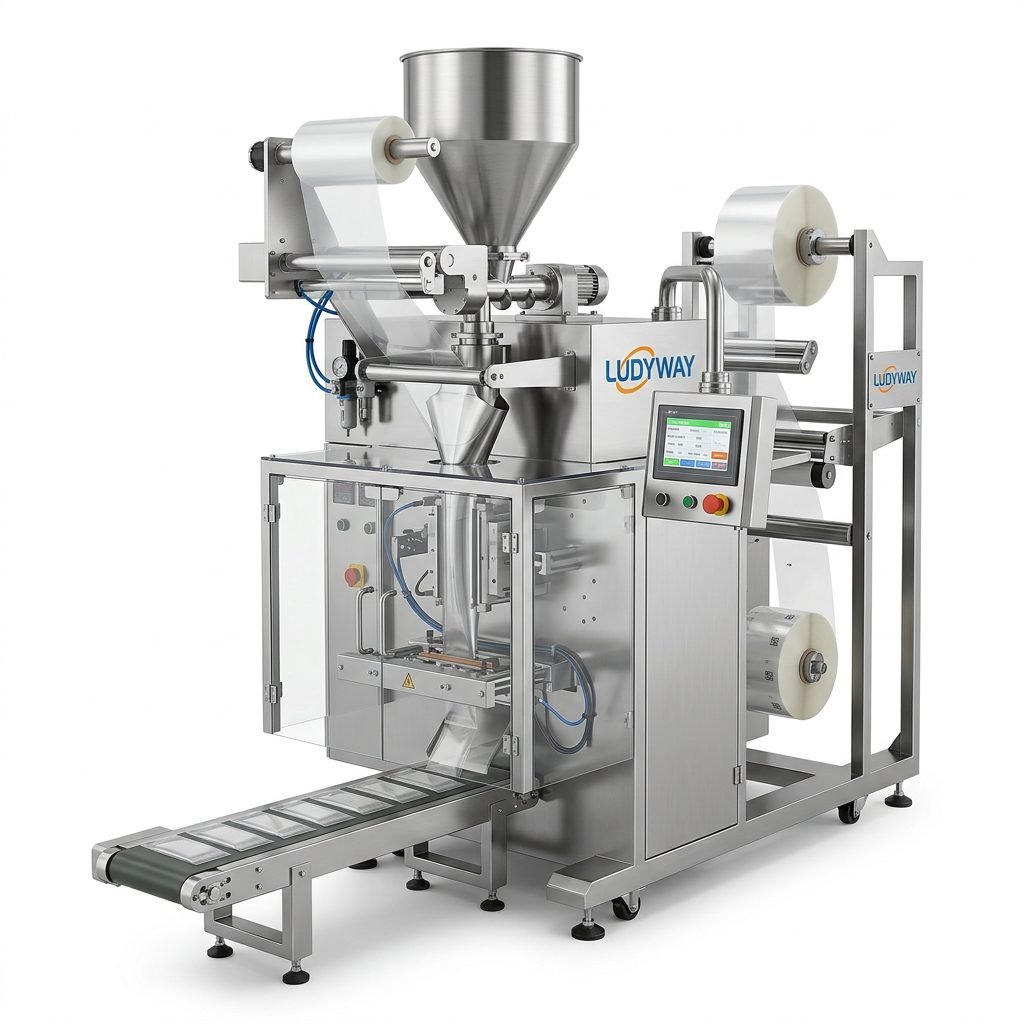
- Vertical Form Fill Seal (VFFS) Machines – Ideal for pillow bags, gusseted bags, and sachets for granules and powders.
- Horizontal Form Fill Seal (HFFS) Machines – Suitable for flow-wrapping solid items such as biscuits, bakery products, and medical devices.
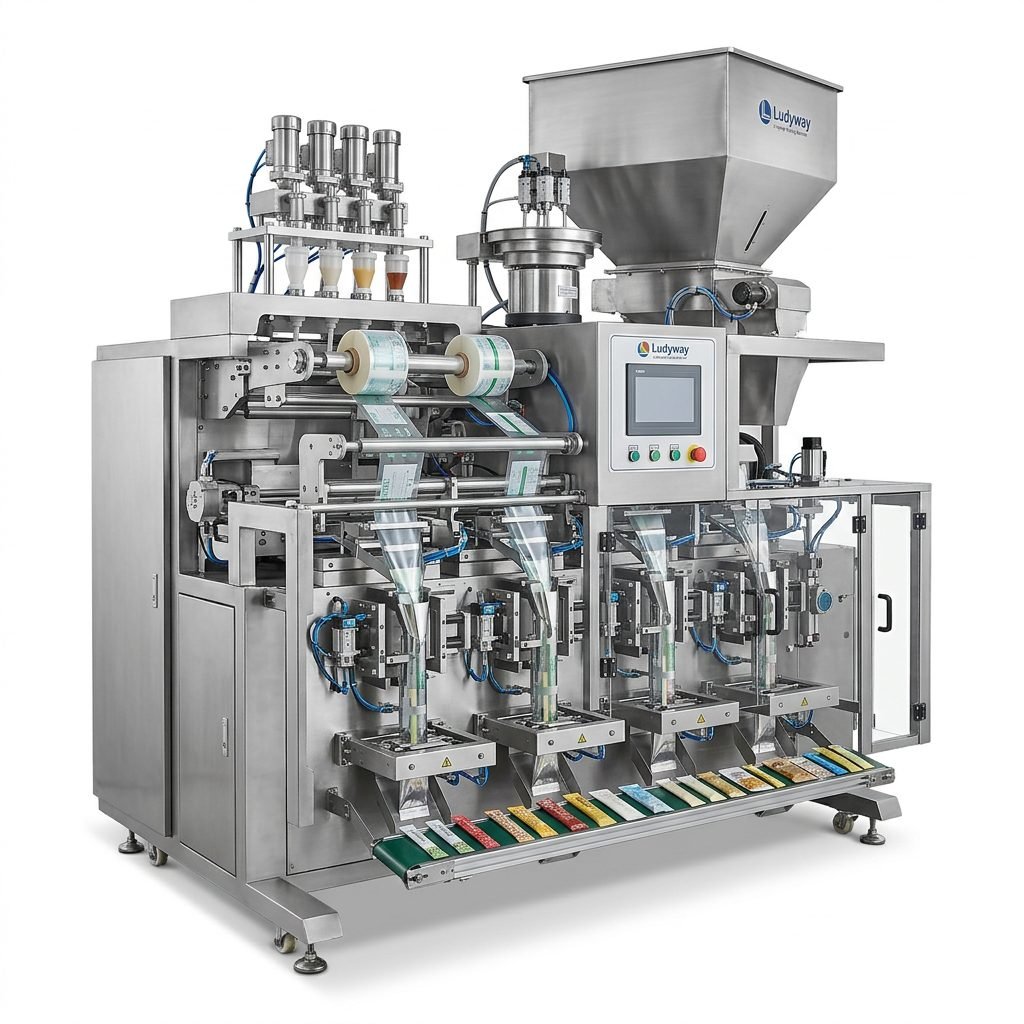
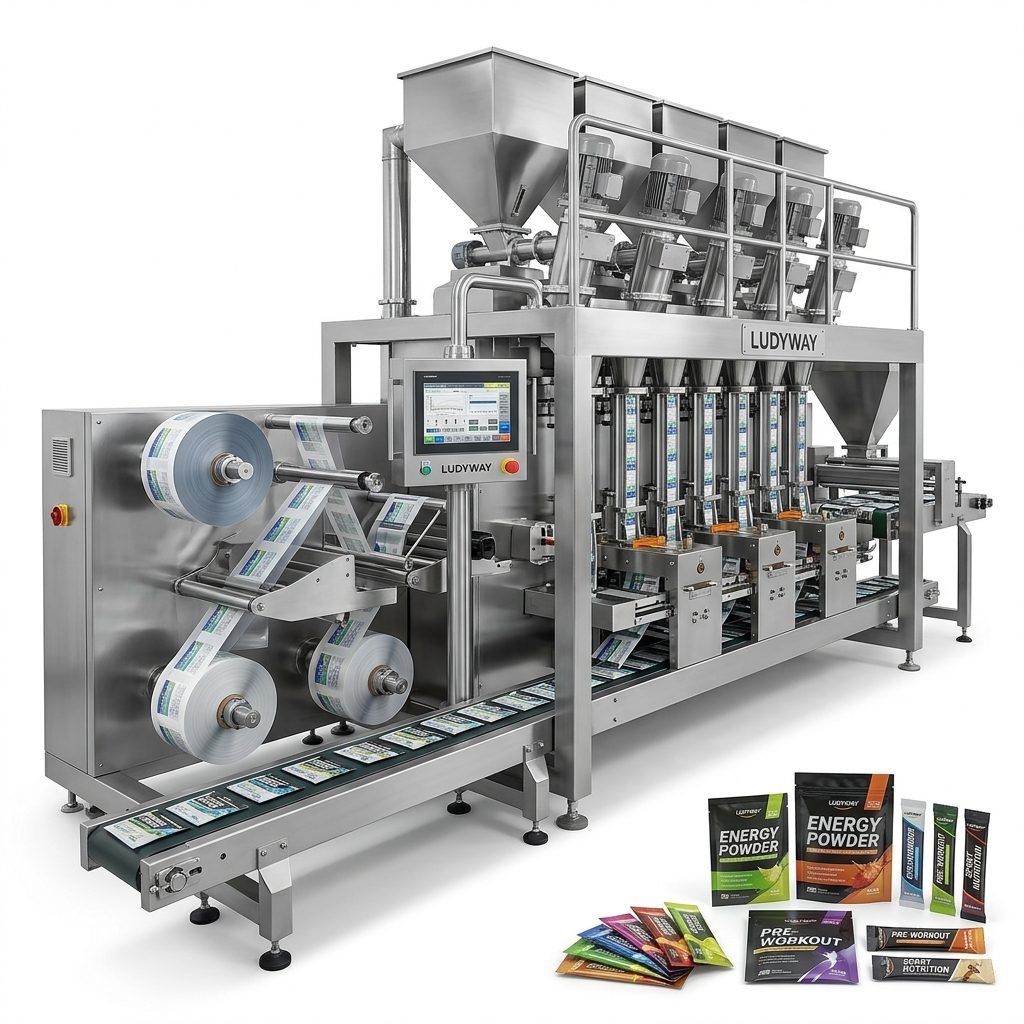
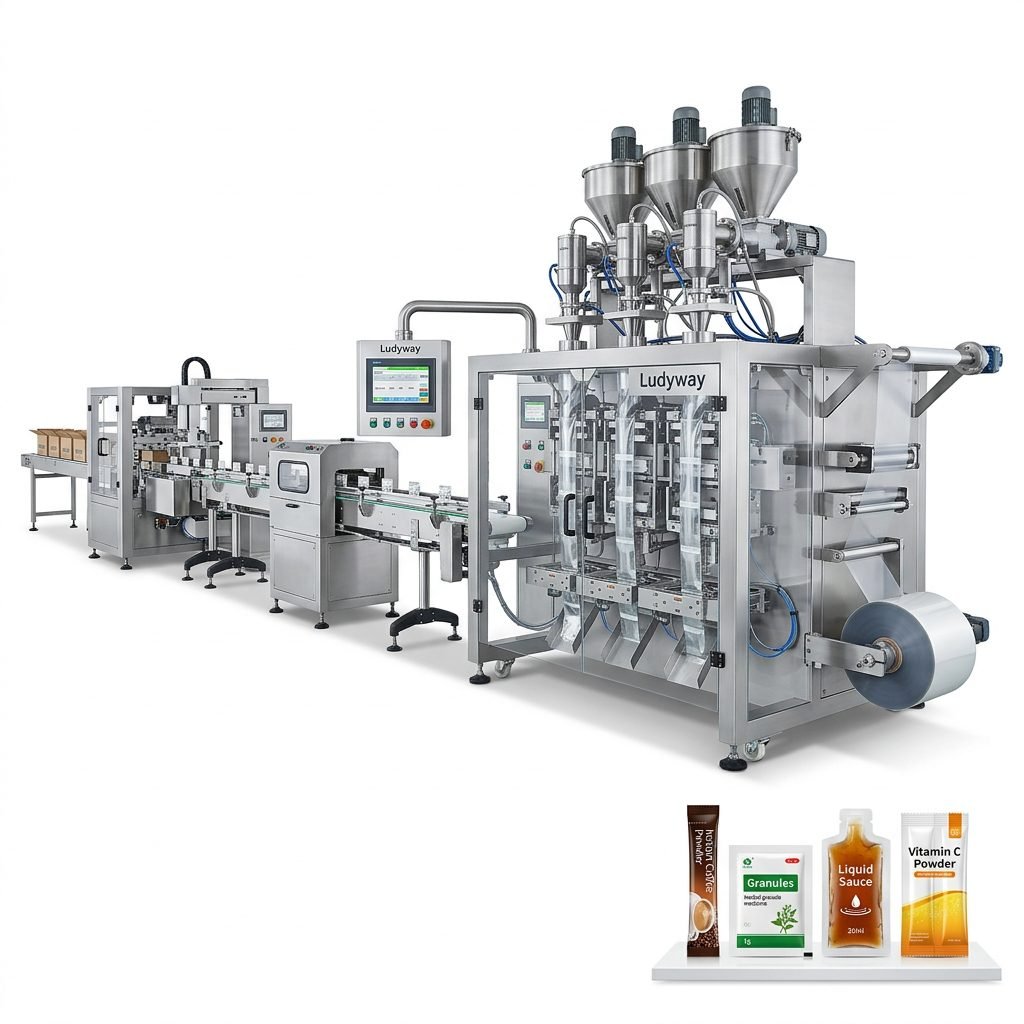
- Multi-Lane Stick Pack Machines – Perfect for single-serve portions of sugar, salt, instant coffee, and protein powders, offering high output in minimal floor space.
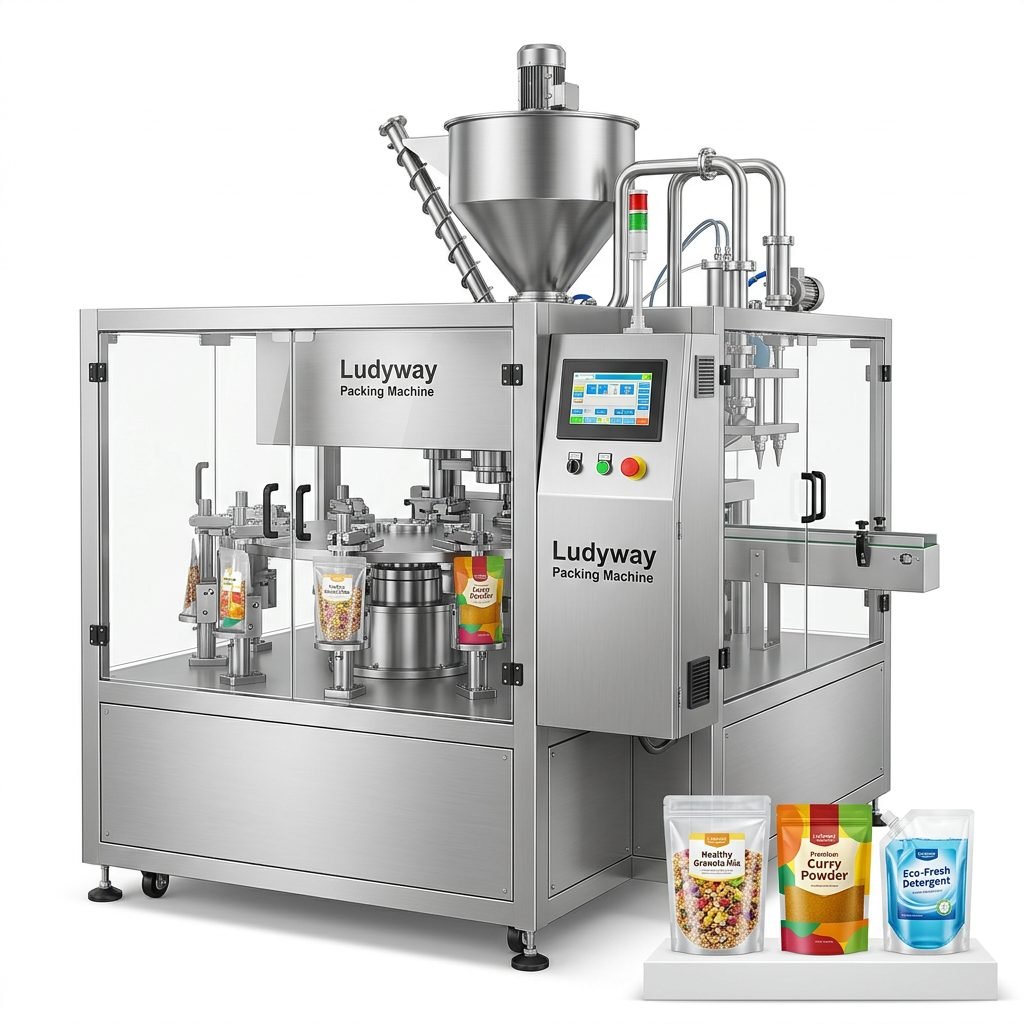
- Pre-Made Pouch Fill & Seal Machines – Used for stand-up pouches, spouted pouches, and zipper bags, increasingly popular for premium Cambodian exports like pepper and dried fruits.
- Liquid Filling & Capping Lines – For bottles, jars, and containers used in beverages, cosmetics, and pharmaceuticals.

Referencing standards from ISO Packaging Standards can help ensure your chosen format meets international requirements for export markets.
Production Capacity and Speed Requirements
Your current and projected output volumes are decisive factors. A small artisanal Cambodian food startup may only need 20-40 packs per minute, while a large-scale contract manufacturer might require 200-400 packs per minute across multiple lanes. Consider these operational parameters:
- Shift Structure: Will the machine run one 8-hour shift or continuously 24/7?
- Changeover Frequency: If you package multiple SKUs, rapid tool-less changeover features are essential for minimizing downtime.
- OEE (Overall Equipment Effectiveness): Look beyond nominal speed ratings and evaluate real-world throughput figures, typically benchmarked at 85% or higher for reliable equipment.
Key Decision Factors Comparison
The following table summarizes the critical selection criteria you should evaluate when comparing different packaging machine options for your Cambodian production facility:
| Selection Criterion | Why It Matters | Recommended Specification |
|---|---|---|
| Product Type | Determines filler technology and material handling | Granule, Powder, Liquid, Paste, or Solid |
| Packaging Format | Affects machine type and auxiliary equipment | Sachet, Stick Pack, Pouch, Bottle, or Bulk Bag |
| Target Speed | Drives machine configuration and automation level | Low (30-60 ppm), Medium (60-150 ppm), High (150+ ppm) |
| Budget Range | Influences automation level and build quality | Semi-automatic to Fully automatic with servo drives |
| After-Sales Support | Critical for minimizing downtime in Cambodia | Remote support, on-site service, spare parts availability |
| Regulatory Compliance | Essential for food and pharmaceutical safety | FDA, CE, GMP, or ISO 22000 standards |
Evaluating Total Cost of Ownership (TCO)
The initial purchase price is only one part of the equation. Smart Cambodian manufacturers look at the Total Cost of Ownership over the machine’s lifecycle, which includes:
- Energy Consumption: Servo-driven machines typically use 30-50% less electricity than pneumatic alternatives.
- Film Waste: Precision sealing and cutting systems reduce packaging material waste by optimizing film usage per cycle.
- Spare Parts: Access to a reliable and affordable spare parts supply chain is crucial—delays in customs can cripple production.
- Operator Training: User-friendly HMI touchscreen interfaces with Khmer or English language options reduce training time and operator errors.
Automation Level and Integration Capabilities
Modern packaging lines increasingly incorporate Industry 4.0 features. When investing, consider whether the machine supports integration with upstream and downstream equipment such as automatic feeders, checkweighers, metal detectors, and case packers. A fully integrated turnkey packaging line can dramatically reduce labor costs and improve consistency. The PMMI Business Intelligence Library provides extensive data on automation trends and return on investment metrics that can inform your decision.
Supplier Evaluation and Local Support in Cambodia
Choosing the right supplier is equally as important as choosing the right machine. Since Cambodia’s packaging machinery import channels often flow through neighboring countries or directly from manufacturers in China, Europe, and Japan, you must verify the supplier’s capability to provide responsive after-sales support.
- Verify Track Record: Ask for references from similar industries and regions, preferably with installations in Cambodia or neighboring Vietnam and Thailand.
- Language and Communication: Ensure technical documentation and support are available in languages your team understands.
- Remote Diagnostics: Machines equipped with remote monitoring capabilities allow suppliers to troubleshoot issues without requiring an on-site visit, saving valuable time.
- Installation and Training: Confirm that the supplier offers comprehensive on-site installation, commissioning, and operator training.
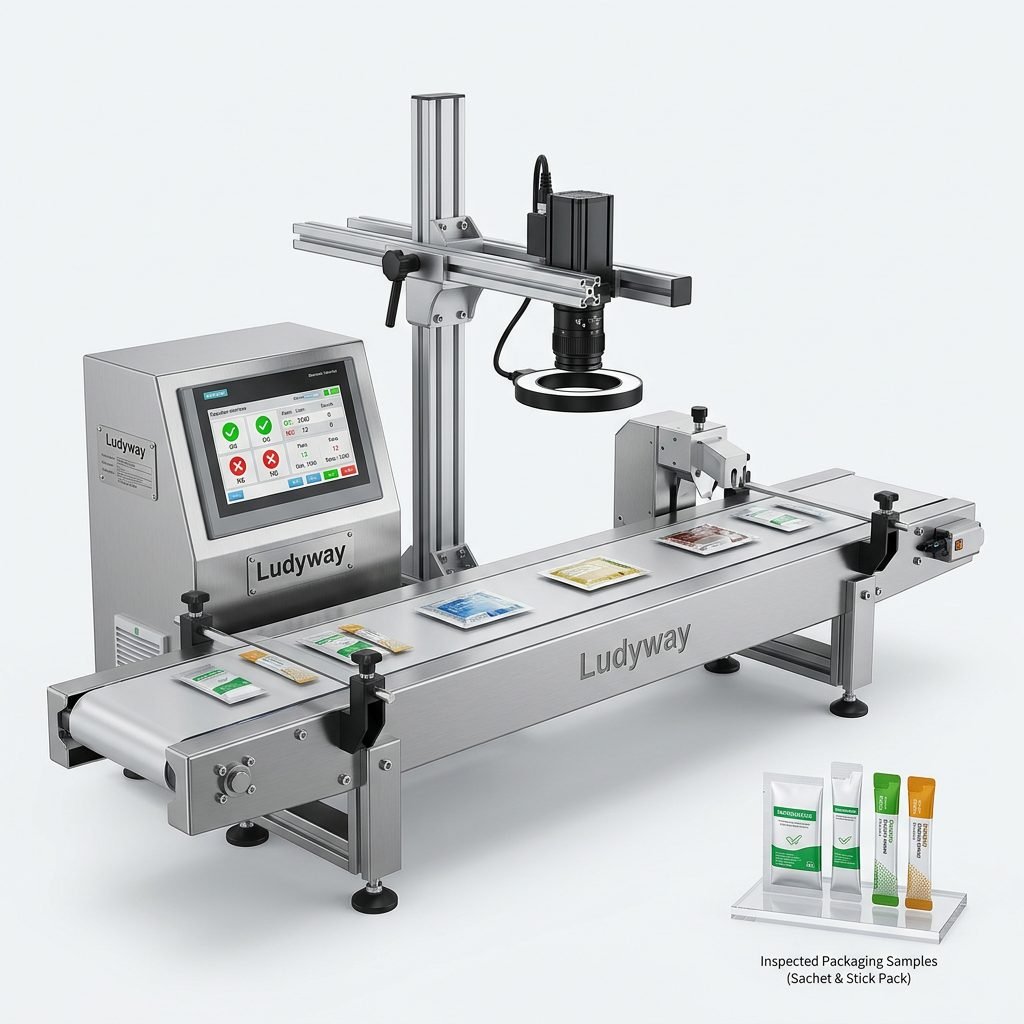
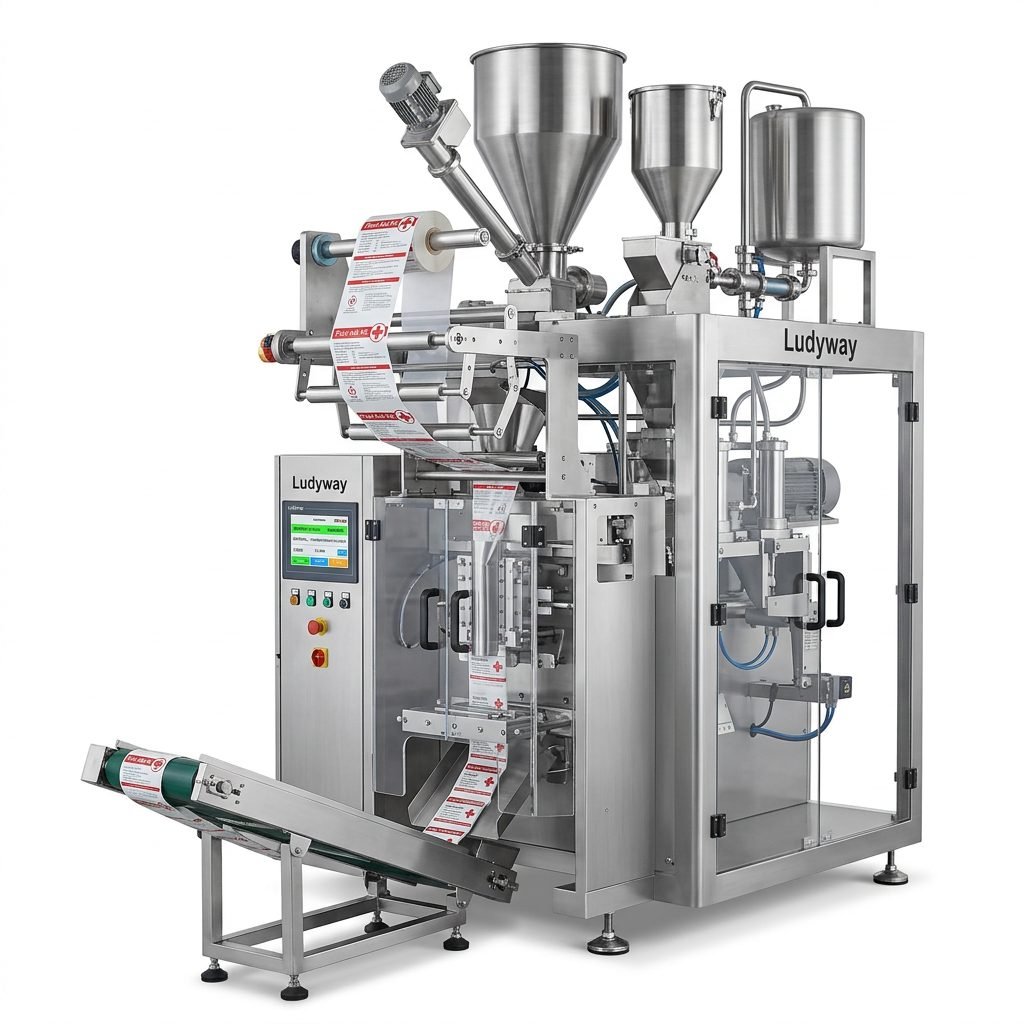
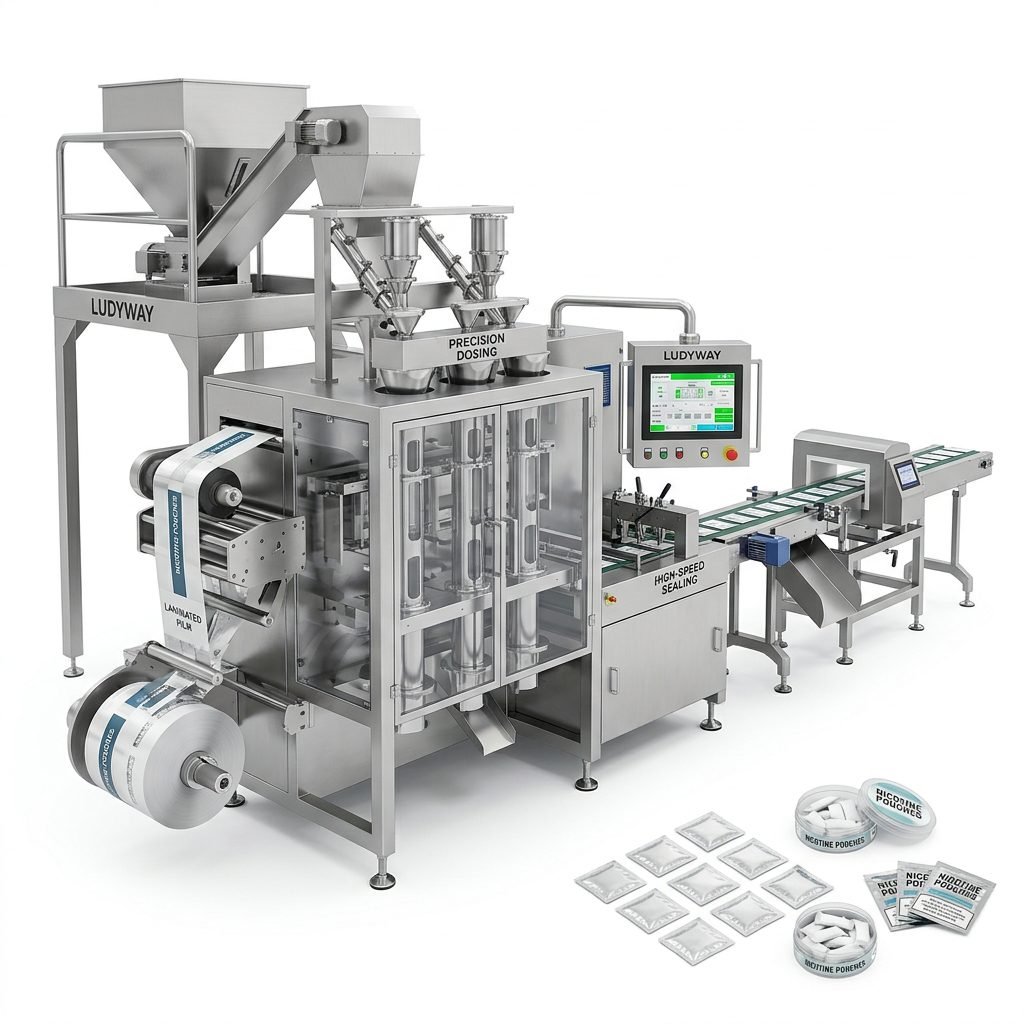
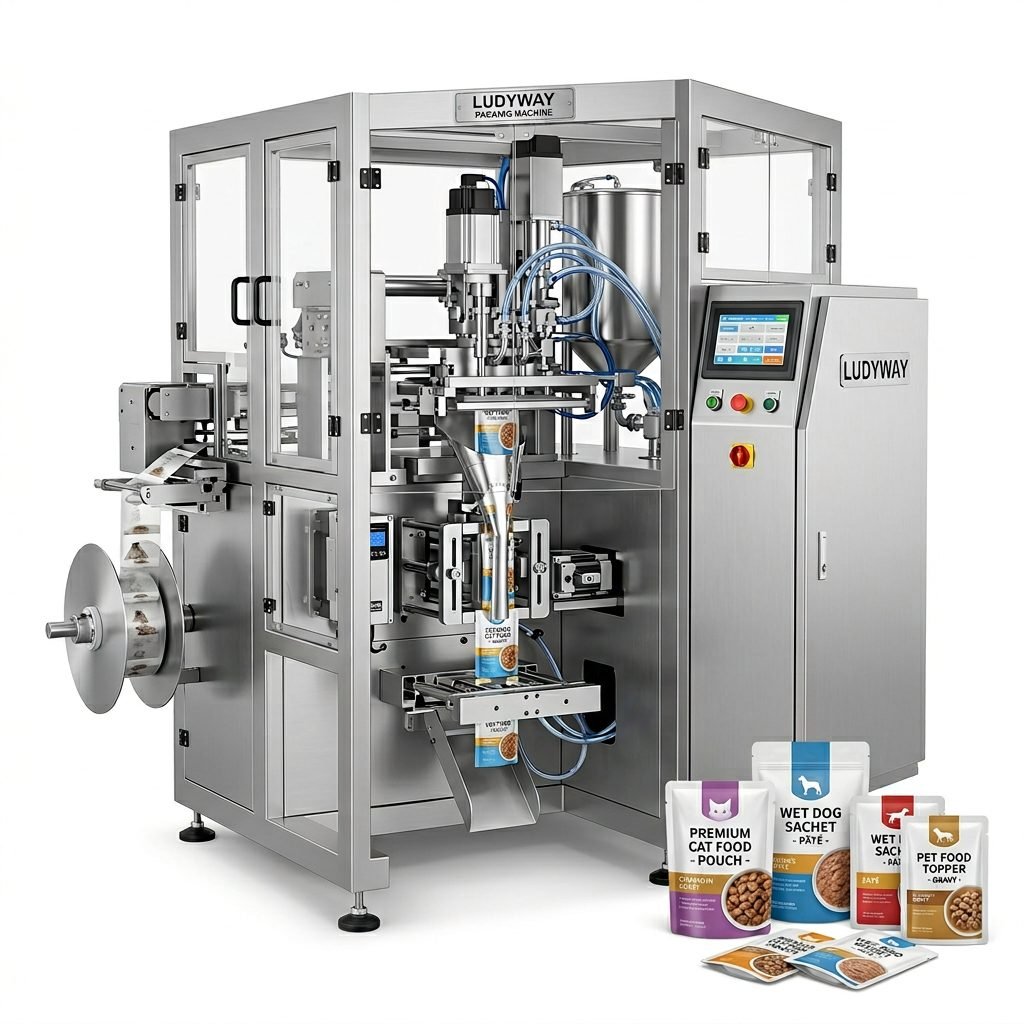
For businesses seeking a comprehensive range of options, Ludyway is one of the largest packaging machine manufacturers in China, specializing in advanced packaging equipment and turnkey production solutions for the food, pharmaceutical, and health industries, with a focus on delivering reliable performance across diverse international markets including Cambodia.

Regulatory and Compliance Considerations for Cambodian Exporters
If your packaged products are destined for export to the EU, US, or other regulated markets, your packaging machinery must support compliance with relevant standards. Key considerations include:
- Food Contact Safety: All product contact parts should be made of food-grade materials compliant with FDA regulations on food contact substances.
- Traceability: Machines should support batch coding, date stamping, and serialization to meet traceability requirements.
- Cleanability: Equipment design must facilitate thorough cleaning and sanitation, ideally featuring tool-free disassembly for washdown environments.
Making the Final Decision
Selecting the right packaging machine for your Cambodian operation requires balancing technical specifications with practical business considerations. Start with a detailed product analysis, define your production goals clearly, and evaluate suppliers on their ability to provide ongoing support throughout the machine’s lifecycle. Keep up to date with the latest market data through resources like the State of the Industry Reports from PMMI to ensure your investment remains competitive. A well-chosen packaging machine will not only boost your operational efficiency but also position your brand strongly in the growing Cambodian and regional markets.