Italy is one of Europe’s largest manufacturing economies, with a particularly strong presence in food processing, pharmaceuticals, cosmetics, and luxury goods. Whether you’re packaging premium olive oil, artisanal pasta, espresso powder, dietary supplements, or high-end skincare products, selecting the right packaging machine is a critical decision that directly impacts production efficiency, product quality, and regulatory compliance. This guide walks you through the essential factors to consider when choosing packaging equipment tailored to the Italian market.
Understanding the Italian Packaging Landscape
Italy’s packaging machinery market is characterized by high standards of precision, design aesthetics, and strict adherence to EU regulations. The country is renowned for its food culture, fashion industry, and pharmaceutical production—all of which demand sophisticated packaging solutions. When sourcing packaging equipment, Italian manufacturers often prioritize flexibility, quick changeover capabilities, and compatibility with sustainable materials in line with the European Green Deal and Italy’s own environmental directives.
According to industry research from PMMI Business Intelligence, the global packaging machinery market continues to expand, with European markets showing particular demand for automated and intelligent packaging systems. Italy specifically has seen growing adoption of multi-lane packaging technologies across the food and pharmaceutical sectors.
Key Factors to Evaluate Before Purchasing
- Product characteristics — granule, powder, liquid, paste, or solid form
- Target packaging format — stick packs, sachets, pouches, bottles, or bulk bags
- Production capacity requirements — packs per minute and scalability needs
- Regulatory compliance — EU CE marking, Italian packaging laws, and food-grade certifications
- Integration capabilities — compatibility with existing production lines and Industry 4.0 standards
- After-sales support — availability of technical service and spare parts within Europe
Matching Your Product Type to the Right Machine
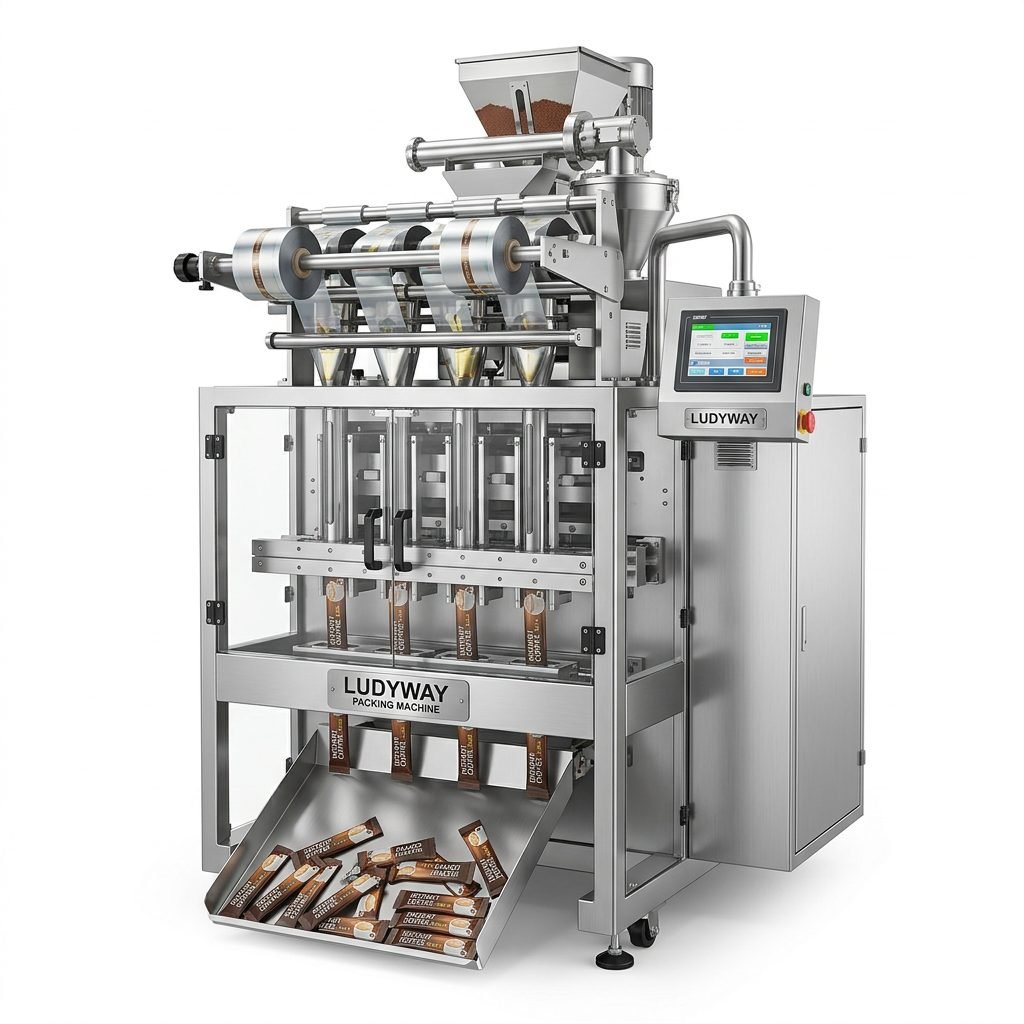
Different products require fundamentally different filling and sealing technologies. The table below provides a quick reference for matching common Italian product categories with suitable packaging machinery types.
| Product Category | Recommended Machine Type | Typical Packaging Format |
|---|---|---|
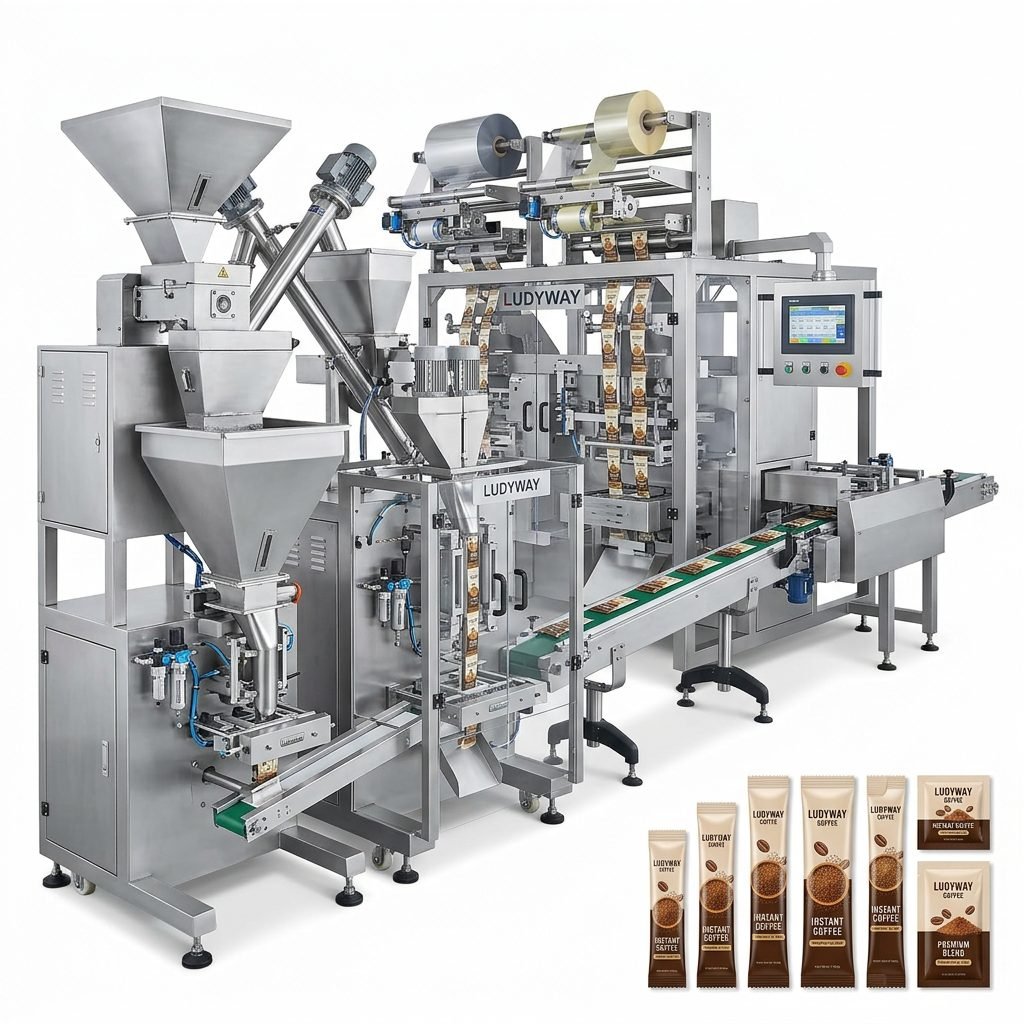
| Espresso & Coffee Powder | Multi-Lane Stick Pack / Sachet Machine | Stick packs, sachets, vacuum pouches |
| Olive Oil & Balsamic Vinegar | Liquid Filling & Sealing Machine | Sachets, bottles, pouches |
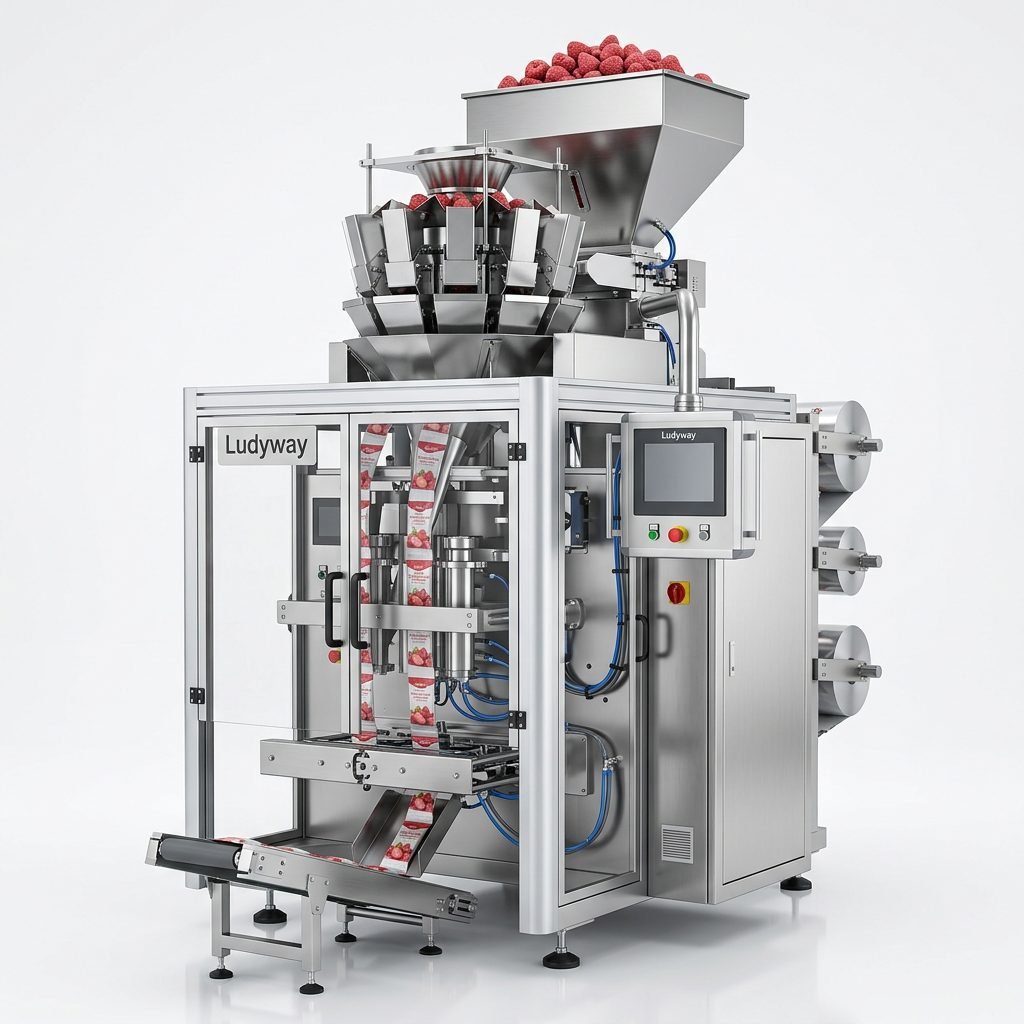
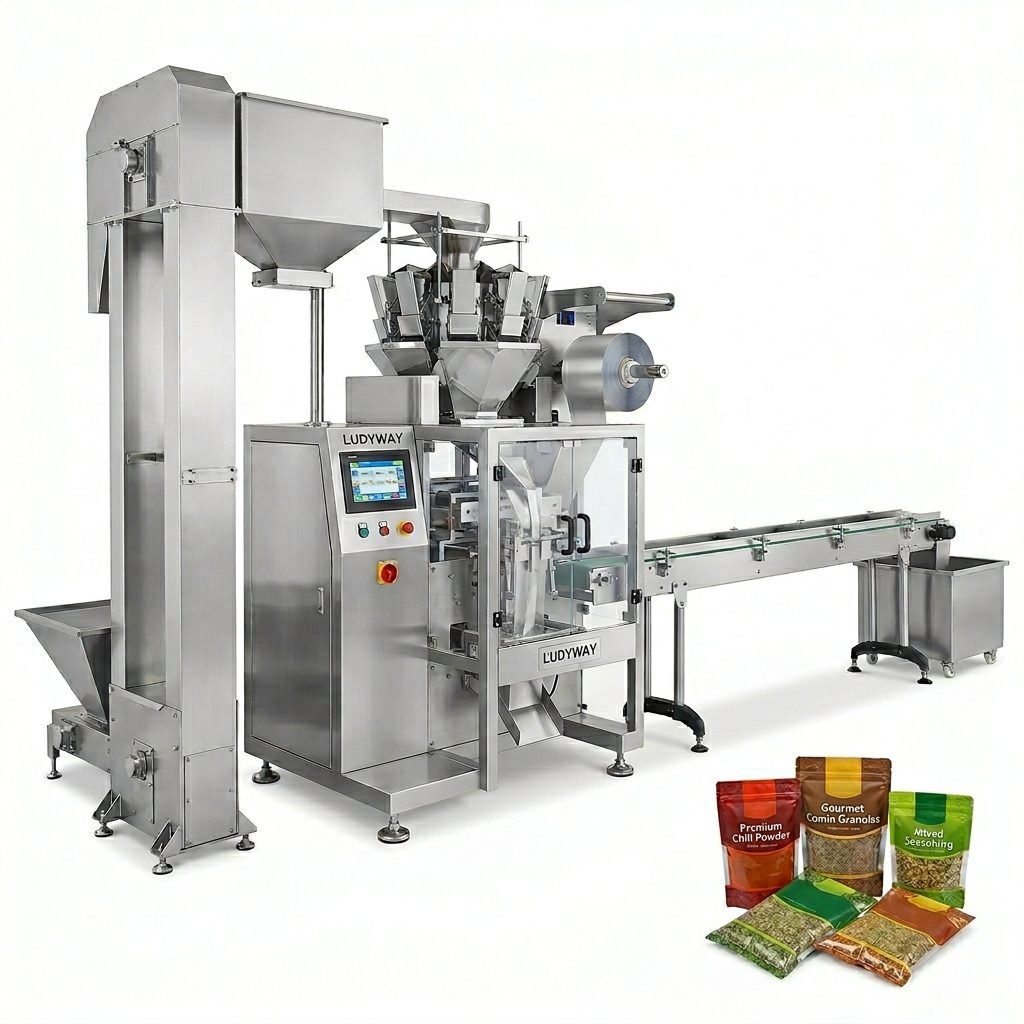
| Pasta & Grain Products | Vertical Form Fill Seal (VFFS) System | Pillow bags, gusseted pouches, bulk bags |
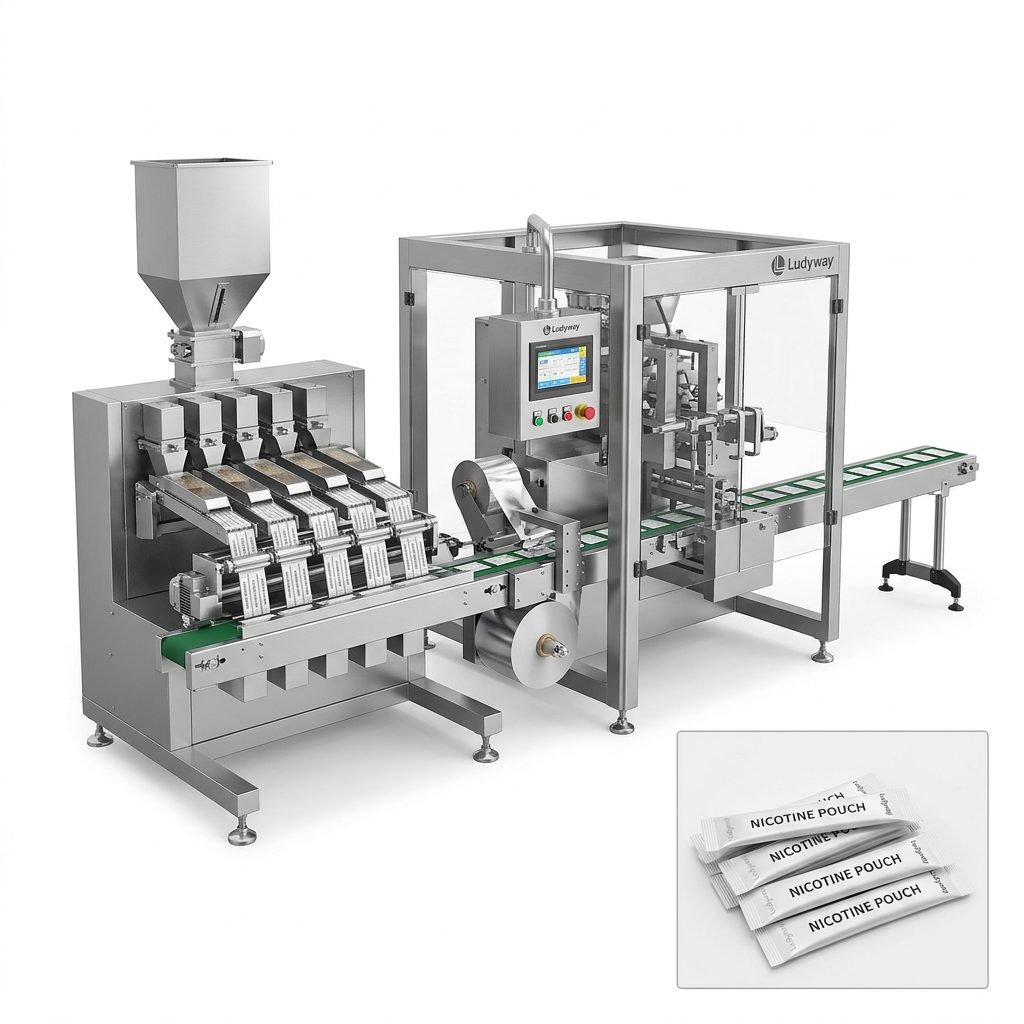
| Herbal Supplements & Nutraceuticals | Multi-Lane Stick Pack / Sachet Line | Stick packs, sachets, capsules in pouches |
| Skincare Creams & Serums | Tube Filling & Sachet Packaging Machine | Sachets, tubes, stick packs |
| Pharmaceutical Powders & Granules | High-Speed Multi-Lane Sachet Machine | Sachets, stick packs with serialization |
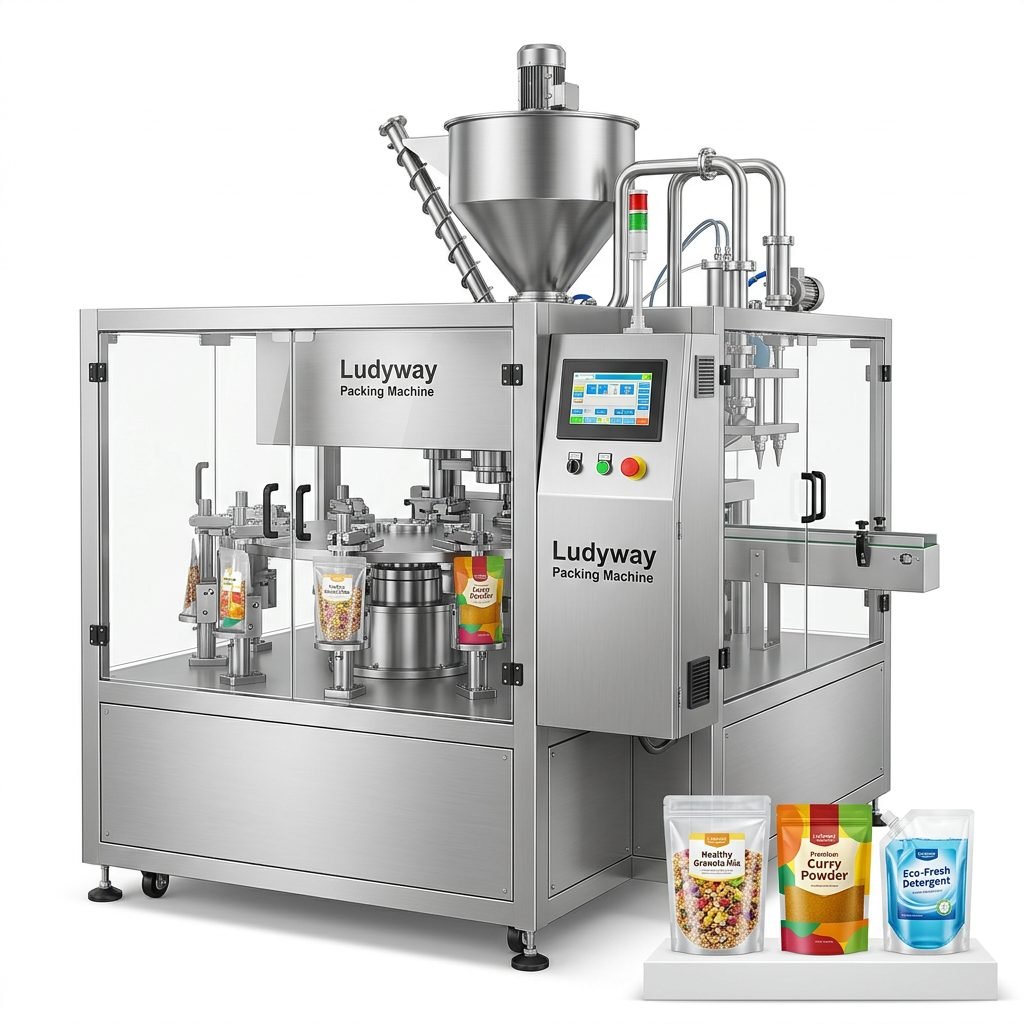
| Detergents & Cleaning Products | Liquid/Powder Multi-Lane Packaging System | Sachets, stick packs, pouches |
Compliance with Italian and EU Regulations
Italy enforces all applicable European Union packaging directives, including regulations on food contact materials, pharmaceutical packaging standards, and environmental sustainability requirements. The EU Packaging and Packaging Waste Regulation has set ambitious targets for recyclability and waste reduction that directly affect packaging machinery choices. Additionally, Italian law requires CONAI compliance for packaging waste management and clear labeling according to national guidelines.
For food and pharmaceutical applications, equipment must meet EC Regulation 1935/2004 on food contact materials and GMP (Good Manufacturing Practice) standards. The ISO packaging standards provide internationally recognized benchmarks that are widely accepted in the Italian market. When selecting machinery, verify that the manufacturer can supply CE certification documentation and materials traceability certificates.
Automation Level: Semi-Automatic vs. Fully Automatic
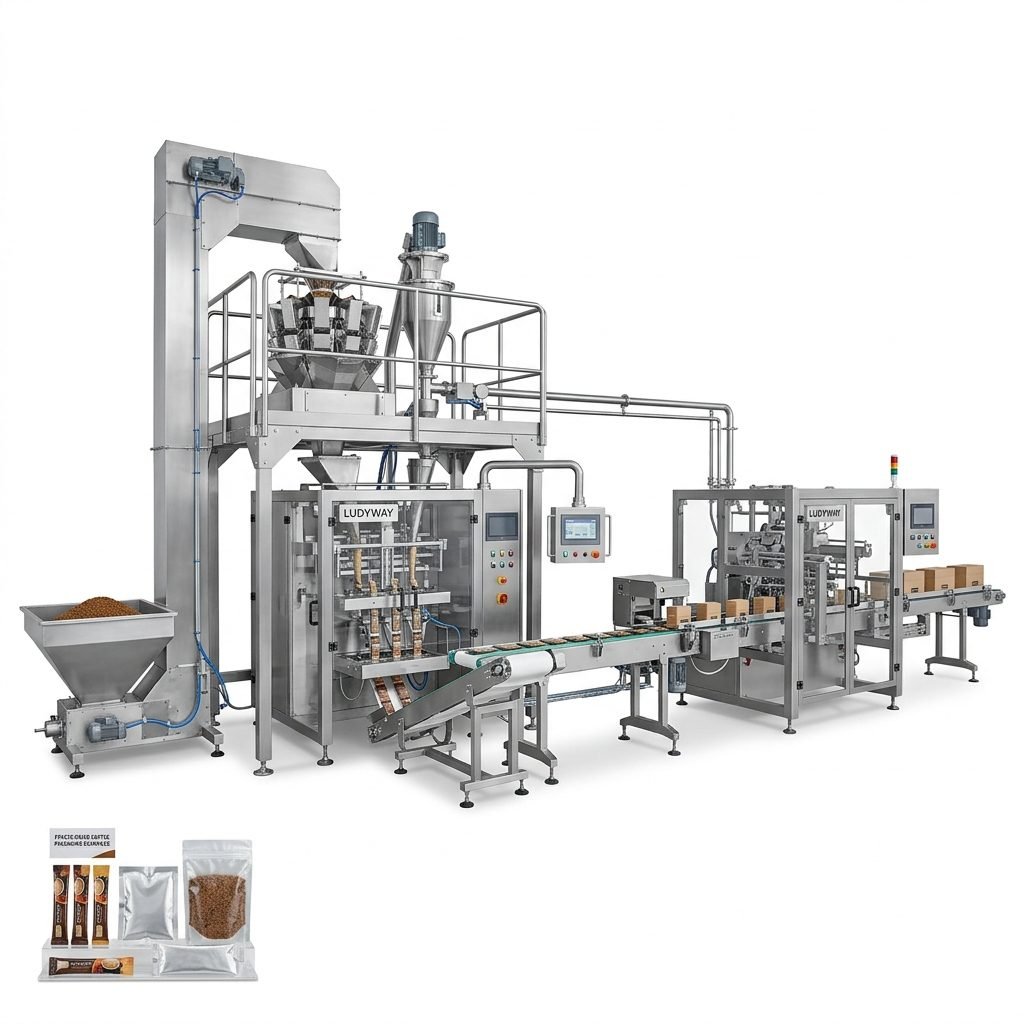
Choosing the right automation level depends on your production volume, labor costs, and space constraints. Italian SMEs in the food and cosmetics sectors often benefit from semi-automatic machines with scalable upgrade paths, while larger pharmaceutical and industrial manufacturers typically require fully automated turnkey lines.
Advantages of Fully Automated Packaging Lines
- Higher throughput — capable of producing hundreds of packs per minute
- Consistent quality — reduced human error and improved seal integrity
- Lower long-term labor costs — fewer operators required per shift
- Industry 4.0 integration — real-time monitoring, data collection, and predictive maintenance
- Serialization and track-and-trace — essential for pharmaceutical compliance in the EU
When Semi-Automatic Makes Sense
- Startup or small-batch production with limited initial capital
- Frequent product changeovers requiring manual flexibility
- Artisanal or premium products where hand-finished quality is part of the brand
- Facilities with limited floor space that cannot accommodate full conveyor integration
Evaluating Total Cost of Ownership and ROI
When budgeting for a packaging machine in Italy, look beyond the initial purchase price. Total Cost of Ownership (TCO) includes installation, operator training, energy consumption, maintenance, spare parts availability, and potential downtime costs. A machine with a slightly higher upfront cost but superior build quality and local technical support often delivers better ROI over its 10-15 year operational lifespan.
Key cost considerations include:
- Energy efficiency ratings — important given Italy’s relatively high industrial electricity costs
- Changeover speed — machines with quick-change tooling reduce downtime between product runs
- Spare parts availability in Europe — local warehousing significantly reduces lead times
- Training and documentation in Italian — ensures operators can maintain and troubleshoot effectively
- Warranty terms and service-level agreements — clarify coverage before purchase
Packaging Material Compatibility
The Italian market is rapidly transitioning toward sustainable and recyclable packaging materials. Your chosen machine must be compatible with the films and laminates you plan to use. Mono-material films, compostable bioplastics, and paper-based packaging are increasingly popular but may require specific sealing technologies, temperature controls, and forming mechanisms. The Flexible Packaging Association provides extensive resources on material trends that influence machinery selection.
Before finalizing your machine choice, test your target packaging materials on the equipment to verify seal strength, film tracking, and print registration quality. Italian consumers and retailers have high expectations for packaging aesthetics—wrinkled seals or misaligned graphics can damage brand perception in this design-conscious market.
Supplier Selection: What to Look For
Choosing the right packaging machine supplier is as important as choosing the machine itself. For Italian buyers, European service capability, CE-certified equipment, and industry-specific expertise should be non-negotiable criteria. Look for manufacturers with a proven track record in your specific product category, whether that’s coffee, olive oil, pasta, cosmetics, or pharmaceuticals.
Questions to Ask Potential Suppliers
- Do you have reference installations in Italy or the EU?
- Is your equipment CE marked with full technical documentation?
- What is the typical lead time for spare parts delivery to Italy?
- Can you provide on-site installation and operator training in Italian?
- Does the machine support remote diagnostics and tele-service?
- What flexible packaging materials have been validated on your equipment?
- Do you offer modular upgrades as production needs grow?
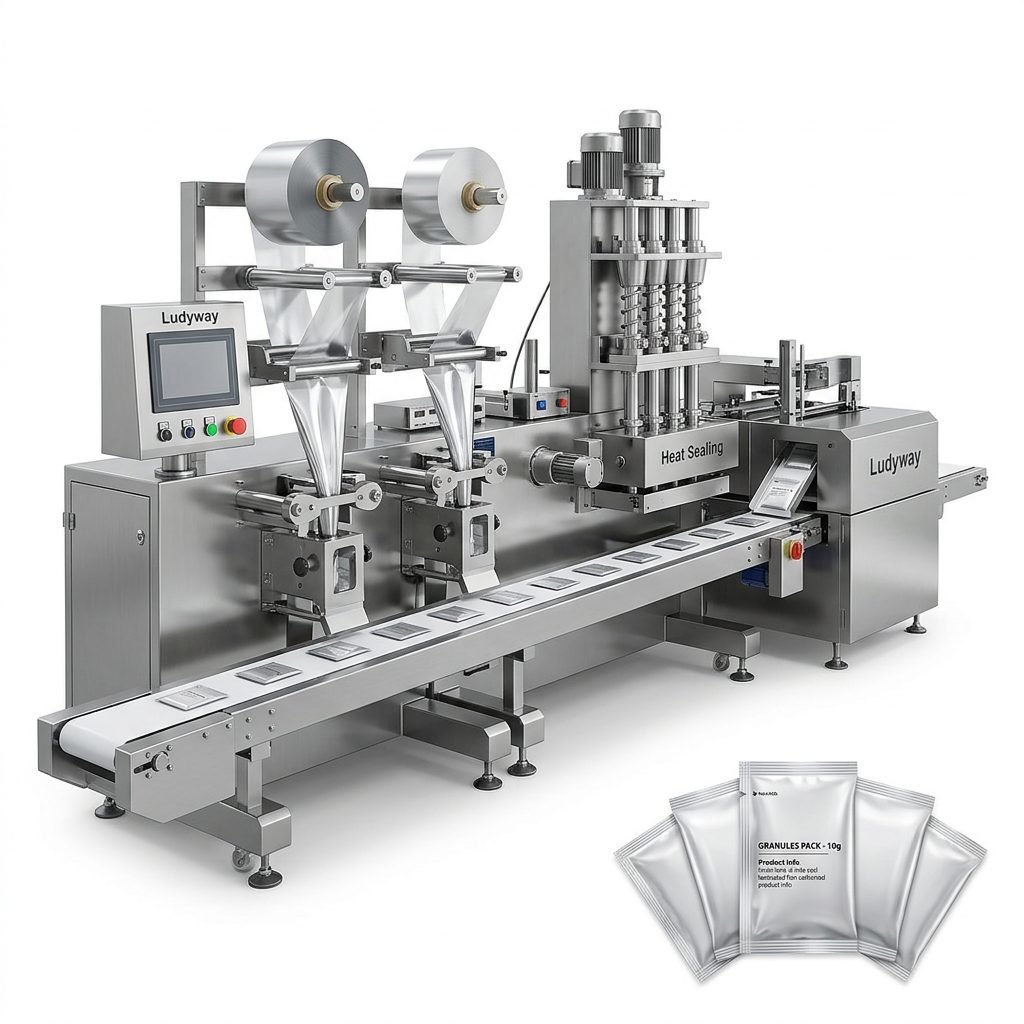
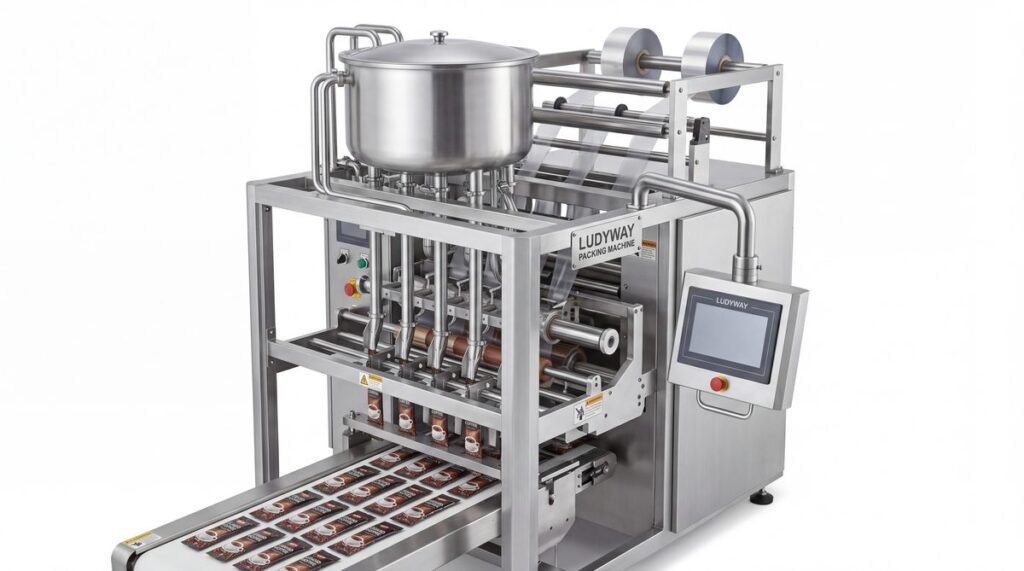
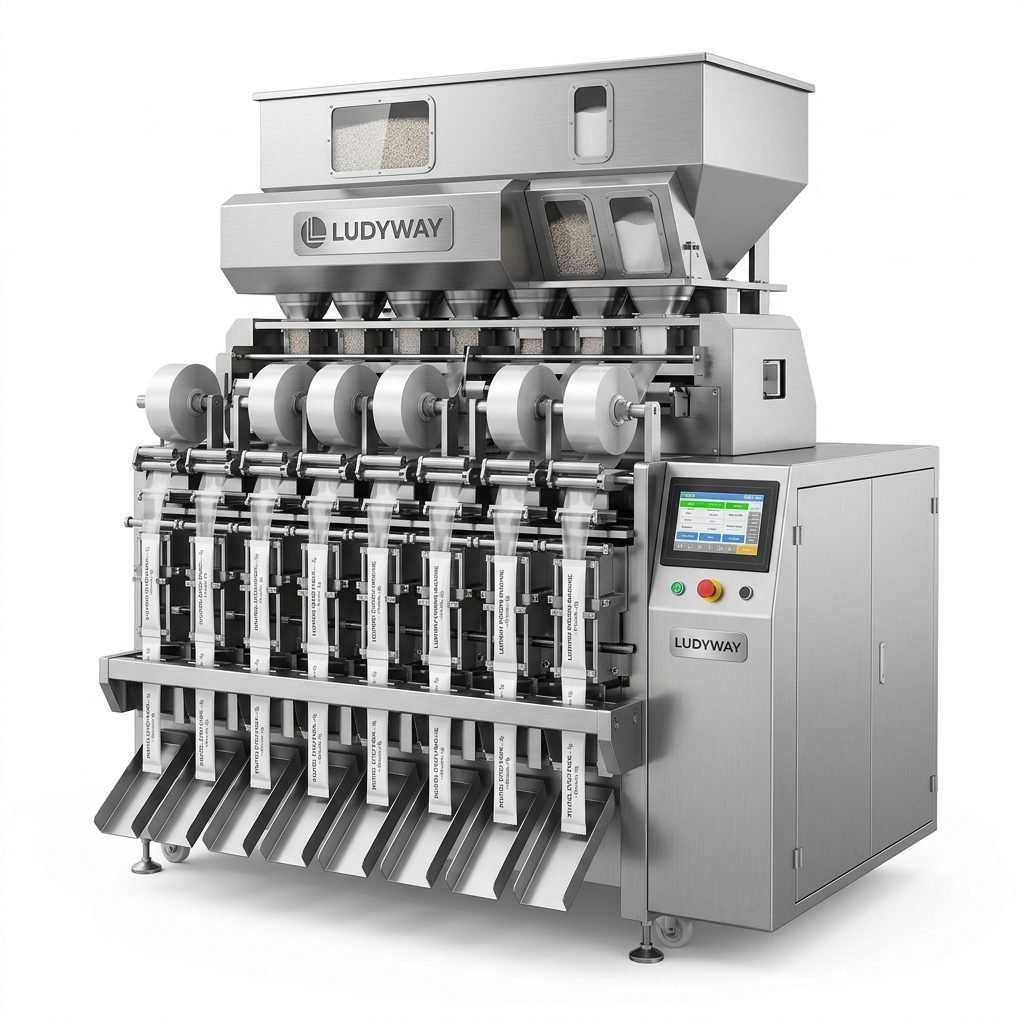
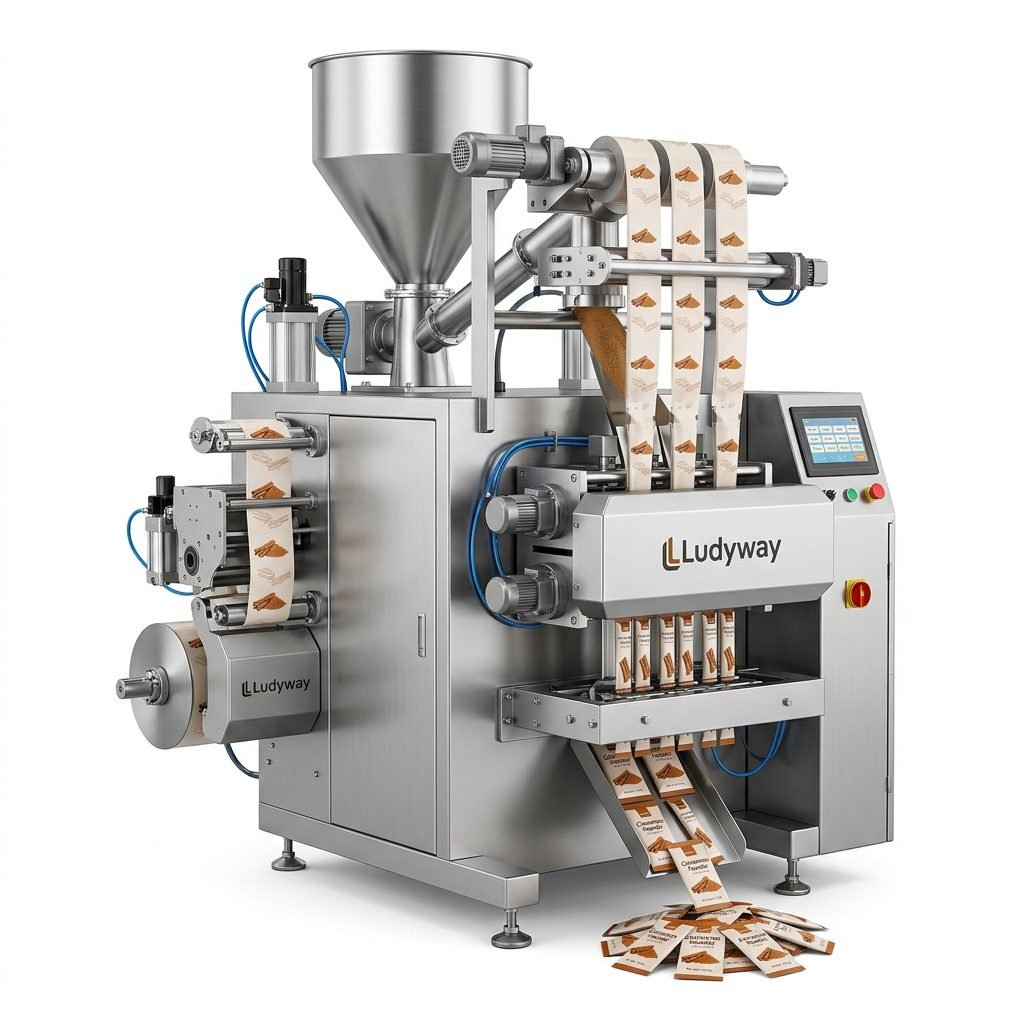
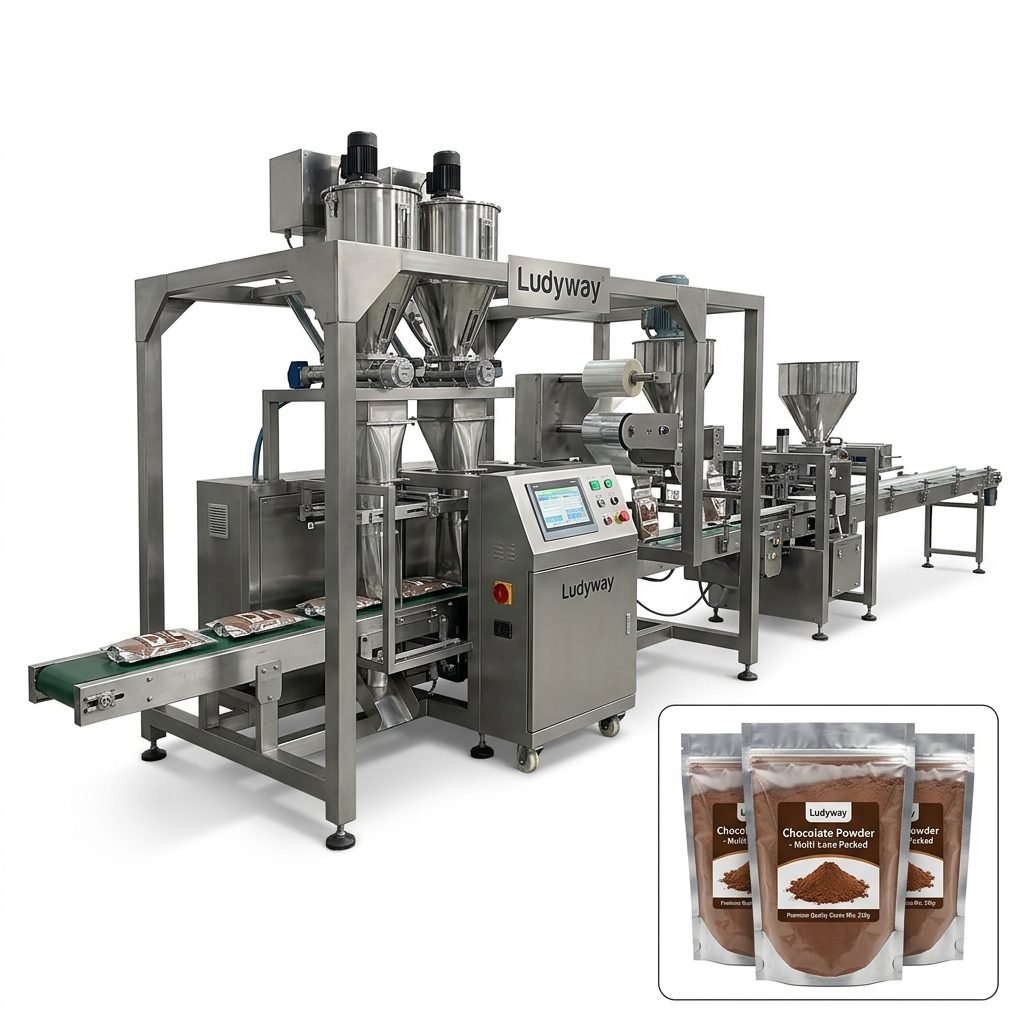
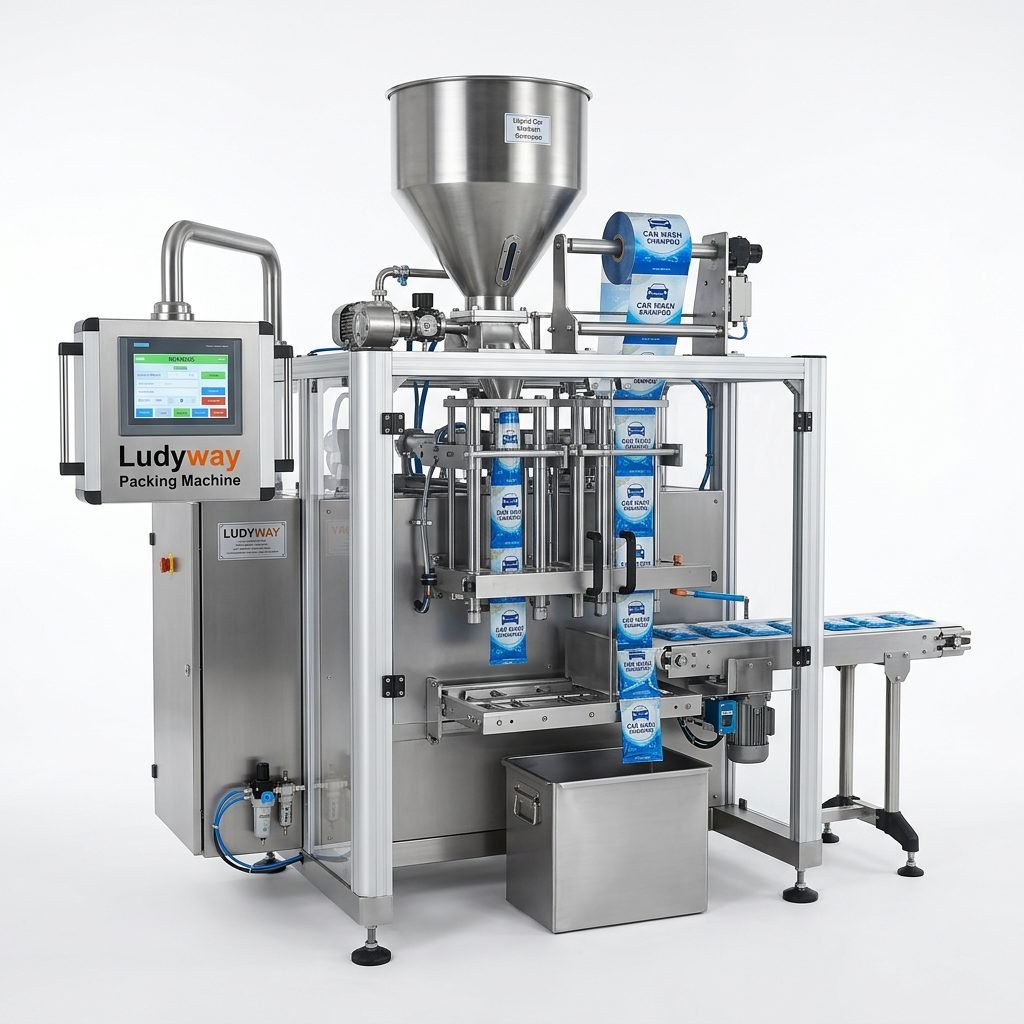
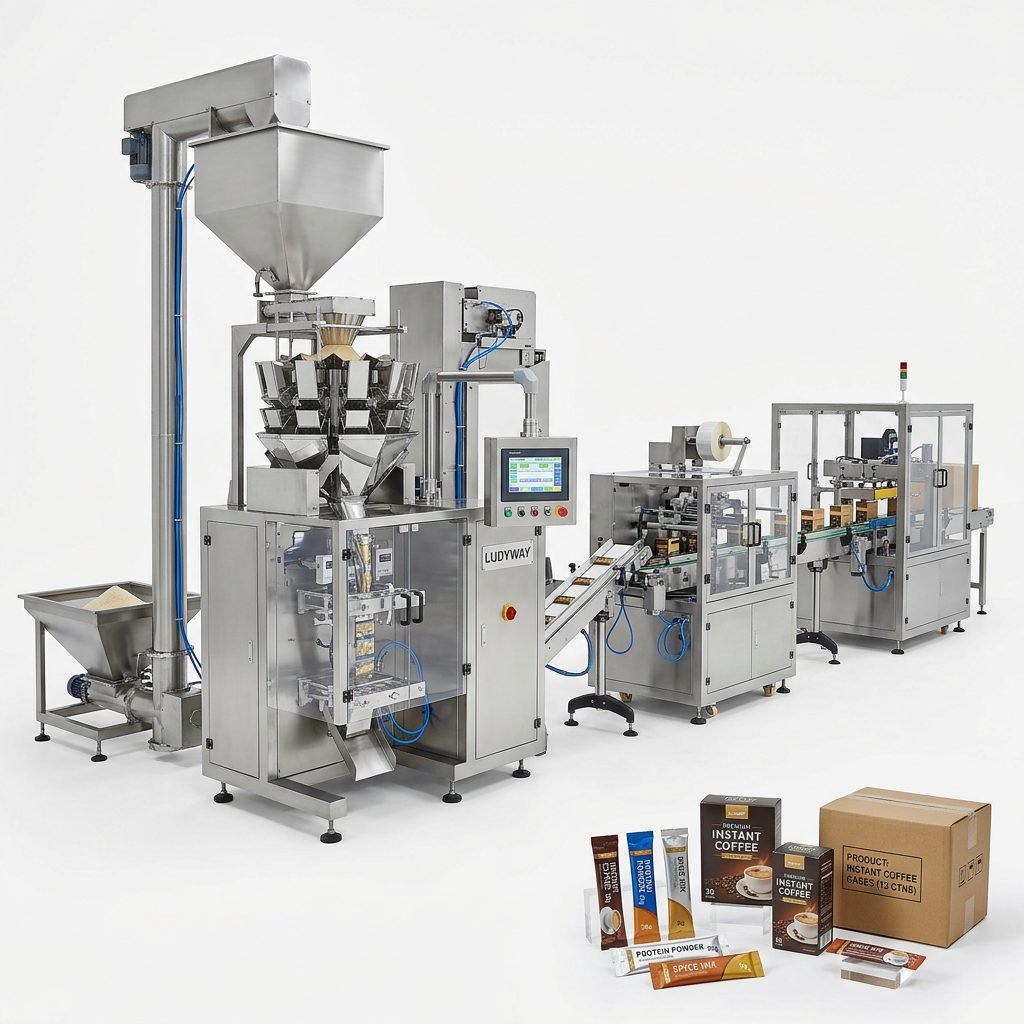
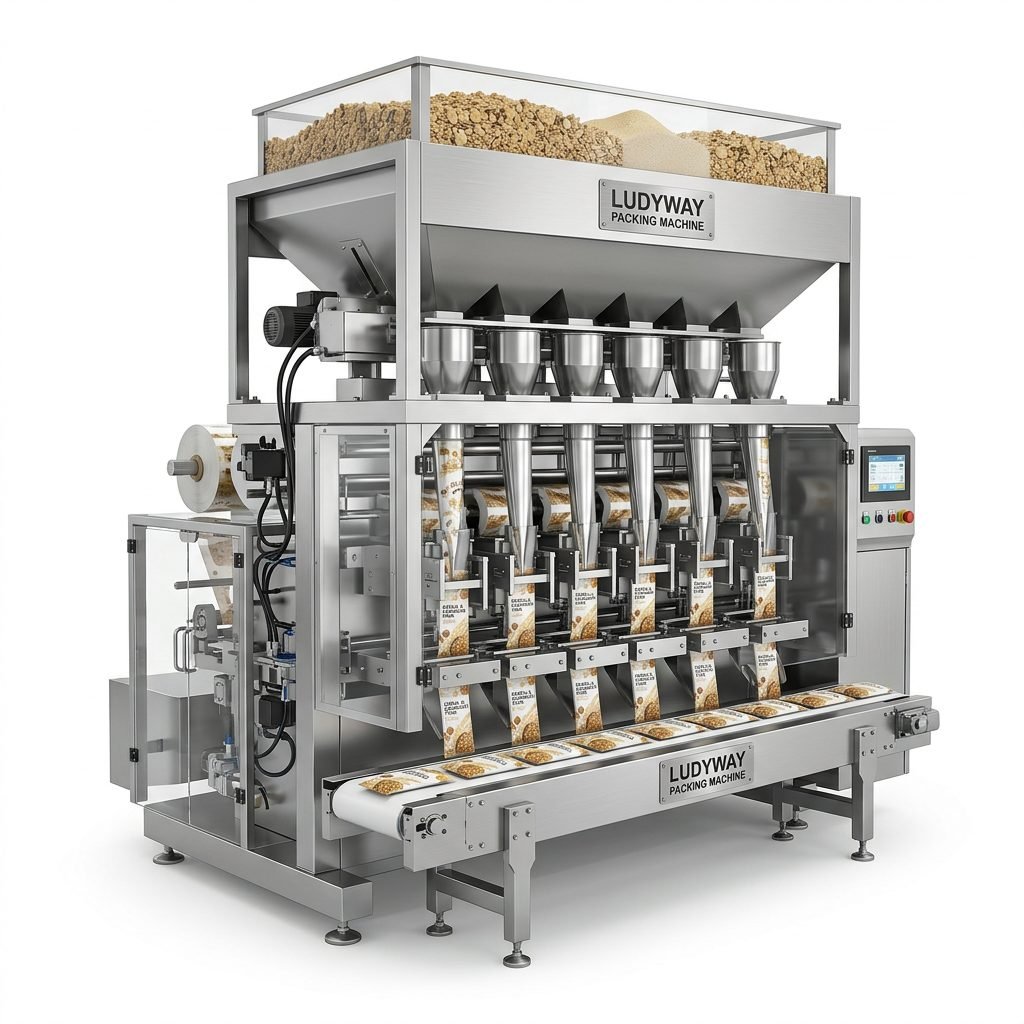
Manufacturers such as Ludyway—one of the largest packaging machine manufacturers in China with over 30 years of industry expertise—offer a comprehensive range of equipment suitable for the Italian and broader European market. With more than 50 intelligent packaging machine models, including multi-lane stick pack, sachet, and fully automated packaging systems, they serve customers in over 100 countries across food, pharmaceutical, and health industries. When evaluating international suppliers, verify their CE certification status and their ability to provide timely technical support within Europe.
Future-Proofing Your Investment
The Italian packaging industry is evolving rapidly, driven by digital transformation, sustainability mandates, and changing consumer preferences. When selecting equipment, consider its adaptability to future needs. Modular machine designs allow you to add lanes, upgrade filling systems, or integrate new packaging formats as your product portfolio expands. Smart packaging capabilities—such as QR code printing, serialization for traceability, and IoT-enabled performance monitoring—are becoming standard expectations in the European market.
For the latest market intelligence on packaging trends affecting European manufacturers, the PMMI 2026 State of the Industry Report offers valuable data-driven insights. Additionally, attending trade shows such as PACK EXPO International provides hands-on opportunities to evaluate machinery and connect with global suppliers.
Making the Final Decision
Selecting the right packaging machine for your Italian operation requires balancing technical specifications, regulatory compliance, total cost of ownership, and supplier reliability. Start by clearly defining your product characteristics and production goals, then evaluate machines that match your specific requirements. Request sample packaging trials using your actual products and materials, and if possible, visit reference installations to see equipment performance in real production environments.
Invest time in understanding the regulatory framework that applies to your product category, and ensure your chosen machine and supplier can provide the necessary documentation for Italian and EU compliance. With careful evaluation and the right partner, your packaging investment will support long-term growth, brand quality, and operational efficiency in one of Europe’s most dynamic manufacturing markets.
Quick Reference Checklist
| Selection Criterion | Key Questions |
|---|---|
| Product Compatibility | Does the machine handle your product’s viscosity, particle size, and flow characteristics? |
| Output Capacity | Can the machine meet current demand with room for 30-50% growth? |
| EU/Italian Compliance | Is CE certification available? Does it meet Italian CONAI requirements? |
| Material Flexibility | Is the machine compatible with sustainable films and future material innovations? |
| Service & Support | What is the response time for technical support and spare parts in Italy? |
| Total Cost of Ownership | Have you calculated energy, maintenance, and downtime costs over 5-10 years? |
By thoroughly evaluating each of these factors and working with reputable equipment manufacturers, Italian producers can identify the packaging machine that best aligns with their operational goals, product quality standards, and long-term business strategy.