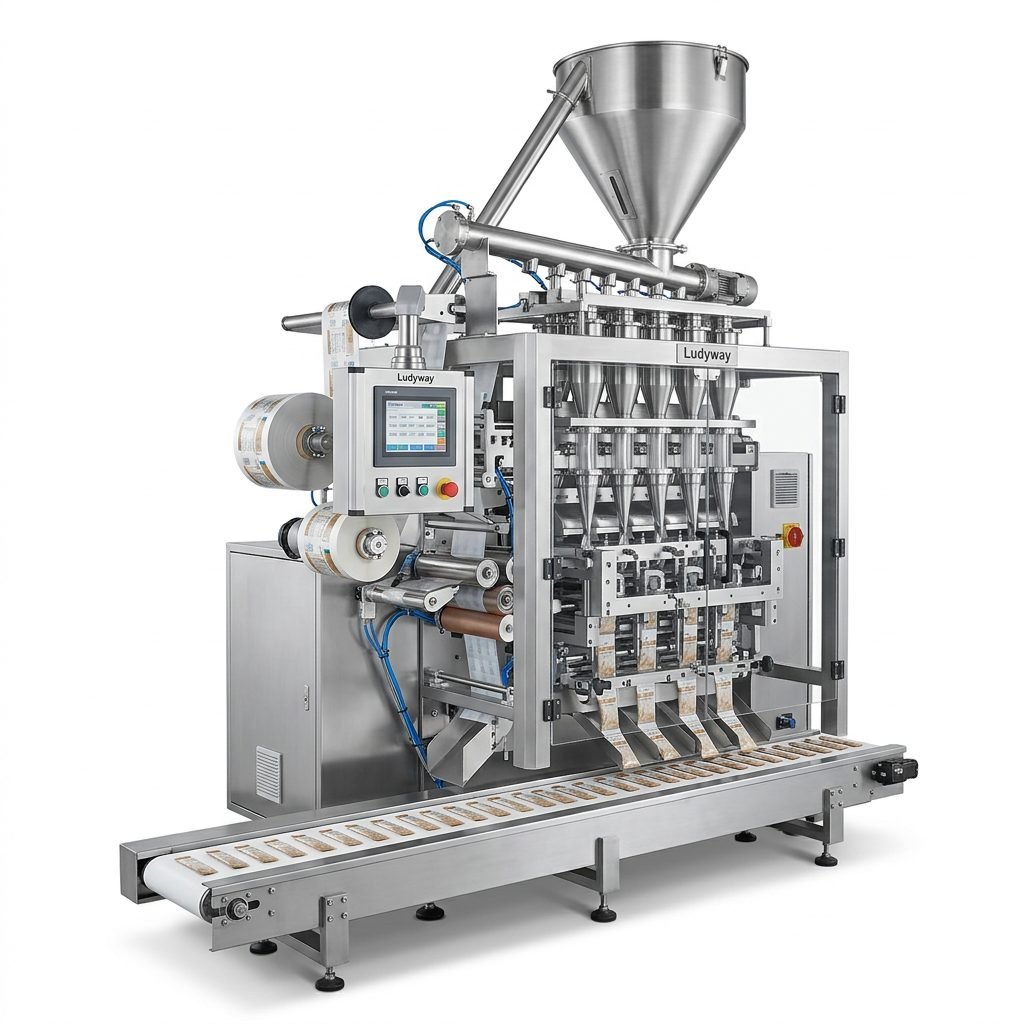
这是为您生成的一篇关于如何选择旋转式小袋包装机的完整英文买家指南文章,HTML代码已按谷歌SEO要求进行了结构化排版,内容涵盖了从设备优势、选型关键因素到供应商评估等多个层面,并添加了图片与内链以提升内容价值。
Investing in a rotary pouch packing machine is a strategic decision that directly impacts production efficiency, product quality, and long-term operational costs. Unlike intermittent motion systems, rotary machines offer continuous motion filling and sealing, making them ideal for high-speed applications where consistency and throughput are non-negotiable. This guide walks you through the essential factors to evaluate before making a purchase, helping you select equipment that aligns with your specific packaging requirements, product characteristics, and production goals.

Understanding Rotary Pouch Packing Technology
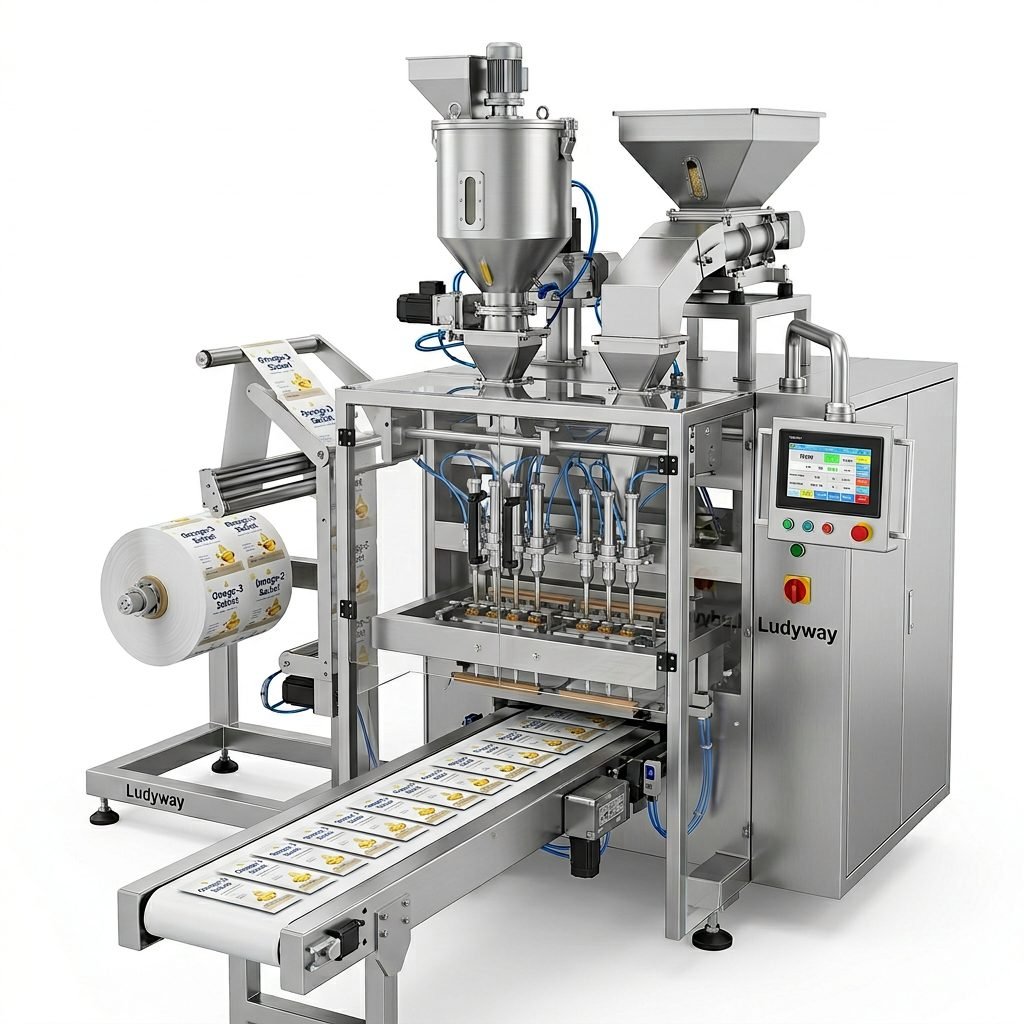
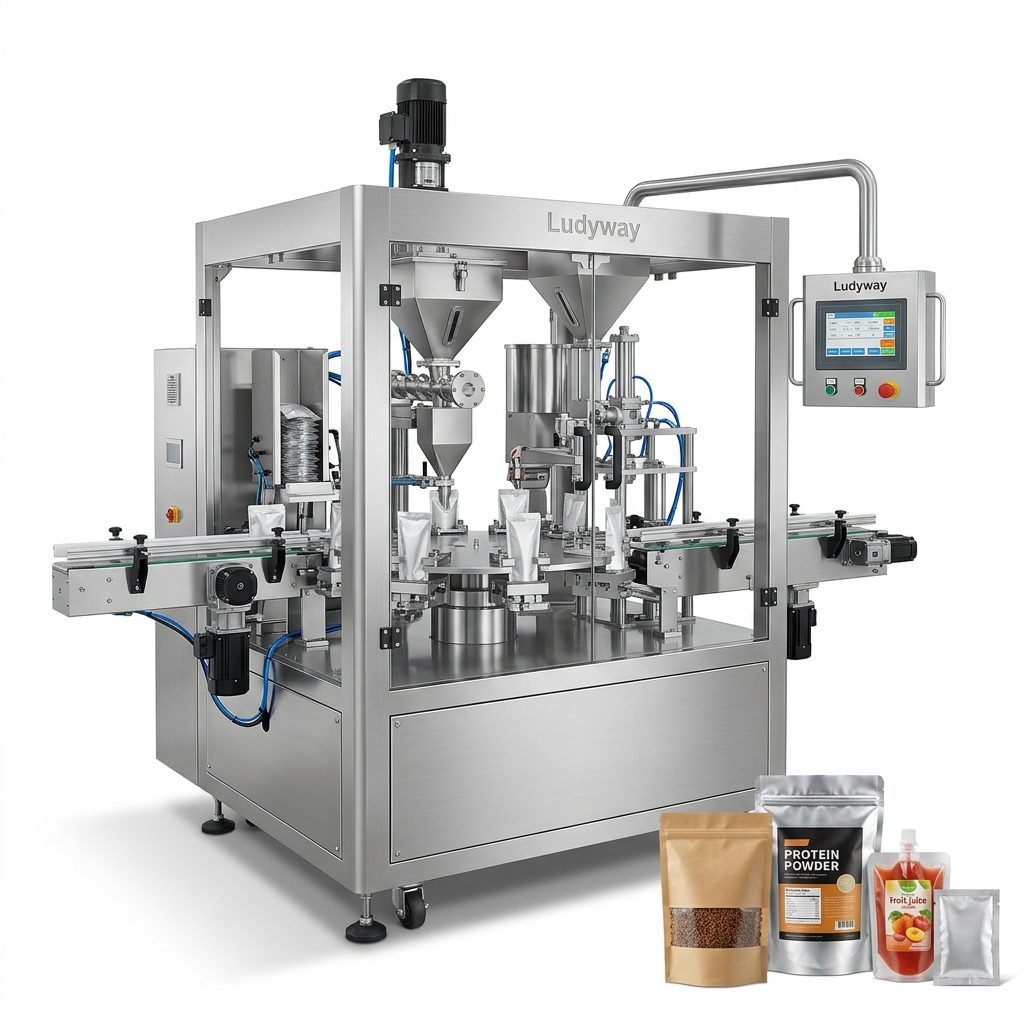
A rotary pouch packaging machine operates on a continuously rotating carousel system where multiple stations perform synchronized operations—pouch opening, filling, sealing, and discharge—simultaneously. This design fundamentally differs from linear systems by eliminating start-stop motion, which significantly increases output capacity while reducing mechanical stress on components. According to industry data from the PMMI Business Intelligence Library, rotary systems can achieve up to 30-40% higher throughput compared to traditional intermittent machines in comparable applications.
Modern rotary pouch filling equipment is engineered to handle premade pouches with various formats including stand-up pouches, flat pouches, zipper pouches, and spouted pouches. The Flexible Packaging Association reports that premade pouch formats continue to gain market share across food, pharmaceutical, and personal care sectors due to consumer convenience and extended shelf-life properties.
Key Advantages That Drive ROI
- Continuous high-speed operation – Rotary carousel design enables sustained production speeds of 40-120+ pouches per minute depending on configuration
- Superior filling accuracy – Multi-station indexing allows precise dosing with servo-driven auger fillers, liquid pumps, or multi-head weighers
- Reduced product waste – Optimized pouch handling minimizes spillage and seal defects, critical for high-value products
- Flexible format compatibility – Quick-change tooling enables switching between different pouch sizes and styles with minimal downtime
- Integrated quality control – Modern systems incorporate vision inspection, seal integrity testing, and checkweighing within the rotary platform
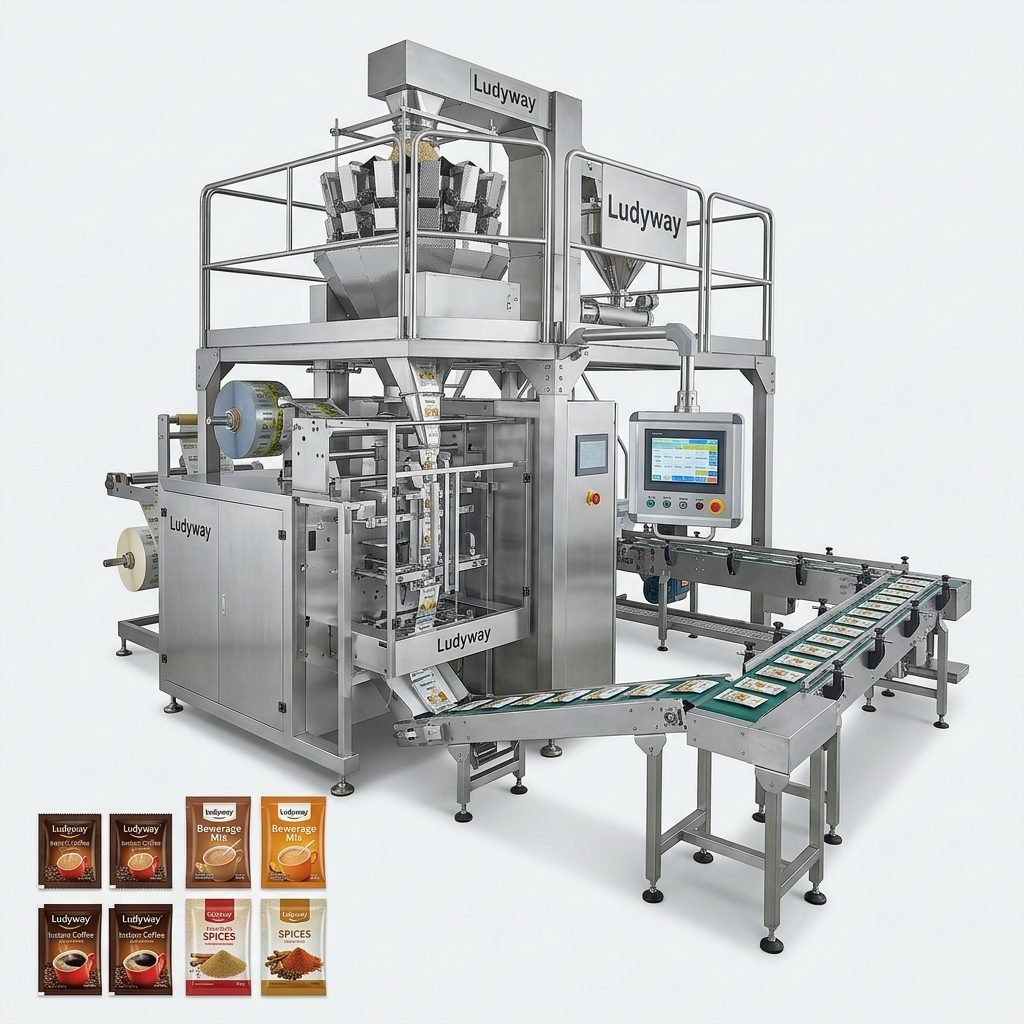
Critical Factors to Evaluate Before Purchase
1. Product Characteristics and Flow Properties
Your product’s physical properties—particle size, bulk density, flowability, moisture sensitivity, and temperature requirements—directly determine the appropriate dosing system and machine configuration. Free-flowing granules behave very differently from cohesive powders or sticky liquids. The ISO Packaging Standards provide useful frameworks for evaluating material compatibility with packaging equipment. Conduct thorough product trials before finalizing machine specifications to validate filling accuracy and seal integrity under production-like conditions.
2. Pouch Specifications and Material Compatibility
Rotary pouch packing machines must be configured for your specific pouch dimensions, material structure, and closure type. Consider the following variables carefully:
- Pouch width, height, and gusset dimensions
- Film laminate structure (PET/AL/PE, kraft paper, biodegradable materials)
- Closure type: standard heat seal, zipper, slider, or spout
- Barrier properties required for oxygen, moisture, or light protection
- Sustainability requirements including recyclable or compostable material compatibility
3. Production Speed and Scalability
Define your current and projected capacity needs clearly. A rotary pouch filling machine represents a significant capital investment, and undersizing equipment can create costly bottlenecks. Calculate required output rates not just for today’s volumes but for anticipated growth over 3-5 years. Multi-lane rotary configurations can dramatically increase throughput, with some systems achieving over 400 pouches per minute in optimized applications. Resources from the PMMI State of the Industry Reports provide valuable benchmarking data on packaging line productivity trends across sectors.
Technical Specifications Comparison
| Specification Parameter | Entry-Level Rotary | Mid-Range Rotary | High-Speed Rotary |
|---|---|---|---|
| Typical Speed Range | 30-60 pouches/min | 60-100 pouches/min | 100-400+ pouches/min |
| Number of Stations | 6-8 stations | 8-12 stations | 12-20+ stations |
| Pouch Format Flexibility | Limited (1-2 formats) | Moderate (3-5 formats) | High (5+ formats with quick change) |
| Filling Accuracy | ±1-2% | ±0.5-1% | ±0.2-0.5% |
| Automation Level | Semi-automatic | Fully automatic | Fully automatic with inline QC |
Industry-Specific Application Considerations
Different industries impose distinct requirements on rotary pouch packaging equipment. Selecting a machine designed for your sector’s regulatory and operational environment is critical for long-term compliance and performance.
Food and Beverage
Food-grade construction, washdown capability, and compatibility with modified atmosphere packaging (MAP) or nitrogen flushing are essential. Products ranging from granola and coffee to sauces and ready-to-eat meals demand hygienic design that meets FDA Food Packaging Regulations. CIP (Clean-in-Place) capable systems reduce sanitation downtime significantly.
Pharmaceuticals and Nutraceuticals
Precision dosing, serialization capability, and 21 CFR Part 11 compliance for electronic records are non-negotiable requirements. Rotary machines serving this sector must provide validated processes with comprehensive documentation packages. Reference the ISO 11607 Packaging Standards for terminally sterilized medical devices and related packaging validation requirements.
Cosmetics and Personal Care
Flexibility to handle diverse formulations—from thin serums to viscous creams—with rapid changeover capability is paramount. Multi-lane rotary configurations are particularly valuable for high-volume sample sachet production. Aesthetic seal quality and precise fill volumes directly impact brand perception.
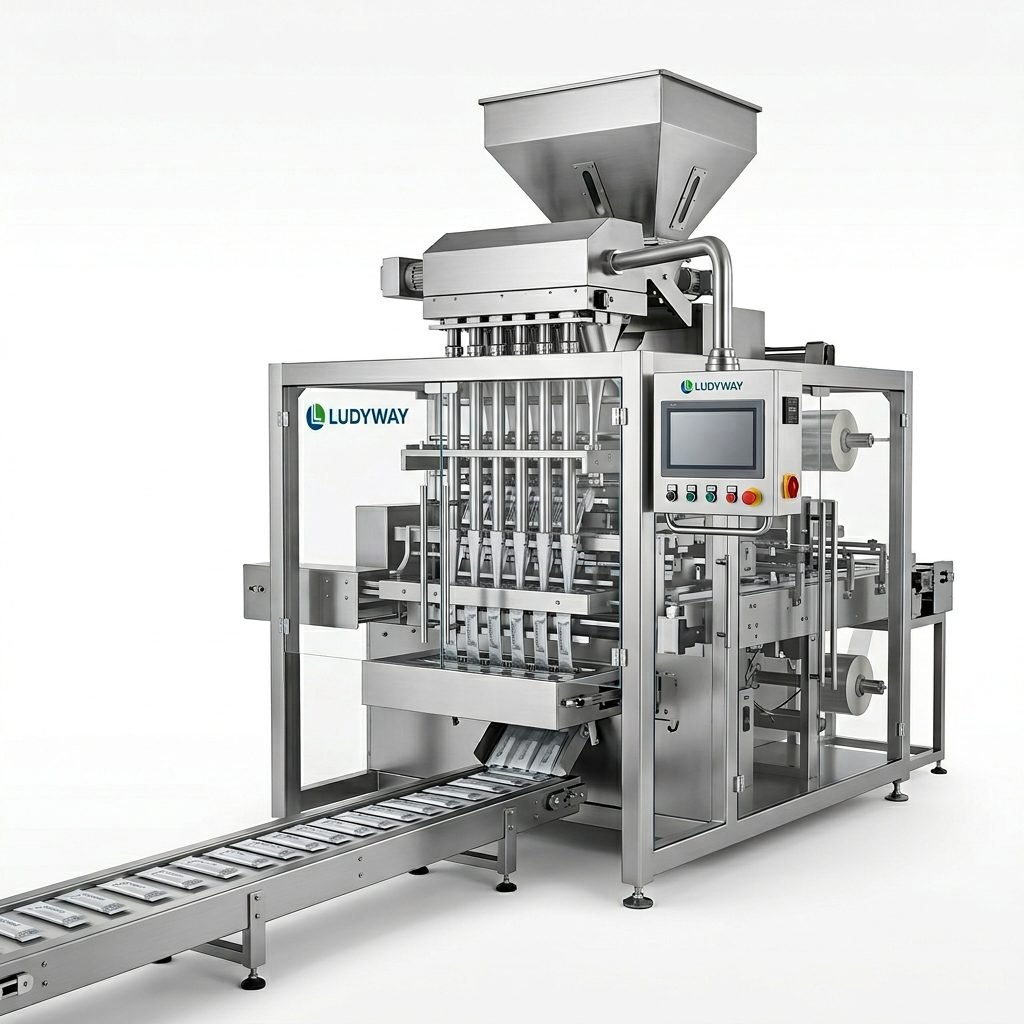
Assessing Machine Build Quality and Compliance
Build quality directly correlates with equipment longevity, reliability, and total cost of ownership. When evaluating a rotary pouch packing machine, examine the following aspects closely:
- Frame construction – Heavy-duty stainless steel or anodized aluminum with vibration-dampening design
- Motion control components – Brand-name servo motors, drives, and PLC systems from established industrial automation suppliers
- Sealing technology – Precision temperature control with multi-zone heating and real-time monitoring
- Safety features – CE marking, emergency stop systems, safety interlocks, and guarding per international standards
- Documentation – Comprehensive manuals, electrical schematics, spare parts lists, and maintenance schedules
The PMMI Packaging Machinery Standards and Regulations resource provides guidance on applicable safety and performance standards for packaging equipment deployed in North American and international markets.
Questions to Ask Potential Suppliers
Engaging suppliers with structured, detailed inquiries helps differentiate between equipment that meets specifications on paper and machinery that delivers consistent performance in production. Consider these essential questions:
- Can you provide validated performance data for products similar to ours, including OEE metrics and downtime statistics?
- What is the typical lead time for machine delivery, installation, and commissioning?
- How is after-sales support structured — do you offer remote diagnostics, on-site service, and spare parts stocking programs?
- What training programs do you provide for operators and maintenance personnel?
- Can the machine be upgraded with additional stations or automation features as production needs evolve?
- What certifications and compliance documentation are available for regulatory submissions?
Total Cost of Ownership Beyond the Purchase Price
The initial capital expenditure is only one component of the total investment in a rotary pouch filling and sealing system. A thorough financial analysis should account for:
| Cost Category | Typical Share of TCO | Key Considerations |
|---|---|---|
| Equipment Purchase | 40-55% | Includes base machine, dosing systems, conveyors |
| Installation & Commissioning | 8-15% | Site preparation, utilities, validation runs |
| Spare Parts & Maintenance | 15-25% over 5 years | Wear components, seals, belts, preventive maintenance |
| Consumables | 10-20% annually | Pouch material waste rates, lubricants, cleaning agents |
| Operator Training & Labor | Ongoing | Skill level requirements, shift coverage, supervision |
Investing in higher-quality equipment with better support infrastructure often yields lower total cost of ownership despite a higher initial purchase price, as downtime costs in high-speed packaging lines can quickly exceed equipment savings.
The Value of Working with an Experienced Packaging Partner
Selecting the right rotary pouch packing machine goes beyond evaluating technical specifications—it requires partnering with a manufacturer that understands your industry, product characteristics, and production environment. An experienced packaging machinery supplier brings engineering expertise, application knowledge, and ongoing technical support that directly impacts project success. Companies like Ludyway Machinery, with over 30 years of packaging industry experience and more than 50 machine models, provide customized packaging solutions tailored to specific product and production requirements rather than relying solely on standardized equipment configurations.
When evaluating potential partners, prioritize those offering comprehensive support throughout the project lifecycle: from initial product testing and machine configuration through installation, commissioning, operator training, and long-term after-sales service. This integrated approach minimizes implementation risk and accelerates time-to-production for your new packaging line.
Additional Resources for Informed Decision-Making
Staying current with industry trends, technical standards, and best practices strengthens your purchasing decision. We recommend exploring these authoritative sources:
- PMMI – The Association for Packaging and Processing Technologies – Industry intelligence, events, and networking
- Flexible Packaging Association – Flexible packaging market data and regulatory updates
- PACK EXPO International – Leading trade event for packaging equipment evaluation
- European Commission – Packaging and Packaging Waste Regulation – Sustainability and circular economy requirements
- ISO – Packaging and Distribution Standards – International standards for packaging systems
Conclusion: A rotary pouch packing machine is a cornerstone investment for manufacturers seeking high-speed, reliable, and flexible pouch packaging capability. By systematically evaluating product requirements, machine specifications, build quality, supplier support, and total cost of ownership, you can select equipment that delivers consistent value over its operational lifetime. Take the time to conduct product trials, visit manufacturing facilities when possible, and engage suppliers with detailed technical inquiries—the due diligence invested during the selection process pays dividends in production performance for years to come.