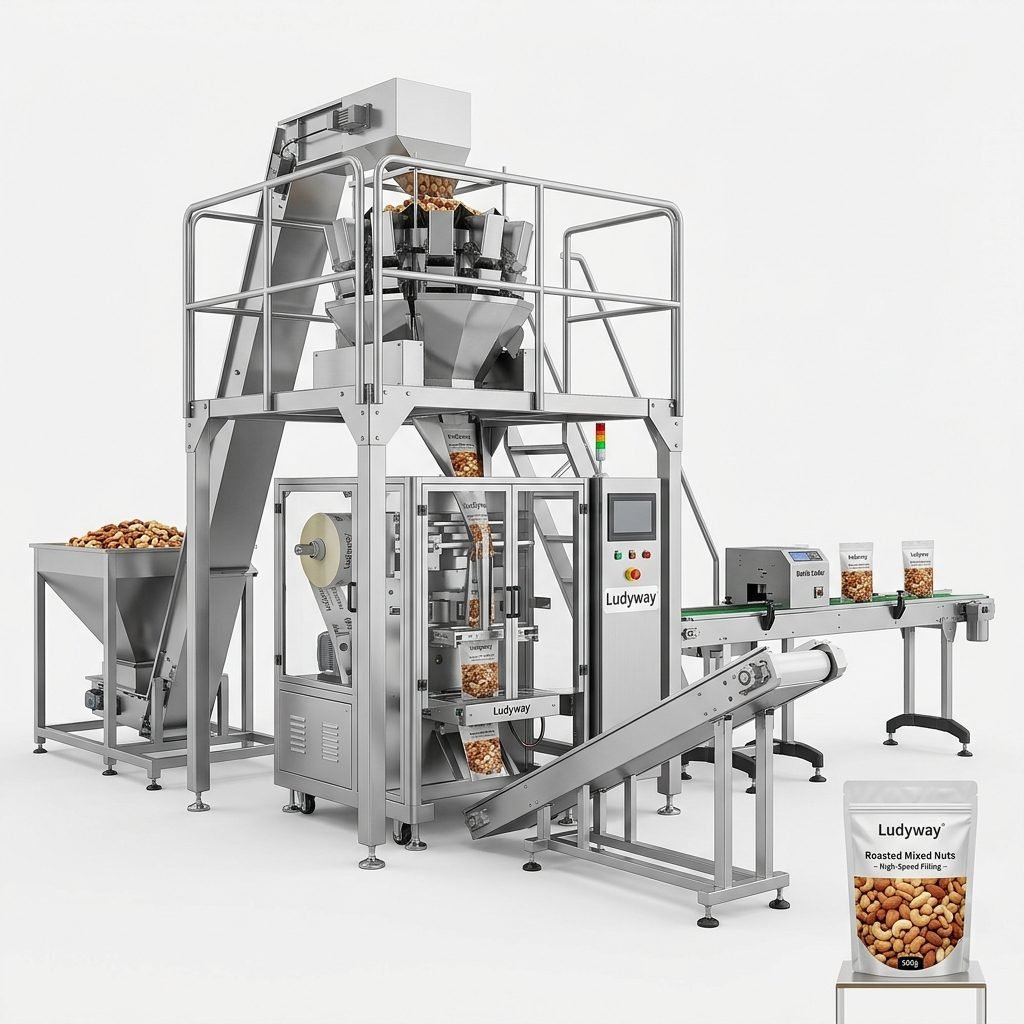
Investing in a paper cup packing machine is a strategic decision that directly impacts your production efficiency, product quality, and long-term operational costs. For manufacturers in the food and beverage, dairy, and food-service industries, the right machine ensures consistent output while minimizing material waste and labor dependency. Understanding how to evaluate different models, technologies, and suppliers is the first step toward securing equipment that aligns with both your current production goals and future growth plans.
Defining Your Paper Cup Specifications
Before comparing equipment, you need to precisely define the cup types your line will handle. Cup size range is the most critical parameter — some machines are optimized for small espresso cups (2–4 oz), while others accommodate large fountain drink cups (32 oz and above). Cup shape also matters: conical cups, double-wall cups, and ripple-wrap cups often require different forming and handling mechanisms. Additionally, consider whether your production will involve flexible packaging for pre-formed cups versus in-line forming from flat blanks.
Key specification variables to document:
- Volume range (in ounces or milliliters)
- Top and bottom diameter measurements
- Cup wall type — single-wall, double-wall, or triple-wall insulated
- Rim design (rolled rim, straight wall, or specialty shapes)
- Printing or decoration requirements (pre-printed cups vs. inline printing)
Production Volume and Speed Requirements
Your target output has a direct influence on machine selection. Entry-level semi-automatic machines may process 40–60 cups per minute, while fully automatic high-speed lines can reach 150–250 cups per minute or more. Match the rated machine speed to your peak demand, not your average production, to avoid bottlenecks during busy periods. Machine specifications often list maximum mechanical speed, but sustainable operating speed typically runs at 80–85% of that figure.
Material Compatibility and Sustainability
Paper cup materials have evolved significantly in response to environmental regulations and consumer preferences. Your machine must be compatible with the specific substrate you plan to run. Coated papers (PE, PLA, or water-based coatings) behave differently during heat-sealing and forming. Aqueous-coated boards, increasingly used for recyclable and compostable cups, require precise temperature control to ensure proper food-safe sealing without delamination.
| Material Type | Typical Coating | Recyclability | Machine Considerations |
|---|---|---|---|
| Single PE-Coated Board | Polyethylene (10–15 gsm) | Limited; requires specialized recycling streams | Standard heat-seal profiles; most common configuration |
| Double PE-Coated Board | PE both sides | Limited | Higher sealing temperatures; moisture-resistant seams |
| PLA-Coated Board | Polylactic acid (bioplastic) | Industrially compostable | Narrower heat-seal window; requires precise temperature control |
| Water-Based Aqueous Coating | Acrylic or dispersion coating | Repulpable; mainstream recyclable | Emerging technology; specialized sealing parameters |
| Uncoated Board (with post-treatment) | None or minimal | Fully recyclable | May require alternative barrier technologies or overwrapping |
Sealing Technology Options
Two primary sealing methods dominate paper cup manufacturing. Ultrasonic sealing uses high-frequency vibrations to bond cup side seams without additional adhesives, delivering strong, clean seals particularly suited for PLA and aqueous-coated cups. Hot-air or flame sealing remains widely used for PE-coated cups and offers reliable performance at high speeds. Evaluate which technology aligns with your material roadmap — especially if regulatory trends in your market are moving toward packaging waste reduction targets that favor repulpable solutions.
Automation and Integration Level
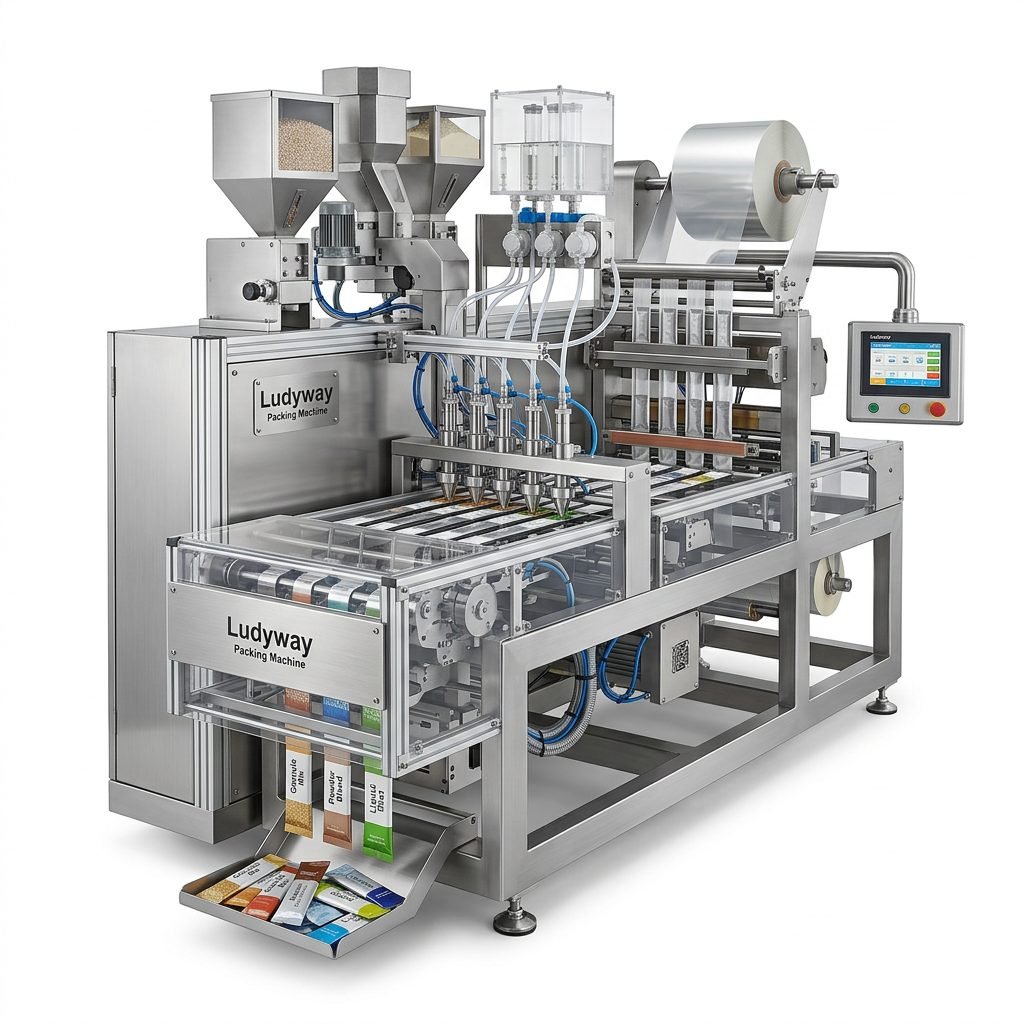
The level of automation you choose affects not just upfront cost, but also labor requirements, changeover time, and overall equipment effectiveness (OEE). Paper cup packing machines range from standalone manual-feed units to fully integrated lines that handle cup forming, counting, stacking, bagging, and cartoning in one continuous process.
- Semi-automatic machines: Require operator assistance for cup loading or unloading. Suitable for lower-volume or specialty production.
- Fully automatic inline systems: Receive cups directly from forming machines, count and stack them, and feed them into packaging stations without manual intervention.
- Integrated turnkey solutions: Combine cup forming, packing, overwrapping, cartoning, and palletizing into a single controlled system. These lines offer the highest throughput and consistency for large-scale manufacturers.
Machine Footprint and Facility Requirements
Floor space is often a hidden constraint that shapes equipment decisions. Measure your available production area carefully and account for operator access, maintenance clearance, and material staging zones. Some high-speed cup packing machines require additional infrastructure — compressed air lines, dedicated power supply, dust extraction, or climate-controlled environments. Discuss utility specifications with potential suppliers early to avoid unexpected installation costs or facility modifications.
Consider also how the machine interfaces with upstream and downstream equipment. A poorly planned layout can create material flow inefficiencies that diminish the productivity gains you expect from a new machine. Working with a supplier that offers engineering and system integration support helps ensure your new equipment fits seamlessly into your existing production environment.
Quality Standards and Certifications
Paper cups destined for food contact applications must comply with ISO packaging standards and various national and regional food safety regulations. Look for machines that are built with food-grade materials at all product-contact points and that support hygienic manufacturing practices. In regulated markets, equipment should also align with GMP (Good Manufacturing Practice) guidelines and facilitate sanitation and cleaning protocols.
| Standard / Regulation | Region | Key Requirement | Machine Impact |
|---|---|---|---|
| FDA 21 CFR 176 | United States | Indirect food additives in paper and paperboard | Material compatibility documentation; sealing process validation |
| EU Framework Regulation (EC) No 1935/2004 | European Union | Materials and articles intended to come into contact with food | Traceability; declaration of compliance for materials used |
| ISO 22000 | Global | Food safety management systems | Machine design supporting hygiene and HACCP principles |
| BRCGS Packaging Materials | Global | Packaging quality and safety certification | Process control; quality management integration |
Selecting the Right Manufacturing Partner
Beyond machine specifications, the manufacturer you choose plays a decisive role in the long-term success of your investment. Evaluate suppliers based on their experience in paper cup packaging specifically, not just general packaging machinery. A partner with deep domain expertise can guide you on material handling nuances, tooling configuration, and process optimization that generalists cannot match.
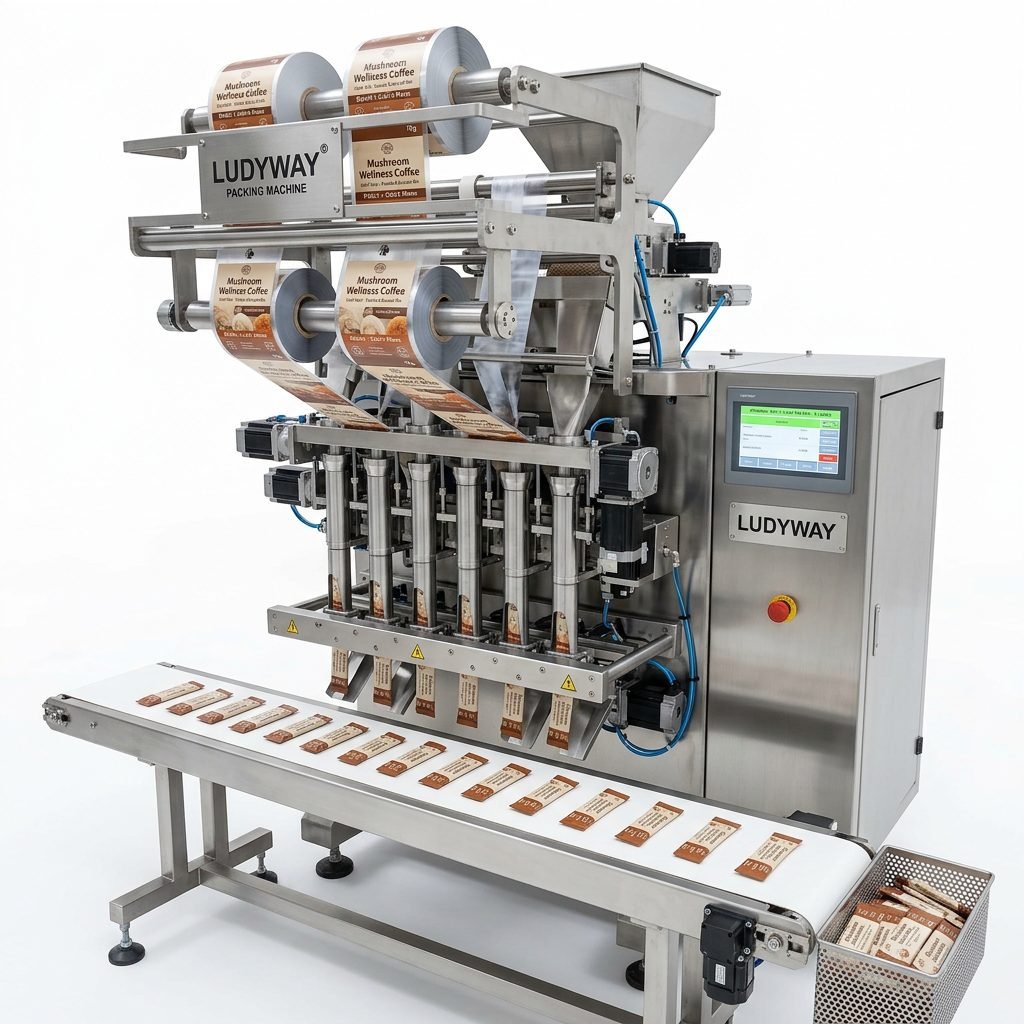
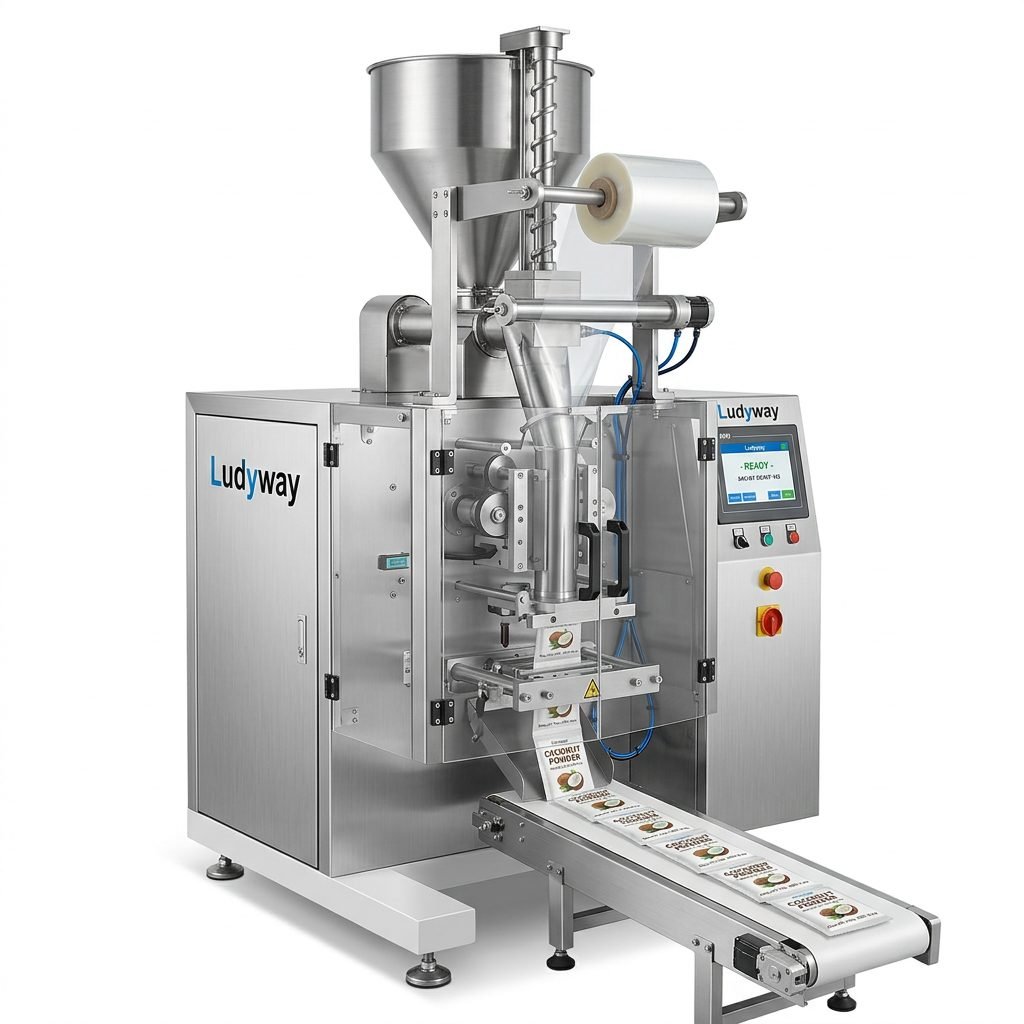
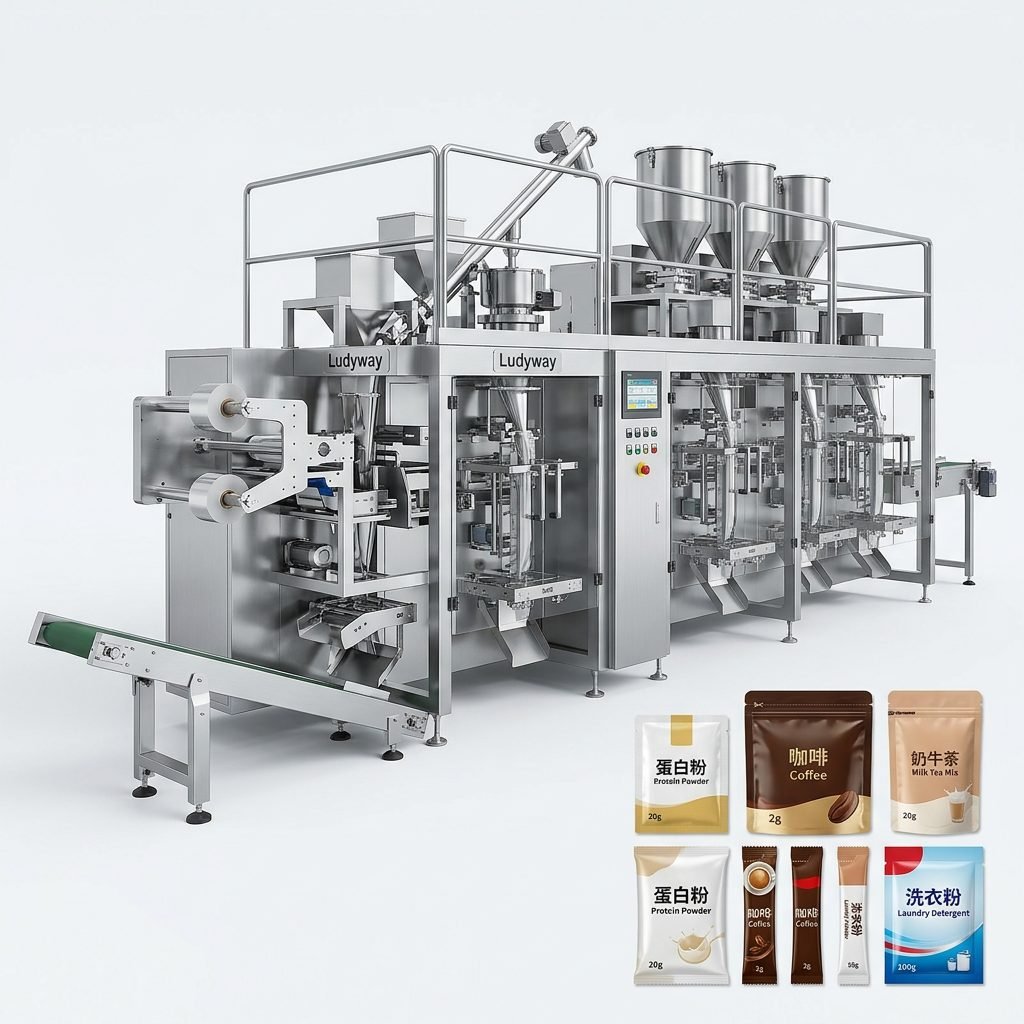
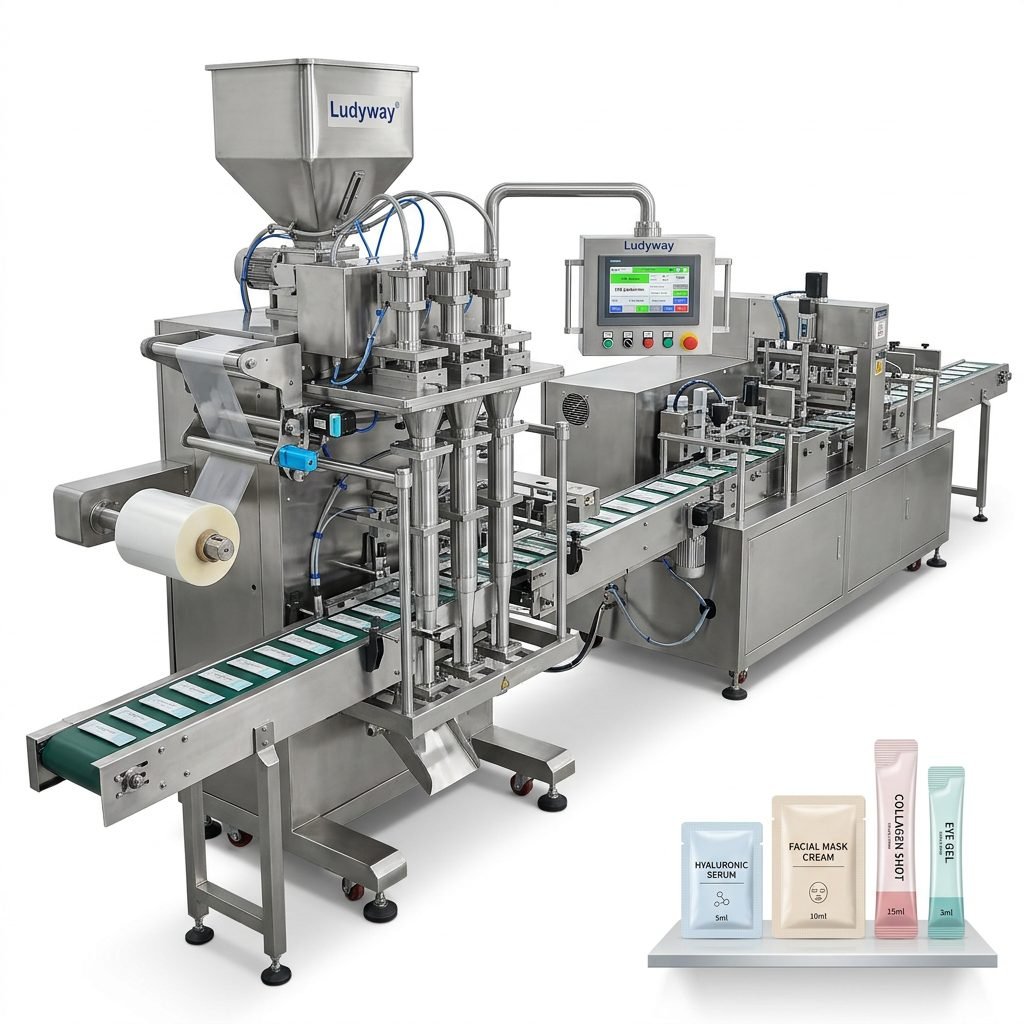
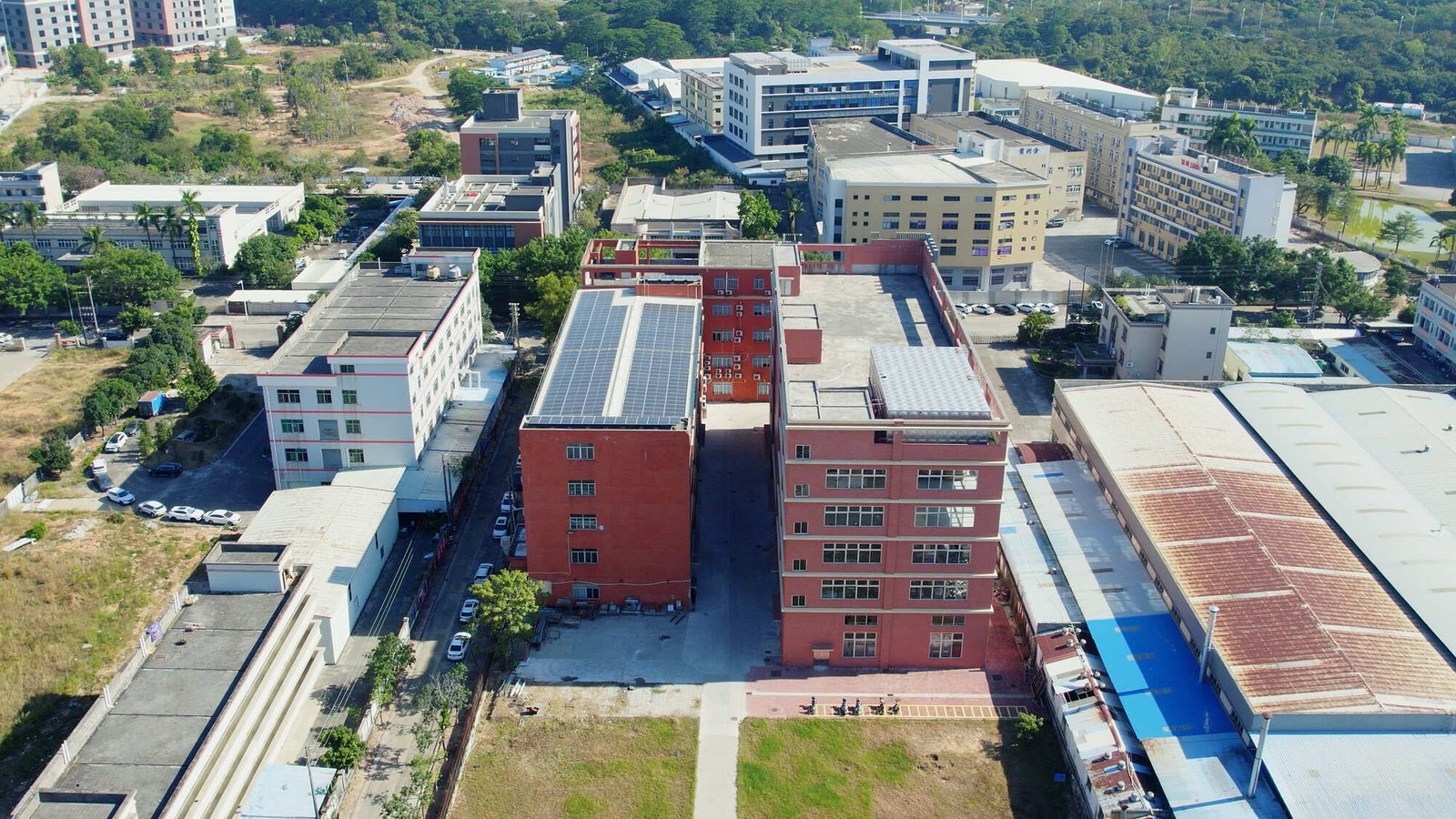
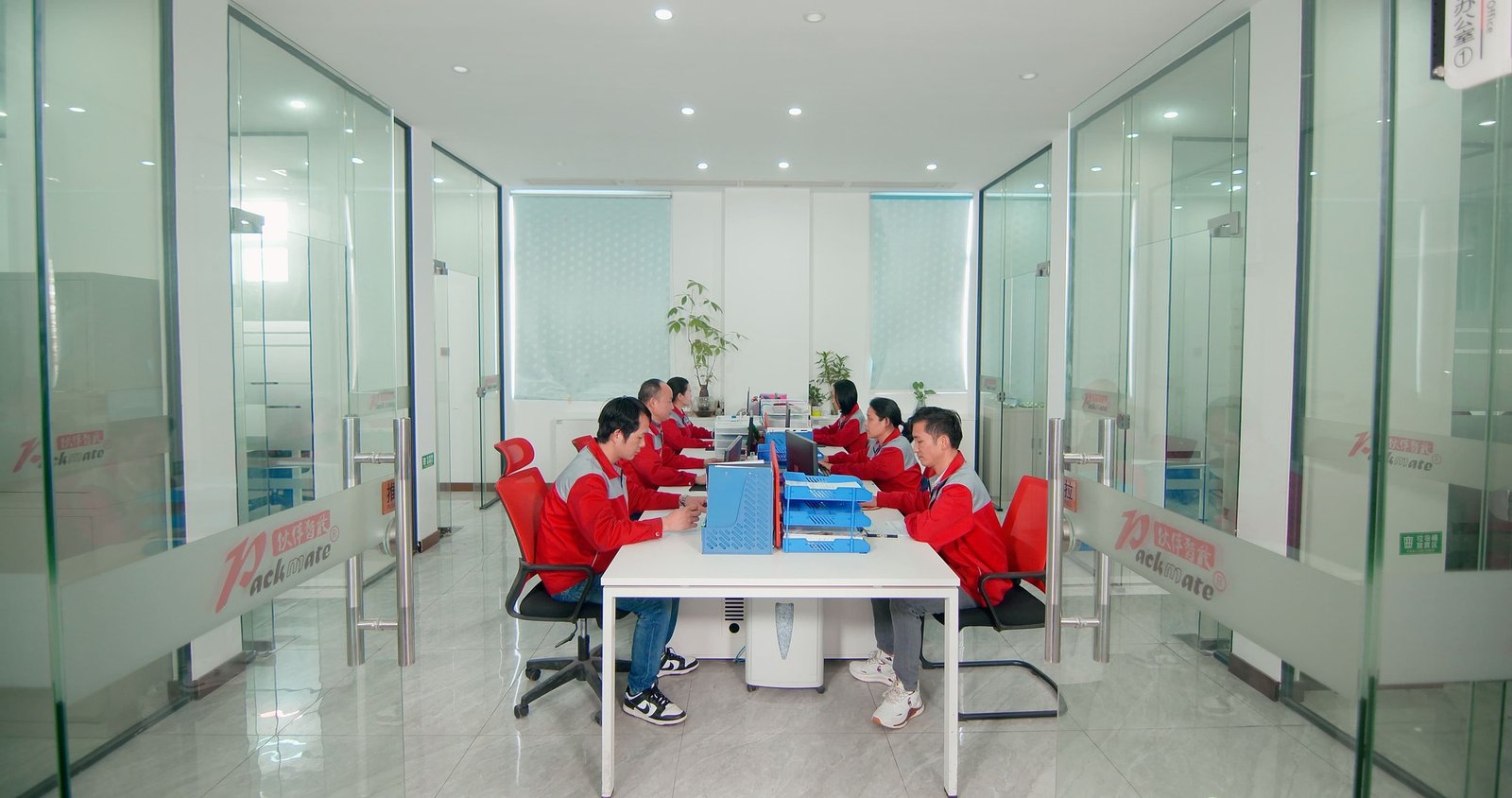
Ludyway Machinery is one example of a packaging machinery manufacturer that combines decades of engineering experience with a broad portfolio of automated packaging equipment. With more than 30 years of industry expertise and a 20,000-square-meter manufacturing facility, the company provides integrated and customized packaging solutions for manufacturers across food and beverage, pharmaceutical, and consumer goods sectors. Its engineering team works directly with customers to select and configure appropriate packaging technologies according to specific products and production requirements. To learn more about global packaging trends shaping equipment investment, refer to the latest State of the Industry report from PMMI.
Supplier Evaluation Checklist
- Industry track record: How many years has the supplier specialized in paper cup or food packaging machinery?
- Engineering and customization capabilities: Can they modify standard designs for your specific cup sizes, materials, or output targets?
- After-sales support and spare parts: Do they provide local service support, remote diagnostics, and readily available components?
- Installation and training: What level of on-site commissioning and operator training is included?
- Compliance documentation: Can they supply CE, FDA, or other relevant certification documentation?
- Scalability: Will the machine accommodate future changes in cup sizes, materials, or production volumes?
Total Cost of Ownership Considerations
An equipment purchase decision based solely on the initial price tag often misses the larger financial picture. Total cost of ownership (TCO) includes energy consumption, spare parts costs, maintenance labor, expected machine lifespan, and potential downtime losses. A marginally more expensive machine with higher reliability, faster changeovers, and better material efficiency can deliver significantly lower costs over a 5–10 year service life. Request detailed cost projections from suppliers and compare warranties, service agreements, and preventive maintenance plans.
Testing and Validation Before Purchase
Reputable manufacturers offer factory acceptance testing (FAT) where you can observe the machine running with your actual cup materials and specifications. This step is invaluable for verifying performance claims and identifying any compatibility issues before the machine ships. Also inquire about installation qualification (IQ) and operational qualification (OQ) documentation, which are especially important for regulated food packaging environments. Links to additional industry resources such as PMMI industry resources and Flexible Packaging Association guidelines can help you stay informed on evolving standards.
Making the Final Decision
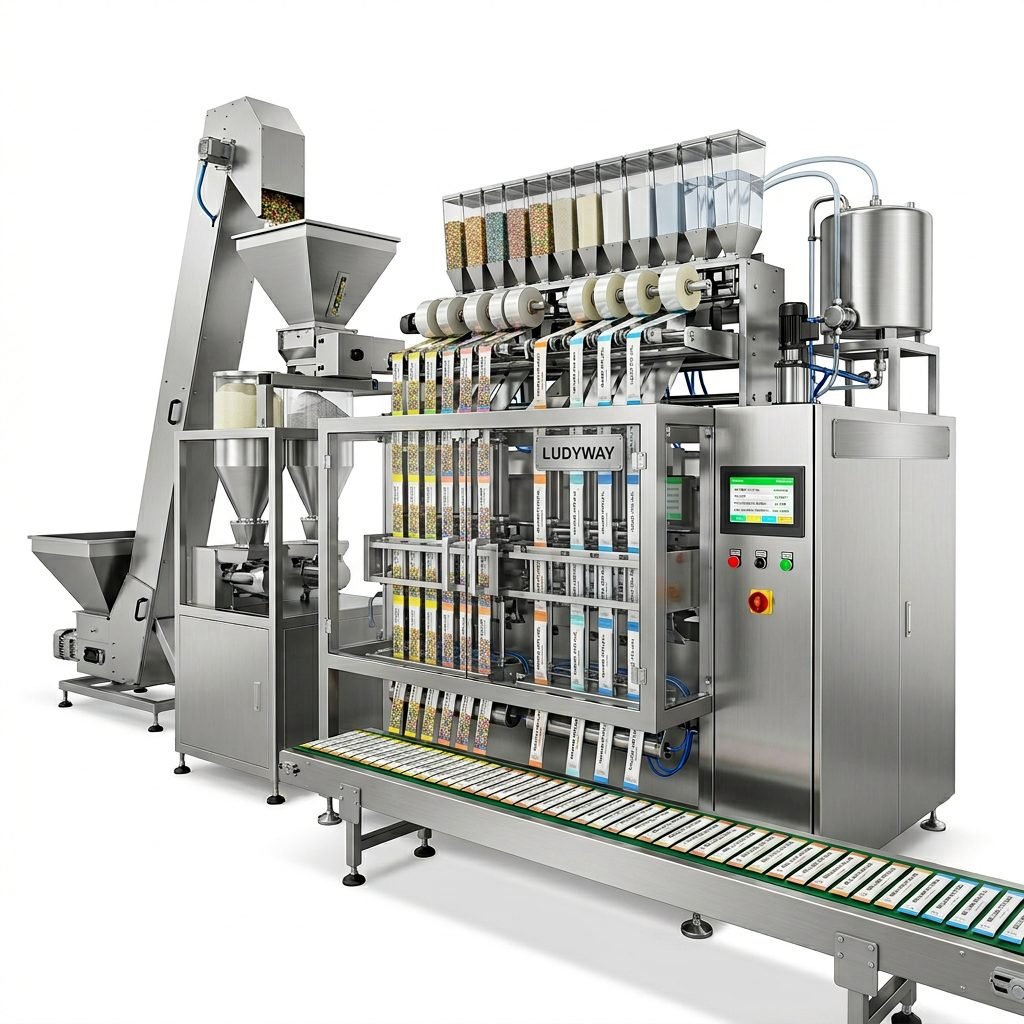
Choosing the right paper cup packing machine requires balancing technical specifications, quality requirements, and operational priorities with the reliability and support offered by the equipment manufacturer. Start by defining your must-have parameters — cup size range, material type, minimum production speed — then evaluate which suppliers can meet those requirements with proven, documented solutions. Consider the manufacturer’s engineering depth, customization capability, and international service network as indicators of a partner that will support your production over the long term, not just deliver a piece of equipment. By following a structured evaluation process, you position your packaging operation for consistent output, regulatory compliance, and scalable growth in an increasingly demanding market.