In today’s fast-paced global market, efficient and reliable packaging is crucial for maintaining product integrity, ensuring safety, and meeting consumer expectations. For industries handling food, pharmaceuticals, and health products, the demands are particularly high. Packaging must protect sensitive contents from contamination, preserve freshness, and comply with stringent regulatory standards. Automated packaging solutions have become indispensable, offering precision, speed, and consistency that manual processes simply cannot match. This article explores advanced packaging machine solutions tailored for sachet, stick pack, granule, powder, and liquid applications, highlighting how modern technology drives efficiency and quality across these critical sectors.
The Critical Role of Packaging in Food, Pharmaceutical & Health Industries
Packaging serves as the first line of defense for products, especially in sensitive industries. In the food sector, packaging prevents spoilage, preserves nutritional value, and extends shelf life. For pharmaceuticals, it ensures dosage accuracy, protects against light and moisture, and provides tamper-evident features. Health and wellness products, including supplements and nutraceuticals, rely on packaging to maintain potency and provide clear consumer information. Automated packaging machines are engineered to meet these diverse needs, incorporating features like nitrogen flushing, UV blocking materials, and precision filling systems. By automating these processes, manufacturers can achieve higher throughput, reduce human error, and maintain a sterile production environment, which is essential for compliance with global standards like FDA, GMP, and HACCP.
Key Packaging Challenges Addressed by Automation:
- Contamination Control: Automated systems minimize human contact, crucial for sterile pharmaceutical and aseptic food packaging.
- Dosage & Fill Accuracy: Precision weighing and volumetric filling ensure every sachet or stick pack contains the exact amount, vital for pharmaceuticals and dietary supplements.
- Speed to Market: High-speed machines enable rapid packaging of seasonal food products or urgent pharmaceutical batches.
- Regulatory Compliance: Machines can be integrated with tracking and documentation systems to automatically generate batch records for audits.
Deep Dive into Automated Packaging Formats
Modern production lines utilize specialized machines for different packaging formats, each offering unique benefits for specific product types.
Sachet & Stick Pack Packaging Machines
Sachet and stick pack machines are ideal for unit-dose and single-serve applications. They are extensively used for:
✓ Pharmaceuticals: Powdered antibiotics, oral rehydration salts, and effervescent tablets.
✓ Food: Instant coffee, sugar, sauce portions, and seasoning.
✓ Health Products: Protein powders, vitamin mixes, and electrolyte supplements.
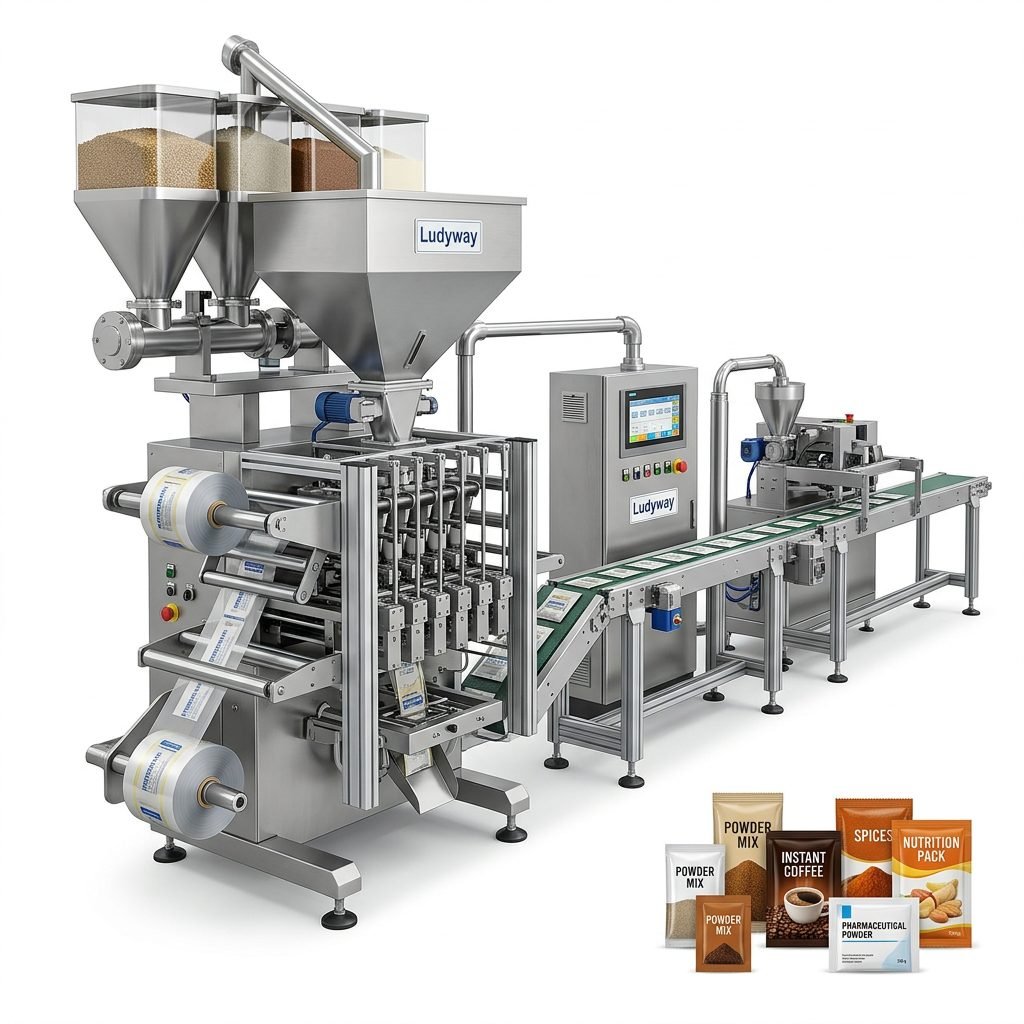
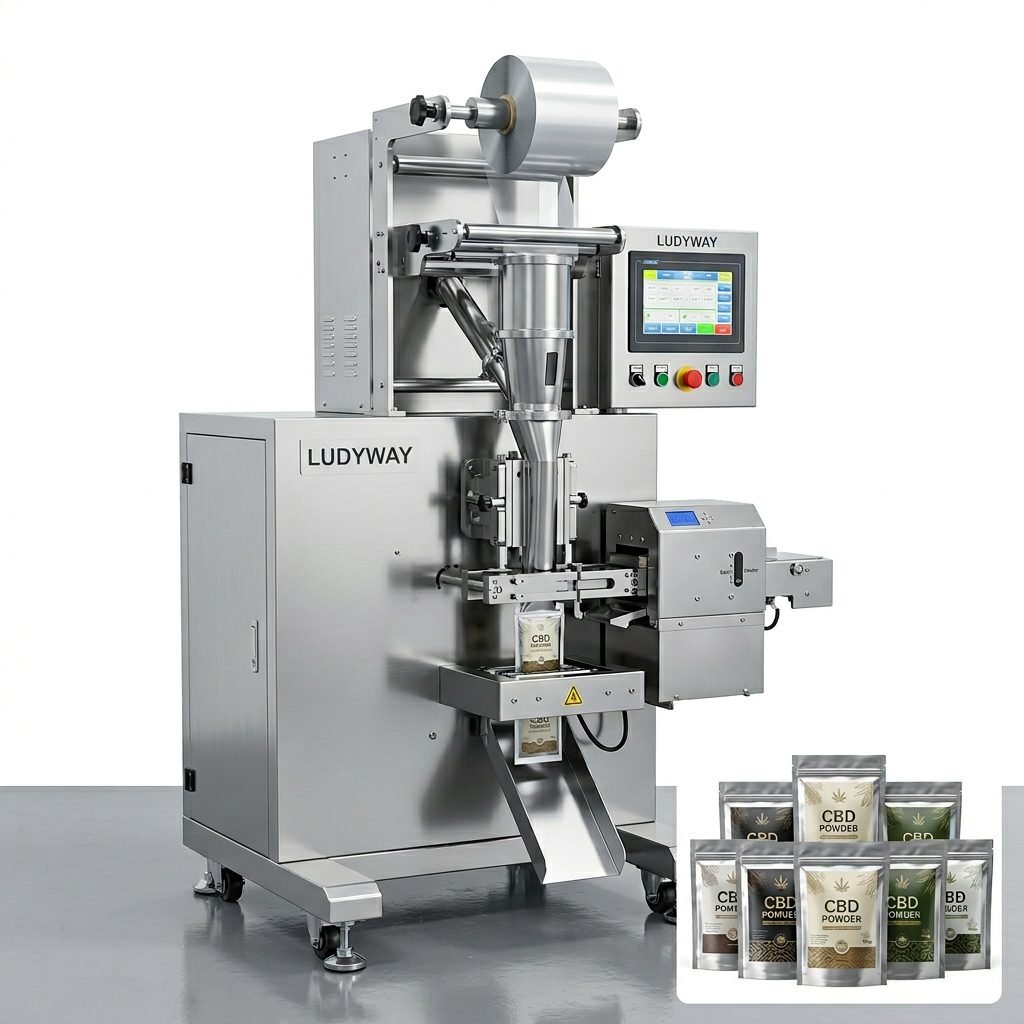
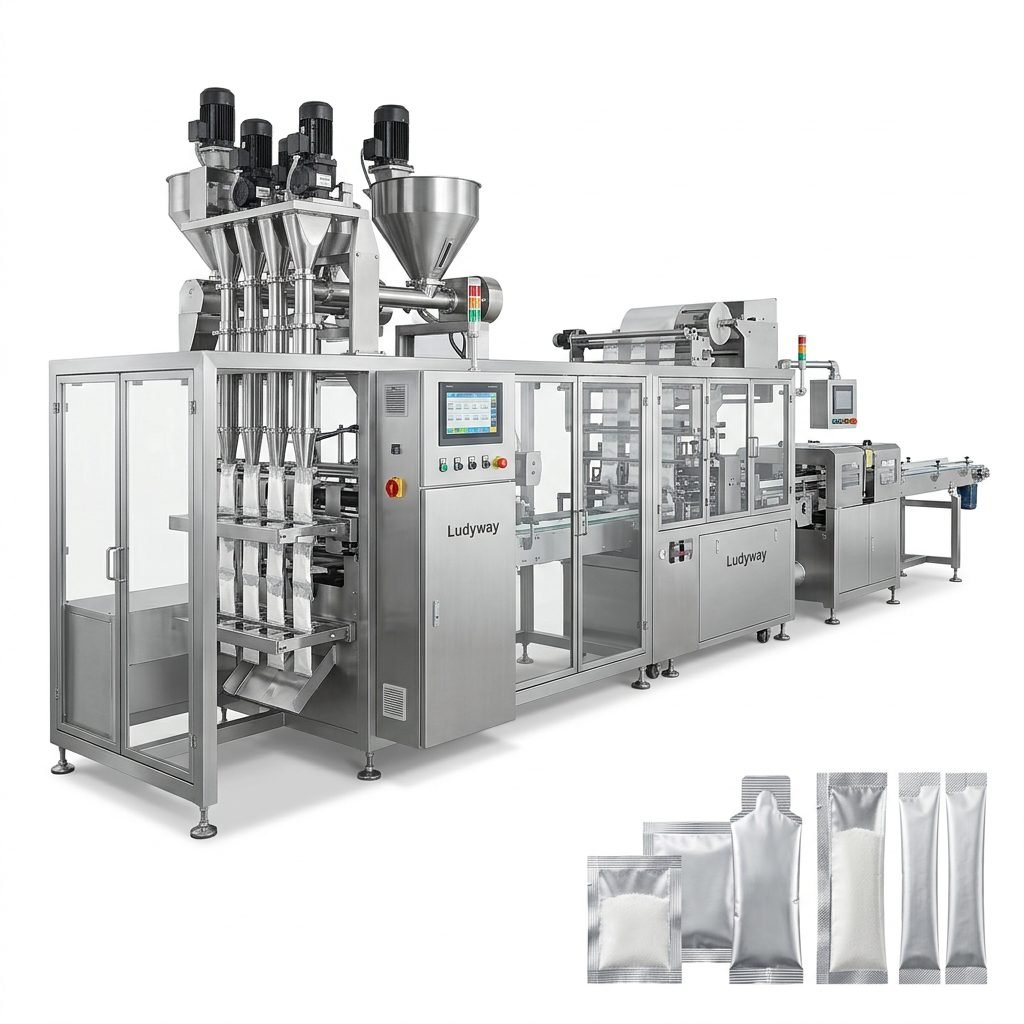
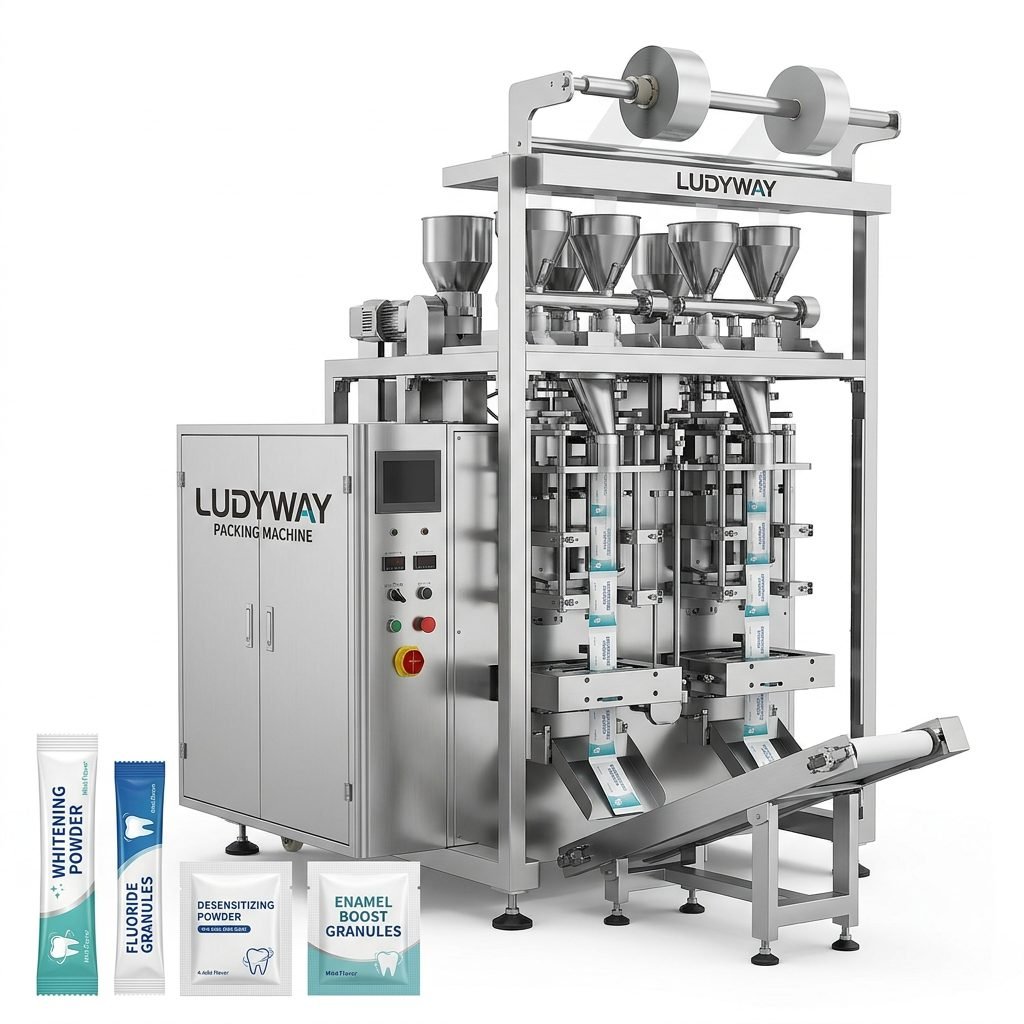
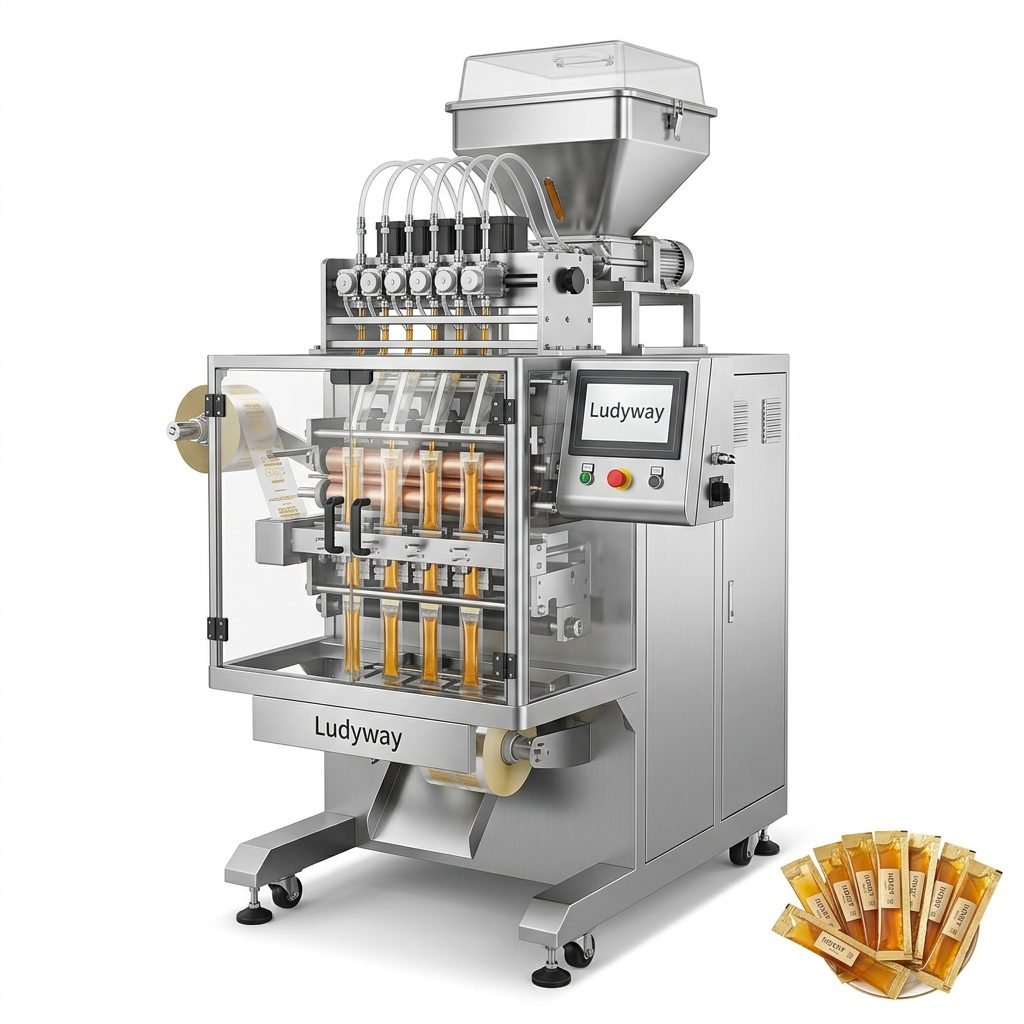
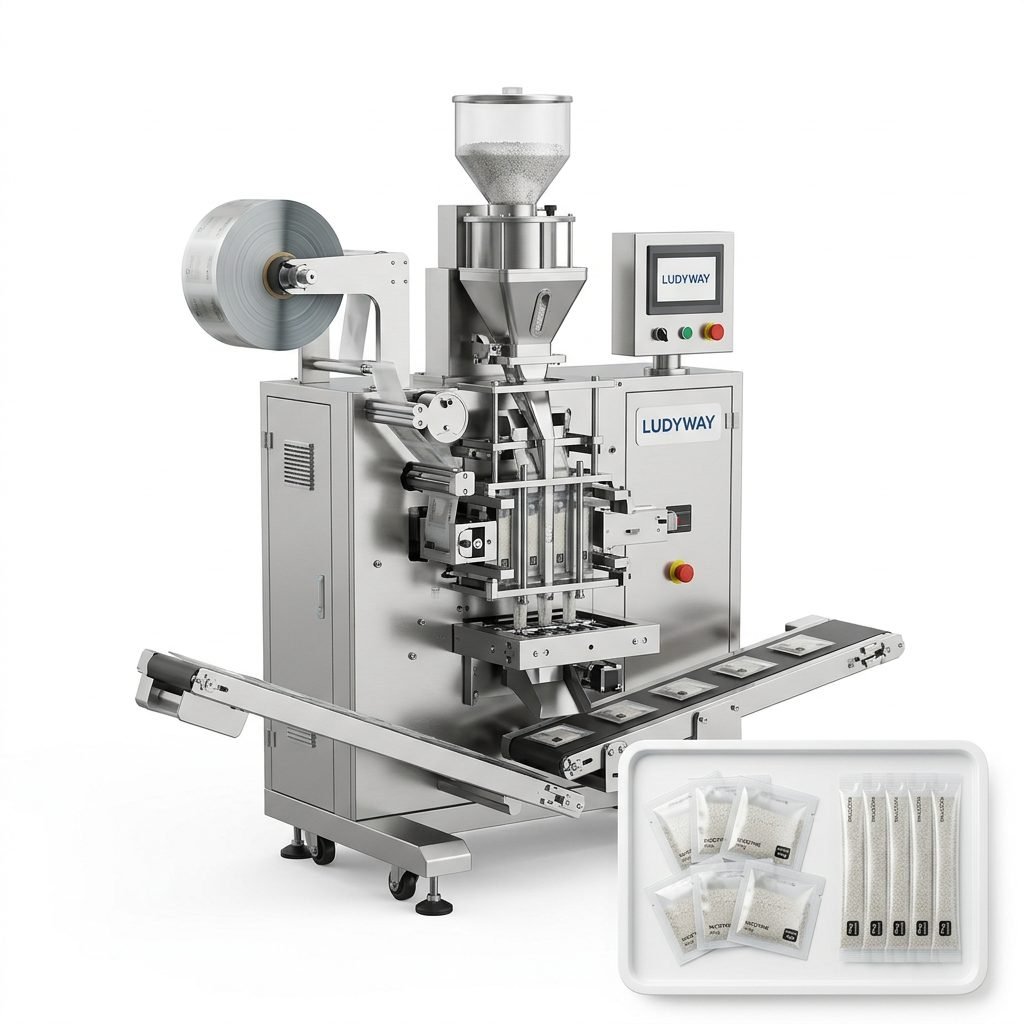
These machines form, fill, and seal packaging from a roll of laminated film, creating a hermetic seal that locks out moisture and oxygen. Advanced models feature multi-lane configurations, dramatically increasing output. For instance, a multi-lane stick pack machine can simultaneously produce dozens of portions, making it perfect for high-volume needs in the food service or nutraceutical industry.
Granule & Powder Packaging Solutions
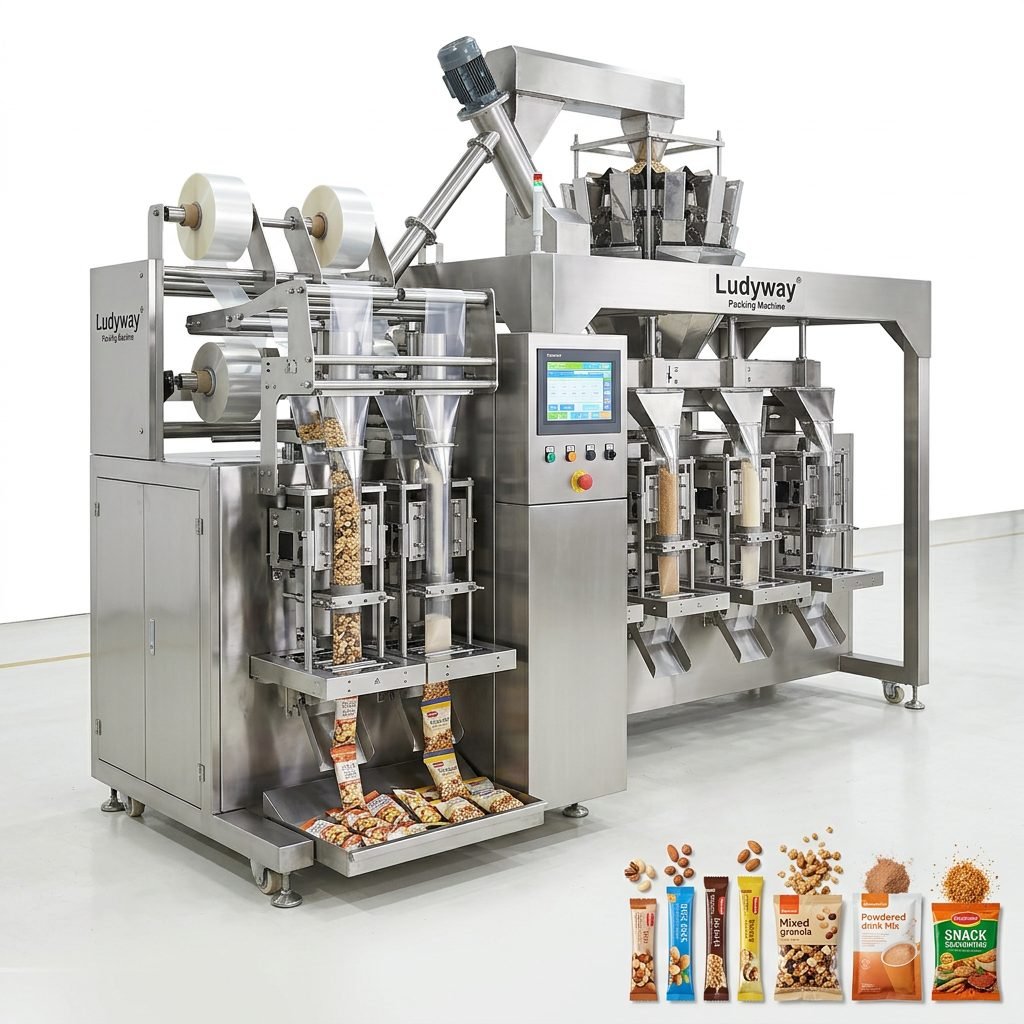
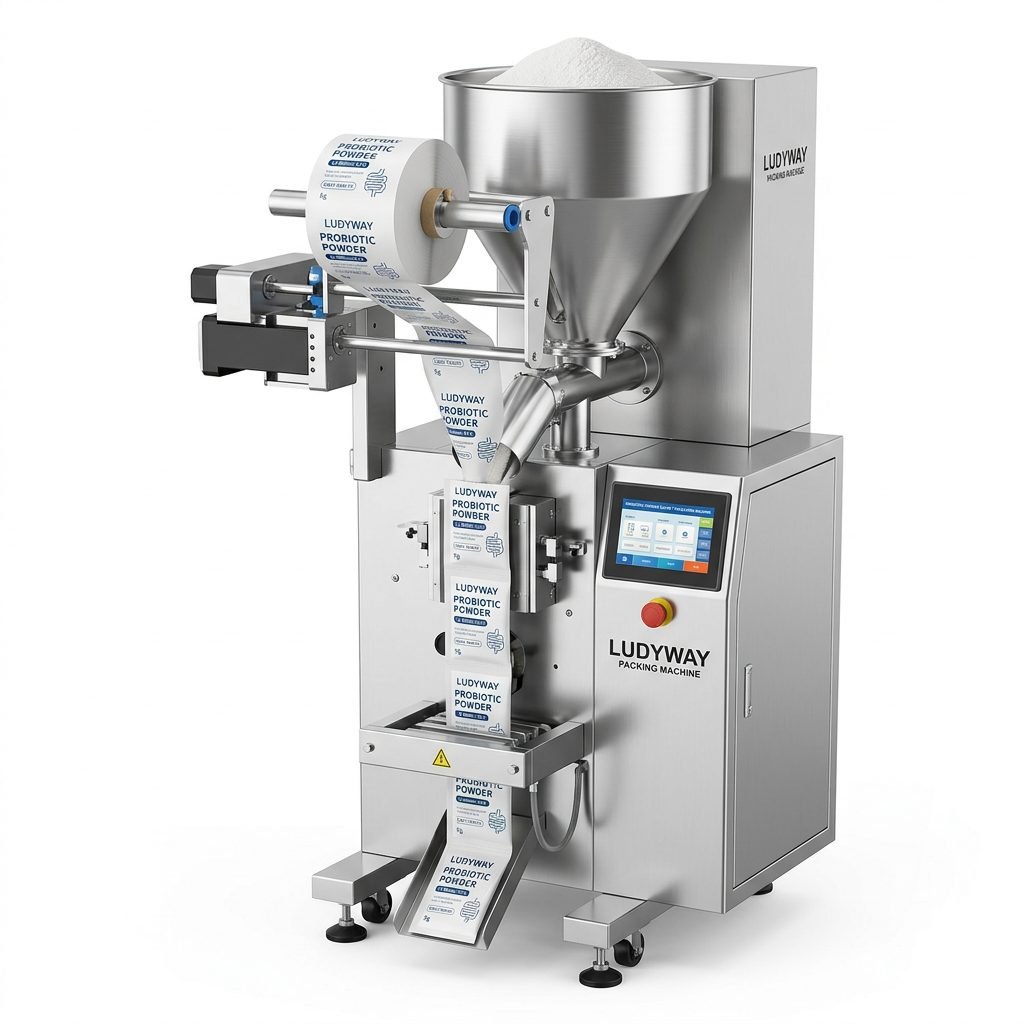
Granular and powdered products—from instant soups and spices to pharmaceutical intermediates and detergent—require handling that prevents dust, ensures accurate filling, and avoids compaction. Granule and powder packaging machines are equipped with auger fillers, which use a rotating screw to dispense product with exceptional accuracy. Key considerations include:
• Material Handling: Systems designed to handle hygroscopic or cohesive powders without clogging.
• Dust Extraction: Integrated suction systems to maintain a clean working environment and protect sensitive products.
• Weighing Technology: Net weigh scales or combination weighers for the highest precision, often required in pharmaceutical powder packaging applications.
These solutions ensure that products are delivered to consumers in perfect condition, with every packet containing the promised weight.
Liquid & Paste Filling Systems
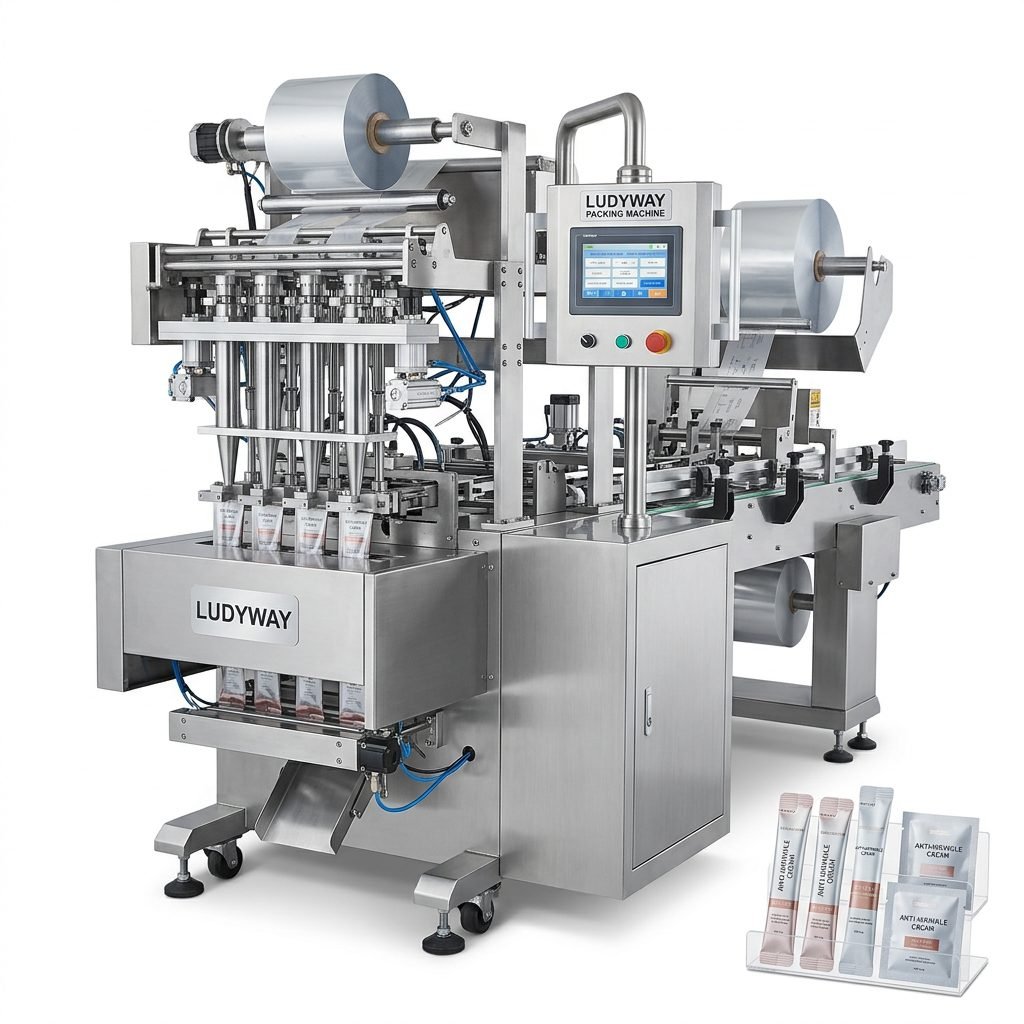
Liquids, creams, and pastes present distinct challenges, such as viscosity variation, foaming, and dripping. Liquid packaging machines use piston fillers, peristaltic pumps, or time-pressure systems to handle products ranging from water-thin sauces to thick ointments. Applications are vast:
▶ Food: Edible oils, honey, yogurt drinks, and condiments.
▶ Pharmaceuticals: Syrups, topical solutions, and antiseptic washes.
▶ Health & Beauty: Herbal extracts, nutritional oils, and cosmetic creams.
Modern systems offer no-drip nozzles and CIP (Clean-in-Place) capabilities, which are essential for maintaining hygiene when switching between product batches. This is particularly critical in pharmaceutical and high-end health product manufacturing.
Selecting the Right Packaging Partner: Beyond the Machine
Investing in packaging automation is a strategic decision. The right partner provides more than just hardware; they deliver a complete solution tailored to your operational goals.
Essential Partner Qualifications:
Industry-Specific Expertise: A partner with proven experience in your sector (e.g., food-grade vs. GMP-compliant pharma design) understands your unique regulatory and quality hurdles.
Turnkey Project Management: Look for a provider that can manage the entire project—from factory layout and machine selection to installation, training, and after-sales support. This ensures a smooth integration into your existing production line.
Customization & Flexibility: Off-the-shelf machines rarely fit perfectly. The ability to customize feed systems, sealing parameters, or software interfaces is crucial for handling your specific product characteristics.
Global Support Network: For international operations, ensure your partner has a reliable service and spare parts network to minimize downtime, which is a critical factor for continuous production in the pharmaceutical and food industries.
Ludyway Packaging Machine embodies this holistic approach. With decades of focused experience, they have developed a deep understanding of the technical and commercial challenges faced by manufacturers worldwide. Their portfolio of over 50 machine models is backed by strong engineering and a commitment to building long-term partnerships, ensuring clients receive not just equipment, but a sustainable competitive advantage.
Future Trends in Smart Packaging Automation
The future of packaging lies in intelligence and connectivity. The integration of Industry 4.0 principles is transforming packaging lines into data-rich ecosystems. Machines equipped with IoT sensors can monitor performance in real-time, predicting maintenance needs before a breakdown occurs. This predictive maintenance is vital for minimizing unplanned downtime in 24/7 production environments. Furthermore, smart machines can automatically adjust parameters for different product SKUs, facilitating quick changeovers and supporting the trend towards mass customization. Another significant trend is the push towards sustainable packaging. Machines are now being adapted to handle biodegradable, compostable, or mono-material films, helping brands reduce their environmental footprint without sacrificing protection or speed.
Frequently Asked Questions (FAQs)
1. What is the main difference between a sachet and a stick pack machine?
While both form-fill-seal machines use roll film, the primary difference is the package shape and typical application. Sachet machines create small, rectangular or square pouches, often used for sauces, shampoo samples, or medicinal powders. Stick pack machines produce long, narrow tubes, ideal for single-serve powders like instant coffee, sugar, or electrolytes that are meant to be poured or dissolved directly into water.
2. Can one machine handle both granules and powders?
Many machines are versatile and can be configured with different types of filling systems (e.g., auger filler for powder, cup filler for granules). However, switching between extremely fine powders and large granules often requires a change of parts, like the auger screw or funnel. It’s best to consult with the machine supplier about your specific product range to ensure optimal performance and minimal changeover time.
3. How do I ensure my liquid packaging machine is hygienic for pharmaceutical use?
For pharmaceutical or high-care food applications, select machines with a sanitary design. Key features include: stainless steel contact surfaces, CIP/SIP (Clean-in-Place/Sterilize-in-Place) systems, sealed motors, and easy disassembly for manual cleaning. Validation documentation (IQ/OQ/PQ) from the manufacturer is also essential to prove the machine meets GMP standards.
4. What after-sales support should I expect from a packaging machine supplier?
Comprehensive support includes detailed installation supervision, operator and maintenance technician training, a readily available inventory of spare parts, and access to remote technical assistance. Many reputable suppliers, like Ludyway, offer service contracts and have local engineers or partners to provide timely on-site support, which is crucial for maintaining production efficiency.
5. Are automated packaging lines suitable for small-batch or start-up production?
Yes. While large, integrated lines are for high volume, many suppliers offer compact, semi-automatic, or modular machines that are perfect for small batches, R&D, or pilot production. These machines offer the same precision and quality benefits of automation but at a lower speed and capital investment, allowing businesses to scale their operations gradually.