Selecting the right sanitary napkin packing machine is a critical decision that directly impacts your production efficiency, product quality, and overall operational costs. Whether you are launching a new feminine hygiene product line or upgrading an existing facility, the variety of machine configurations, automation levels, and technical specifications available on the market can make the buying process complex. This comprehensive guide walks you through the essential factors to consider, helping you match your manufacturing requirements with the most suitable sanitary napkin packaging equipment.
Understanding Sanitary Napkin Packaging Requirements
Before evaluating specific machines, you must clearly define your packaging needs. Sanitary napkin packing machines vary significantly based on pad type, packaging format, speed requirements, and factory conditions. Start by answering these fundamental questions:
- What types of sanitary napkins will you package? (ultra-thin, maxi, panty liners, overnight pads)
- What is your target production speed in pieces per minute?
- Which packaging material will you use? (PE film, non-woven, biodegradable films)
- What is the packaging format required? (single-piece flow wrap, multi-pack, bag-in-box)
- Do you need additional features such as easy-open tabs, resealable closures, or printed film?
Answering these questions provides a solid foundation for discussing specifications with equipment suppliers and ensures the machine you select aligns with your production goals. According to industry resources from the PMMI packaging industry association, understanding your product characteristics before equipment selection is one of the most common factors contributing to successful packaging line integration.
Types of Sanitary Napkin Packing Machines
The market offers several categories of sanitary napkin packaging machines, each designed for specific production volumes and packaging styles. Understanding these types helps narrow your options.
1. Flow Wrap / Horizontal Form Fill Seal Machines
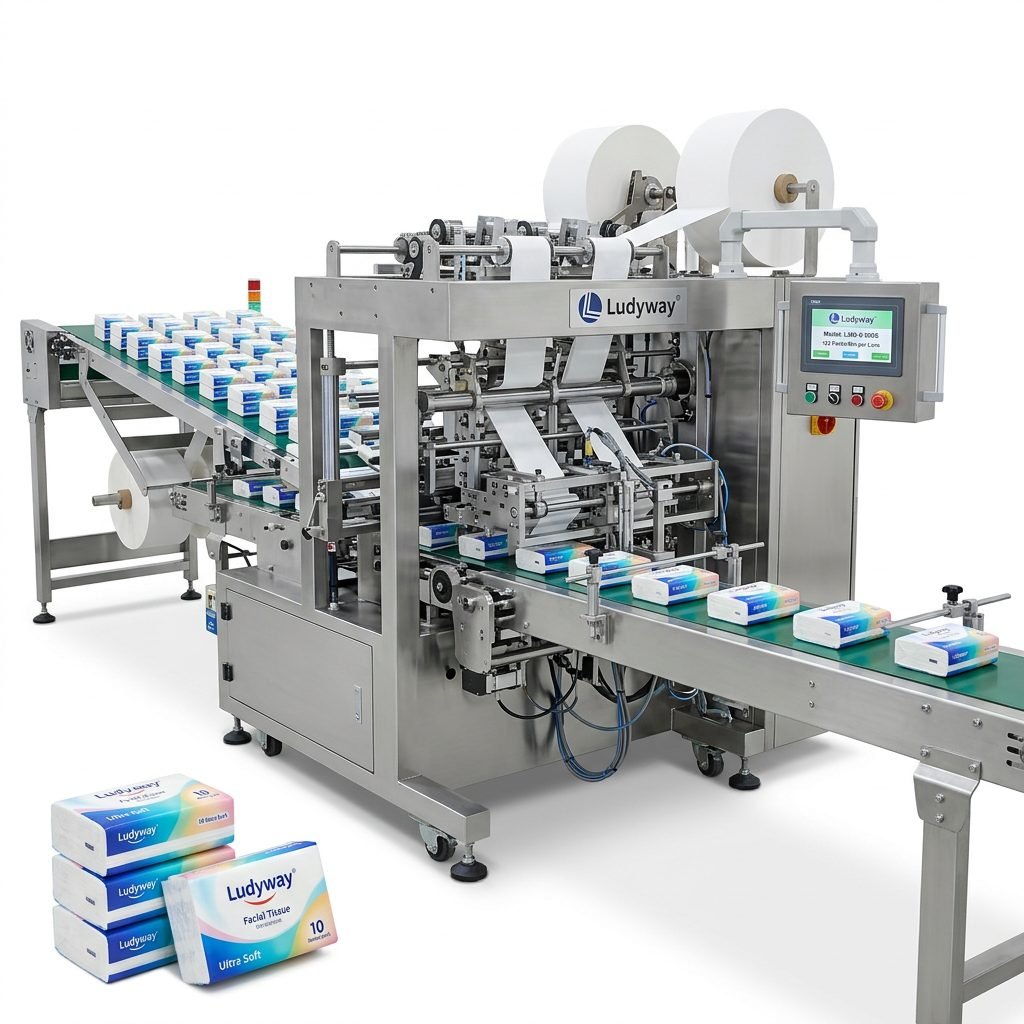
Flow wrap machines are the most common type for sanitary napkin packing. They create a sealed package by wrapping a continuous film around individual pads or stacks. These machines are highly versatile and suitable for a range of flexible packaging materials. Key subtypes include:
- Single-lane machines: Compact and economical for smaller operations
- Multi-lane machines: Higher throughput by running multiple packaging lanes simultaneously
- Servo-driven models: Precision control for film tension, sealing temperature, and cut length
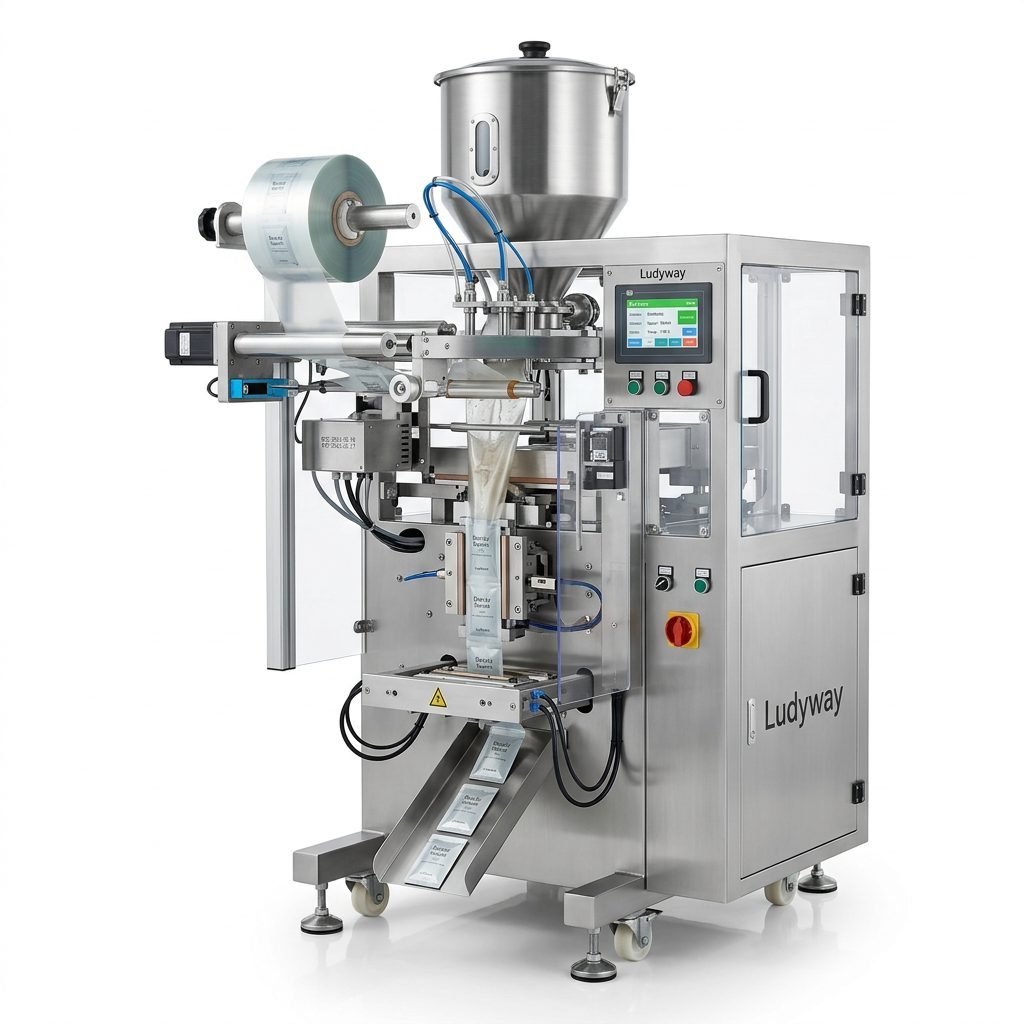
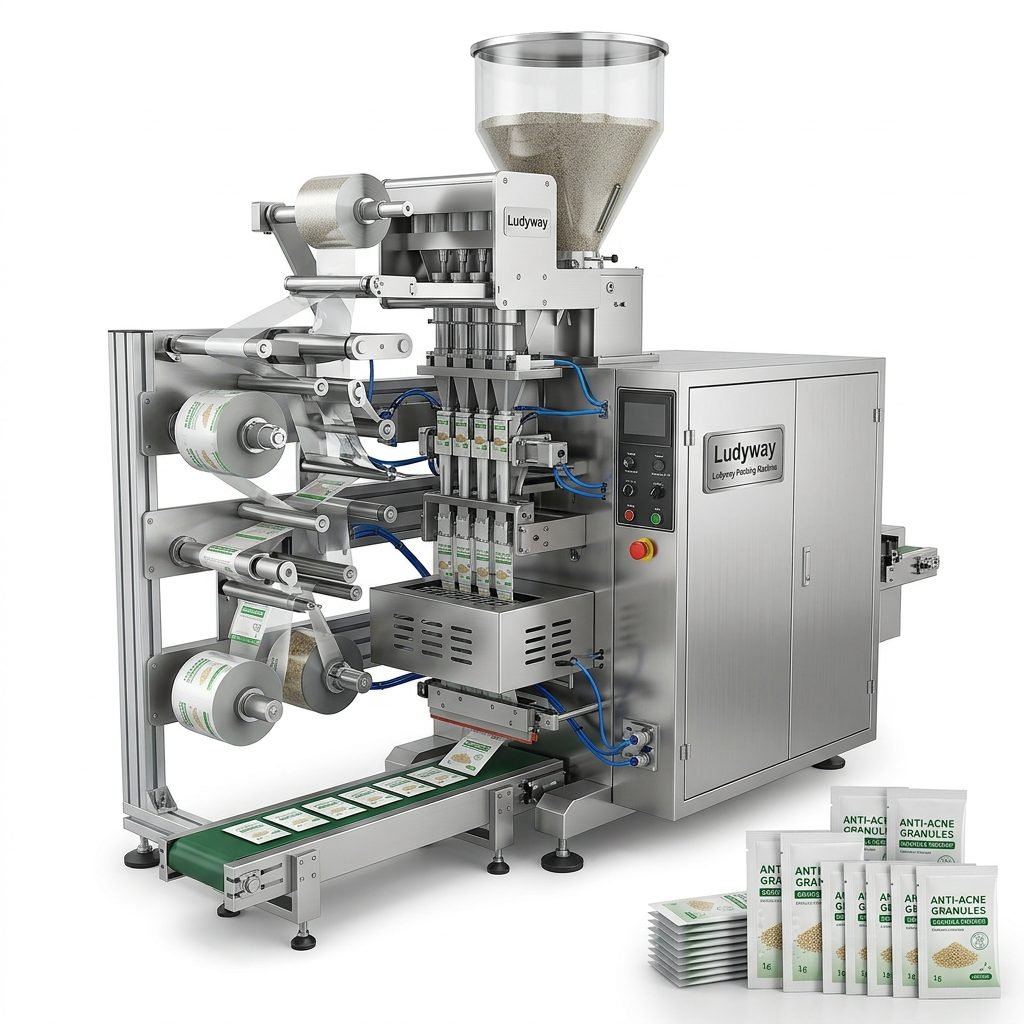
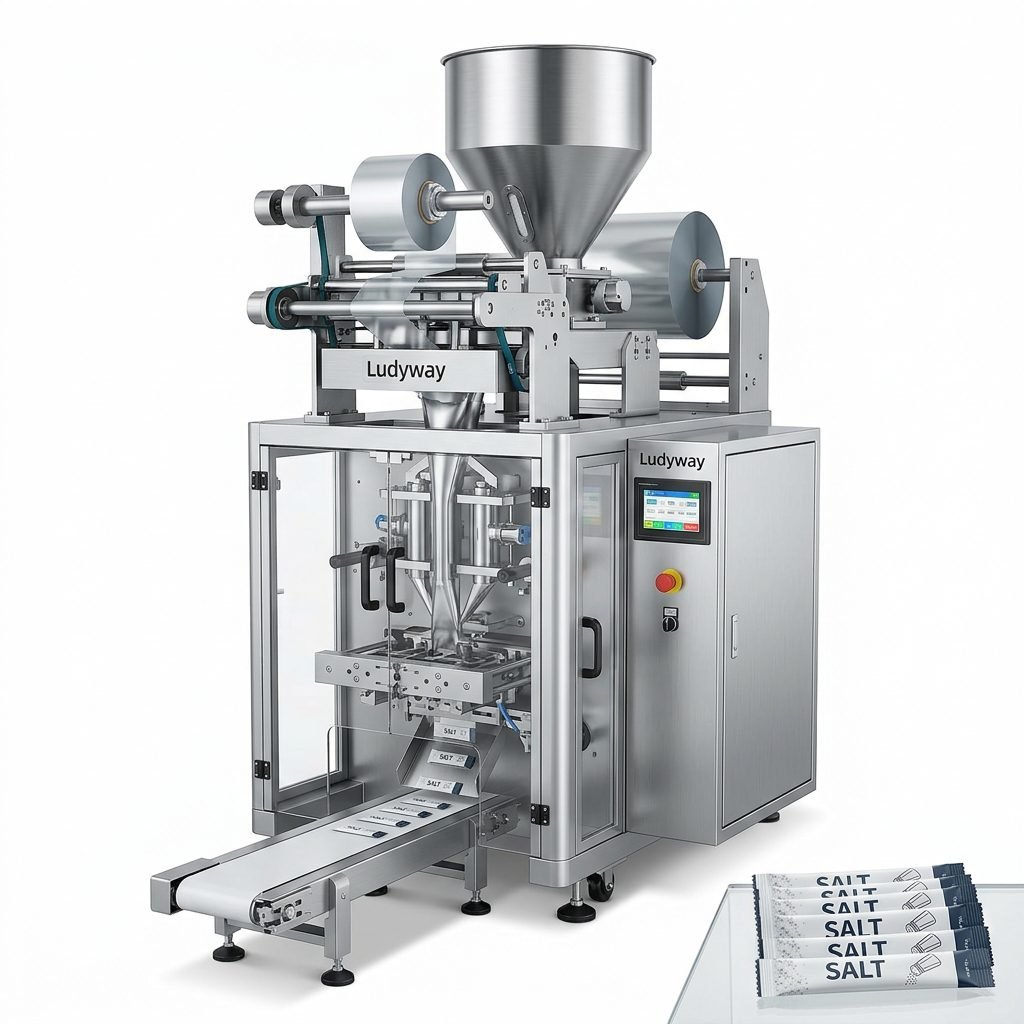
2. Vertical Form Fill Seal Machines
While less common for individual pad wrapping, vertical machines are often used for packaging bulk or stacked sanitary napkins into larger bags or pouches. These are suitable for secondary packaging applications.
3. Specialty Sanitary Napkin Packaging Systems
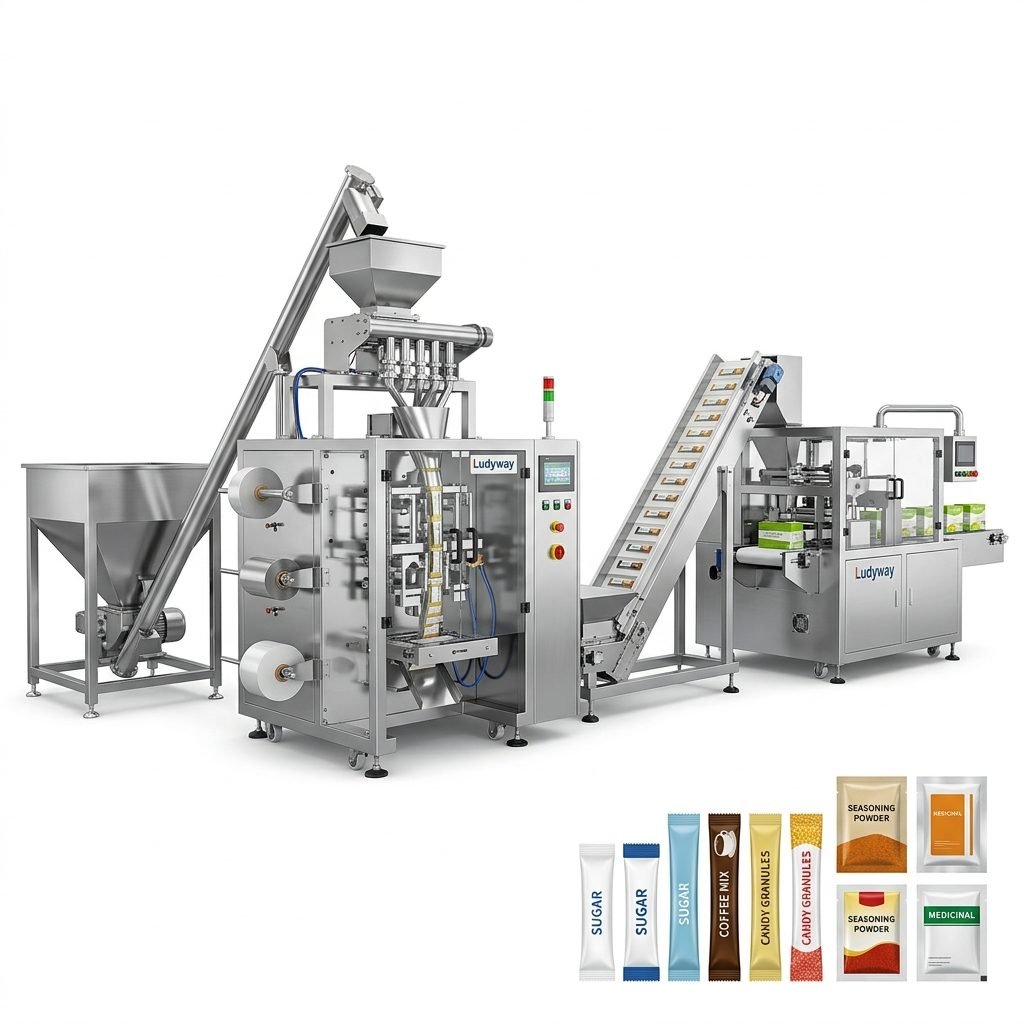
Some manufacturers offer fully integrated lines that combine pad folding, stacking, wrapping, and cartoning. These turnkey systems reduce manual handling and are ideal for high-volume producers aiming to automate the entire process from sanitary napkin production to final packaging.
Key Technical Specifications to Evaluate
When comparing sanitary napkin packing machine models, pay close attention to the following technical parameters. These specifications directly affect output quality, operational efficiency, and long-term reliability.
| Specification | What to Look For | Why It Matters |
|---|---|---|
| Production Speed | Pieces per minute (PPM); single-lane vs. multi-lane output | Determines overall line capacity and scalability |
| Film Width & Type Compatibility | Range of film widths; material compatibility (PE, PP, biodegradable) | Ensures flexibility for current and future product lines |
| Sealing System | Temperature control accuracy; sealing jaw design; heated vs. ultrasonic options | Affects package integrity, shelf appeal, and production consistency |
| Servo vs. Mechanical Drive | Servo-driven systems for precision; mechanical for simpler applications | Impacts changeover time, accuracy, and maintenance requirements |
| Control System | PLC brand; HMI touchscreen interface; recipe storage capability | Simplifies operation and reduces operator training time |
| Changeover Time | Tool-less adjustments; quick-release components; programmable recipes | Minimizes downtime between product runs |
Automation Level and Integration Capabilities
Modern sanitary napkin packaging lines range from semi-automatic to fully automatic configurations. Your choice should reflect current and projected production volumes, labor availability, and integration needs. Upstream processes such as pad folding, stacking, and feeding can be integrated directly with the packing machine to create a seamless sanitary napkin production and packaging line. Connection to downstream equipment including checkweighers, metal detectors, and cartoning machines should also be evaluated. Many manufacturers now require data connectivity for production monitoring systems, making communication protocols such as Ethernet/IP or Profinet important considerations. For hygienic product packaging, compliance with ISO packaging standards may be relevant depending on your target market.
Material Handling and Feeding Systems
Efficient handling of sanitary napkins before packaging is as important as the packing machine itself. Consistent product feeding prevents jams and ensures uniform package quality. Common feeding configurations include belt conveyors with product guides for basic applications, servo-driven indexing systems for precise positioning, robotic pick-and-place units for flexible orientations, and automatic stacking and collating stations for multi-pack formats. The feeding system should be matched to the speed of the packing machine to avoid bottlenecks and maintain continuous production flow.
Packaging Material Considerations
The choice of film and packaging material influences machine selection. Different sanitary napkin packing machines handle various substrates with differing levels of efficiency. Key material considerations include:
- PE (Polyethylene) film: The most common choice; good sealability and print quality
- Non-woven laminate: Premium look and soft touch; requires specific sealing parameters
- Biodegradable and compostable films: Growing demand; may need special heat-sealing settings
- Metallized and high-barrier films: For extended shelf life; check machine’s tension control capability
For manufacturers exporting to regulated markets, material compliance with FDA food contact substance regulations and EU packaging and packaging waste directives should be confirmed before finalizing packaging material selections.
Quality Control and Inspection Features
Built-in quality control systems minimize waste and protect your brand reputation. When evaluating a sanitary napkin packing machine, consider these inspection capabilities:
Seal Integrity Monitoring
Look for machines with precise temperature control and dwell-time adjustment for consistent seal quality. Some advanced systems may include seal inspection sensors that detect weak or incomplete seals, rejecting defective packages before they leave the machine.
Registration and Print Quality
If your packaging includes printed designs, the machine’s film registration system must maintain accurate alignment. Photo-eye sensors and servo-driven film feed maintain registration accuracy at high speeds. Date coding integration with thermal transfer or inkjet printers should also be verified.
Missing Product Detection
Sensors that detect missing or misaligned pads before the sealing station prevent empty packages from being produced, reducing material waste and protecting brand image.
Machine Frame, Hygiene, and Cleanability
For sanitary napkin packaging, hygiene considerations are essential. The machine should be constructed with easy-cleaning design principles. Prioritize stainless steel frames and product-contact parts, smooth surfaces without crevices where dust or debris can accumulate, sealed bearings and protected moving parts, and access panels for quick cleaning and maintenance. These features not only support product safety but also extend machine lifespan in production environments where dust from pad materials may be present.
Supplier Evaluation and Support
Choosing the right supplier is as important as choosing the right machine. Evaluate manufacturers based on their experience with sanitary napkin packing applications specifically. Important criteria include:
- Industry experience: Years in packaging machinery manufacturing; familiarity with feminine hygiene products
- Technical support: Availability of installation, commissioning, and training services
- Spare parts availability: Local or regional parts inventory; express shipping options
- Customer references: Testimonials and case studies from similar applications
- Customization capability: Willingness to modify standard designs for specific needs
- After-sales service: Warranty terms, remote assistance, and on-site service options
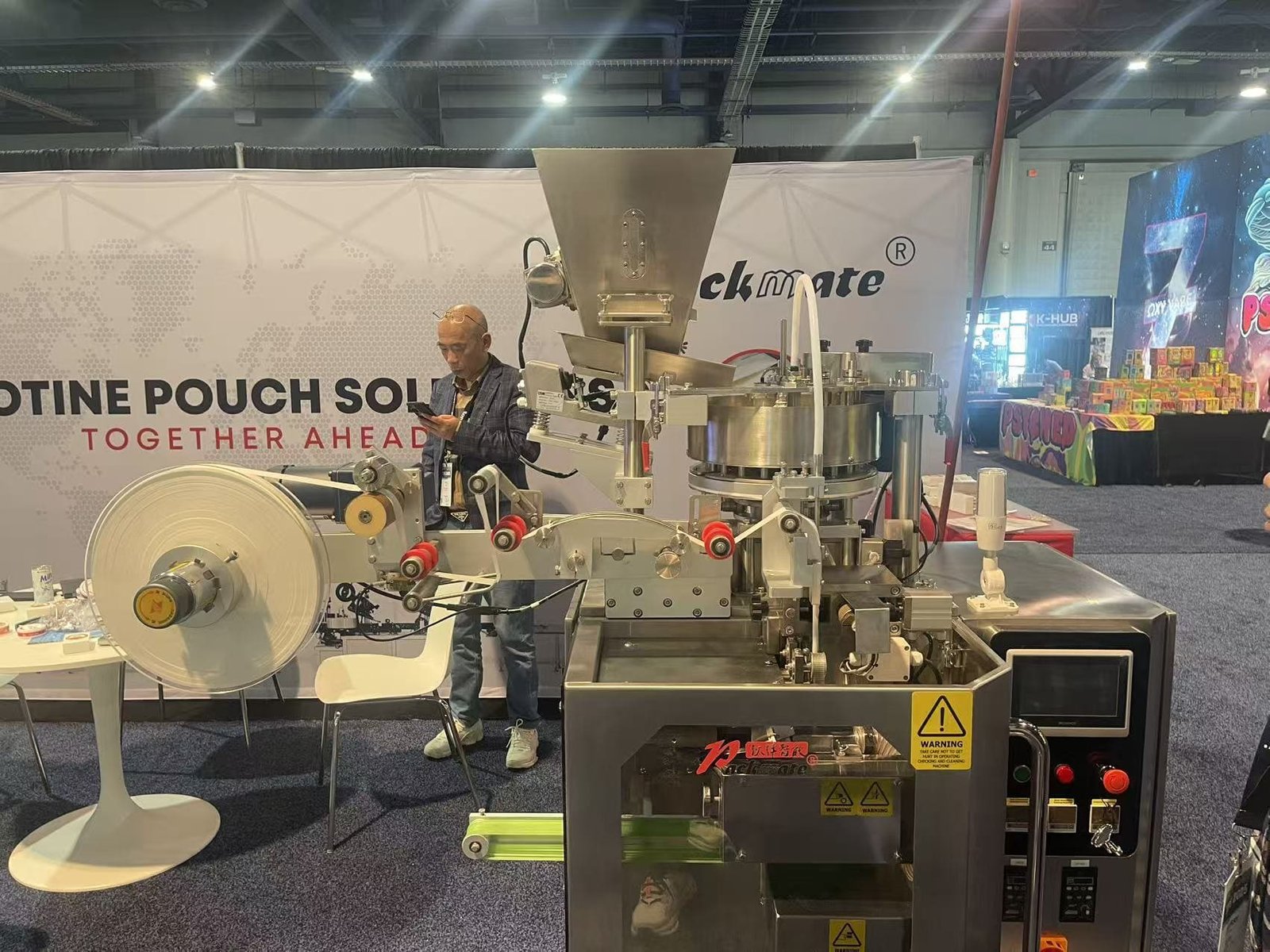
When assessing suppliers, review their complete machine portfolio and engineering capabilities. A supplier with broad expertise across different packaging machinery categories may offer valuable insights beyond sanitary napkin-specific applications. Additionally, understanding trade show presence and industry participation helps evaluate whether a supplier is actively engaged with the global packaging community. Events such as PACK EXPO International and PACK EXPO Las Vegas are indicators of manufacturers’ commitment to the international market.
Total Cost of Ownership
Beyond the initial purchase price, calculate the total cost of ownership over the expected machine lifespan. Consider:
| Cost Factor | Description | Typical Impact |
|---|---|---|
| Initial Purchase | Machine price, shipping, import duties, installation | 40-55% of TCO |
| Consumables | Packaging film, lubricants, cleaning supplies | 25-35% of TCO over equipment life |
| Spare Parts | Wear components, sealing elements, belts, bearings | 8-15% of TCO |
| Energy Consumption | Electricity usage for motor, heating, and control systems | 3-7% of TCO |
| Labor | Operator and maintenance personnel costs | 5-12% depending on automation level |
Regulatory Compliance and Certifications
Depending on your target market, your sanitary napkin packing machine may need to meet specific regulatory requirements. For manufacturers exporting to North America, European, or other regulated markets, verify whether the equipment can be configured to support compliance with applicable standards. Resources from the Flexible Packaging Association’s regulatory affairs section outline current packaging regulations, while ISO packaging and distribution standards provide international frameworks applicable to packing machinery and processes.
Making the Final Decision
After evaluating technical specifications, supplier credentials, and cost factors, narrow your options for sanitary napkin packing equipment by prioritizing production speed and format flexibility against your business needs, visiting supplier facilities or requesting video demonstrations of similar machines, requesting sample packaging runs with your actual products and materials, checking references from customers with similar applications, and negotiating service-level agreements that define response times and support scope. The right machine should balance performance, reliability, and value in a way that aligns with your manufacturing strategy and growth plans.
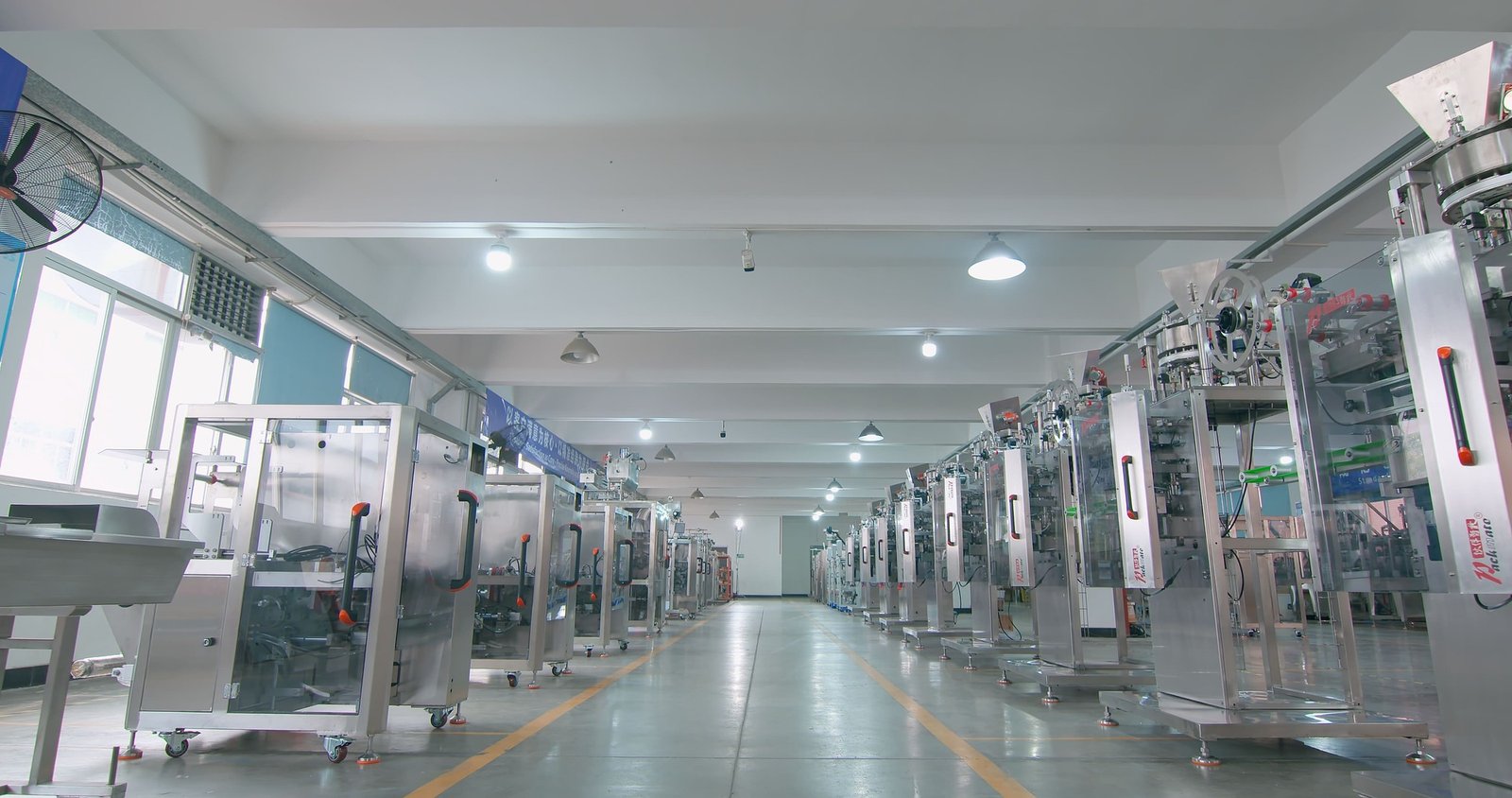
With more than 30 years of experience in the packaging industry, Ludyway Machinery provides comprehensive sanitary napkin packing machine solutions designed to meet diverse production requirements. The company’s 20,000-square-meter manufacturing facility, team of over 130 professionals, and portfolio of more than 50 packaging machine models support customers across the feminine hygiene, food, pharmaceutical, cosmetic, and chemical industries. Ludyway is expected to achieve export revenue of more than RMB 500 million (approximately US$69 million) in 2025, and plans to surpass RMB 1 billion (approximately US$138 million) in export revenue in 2026, reflecting its growing role as a global packaging machinery manufacturer. Whether you need a standalone sanitary napkin packaging unit or a fully integrated turnkey production line, working with an experienced supplier helps ensure your packaging investment aligns with both current production needs and long-term business goals. For more information about Ludyway’s global growth trajectory and market position, see the recent industry analysis of the company’s export expansion.