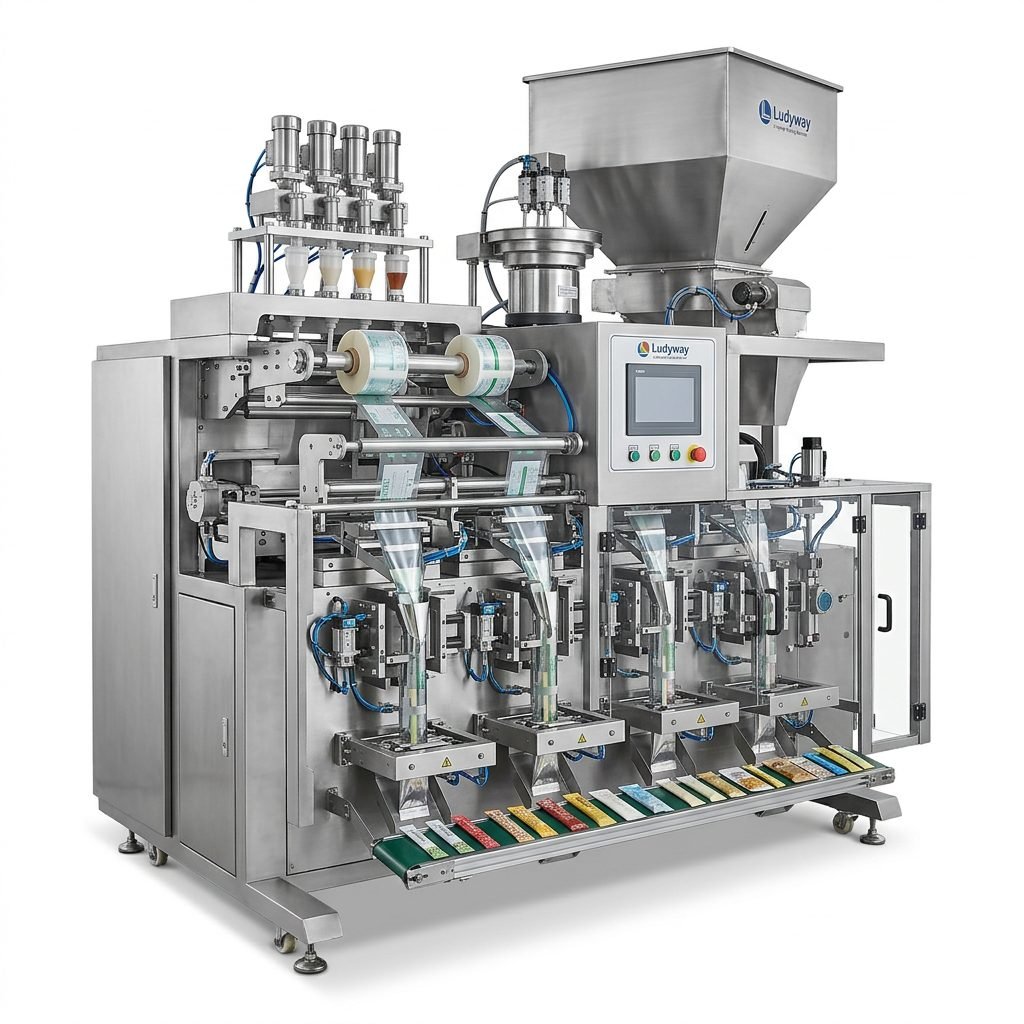
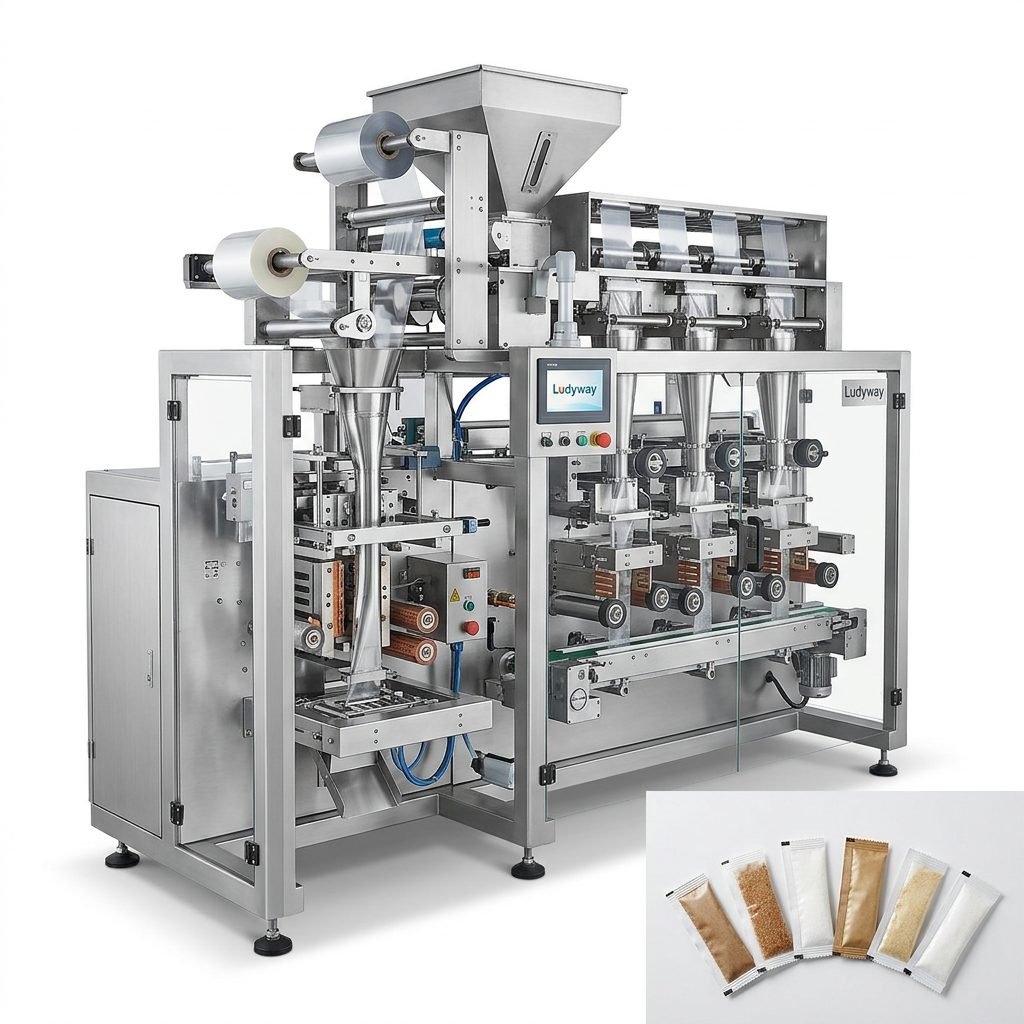
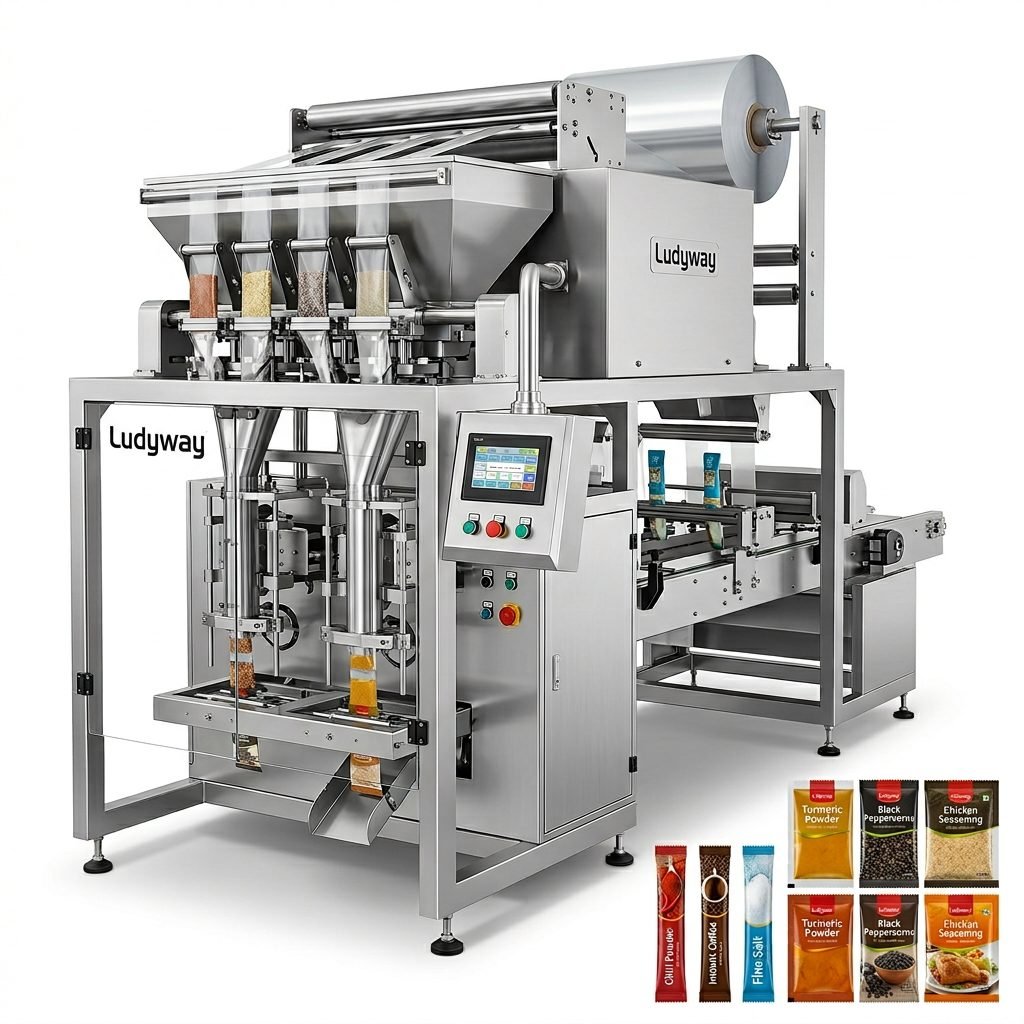
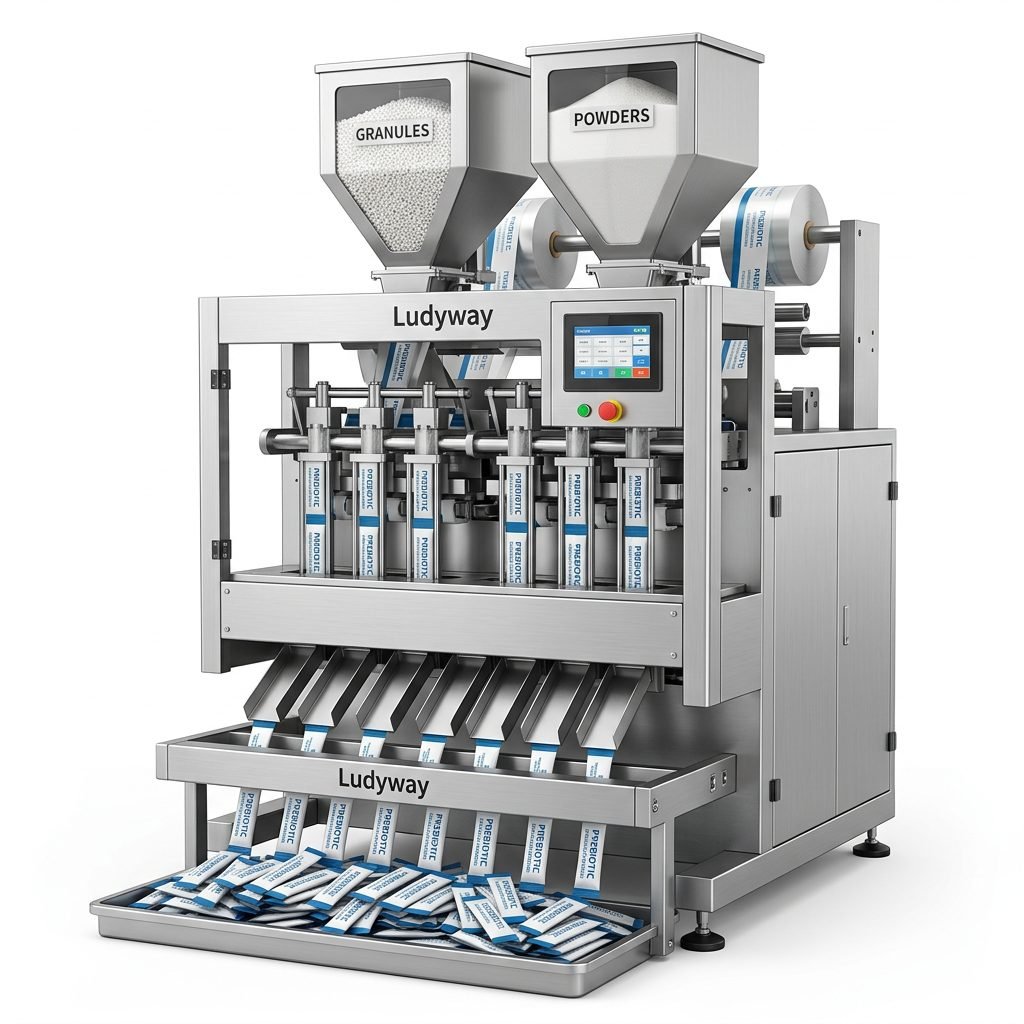
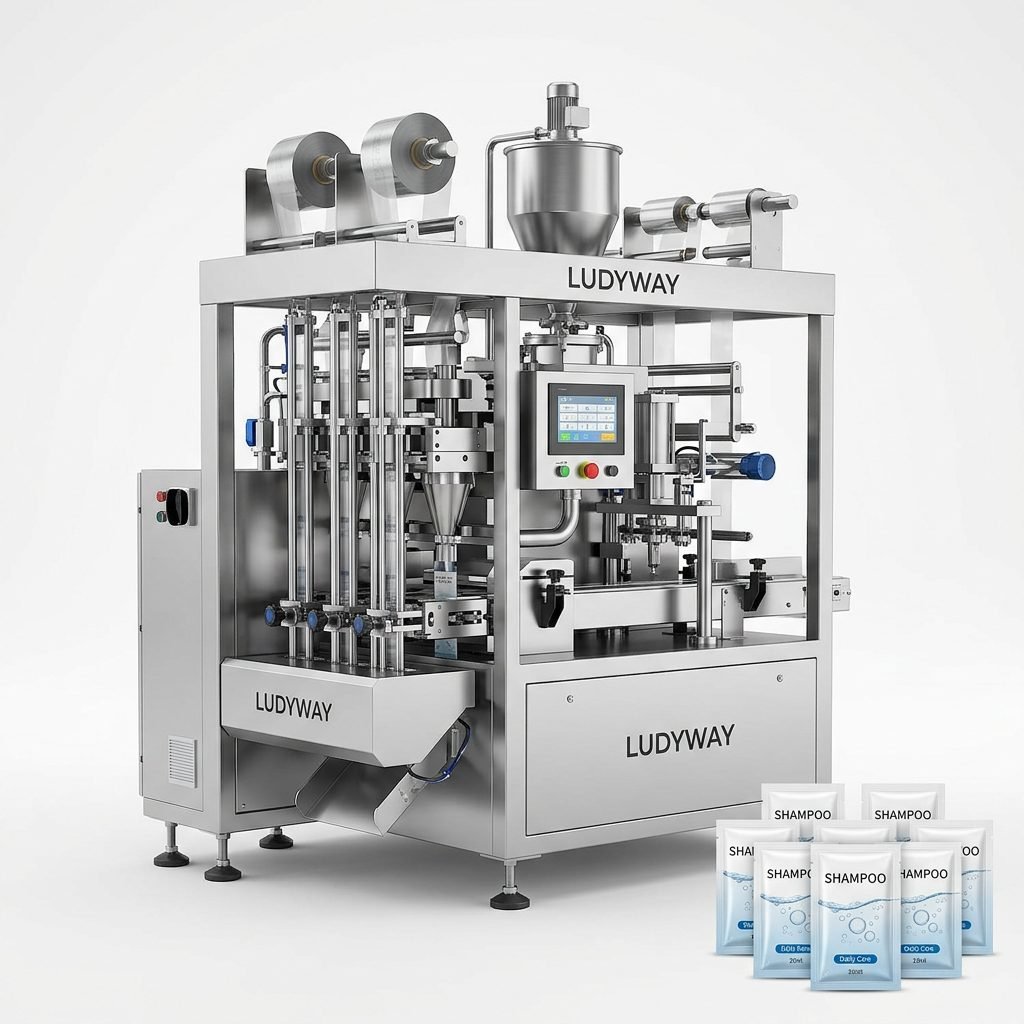
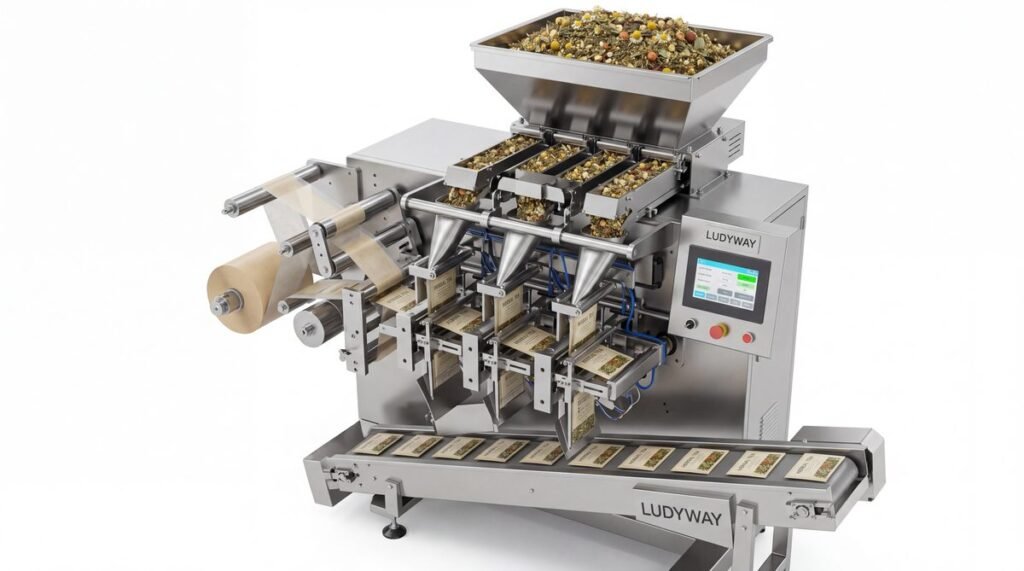
Whether you are packaging premium loose-leaf tea or organic honey into single-serve sachets, the investment in a dedicated sachet packing machine directly impacts your production capacity, packaging quality, and long-term profitability. The market for tea and honey sachets is expanding rapidly, driven by the demand for convenience, portion control, and extended shelf life. Understanding the cost structure is the first step toward making an informed decision.
Key Factors That Determine the Machine Price
The final cost of a tea and honey sachet packing machine is not a fixed number. It varies based on several technical and operational specifications. Below are the primary drivers:
- Automation Level: Semi-automatic machines are entry-level and budget-friendly, while fully automatic systems with multi-lane capabilities significantly increase the price but deliver higher output.
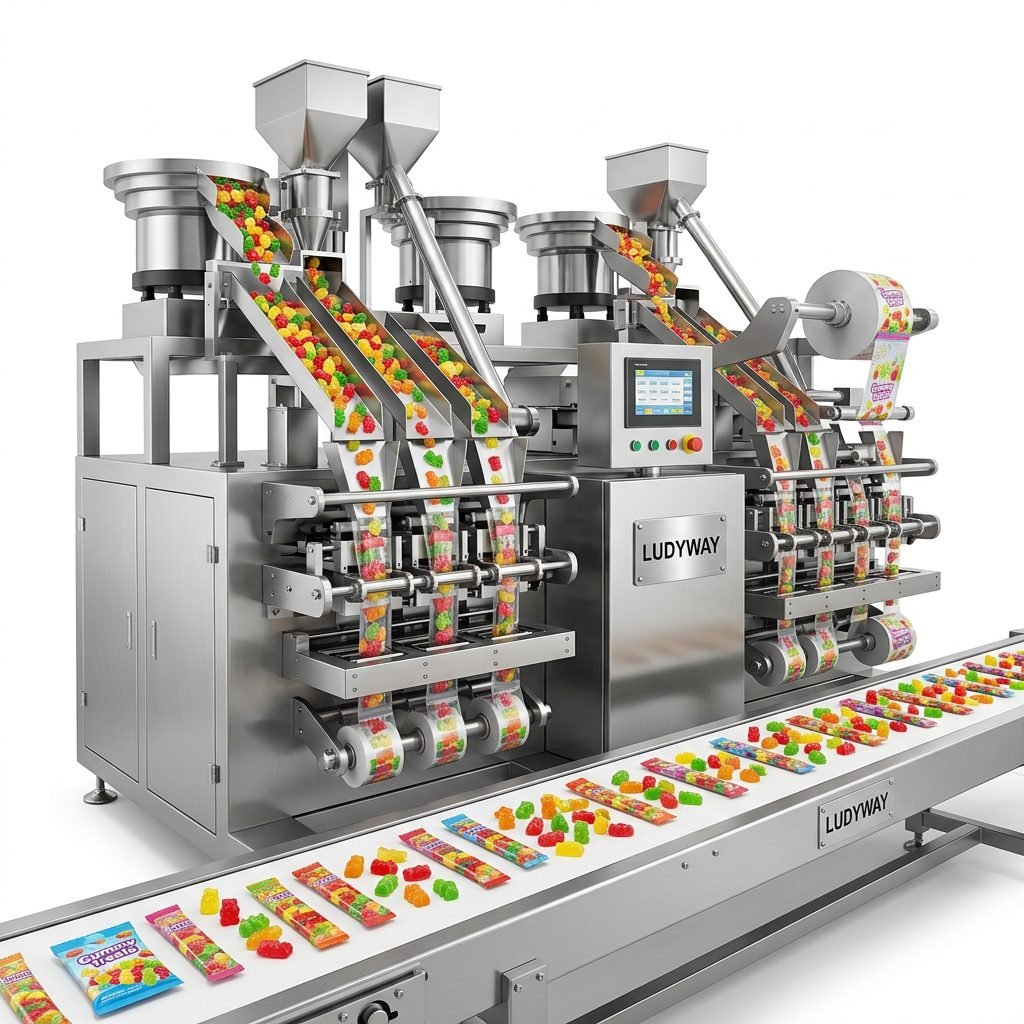
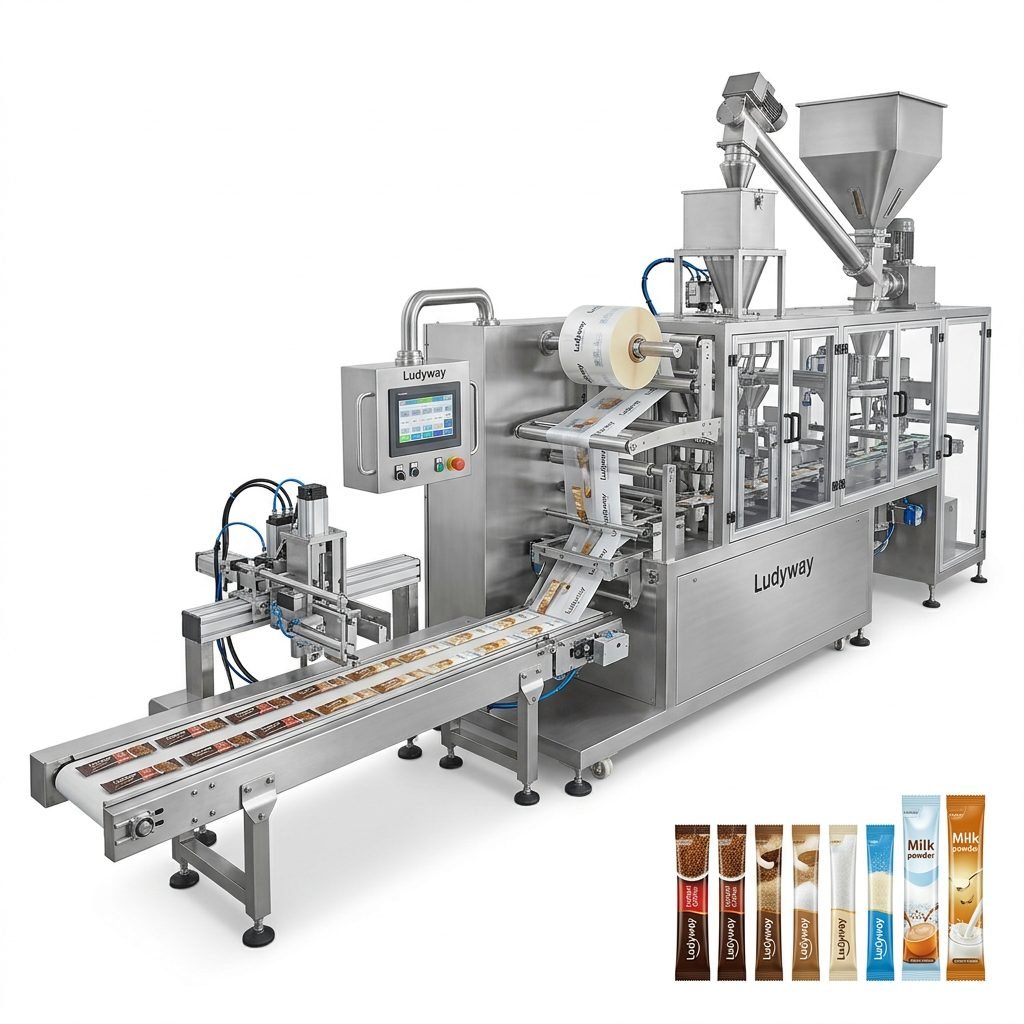
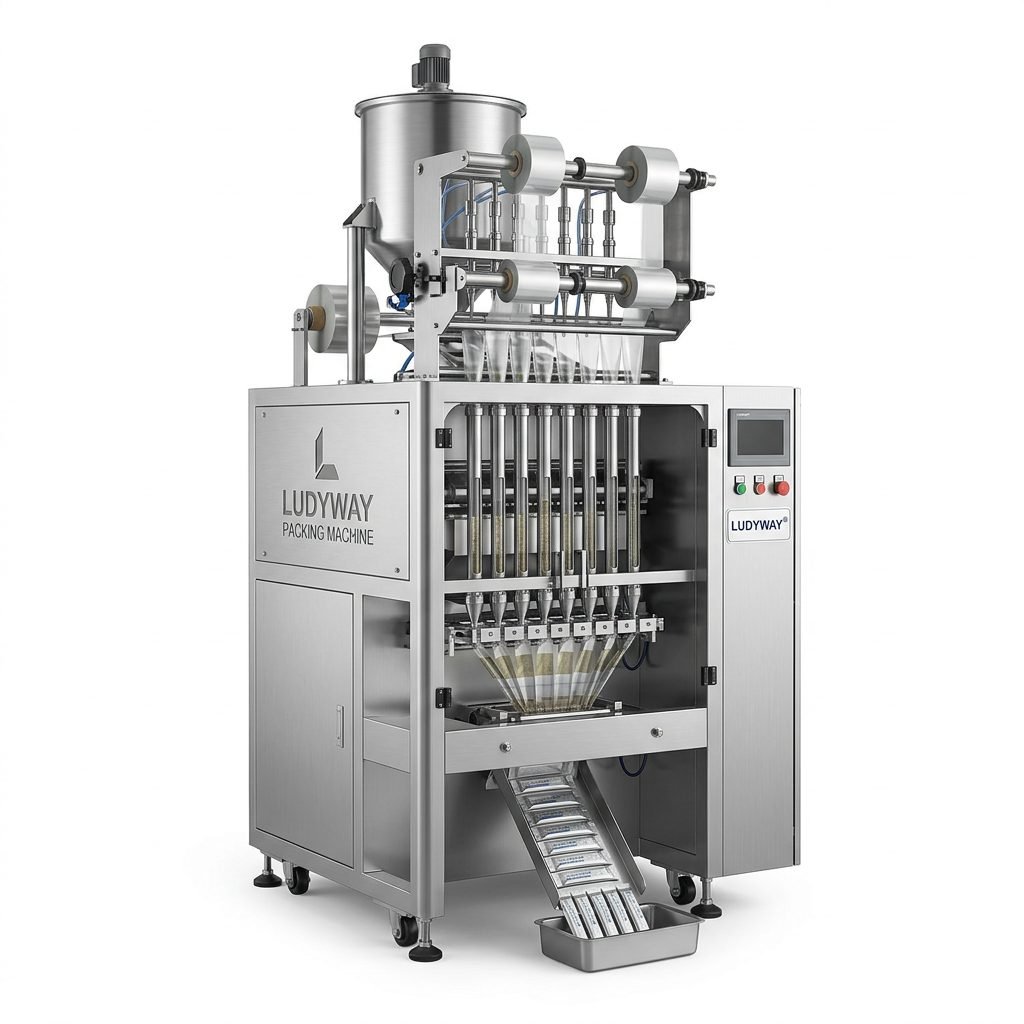
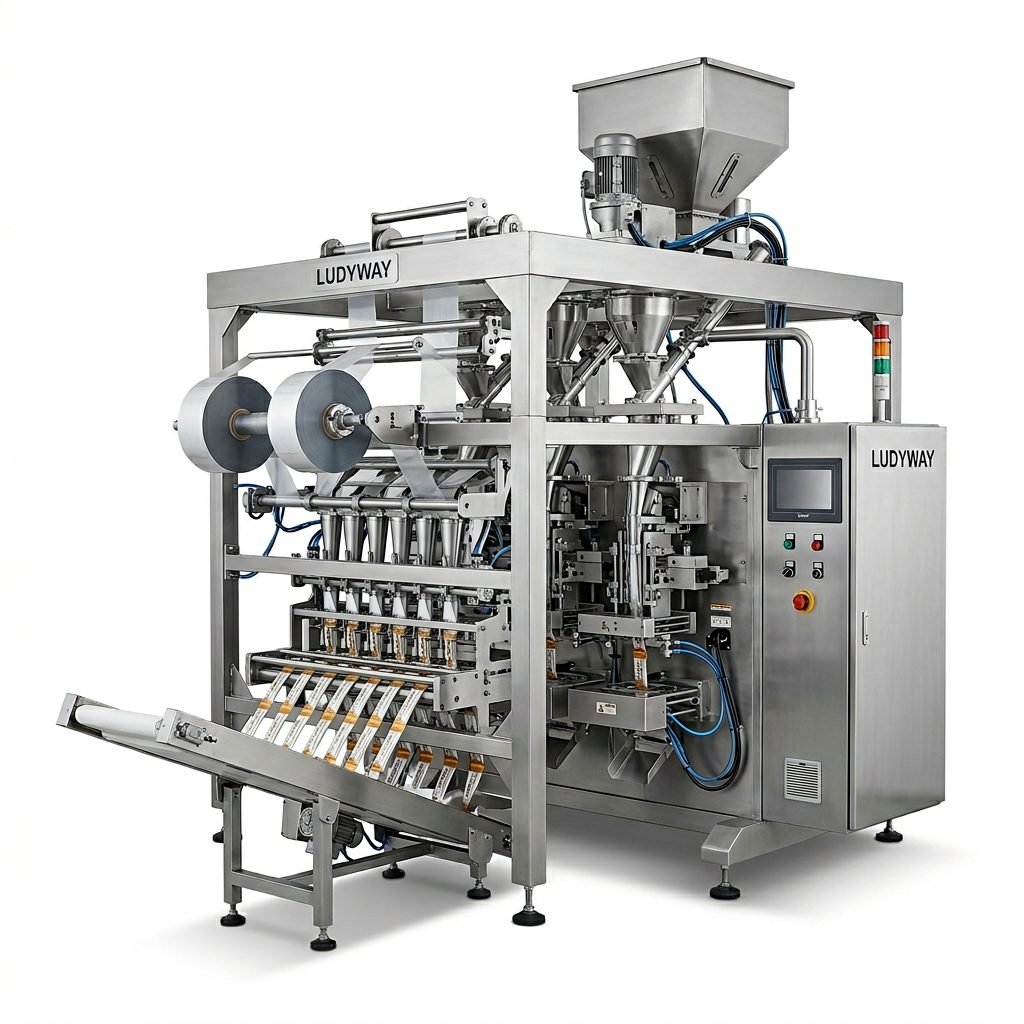
- Number of Lanes: A single-lane machine is suitable for small batches. However, for industrial-scale honey stick packs or tea sachets, 4-lane, 8-lane, or even 12-lane models are common. Each additional lane adds to the cost and the throughput.
- Filling System & Accuracy: Auger fillers for tea powder, piston fillers for viscous honey, and multi-head weighers for granulated tea leaves each have different cost implications. High-precision servo-driven dosing raises the price but reduces product giveaway.
- Construction Material: Machines built with food-grade 304 or 316 stainless steel and IP65 washdown protection are essential for sticky or fine powder environments, especially for honey. This durable build naturally increases the upfront cost.
- Additional Features: Options such as nitrogen flushing, zipper closures, code printing, gusseted pouch capabilities, and automatic cartoning systems all add to the overall investment.
For a deeper understanding of packaging automation trends, you can explore the latest State of the Industry reports from PMMI, which outline the growth in flexible pouches and sachet formats.
Typical Cost Ranges for Tea and Honey Sachet Machines
The table below provides a general benchmark for different machine configurations. Prices can vary based on the manufacturer’s location, engineering, and after-sales support.
| Machine Type | Typical Speed | Suitable For | Estimated Price Range (USD) |
|---|---|---|---|
| Single-Lane Semi-Auto | 15-30 packs/min | Small tea shops, start-ups | $5,000 – $12,000 |
| 4-Lane Automatic Stick Pack | 120-200 packs/min | Honey sticks, tea powders | $18,000 – $35,000 |
| 8-Lane High-Speed Sachet | 300-500 packs/min | Medium to large tea brands | $40,000 – $75,000 |
| 12-Lane Full Servo with Gas Flush | 500-800 packs/min | High-volume honey & tea exporters | $80,000 – $150,000+ |
Note: The above ranges include the basic host machine. Complete turnkey lines with feeding conveyors, cartoning, and palletizing will require a higher budget.
Why Invest in a Multi-Lane Sachet Packing Machine?
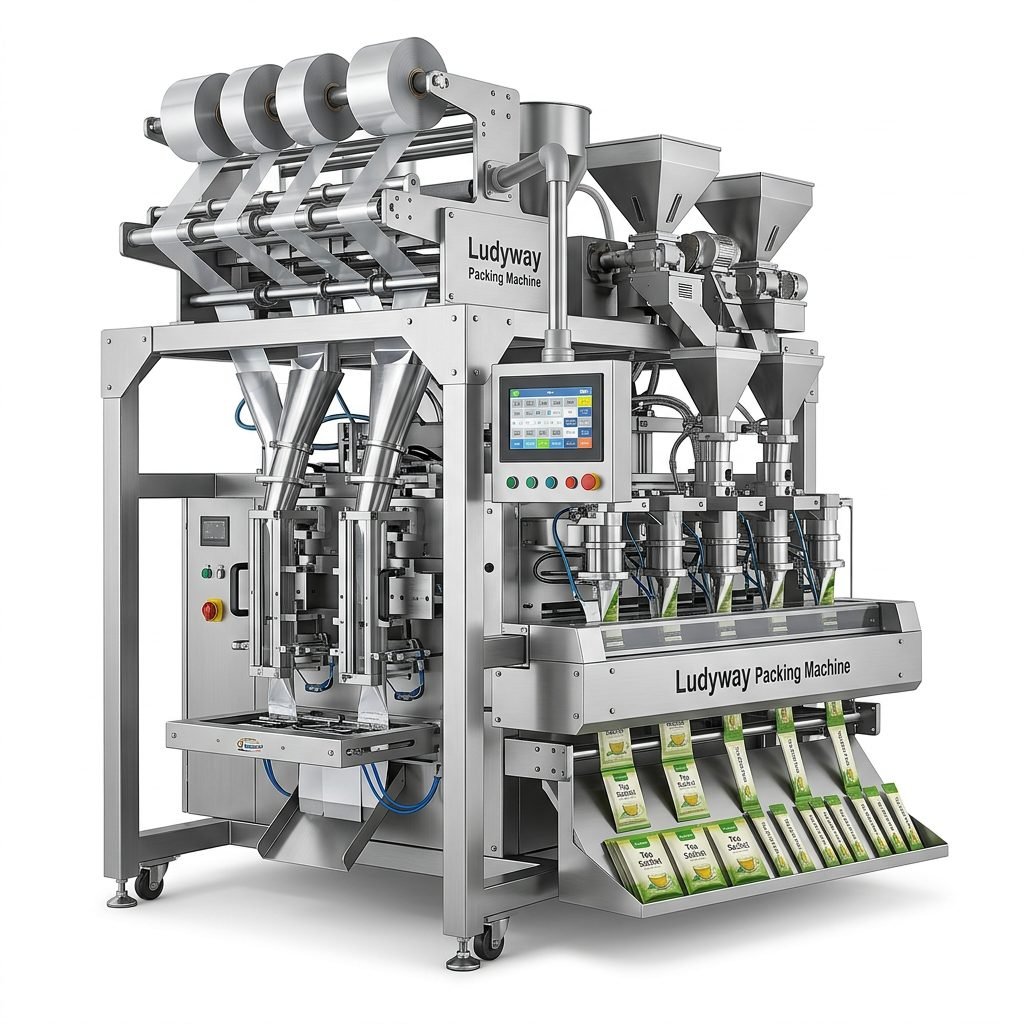
When packing tea and honey, the thin film material and the nature of sticky or dusty products demand precision tension control and anti-dripping sealing jaws. Modern multi-lane machines offer distinct advantages:
- Direct Film Unwinding: Photocell registration ensures each sachet’s pattern is perfectly aligned, critical for branded tea packaging.
- Anti-Leak Sealing: Vertical and horizontal serrated sealing units prevent honey from leaking and keep tea aroma sealed inside.
- Quick Changeover: Adjustable formers allow switching between sachet widths (e.g., from tea 60mm to honey 80mm) with minimal downtime.
As a leading packaging machine manufacturer, Ludyway integrates servo-driven multi-lane technology with robust stainless steel construction to handle both dry granulated tea and high-viscosity honey on the same versatile platform, helping businesses scale production efficiently.
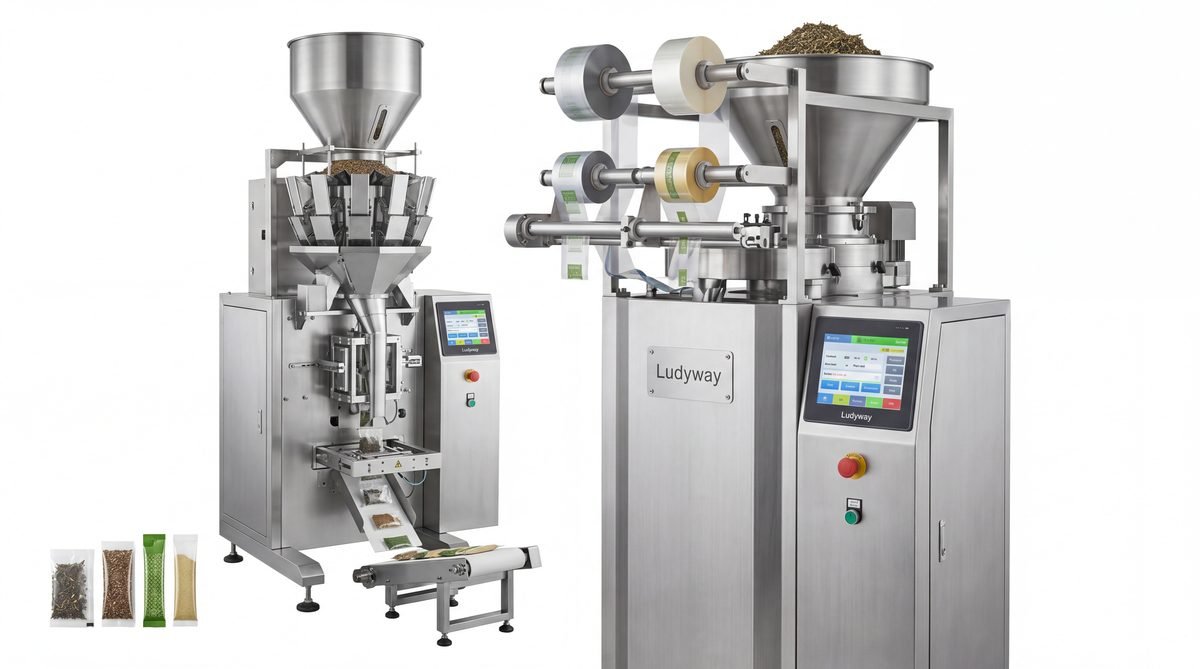
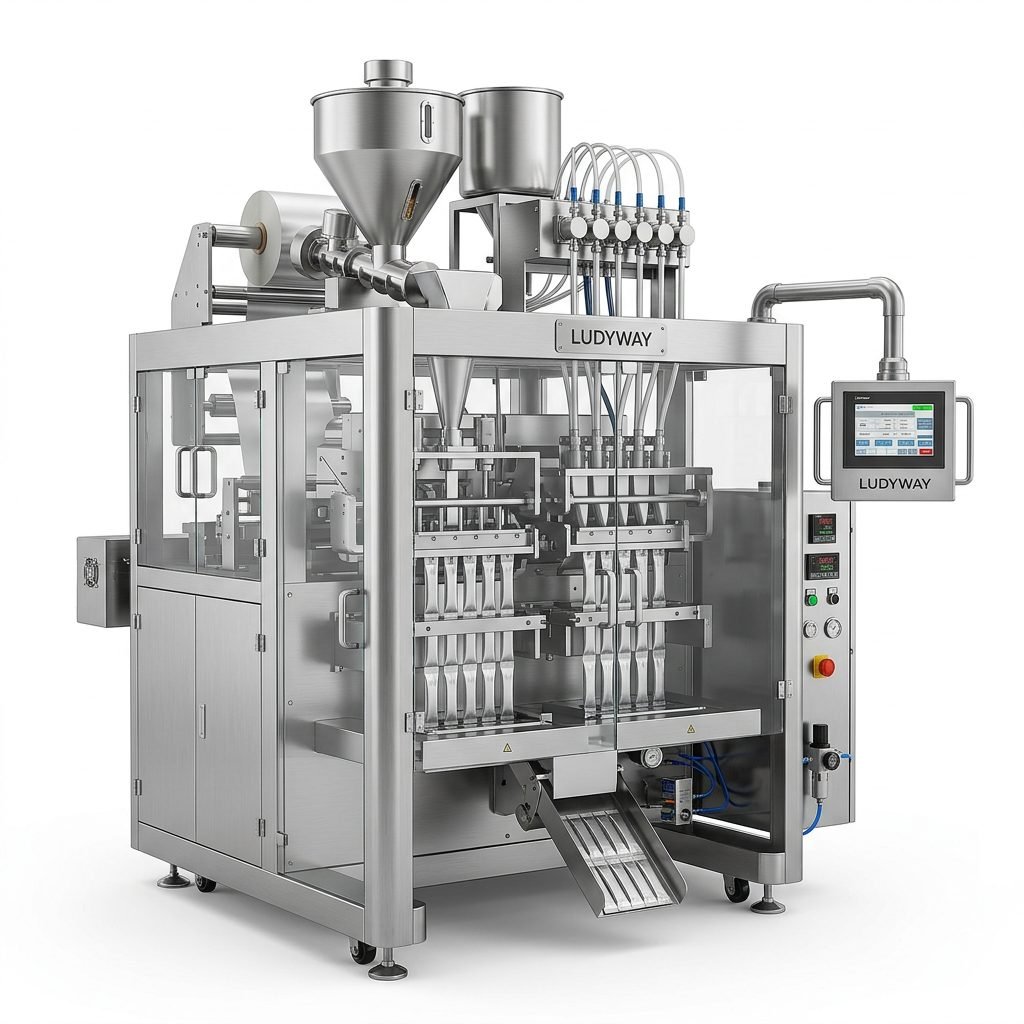
Selecting the Right Filling Mechanism for Your Product
The physical properties of tea and honey are vastly different, and using the wrong filling system can result in inaccurate weights or machine jams. Consider the following matches:
- Tea Granules & Leaves: A volumetric cup filler or linear multi-head weigher is ideal for free-flowing dried herbs and tea.
- Tea Powder (Matcha/Instant): An auger filler with dust-proof sealing and stirring devices prevents bridging and ensures consistent density.
- Pure Honey & Honey Blends: A heated piston pump is mandatory to maintain the viscosity. Additionally, anti-drip nozzles and hot-ribbon sealing jaws prevent contamination of the seal area.
How to Reduce Long-term Costs
While the initial price tag is important, the total cost of ownership (TCO) matters more over a 5-10 year lifecycle. Here is how smart buyers save money:
- Minimize Film Waste: Machines with precise bag length control and zero-tension unwinding can reduce film consumption by up to 5%, which translates into thousands of dollars saved annually.
- Energy-Efficient Servos: Modern full-servo drives consume significantly less electricity than pneumatic or mechanical cam systems.
- Remote Diagnostics: Choosing a supplier that offers online troubleshooting can prevent expensive emergency service calls. Many top-tier machines now support Ethernet-based remote assistance.
- Modular Design: A modular platform allows you to add more lanes or upgrade to a gas flush system later without replacing the entire machine.
For businesses assessing packaging machinery standards and regulations, the Flexible Packaging Association provides valuable resources that help ensure your machinery aligns with industry benchmarks.
Chinese Manufacturers vs. European Suppliers
It is no secret that sourcing from established Chinese manufacturers offers a significant cost advantage without necessarily compromising quality. A comparable 8-lane sachet machine from a European brand can cost 2-3 times more than an equivalent model from a top-tier Chinese enterprise. The key is to partner with a manufacturer that holds strict CE and ISO certifications and uses internationally recognized components (Siemens PLC, Omron sensors, etc.).
When evaluating a supplier, requesting a Factory Acceptance Test (FAT) video or an on-site visit is critical. Companies with decades of experience, such as Ludyway, operate large-scale production facilities and rigorously test every machine with actual tea or honey products before shipment. Their commitment to engineering and global support ensures that even with a lower upfront cost, the machine’s reliability and output remain uncompromised.
Frequently Asked Questions
Can one machine pack both tea and honey? Yes, but it requires a specific configuration. The machine needs interchangeable fillers (auger for tea, piston for honey) and quick-adjust formers. This dual-purpose setup slightly increases the initial budget but maximizes factory floor space.
What is the typical lead time for a custom honey stick pack line? Standard models can ship in 30-45 days, while highly customized multi-lane lines may take 60-90 days depending on the complexity of the filler integration.
Conclusion
The cost of a tea and honey sachet packing machine is a strategic investment that must be calculated against your production targets and product handling requirements. An entry-level single-lane unit might serve a small business, but a growing brand processing millions of sachets annually will benefit from the speed, accuracy, and reliability of a high-performance multi-lane system. By carefully analyzing your filling needs, automation level, and supplier expertise, you can secure a packaging solution that drives efficiency for years to come. For further reading on packaging machinery standards, visit the PMMI packaging industry resources page.