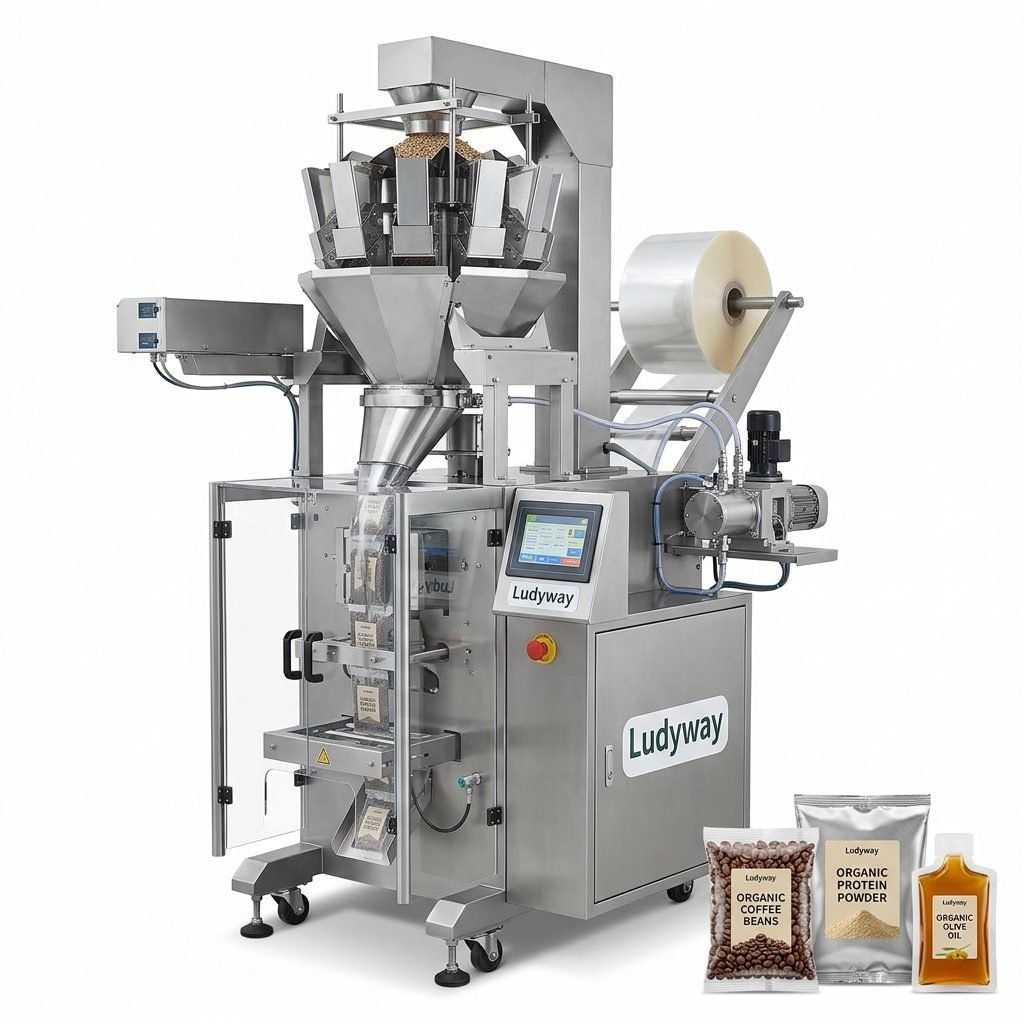
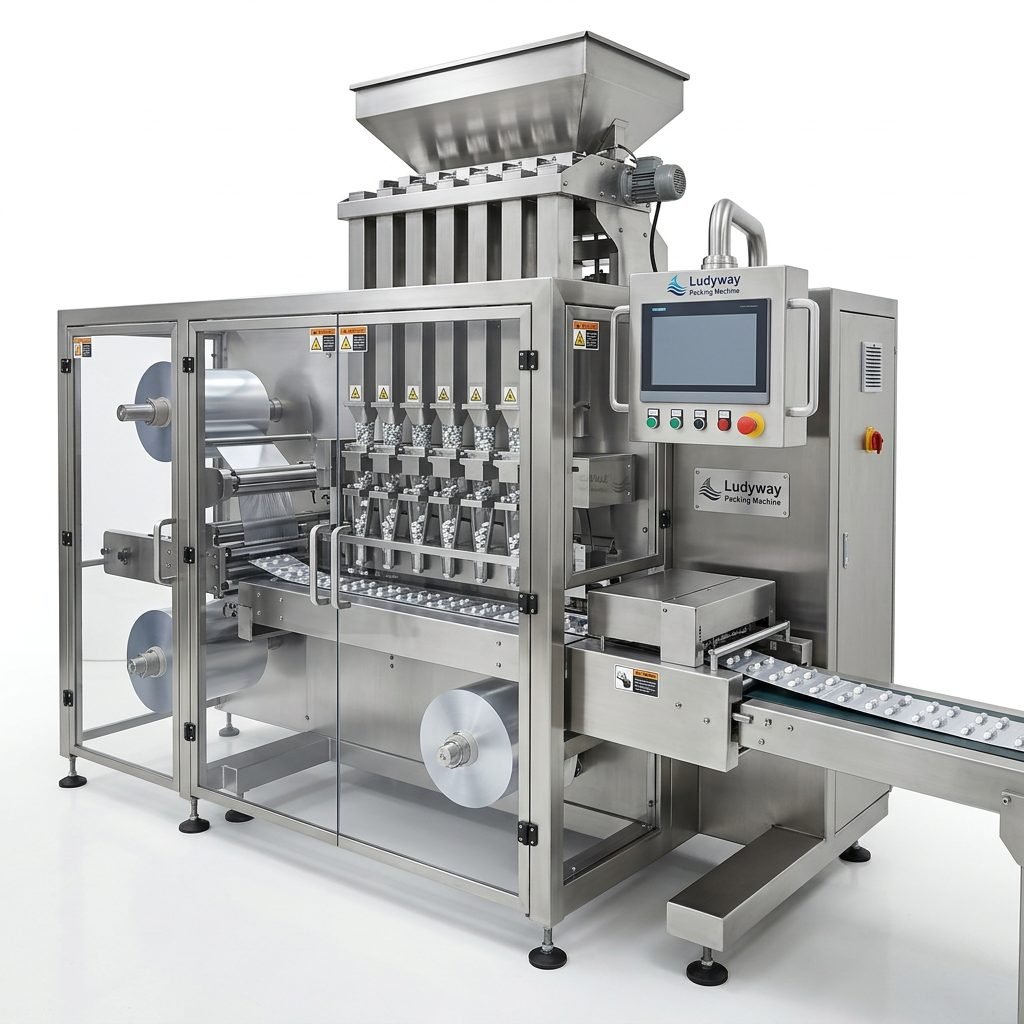
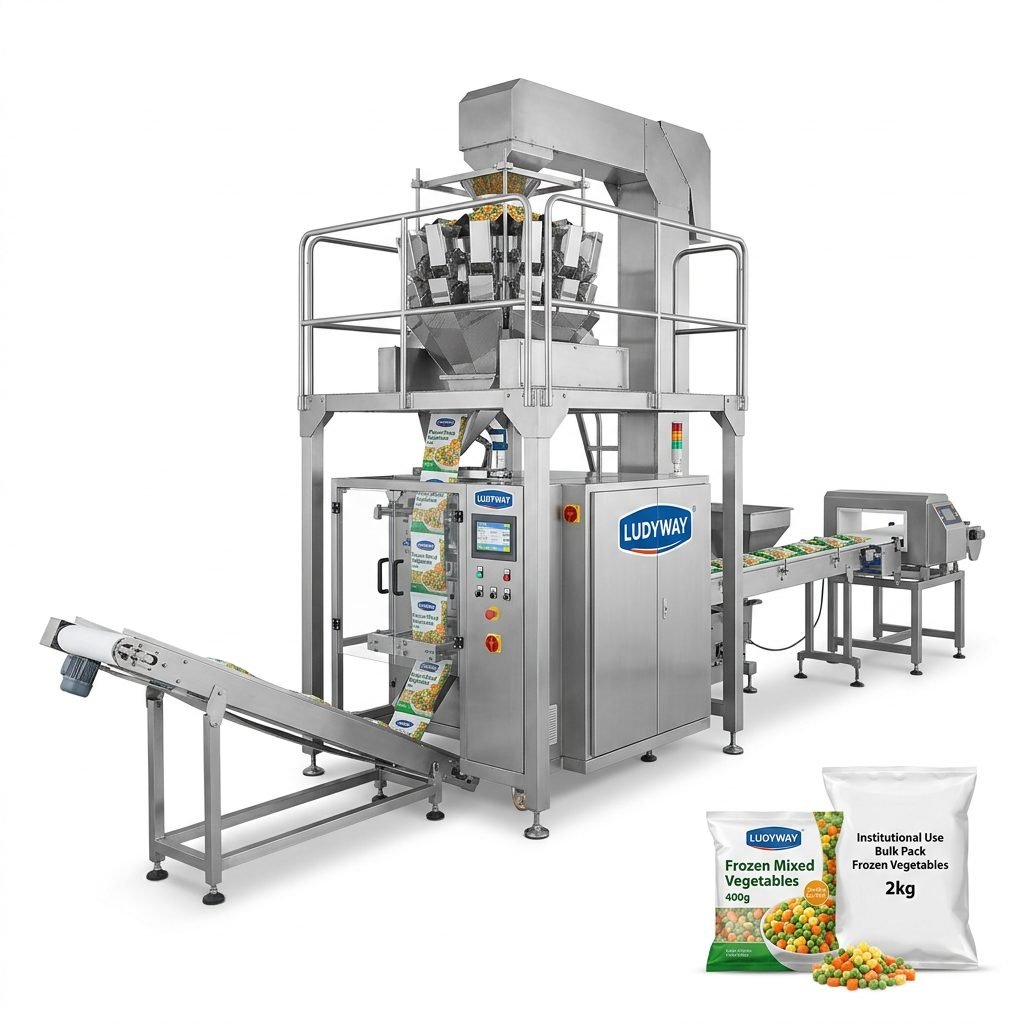
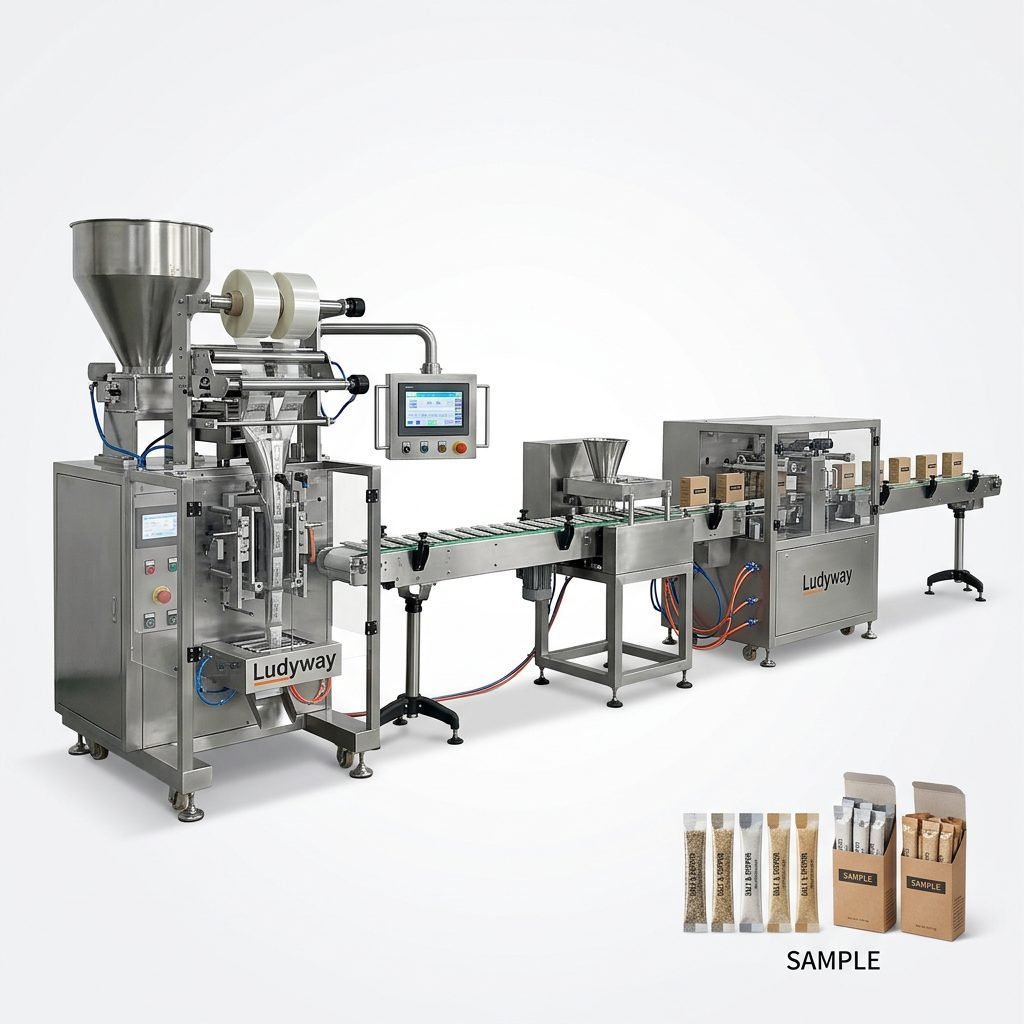
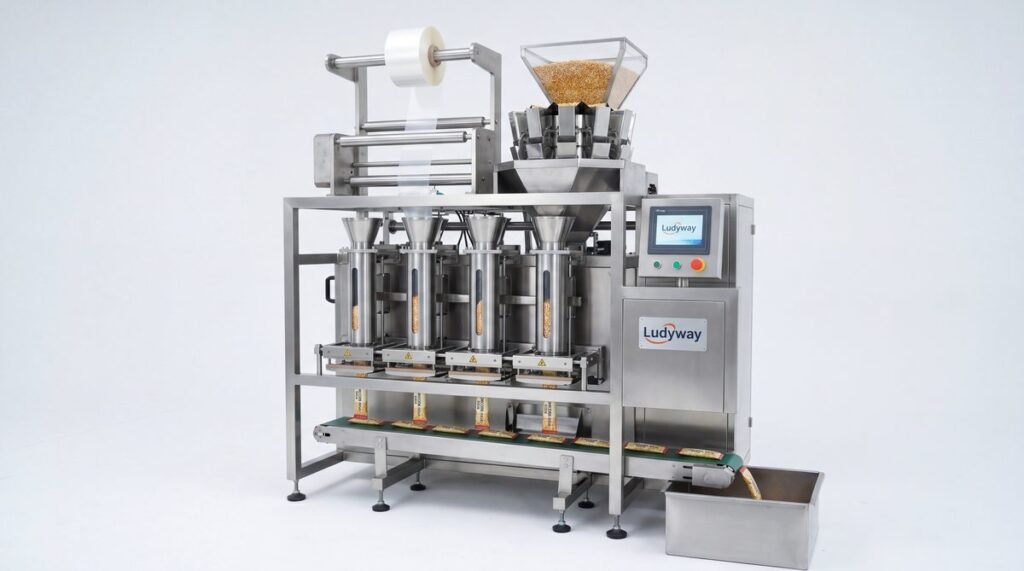
Selecting the right sugar stick packing machine is one of the most important equipment decisions for manufacturers in the food, beverage, and foodservice industries. Whether you are packaging granulated sugar, powdered sugar, brown sugar, or sugar substitutes, the machine you choose directly affects production efficiency, package quality, product consistency, and long-term operating costs. A poorly matched machine can lead to filling inaccuracies, material waste, frequent downtime, and packaging defects that compromise your brand reputation. This comprehensive buyer’s guide walks you through every critical factor you need to evaluate before investing in a sugar stick pack machine.
Understanding Sugar Stick Pack Packaging Requirements
Before comparing machine models, you must first clearly define your packaging requirements. Sugar products vary significantly in terms of granule size, flow characteristics, moisture sensitivity, and packaging format preferences. Granulated white sugar flows differently than powdered sugar; brown sugar presents additional challenges due to its higher moisture content and tendency to clump. Sugar substitutes and blended sweetener products may have entirely different bulk density and flow behavior.
The most common packaging formats for sugar products include single-serve stick packs, sachets, and small pouches — typically ranging from 2 grams to 20 grams per package. These formats are widely used in cafés, restaurants, hotels, airlines, and retail channels. Understanding your target fill weight range, required production speed, and packaging material preferences is the foundation for selecting appropriate equipment.
Key Factors to Consider When Choosing a Sugar Stick Packing Machine
Production Speed and Output Capacity
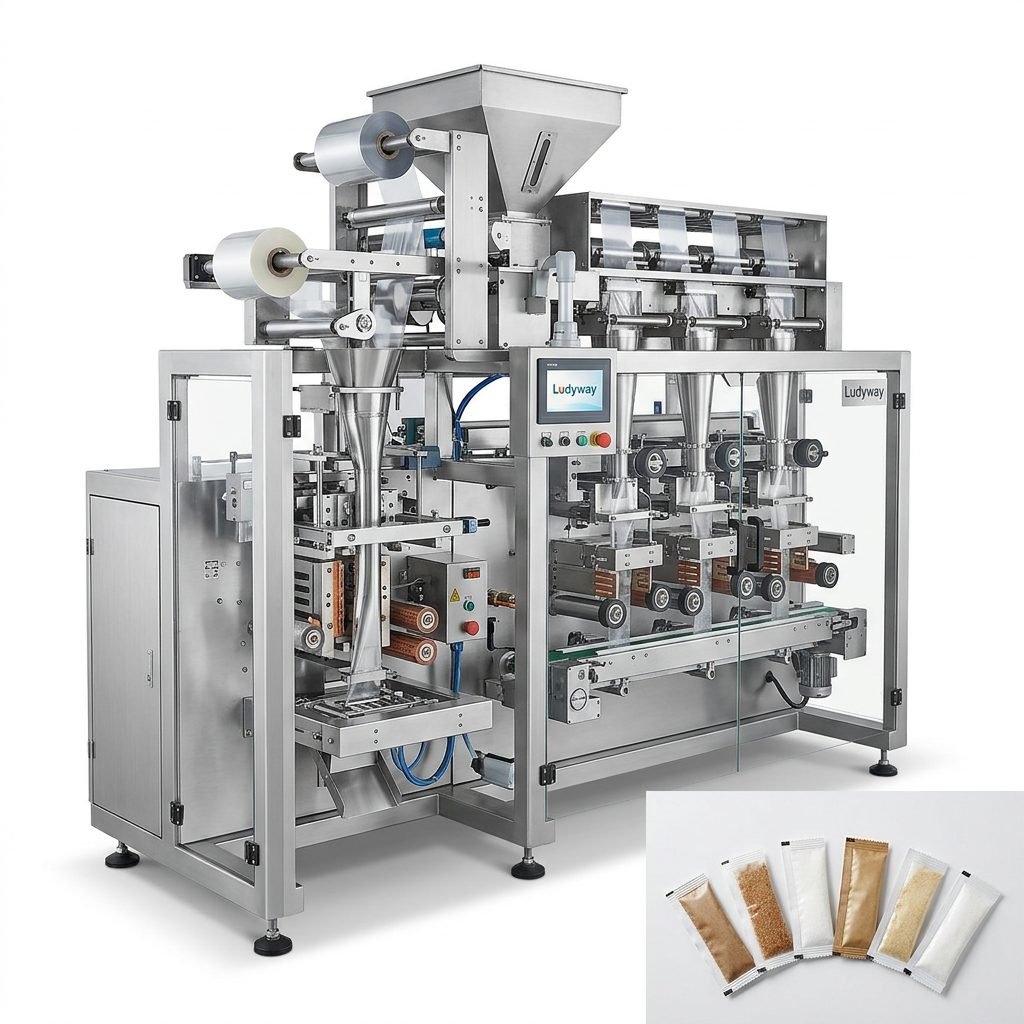
Production speed is one of the most critical specifications to evaluate. Sugar stick packing machines are available in a wide range of speed capabilities — from compact single-lane machines producing 30 to 60 sticks per minute, to high-speed multi-lane systems capable of producing 400 to 800 sticks per minute or more. Your required output should align with current demand plus reasonable headroom for future growth. Over-investing in excess capacity increases upfront costs; under-investing creates production bottlenecks. A multi-lane stick pack machine with 4 to 12 lanes is often the optimal configuration for medium to high-volume sugar packaging operations.
Packaging Material Compatibility
Sugar stick packs are typically packaged using laminated flexible films that provide moisture barrier protection, heat seal integrity, and printability. Common materials include paper/PE/aluminum foil laminates, metallized PET/PE structures, and various multi-layer barrier films. Your chosen machine must be compatible with the specific film types, thickness ranges, and roll dimensions you plan to use. Verify that the machine’s sealing system, tension control, and film tracking mechanisms are designed for your packaging materials. Machines with automatic film tension adjustment and precision temperature control deliver more consistent seal quality across different material types.
Filling Accuracy and Dosing Technology
Accurate dosing is essential for sugar stick packaging — both for regulatory compliance and cost control. Overfilling by even 0.5 grams per stick can translate into significant product giveaway over millions of units. Modern dosing technologies for sugar products include volumetric cup fillers, auger fillers, and multi-head combination weighers. Volumetric systems work well for free-flowing granulated sugar with consistent bulk density. Auger fillers are better suited for powdered sugar and less free-flowing products. For the highest accuracy across variable product characteristics, multi-head weighers with individual weigh buckets deliver superior precision and minimal giveaway.
Types of Sugar Stick Packing Machines
Understanding the different machine categories helps narrow your options:
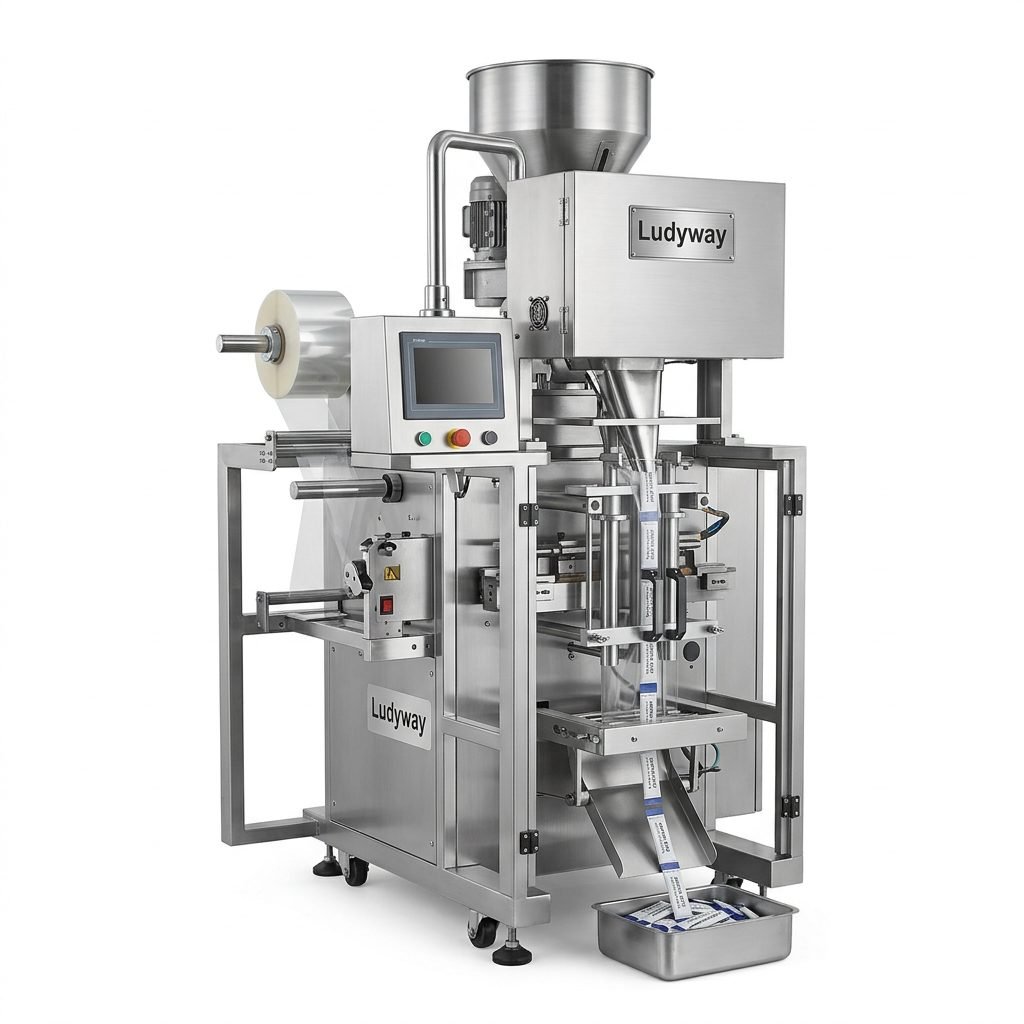
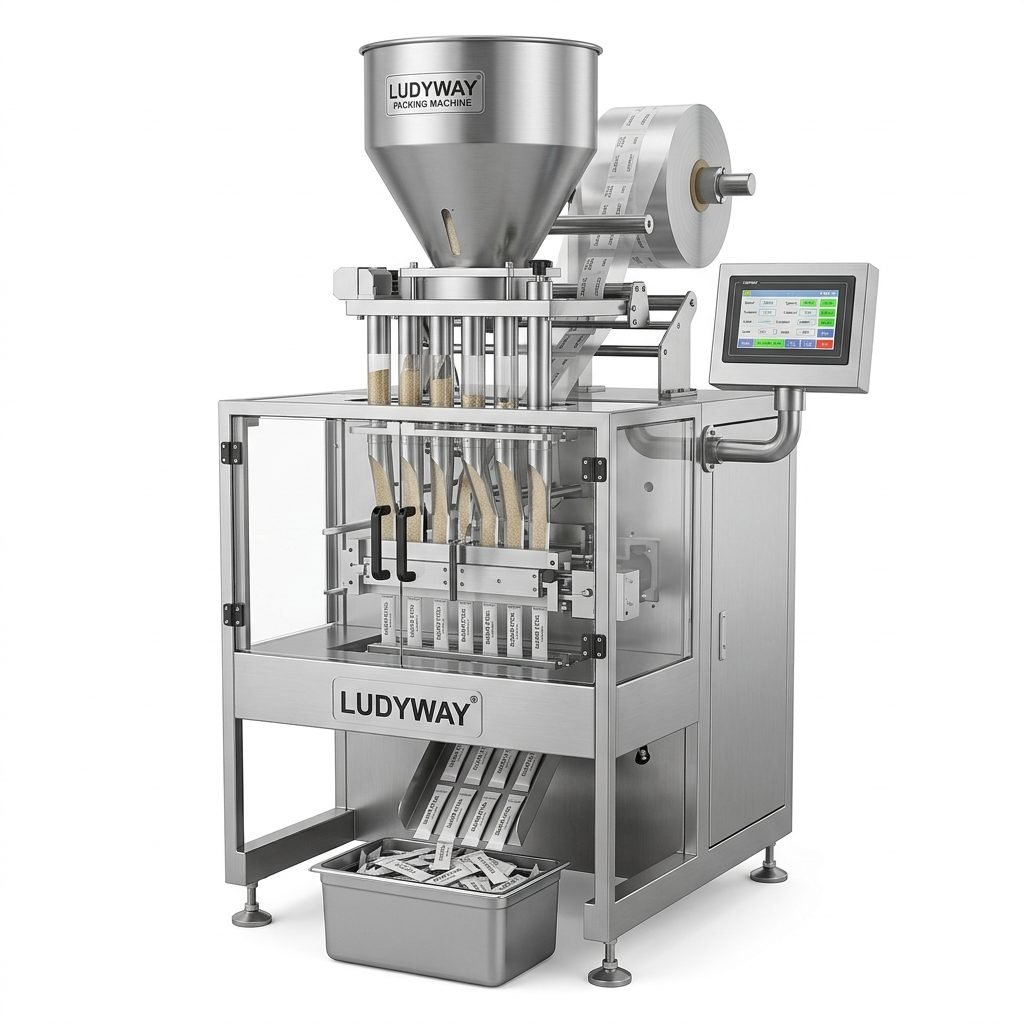
- Single-Lane Stick Pack Machines: Ideal for small-scale production, pilot runs, and niche products. These compact machines offer simplicity and lower initial investment but limited output. Best suited for startups and specialty sugar products with lower volume requirements.
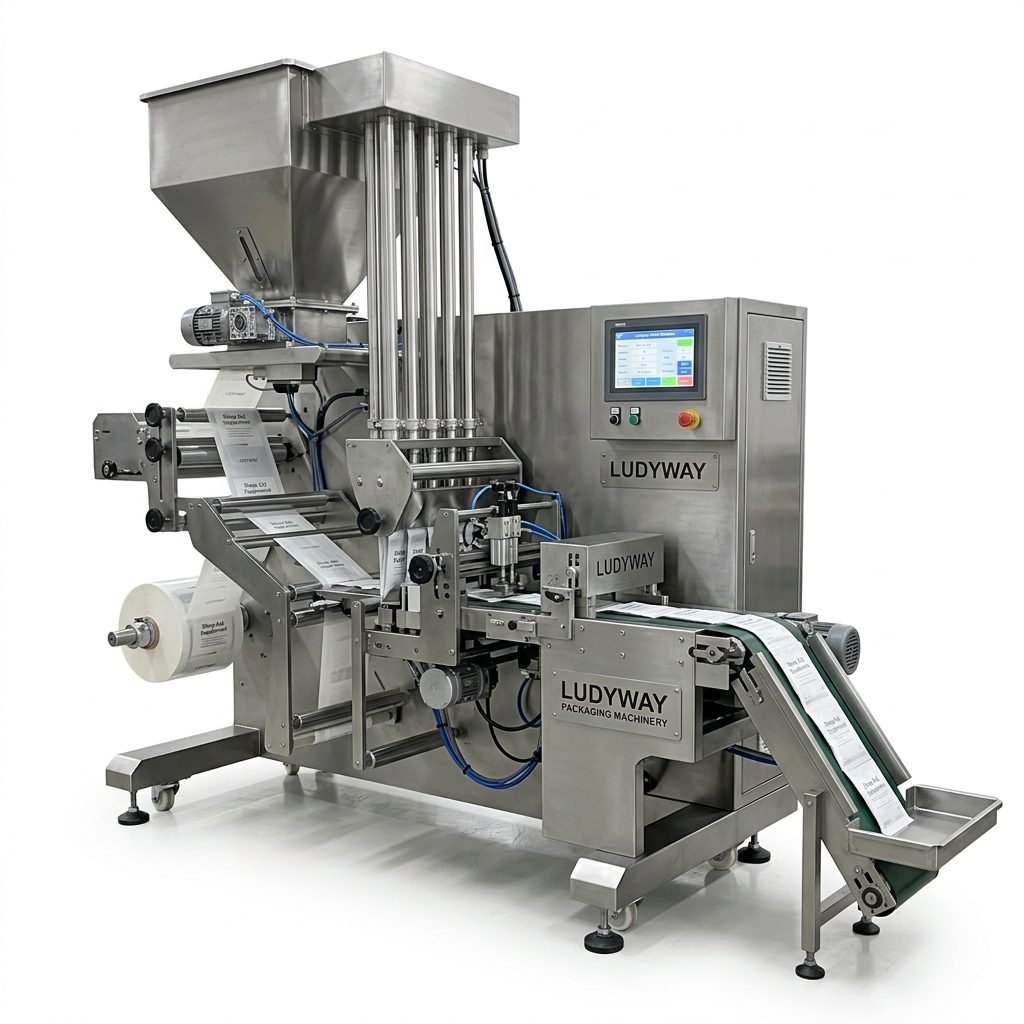
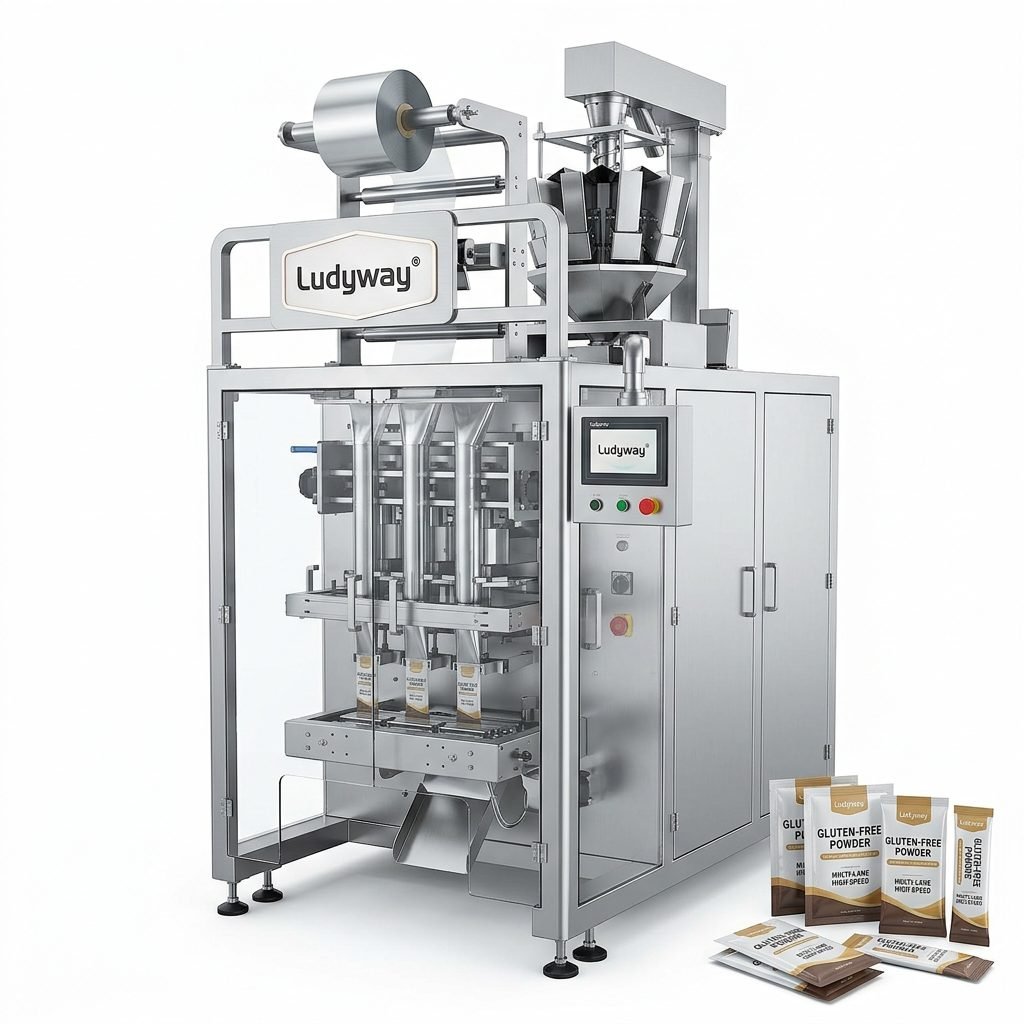
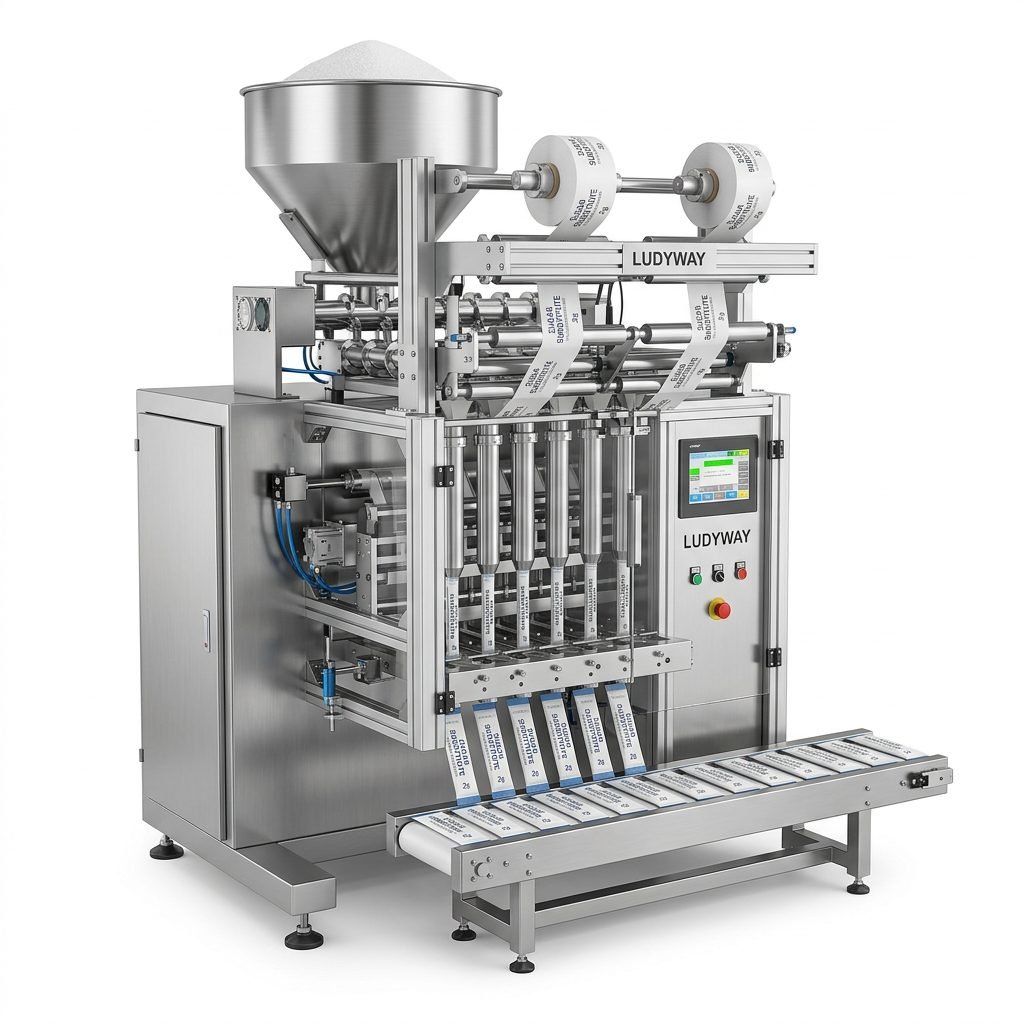
- Multi-Lane Stick Pack Machines: The most common choice for commercial sugar packaging. Available in configurations from 4 to 12+ lanes, these machines multiply output without proportionally increasing floor space. A well-engineered multi-lane system can produce millions of stick packs per day with consistent quality.
- High-Speed Continuous Motion Systems: For the highest volume operations, continuous motion stick pack machines eliminate intermittent motion pauses, achieving ultra-high speeds. These systems are typically custom-configured for specific applications and represent the top tier of packaging automation.
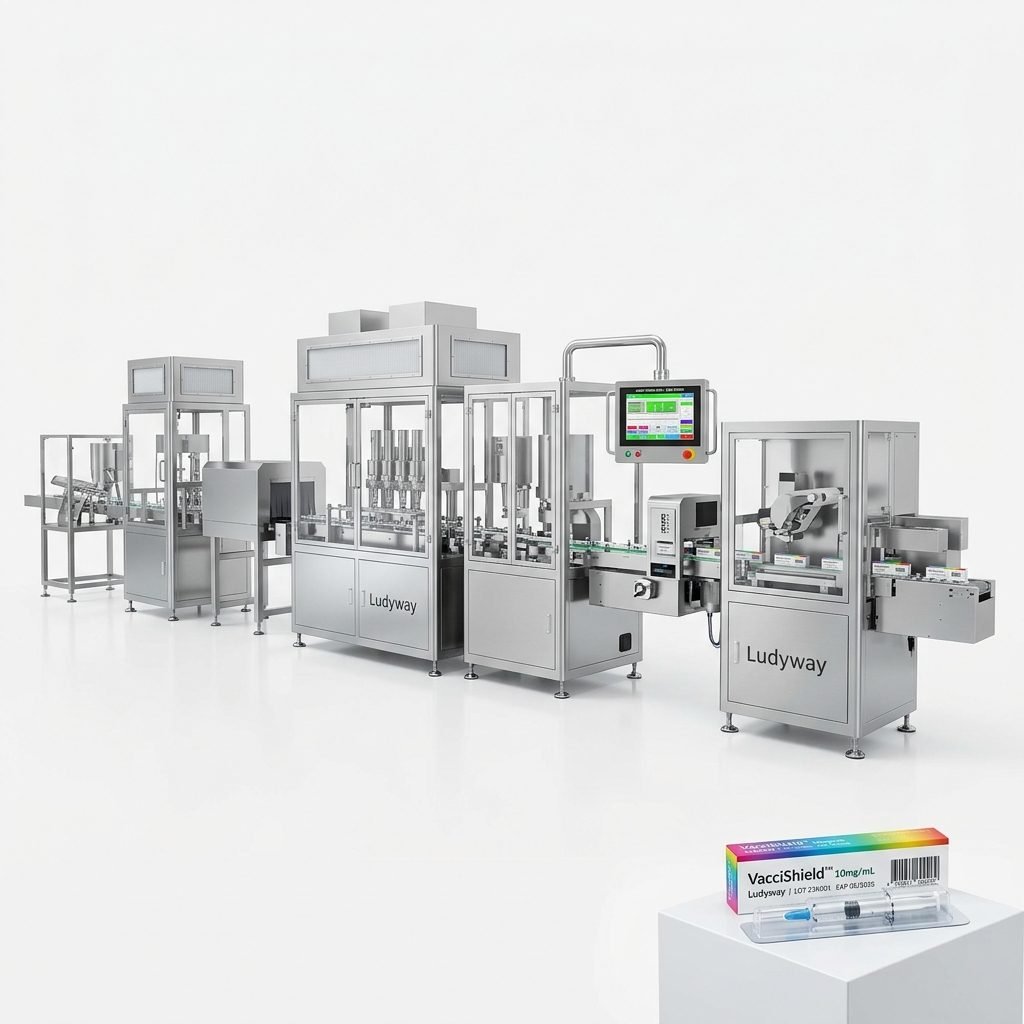
- Integrated Turnkey Packaging Lines: Beyond the stick pack machine itself, complete lines can integrate automatic feeding systems, checkweighers, metal detectors, coding and marking units, cartoning machines, and case packers for a fully automated end-to-end solution.
Technical Specifications Comparison
The following table compares key specifications across different machine categories. Use this as a reference framework when evaluating options:
| Specification | Single-Lane | Multi-Lane (4-8) | High-Speed Multi-Lane |
|---|---|---|---|
| Output Range | 30-80 sticks/min | 200-500 sticks/min | 500-1000+ sticks/min |
| Fill Weight Range | 1-25 grams | 1-20 grams | 0.5-15 grams |
| Dosing Technology | Volumetric / Auger | Auger / Multi-Head Weigher | Multi-Head Weigher / Servo Auger |
| Filling Accuracy | ±0.3-0.5g | ±0.2-0.3g | ±0.1-0.2g |
| Floor Space | Compact | Moderate | Larger Footprint |
| Changeover Time | 15-30 minutes | 20-45 minutes | 30-60 minutes |
| Best For | Startups, niche products | Medium-large manufacturers | High-volume industrial scale |
Industry Standards and Compliance
Food-grade packaging equipment must meet applicable regulatory and industry standards. For sugar packaging, key considerations include food contact material compliance, machine hygiene design, and cleanability. Equipment should be designed with stainless steel product contact surfaces, easy-access panels for cleaning and maintenance, and sanitary construction that prevents product buildup. Depending on your market, you may need compliance with FDA food packaging regulations, EU food contact material requirements, or other regional standards. The PMMI packaging industry standards and ISO packaging standards provide valuable frameworks for evaluating equipment quality and safety. Additionally, refer to resources from the Flexible Packaging Association for guidance on packaging material selection and sustainability considerations.
Evaluating Total Cost of Ownership
Beyond the initial purchase price, a thorough cost analysis should account for all ownership costs over the expected service life of the equipment. Key cost factors include:
- Energy consumption — Modern servo-driven machines use significantly less electricity than older pneumatic or mechanical systems.
- Packaging material waste — Machines with precise film registration and tension control minimize film waste during startups, stops, and splices.
- Product giveaway — As noted earlier, even small filling inaccuracies compound into substantial annual product loss at high volumes.
- Maintenance and spare parts — Evaluate the availability and cost of wear parts, sealing components, and critical spare assemblies.
- Operator requirements — More automated machines reduce direct labor but may require more skilled technicians for maintenance and programming.
- Downtime cost — Reliable equipment with strong technical support minimizes costly production interruptions.
Working with a Reliable Packaging Machinery Partner
Selecting the right machine is only part of the equation; choosing the right equipment partner is equally important. A qualified packaging machinery manufacturer should offer more than just equipment — they should provide application engineering support, customization capabilities, installation and commissioning services, operator training, and responsive after-sales technical support. Look for manufacturers with proven experience in stick pack and sachet packaging across multiple industries, demonstrated engineering expertise, and a global service footprint that aligns with your operational locations.
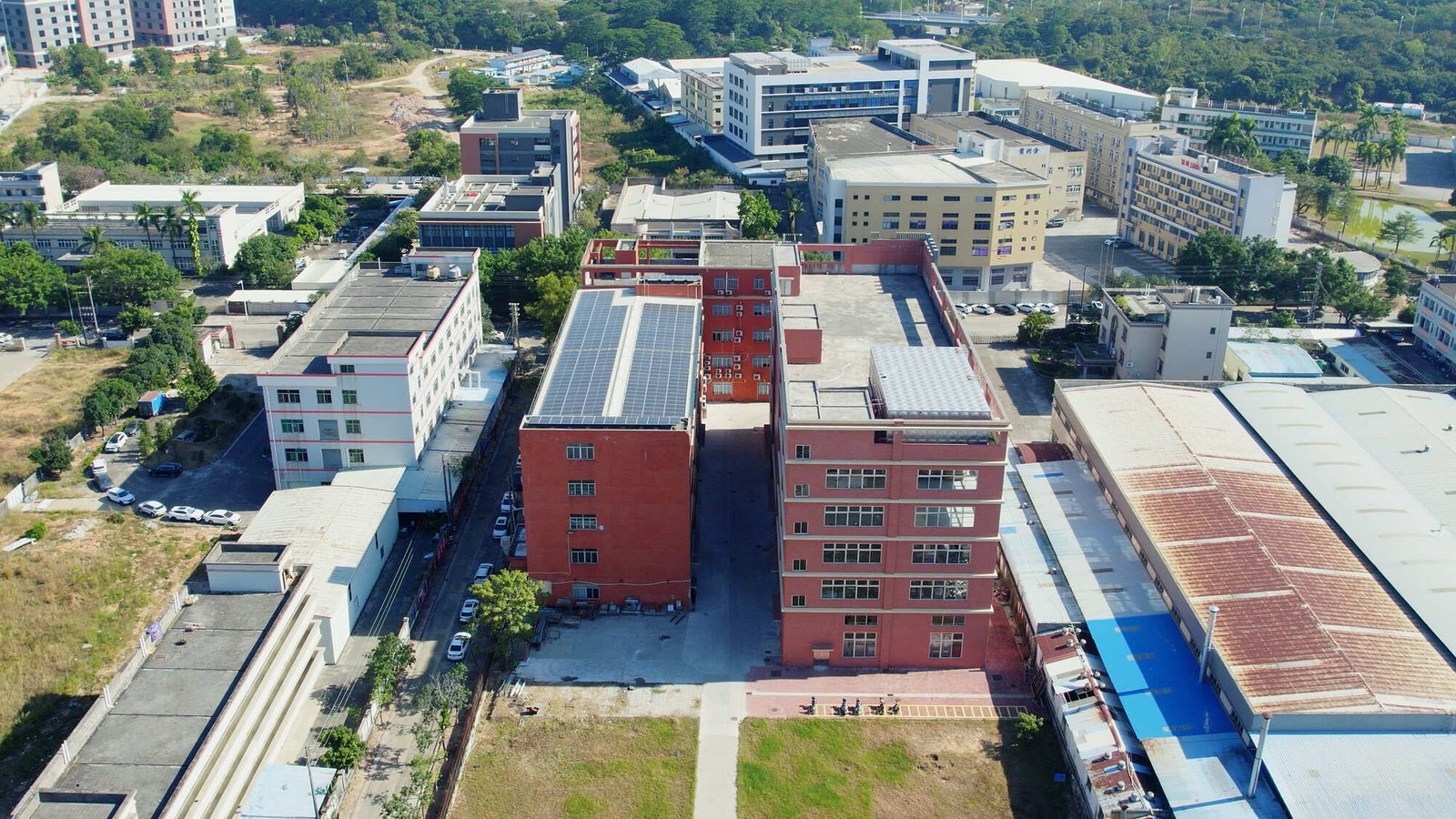
One example of a manufacturer with comprehensive capabilities in this space is Ludyway Machinery, a China-based packaging machinery manufacturer with more than 30 years of industry experience. With over 50 packaging machine models, a 20,000-square-meter manufacturing facility, and a team of more than 130 professionals, Ludyway provides custom sugar stick packing solutions — from individual multi-lane stick pack machines to complete turnkey packaging lines — supported by global service in more than 100 countries. When evaluating partners, prioritize those who take the time to understand your product characteristics, production goals, and operational context before recommending equipment configurations.
Questions to Ask Before Making a Purchase Decision
Before finalizing your sugar stick packing machine investment, ensure you have clear answers to these essential questions:
- What is your current and projected daily or annual production volume in terms of stick packs?
- What is the exact range of fill weights you need to accommodate now and in the foreseeable future?
- What packaging materials will you use, and has the machine supplier confirmed compatibility?
- What dosing technology is recommended for your specific sugar product characteristics?
- What level of automation do you require — standalone machine or fully integrated turnkey line?
- What certifications and compliance documentation are required for your target markets?
- What is the expected lead time, installation timeline, and ramp-up to full production capacity?
- What after-sales support, spare parts availability, and technical service does the manufacturer provide in your region?
- What is the total estimated cost of ownership over 5 and 10 years, including all operational costs?
- Can the manufacturer provide references from similar sugar packaging applications?
Making the Right Investment for Long-Term Success
Choosing a sugar stick packing machine is a significant capital investment that impacts your production capabilities, product quality, and competitive position for years to come. By thoroughly evaluating your product requirements, production goals, machine specifications, compliance needs, and total cost of ownership — and by partnering with an experienced packaging machinery manufacturer — you can make an informed decision that supports your business growth and operational excellence. Take the time to visit manufacturing facilities when possible, run product trials on candidate machines, and speak with existing users about their experience. The due diligence invested in the selection process pays dividends through higher efficiency, lower operating costs, and more consistent packaging quality throughout the life of the equipment.
For more information on packaging machinery standards and industry resources, visit the PMMI Business Intelligence Library and the Flexible Packaging Association Knowledge Hub.