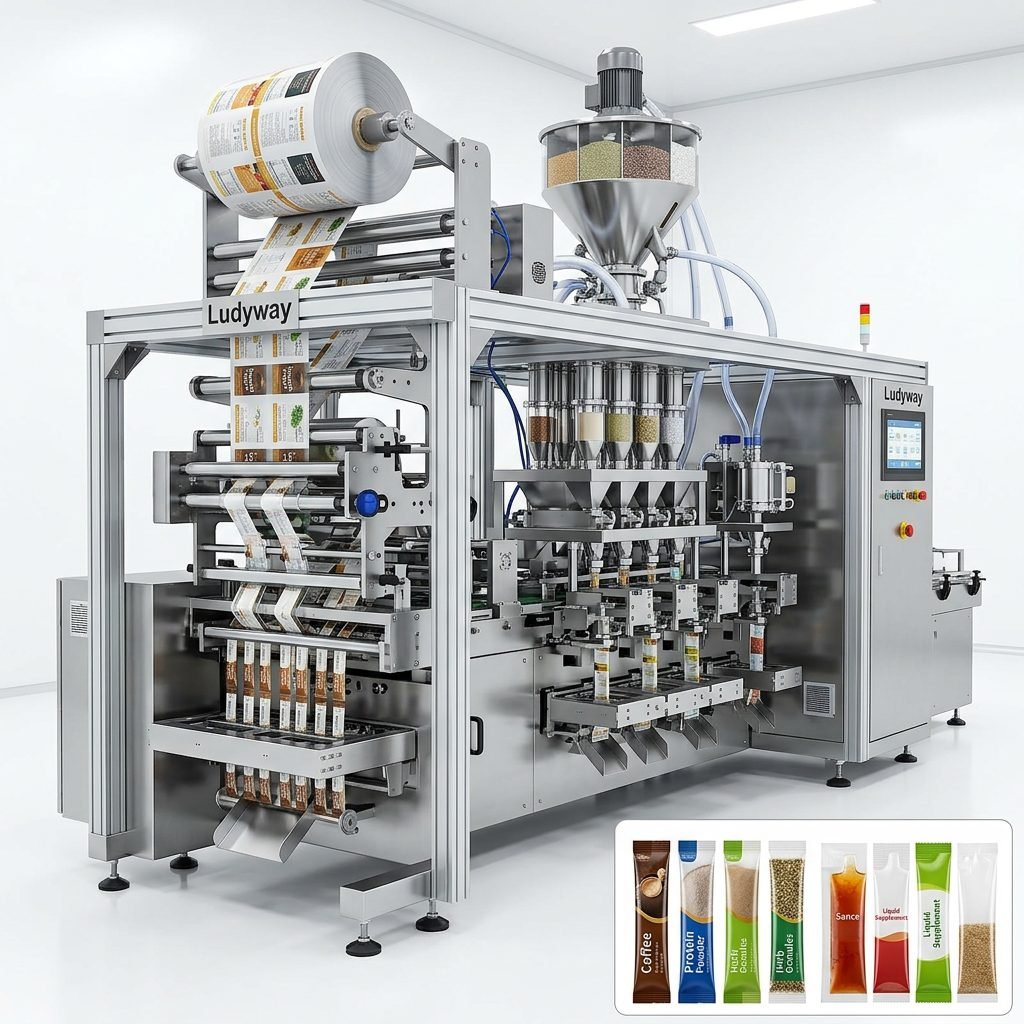
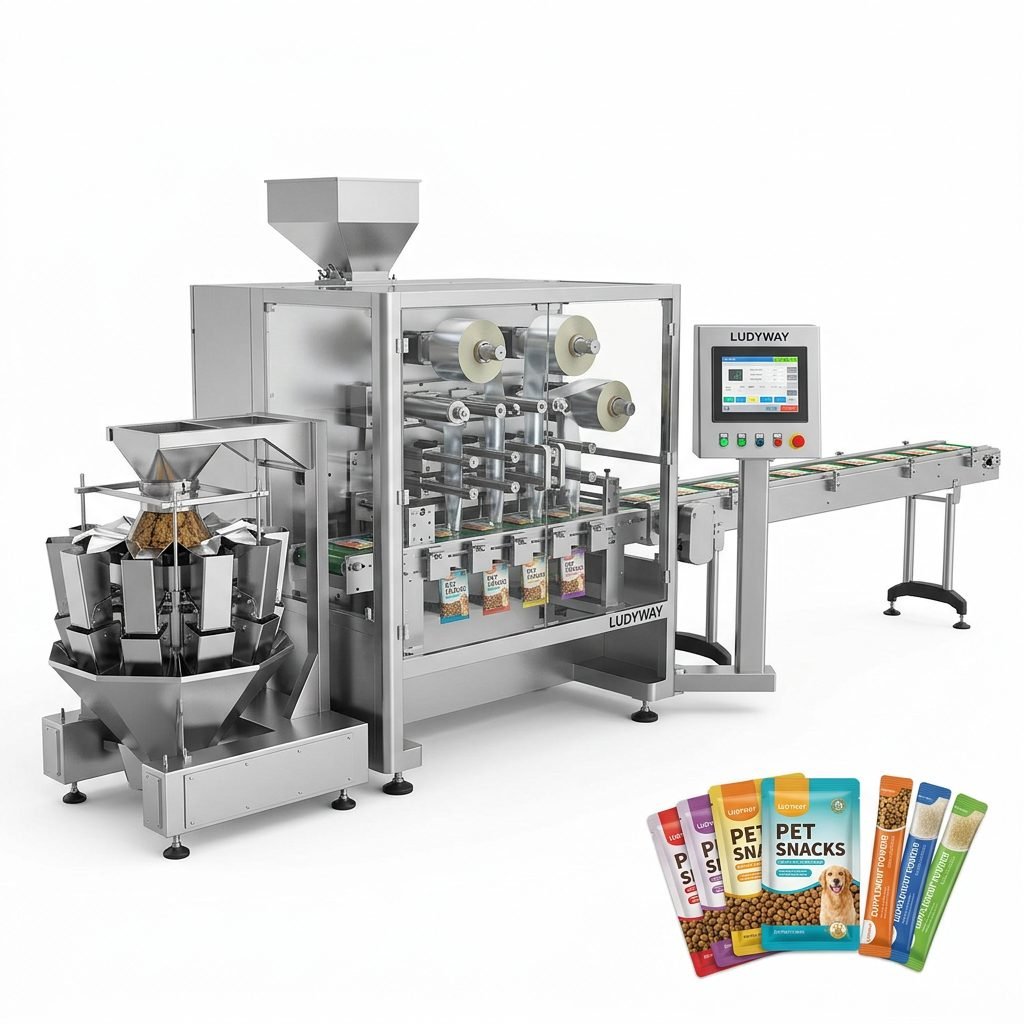
Investing in a Uhlmann packaging machine — or any high-performance pharmaceutical packaging system — represents a significant strategic decision for manufacturers in the pharmaceutical, nutraceutical, and healthcare sectors. The right equipment directly impacts production efficiency, regulatory compliance, product integrity, and total cost of ownership. This comprehensive buyer’s guide walks you through the essential factors to evaluate before making your purchase.

Understanding Blister Packaging Technology and Applications
Uhlmann is widely recognized for its blister packaging machines, which are designed for solid-dose pharmaceuticals such as tablets, capsules, and ampoules. These machines form, fill, and seal blister packs using thermoforming or cold-forming processes. Before selecting a specific model, you must clearly define your product characteristics, production volume requirements, and packaging format specifications.
Typical applications include prescription drugs, over-the-counter medications, clinical trial packaging, and combination products. The choice between thermoforming (using PVC, PVDC, or PP films) and cold-form aluminum blistering depends on the product’s moisture sensitivity and barrier requirements. Understanding these fundamentals helps narrow down the appropriate machine configuration from the start.
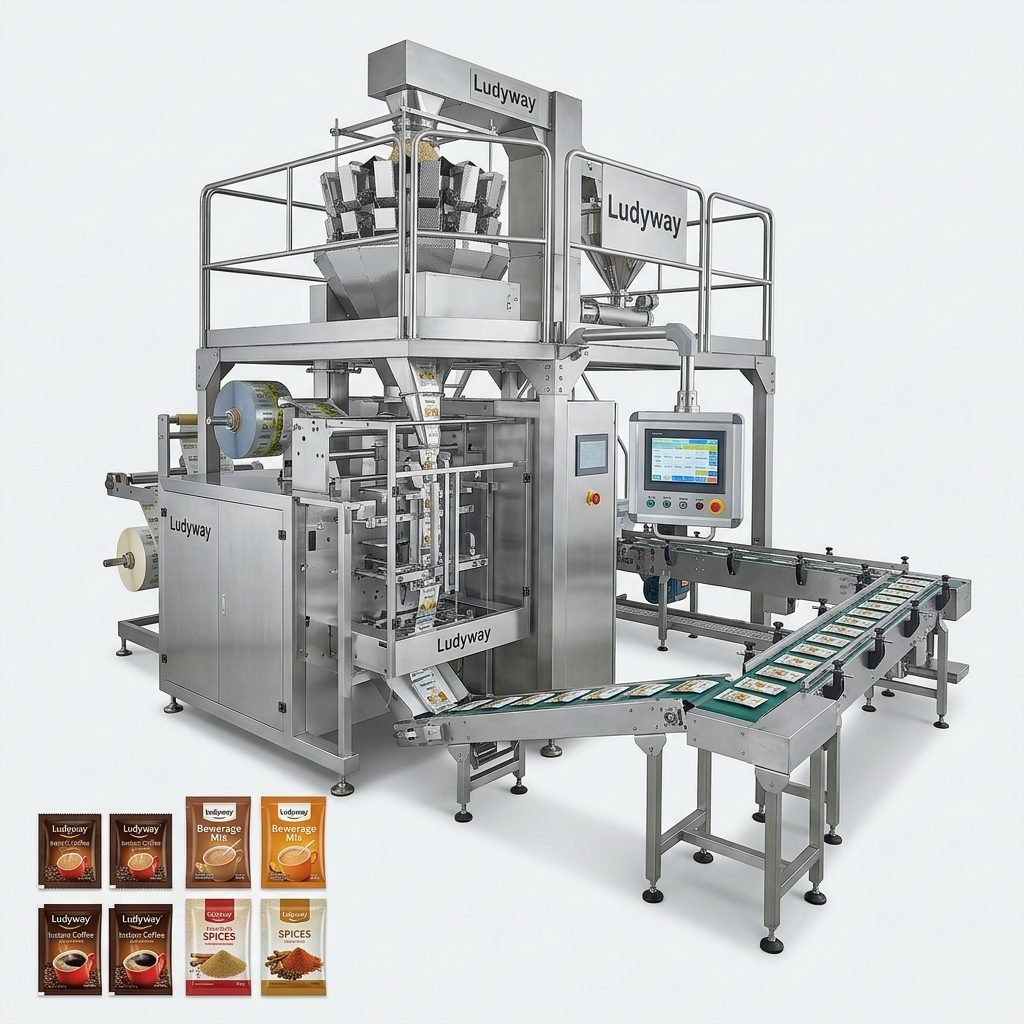
Key Technical Specifications to Evaluate
When comparing Uhlmann packaging machine models, several technical parameters demand careful attention. The following table summarizes the critical specifications that differentiate machine performance and suitability:
| Specification Category | What to Look For | Impact on Operations |
|---|---|---|
| Output Speed | Blister cycles per minute and packs per minute | Directly determines production capacity and OEE |
| Forming Area Dimensions | Maximum forming depth and indexing length | Limits blister cavity size and format flexibility |
| Material Compatibility | Supported films, foils, and lidding materials | Critical for barrier properties and regulatory compliance |
| Changeover Time | Format change duration and tooling requirements | Affects production flexibility and downtime |
| Control System | PLC, HMI interface, data logging, Industry 4.0 readiness | Influences operator training and integration capabilities |
Speed and Throughput Considerations
Production speed is often the first parameter buyers evaluate. Uhlmann machines span a range from medium-speed systems (200-400 blisters per minute) to high-speed lines exceeding 800 blisters per minute. However, rated speed alone does not tell the full story. You must account for actual running speeds that factor in material changeovers, cleaning cycles, and planned maintenance downtime. The Overall Equipment Effectiveness (OEE) metric provides a more realistic picture of long-term output.
Format Flexibility and Changeover Efficiency
Many pharmaceutical manufacturers produce multiple products in varying blister formats. If your operation requires frequent changeovers, machines with tool-less or rapid changeover designs can significantly reduce downtime. Evaluate the time and skill level required to switch between different blister sizes, cavity configurations, and packaging materials. A machine that takes hours to reconfigure may negate the benefits of high-speed operation if your production involves small batches of diverse products.
Compliance and Validation Requirements
Pharmaceutical packaging equipment must meet stringent regulatory standards. Key compliance frameworks include:
- 21 CFR Part 11 for electronic records and signatures
- cGMP (Current Good Manufacturing Practice) requirements
- ISO 11607 for terminally sterilized medical device packaging — learn more from the ISO packaging standards
- FDA guidelines on food contact substances and packaging
- EU GMP Annex 11 for computerized systems
Request detailed validation documentation including IQ (Installation Qualification), OQ (Operational Qualification), and PQ (Performance Qualification) protocols. A well-documented machine reduces the timeline and cost of your own validation efforts. For comprehensive industry benchmarks, refer to PMMI’s packaging machinery market research and Flexible Packaging Association industry data.

Integration with Existing Production Infrastructure
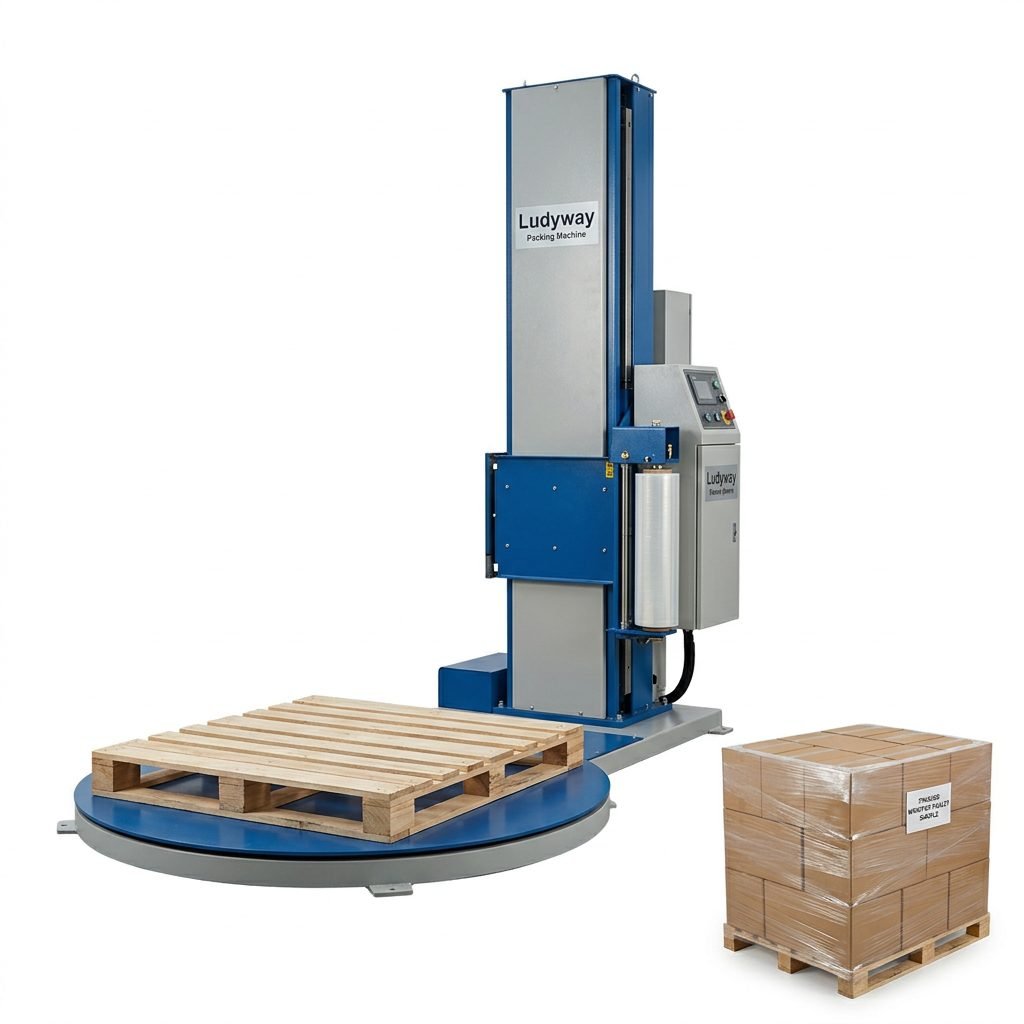
A blister packaging machine does not operate in isolation. It must integrate seamlessly with upstream feeding systems (such as tablet dedusters, metal detectors, and checkweighers) and downstream cartoning, case packing, and palletizing equipment. Before finalizing your selection, map out the complete production flow to ensure compatibility.
Key integration points include:
- Product feeding systems — Vibratory feeders, brush box systems, or robotic pick-and-place modules
- Inspection and serialization — Vision systems for blister integrity, print verification, and track-and-trace compliance
- Cartoning and bundling — Automatic cartoners that handle blister stacks, wallet packs, or individual blister cards
- Line control architecture — Centralized or distributed control systems that synchronize machine speeds and buffer management
Automation and Industry 4.0 Capabilities
Modern Uhlmann packaging machines increasingly incorporate smart factory features that enhance operational visibility and predictive maintenance. Look for machines equipped with OPC-UA communication protocols, remote diagnostics, and advanced data analytics platforms. These capabilities allow manufacturers to monitor equipment performance in real time, anticipate maintenance needs, and reduce unplanned downtime. The 2026 State of the Industry report highlights the growing importance of connected packaging machinery across pharmaceutical production environments.
Total Cost of Ownership Analysis
The purchase price represents only one component of the total cost of ownership (TCO). A comprehensive TCO analysis should account for the following elements over the expected service life of the machine:
| Cost Category | Typical Factors | Estimated TCO Impact |
|---|---|---|
| Initial Capital | Machine price, tooling, installation, freight | 25-35% |
| Consumables | Forming film, lidding foil, printing inks | 30-40% |
| Maintenance & Spare Parts | Preventive maintenance, wear parts, unexpected repairs | 10-15% |
| Labor | Operator training, staffing levels, supervision | 10-15% |
| Downtime & Efficiency Losses | Changeover time, cleaning, unplanned stoppages | 5-10% |
Machines with higher energy efficiency, faster changeovers, and lower material waste rates can deliver significantly lower TCO even if the initial purchase price is higher. Evaluate these factors over a 7-10 year operational horizon to make the most financially sound decision.
Service, Support, and Spare Parts Availability
Even the most reliable packaging machine requires technical support and spare parts throughout its lifecycle. Before committing to a specific supplier, investigate the following:
- Response time guarantees for technical support inquiries
- Availability of certified service engineers in your region
- Spare parts inventory and delivery timelines for critical components
- Remote support capabilities including video diagnostics and VPN-based troubleshooting
- Training programs for operators, maintenance technicians, and line supervisors
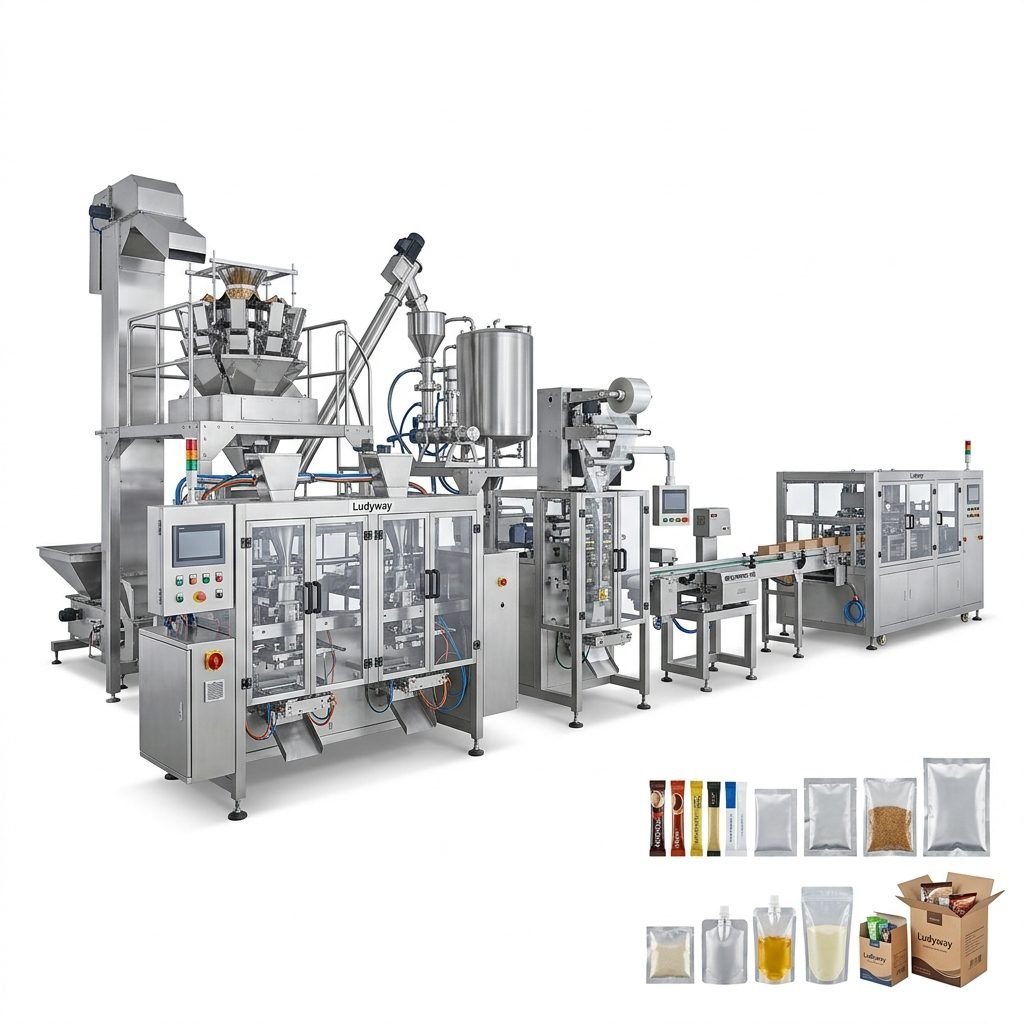
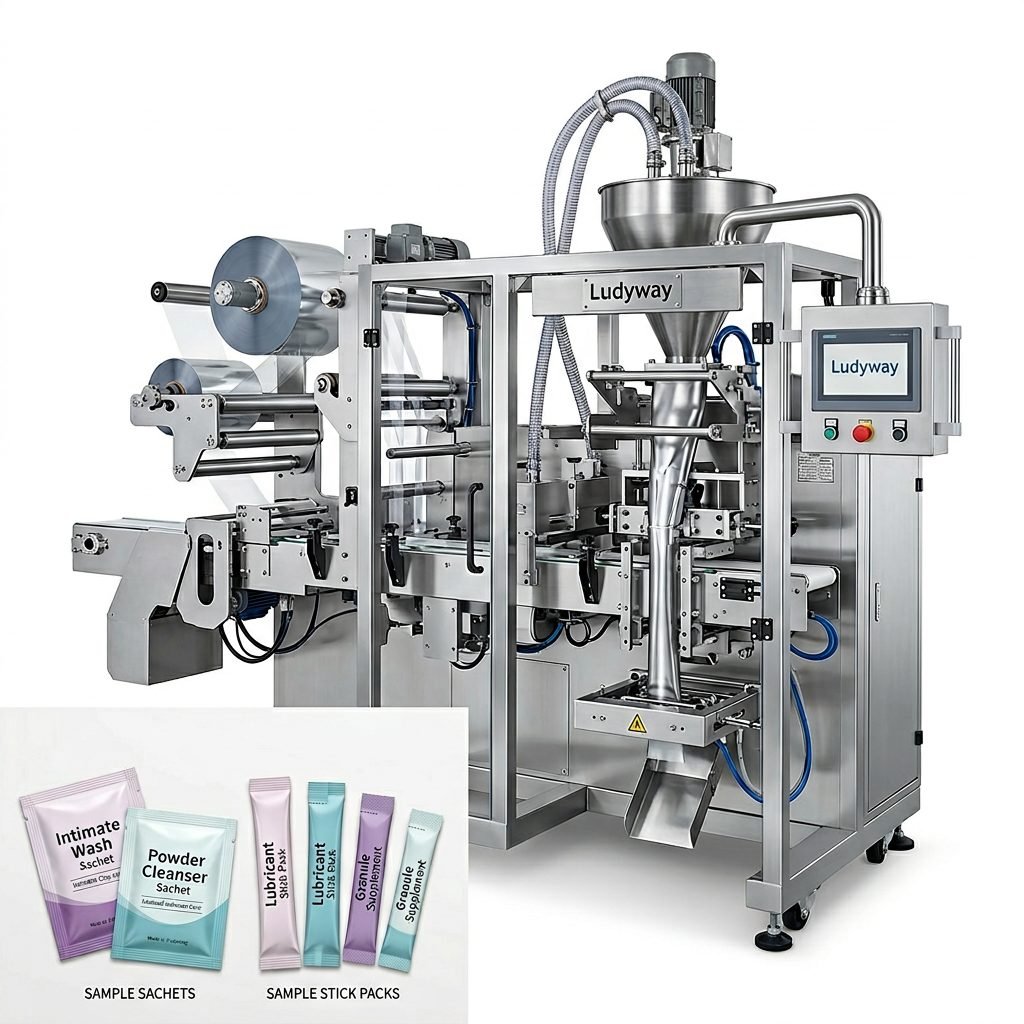
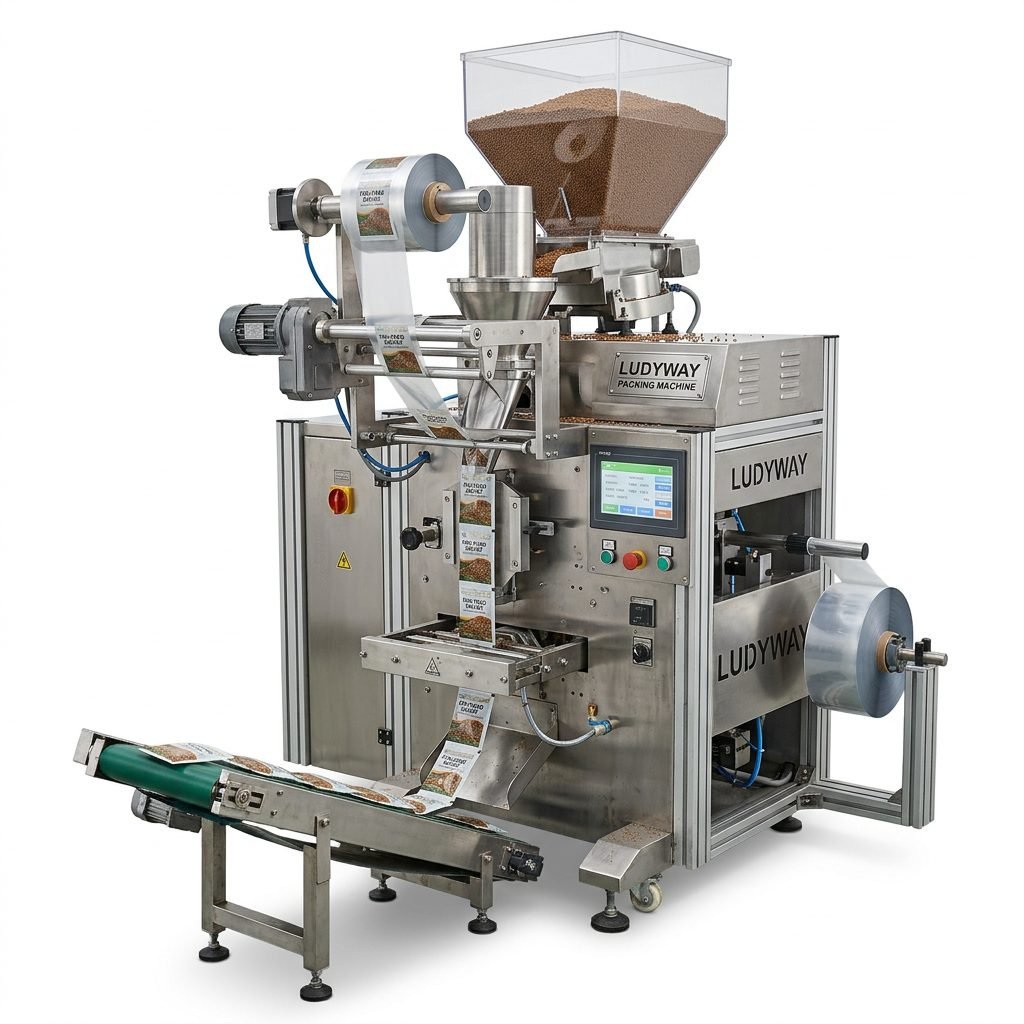
For companies sourcing packaging machinery from international manufacturers, evaluating suppliers with established global growth trends can provide confidence in their long-term service infrastructure. Some manufacturers, including Ludyway Machinery, emphasize a comprehensive project lifecycle approach encompassing machine selection, solution design, installation, commissioning, operator training, troubleshooting, spare parts support, and after-sales service for customers in more than 100 countries.

Comparing New vs. Pre-Owned Uhlmann Equipment
Many buyers consider pre-owned or refurbished Uhlmann packaging machines as a way to reduce initial capital expenditure. While this approach can offer cost savings of 30-50%, it also introduces additional risk factors that must be carefully evaluated:
Advantages of New Equipment
- Full manufacturer warranty and support coverage
- Latest technology including Industry 4.0 connectivity
- Customized configuration for your specific products
- Complete validation documentation from the OEM
- Predictable maintenance schedule and spare parts availability
Considerations for Pre-Owned Machines
- Lower upfront investment but potentially higher ongoing maintenance costs
- May require retrofitting for current regulatory requirements
- Limited or no manufacturer warranty coverage
- Availability of service history and maintenance records is critical
- Spare parts for older models may be discontinued or have longer lead times
Site Preparation and Installation Planning
Successful installation of a Uhlmann packaging machine requires thorough site preparation. Key considerations include floor loading capacity, utility connections (electrical power, compressed air, chilled water if required), environmental controls (temperature, humidity, and particulate levels), and adequate space for material handling and maintenance access. Engage your facilities engineering team early in the procurement process to identify and resolve any infrastructure gaps before the machine arrives.
Long-Term Partnership and Strategic Alignment
Selecting a packaging machine supplier should be viewed as a long-term partnership rather than a one-time transaction. The relationship extends far beyond equipment delivery and includes ongoing support for process optimization, capacity expansion, technology upgrades, and regulatory compliance. Assess potential suppliers based on their industry experience, engineering depth, manufacturing capabilities, and commitment to customer success. Manufacturers with dedicated R&D teams and application engineering expertise can provide valuable guidance as your product portfolio and production requirements evolve over time. For insights into packaging machinery industry standards and best practices, resources from the Flexible Packaging Association and PMMI’s packaging industry resources offer valuable educational content.
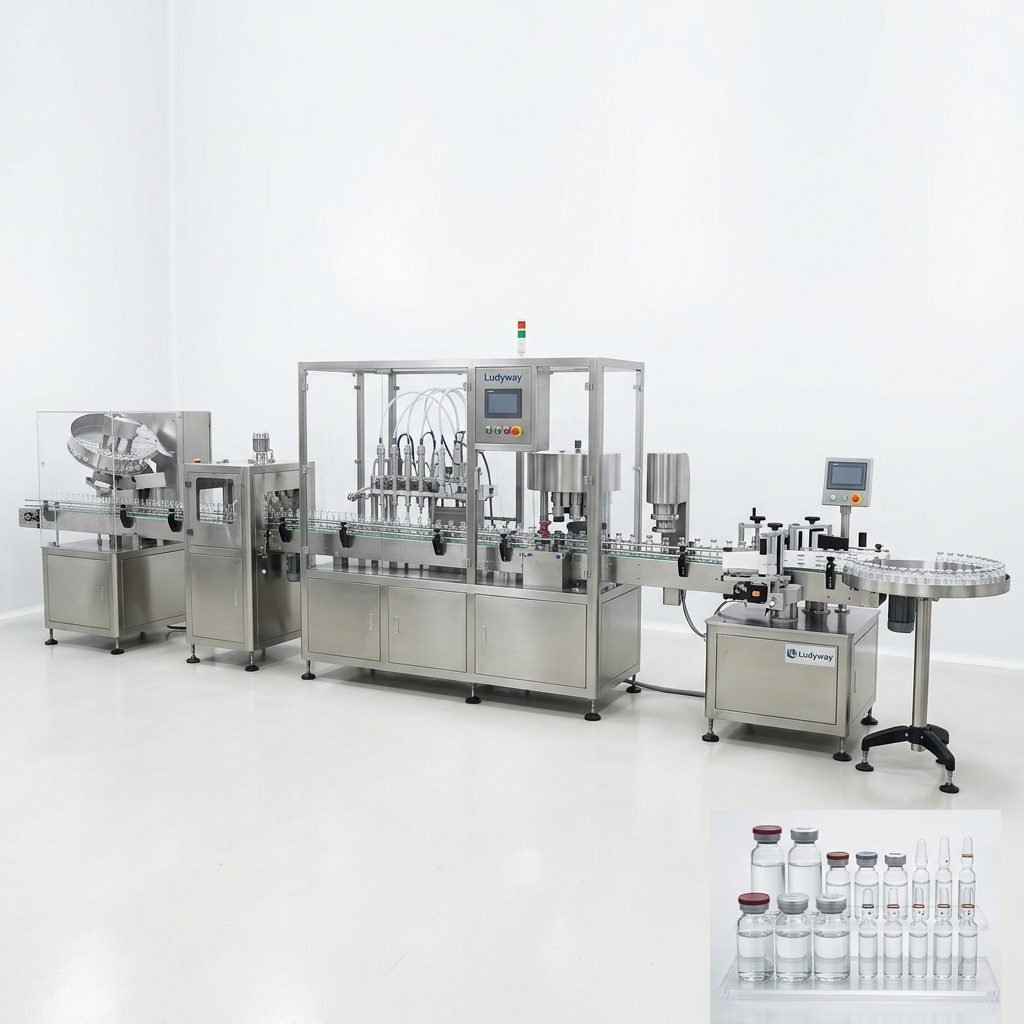
Making the Final Decision: A Structured Evaluation Approach
With multiple factors to consider, a structured evaluation framework helps ensure an objective and well-documented selection process. We recommend the following steps:
- Define your requirements — Document product specifications, production volumes, packaging formats, and regulatory requirements
- Research and shortlist — Identify 3-5 machine suppliers whose equipment aligns with your technical and commercial criteria
- Request detailed proposals — Include machine specifications, FAT/SAT protocols, validation support, and total cost of ownership projections
- Conduct factory acceptance testing (FAT) — Visit the manufacturer’s facility to observe the machine running with your actual products and materials
- Evaluate reference installations — Speak with existing customers about their experience with the equipment and the supplier’s support
- Finalize commercial terms — Negotiate pricing, payment terms, delivery timeline, warranty coverage, and after-sales service agreements
Following this systematic approach reduces the risk of overlooking critical factors and helps ensure that your investment delivers the expected performance, reliability, and return on investment in the years ahead.