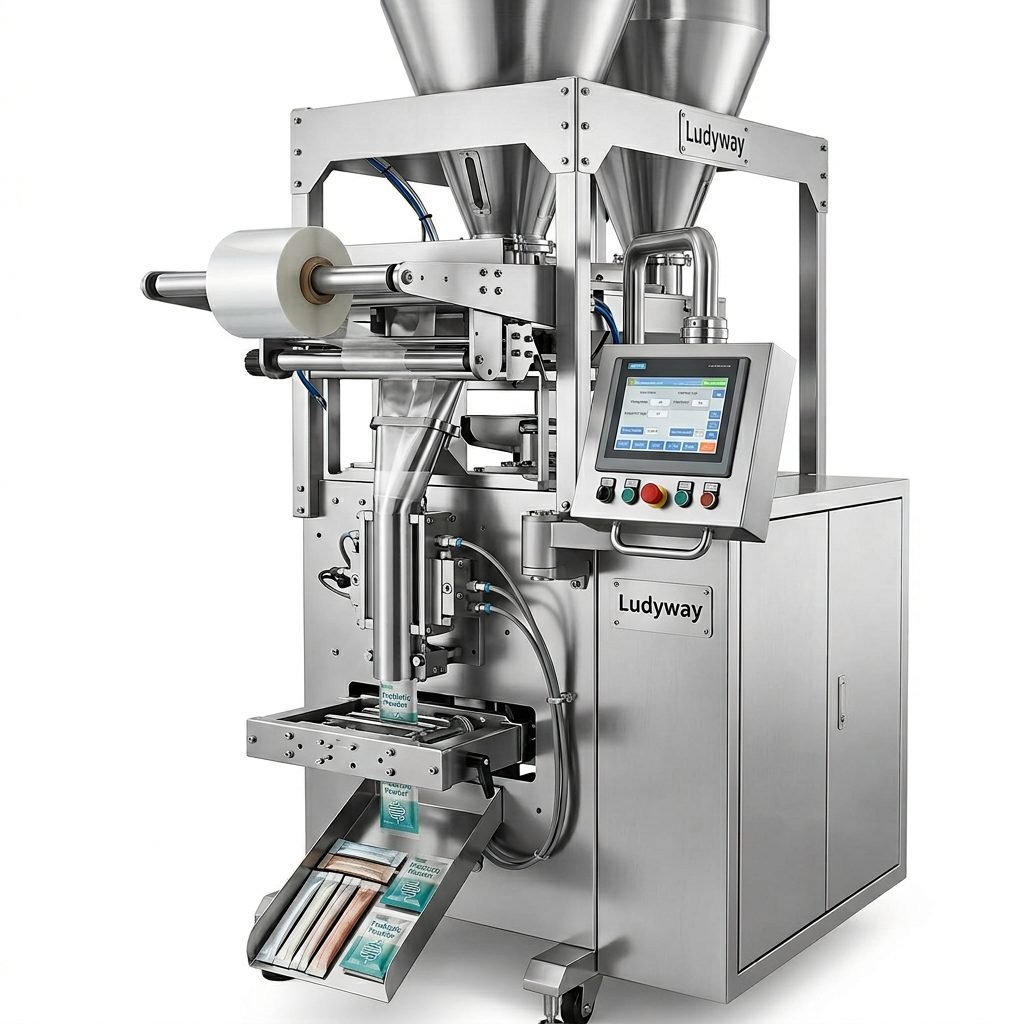
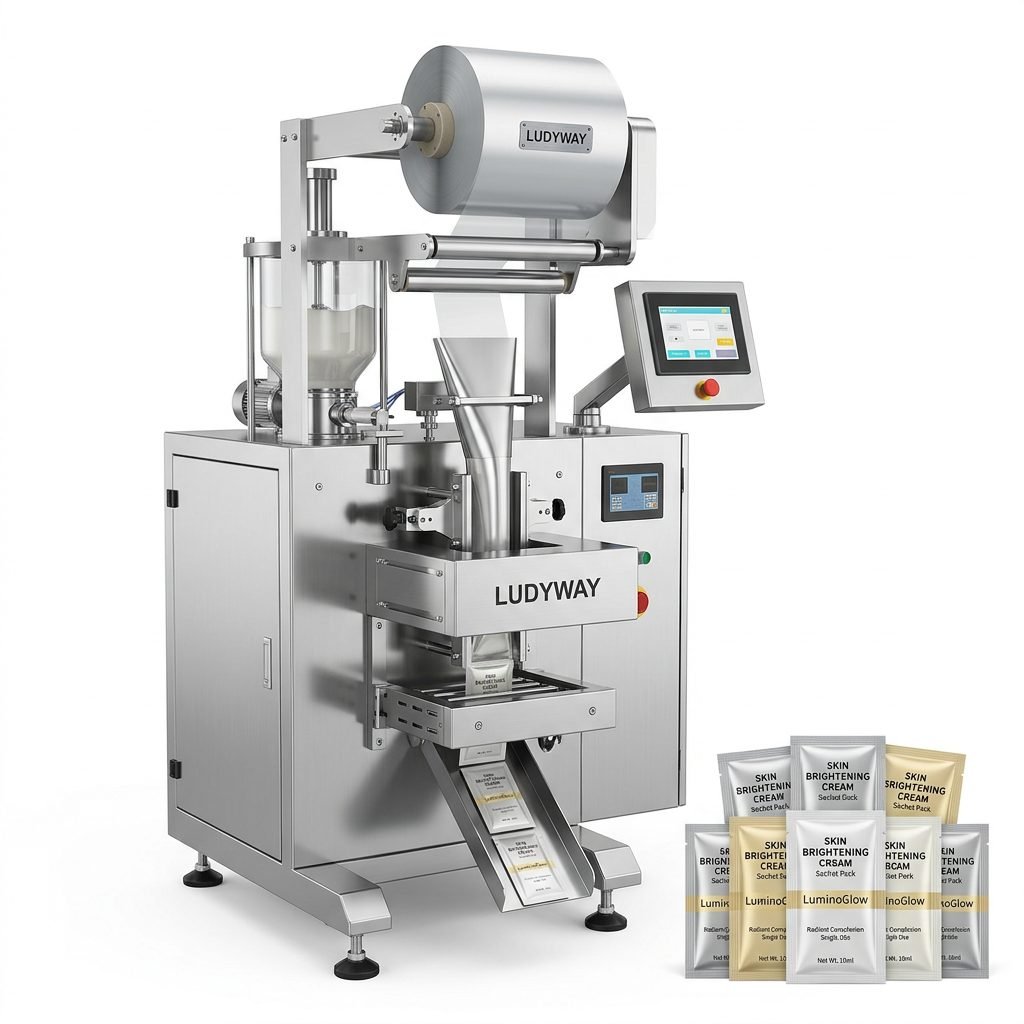
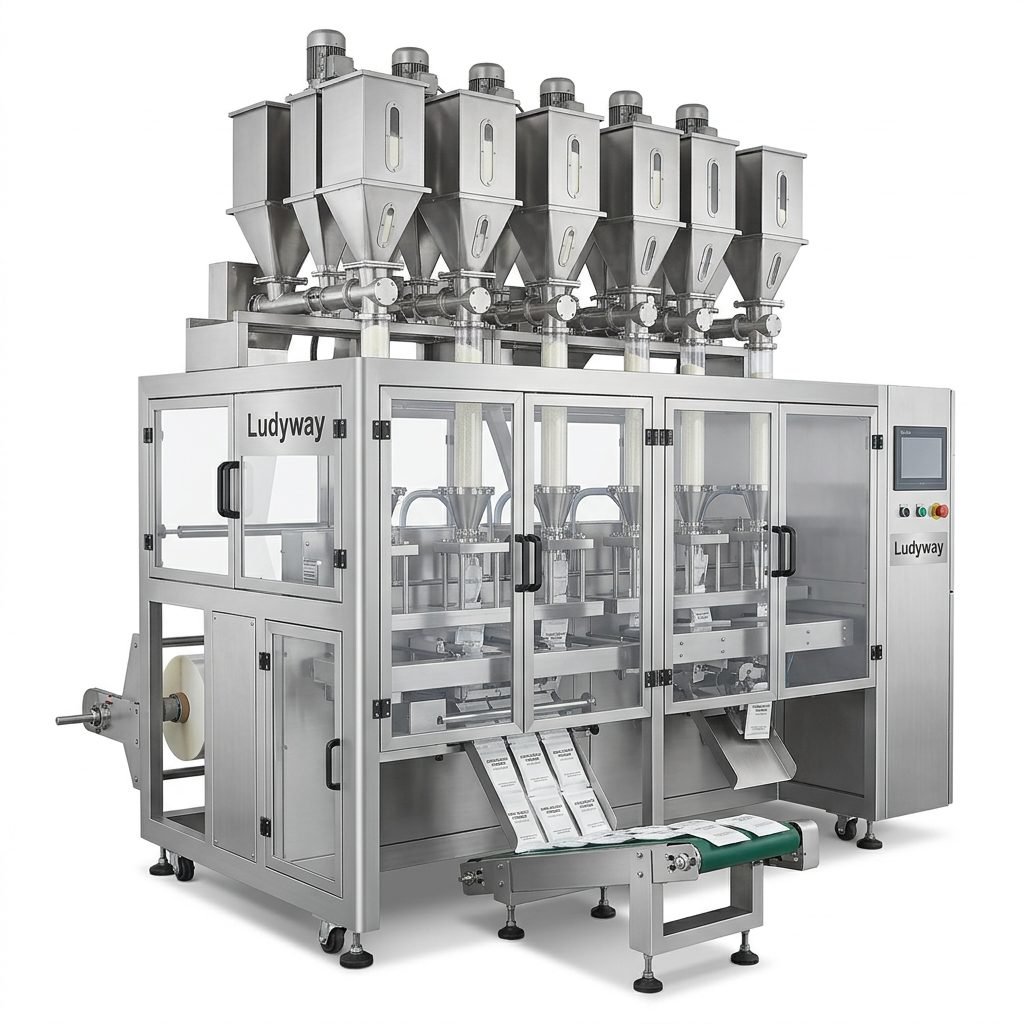
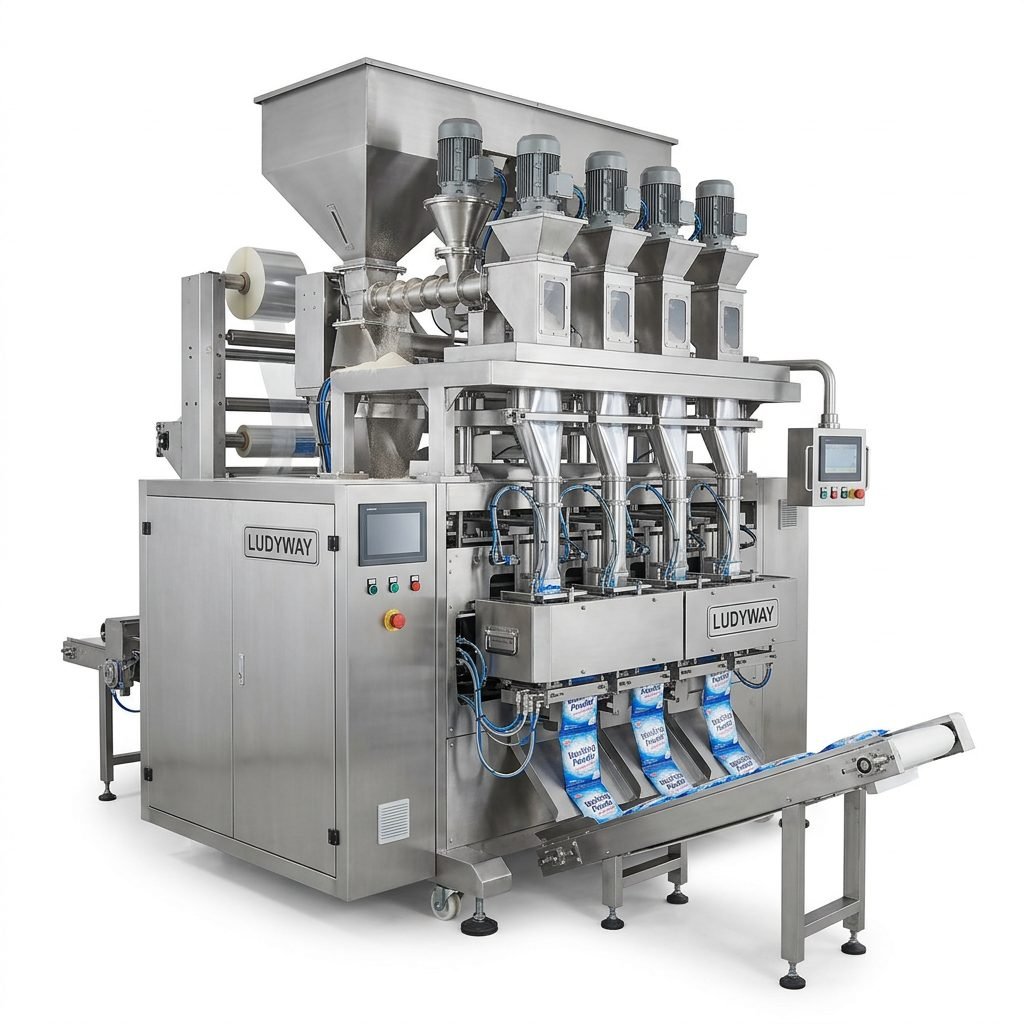
Regular maintenance is the foundation of reliable performance for any vegetable seed packing machine. Without a consistent cleaning and inspection routine, even the most advanced equipment can suffer from inaccurate filling, seed damage, or unexpected downtime. A well-maintained machine not only extends service life but also ensures every packet meets weight and seal integrity standards.
Why Consistent Cleaning Matters
Vegetable seeds are small, often dusty, and can carry natural oils or treatment residues. These particles accumulate in critical areas such as weighing buckets, forming tubes, and sealing jaws. Over time, buildup leads to inconsistent fill weights, poor seal quality, and increased mechanical wear. A strict cleaning schedule prevents cross-contamination between seed varieties and keeps the machine operating at peak efficiency.
Daily Cleaning Checklist
Operators should perform a basic cleaning routine at the end of each shift or production run. This practice stops debris from hardening overnight and makes deep cleaning more manageable.
- Empty all hoppers and feeders: Remove remaining seeds to prevent moisture absorption and clogging.
- Clean weighing buckets: Use a soft, dry brush or compressed air to remove dust and seed fragments from load cells and buckets. Avoid moisture near electronic components.
- Wipe sealing jaws: Residue on heated sealing bars causes uneven seals. Wipe with a non-abrasive cloth while jaws are cool.
- Inspect film path: Check rollers and guides for sticky buildup that can tear packaging film or cause tracking issues.
- Clear dust from sensors: Photoelectric sensors and registration eyes must be clean to maintain accurate cut-off and printing registration.
Weekly and Monthly Maintenance Tasks
Beyond daily wipe-downs, a deeper level of maintenance ensures long-term stability. These tasks often require trained maintenance personnel and a lockout/tagout procedure for safety.
| Maintenance Task | Frequency | Key Focus Area |
|---|---|---|
| Lubricate moving parts | Weekly | Bearings, chains, cam followers |
| Inspect belts and pulleys | Weekly | Tension, alignment, wear patterns |
| Check vacuum system | Monthly | Filters, hoses, suction cups on pick-and-place units |
| Calibrate weighing system | Monthly | Zero point, span, dynamic check |
| Replace worn sealing bands | Monthly | Heater cartridge and thermocouple wiring |
| Inspect electrical connections | Monthly | Terminal tightness, cable integrity |
Deep Cleaning for Seed Contact Parts
Parts that come into direct contact with seeds require special attention. Dust from coated or treated seeds can be particularly abrasive. Follow these guidelines during scheduled downtime:
- Disassemble seed contact components: Remove hoppers, funnels, and filling tubes. Wash with warm water and mild detergent if water contact is permitted by the manufacturer.
- Inspect for wear: Check filling tubes for internal scratches that can trap seed dust and cause bridging.
- Clean the cross-seal and vertical-seal areas: Burned-on film residue on sealers is a leading cause of leaks. Use copper brushes and approved cleaning solvents.
- Dry thoroughly: All components must be completely dry before reassembly to prevent seeds from sticking and germinating.
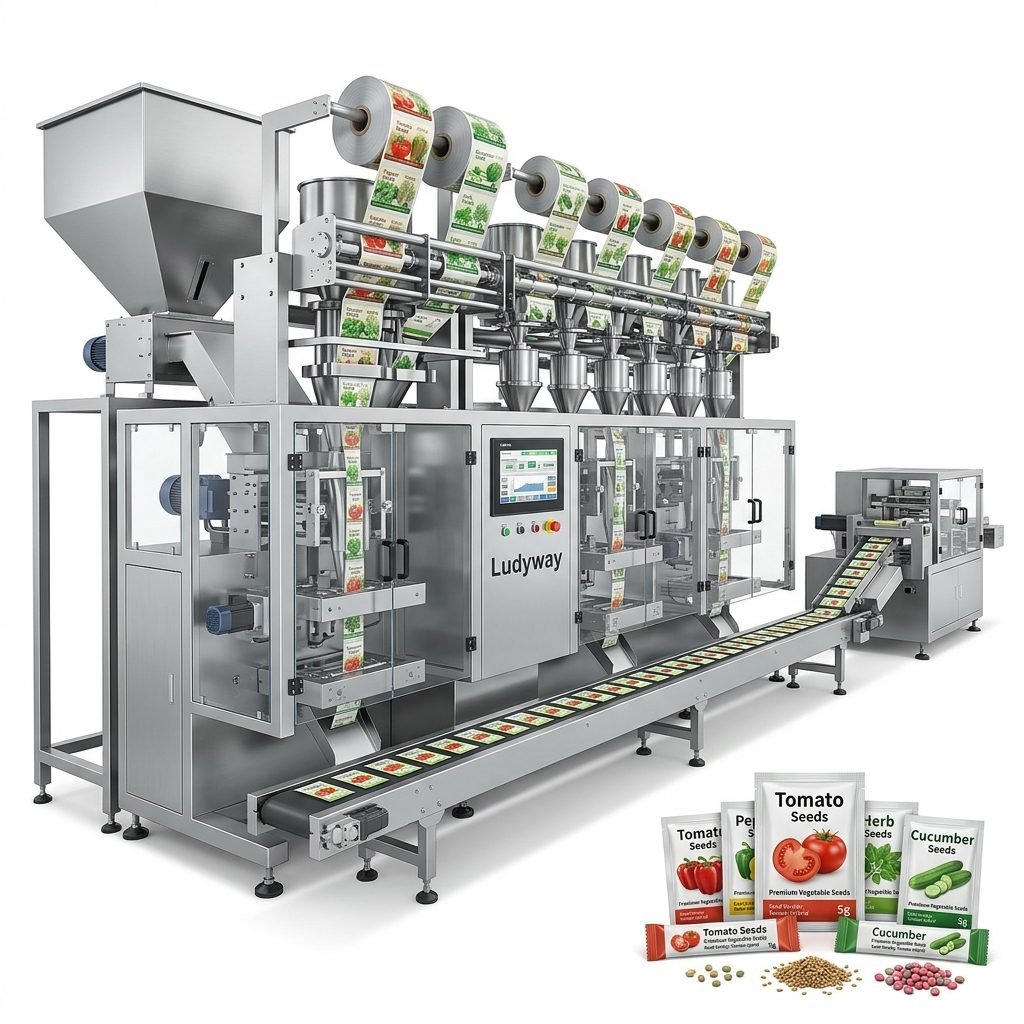
Precision Weighing System Care
Vegetable seeds are often packed by weight, and accuracy directly impacts profitability. The weighing system is the heartbeat of a vegetable seed packing machine. Protect it with these steps:
- Static electricity control: Seeds flowing through plastic tubes generate static, causing seeds to cling to surfaces. Use static elimination bars and verify grounding connections are intact.
- Load cell protection: Never apply force directly to the weighing pan. Avoid blowing compressed air at close range onto load cells, as this can damage sensitive elements.
- Vibration isolation: Ensure the machine frame sits level and that isolation mounts are not compressed or hardened.
- Regular calibration: Use certified test weights at multiple points across the target range. Document all calibration results for trend analysis.
Sealing System Integrity
The seal is the final defense against moisture, pests, and spoilage. A compromised seal can ruin an entire batch of seeds. Maintain sealing integrity through proactive measures.
- Temperature monitoring: Verify setpoint temperatures with a calibrated contact thermometer. Inconsistent heat causes weak seals or film burn-through.
- Pressure adjustment: Check pneumatic pressure regulators and confirm sealing jaw alignment. Uneven pressure results in one-sided seal failures.
- Teflon tape replacement: Replace non-stick tape on sealing jaws before it wears through. Exposed metal jaws create wrinkled, unreliable seals.
- Cooling time: Ensure the film passes through adequate cooling distance before tension is applied. Seals that are pulled while still hot will stretch and weaken.
Film Handling and Tension Control
Packaging film is sensitive to tension fluctuations. Excessive tension causes film stretch and poor print registration, while insufficient tension leads to wrinkling and misaligned seals. Inspect dancer arms, brake systems, and unwind shafts for smooth operation. Clean all rollers with an approved anti-static cleaner to prevent film tracking drift.
Seasonal and Storage Precautions
Vegetable seed packing machines often operate seasonally. Proper storage during idle periods prevents deterioration. For shut-downs longer than two weeks, remove all product and film, disconnect power and air supplies, clean every accessible surface, apply a thin protective oil to exposed metal parts, and cover the machine with a breathable cover. Before restarting, run a full diagnostic cycle and inspect all safety interlocks carefully.
Documentation and Spare Parts Management
A successful maintenance program relies on thorough records. Keep a maintenance logbook that tracks cleaning dates, parts replaced, calibration results, and unusual observations. Maintain an inventory of critical spares, including sealing bands, thermocouples, Teflon tape, sensors, belts, and filters. Stocking these items prevents extended downtime waiting for deliveries.
Operator Training and Empowerment
The best maintenance plan fails without skilled execution. Train operators to recognize early warning signs such as unusual noises, film tracking shifts, seal appearance changes, and fill weight drift that appears on consecutive checks. Empower them to stop production when quality is at risk; a few minutes of downtime for cleaning or adjustment is always preferable to hours of rework.
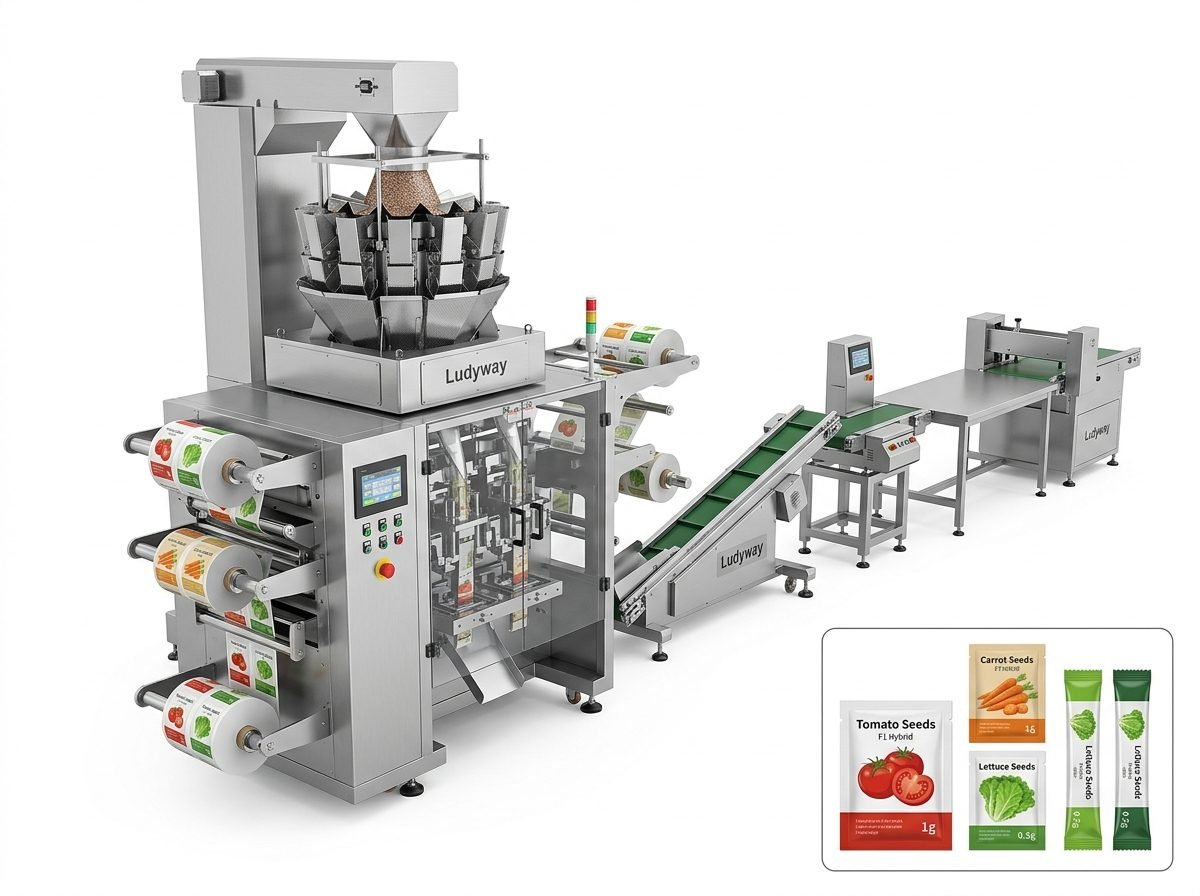
For businesses seeking dedicated support for their packaging lines, working with a manufacturer that understands vegetable seed characteristics is essential. Ludyway provides advanced seed packaging solutions tailored to delicate granular products, helping clients maintain high throughput and accurate filling across seasonal demands.