Selecting the right coconut oil packing machine is a critical decision that directly affects your production efficiency, product quality, and overall operational costs. Coconut oil presents unique challenges — it can be solid at room temperature but turns into a free-flowing liquid when heated. Without the right equipment, you risk inconsistent fills, seal failures, and material waste. This buyer’s guide will walk you through the key factors, machine types, and technical considerations so you can make an informed investment that scales with your business.
Understanding Coconut Oil Packaging Challenges
Coconut oil behaves differently depending on temperature. In warmer climates or during processing, it remains a clear liquid, but as it cools, it solidifies into a semi-solid paste. This phase change demands a packing machine that can handle viscosity variations without compromising fill accuracy or seal integrity. Additionally, coconut oil is sensitive to oxidation and light exposure, which means packaging materials and filling environments must be carefully controlled to preserve shelf life.
Types of Coconut Oil Packing Machines
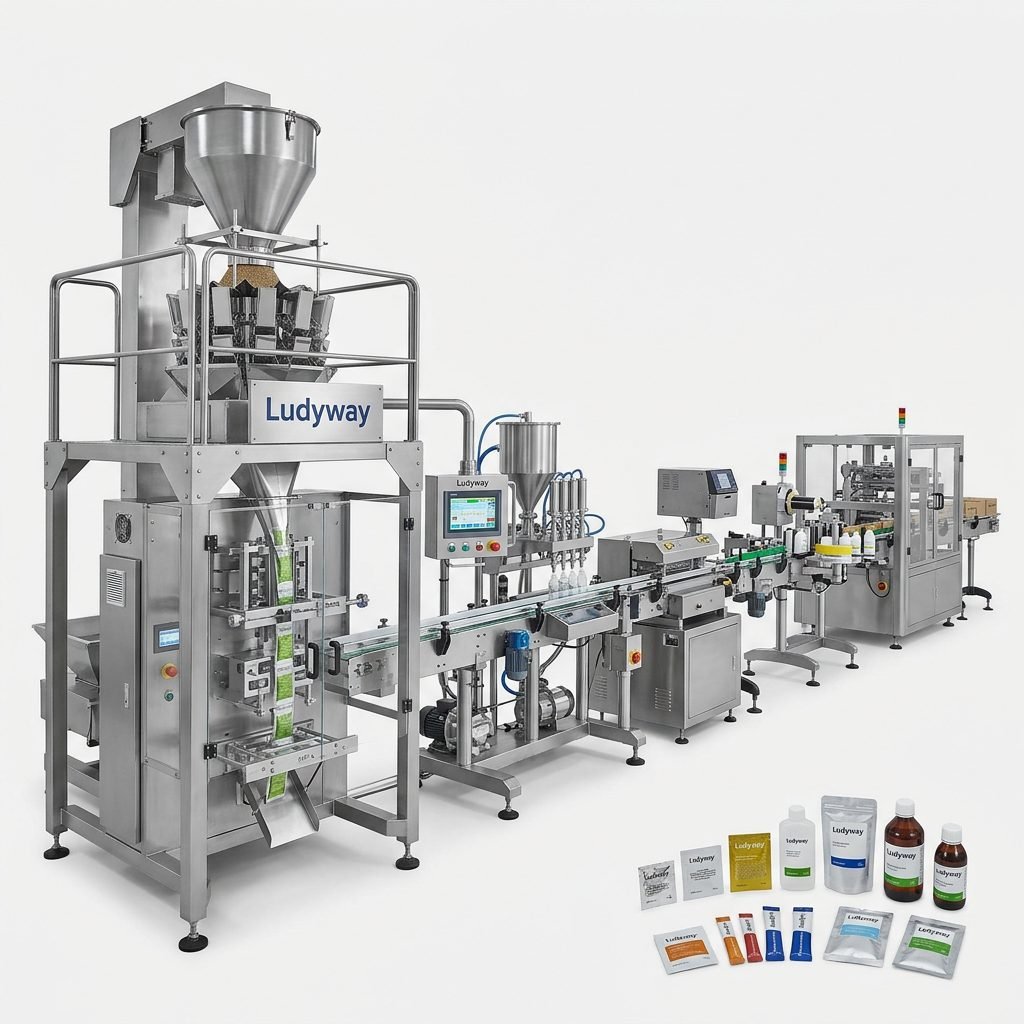
Depending on your target packaging format, you will encounter several machine categories:
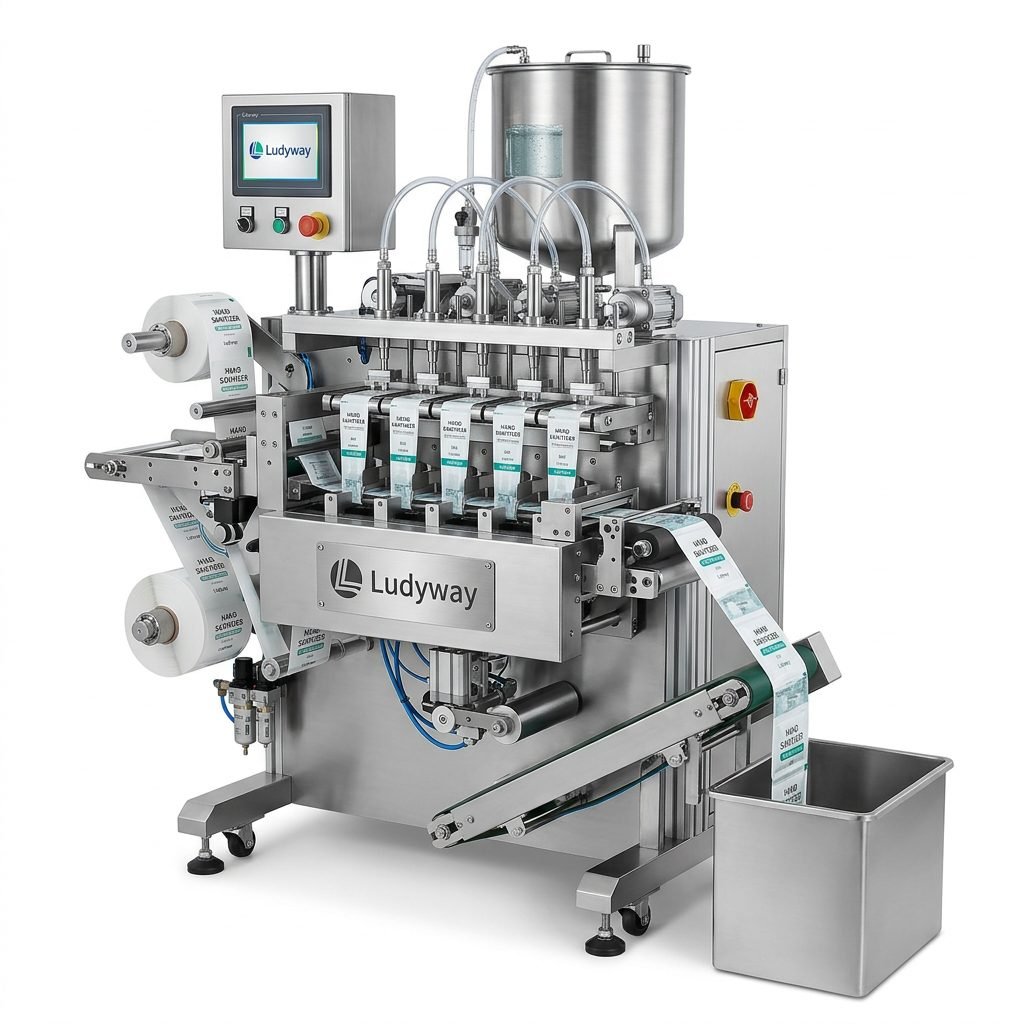
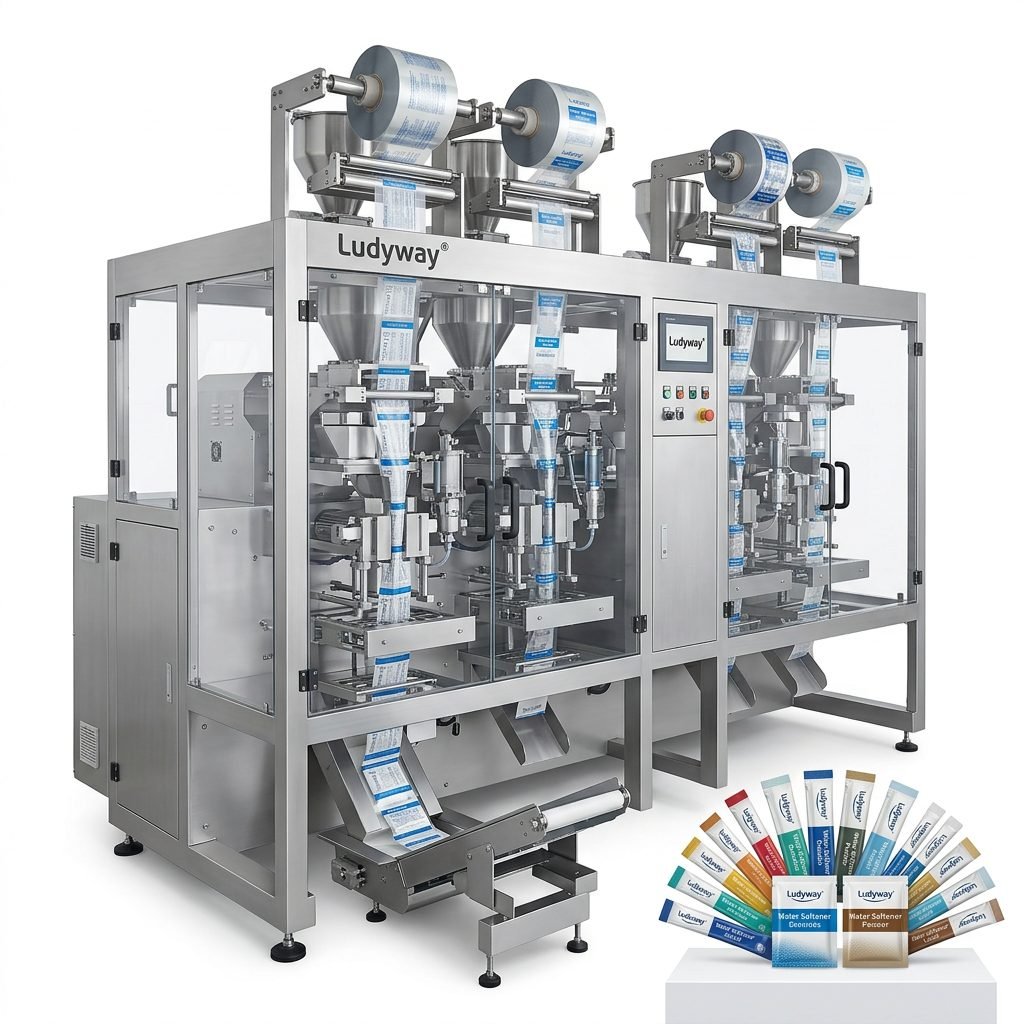
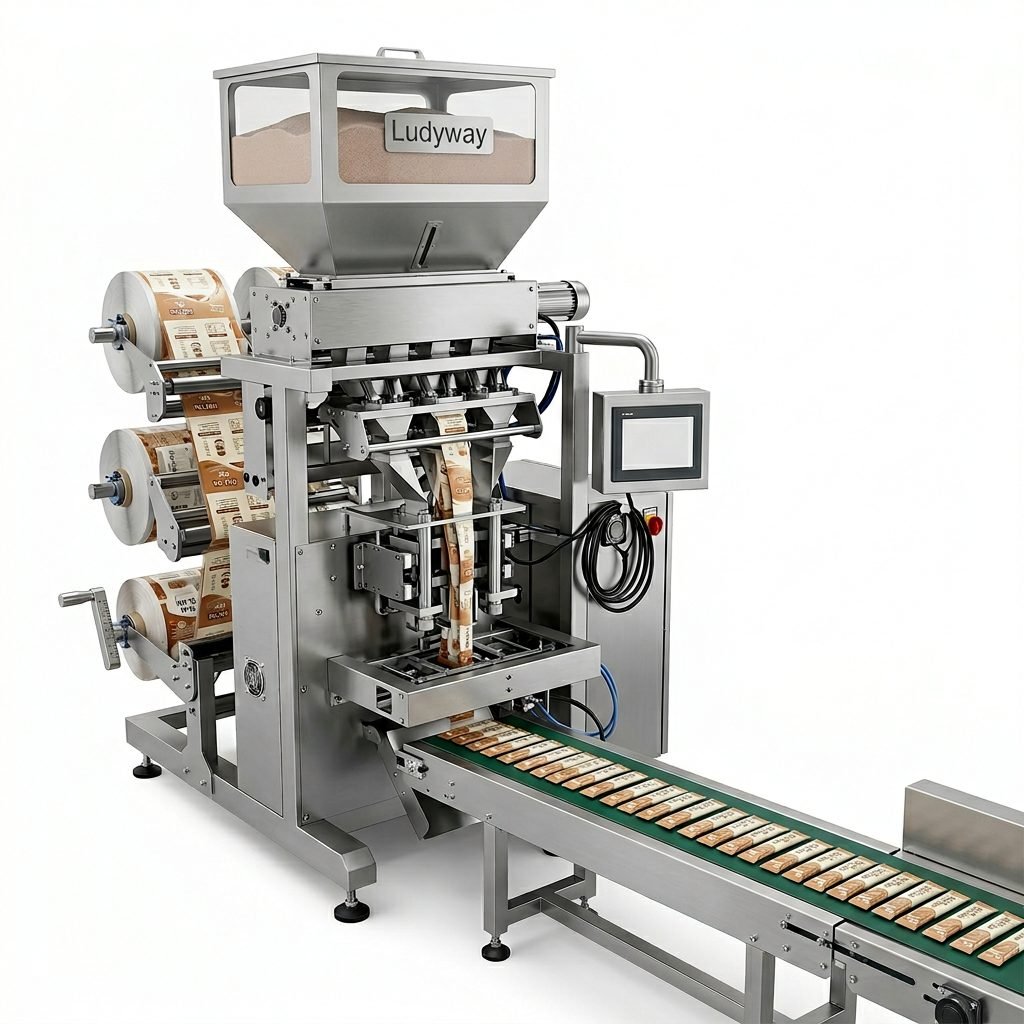
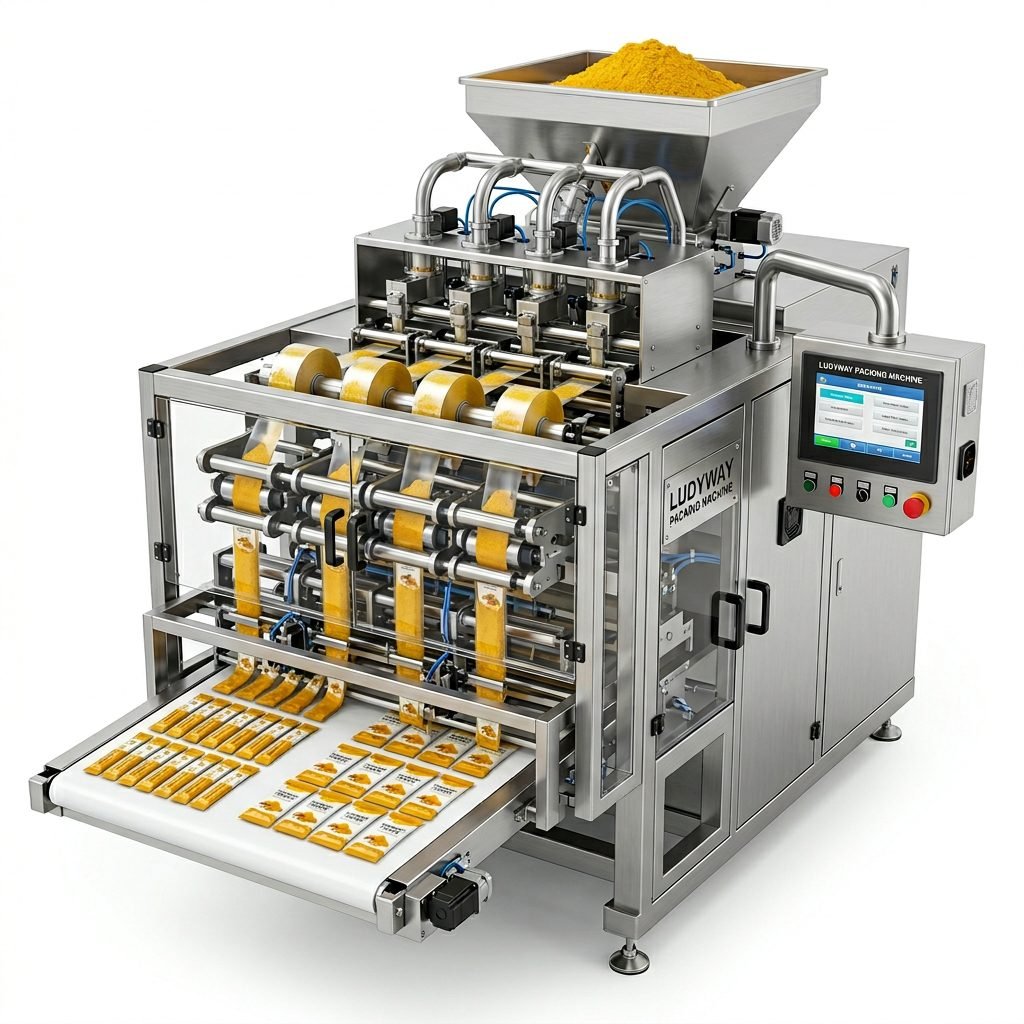
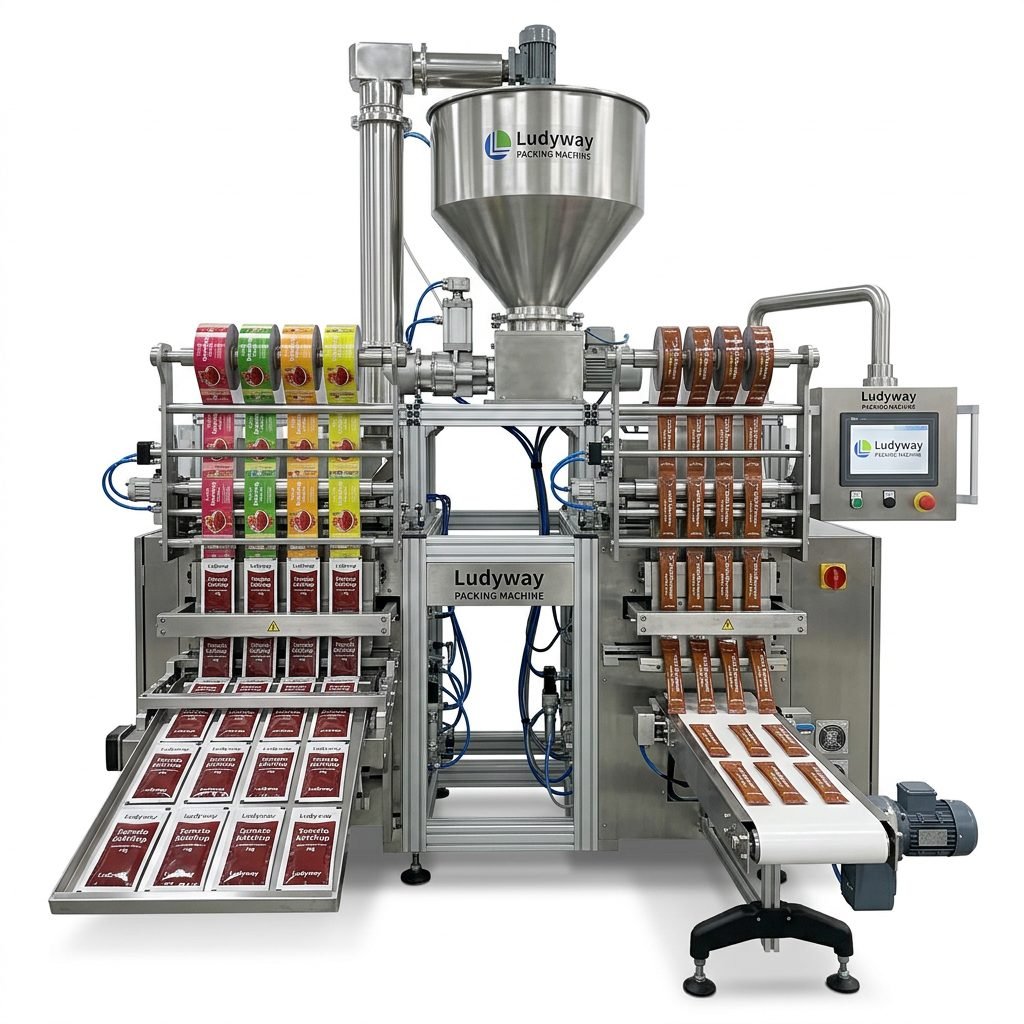
- Sachet and Stick Pack Machines — Ideal for single-serve portions, commonly used for travel packs or sample sizes. These machines often feature multi-lane configurations for high output.
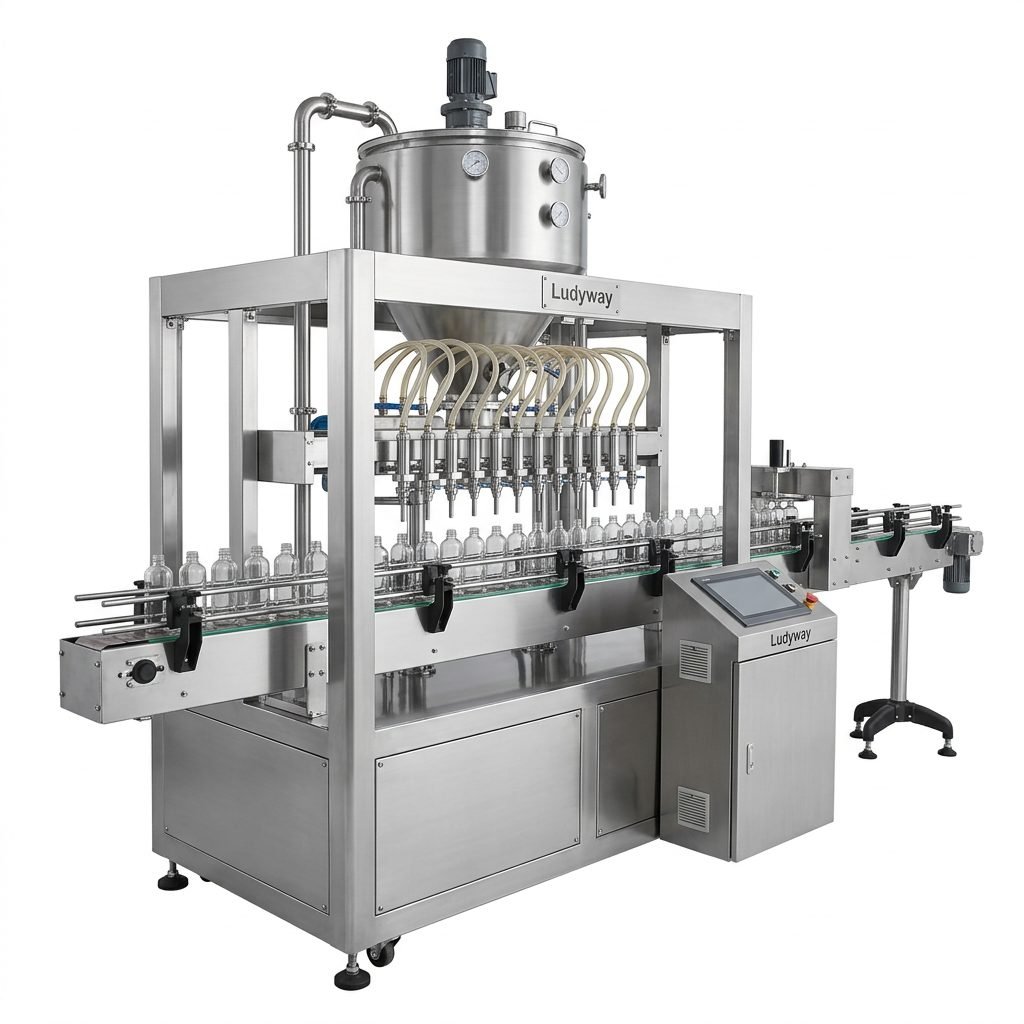
- Liquid Filling Machines for Bottles — Designed for packaging coconut oil into glass or plastic bottles. Piston fillers, gravity fillers, and servo-driven volumetric fillers are popular choices.
- Premade Pouch Filling and Sealing Machines — Suitable for stand-up pouches and spout pouches, providing excellent branding flexibility and consumer convenience.
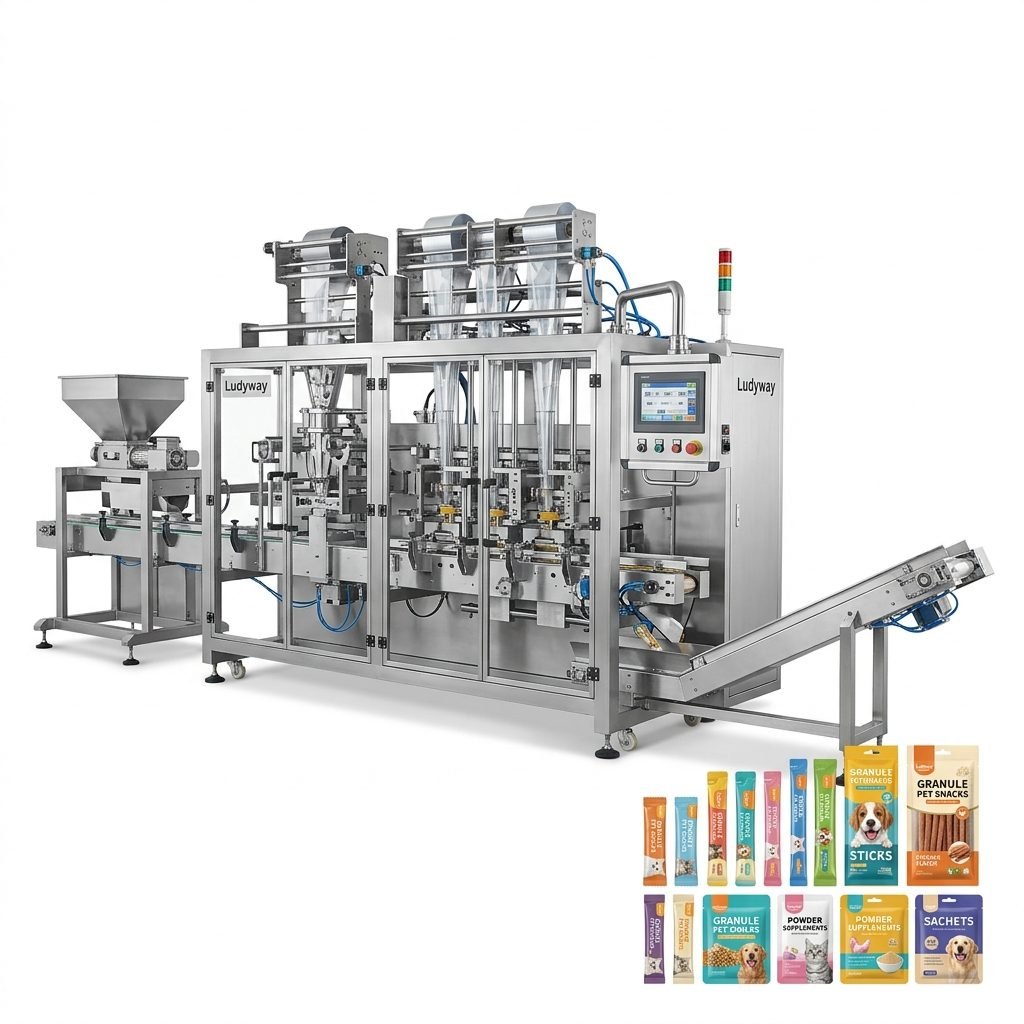
- Form-Fill-Seal (FFS) Machines — Vertical or horizontal systems that create the pouch from roll stock, fill with coconut oil, and seal in one continuous operation.
Key Factors to Evaluate Before Buying
1. Temperature Control and Product Conditioning
To avoid solidification inside the machine, look for equipment with integrated heating systems such as heated hoppers, jacketed tanks, and temperature-controlled filling nozzles. Consistent temperature management ensures uniform flow and precise filling, especially in colder production environments.
2. Filling Accuracy and Speed Requirements
High-accuracy dosing minimizes product giveaway and maximizes profitability. Servo-driven coconut oil packing machines offer superior precision, typically achieving accuracy within ±0.5% to ±1%. Match the machine’s rated speed to your daily production targets, accounting for future growth.
3. Packaging Material Compatibility
Coconut oil can interact with certain plastics, so the machine must handle multi-layer barrier films that resist oil migration and oxygen ingress. Verify that the sealing jaws produce strong, leak-proof seals at the required dwell time and pressure. Poor seals can lead to leakage and contamination, especially when the oil is in liquid state.
4. Hygiene and Cleanability
For food-grade applications, machines should feature stainless steel construction and tool-less disassembly for cleaning. Sanitary design reduces the risk of microbial growth and simplifies compliance with regulations such as those outlined by the FDA packaging requirements.
Automation Level and Integration
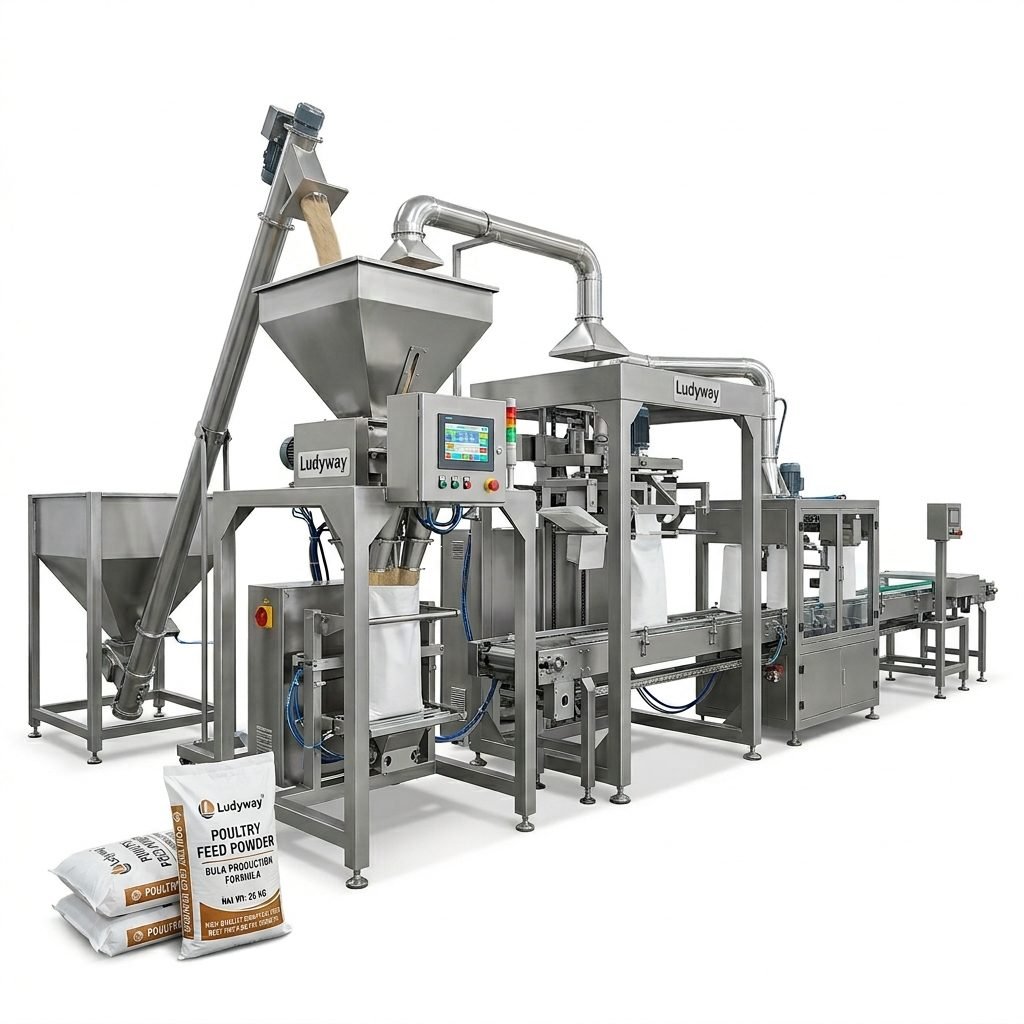
Modern coconut oil packaging lines can be configured with a range of automated features including automatic dosing, nitrogen flushing for extended shelf life, inline coding, and checkweighing. A turnkey system can integrate filling, capping, labeling, and cartoning into one seamless workflow. According to PMMI market research, packaging automation continues to grow as manufacturers seek to reduce labor and improve consistency.
When you choose a partner like Ludyway Machinery, a China-based packaging machinery manufacturer and turnkey packaging solution provider with more than 30 years of experience, you gain access to a team that can evaluate your product characteristics and configure a customized coconut oil packaging solution — from a single machine to a complete integrated line — that matches your production goals.

Cost Considerations Beyond the Initial Price
- Total Cost of Ownership: Factor in energy consumption, spare parts availability, and maintenance intervals.
- Consumable Costs: Evaluate film usage, sealing gasket life, and cleaning chemicals.
- Training and Support: Ensure the supplier provides comprehensive operator training and responsive after-sales technical support.
- Scalability: A modular machine that allows adding more lanes or stations can protect your investment as demand grows.
Compliance and Industry Standards
Your coconut oil packing machine should be engineered to meet applicable international standards. Whether you export to North America, Europe, or Asia, certifications such as CE, FDA materials compliance, and alignment with ISO packaging standards are essential. Refer to resources from ISO packaging standards and the Flexible Packaging Association to understand the latest requirements for food contact materials and flexible packaging. A reputable manufacturer will provide documentation and, if needed, configure the machine to comply with your specific regulatory obligations.
Supplier Evaluation Checklist
| Criterion | What to Look For |
|---|---|
| Industry Experience | Proven track record with coconut oil or similar viscous products |
| Machine Construction | Stainless steel, sanitary design, easy-to-clean surfaces |
| Technical Support | Installation, commissioning, operator training, and remote troubleshooting |
| Customization Capability | Ability to adjust filling range, format changeovers, and integrate auxiliary equipment |
| After-Sales Service | Readily available spare parts and responsive service team |
Future-Proofing Your Packaging Operation
As consumer demand shifts toward sustainable and convenient packaging, your coconut oil packing machine should support eco-friendly film options and multiple bag styles. Look for machines with low film waste, quick changeover times, and the flexibility to run both liquid and solid-phase products. Investing in advanced automation and data integration capabilities will help you gather productivity insights and maintain a competitive edge in the global market.
For manufacturers seeking a reliable coconut oil packaging system, working with an experienced partner can simplify the entire process — from initial consultation and machine selection to installation and ongoing technical support. With a deep understanding of the unique behaviors of coconut oil and a comprehensive portfolio of automatic packaging equipment, the right supplier becomes more than just a vendor; they become a long-term production partner.
Ready to explore customized coconut oil packaging solutions? Evaluate your production requirements, compare machine specifications, and reach out to packaging experts who can design a system that fits your product and your business goals.

Explore advanced packaging solutions at global industry events — a great way to see coconut oil packing machines in action.