Selecting the right water bottle shrink packing machine is a critical decision for any beverage manufacturer, co-packer, or distribution center. An efficient shrink wrapping system not only protects your product during transit but also enhances shelf appeal and optimizes labor costs. However, with varying production speeds, film types, and automation levels available, the selection process can feel overwhelming. This comprehensive guide breaks down the key factors you need to evaluate to make an informed investment.
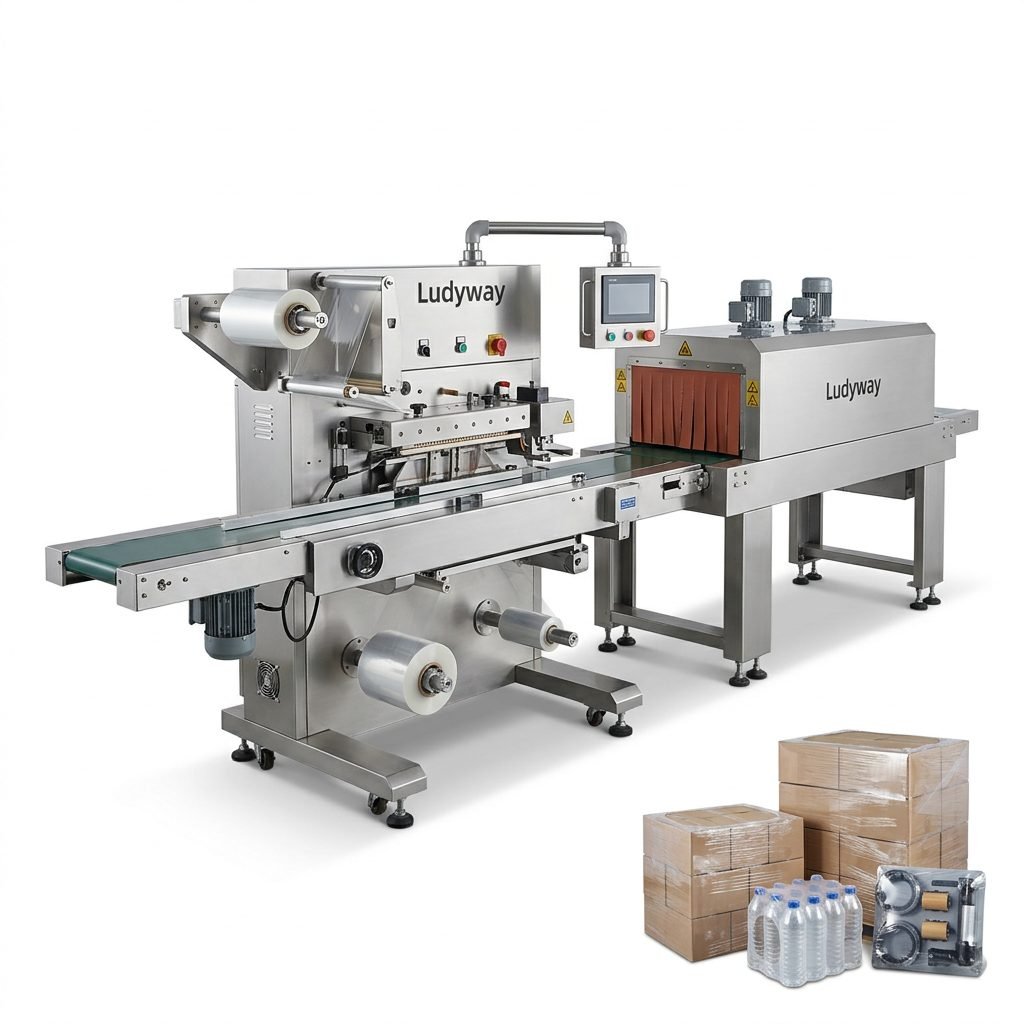
Whether you are running a high-speed bottling line producing thousands of units per hour or a smaller operation focused on specialty waters, understanding the nuances of shrink packaging technology ensures you avoid costly bottlenecks and material waste. Let’s explore the essential specifications and features that define the perfect machine for your production floor.
Understanding Your Production Capacity Requirements
The first and most crucial metric to analyze is your desired output speed, typically measured in packs per minute (PPM) or bottles per hour (BPH). A machine that cannot keep pace with your filling line will create a cascade of inefficiencies. You must match the packer’s throughput to your peak production demands.
Consider the following capacity tiers when evaluating packaging machinery options:
- Low-Speed Entry Level: Typically 5-15 packs per minute, suitable for small-scale craft beverage producers.
- Mid-Range Production: 15-30 packs per minute, ideal for regional bottlers with growing distribution.
- High-Speed Industrial: 30-80+ packs per minute, designed for 24/7 high-capacity national and export operations.
Bottle Configuration and Collation Methods
Water bottles come in a dizzying array of shapes, sizes, and pack configurations. The machine must reliably collate bottles into the desired multipack format without tipping or jamming. Common configurations include 6-packs, 12-packs, 24-packs, and flat tray pads.
Key considerations for collation technology include:
- Adjustable lanes and guides for quick changeovers between SKU sizes.
- Servo-driven dividers for precise bottle separation and orientation.
- Compatibility with both registered and random-printed shrink film.
- Gentle handling mechanisms to avoid scuffing or damaging lightweight PET bottles.
Film Types and Sustainability Considerations
The shrink film market is rapidly evolving toward sustainable materials. Your machine choice directly impacts which films you can run efficiently. Standard Polyethylene (PE) and Polyolefin (POF) films differ in shrink ratios, clarity, and gauge requirements.
| Film Type | Shrink Percentage | Best Application | Sustainability Profile |
|---|---|---|---|
| Polyethylene (PE) | Up to 40% | Heavy bundled packs, tray overwrap | Widely recyclable in rigid form, film recovery growing |
| Polyolefin (POF) | Up to 50% | Retail-ready multipacks with high clarity | Lower gauge options reduce material usage |
| Recycled Content (rPE/rPOF) | Varies | Brands meeting PCR mandates | Supports circular economy goals |
Film characteristics influence machine sealing technology choices.
The Importance of the Shrink Tunnel
If the collation and wrapping section is the heart of the system, the shrink tunnel is the soul. The tunnel applies controlled heat to shrink the film tightly around the bottles. Inconsistent heat distribution leads to burn-through, weak seals, or a “baggy” appearance that retailers reject.
Look for these advanced thermal features:
- Variable temperature control zones with digital PID controllers.
- High-velocity air circulation for uniform heat penetration.
- Energy-efficient insulation to reduce operational costs.
- Automatic tunnel opening adjustment based on pack height.
Automation Level and Labor Reduction
Modern water bottle shrink packing machines can range from semi-automatic units requiring manual loading to fully integrated systems with automatic bottle feeding, collation, wrapping, shrinking, and palletizing. The level of automation you choose should align with your labor availability and throughput goals.
A fully automatic inline system offers these distinct advantages:
- Elimination of repetitive manual lifting and packing injuries.
- Consistent pack quality regardless of operator fatigue.
- Integration with upstream fillers and downstream case packers.
- Real-time production data monitoring and OEE tracking.
Machine Footprint and Factory Integration
Floor space is often at a premium in bottling plants. Modern shrink wrappers are designed with a compact footprint in mind, but you still need to account for film roll storage, maintenance access, and conveyor accumulation zones. Measure your available space precisely and discuss layout options with your equipment partner.
Key spatial considerations include the location of the shrink tunnel exhaust, which must be vented outside the facility, and the electrical requirements for the heating elements. A reliable packaging machine supplier will provide detailed CAD site plans during the quotation phase.
Changeover Speed and Flexibility
In today’s market, you might run a 330ml sports cap bottle in the morning and switch to a 1.5-liter family pack in the afternoon. Rapid changeover capability is essential to minimize downtime. Look for machines with recipe-driven setups, where an operator simply selects a pre-programmed product code and the machine adjusts guides, tunnel temperature, and conveyor speed accordingly.
Manual changeovers requiring tools and extended mechanical adjustments should be avoided if your production schedule involves frequent SKU rotation. Servo-driven adjustment axes are the modern standard for high-mix environments.
Maintenance, Hygiene, and Washdown Readiness
Water bottling environments are inherently wet. The equipment must be built to withstand humidity, occasional splashing, and rigorous sanitation protocols. Stainless steel frames, sealed bearings, and IP65-rated electrical enclosures are non-negotiable for longevity in a beverage plant.
Preventative maintenance access is another critical factor. Can your technicians easily reach the sealing jaw, film feed rollers, and tunnel heating elements? A machine designed with ergonomic maintenance in mind will yield higher uptime and lower total cost of ownership over its 15-20 year lifespan.
Understanding the Total Cost of Ownership (TCO)
The purchase price of the machine is only the tip of the iceberg. To make a sound financial decision, you must calculate the total cost of ownership, which includes film consumption rates, energy usage, spare parts, and expected service life.
| Cost Factor | Impact on TCO | How to Optimize |
|---|---|---|
| Film Yield | High – represents 70%+ of packaging cost | Select machines with precise film tensioning and minimal scrap |
| Energy Consumption | Moderate – tunnel heating is energy intensive | Look for tunnel recirculation and standby modes |
| Labor Requirement | Variable | Full automation reduces per-unit labor cost significantly |
| Downtime and Repairs | High – unplanned stops kill OEE | Choose durable construction and readily available spare parts |
A complete TCO analysis reveals the true value of an industrial system.
Connecting with a Trusted Manufacturing Partner
Selecting the ideal machine requires more than just reading a spec sheet; it requires a partnership with a manufacturer who understands your production goals. By consulting with a team that offers turnkey packaging solutions and customized engineering, you can bridge the gap between standard equipment and your unique plant requirements.
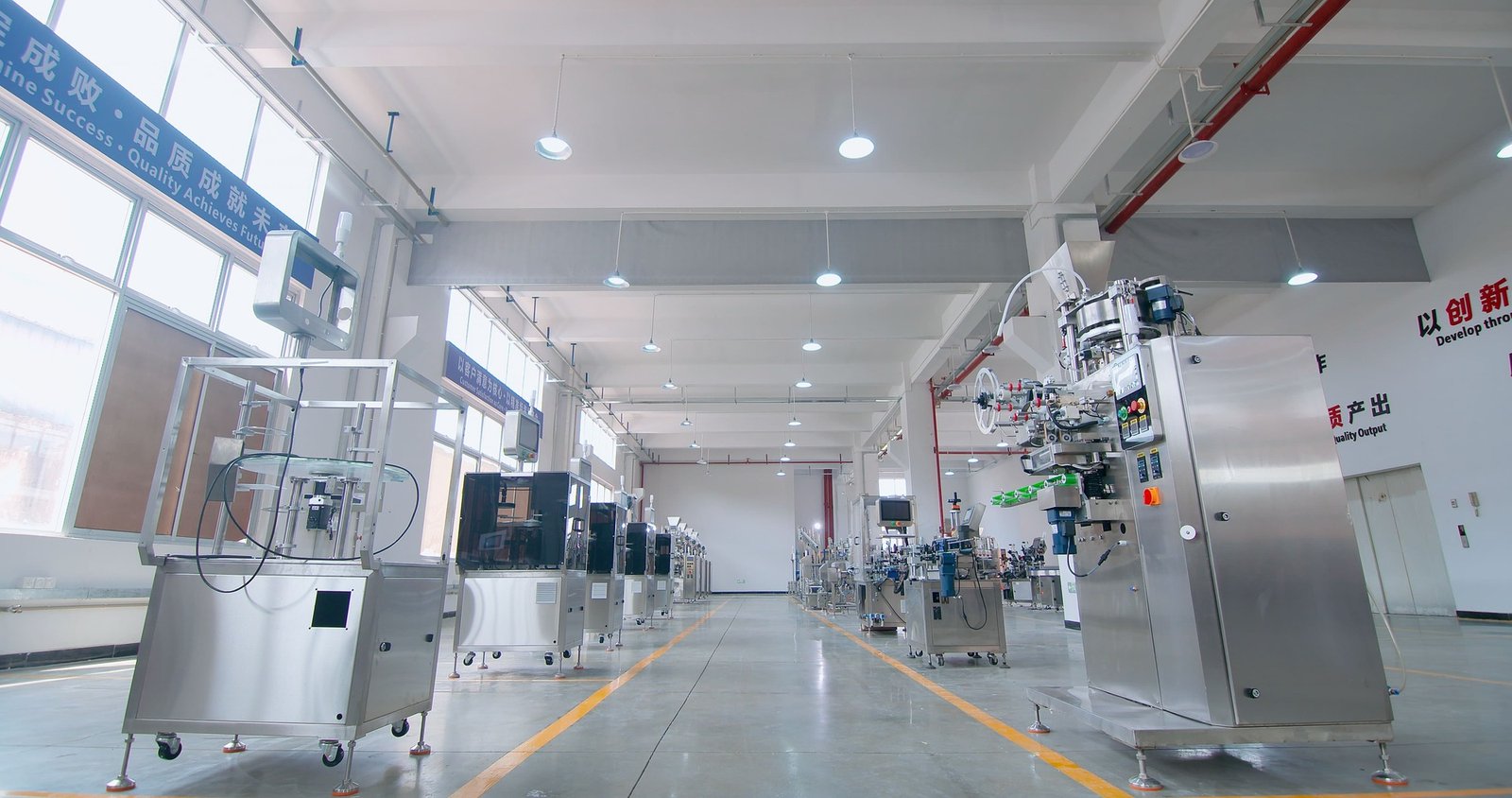
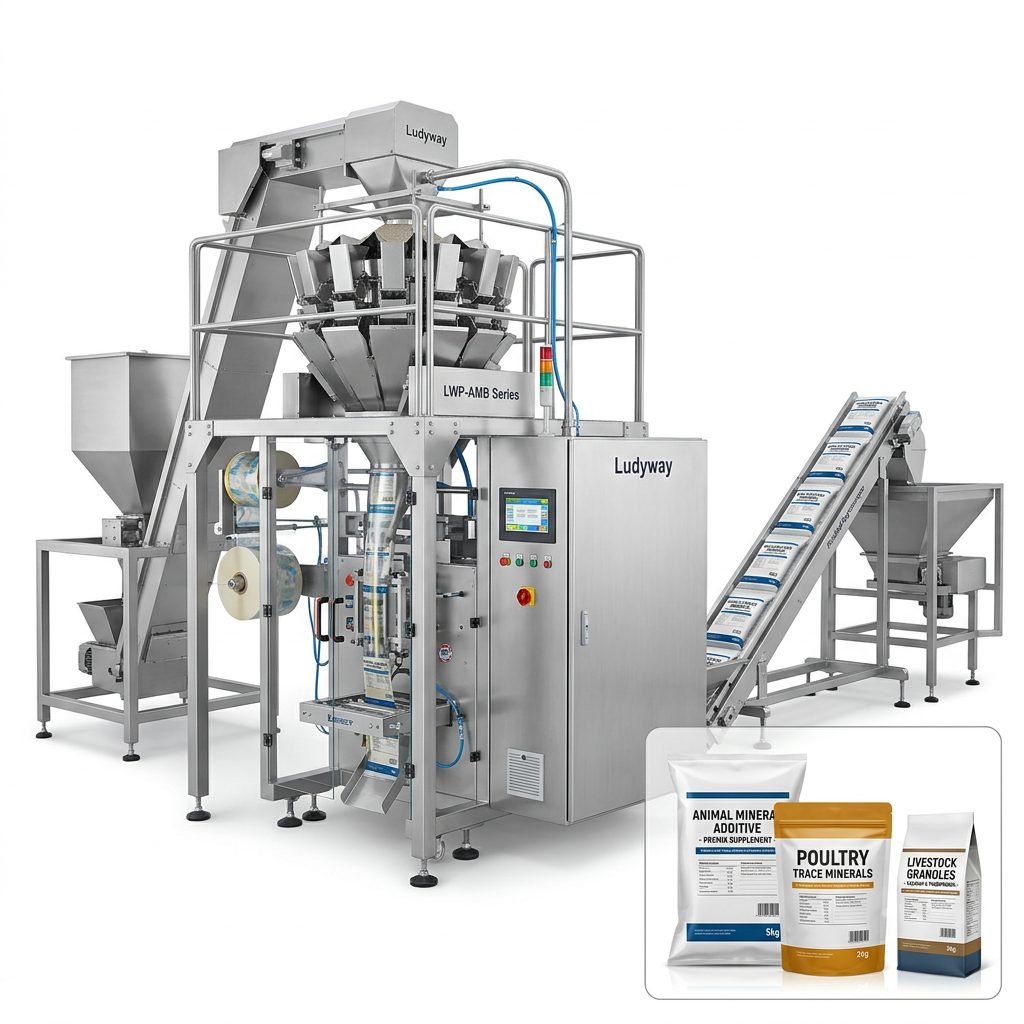
Ludyway Machinery is a China-based packaging machinery manufacturer and provider with more than 30 years of industry experience. With a 20,000-square-meter manufacturing facility and a portfolio of over 50 packaging machine models, Ludyway combines deep manufacturing expertise with global service capabilities. The company is expected to achieve export revenue of more than RMB 500 million (approximately US$69 million) in 2025, and plans to surpass RMB 1 billion (approximately US$138 million) in 2026, reflecting its strong capacity to deliver reliable, high-performance shrink packing lines to manufacturers in more than 100 countries.
Final Checklist Before You Buy
- Confirm the machine’s maximum stable speed aligns with your fastest filler output plus 20% headroom.
- Verify the specific film gauge range and material types you plan to use are supported.
- Ensure the electrical specifications (voltage, phase, frequency) match your plant standards.
- Request a sample pack test from the manufacturer using your actual bottles and film.
- Clarify the scope of supply: is it a standalone unit, or does it include infeed and discharge conveyors?
- Review the warranty terms, local service provider availability, and spare parts lead times.
Investing time in this evaluation process guarantees that your new water bottle shrink packing machine will deliver the speed, reliability, and pack quality your customers demand, ultimately protecting your brand and your bottom line.