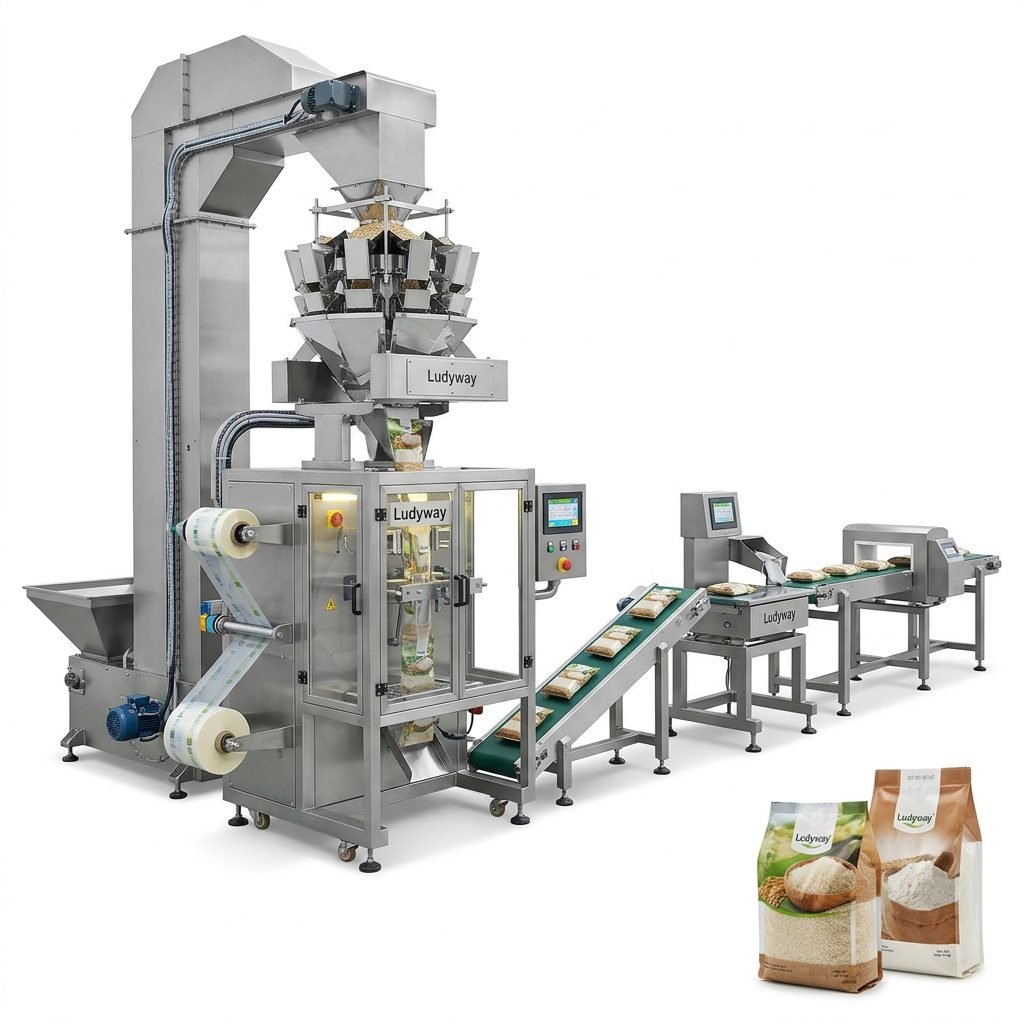
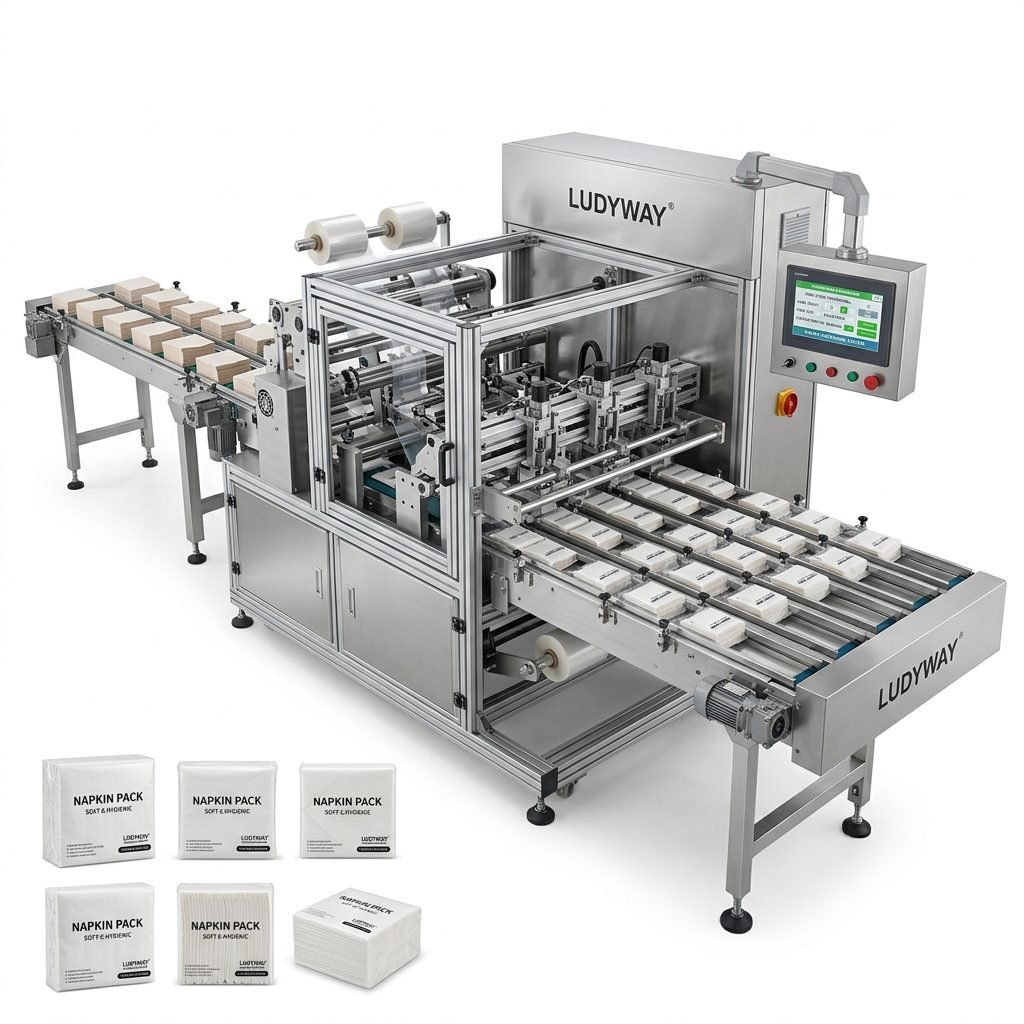
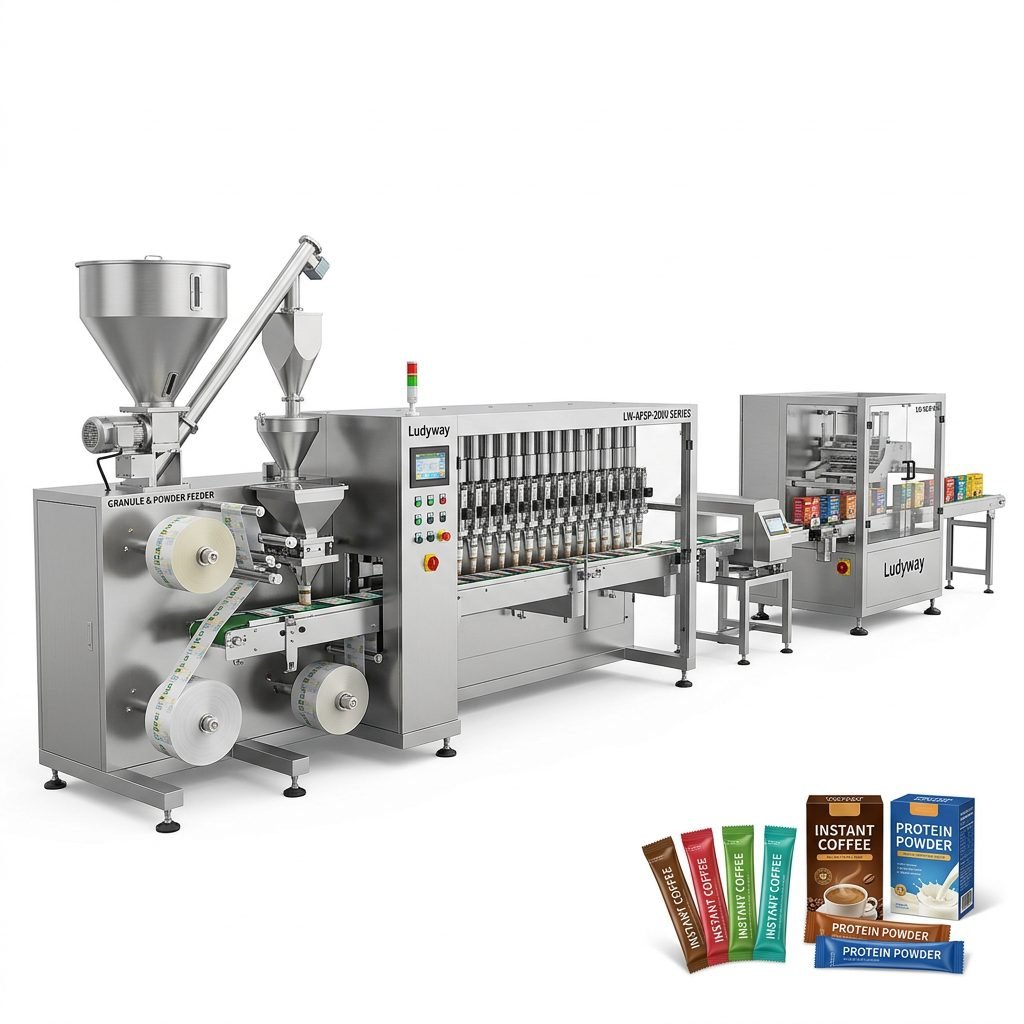
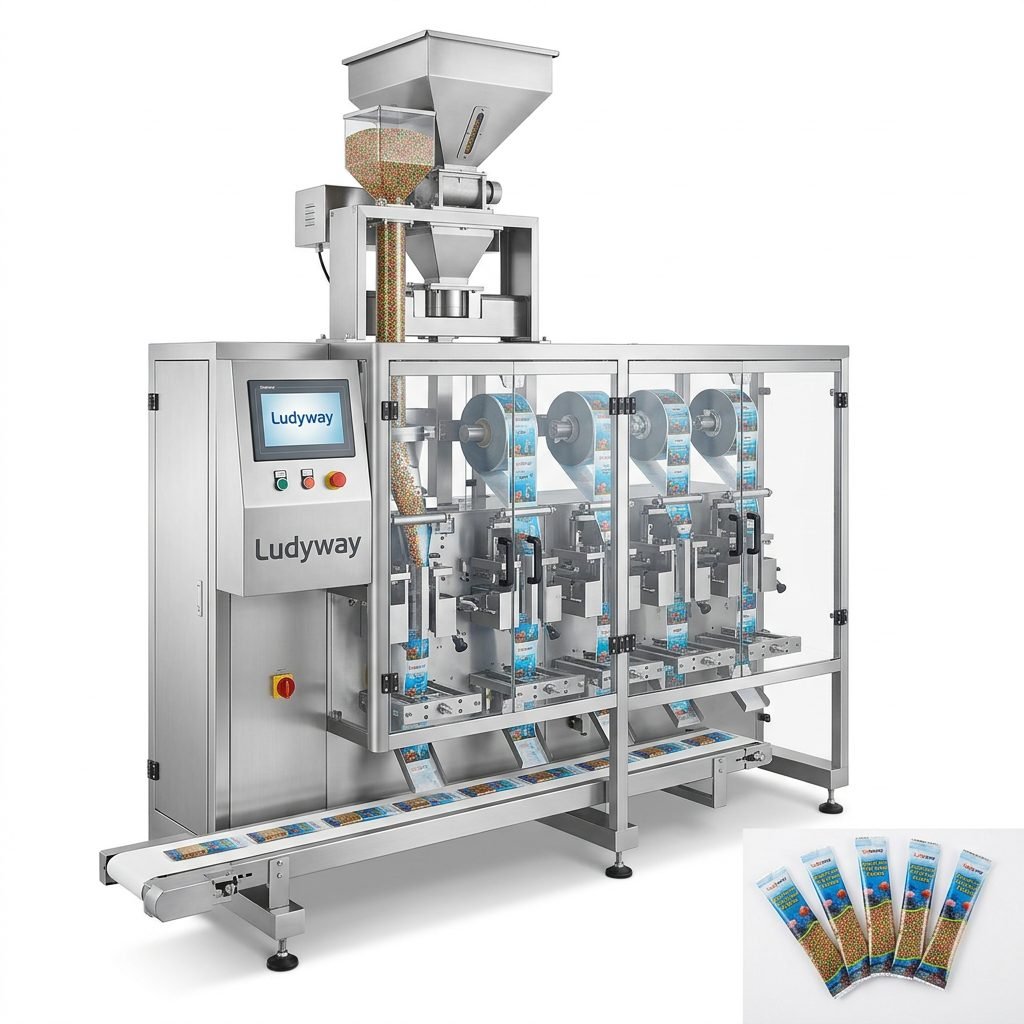
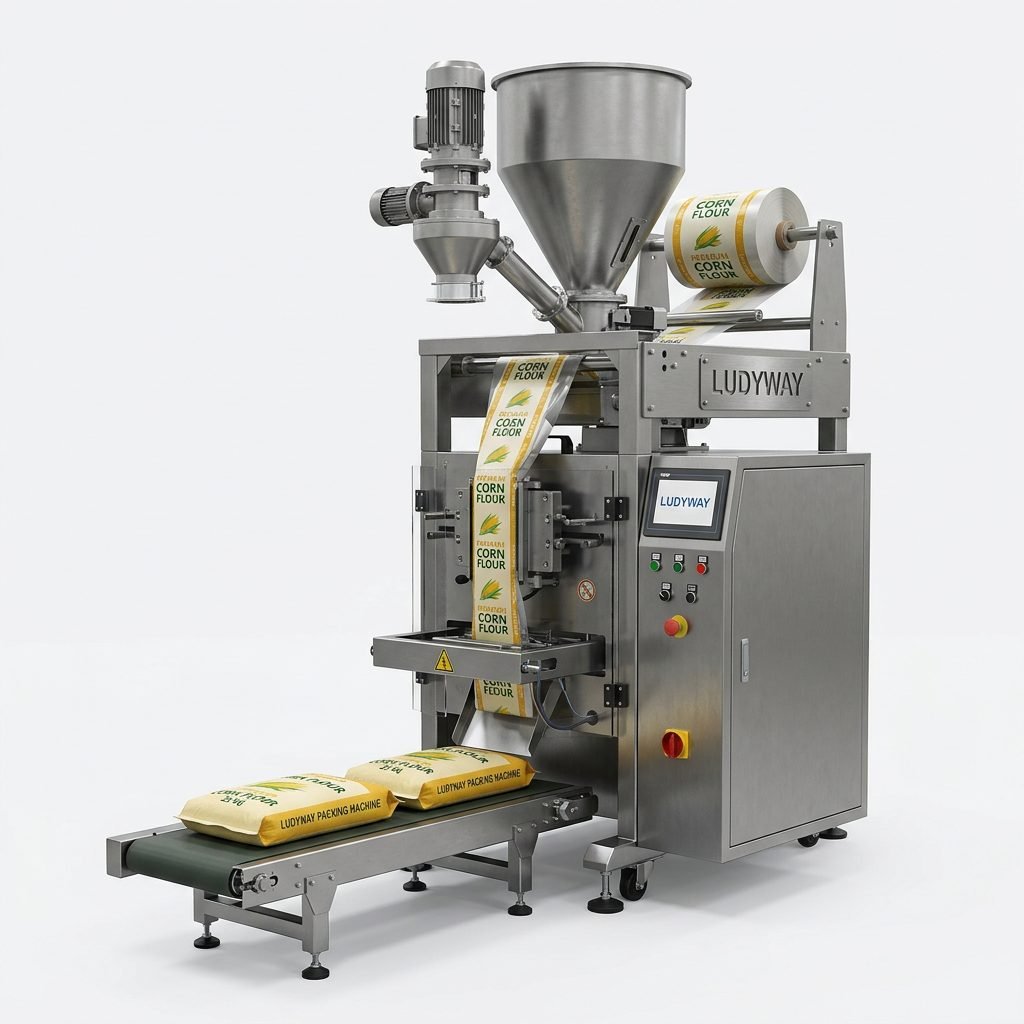
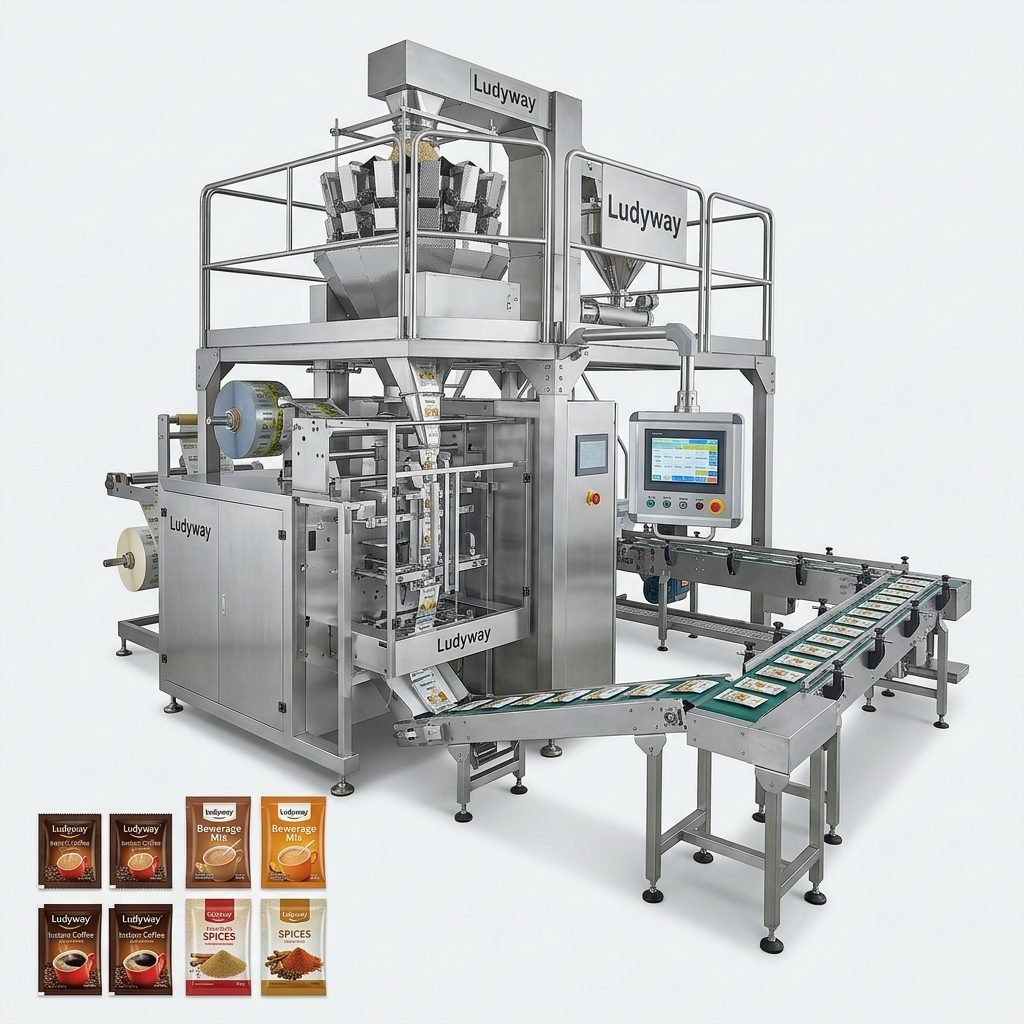
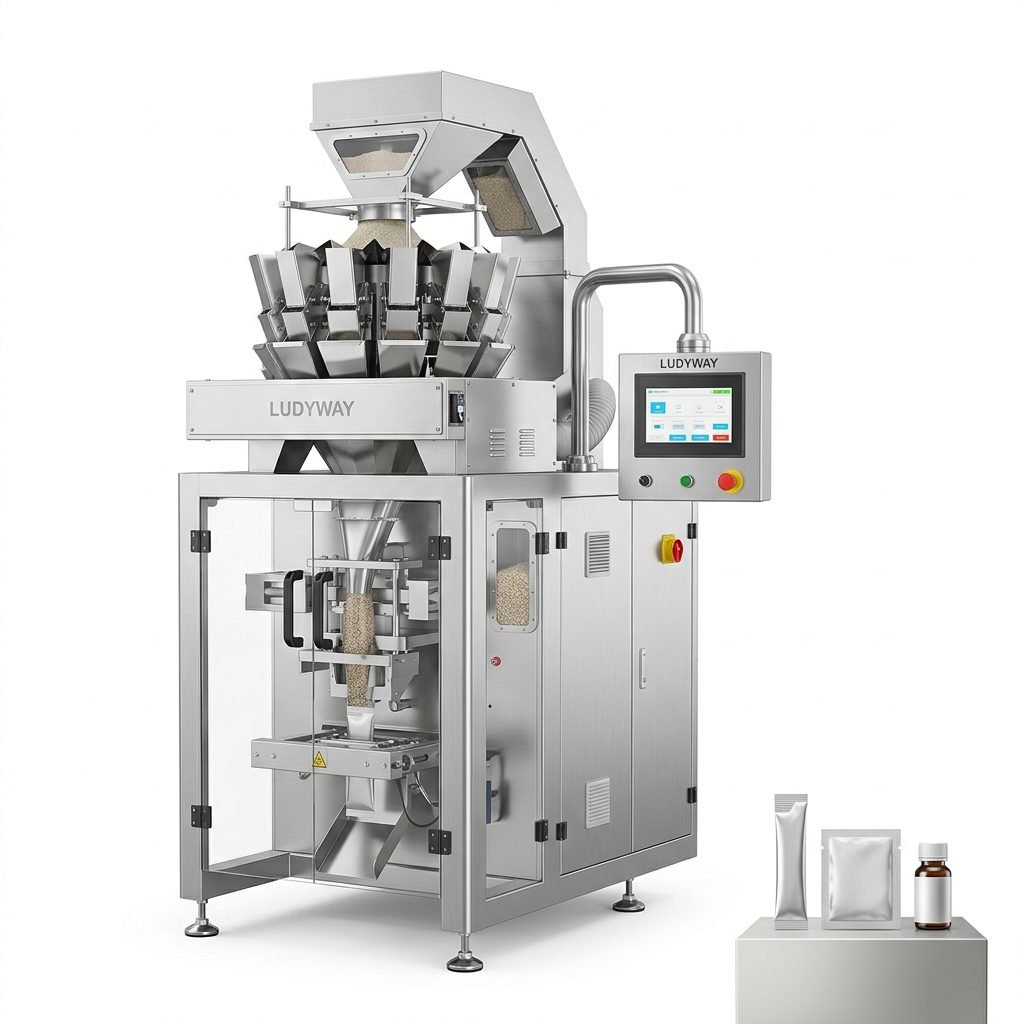
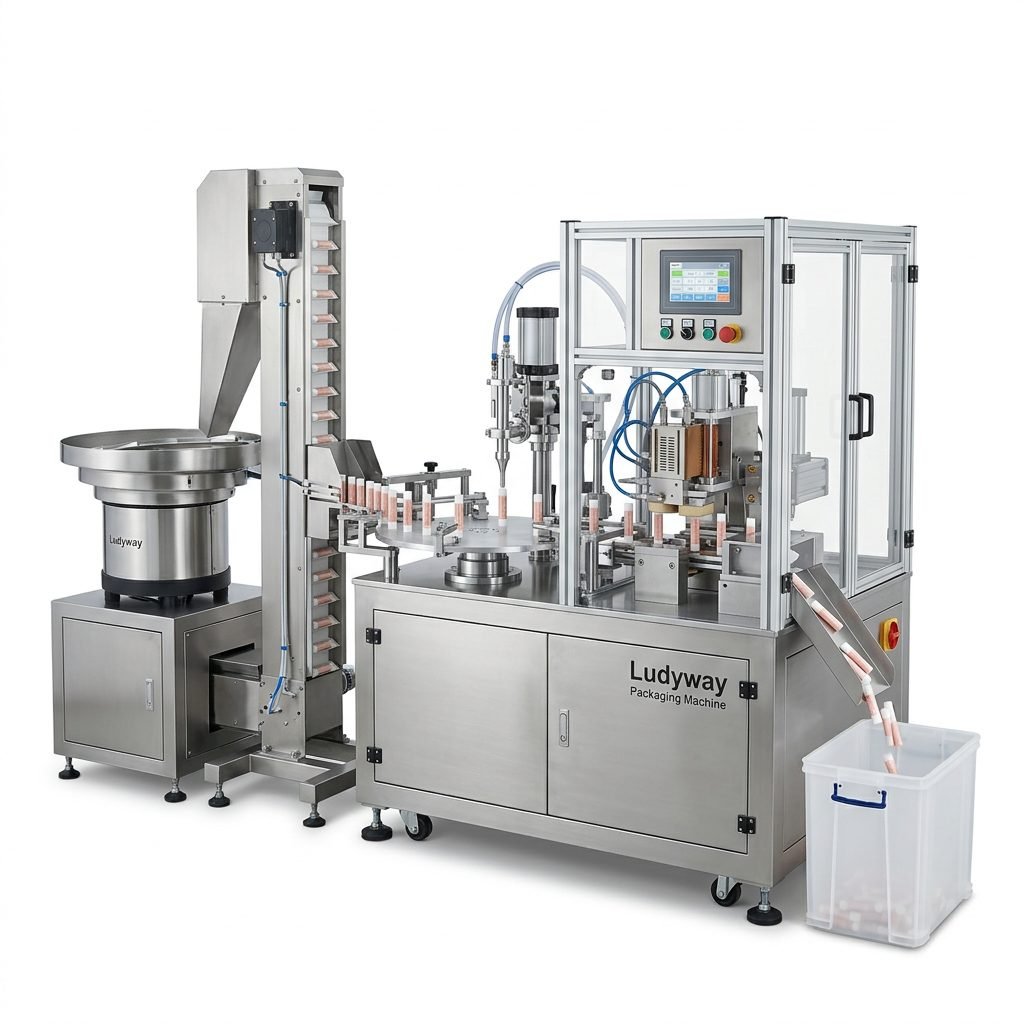
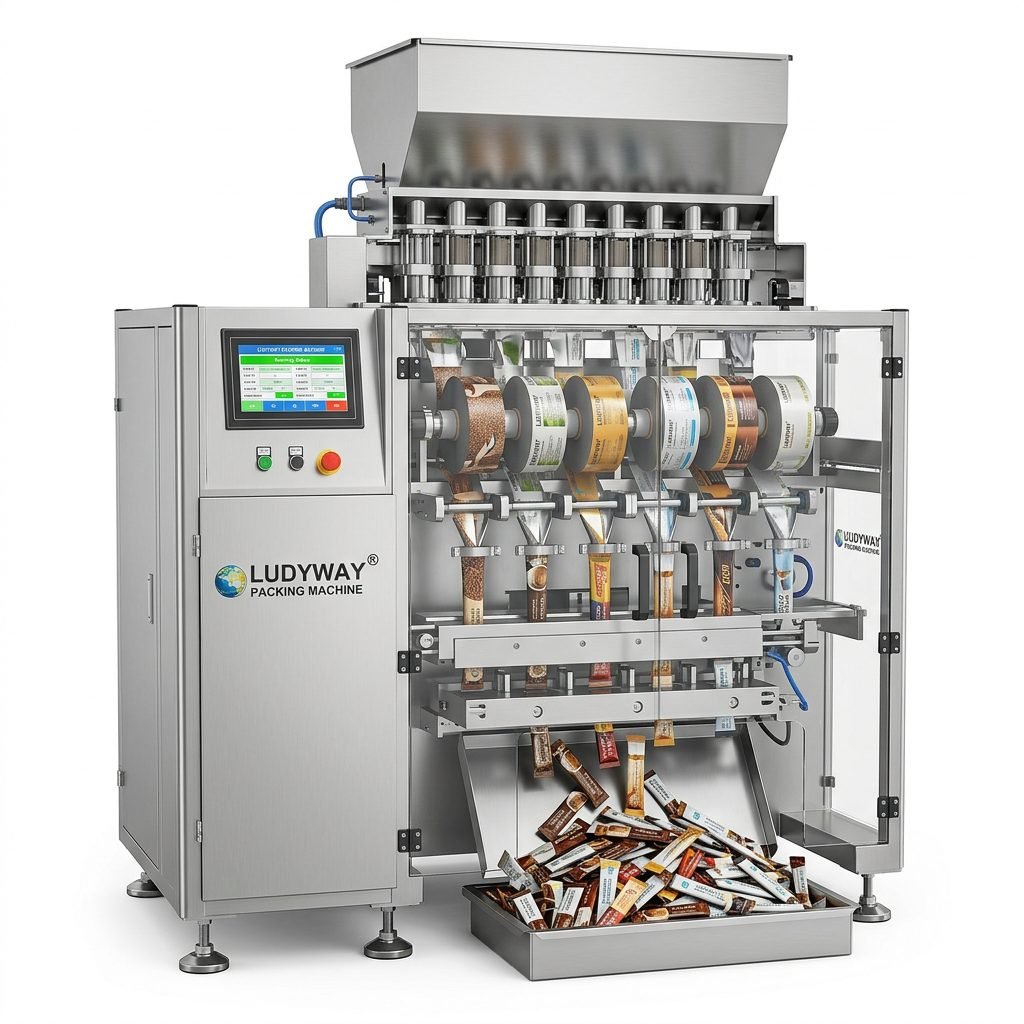
Proper maintenance is essential to keep your chip packaging machine running at peak efficiency. Whether you operate a multi-lane stick pack system or a high-speed sachet line, a consistent care routine significantly extends equipment life and reduces costly unplanned downtime. Below is a comprehensive guide covering daily, weekly, and long-term maintenance practices.
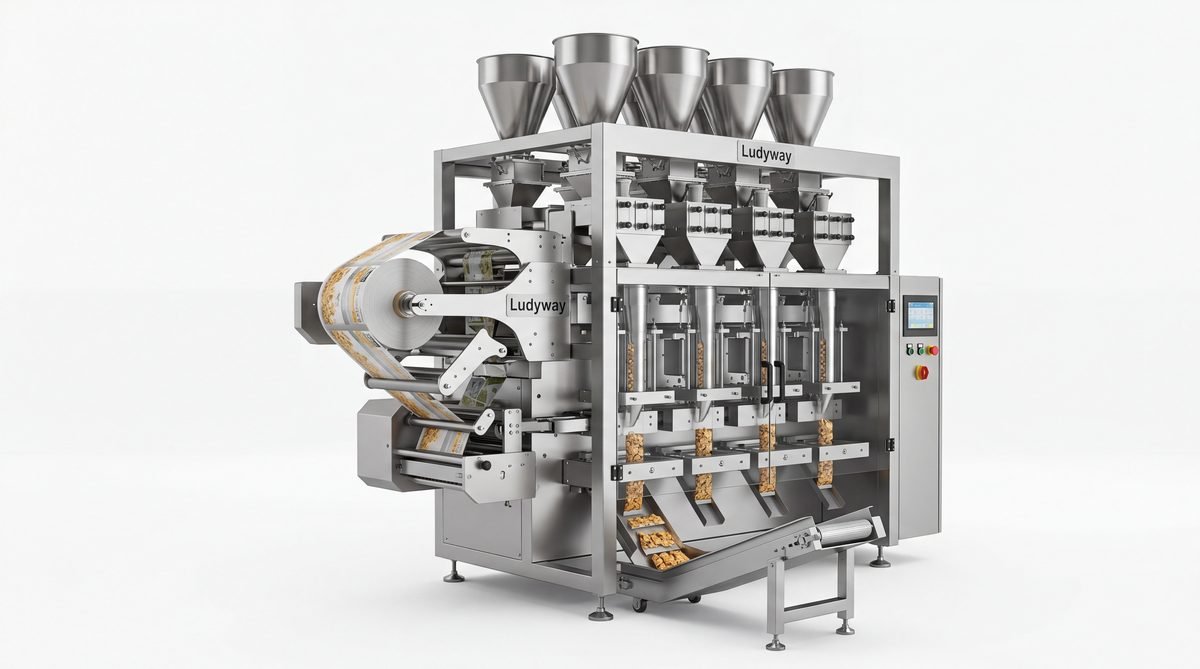
Why Routine Maintenance Matters
Neglecting regular upkeep of packaging machinery leads to inconsistent seal quality, inaccurate fill weights, and premature component failure. According to PMMI packaging industry resources, a well-executed preventive maintenance program can improve overall equipment effectiveness (OEE) by up to 15%. For food and snack producers, this translates directly into higher throughput and fewer product recalls caused by packaging defects.
Daily Cleaning and Inspection Checklist
Implementing a daily cleaning protocol is the single most effective step you can take. Dust, product residue, and grease buildup are the primary enemies of precision filling systems.
- Remove product debris from filling nozzles, sealing jaws, and conveyor surfaces after every shift.
- Wipe down photo-eye sensors and registration marks with a lint-free cloth to prevent false readings.
- Check the forming tube and shoulder area for scratches or product accumulation that could tear film.
- Inspect air filters on pneumatic systems and clean or replace as needed.
- Verify that emergency stop buttons and safety interlocks are functioning correctly.

Lubrication Best Practices for Packaging Equipment
Proper lubrication minimizes friction on moving parts, reducing wear on bearings, chains, and cam mechanisms. Over-lubrication can be just as damaging as under-lubrication, attracting dust and contaminating packaging materials.
- Use only food-grade lubricants approved for incidental contact in food packaging environments.
- Follow the manufacturer’s recommended lubrication schedule for each component.
- Pay special attention to sealing jaw pivot points and cross-seal mechanisms, which operate under high heat and pressure.
- Document all lubrication activities in a maintenance log for traceability.
Electrical System and Control Panel Care
Modern packaging machines rely on sophisticated PLC controllers, servo drives, and touchscreen interfaces. Electrical faults are among the most frequent causes of unexpected stoppages.
- Keep control cabinets sealed and free of dust using positive-pressure ventilation where possible.
- Inspect wiring harnesses and connectors for loose terminals or signs of overheating monthly.
- Check ground connections to prevent static discharge issues that can affect weighing accuracy.
- Back up PLC programs and parameter settings to external storage after any configuration change.
Sealing and Heating Component Maintenance
The sealing system is the heart of any chip and snack packaging machine. Inconsistent seal temperatures result in weak seals, product leakage, and increased film waste. Regular thermal profiling is recommended.

- Clean sealing jaws and Teflon-coated surfaces daily using a non-abrasive brush while jaws are warm.
- Verify thermocouple accuracy with an independent temperature probe every quarter.
- Replace worn heater cartridges and sealing bands at the first sign of uneven heating.
- Check cooling air flow to ensure seals set properly before film enters the cutting station.
Preventive Maintenance Schedule Overview
Following a structured maintenance calendar helps ensure no critical task is overlooked. Below is a recommended schedule adaptable to most snack packaging operations.
| Frequency | Maintenance Tasks | Responsible Party |
|---|---|---|
| Daily | Clean product contact surfaces, inspect seals, check sensor alignment, empty waste trays | Operator |
| Weekly | Lubricate moving parts, inspect belts and chains, clean air filters, verify safety systems | Maintenance Technician |
| Monthly | Check electrical connections, calibrate load cells, inspect forming tube alignment, test heater resistance | Maintenance Technician |
| Quarterly | Replace worn sealing components, full calibration of all sensors, gearbox oil inspection, PLC backup | Senior Technician / Engineer |
| Annually | Complete machine overhaul, replace major wear parts, software updates, comprehensive performance audit | Manufacturer Service Team |
Common Issues and Quick Troubleshooting
Identifying problems early prevents minor issues from escalating into major failures. Here are frequent symptoms and their likely causes in snack packaging operations.
- Film tracking off-center: Check forming tube alignment, film roll tension, and tracking roller condition.
- Inconsistent fill weight: Inspect the weighing and filling system for product bridging, recalibrate load cells, and verify auger or volumetric cup wear.
- Seal wrinkles or leaks: Examine sealing jaw parallelism, Teflon tape condition, and temperature uniformity across the seal area.
- Excessive machine vibration: Check motor mounts, drive belt tension, and rotating component balance.
Spare Parts Inventory Management
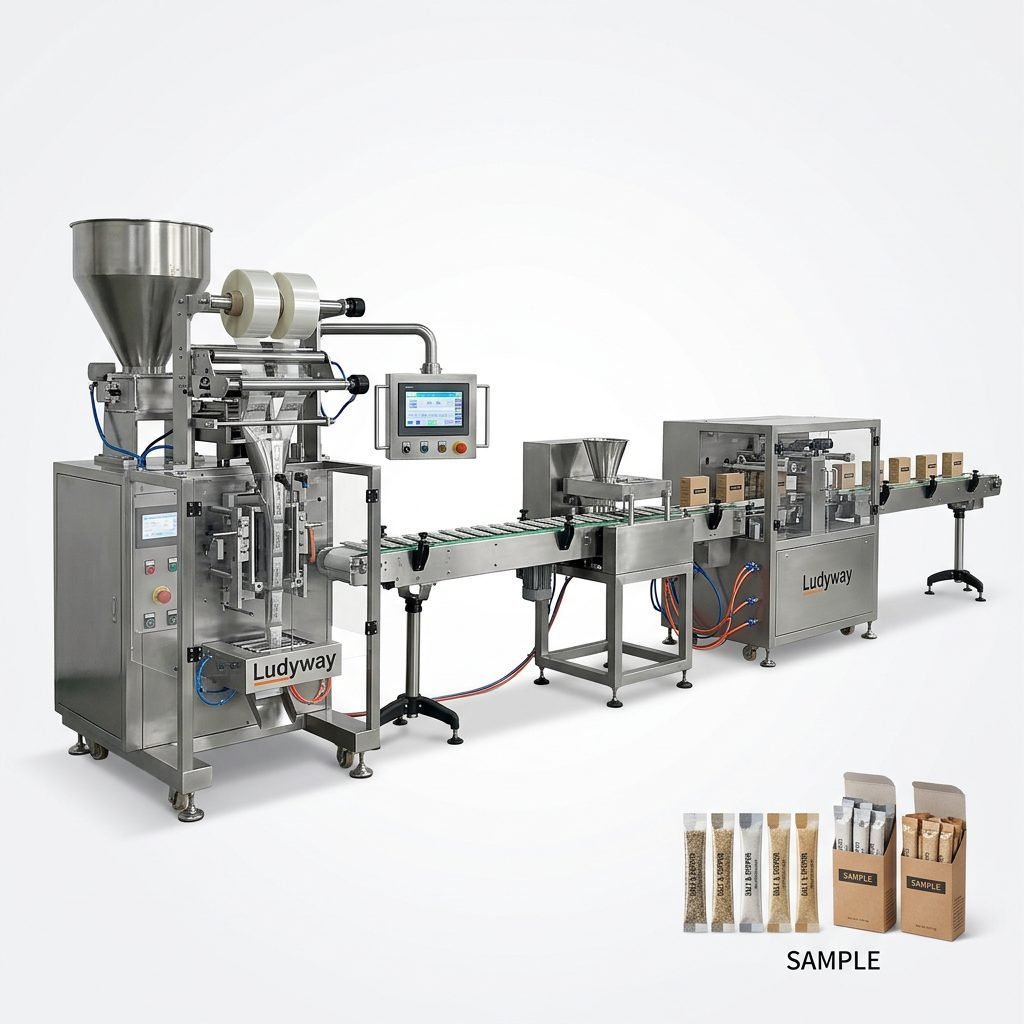
Maintaining a well-stocked critical spares inventory dramatically reduces mean time to repair (MTTR). For chip packaging lines operating 24/7, having the right parts on hand is non-negotiable. Refer to standards such as ISO packaging standards for guidance on quality specifications.
- Keep at least two sets of sealing jaws and Teflon covers in stock at all times.
- Stock heater cartridges, thermocouples, and SSR relays as they are high-failure items.
- Maintain a supply of commonly used bearings, belts, and drive chains.
- Store sensor replacements including photoelectric eyes, proximity switches, and temperature probes.
- Work with your equipment supplier to identify long-lead-time components and order proactively.
Professional Servicing and Technical Support
While in-house maintenance teams handle day-to-day care, annual professional servicing by qualified technicians ensures your equipment meets original factory specifications. Comprehensive service visits typically include laser alignment verification, full calibration of all measurement systems, firmware updates, and predictive wear analysis using vibration monitoring or thermal imaging.
As one of the largest packaging machine manufacturers with over 30 years of industry experience, Ludyway supports customers in over 100 countries with specialized technical assistance, genuine spare parts, and tailored maintenance training programs. For more insights on industry trends, the Flexible Packaging Association provides valuable resources on packaging technology advancements.
Documentation and Record-Keeping
A disciplined approach to maintenance documentation enables trend analysis and helps predict component end-of-life. Every intervention—no matter how minor—should be logged with date, technician name, machine hours, part numbers replaced, and observations. Over time, this data reveals patterns that inform smarter spare parts purchasing and optimize preventive maintenance intervals.
- Use a digital CMMS (Computerized Maintenance Management System) for automated scheduling and tracking.
- Record all temperature, pressure, and speed parameters after each adjustment.
- Photograph worn components before replacement to build a visual reference library.
- Review maintenance logs monthly with production management to align equipment availability with production demands.
Key Takeaways for Long-Term Reliability
Implementing a comprehensive maintenance strategy for your chip and snack packaging equipment delivers measurable returns in machine longevity and production consistency. Prioritize daily cleaning, adhere to lubrication schedules, monitor sealing systems closely, and partner with experienced service providers for annual overhauls. A proactive approach to maintenance is always more cost-effective than reactive repairs. For additional regulatory guidance, consult the FDA food packaging and food contact substances resources to ensure your packaging processes remain compliant with current standards.
By following the practices outlined above, your packaging line will deliver reliable performance, consistent output quality, and extended service life—keeping your production running smoothly for years to come.