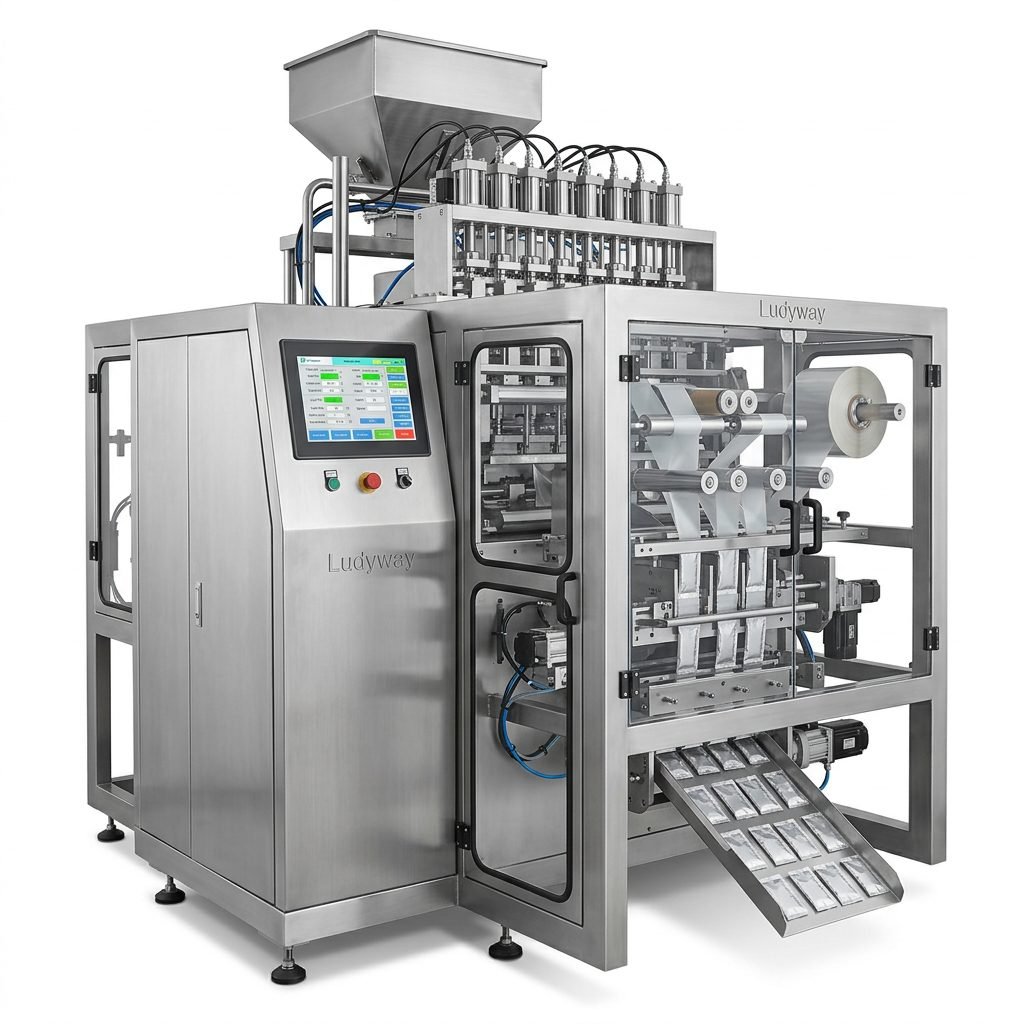
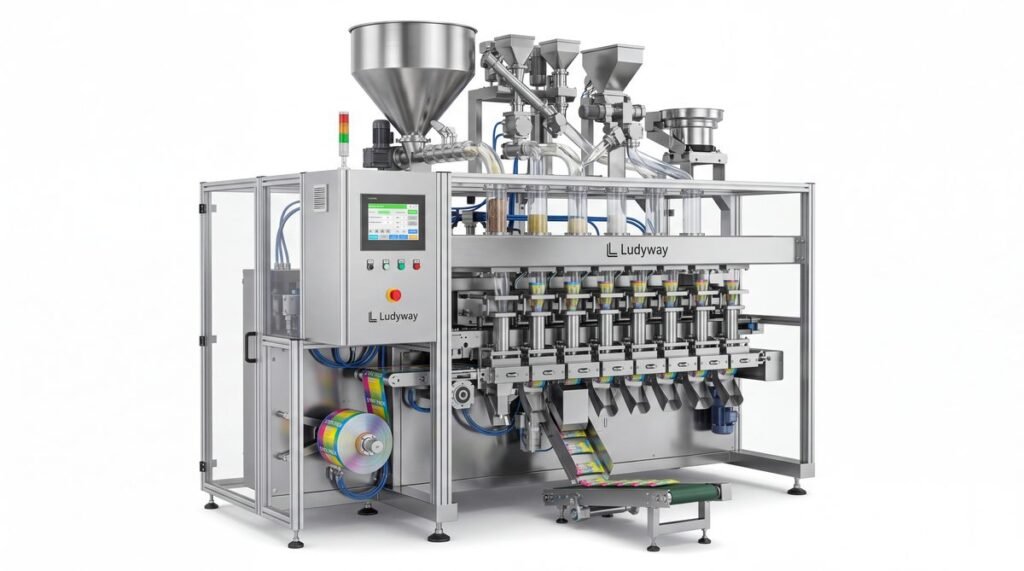
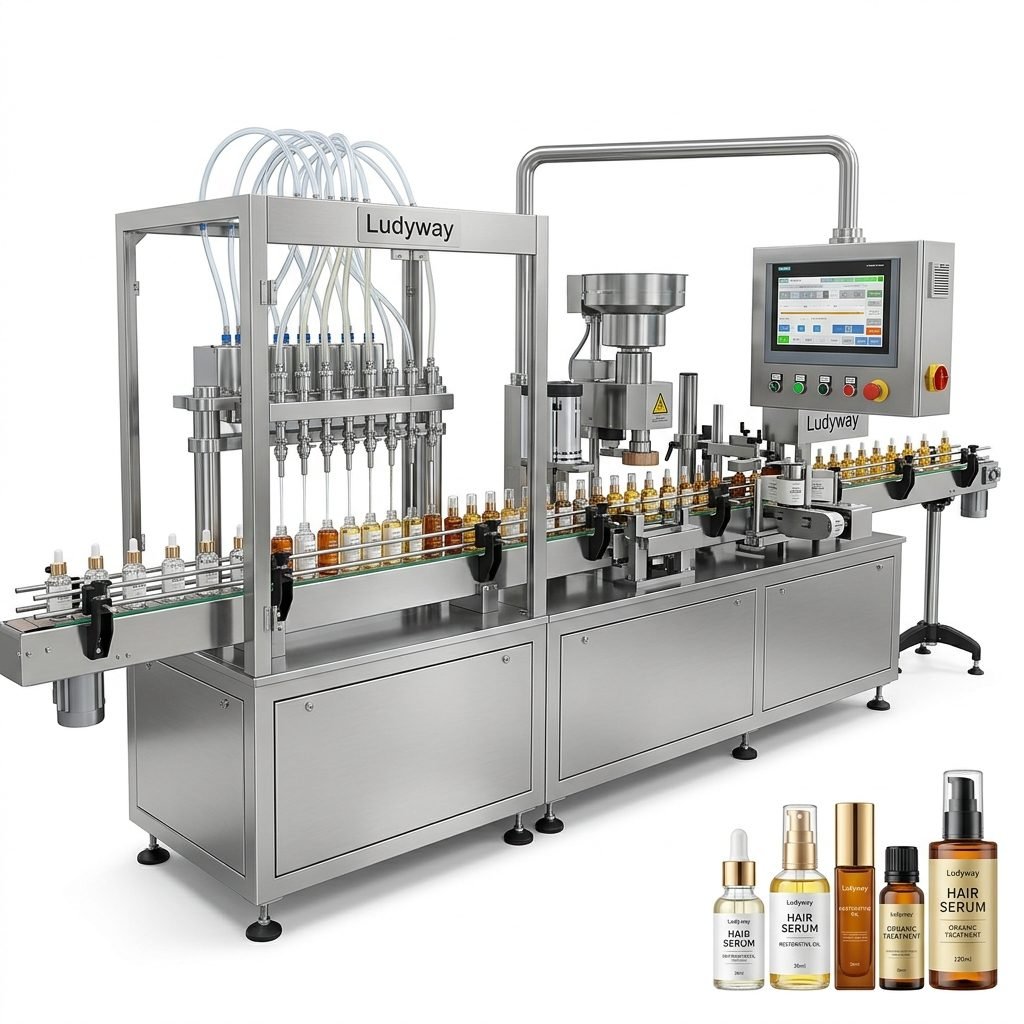
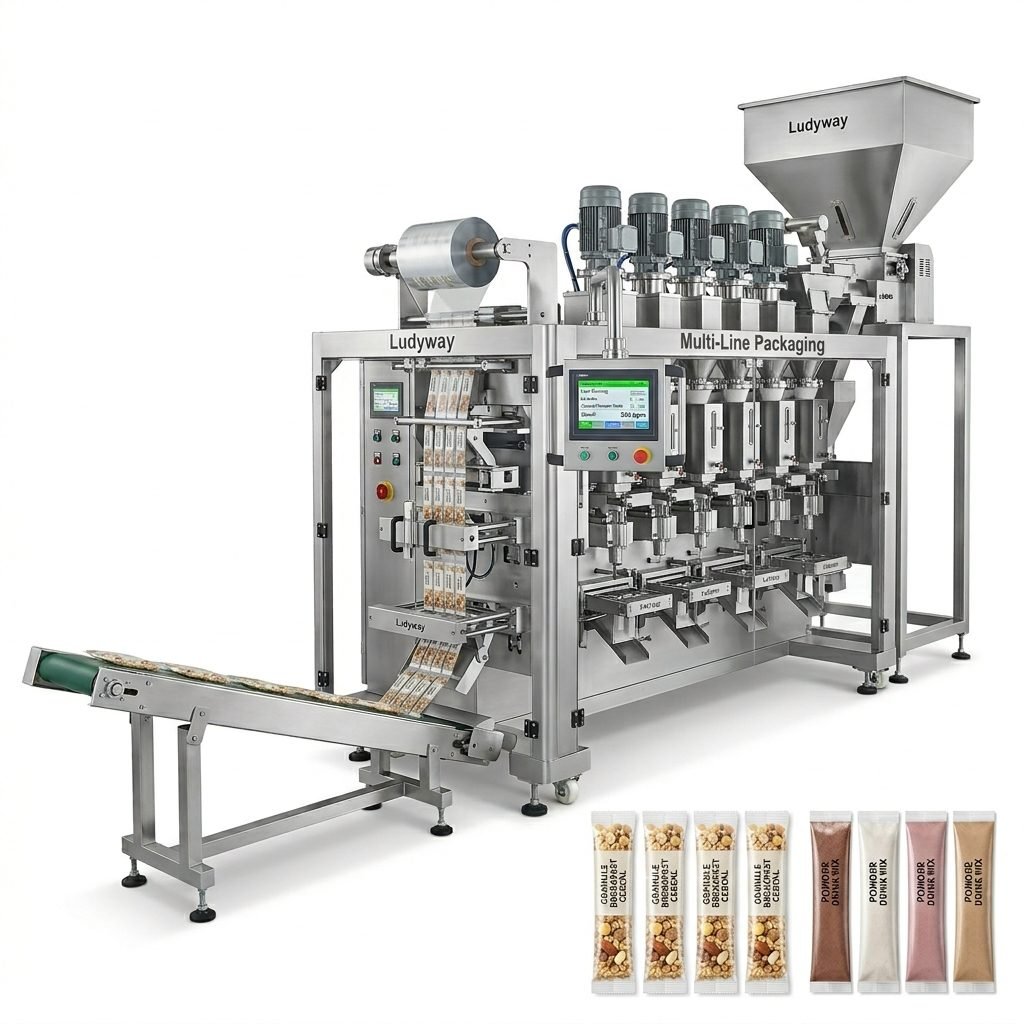
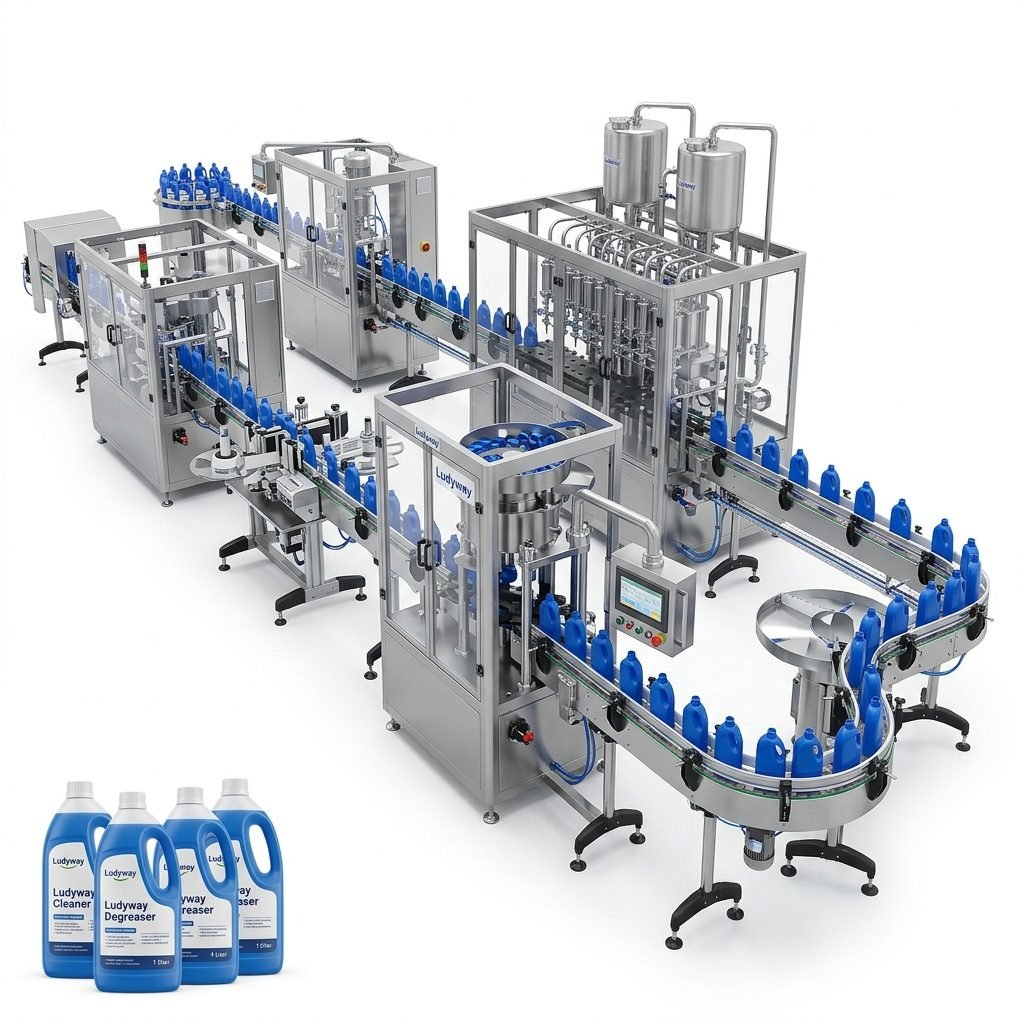
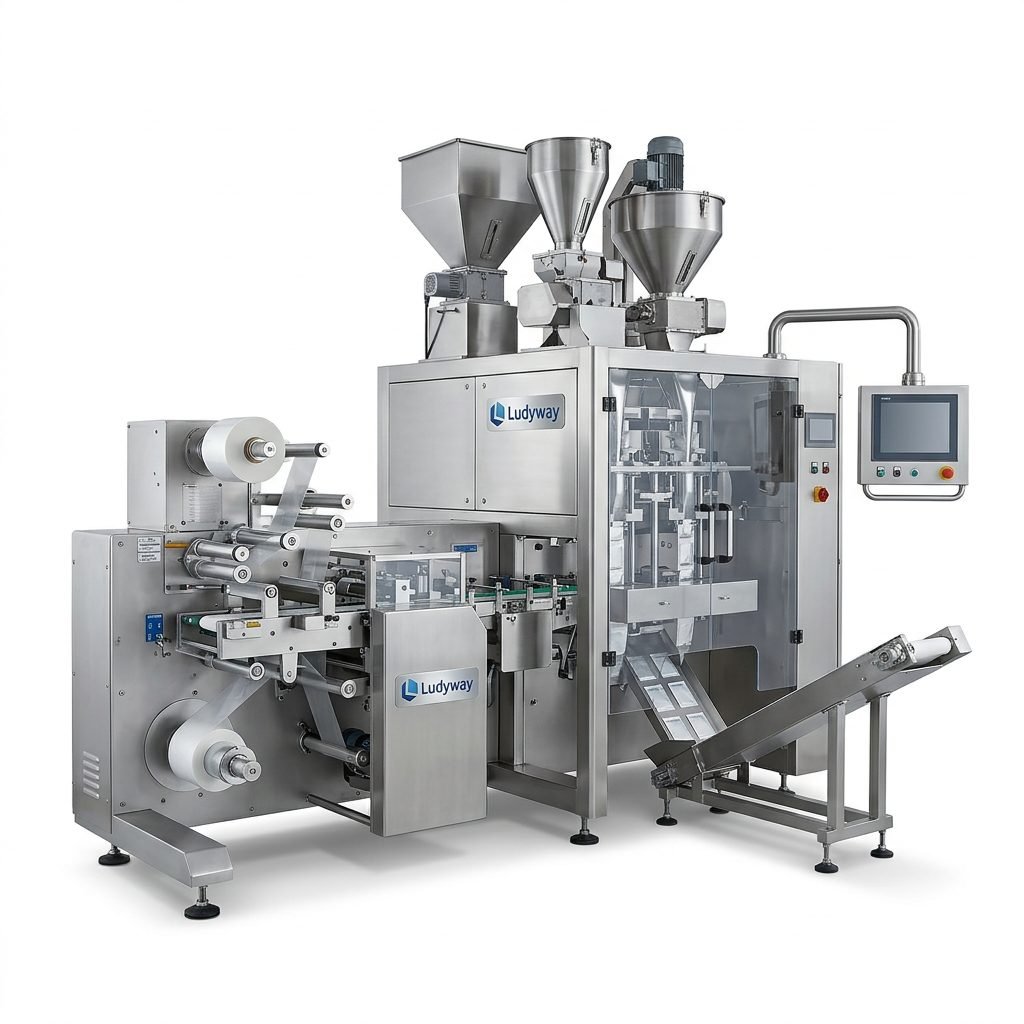
Proper maintenance of a glass packaging machine is essential for ensuring consistent production output, minimizing downtime, and extending the lifespan of your equipment. Whether you operate a high-speed automatic line or a semi-automatic system, a structured maintenance routine can prevent costly breakdowns and protect your investment in automatic packaging equipment.
Why Routine Maintenance Matters
Glass packaging lines involve delicate handling of breakable containers, precise filling mechanisms, and sealing components that must work in perfect synchronization. Neglecting maintenance can lead to product contamination, glass breakage, inaccurate fills, and premature wear on critical parts. A well-maintained machine delivers:
- Consistent packaging quality and reduced product waste
- Lower risk of unexpected production stoppages
- Extended service life of mechanical and electrical components
- Compliance with ISO packaging standards and food safety regulations
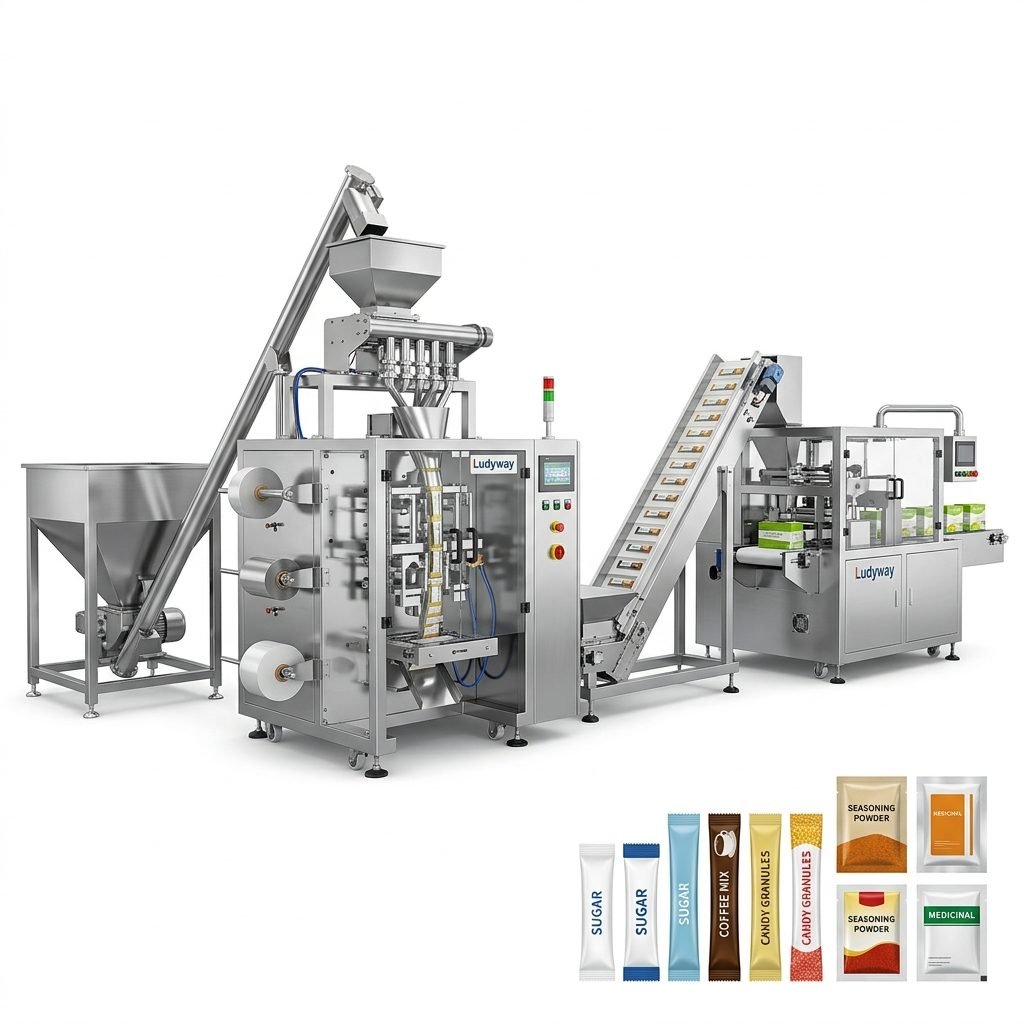
Daily Maintenance Checklist
Daily inspections form the foundation of effective packaging machine maintenance. Operators should perform these checks before, during, and after each shift to catch issues early.
Pre-Operation Inspection
- Visually inspect the conveyor belts for wear, misalignment, or debris accumulation
- Check all guides and rails for smooth movement and secure fastening
- Verify that sensors and photoelectric cells are clean and unobstructed
- Inspect glass container infeed and outfeed areas for any broken glass fragments
- Confirm that emergency stop buttons and safety interlocks are fully functional
During Operation
- Monitor for unusual noises or vibrations that may indicate mechanical issues
- Watch for consistent container spacing and smooth transfer between stations
- Check fill levels and seal integrity at regular intervals
- Observe the lubrication system for proper oil flow and pressure
Post-Operation Cleanup
- Remove all product residue and glass particles from the filling zone
- Wipe down stainless steel surfaces with approved cleaning agents
- Empty and clean drip trays, collection bins, and waste containers
- Record any anomalies in the maintenance logbook for follow-up
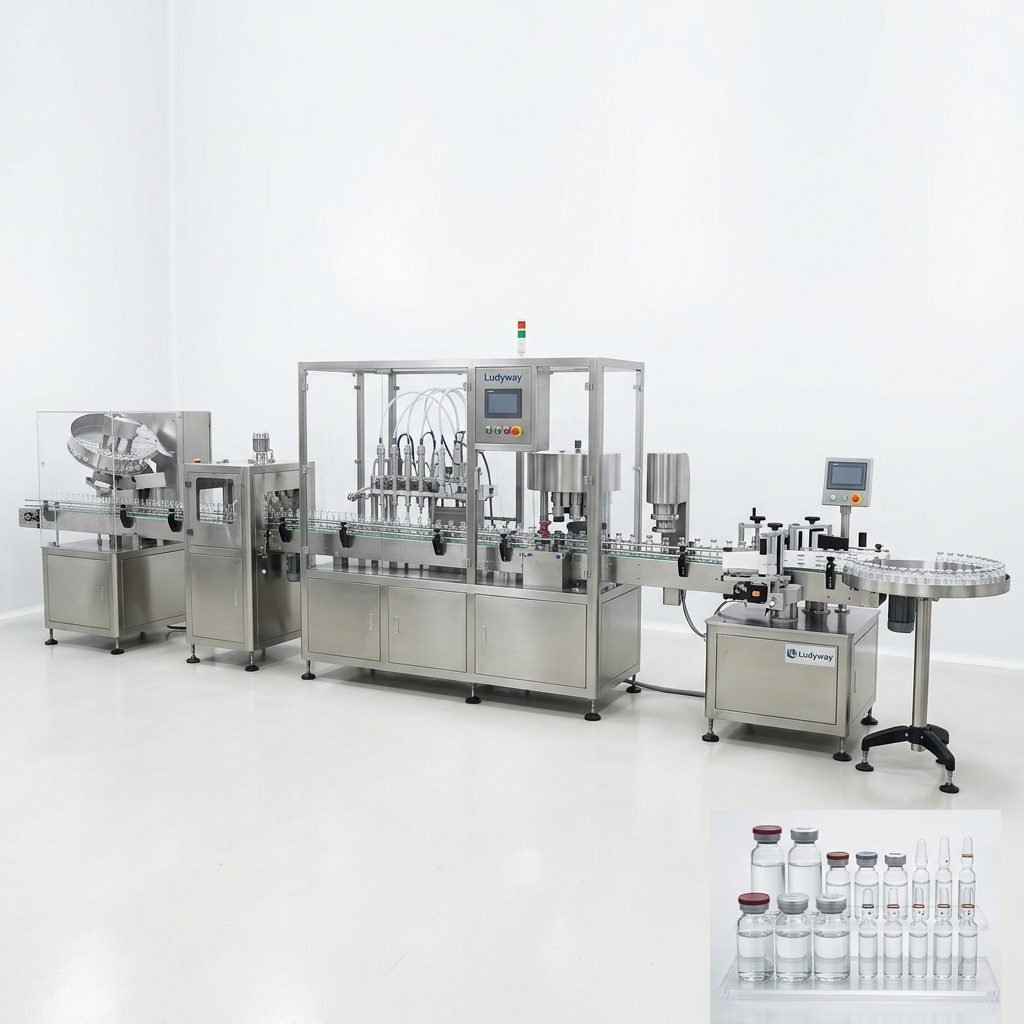
Weekly Maintenance Procedures
Weekly maintenance tasks require more detailed attention and should be performed by trained technicians. These procedures help identify developing problems before they escalate into major failures.
Mechanical Systems
- Inspect and tighten all bolts, screws, and fasteners on the frame and moving assemblies
- Check chain tension and sprocket alignment on drive systems; adjust as needed
- Examine cam followers, bearings, and bushings for signs of wear or play
- Lubricate all grease points according to the manufacturer’s specifications
- Inspect pneumatic cylinders and air lines for leaks or pressure inconsistencies
Electrical and Control Systems
- Check all wiring connections and terminal blocks for tightness and corrosion
- Test PLC inputs and outputs to verify correct signal transmission
- Clean electrical cabinets and verify that cooling fans are operational
- Inspect HMI touchscreen for responsiveness and display clarity
Monthly and Quarterly Maintenance Schedule
A structured schedule ensures that no critical component is overlooked. The table below outlines recommended intervals for key maintenance activities on a glass packaging machine.
| Component / System | Maintenance Task | Frequency |
|---|---|---|
| Sealing jaws and heating elements | Clean, inspect for wear, check temperature calibration | Monthly |
| Filling nozzles and dosing units | Disassemble, deep clean, check O-rings and seals | Monthly |
| Gearbox and drive motors | Check oil levels, inspect for leaks, test motor performance | Quarterly |
| Vacuum system (if applicable) | Inspect pump, check filters, test suction levels | Quarterly |
| Conveyor belt tension and tracking | Adjust tension, verify alignment, check rollers | Quarterly |
| Electrical panel and cabling | Full inspection, thermal imaging scan, retorque connections | Quarterly |
| Complete machine overhaul | Replace worn parts, recalibrate all systems, full performance test | Annually |
Common Issues and Troubleshooting Guide
Even with diligent maintenance, occasional issues can arise. The troubleshooting table below helps operators quickly diagnose and resolve common problems with glass packaging machinery.
| Problem | Possible Cause | Recommended Solution |
|---|---|---|
| Glass container breakage | Misaligned guides, excessive clamping pressure, worn star wheels | Realign guides, adjust pressure settings, replace worn star wheels |
| Inconsistent fill levels | Clogged nozzles, air in product lines, faulty dosing pistons | Clean nozzles, purge air from lines, service dosing units |
| Poor seal quality | Incorrect temperature, dirty sealing heads, worn gaskets | Recalibrate temperature, clean sealing surfaces, replace gaskets |
| Machine jamming | Foreign objects, misaligned transfer points, worn timing screws | Clear obstructions, realign transfer points, inspect timing screws |
| Excessive noise or vibration | Loose components, bearing failure, unbalanced rotating parts | Tighten all assemblies, replace worn bearings, balance rotating elements |
Best Practices for Long-Term Reliability
Adopting a proactive approach to equipment care significantly extends the working life of your glass packaging machine. Industry data from PMMI research shows that preventive maintenance can reduce unplanned downtime by up to 45% in packaging operations.
Spare Parts Management
- Maintain an inventory of critical spare parts including seals, gaskets, belts, sensors, and heating elements
- Source genuine OEM parts to guarantee compatibility and performance
- Keep a record of part numbers and supplier contacts for quick reordering
Operator Training
- Provide comprehensive training on proper startup, operation, and shutdown procedures
- Ensure operators understand basic troubleshooting and know when to escalate issues
- Conduct refresher training sessions at least twice per year
Documentation and Record-Keeping
- Maintain detailed maintenance logs with dates, tasks performed, and parts replaced
- Track machine performance metrics to identify trends and predict component wear
- Keep the original manufacturer’s manual and updated service documentation accessible
Lubrication Guidelines
Proper lubrication is critical for reducing friction and preventing premature wear on moving parts. Follow these guidelines for optimal results:
- Use food-grade lubricants for any components that may contact product or packaging materials
- Follow the manufacturer’s recommended lubrication schedule and grease types
- Avoid over-lubrication, which can attract dust and cause buildup on machine surfaces
- Check automatic lubrication systems weekly to ensure consistent delivery
Cleaning and Sanitation Protocols
For glass packaging machines used in food, beverage, or pharmaceutical applications, hygiene standards are paramount. Refer to FDA food packaging guidelines for detailed regulatory requirements.
- Use non-abrasive cleaning agents that will not damage stainless steel surfaces or seals
- Follow a documented cleaning schedule that covers all product contact surfaces
- Allow sufficient drying time before restarting production after wet cleaning
- Inspect and replace gaskets and seals that show signs of deterioration from cleaning chemicals
Partnering with a Reliable Equipment Manufacturer
Choosing a machine built with quality components and supported by experienced engineers makes maintenance significantly easier. Ludyway is one of the largest packaging machine manufacturers in China, providing advanced turnkey packaging solutions backed by over 30 years of industry expertise. With a modern 20,000㎡ manufacturing facility and a professional engineering team, Ludyway designs machines that prioritize reliability, ease of maintenance, and long service life. Regular communication with your equipment supplier ensures access to technical support, genuine spare parts, and expert advice on optimizing your packaging line performance.
By implementing a consistent maintenance program and following the guidelines outlined above, you can keep your glass packaging machine operating at peak efficiency for years to come. Remember that investing time in prevention always costs less than paying for emergency repairs and lost production.