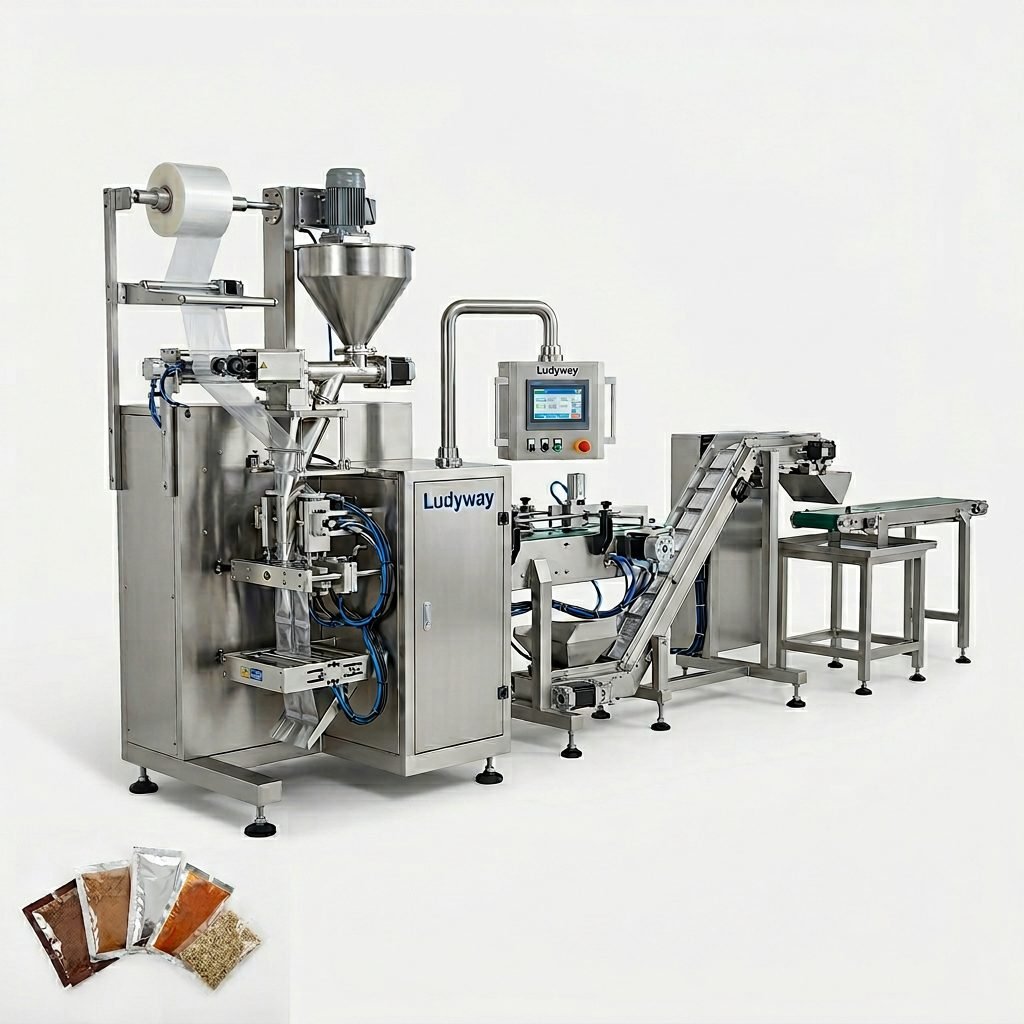
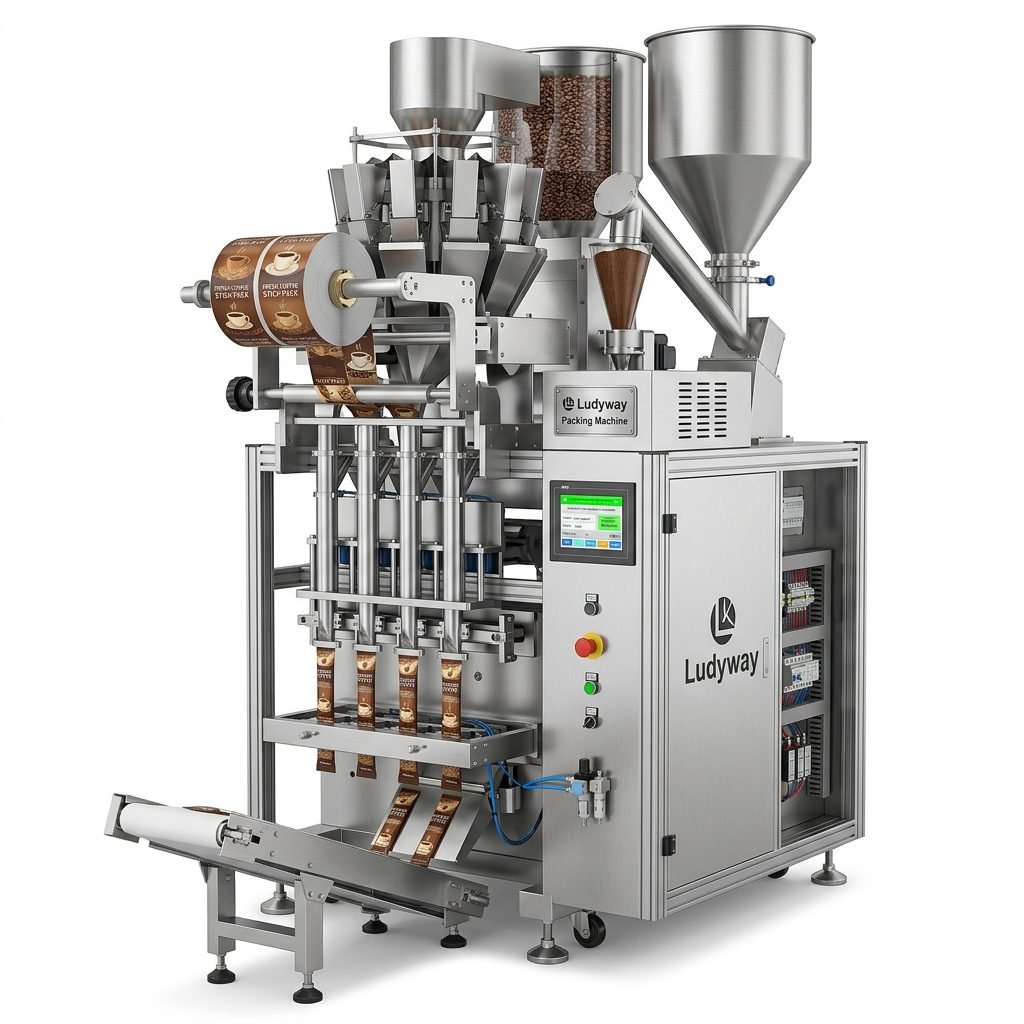
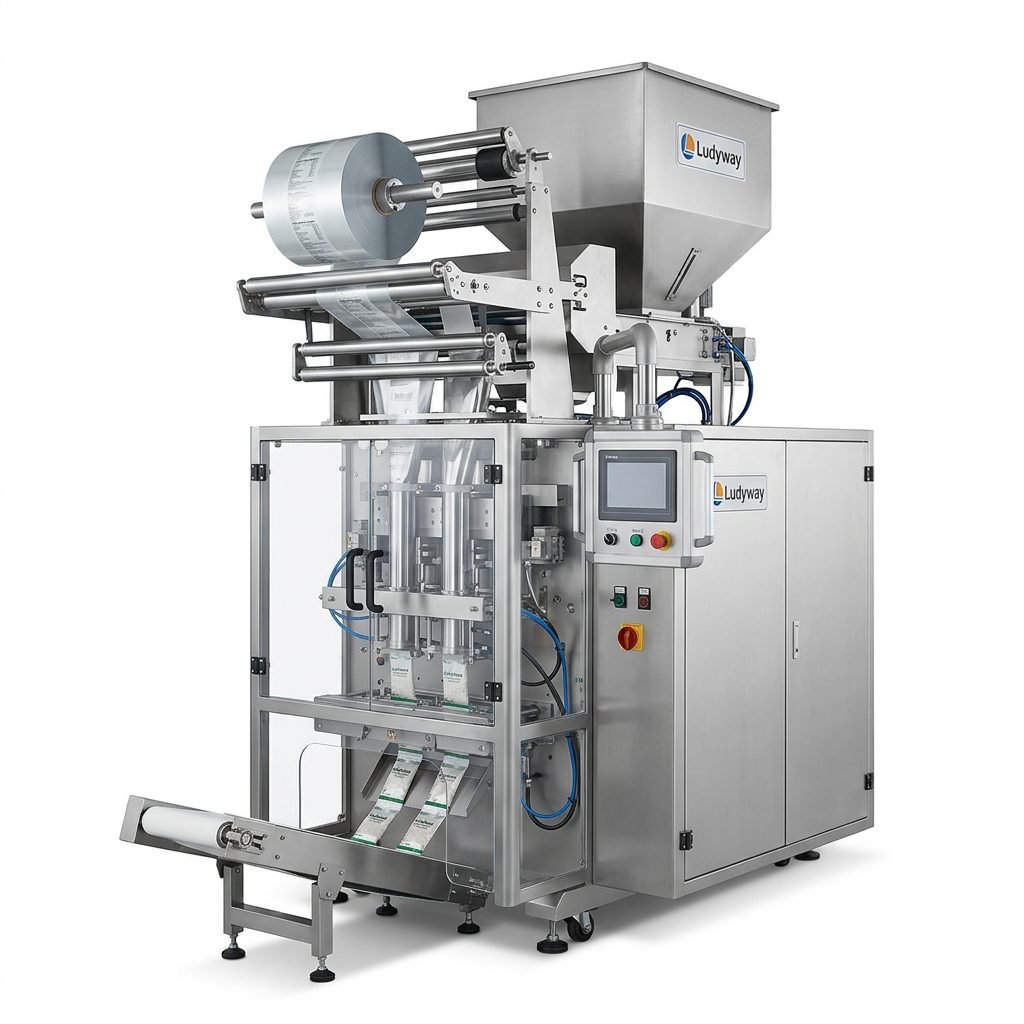
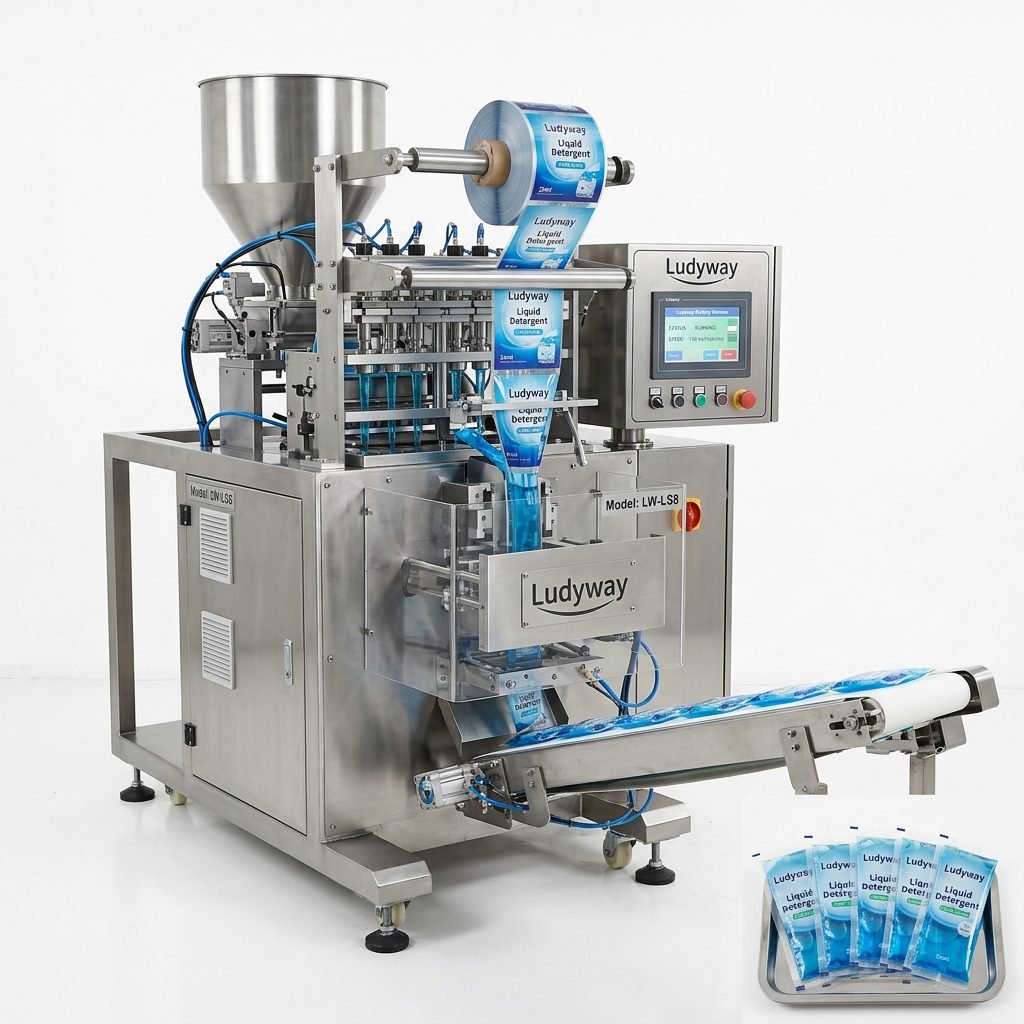
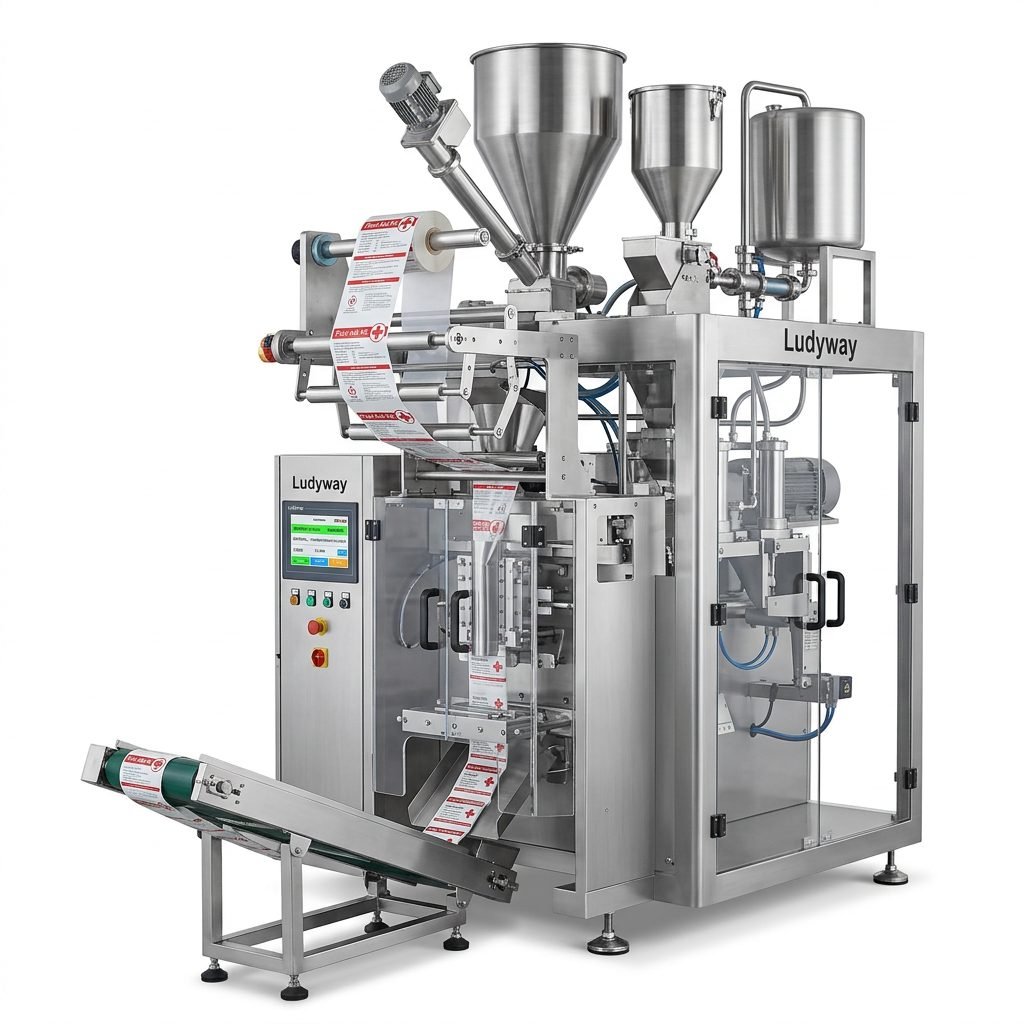
Effective maintenance of your hing packing machine is the cornerstone of consistent production, extended equipment life, and superior packaging quality. Whether you operate in the food, pharmaceutical, or health industries, a well-maintained machine reduces unplanned downtime and prevents costly repairs. This guide provides essential maintenance tips to keep your hing packing machine running at peak performance.
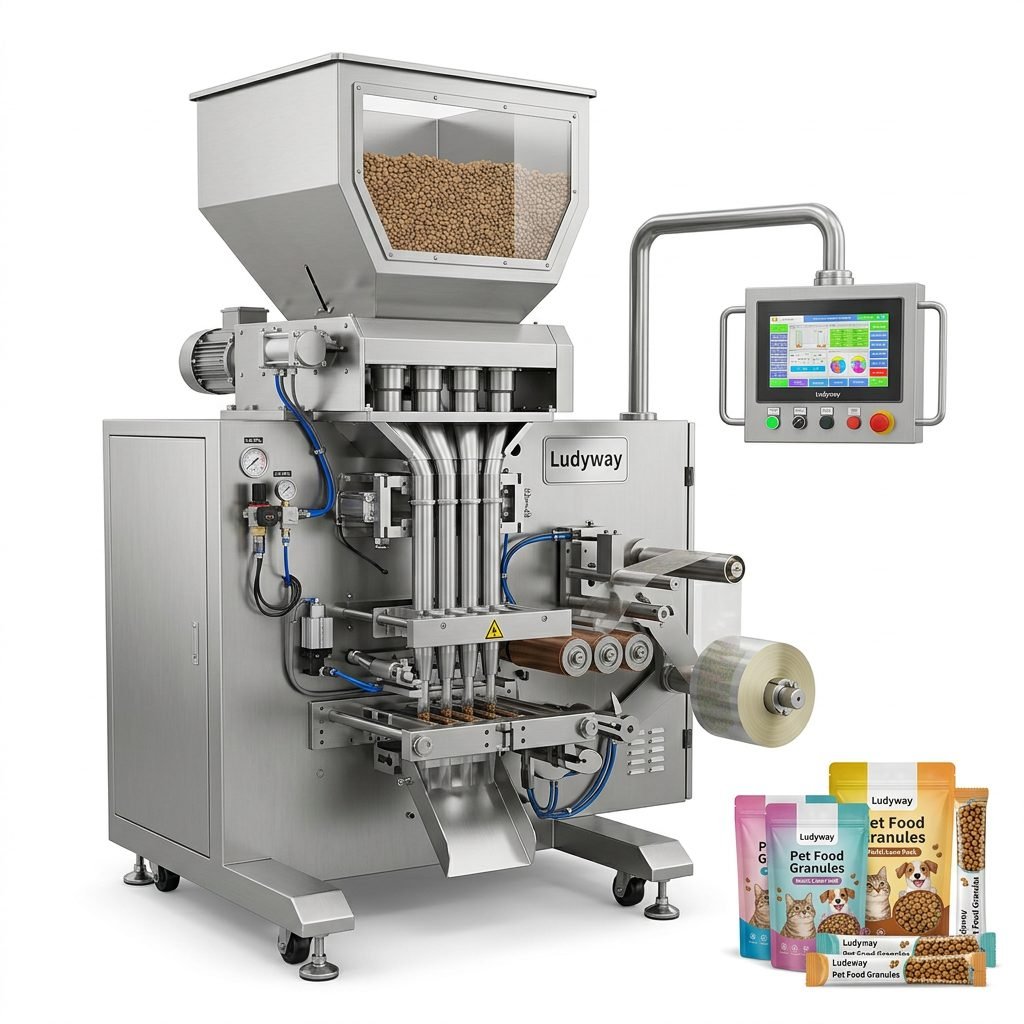
Daily Inspection and Cleaning Routine
A consistent daily inspection prevents small issues from escalating into major failures. For any hing packing machine, focus on these critical areas:
- Remove product residue from sealing jaws, forming tubes, and filling nozzles to avoid cross-contamination and seal defects.
- Check for loose fasteners, bolts, and hinges that may vibrate loose during high-speed operation.
- Inspect air pressure and pneumatic connections if your machine uses pneumatic actuators, ensuring no leaks reduce sealing force.
- Verify sensor functionality, including photoelectric sensors and temperature probes, to maintain accurate film tracking and heat sealing.
- Wipe down all external surfaces with a dry or slightly damp cloth, avoiding excessive moisture near electrical cabinets.
Lubrication and Mechanical Component Care
Proper lubrication minimizes friction on moving parts, especially on the hing packing machine’s mechanical linkages and drive systems. Use food-grade lubricants where applicable. Refer to the table below for a basic lubrication schedule:
| Component | Lubricant Type | Frequency |
|---|---|---|
| Sealing jaw pivot pins | Food-grade grease | Every 40 operating hours |
| Linear guide rails | Light machine oil | Weekly |
| Film unwinding shaft bearings | High-temperature grease | Monthly |
| Gearboxes | Synthetic gear oil | As per OEM manual |
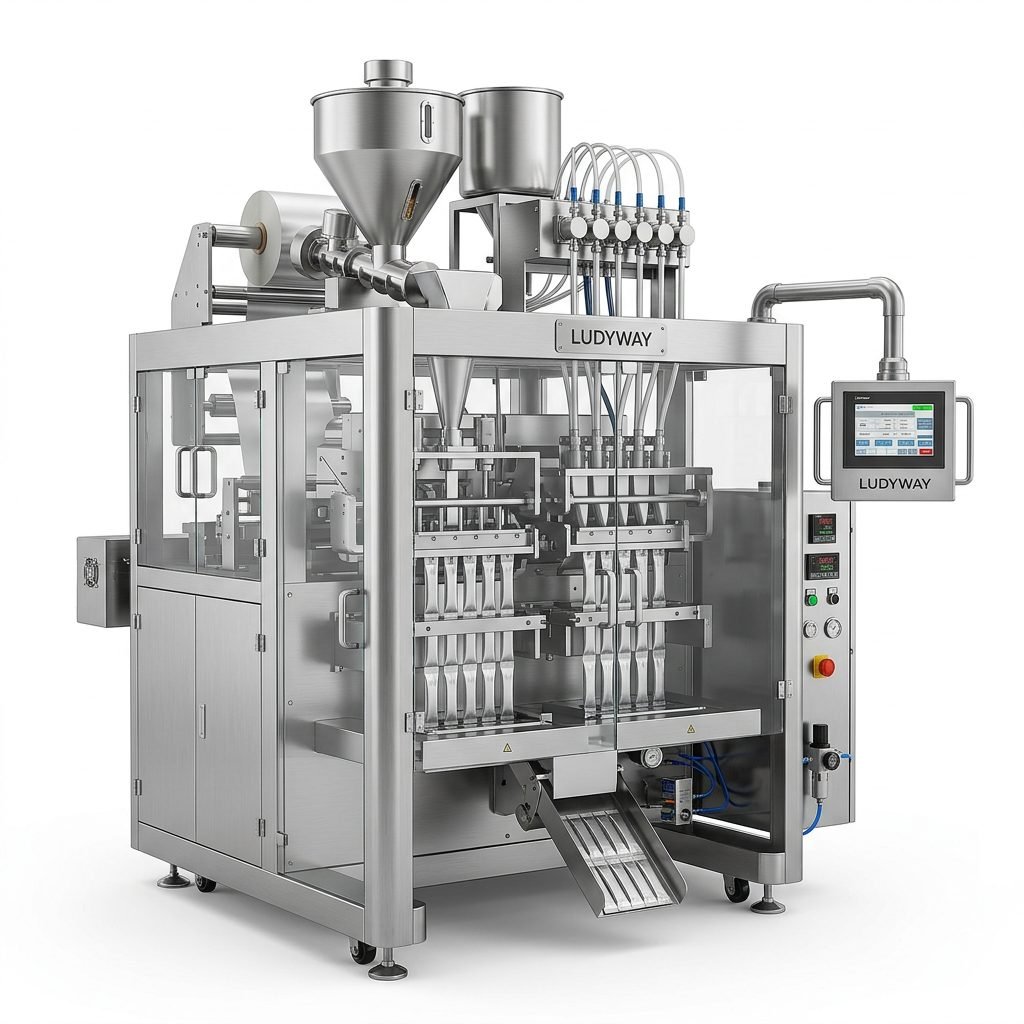
Wear Parts Inspection and Replacement
Worn components directly affect the performance of your hing packing machine. Common wear parts include:
- Sealing belts and Teflon tapes: Inspect for peeling, carbonization, or uneven wear. Replace if the seal quality shows weak spots or leakage.
- Cutting blades: Dull blades cause jagged pouch edges. Sharpen or replace according to the manufacturer’s recommended interval.
- Rubber rollers and pull belts: Check for hardening or slipping, which can lead to inaccurate film feeding and misregistered prints.
- Filling augers or piston rings: For powder or liquid models, worn dosing components compromise fill accuracy and generate excessive dust.
Preventive Maintenance Schedule
Structured preventive maintenance ensures your hing packing machine operates reliably through high-volume runs. Use the following schedule as a baseline and adapt it based on your production environment and OEM recommendations.
| Interval | Task | Responsibility |
|---|---|---|
| Daily | Clean product contact parts, inspect sensors, check safety guards | Operator |
| Weekly | Lubricate guide rails, verify air filters, test emergency stops | Maintenance technician |
| Monthly | Inspect drive belts, calibrate temperature controllers, check electrical connections | Maintenance supervisor |
| Quarterly | Replace wear parts, test film tracking alignment, deep mechanical inspection | Service engineer |
Electrical System and Control Verification
Modern hing packing machine models integrate advanced PLCs and touchscreen interfaces. Regular electrical checks prevent erratic behavior:
- Inspect control cabinet ventilation to avoid overheating of servo drives and power supplies.
- Tighten all terminal connections, especially those subject to vibration from the main drive motor.
- Verify that all emergency stop circuits and safety interlocks function correctly before each shift.
- Update software and back up parameters according to the machine’s user manual to avoid data loss.
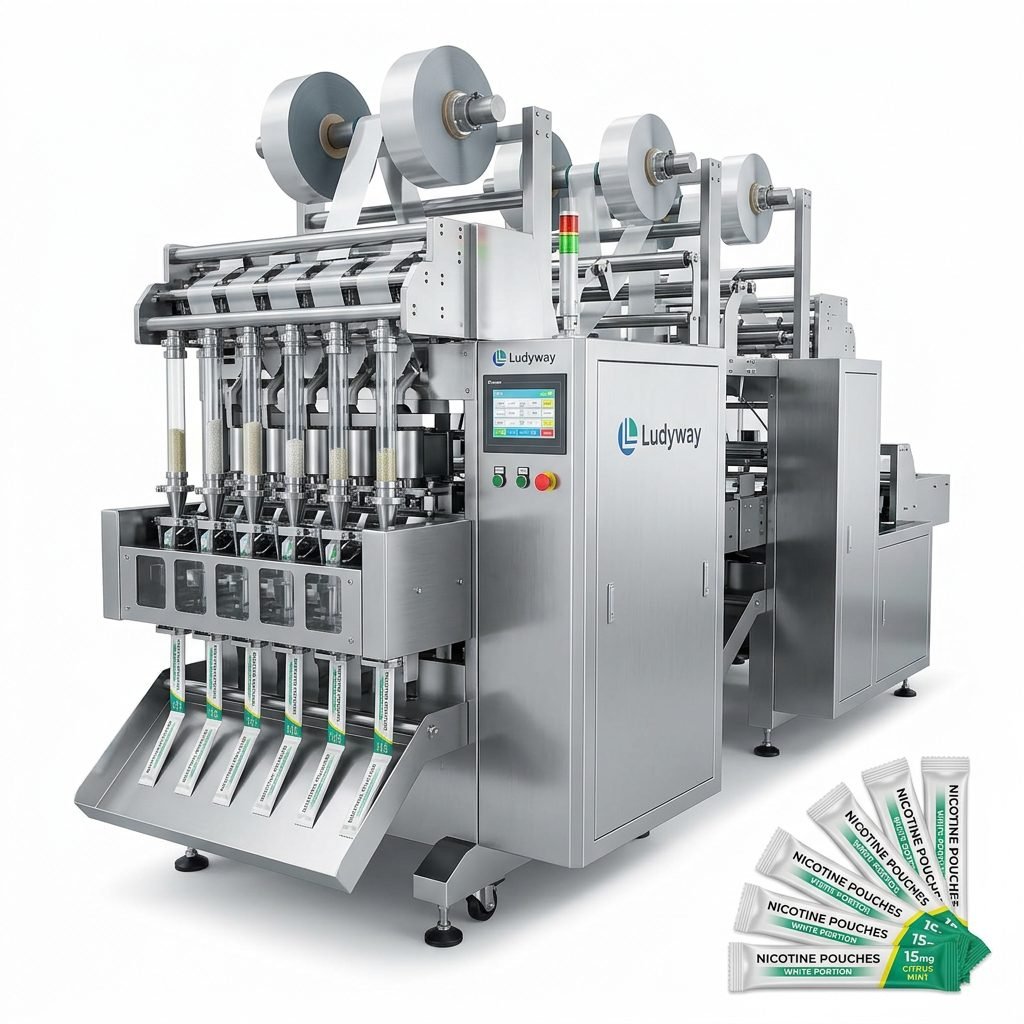
Film Handling and Feeding Adjustments
Incorrect film handling is a frequent cause of packaging defects on a hing packing machine. Pay attention to:
- Film roll alignment and tension: Uneven tension causes wrinkling or tearing. Adjust the dancer arm tension control as needed.
- Photocell registration: A dirty or misaligned photocell leads to misplaced cuts. Clean the lens weekly and confirm the contrast between the film’s eye mark and background.
- Forming tube cleanliness: Any adhesive build-up on the forming shoulder will scratch the film or create drag marks on the package surface.
Operator Training and Documentation
Even the most robust hing packing machine will suffer from operator error if proper training is not provided. Ensure all operators understand:
- Start-up and shut-down sequences as defined in the equipment manual.
- Basic troubleshooting for common alarms, such as film break or no product detection.
- How to log maintenance activities, including replaced parts and observed anomalies, to build a historical record.
Utilizing Industry Standards for Maintenance Excellence
Aligning your maintenance practices with recognized standards boosts both safety and efficiency. For a hing packing machine used in regulated sectors, compliance is particularly critical. Refer to resources from PMMI packaging industry resources for best practices in machine safety. Additionally, for food or pharmaceutical applications, follow FDA food packaging guidelines to ensure product contact surfaces meet sanitary requirements. When validating sealing integrity, the ISO 11607 standard for packaging validation provides essential procedures that can be applied to routine seal strength checks.
When to Call a Professional Service Provider
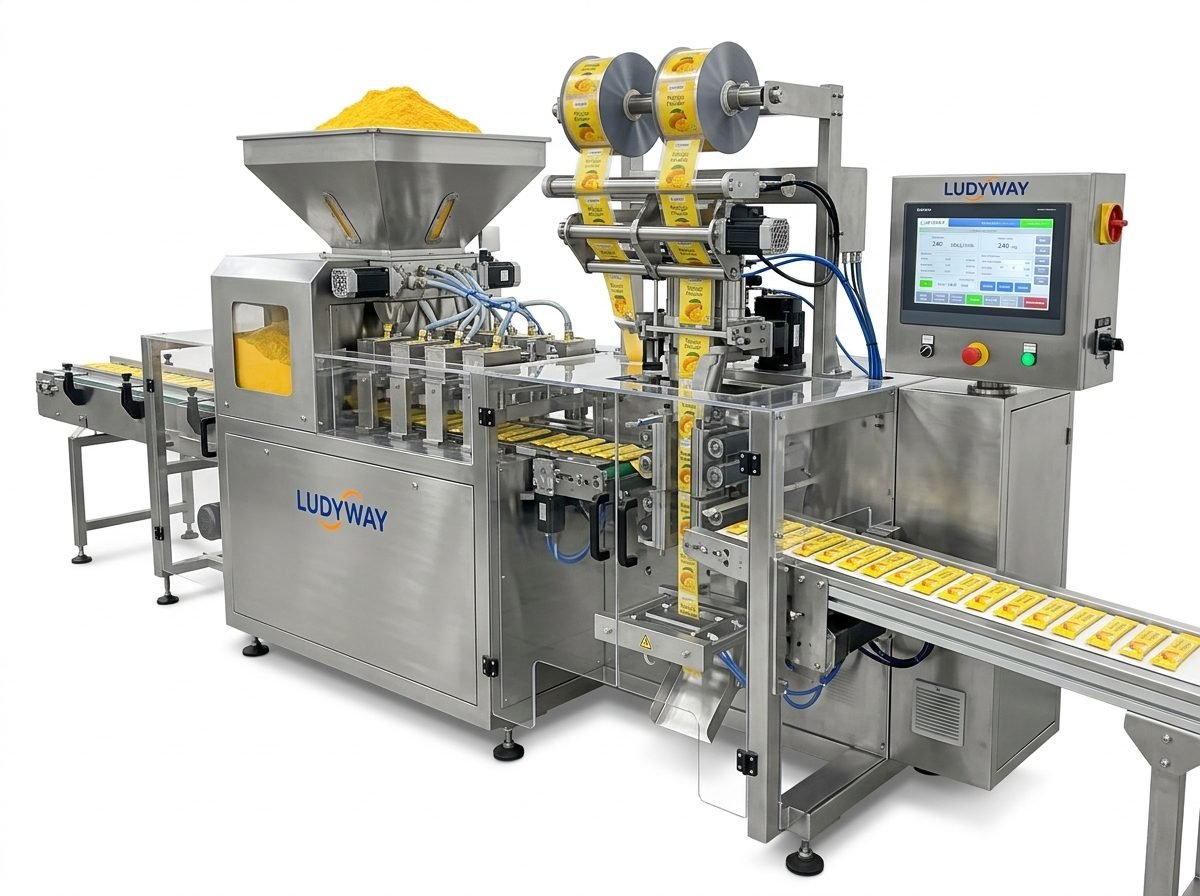
While in-house teams can handle most routine care, certain situations demand expert intervention. Severe vibration, persistent seal quality issues despite new wear parts, or recurring PLC faults require specialized diagnostic tools. For complex repairs or to source genuine replacement components, partnering with a reliable manufacturer like Ludyway, one of the largest packaging machine manufacturers with over 30 years of industry experience and a modern 20,000㎡ production facility, ensures your hing packing machine receives professional-grade support and optimized uptime.
Long-Term Care and End-of-Season Procedures
If your hing packing machine operates seasonally or in campaign-based production, follow these steps before extended downtime:
- Perform a complete deep clean of all product zones, removing any remaining powder, granule, or liquid residue.
- Disengage pressure rollers and release film tension mechanisms to prevent flat spotting.
- Cover the machine with a breathable dust cover, but avoid plastic sheeting that traps moisture.
- Disconnect power and lock out the main electrical supply to protect circuits during idle periods.
By integrating these maintenance habits into your daily operations, your hing packing machine will deliver greater reliability, more precise fills, and a longer service life, ultimately improving overall equipment effectiveness and protecting your production investment.