The tea bag packaging industry in Asia is experiencing rapid growth, driven by increasing consumer demand for convenience, rising health awareness, and the expansion of ready-to-drink tea culture across the region. Setting up a tea bag packaging machine production line in Asia requires careful planning, from selecting the right equipment to understanding local regulations and market dynamics. This guide walks you through the essential steps to establish a successful production line.
Understanding the Asian Tea Packaging Market
Asia dominates both tea production and consumption globally. Countries like China, India, Japan, Sri Lanka, and Vietnam are not only major tea growers but also rapidly expanding their packaged tea exports. The shift from loose tea to convenient tea bag formats has created immense opportunities for packaging manufacturers. According to industry data from the PMMI Business Intelligence Library, the global tea packaging machinery market continues to expand at a steady compound annual growth rate, with Asia-Pacific leading the charge.
Key market drivers include the growing popularity of herbal teas, green tea sachets, and specialty blends, all of which require flexible and high-speed packaging solutions to meet retail and export demands.
Step 1: Defining Your Production Requirements
Before investing in machinery, you need to clearly define your production goals. Consider the following factors carefully:
- Output capacity: How many tea bags per minute does your target market require? Small-scale operations may need 30-60 bags per minute, while large export-oriented facilities often require 120-300 bags per minute.
- Tea bag format: Will you produce traditional single-chamber bags, double-chamber bags with string and tag, pyramid sachets, or round bags? Each format requires specific tooling and sealing technology.
- Packaging material: Most tea bags use filter paper, non-woven fabric, or biodegradable mesh materials like PLA. The choice affects heat-sealing parameters and machine compatibility.
- Secondary packaging: Do you need outer envelopes, cartoning, case packing, or shrink wrapping integrated into the line?
Step 2: Selecting the Right Tea Bag Packaging Machine
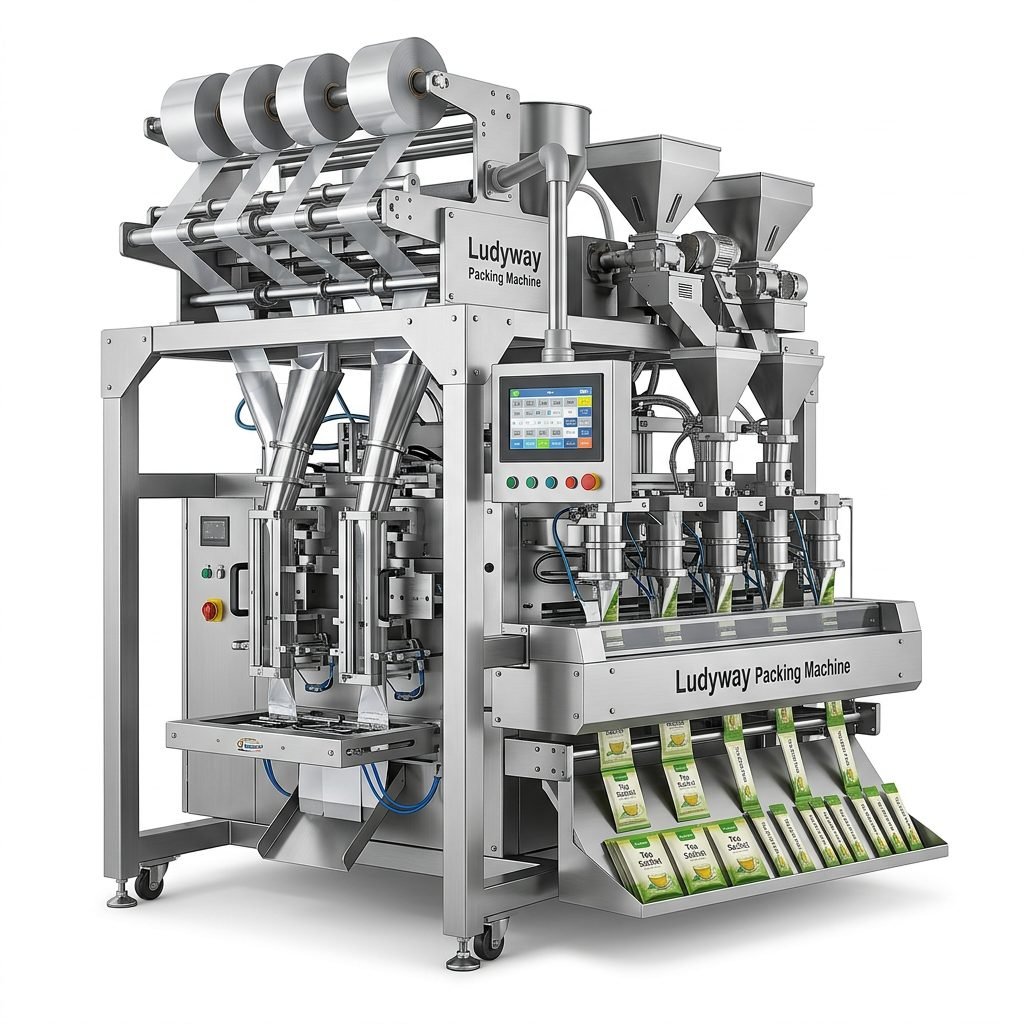
Choosing the appropriate packaging machinery is the cornerstone of your production line. Here are the primary machine types to evaluate:
Single-Lane vs. Multi-Lane Machines
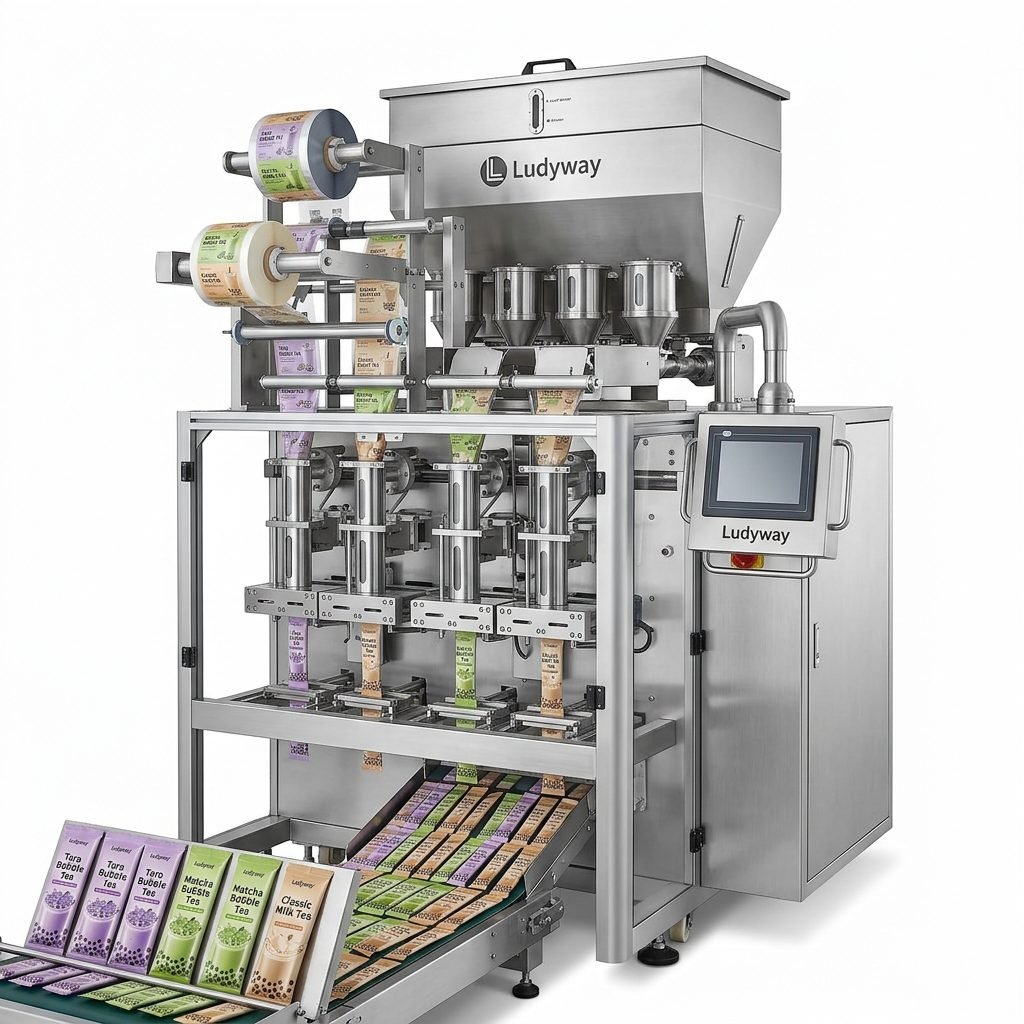
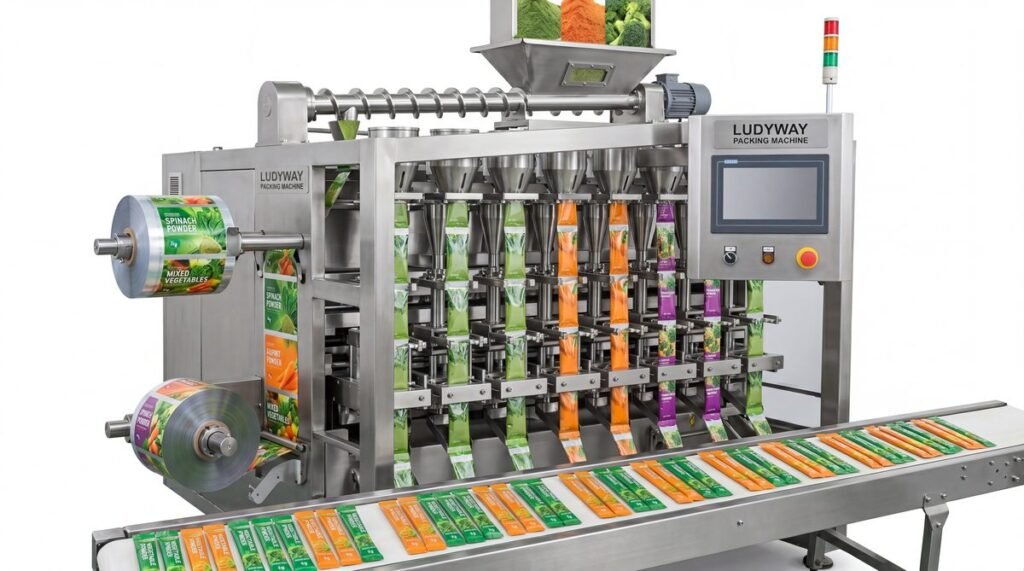
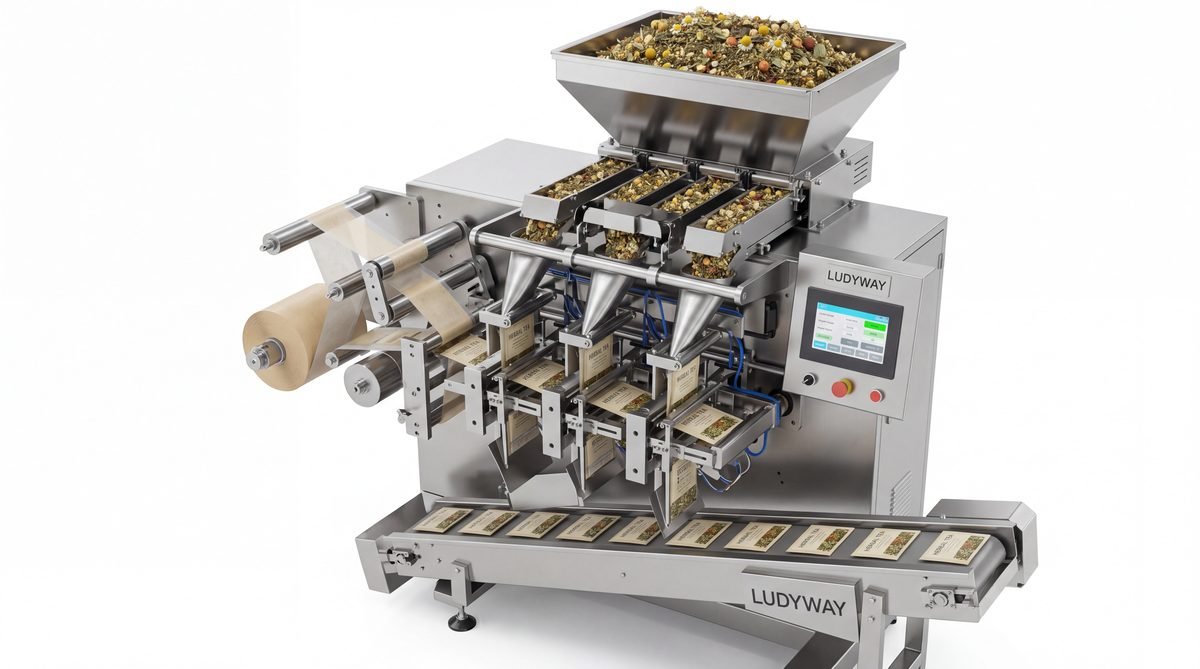
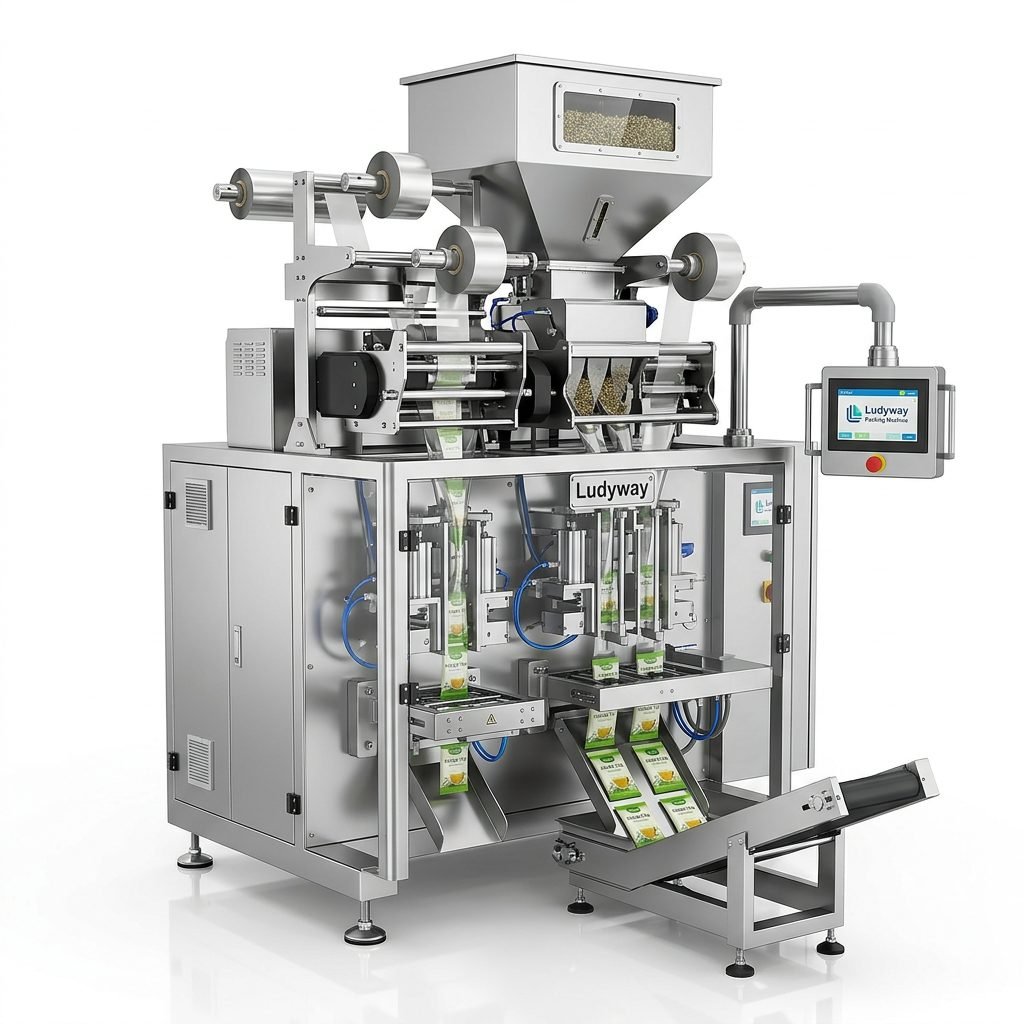
Single-lane machines are ideal for startups and small-batch specialty tea producers. They offer lower initial investment and easier maintenance. In contrast, multi-lane tea bag packaging machines can run 4 to 12 lanes simultaneously, dramatically increasing output and reducing per-unit production costs. For manufacturers targeting high-volume markets across Asia, multi-lane systems are increasingly becoming the standard choice.
Key Machine Features to Evaluate
- Filling accuracy: Precision weighing systems ensure consistent tea weight per bag, minimizing product giveaway and maintaining quality.
- Sealing integrity: Reliable heat-sealing technology prevents leaks and preserves tea freshness during storage and transportation.
- String and tag attachment: Automated thread and tag systems reduce manual labor and increase production efficiency.
- Nitrogen flushing capability: For premium tea products, nitrogen flushing extends shelf life by reducing oxidation.
- Quick changeover design: Tool-less format change capabilities allow you to switch between different bag sizes and styles with minimal downtime.

Step 3: Comparing Equipment Specifications
The following table provides a comparative overview of different tea bag packaging machine configurations commonly deployed in Asian production facilities:
| Machine Type | Typical Speed (bags/min) | Best Suited For | Approximate Footprint |
|---|---|---|---|
| Single-Lane Rotary | 30 – 80 | Small batches, specialty teas | Compact (3-5 m²) |
| 4-Lane Continuous Motion | 120 – 240 | Mid-volume production | Medium (8-12 m²) |
| 8-12 Lane High-Speed System | 300 – 600+ | Large-scale export manufacturing | Large (15-25 m²) |
| Pyramid Sachet (3D) Machine | 40 – 100 | Premium whole-leaf teas | Medium (6-10 m²) |
Step 4: Regulatory Compliance and Quality Standards
Operating a tea packaging line in Asia means navigating diverse regulatory environments. Export-oriented facilities must comply with international standards. Key considerations include:
- Food contact material compliance: All packaging materials that touch tea must meet FDA food contact substance regulations for products destined for North America, and equivalent standards for EU and Asian markets.
- GMP and HACCP certification: Many Asian countries now require Good Manufacturing Practice and Hazard Analysis Critical Control Point systems for food packaging facilities.
- ISO standards: Familiarize yourself with ISO packaging standards that govern quality management and packaging specifications.
- Sustainability regulations: The European Packaging and Packaging Waste Regulation and similar initiatives in Asia are pushing manufacturers toward biodegradable and compostable tea bag materials.
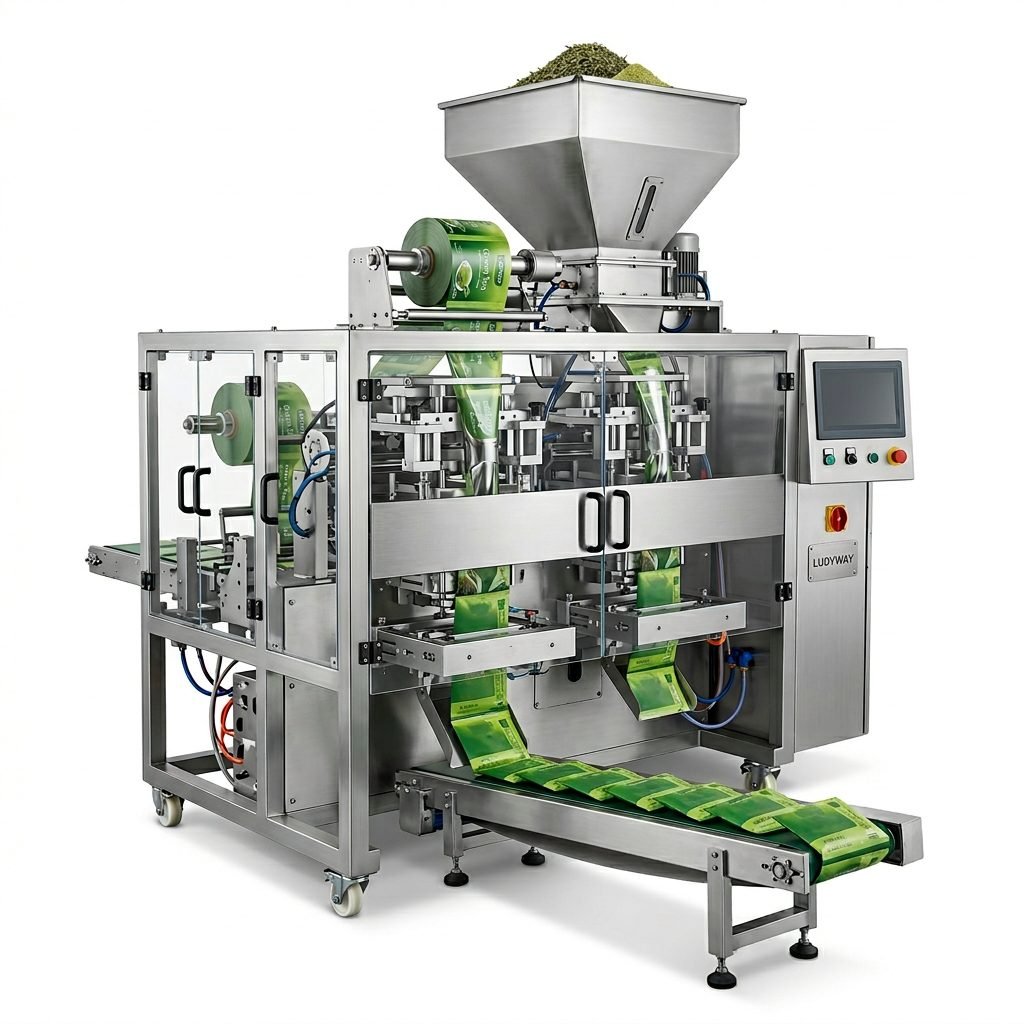
Step 5: Facility Planning and Line Layout
A well-designed facility layout optimizes material flow and minimizes contamination risks. Your production line should follow a logical sequential flow from raw material intake to finished product dispatch:
- Raw material storage: Climate-controlled area for tea leaves, herbs, and packaging materials.
- Blending and flavoring zone: If you produce flavored or blended teas, this area must be separated from the packaging zone to prevent cross-contamination.
- Primary packaging zone: Houses the main tea bag packaging machine with proper dust extraction and climate control.
- Secondary packaging area: Includes cartoning, overwrapping, and case packing equipment.
- Quality control laboratory: On-site testing for seal integrity, weight verification, and microbial analysis.
- Finished goods warehouse: Temperature and humidity-controlled storage for packaged products awaiting shipment.
Step 6: Cost Considerations and ROI Analysis
Setting up a tea bag packaging production line in Asia involves several cost categories. Understanding these helps in accurate budgeting and ROI projection:
- Equipment investment: A single-lane machine may start around $15,000-$30,000, while a fully automated multi-lane high-speed line with secondary packaging integration can range from $80,000 to $300,000+ depending on configuration and customization.
- Installation and commissioning: Budget approximately 10-15% of equipment cost for professional installation, training, and initial production support.
- Facility preparation: Electrical upgrades, compressed air systems, dust collection, and climate control can add significant costs depending on your location.
- Operational costs: Include labor, packaging materials, maintenance, and energy consumption in your ongoing budget calculations.
- Certification expenses: Factor in costs for obtaining necessary certifications such as GMP, HACCP, organic certification, and Halal certification where required.

Step 7: Choosing a Reliable Equipment Supplier
Selecting the right machinery partner is critical for long-term success. When evaluating suppliers for your Asian tea packaging operation, consider these factors:
- Industry experience: Look for manufacturers with a proven track record in tea and herbal packaging applications specifically.
- After-sales support in Asia: Ensure the supplier offers local technical support, spare parts availability, and responsive service within your country or region.
- Customization capability: Your tea products may have unique requirements that demand customized machine configurations.
- Turnkey solutions: Some suppliers offer complete production line integration, including upstream blending equipment and downstream cartoning and palletizing systems.
- References and site visits: Request references from existing customers in Asia and arrange factory acceptance tests before finalizing your purchase.
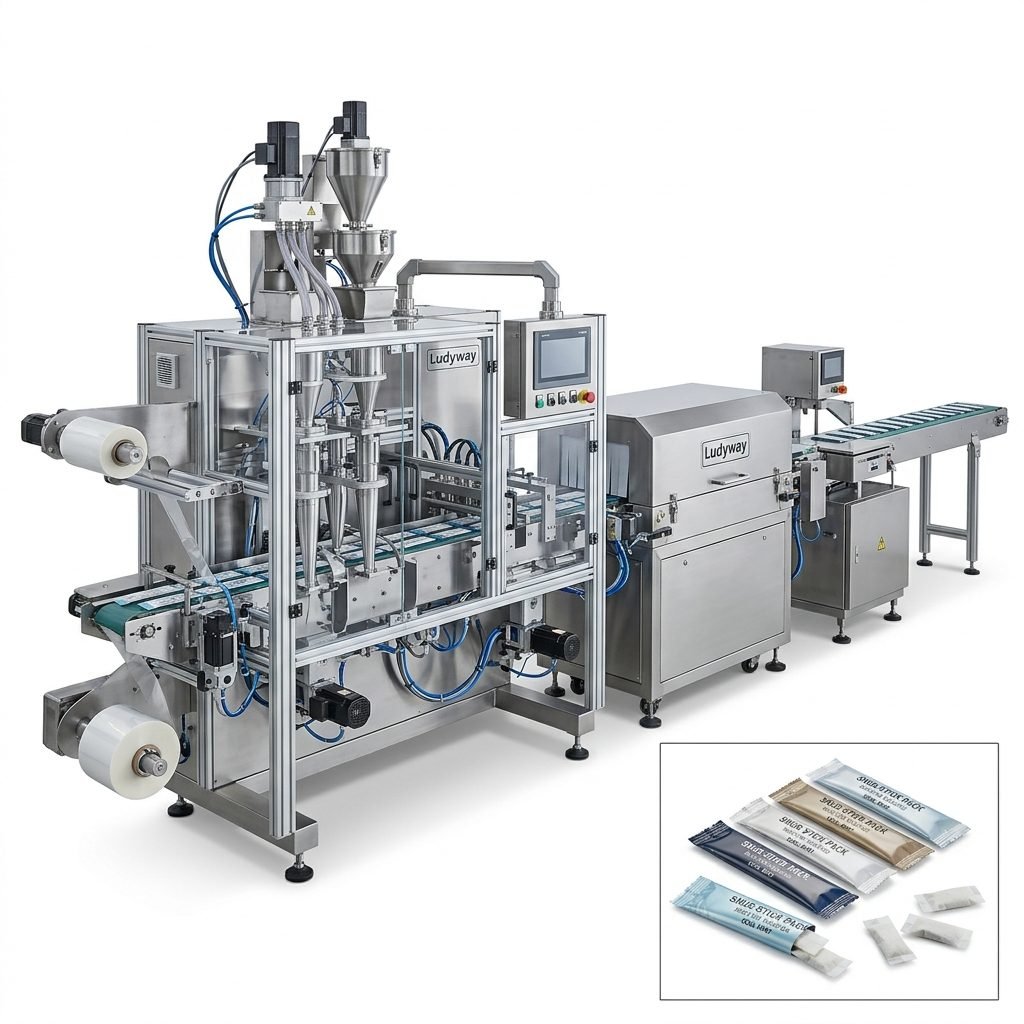
For instance, Ludyway is one of the largest packaging machine manufacturers in China, specializing in advanced packaging equipment and turnkey production solutions with over 30 years of industry expertise. Their facility spans 20,000㎡ and they offer more than 50 intelligent packaging machine models, serving customers in over 100 countries with reliable multi-lane stick pack, sachet, and fully automated packaging systems.
Key Trends Shaping Tea Bag Packaging in Asia
Staying ahead of industry trends ensures your production line remains competitive. Current developments include:
- Sustainable packaging: The shift toward biodegradable and plastic-free tea bags is accelerating across Asia, driven by both regulation and consumer preference. The Flexible Packaging Association provides extensive resources on sustainable packaging innovations.
- Smart packaging integration: QR codes and NFC tags on tea packaging enable brand storytelling, traceability, and consumer engagement through mobile devices.
- Automation and Industry 4.0: Advanced tea packaging lines now feature real-time production monitoring, predictive maintenance alerts, and integration with enterprise resource planning systems.
- Single-serve and on-the-go formats: Stick packs and portable tea sachets are gaining popularity among younger Asian consumers who value convenience.
Common Pitfalls to Avoid
Learning from others’ mistakes can save you significant time and investment. Watch out for these common challenges:
- Underestimating humidity control: Tea is highly hygroscopic. In many Asian climates with high humidity, inadequate climate control can lead to product degradation and machine jamming.
- Overlooking material compatibility: Not all filter papers and sealing materials work well with every machine. Always conduct thorough material trials before committing to a specific machine configuration.
- Skipping operator training: Even the best machinery performs poorly without properly trained operators. Invest in comprehensive training programs for your production team.
- Ignoring scalability: Choose equipment that can be upgraded or expanded as your business grows, rather than outgrowing your machinery within a few years.
Conclusion
Setting up a tea bag packaging machine production line in Asia is a strategic investment that requires thorough planning, the right equipment selection, and a deep understanding of both market dynamics and regulatory requirements. By carefully evaluating your production needs, selecting high-quality multi-lane or single-lane tea bag packaging machinery, and partnering with experienced equipment suppliers, you can build a competitive and efficient packaging operation capable of serving the growing Asian and global tea markets. Stay informed about the latest packaging machinery trends through resources like the PMMI State of the Industry reports and the PACK EXPO International events to keep your operation at the forefront of the industry.