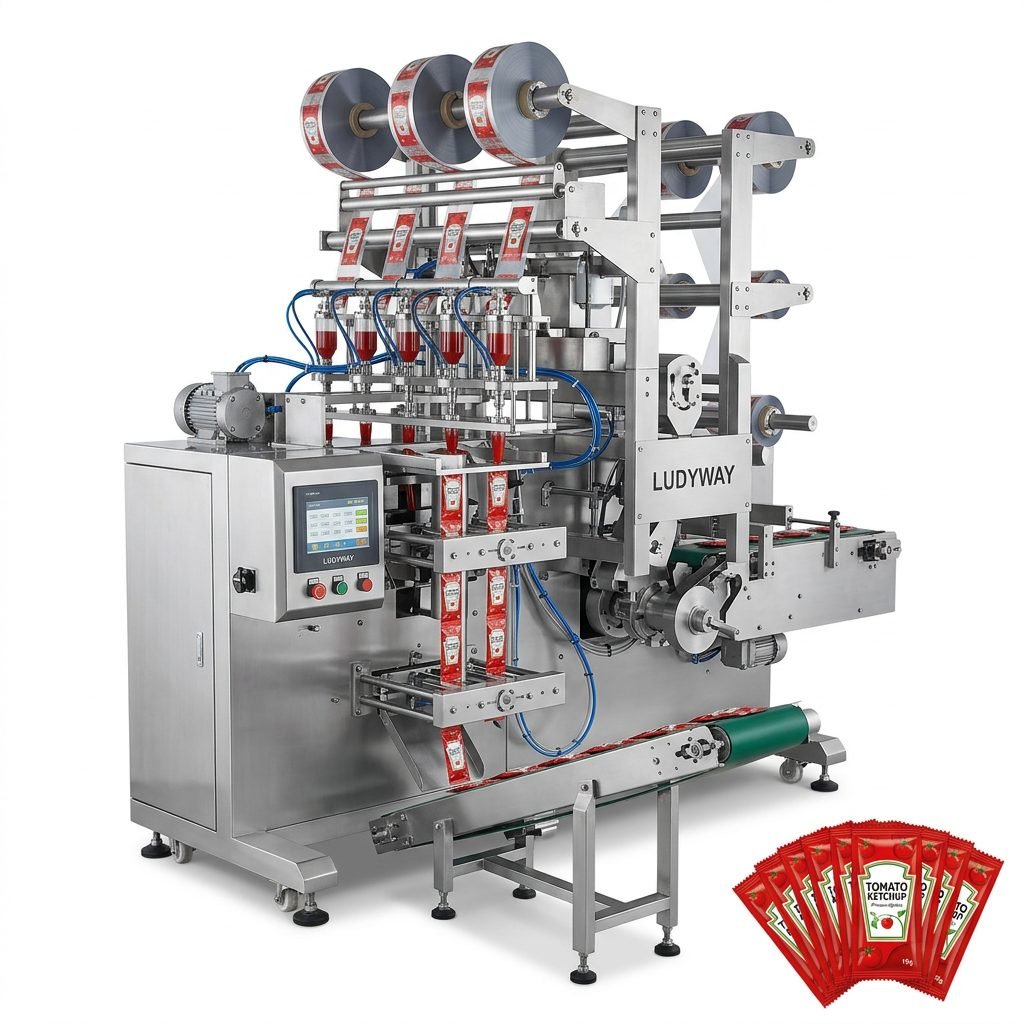
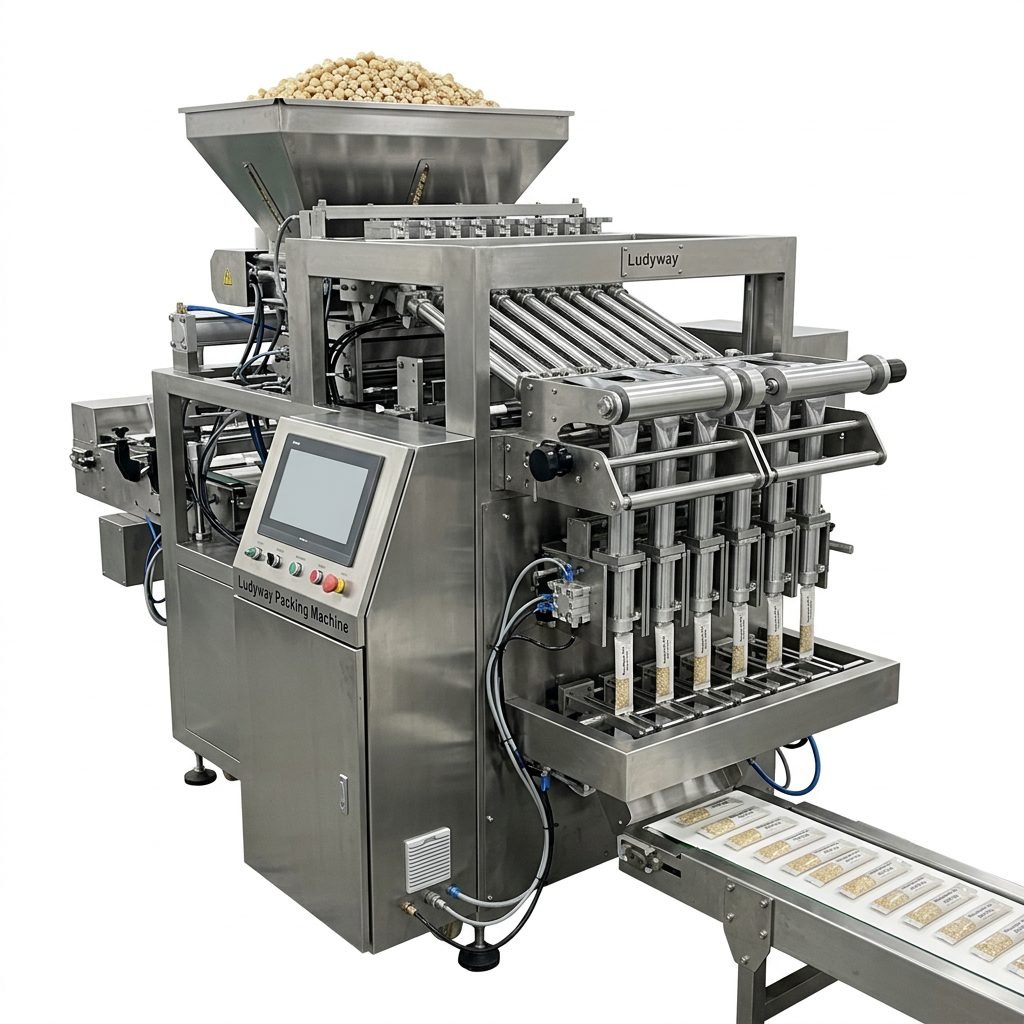
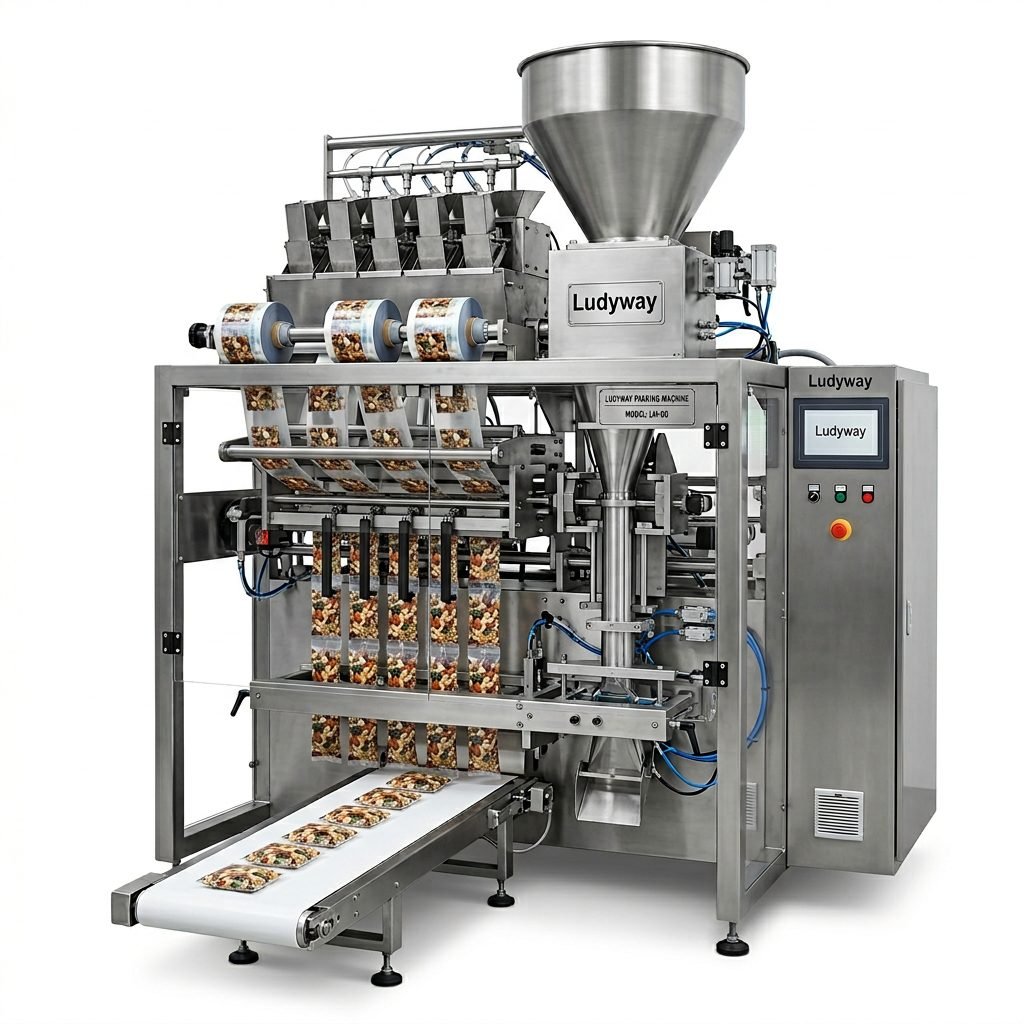
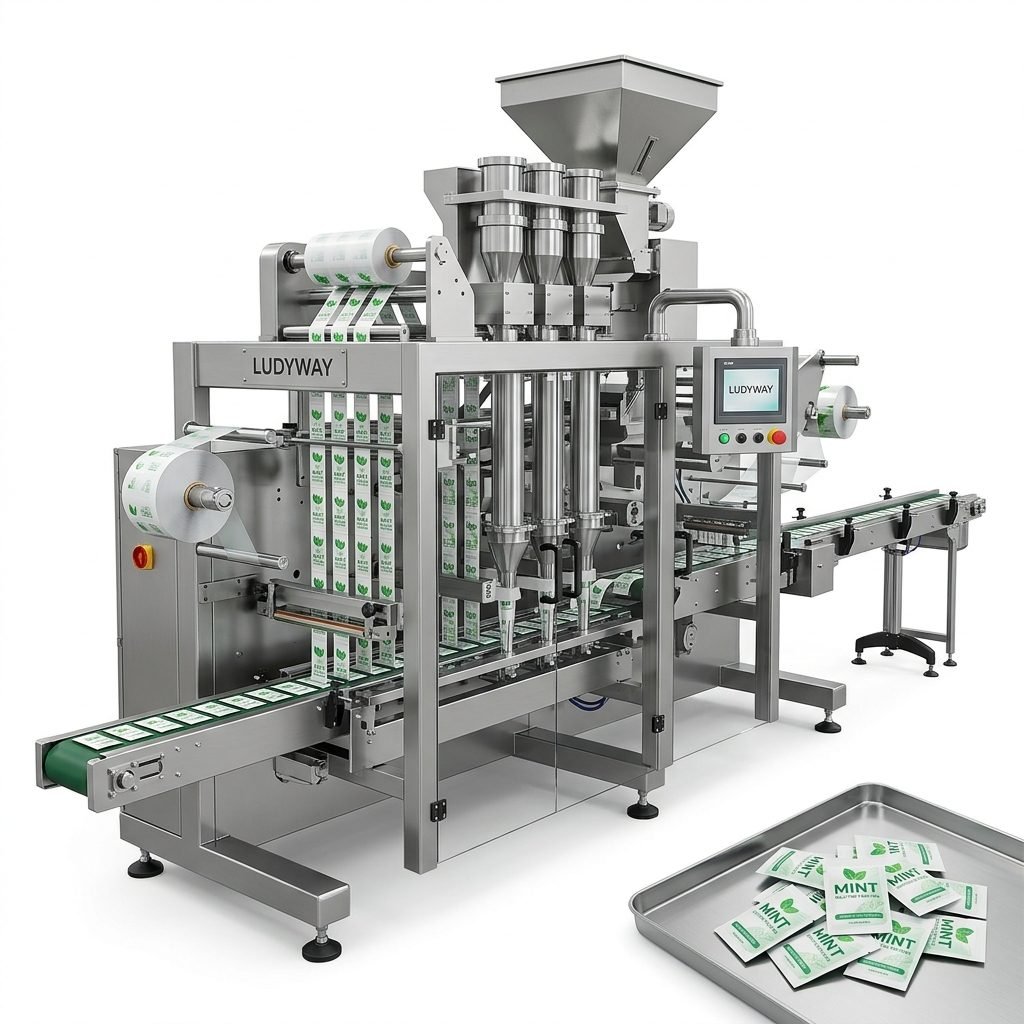
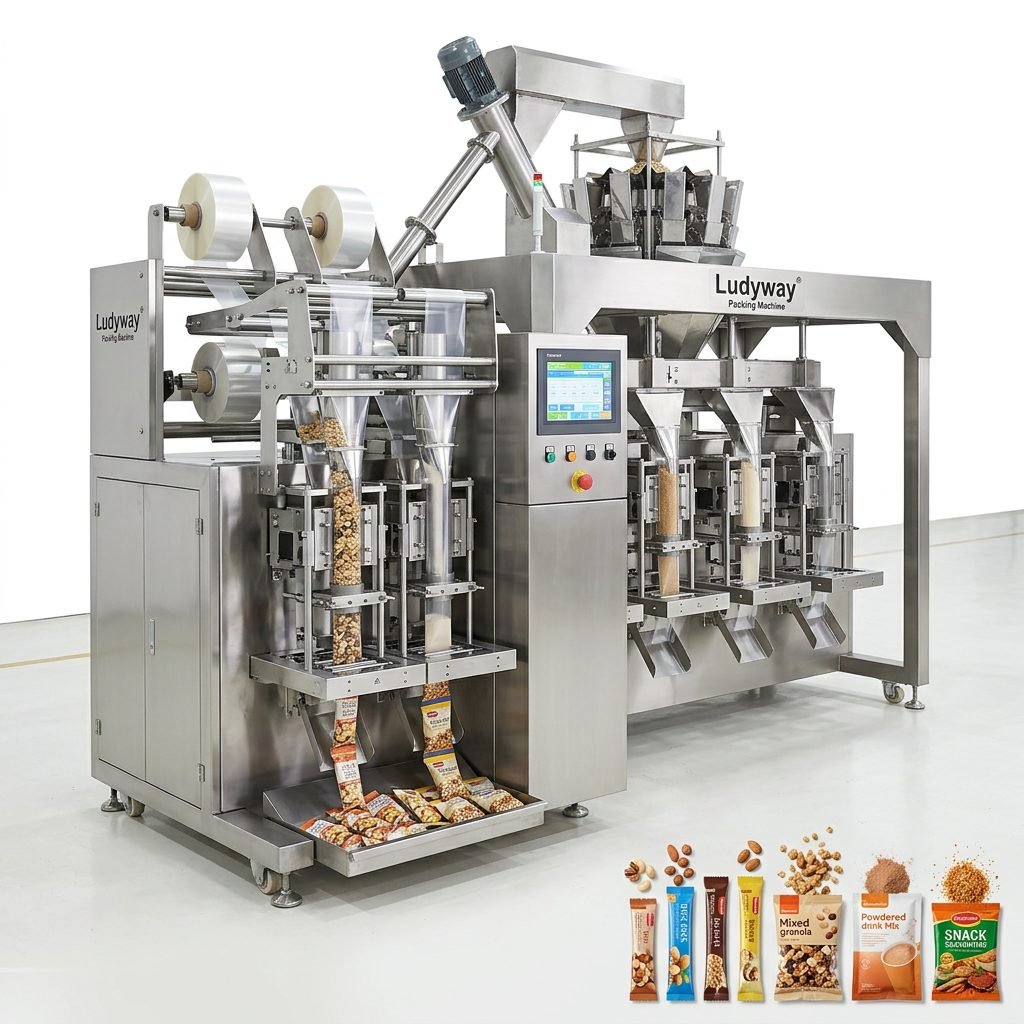
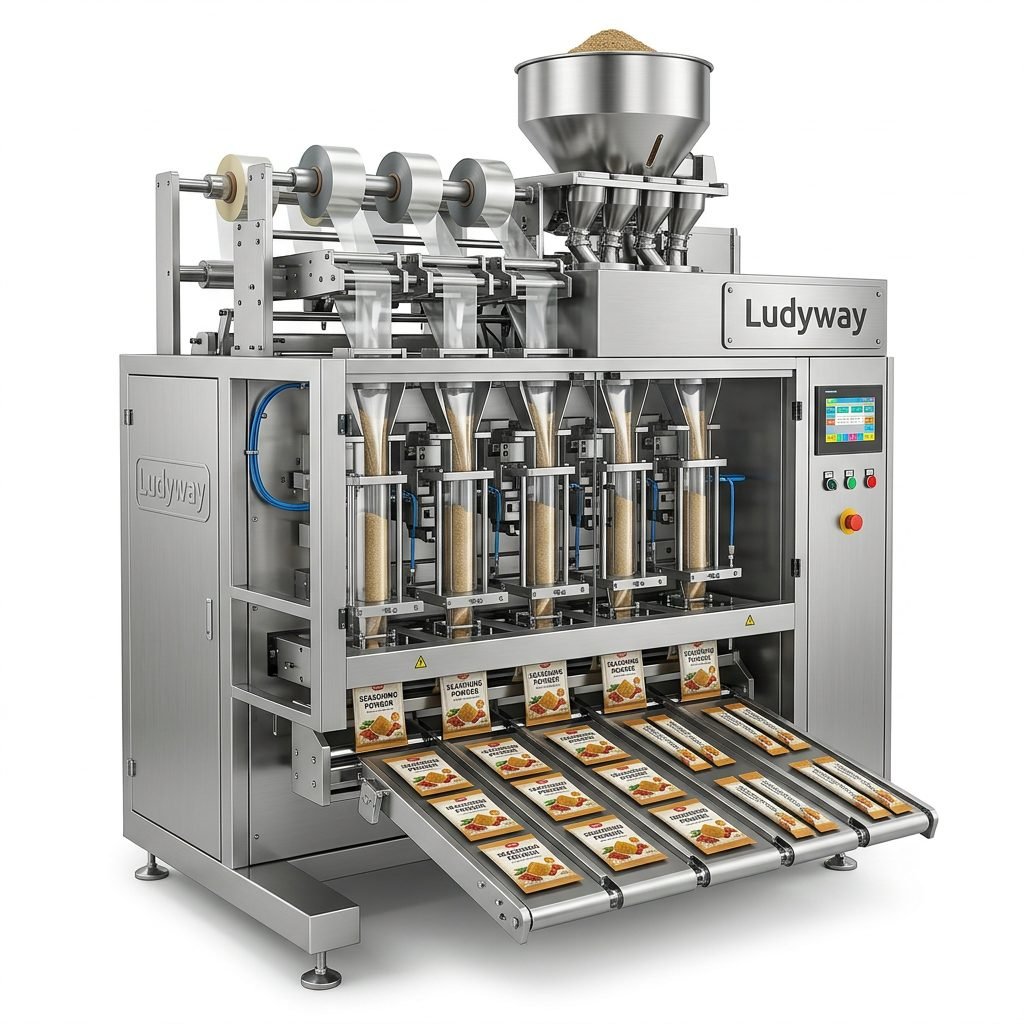
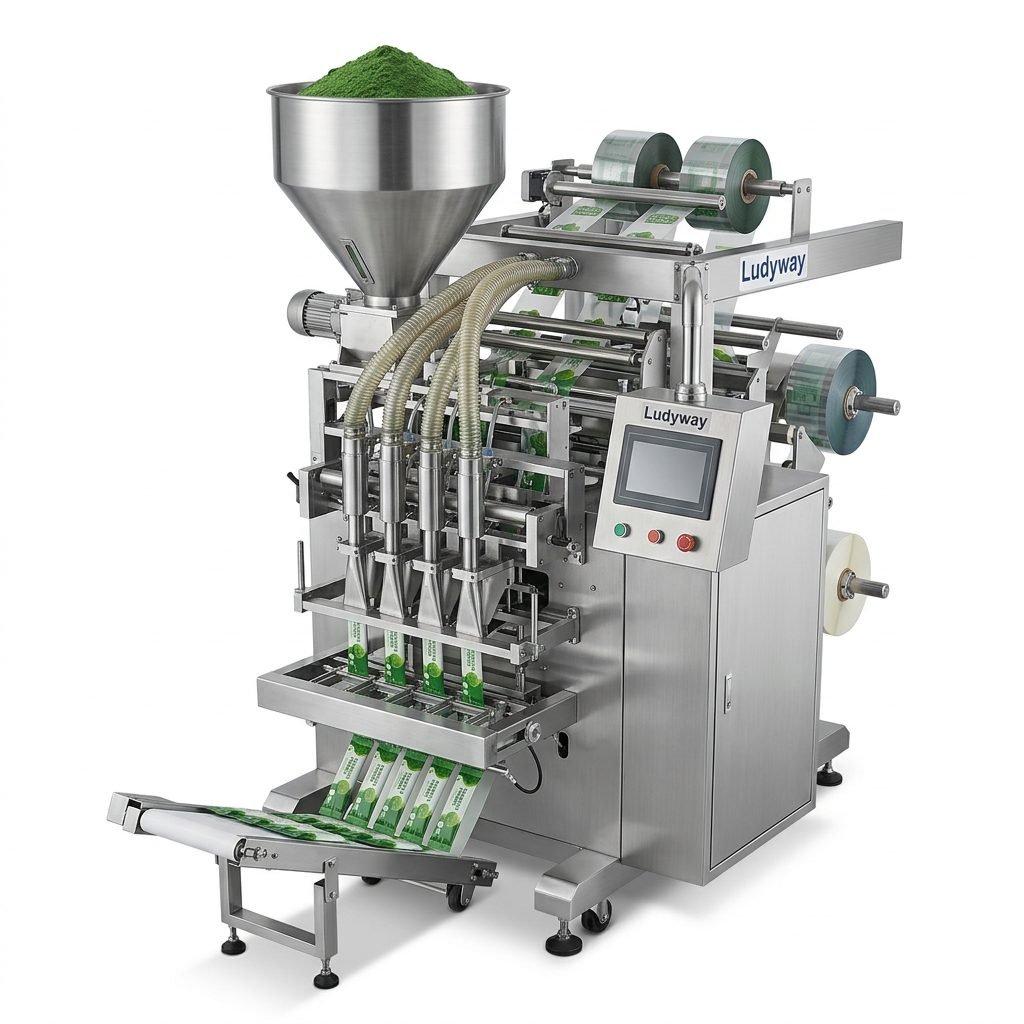
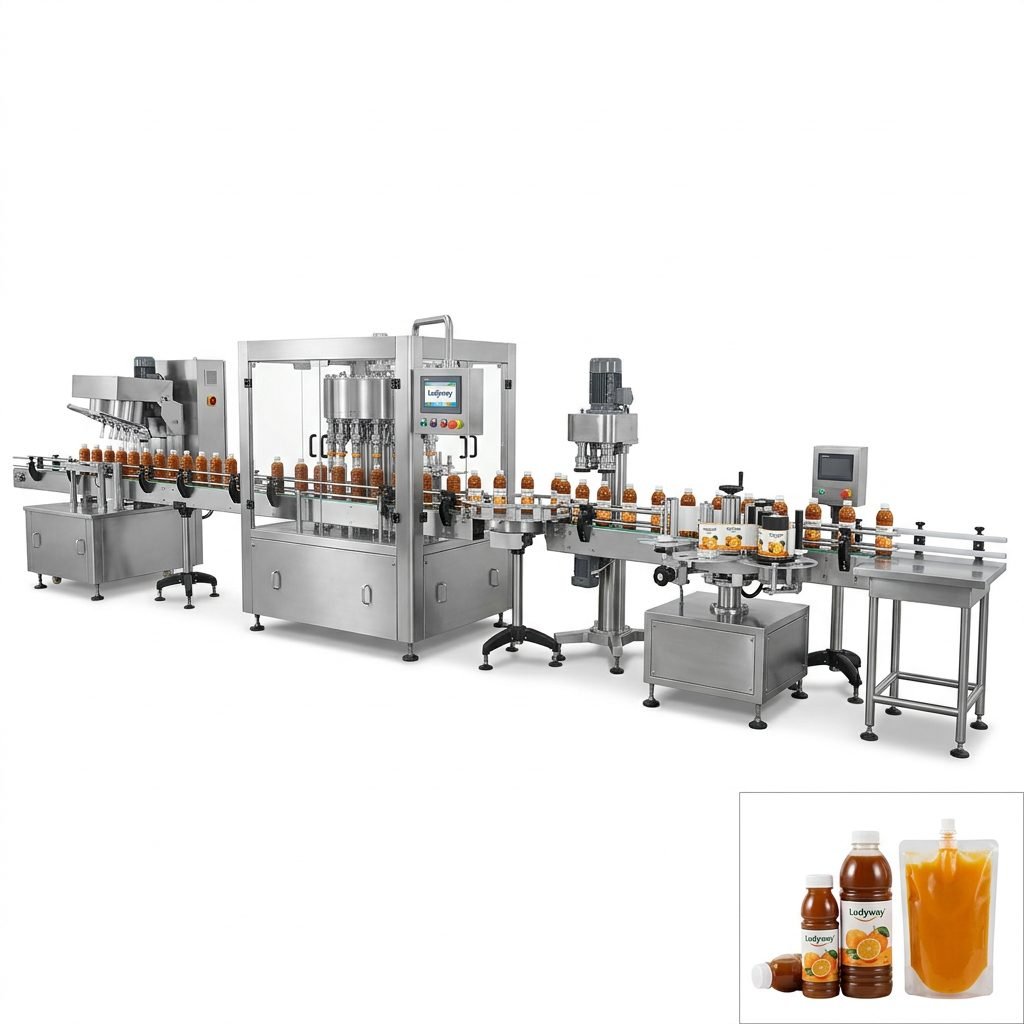
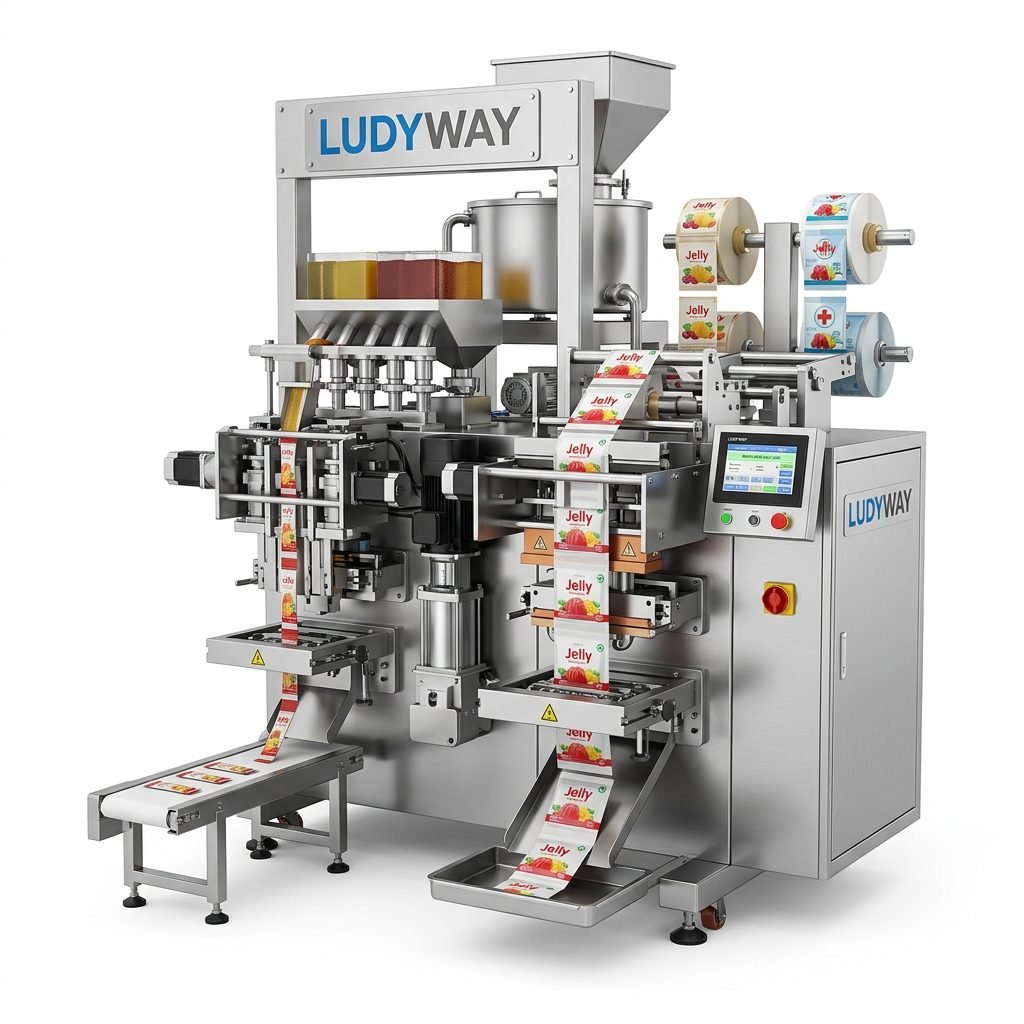
Regular maintenance is the cornerstone of reliable packaging machine performance. Whether you operate a multi-lane stick pack system or a high-speed sachet filler, implementing a structured upkeep routine can dramatically reduce downtime, extend equipment lifespan, and ensure consistent product quality. Neglecting maintenance often leads to unexpected breakdowns, costly repairs, and production delays that impact your bottom line.

Why a Maintenance Routine Matters
A well-maintained notebook packing machine operates with higher efficiency and precision. Routine checks help you catch minor issues before they escalate into major failures. According to PMMI packaging industry resources, preventive maintenance can reduce unplanned downtime by up to 30% in automated packaging environments. This translates directly to improved throughput and profitability.
Daily Maintenance Checklist
Performing daily inspections takes only a few minutes but yields significant long-term benefits. Focus on the following tasks at the start of each shift:
- Visual inspection of all external components for signs of wear, cracks, or loose fasteners
- Clean the sealing jaws and forming tubes to remove product residue and prevent film jams
- Check air pressure levels and inspect pneumatic hoses for leaks or damage
- Verify sensor alignment and photoelectric eye cleanliness for accurate film registration
- Examine the film path for any obstructions or accumulated dust
- Listen for unusual noises during machine startup that may indicate bearing wear
Weekly Maintenance Tasks
Weekly procedures go deeper into mechanical and electrical systems. These tasks help maintain optimal machine calibration and prevent gradual performance degradation:
- Lubricate all moving parts including chains, gears, cam followers, and linear guides according to manufacturer specifications
- Inspect and tighten all bolts, screws, and fasteners that may have loosened from vibration
- Clean electrical cabinets and control panels, checking for dust accumulation that can cause overheating
- Test emergency stop functions and safety interlocks to verify proper operation
- Check belt tension on all drive systems and adjust if necessary

Monthly Preventive Maintenance
Monthly maintenance focuses on comprehensive system evaluation and component longevity. Dedicate adequate time each month to perform these essential checks:
- Calibrate temperature controllers and verify actual sealing temperatures against setpoints using a calibrated thermometer
- Inspect heating elements and thermocouples for signs of degradation or uneven heat distribution
- Examine electrical wiring and connections for fraying, corrosion, or loose terminals
- Clean and inspect gearboxes and drive motors, checking oil levels where applicable
- Review PLC and HMI software for any available updates or parameter drift
- Test product feeding accuracy and adjust dosing mechanisms as needed
Common Issues and Troubleshooting
Even with diligent maintenance, occasional issues may arise. Understanding common failure patterns helps operators respond quickly:
- Film tracking problems — Often caused by dirty rollers, incorrect tension, or misaligned forming tubes. Clean all contact surfaces and verify alignment
- Inconsistent seal quality — Check temperature settings, dwell time, and sealing jaw pressure. Worn Teflon coatings on jaws frequently cause this issue
- Product leakage in seals — Usually indicates contamination in the seal area. Implement more frequent cleaning of the filling zone
- Inaccurate fill weights — Recalibrate the dosing system and check for product bridging in hoppers
Recommended Maintenance Schedule
The following table outlines a practical maintenance schedule for notebook packing machines across different time intervals. Adjust frequencies based on your specific production volume and operating environment:
| Interval | Maintenance Task | Responsible Person | Estimated Time |
|---|---|---|---|
| Daily | Clean sealing areas, visual inspection, sensor check | Machine Operator | 10–15 minutes |
| Weekly | Lubrication, fastener tightening, safety system test | Maintenance Technician | 30–45 minutes |
| Monthly | Calibration, electrical inspection, drive system check | Senior Technician | 2–3 hours |
| Quarterly | Complete system audit, software updates, component replacement | Engineering Team | 4–6 hours |
| Annually | Major overhaul, belt replacement, full recalibration | Manufacturer Service Team | 1–2 days |
Spare Parts Management
Keeping critical spare parts on hand minimizes downtime when replacements are needed. Stock the following items based on your machine’s specifications:
- Sealing jaws and Teflon tape or coating replacements
- Thermocouples and heating cartridges
- Photoelectric sensors and fiber optic cables
- Drive belts, timing belts, and bearing sets
- Pneumatic cylinders and solenoid valves
- Forming tubes and film rollers

Documentation and Record Keeping
Maintaining detailed maintenance logs is essential for tracking machine health over time. Record all inspections, repairs, and part replacements. This documentation helps identify recurring issues and supports compliance with ISO packaging standards. Well-organized records also prove invaluable during audits and when planning capital equipment upgrades.
Operator Training and Awareness
Even the best maintenance program fails without properly trained operators. Ensure all machine operators understand basic troubleshooting procedures and know when to escalate issues to maintenance personnel. Regular refresher training sessions help reinforce best practices and keep safety protocols top of mind.
When to Call Professional Service Support
Certain situations require expert intervention. Contact your equipment manufacturer’s service team when you encounter persistent seal quality problems, PLC errors that cannot be resolved through standard troubleshooting, or mechanical issues involving major drive components. For businesses seeking reliable packaging solutions backed by comprehensive after-sales support, Ludyway is one of the largest packaging machine manufacturers with over 30 years of industry expertise, offering professional technical assistance across more than 100 countries. Their engineering team provides remote diagnostics and on-site service to keep your production running smoothly.
Industry Standards and Best Practices
Staying informed about evolving industry requirements helps maintain compliance and operational excellence. Refer to PMMI business intelligence reports for the latest packaging machinery market data and FDA food packaging guidelines for regulatory updates. The Flexible Packaging Association also provides valuable resources for manufacturers working with flexible packaging materials and equipment.
Final Thoughts on Preventive Maintenance
A disciplined maintenance program protects your investment and ensures consistent, high-quality output from your notebook packing machine. By following the daily, weekly, and monthly routines outlined above, you significantly reduce the risk of unexpected failures and extend the operational life of your equipment. Remember that prevention always costs less than repair — both in direct expenses and in lost production time.