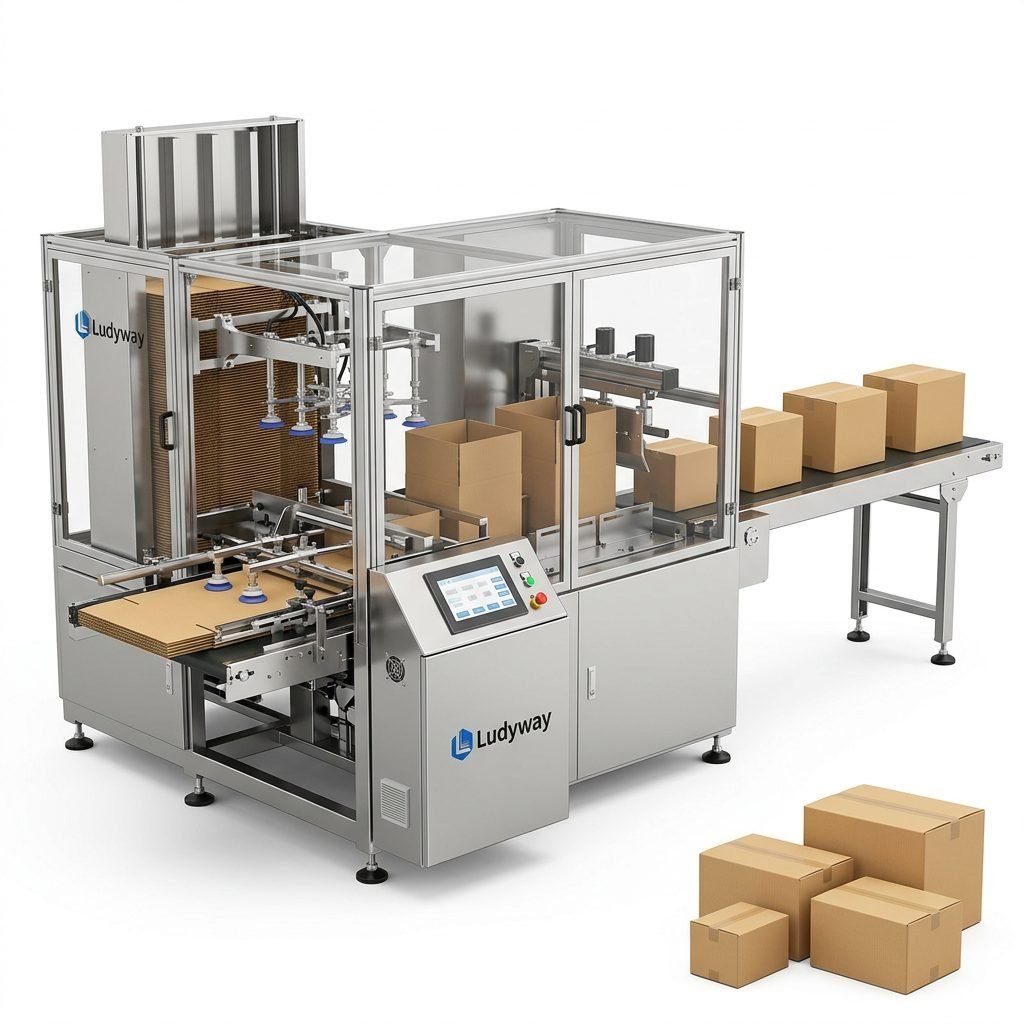
Regular maintenance of a packaging sachet machine is the cornerstone of consistent production output and extended equipment lifespan. Without a structured cleaning and inspection routine, even the most robust sachet packaging equipment can suffer from premature wear, product contamination risks, and unplanned downtime. This guide walks you through essential cleaning and maintenance practices to keep your machinery running at peak performance.
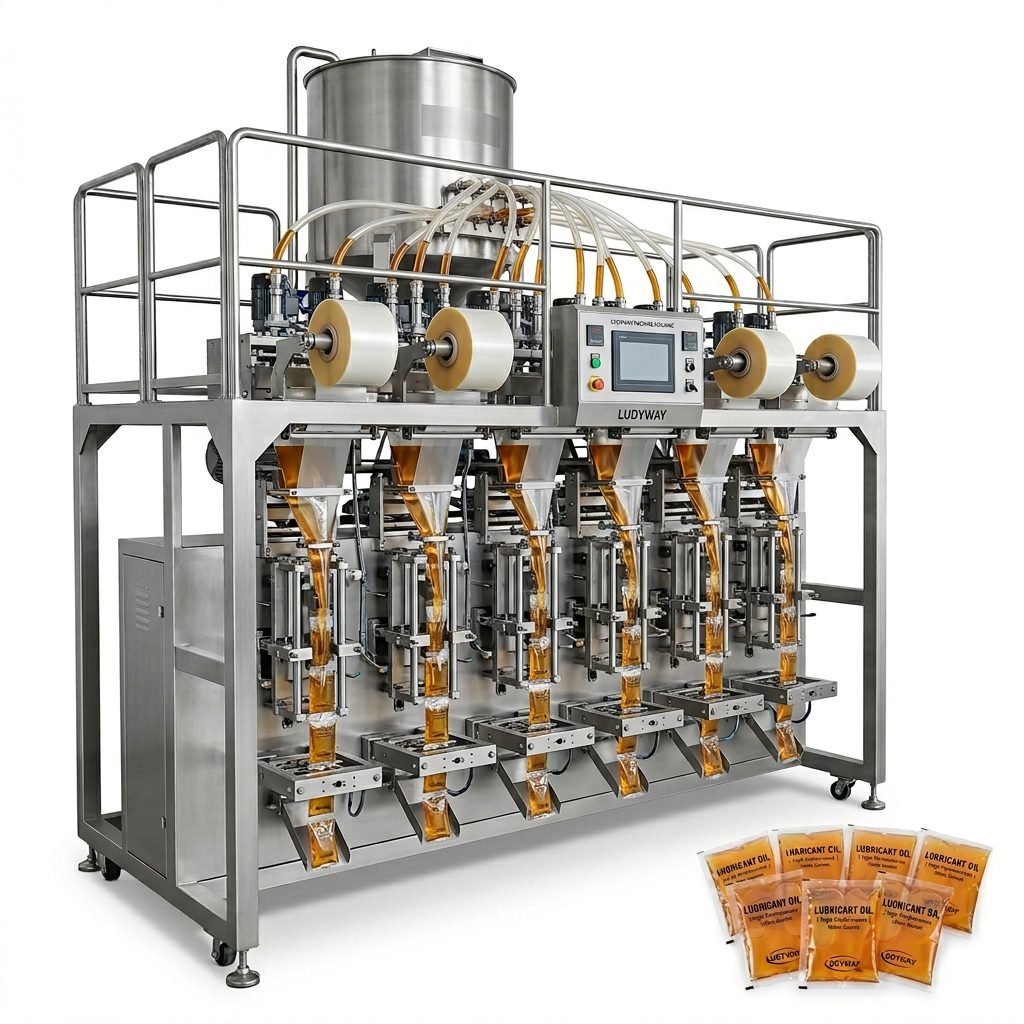
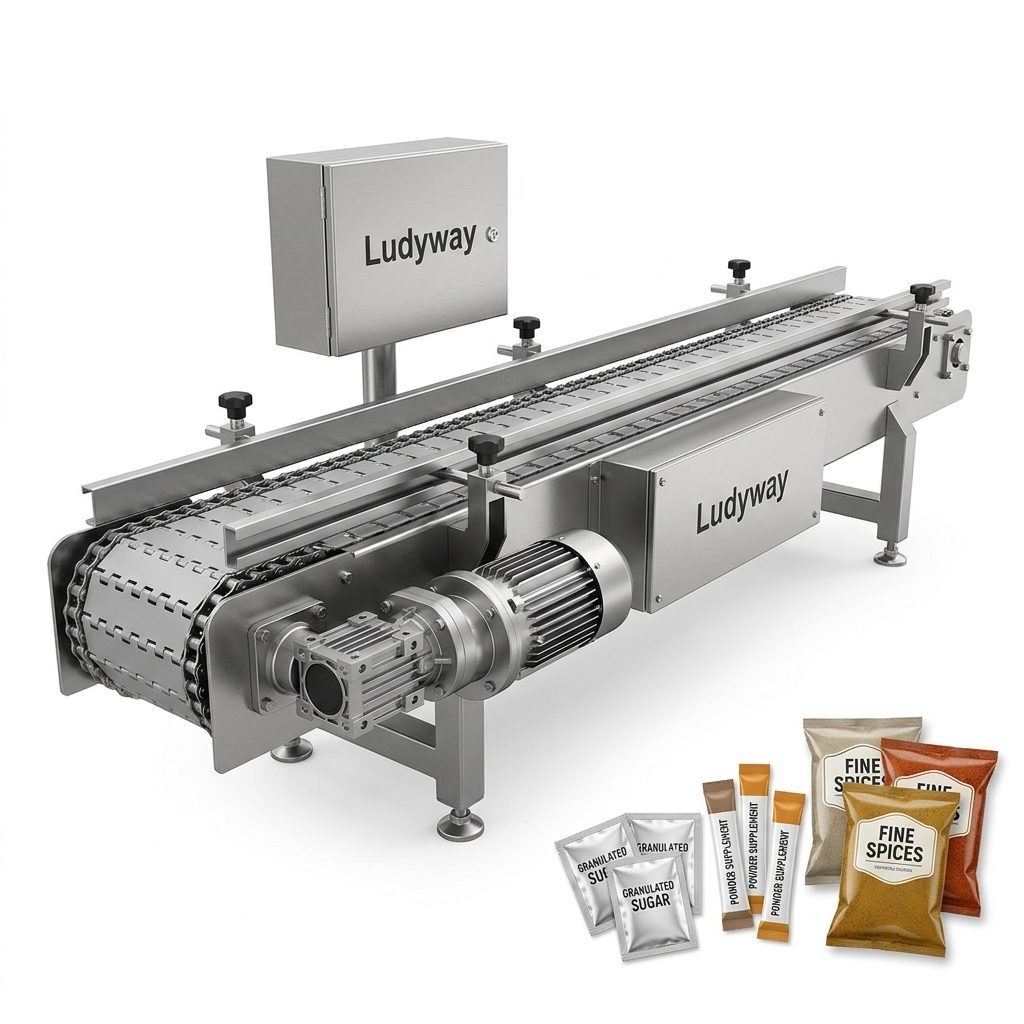
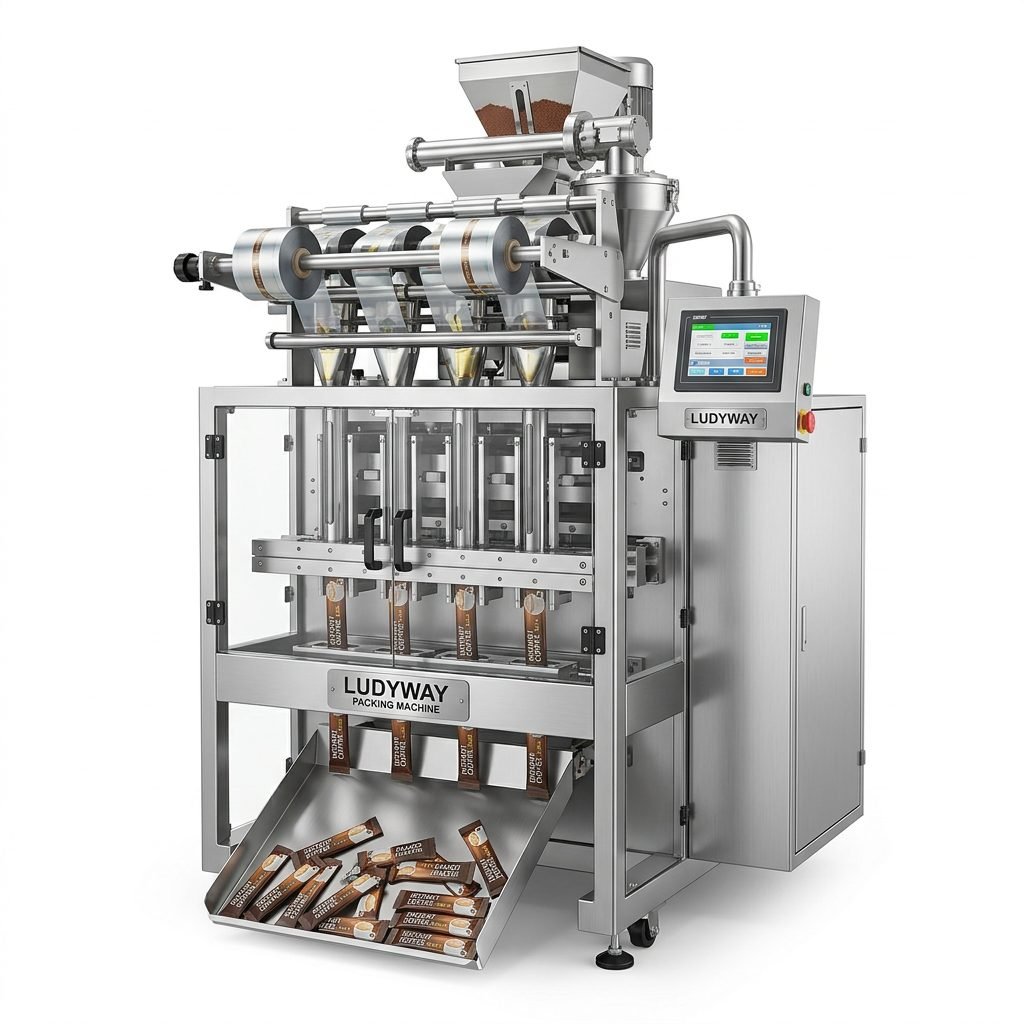
A well-maintained multi-lane sachet machine ensures consistent, high-speed production with minimal interruptions.
Daily Cleaning Routine
Establishing a daily cleaning protocol is the first line of defense against residue buildup and cross-contamination. Follow these steps at the end of each production shift:
- Remove all product residue from hoppers, filling nozzles, and sealing jaws using food-grade cleaning agents or compressed air, depending on your application.
- Wipe down all contact surfaces including forming tubes, sealing bars, and cutting blades with a lint-free cloth to prevent material accumulation.
- Inspect and clean the film path to remove any dust, film fragments, or adhesive residue that could cause tracking issues during the next run.
- Check the sealing area for polymer buildup on heating elements, as this directly affects seal integrity and pouch quality.
- Empty and clean the dust collection system if your machine is equipped with one, particularly important for powder and granule packaging applications.
Safety Precautions Before Cleaning
Before performing any maintenance on sachet packaging machinery, always follow these critical safety protocols:
- Lock out and tag out (LOTO) the main power supply to prevent accidental startup during cleaning or servicing.
- Allow heated components to cool sufficiently before touching sealing jaws or heating elements to avoid burn injuries.
- Wear appropriate personal protective equipment (PPE) including cut-resistant gloves, safety glasses, and respiratory protection when handling powders.
- Disconnect pneumatic air supply and bleed residual pressure from the system before working on pneumatic cylinders or actuators.
- Post visible warning signs on the machine control panel indicating that maintenance is in progress.
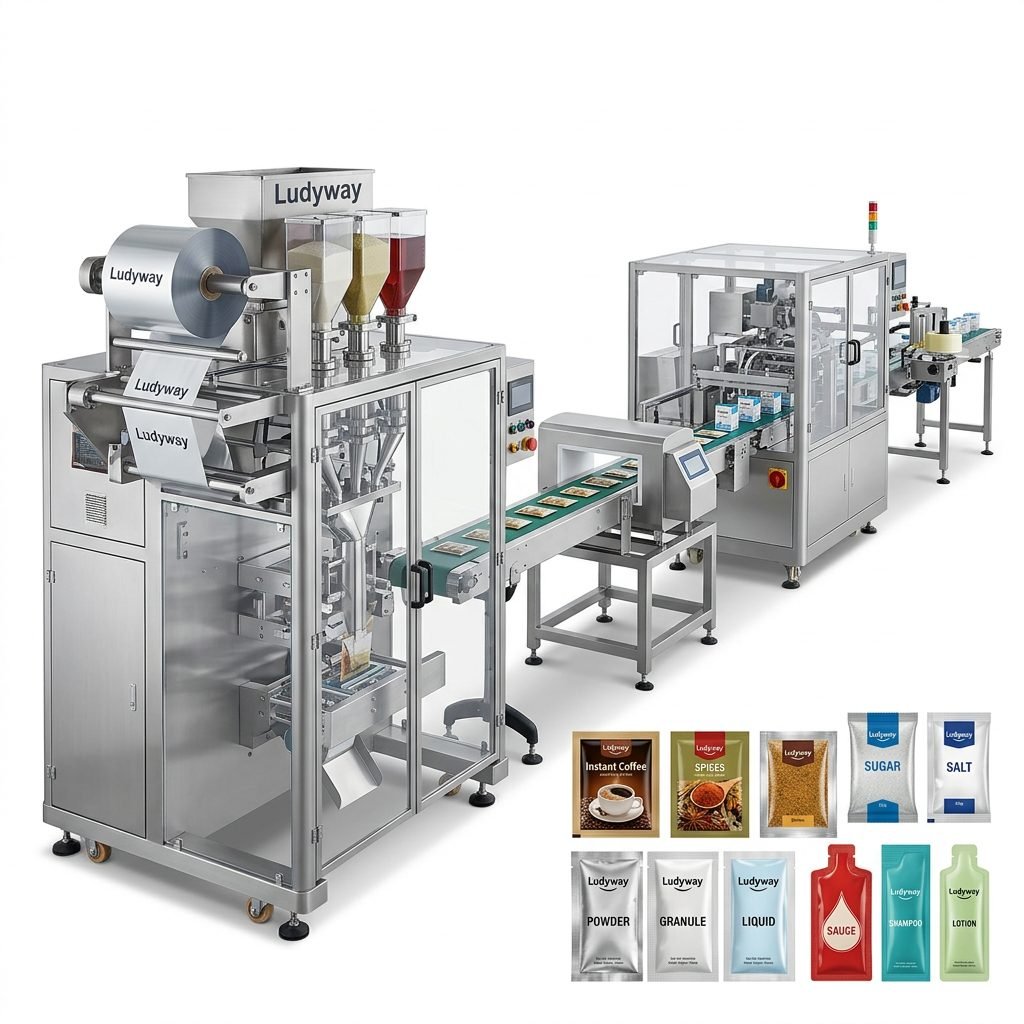
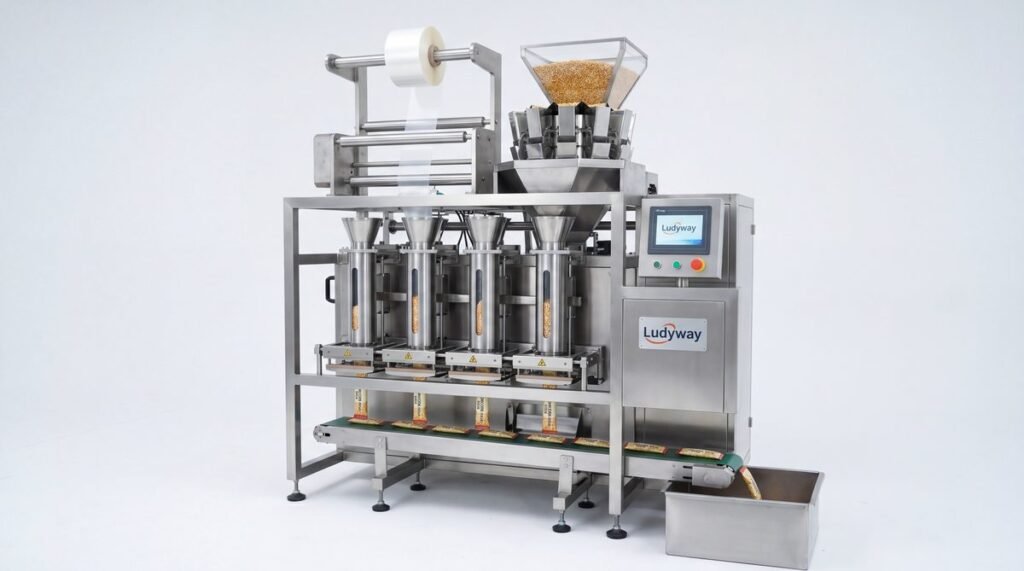
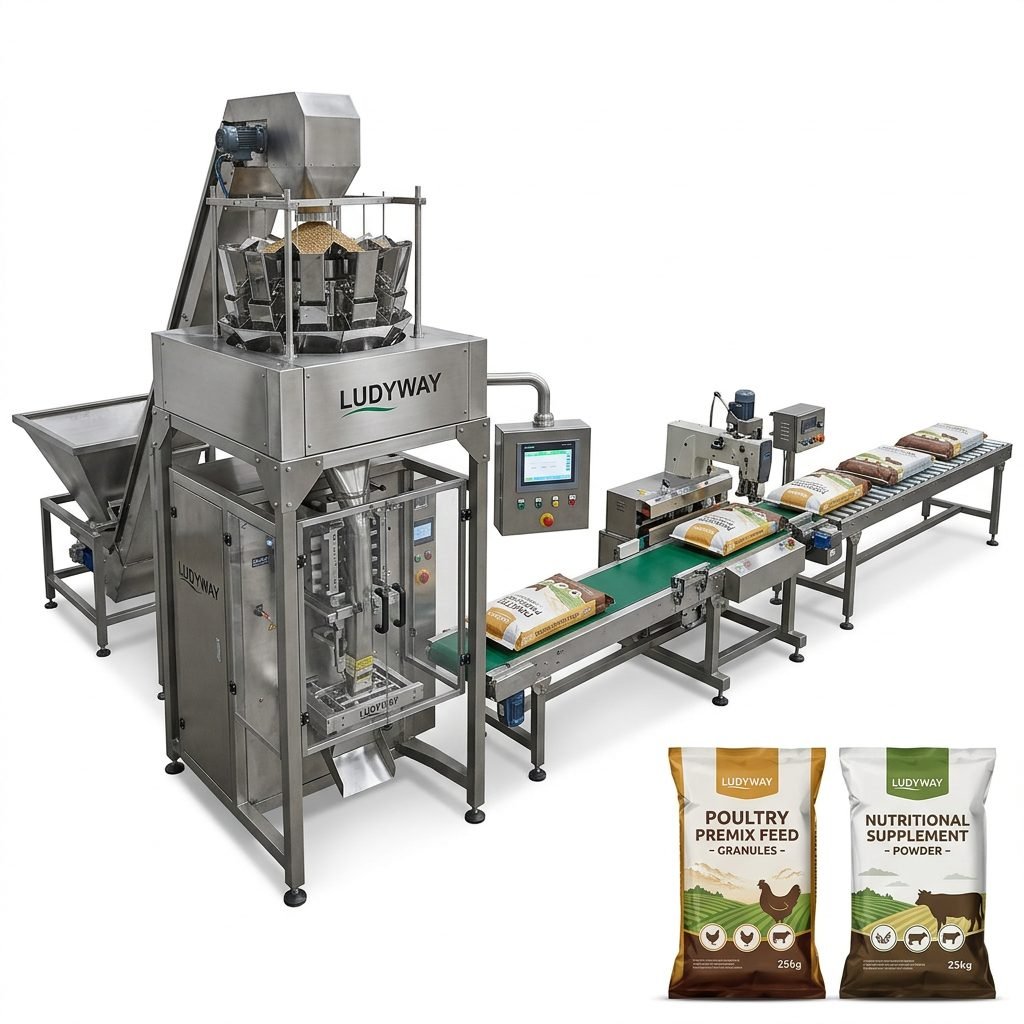
Automated sachet packaging lines require systematic cleaning to maintain hygiene standards and operational efficiency.
Critical Component Maintenance
Beyond daily cleaning, several critical components demand focused attention on a weekly and monthly basis. Neglecting these can lead to costly repairs and inconsistent packaging quality.
Sealing System Inspection
The sealing mechanism is the heart of any packaging sachet machine. Inspect both vertical and horizontal sealing bars for uneven wear patterns, surface pitting, or discoloration. Clean with a soft brass brush to remove carbonized product without damaging the sealing surface. Verify temperature calibration against actual readings using an infrared thermometer — a deviation of more than ±5°C warrants recalibration.
Filling System Accuracy
For machines handling powders, granules, or liquids, the dosing accuracy directly impacts product quality and regulatory compliance. Clean volumetric cups, auger fillers, or piston assemblies thoroughly after each product changeover. Check for worn seals and O-rings in liquid filling systems that could cause dripping or inaccurate fill volumes.
Film Transport and Tension Control
Examine all rollers, guide rails, and tension arms for freedom of movement. Bearings that feel rough or emit noise should be lubricated or replaced immediately. Verify that the film tracking photoelectric sensor is clean and correctly aligned to prevent registration drift during high-speed operation.
Recommended Maintenance Schedule
The following table outlines a comprehensive maintenance schedule that can be adapted to your specific production environment and machine usage intensity:
| Interval | Maintenance Task | Key Focus Areas |
|---|---|---|
| Daily | Surface cleaning & visual inspection | Hoppers, nozzles, sealing jaws, film path |
| Weekly | Deep cleaning & calibration check | Temperature sensors, photoelectric cells, dosing units |
| Monthly | Mechanical inspection & lubrication | Bearings, chains, gears, pneumatic seals |
| Quarterly | Electrical system audit | Wiring connections, PLC backups, motor drives |
| Annually | Full overhaul & preventive replacement | Belts, heating elements, wear parts, gearbox oil |
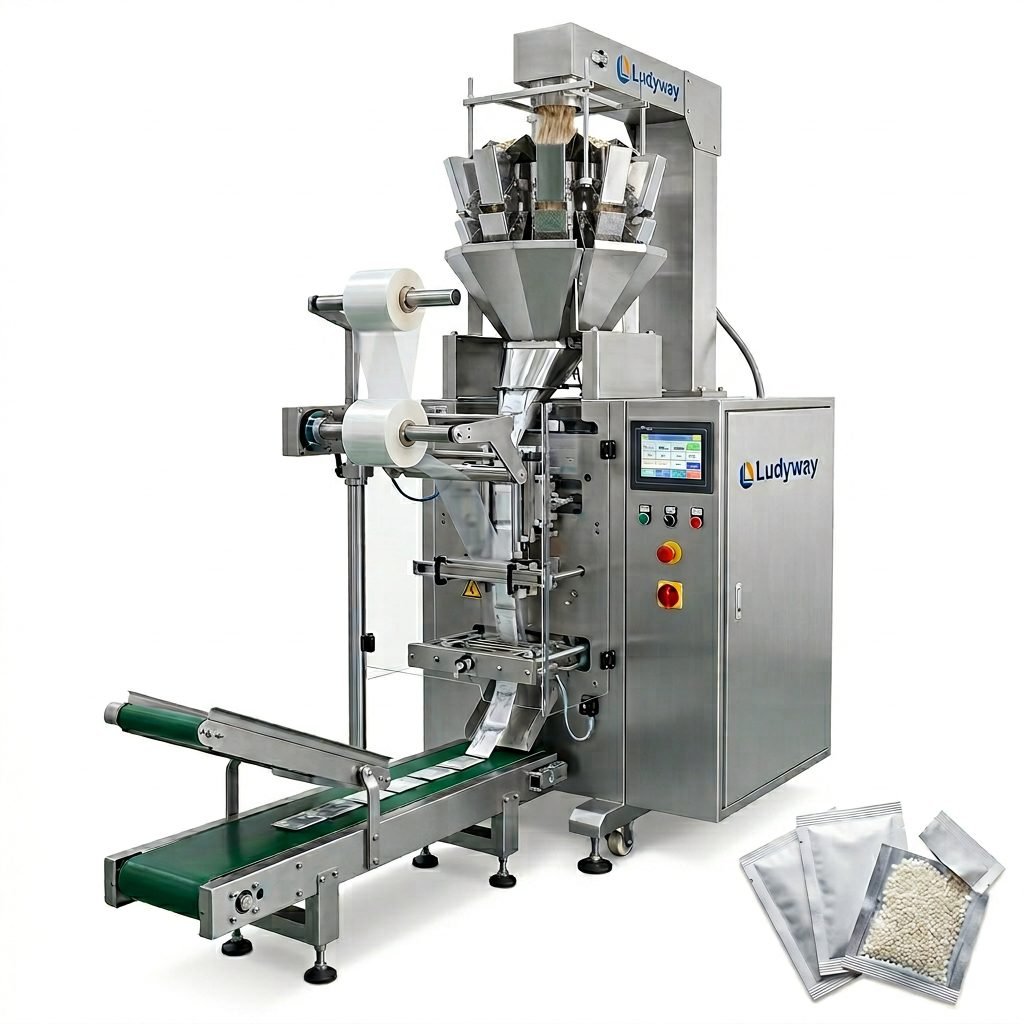
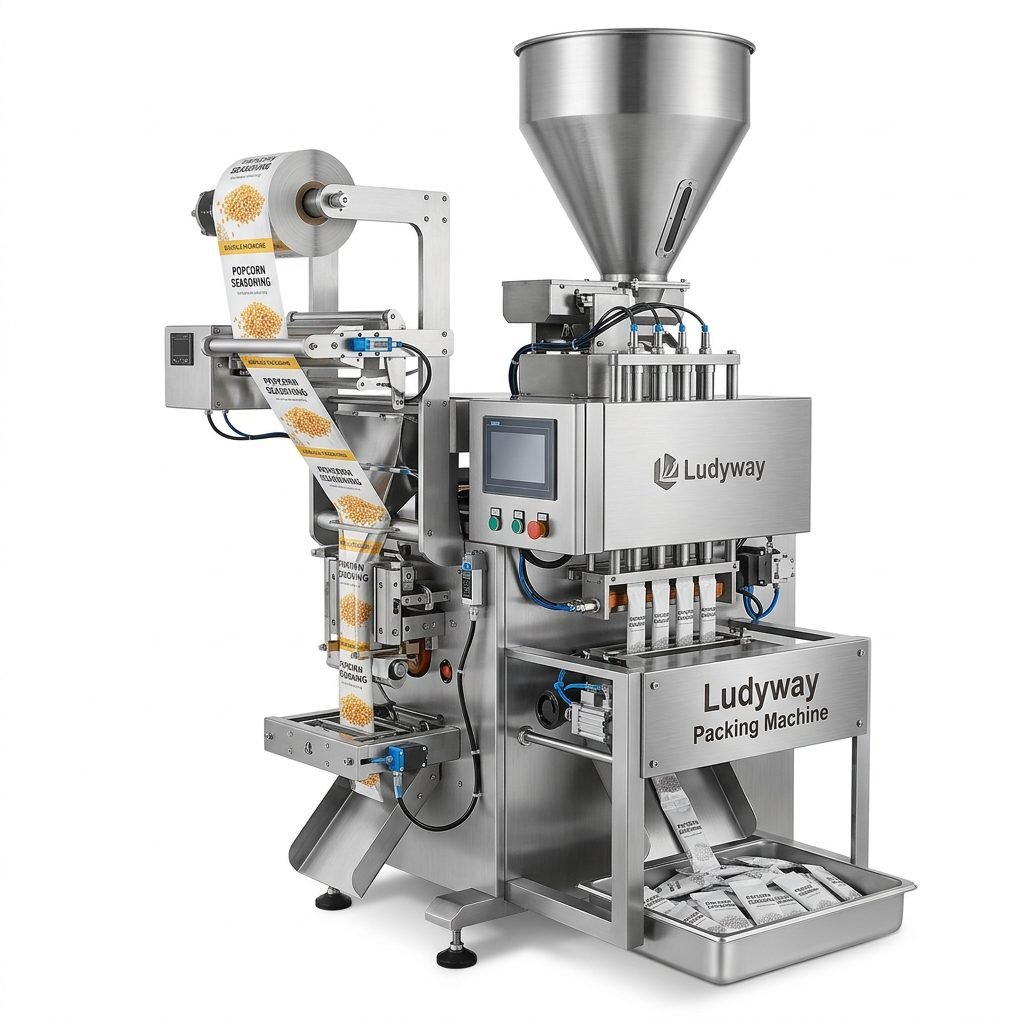
Regular inspection of high-speed sachet machines used in pharmaceutical applications is critical for GMP compliance.
Lubrication Best Practices
Proper lubrication is essential yet often overlooked in packaging machinery maintenance. Follow these guidelines to protect moving parts from excessive wear:
- Use food-grade lubricants for any lubrication points near product contact zones, especially in food and pharmaceutical packaging environments.
- Apply grease sparingly to bearing housings — over-greasing can cause overheating and attract dust and debris that accelerate wear.
- Lubricate chains and sprockets monthly with appropriate chain oil, wiping away excess to prevent dripping onto packaging film.
- Check gearbox oil levels quarterly and replace annually or according to the manufacturer’s recommendation.
- Document all lubrication activities in a maintenance log to track patterns and anticipate component replacement needs.
Troubleshooting Common Issues
Even with diligent maintenance, occasional issues may arise. Here are quick diagnostic tips for common problems encountered with sachet packaging equipment:
Inconsistent Seal Quality
If seals appear weak, wrinkled, or leak during testing, first verify temperature settings against the film manufacturer’s specifications. Clean the sealing surfaces thoroughly and check for uneven pressure distribution across the jaw length. Worn Teflon covers on sealing bars can also cause inconsistent heat transfer and should be replaced periodically.
Film Misalignment or Wrinkling
Tracking issues often stem from misaligned rollers or incorrect tension settings. Inspect all guide rollers for parallel alignment and ensure the unwind tension is properly adjusted for the film roll diameter. A dirty or faulty edge guide sensor can also cause the film to drift during operation.
Inaccurate Fill Weights
For volumetric filling systems, check for product bridging in the hopper that prevents consistent flow into the dosing chamber. For auger fillers, inspect the auger for wear or damage. In liquid filling applications, trapped air in the system or worn piston seals are common culprits behind volume inconsistencies.
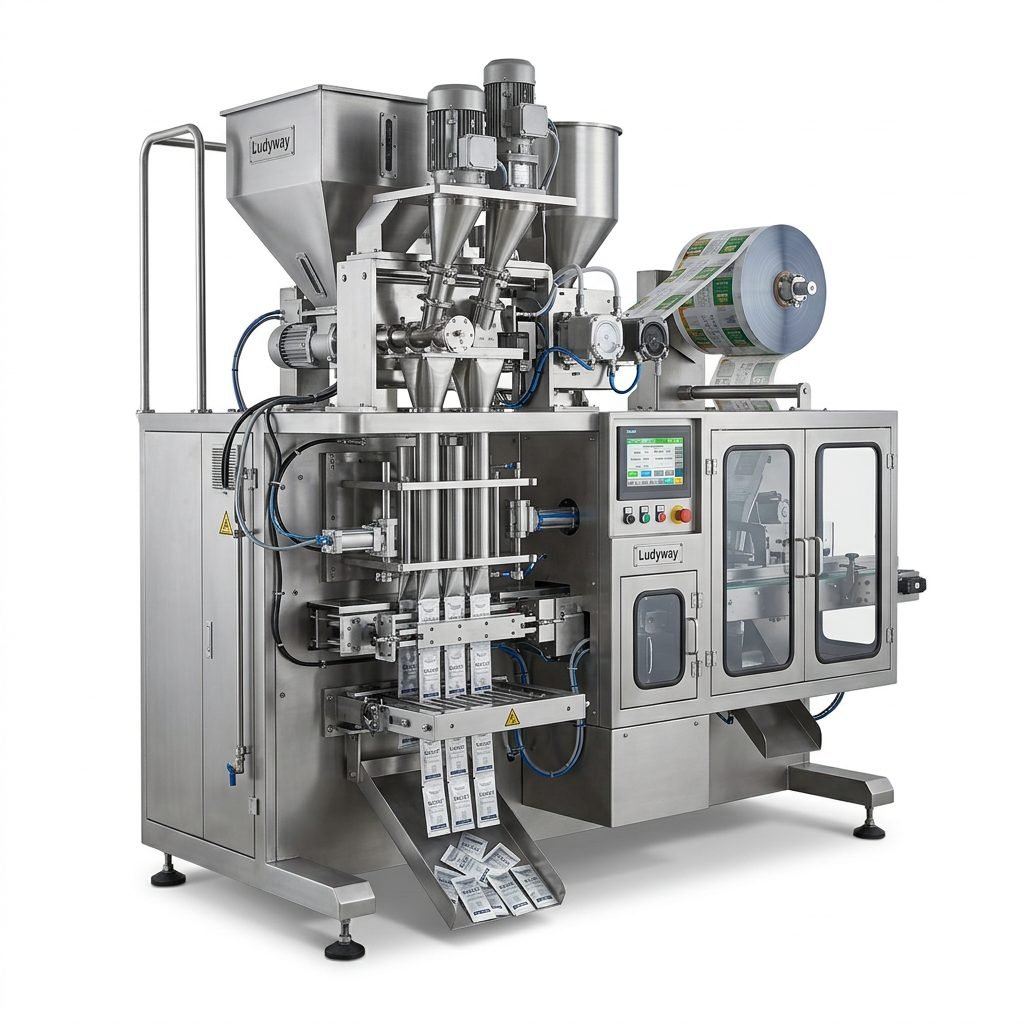
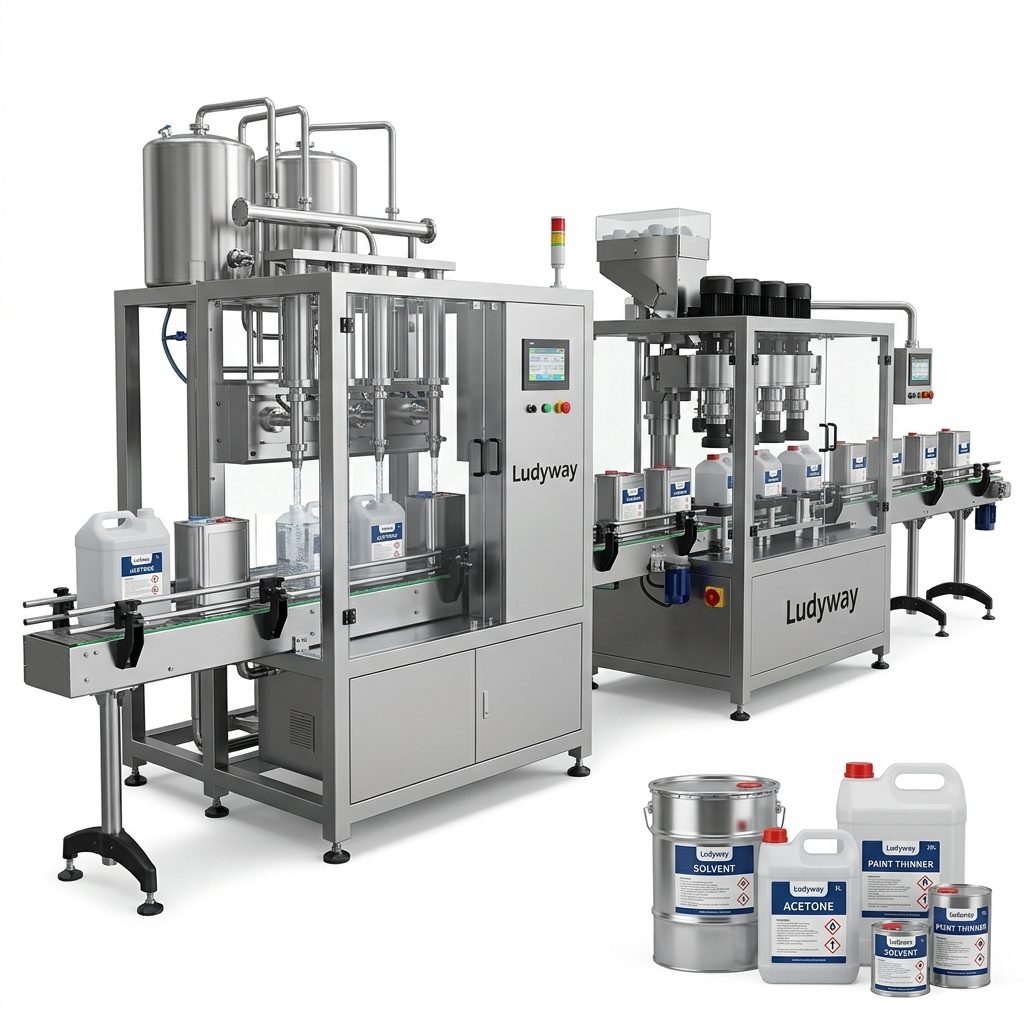
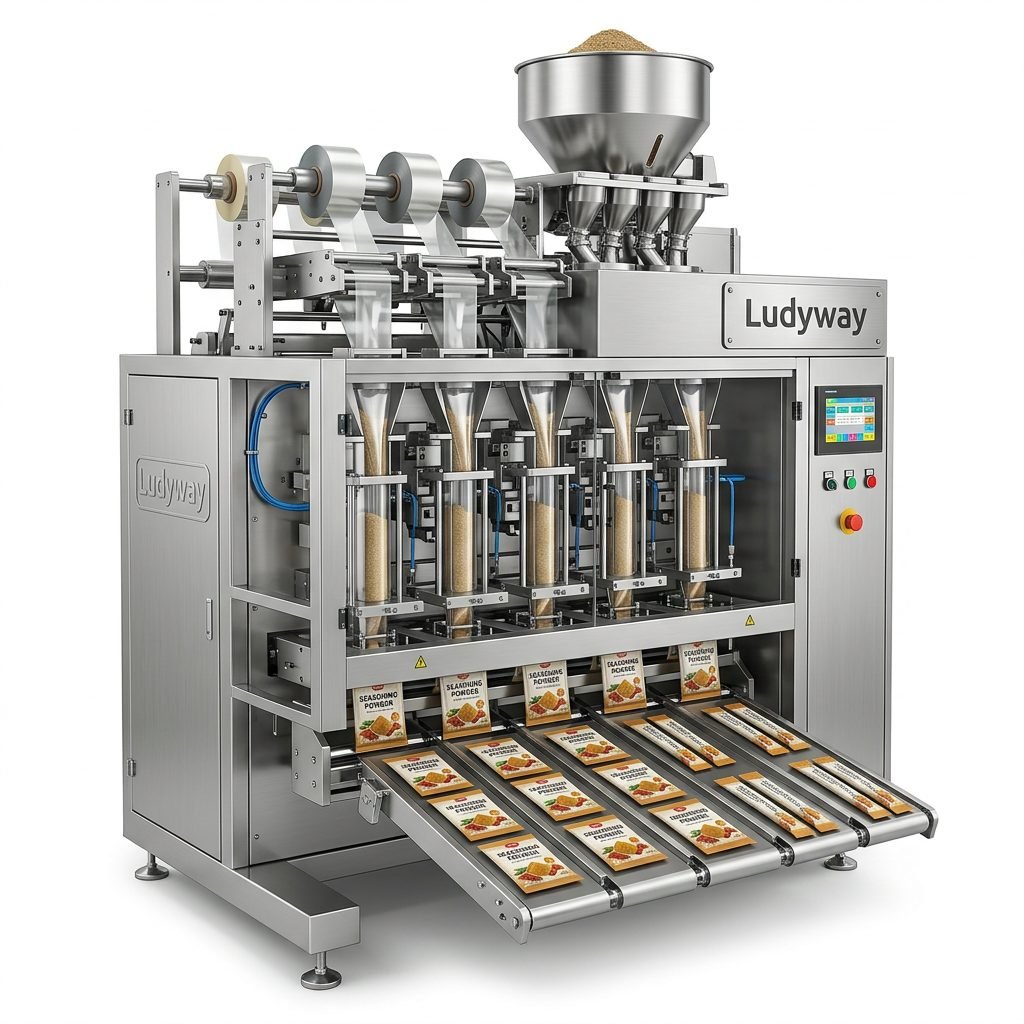
Multi-lane sachet machines handling powders, granules, and liquids require tailored cleaning procedures for each product type.
The Role of Professional Support
While daily and weekly maintenance can be handled by trained in-house operators, certain tasks benefit from professional technical support. Ludyway, one of the largest packaging machine manufacturers in China with over 30 years of industry expertise, provides comprehensive after-sales service including remote diagnostics, on-site technical support, and preventive maintenance contracts. Their engineering team supports more than 50 intelligent packaging machine models across over 100 countries, ensuring that your production line maintains optimal performance throughout its lifecycle. Annual calibration of temperature controllers, PLC system diagnostics, and replacement of major wear components are best performed by qualified technicians who have access to original spare parts and detailed service documentation.
Documentation and Record Keeping
Maintaining detailed maintenance records is not only a best practice but often a regulatory requirement in food and pharmaceutical industries. Keep a log that includes:
- Date and time of each maintenance activity
- Personnel who performed the work
- Specific tasks completed and any anomalies observed
- Parts replaced or adjusted during the procedure
- Follow-up actions required or scheduled
Digital maintenance management systems can streamline this process by providing automated reminders and generating compliance reports for audits. For more information on packaging machinery standards, visit the PMMI packaging industry resources portal or refer to ISO packaging standards for internationally recognized maintenance guidelines.
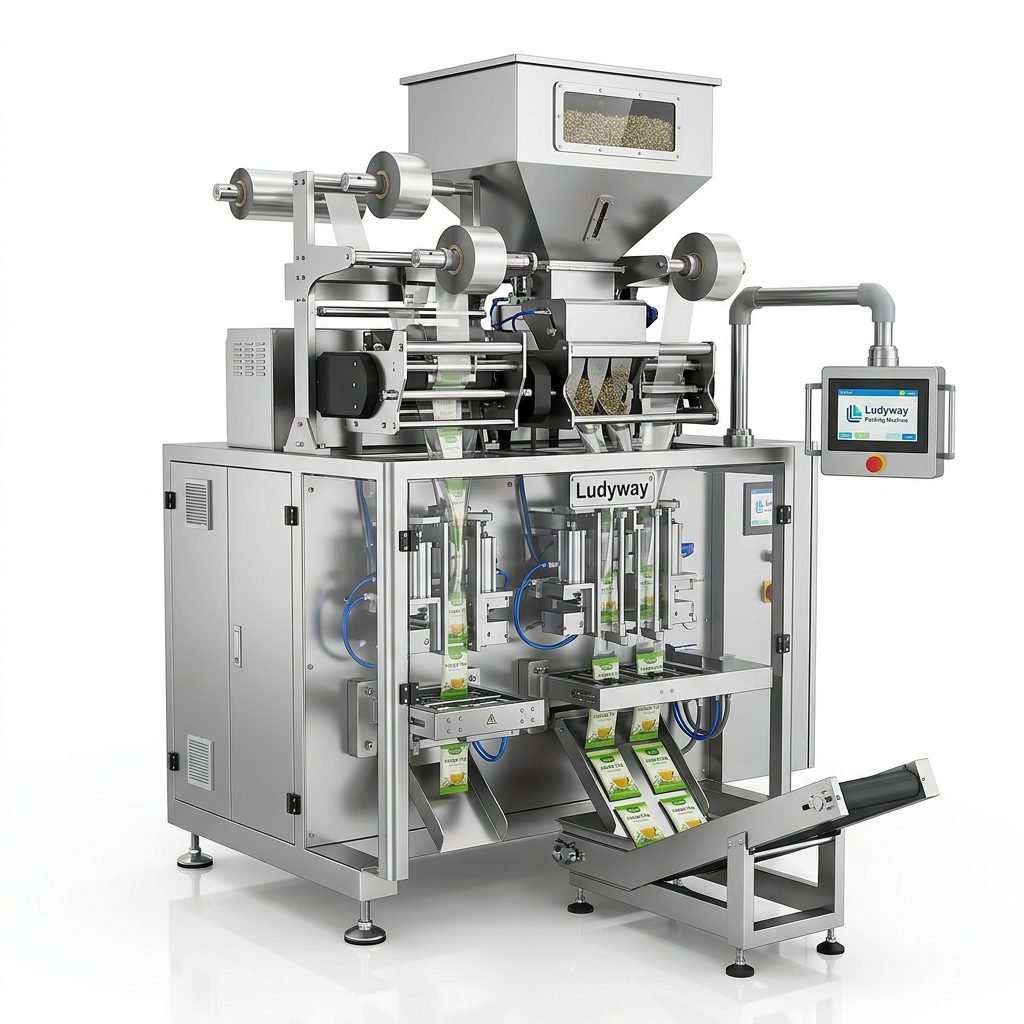
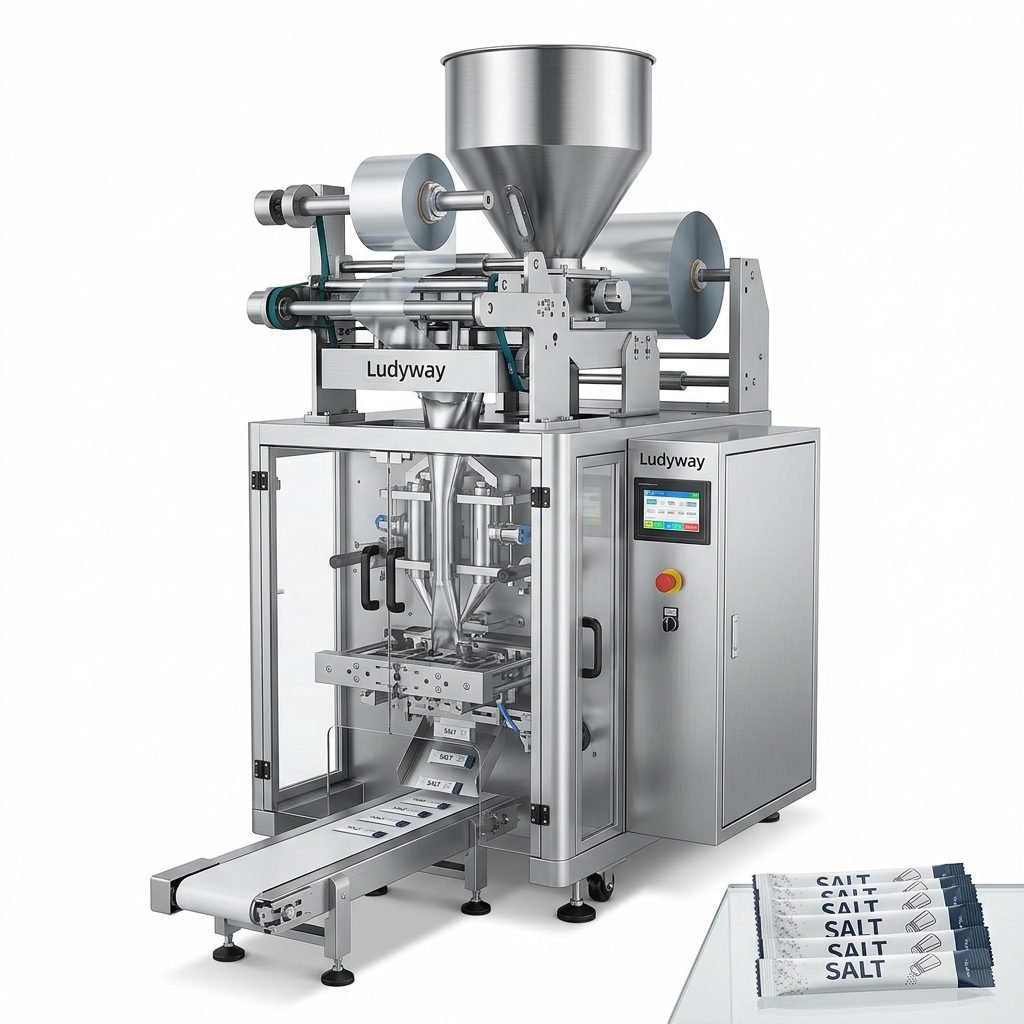
A clean and well-maintained sachet machine delivers reliable, high-quality packaging results across diverse product categories.
Conclusion
Implementing a structured cleaning and maintenance program for your packaging sachet machine is an investment that pays dividends through increased uptime, consistent product quality, and reduced total cost of ownership. By following the daily, weekly, monthly, and annual maintenance guidelines outlined above, operators can significantly extend the service life of their equipment while minimizing unexpected breakdowns. For specialized maintenance support or to explore advanced packaging solutions, consult with a professional packaging solutions provider who can tailor a maintenance plan to your specific production requirements.
Related resources:
- PMMI Business Intelligence Library — Packaging industry data and insights
- Flexible Packaging Association Industry Resources — Flexible packaging standards and data
- FDA Packaging and Food Contact Substances — Regulatory guidance for food packaging