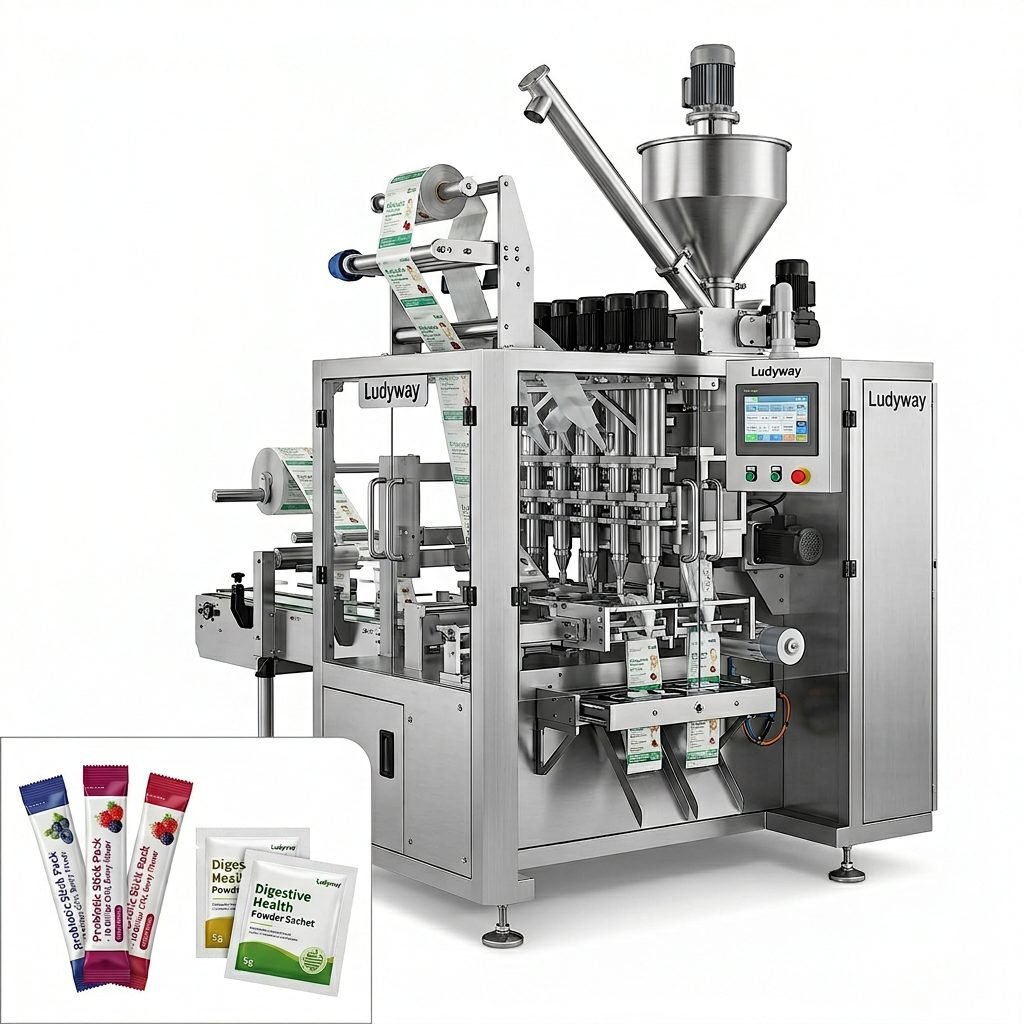
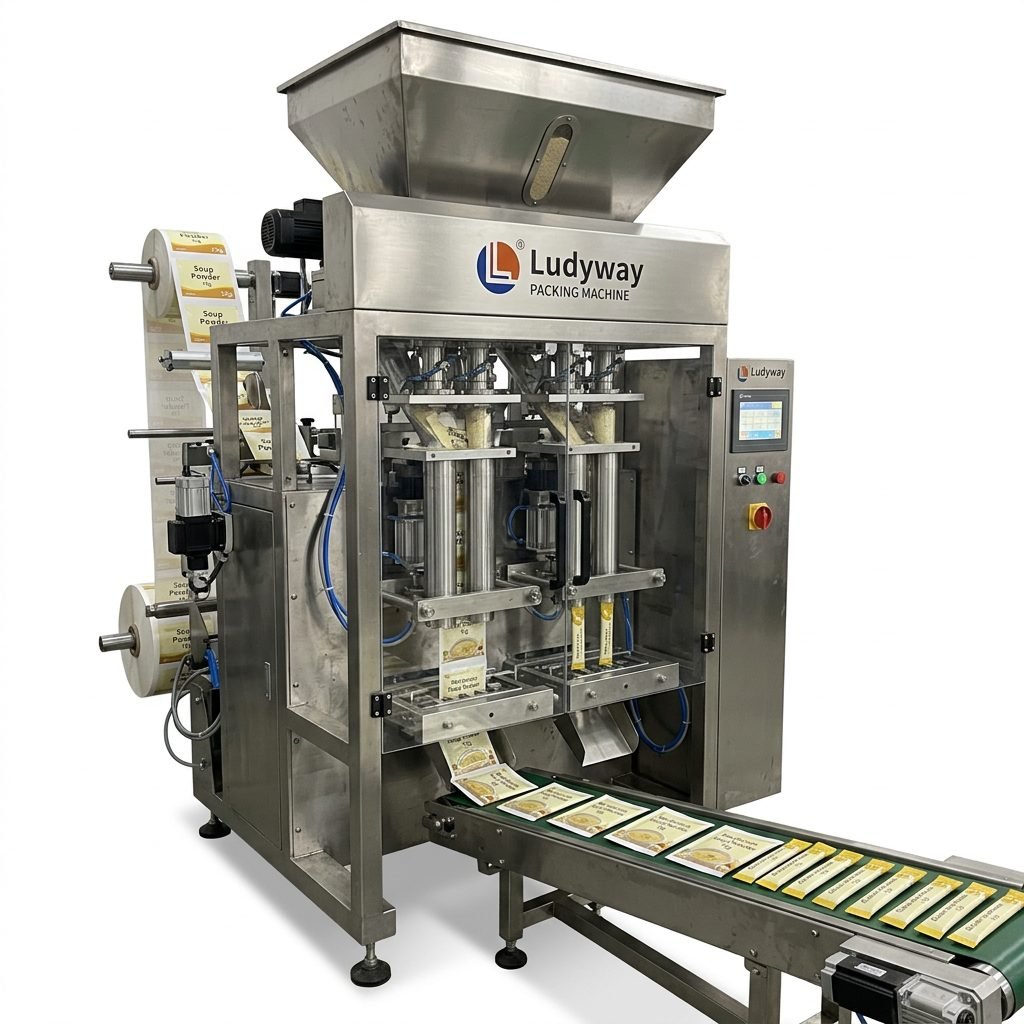
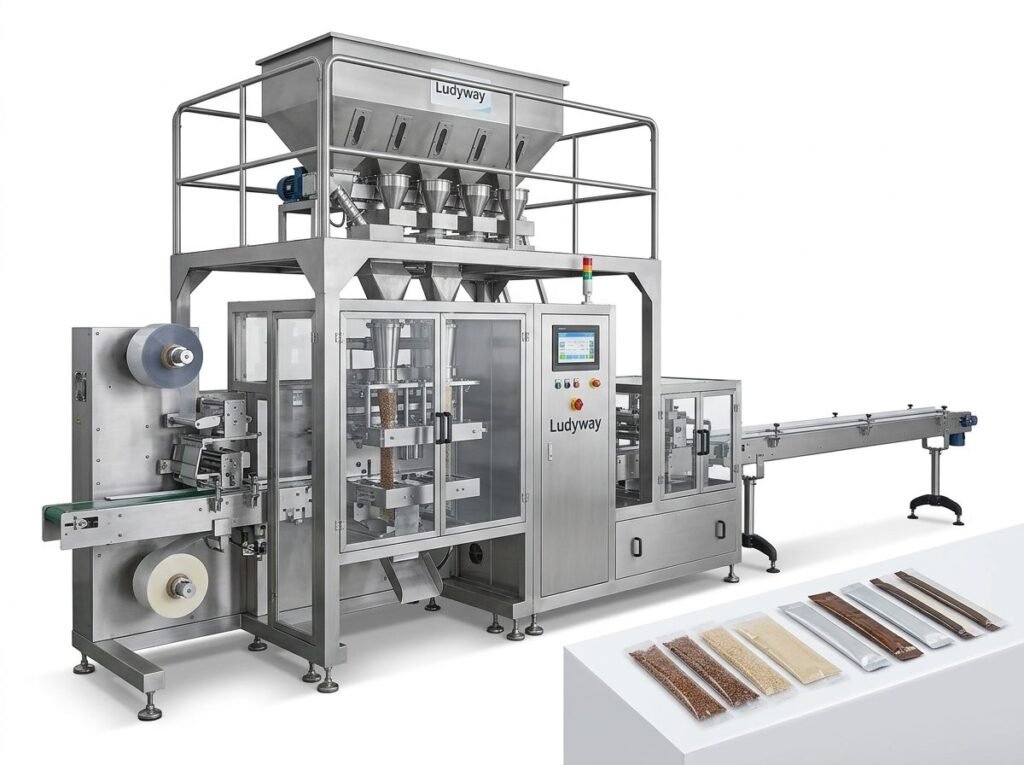
Proper maintenance of a paper box packing machine is critical to ensuring consistent output, minimizing downtime, and extending the service life of your equipment. Whether you operate a carton erector, a box forming system, or a fully automated cartoning line, a well-structured maintenance routine can significantly impact your production efficiency and total cost of ownership. Neglecting routine care often leads to unexpected breakdowns, poor sealing quality, and costly emergency repairs.
Understanding the Core Components That Require Attention
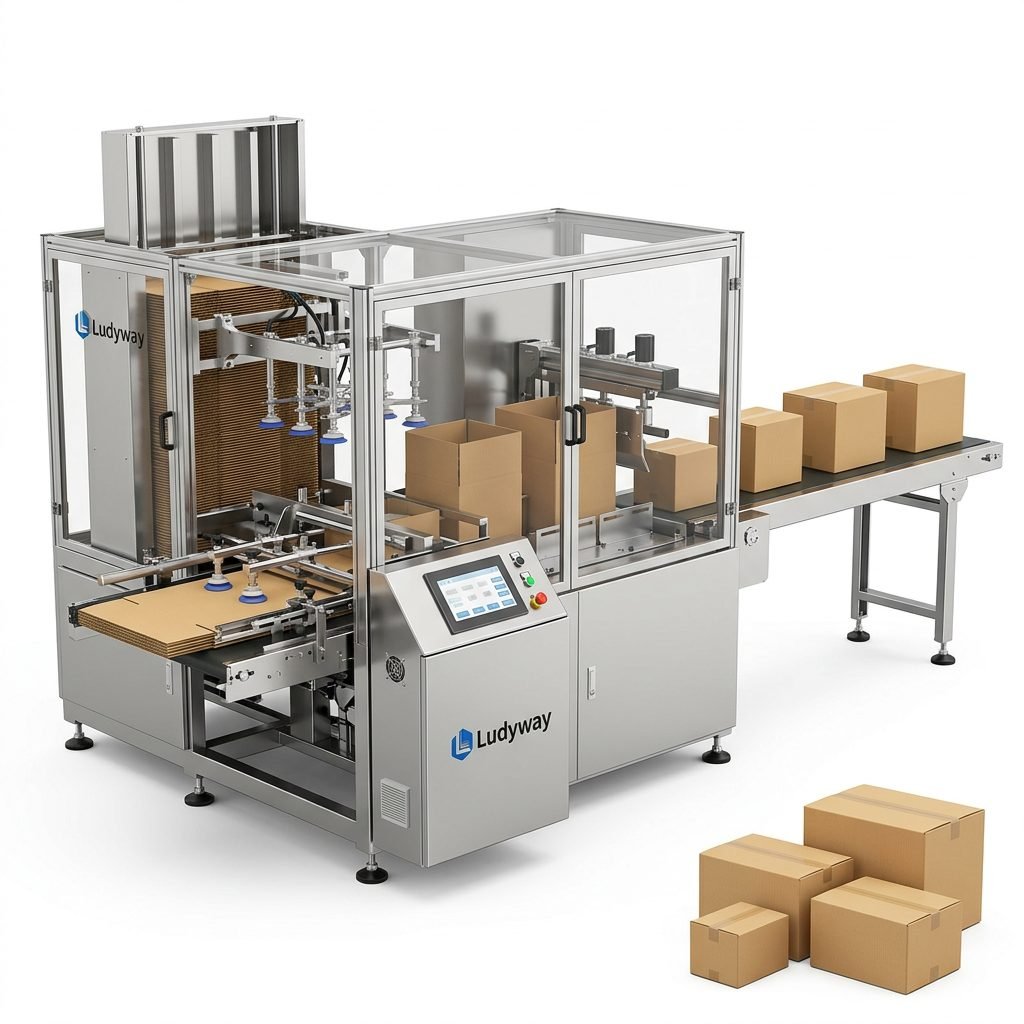
Before diving into specific maintenance tasks, it helps to understand which parts of your paper box packing machine are most susceptible to wear. The primary areas include the vacuum suction system for blank picking, the folding guides and belts, the glue or hot-melt application unit, and the compression section. Each of these subsystems operates under mechanical stress and requires regular inspection. A paper box packing machine that runs at high speeds will naturally experience faster wear on contact surfaces, making a proactive approach essential.
Daily Inspection Checklist
A disciplined daily inspection routine is the foundation of effective maintenance. Below is a practical checklist that operators should follow at the start of each shift:
- Visual inspection: Walk around the machine to check for loose fasteners, damaged guards, or unusual residue buildup on forming rails.
- Air pressure verification: Confirm that the pneumatic system maintains the manufacturer’s recommended pressure range. Low pressure often causes misfeeds in a paper box packing machine.
- Sensor cleanliness: Wipe down photoelectric sensors and proximity switches with a lint-free cloth to ensure accurate blank detection and positioning.
- Emergency stop function: Test E-stop buttons to verify they immediately halt all mechanical motion.
- Glue system check: Inspect glue nozzles for clogging and verify adhesive temperature settings if using hot-melt systems.
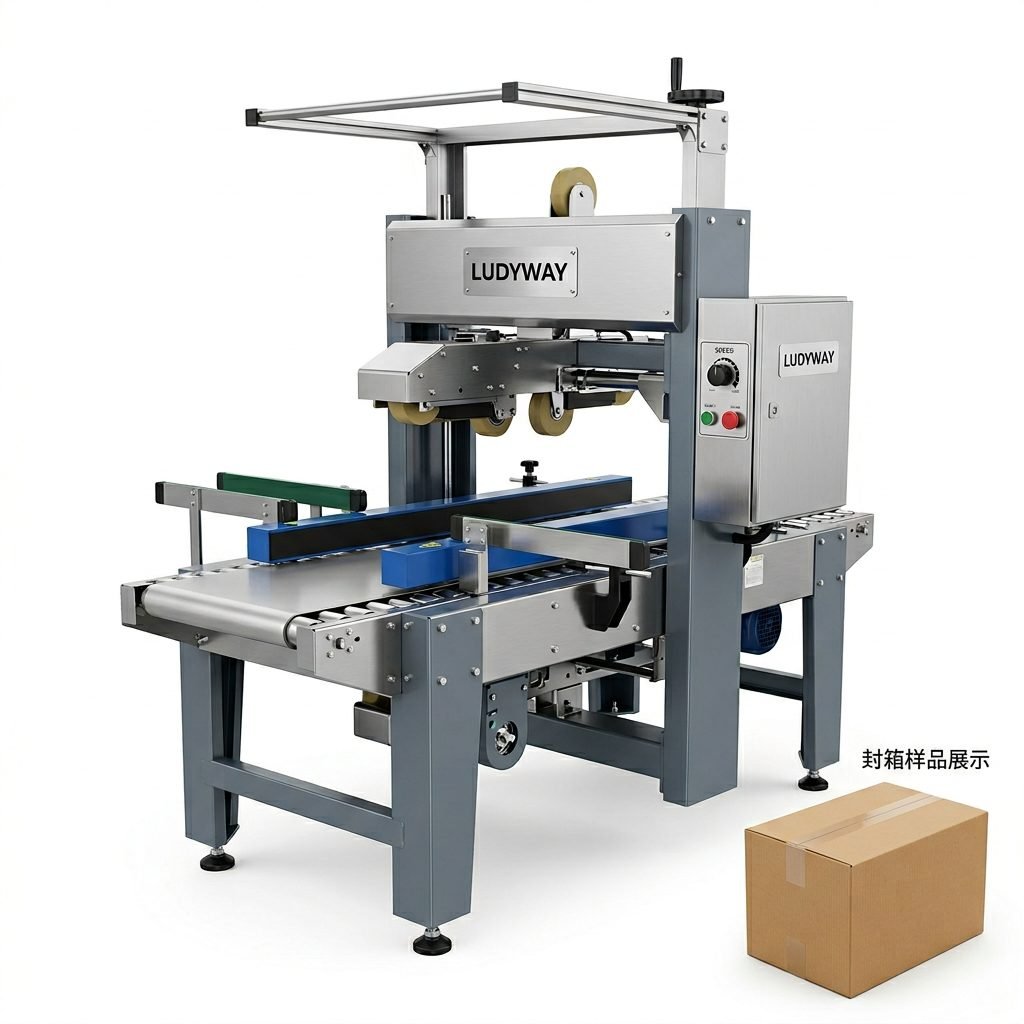
Cleaning Procedures for Optimal Box Forming Performance
Dust, paper fiber, and adhesive residue are the enemies of a smooth-running paper box packing machine. Accumulated debris on forming mandrels or folding plates can cause inconsistent box shapes and jams. Implement these cleaning practices:
- Daily: Use compressed air to blow away paper dust from folding stations, chain drives, and electrical panels. Avoid directing air toward sensitive bearing seals.
- Weekly: Remove and clean glue application nozzles with the recommended solvent. Inspect glue pots and filters for charred or hardened adhesive buildup.
- Monthly: Deep-clean conveyor belts and remove any accumulated cardboard lint from drive pulleys. Check that belt tension remains consistent across all lanes.
For facilities running high-speed automated cartoning lines, cleaning frequency should increase proportionally with production volume.
Lubrication Best Practices for Moving Parts
Proper lubrication reduces friction, prevents premature wear, and keeps your paper box packing machine operating quietly. However, over-lubrication can be just as damaging as under-lubrication. Follow these guidelines:
- Use only the lubricant grades specified in the equipment manual. For chains operating in dusty environments, select a dry-film lubricant that does not attract contaminants.
- Grease bearings at the intervals recommended by the manufacturer. Pay special attention to main drive bearings and cam follower bearings in the forming section.
- Check oil levels in gearboxes monthly and replace oil annually or after the specified operating hours.
- Lubricate linear guides and ball screws that control size change adjustments to ensure smooth format changeovers.
Signs of Inadequate Lubrication
- Unusual squeaking or grinding noises during operation
- Increased motor current draw on the main drive
- Visible rust or discoloration on bearing housings
- Jerky motion during box folding sequences
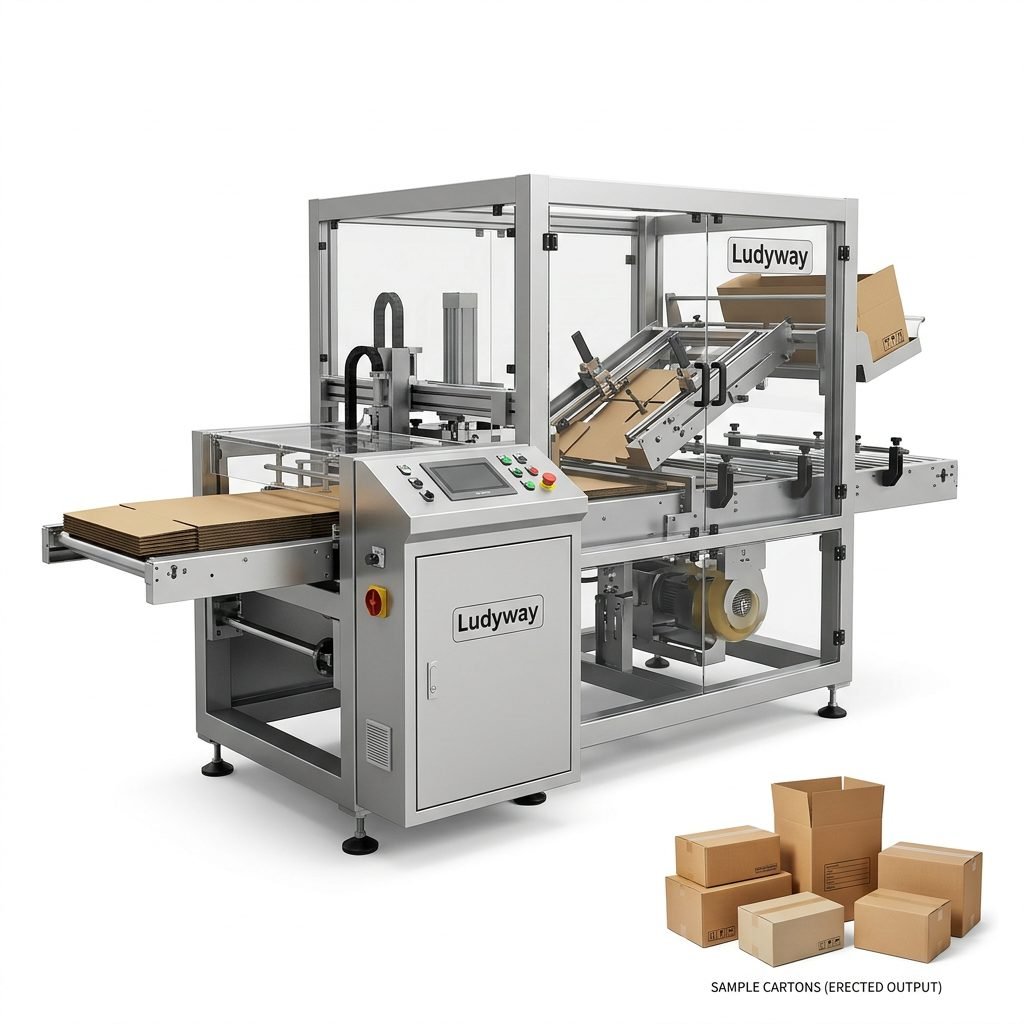
Common Issues and Troubleshooting Your Paper Box Packing Machine
Even with diligent maintenance, issues can arise. Quick diagnosis and corrective action prevent extended downtime. The table below summarizes frequent problems and their typical solutions:
| Common Problem | Probable Cause | Recommended Action |
|---|---|---|
| Misfed blanks or double picking | Worn vacuum cups or insufficient vacuum pressure | Replace vacuum cups; check vacuum pump and filter; adjust pick height |
| Inconsistent box folding | Misaligned folding guides or worn folding belts | Realign guides per specification; replace stretched or frayed belts |
| Poor glue adhesion or open flaps | Incorrect glue temperature, clogged nozzle, or insufficient compression time | Verify temperature settings; clean or replace nozzle; adjust compression belt pressure |
| Excessive noise or vibration | Loose mounting bolts or worn bearings | Tighten all fasteners to torque specifications; inspect and replace bearings as needed |
| Jam at infeed section | Warped or damaged blanks; incorrect magazine setup | Inspect blank quality; verify magazine guide settings match carton dimensions |
Preventive Maintenance Schedule for Long-Term Reliability
A structured preventive maintenance (PM) program is the most effective way to protect your investment. The schedule below provides a framework that should be adapted to your specific paper box packing machine model and production demands. For reference, ISO packaging standards offer additional guidance on machinery maintenance best practices.
| Interval | Maintenance Tasks | Responsible Party |
|---|---|---|
| Daily | Clean sensors, check air pressure, inspect glue system, test E-stop | Machine Operator |
| Weekly | Deep-clean glue nozzles, inspect and clean conveyor belts, check chain tension | Maintenance Technician |
| Monthly | Lubricate all grease points, inspect bearings, check gearbox oil level, verify timing belt condition | Maintenance Technician |
| Quarterly | Inspect vacuum pump performance, calibrate glue temperature controllers, check electrical connections for tightness | Senior Technician |
| Annually | Replace gearbox oil, perform full mechanical inspection, replace worn folding belts, verify servo drive parameters | Maintenance Team Lead |
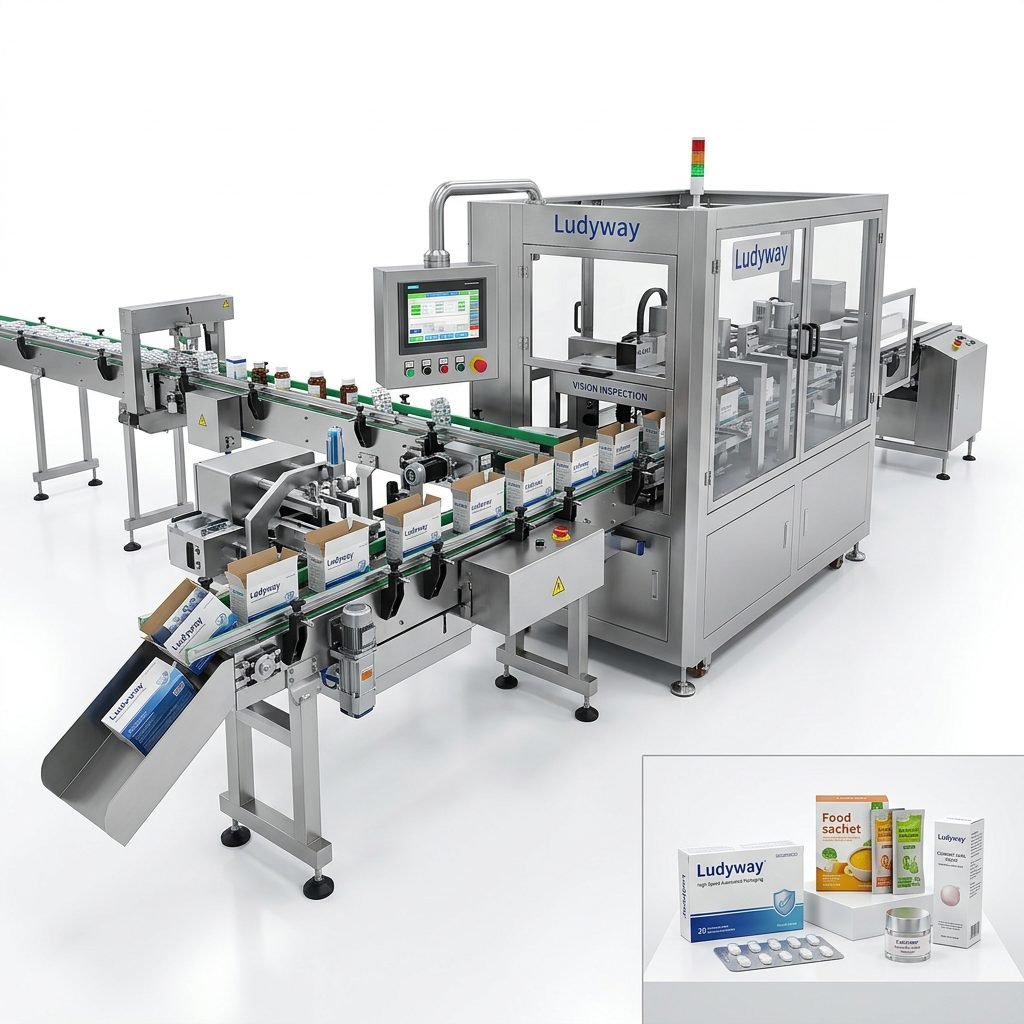
Spare Parts Inventory Management
Keeping critical spare parts on hand dramatically reduces downtime when repairs are necessary. For your paper box packing machine, consider maintaining inventory of the following items:
- Vacuum cups and suction pads — These wear items should always be in stock, as they directly affect picking reliability.
- Folding belts and timing belts — Keep at least one full set per machine to avoid extended waiting periods for replacements.
- Glue nozzles and filters — Frequent cleaning extends their life, but having spares prevents production stoppages.
- Photoelectric sensors — A single failed sensor can halt the entire line; having calibrated spares is essential.
- Bearings and seals — Common sizes used across multiple stations should be stocked for quick replacement.
- Pneumatic cylinders and solenoid valves — These components have finite life cycles and are critical to motion sequences.
Operator Training and Documentation
Well-trained operators are the first line of defense against machine deterioration. Ensure that all personnel working with the paper box packing machine receive thorough training on:
- Proper startup and shutdown procedures
- Recognition of early warning signs such as unusual sounds or inconsistent box quality
- Correct cleaning methods for each section of the machine
- Basic troubleshooting steps documented in the equipment manual
- Safe packaging machinery operation practices in compliance with industry standards
Maintain a detailed maintenance log for each paper box packing machine, recording all inspections, lubrications, part replacements, and abnormal observations. This historical data becomes invaluable for predicting future maintenance needs and identifying recurring issues.
Key Documentation to Maintain
- Daily inspection checklists with operator sign-off
- Weekly and monthly PM task records
- Spare parts usage log with dates and quantities
- Calibration records for temperature controllers and sensors
- Repair history with root cause analysis notes
When to Seek Professional Support
While routine maintenance can be handled by in-house teams, certain situations call for professional technical support. Contact your equipment supplier or a qualified service provider when you encounter persistent issues that resist standard troubleshooting, when major mechanical components show signs of fatigue, or when you plan to reconfigure the machine for new box formats. Ludyway, one of the largest packaging machine manufacturers with over 30 years of industry expertise, provides comprehensive after-sales support and technical assistance for a wide range of cartoning and packaging equipment. Engaging manufacturer-trained technicians ensures that complex adjustments and repairs are performed to factory specifications, preserving both performance and warranty coverage.
Additionally, consulting resources like the PMMI business intelligence library and ISO packaging and distribution standards can help you align your maintenance program with current industry benchmarks and regulatory expectations.
Conclusion: Building a Maintenance-First Culture
Maintaining a paper box packing machine is not a one-time effort but an ongoing commitment that pays dividends through reliable production, reduced waste, and extended equipment life. By implementing daily inspections, following a structured cleaning and lubrication schedule, maintaining adequate spare parts inventory, and investing in operator training, you create a maintenance-first culture that supports consistent operational excellence. Remember that every hour spent on preventive maintenance can save many hours of unplanned downtime. Keep your documentation thorough, your team well-trained, and your relationship with equipment support providers active to maximize the return on your packaging machinery investment.