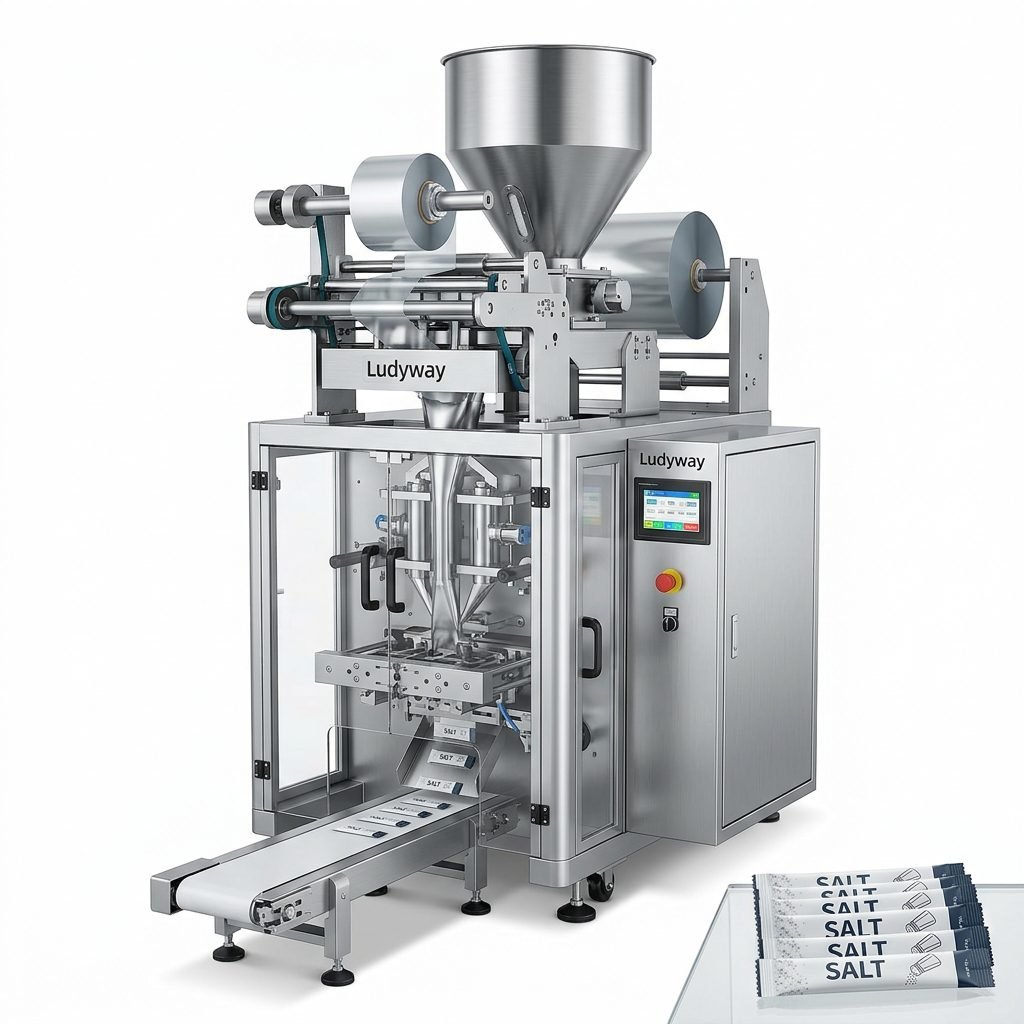
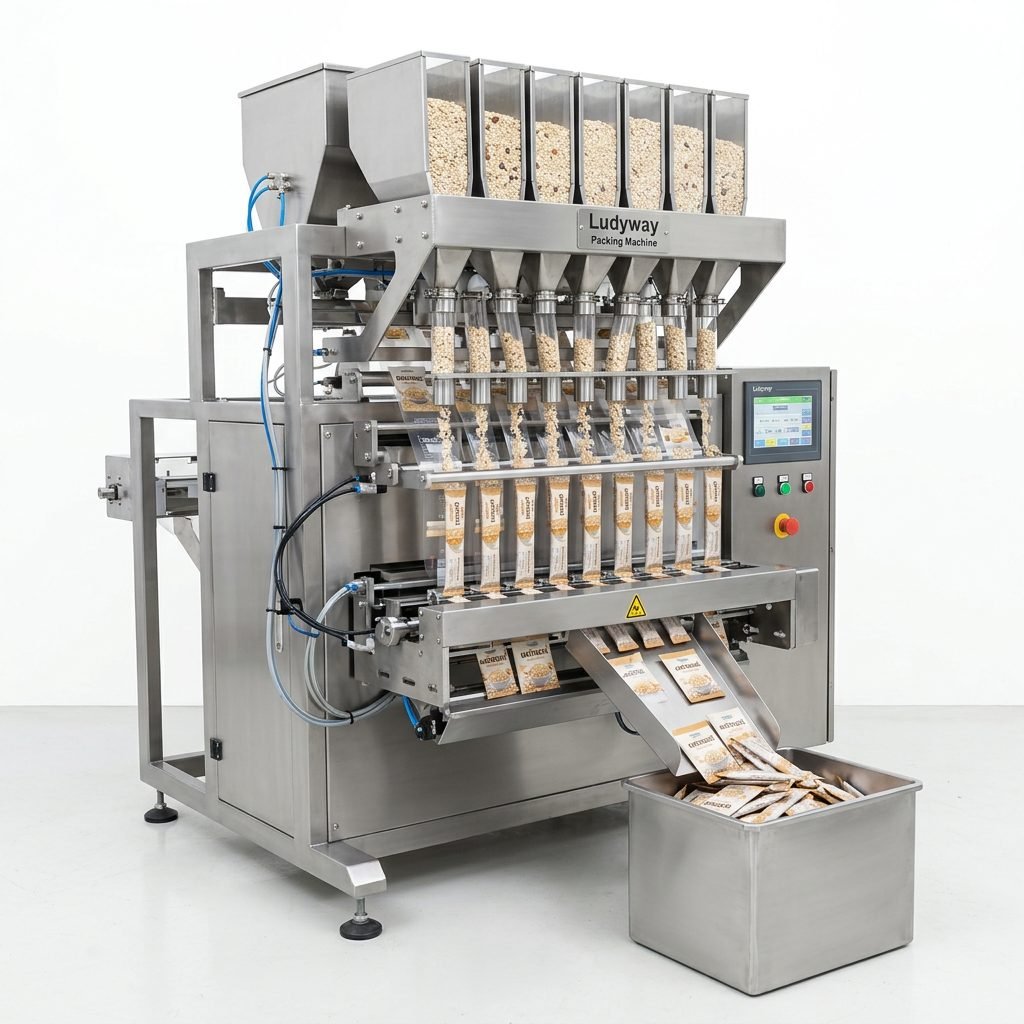
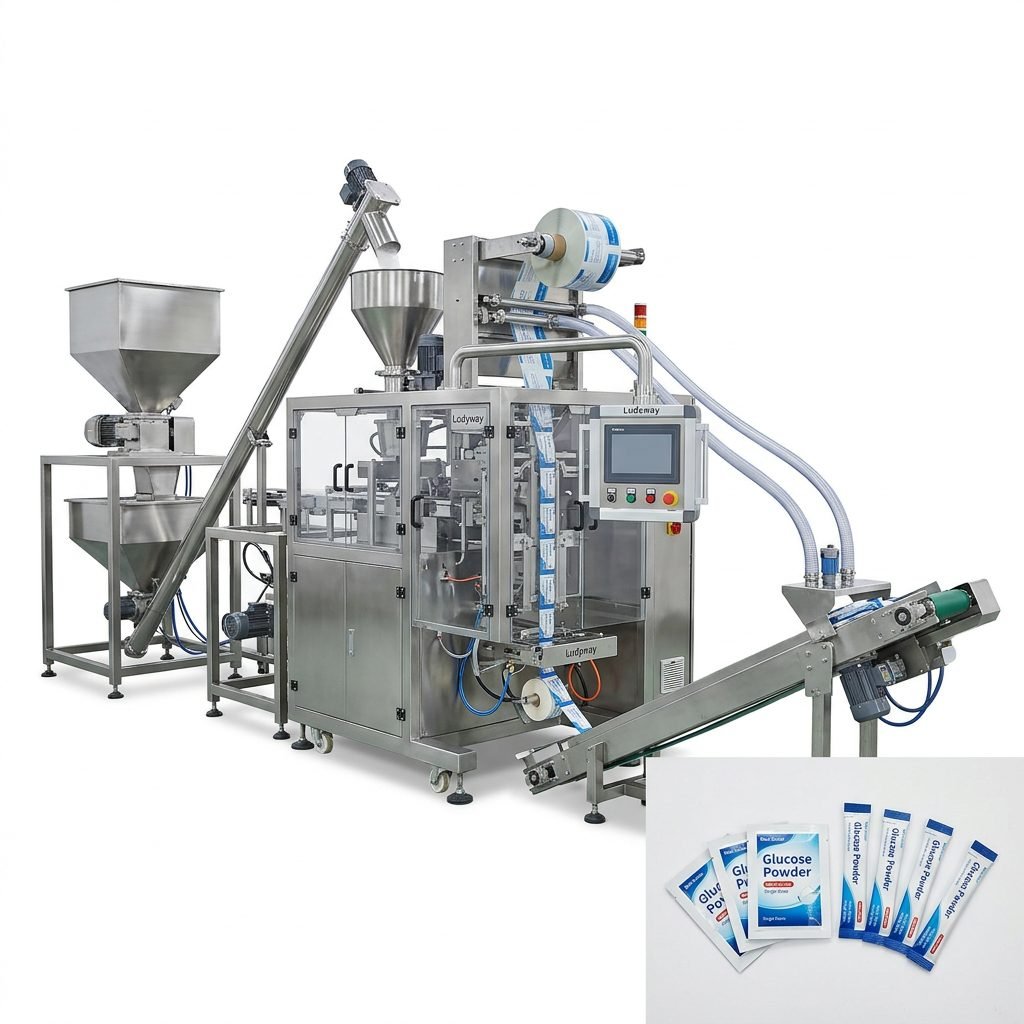
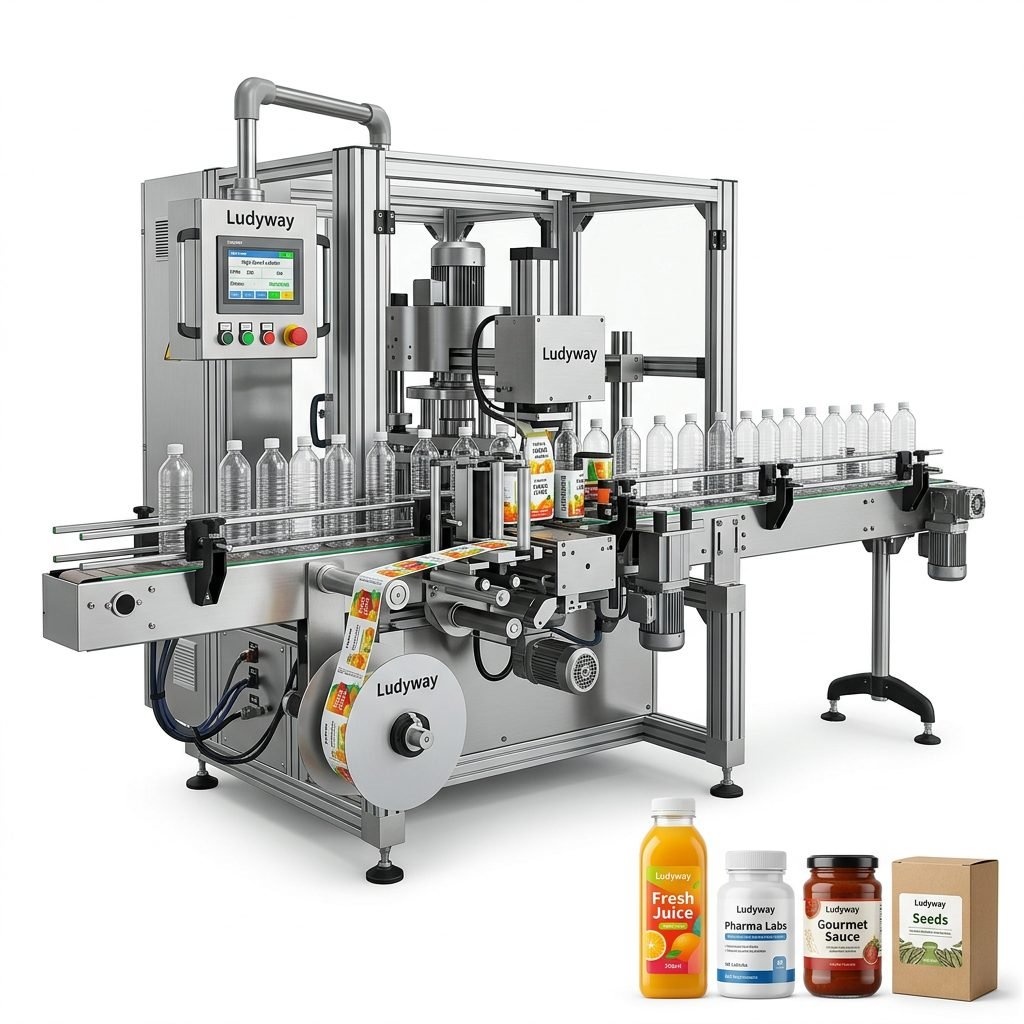
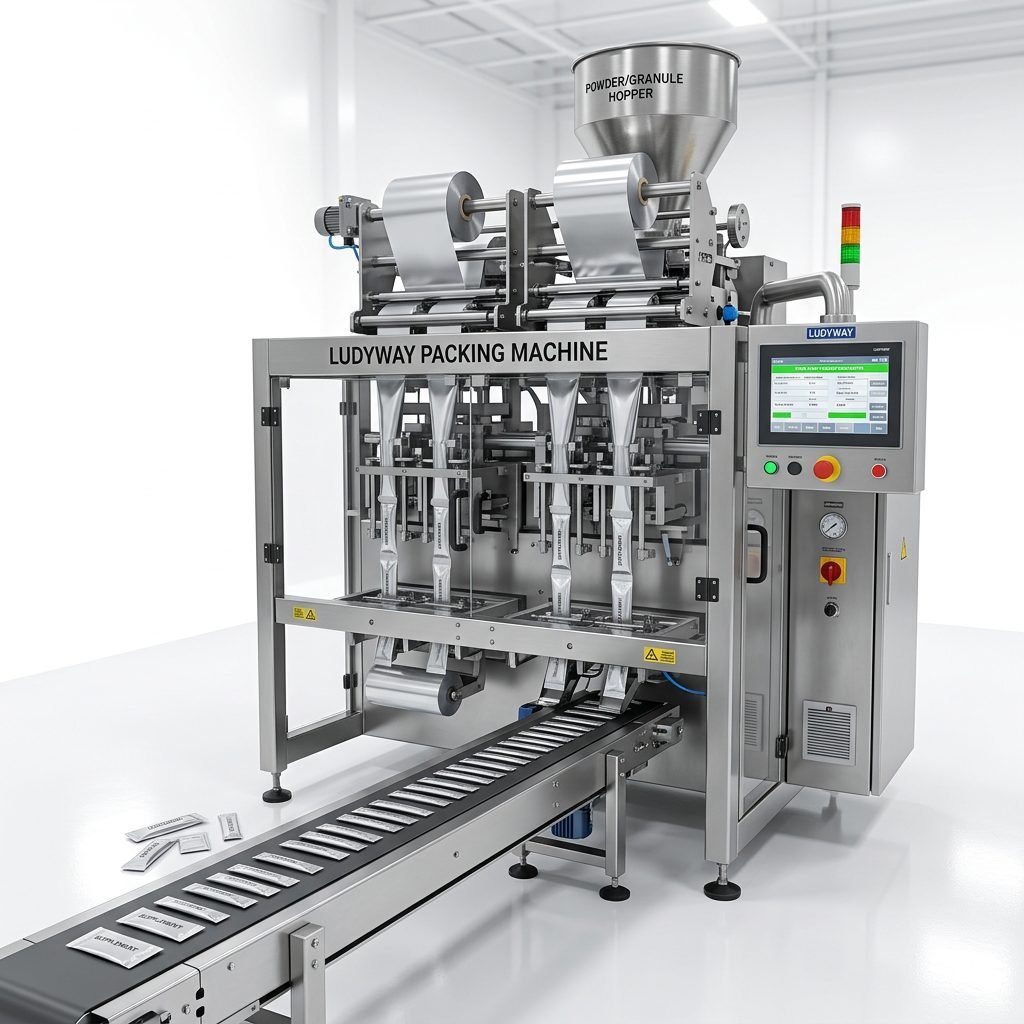
Keeping your Scaber packing machine in peak condition is the most effective way to ensure consistent output, reduce downtime, and extend the lifespan of your investment. While these machines are built for durability, daily wear from granules, powders, and environmental factors demands a structured maintenance routine. This guide provides actionable cleaning and upkeep strategies to help your operation run smoothly.
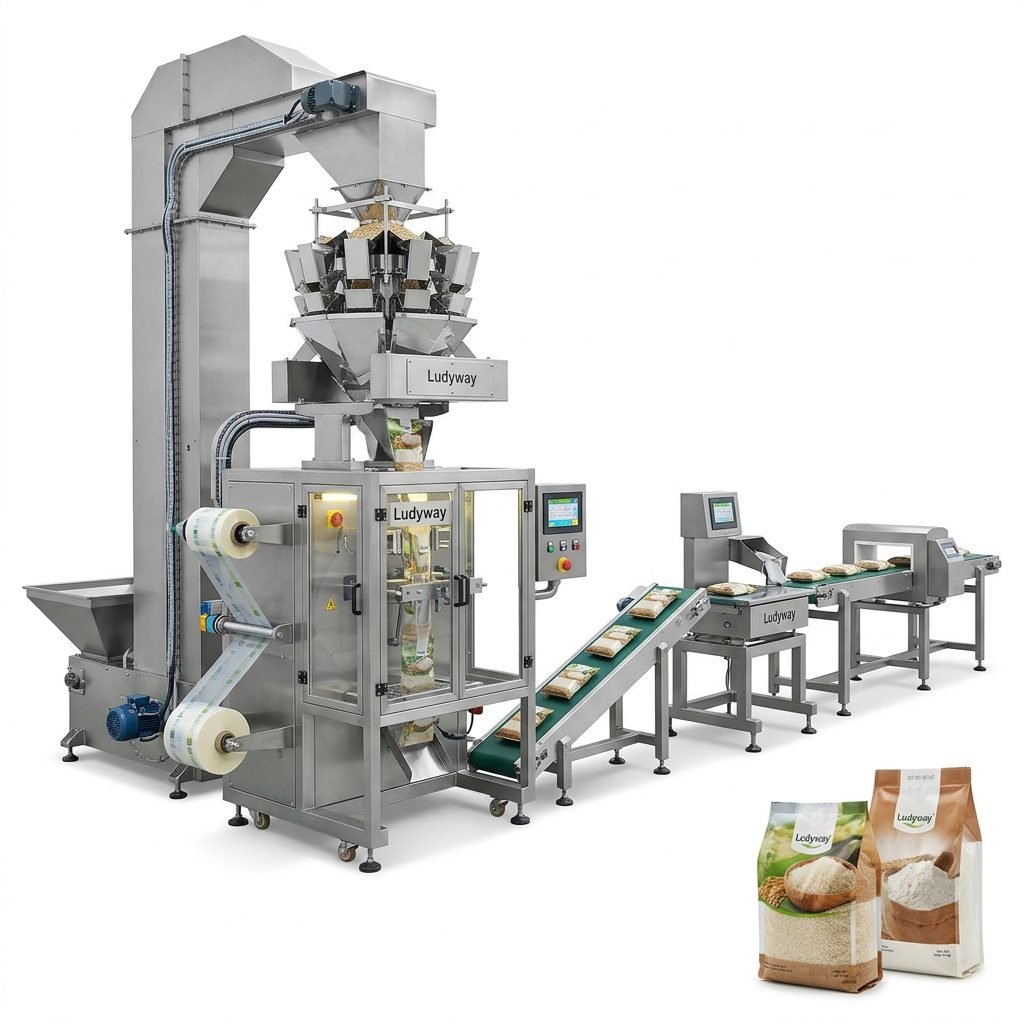
1. Why Regular Maintenance Matters
Neglecting routine care can lead to inaccurate fills, seal failures, and costly emergency repairs. A well-maintained packing machine delivers:
- Consistent seal integrity for product freshness and safety
- Reduced material waste from misaligned cuts or overfills
- Extended component life for sealing jaws, belts, and sensors
- Compliance readiness for food, pharmaceutical, and health industry audits
2. Daily Cleaning Checklist for Your Scaber Packing Machine
End each production shift with these essential tasks. Consistent daily cleaning prevents residue buildup that can affect the packaging machine‘s precision.
External Surfaces and Touchpoints
- Wipe down all exterior panels with a dry microfiber cloth to remove dust and loose particles
- Clean the control panel and touchscreen with an approved electronics cleaner
- Inspect the emergency stop buttons for debris or sticky residue
Film Path and Forming Area
- Remove any film scraps or material remnants from the forming tube and collar
- Blow compressed air through the film tracking area to dislodge fine dust
- Check the film rollers for adhesive buildup and clean with isopropyl alcohol if needed
Sealing Jaw Maintenance
- Inspect the heated sealing jaws for carbonized residue while the machine is cool
- Use a brass brush to gently remove any polymer deposits without scratching the surface
- Verify jaw alignment and parallelism after cleaning

3. Weekly Preventive Maintenance Tasks
Dedicate time each week for deeper inspections and adjustments to catch problems before they escalate.
| Component | Weekly Task | Key Check Point |
|---|---|---|
| Sealing Jaws | Deep clean and temperature calibration | Thermocouple accuracy ±2°C |
| Belts and Chains | Tension adjustment and lubrication | No visible sag or excessive wear |
| Sensors | Clean lenses and test response | Immediate trigger on test flag |
| Pneumatic System | Drain water trap, check fittings | No hissing sounds at connections |
| Cutting Blades | Inspect sharpness and clean | Clean cut, no fraying on film edge |

4. Monthly Deep Maintenance Routine
Monthly procedures focus on critical systems that require more downtime. Schedule these during planned production pauses.
Electrical and Control Systems
- Open the electrical cabinet and carefully vacuum any accumulated dust using anti-static equipment
- Tighten all terminal connections to prevent intermittent faults
- Test all safety interlocks and emergency stop circuits
Lubrication Schedule
- Apply food-grade grease to all Zerk fittings on the main drive shaft and cam assemblies
- Lubricate linear guide rails with the manufacturer-recommended oil
- Inspect gearbox oil levels and top up or replace according to the service manual
Film Registration and Tension
- Calibrate the eye mark registration sensor for accurate film positioning
- Adjust dancer arm tension to prevent film stretching or slack
- Replace worn rubber rollers that may cause film tracking drift
5. Common Scaber Packing Machine Issues and Solutions
Understanding typical problems helps operators respond quickly without escalating to major repairs.
| Issue | Possible Cause | Recommended Action |
|---|---|---|
| Weak or incomplete seals | Low jaw temperature or pressure | Verify settings, clean jaw surface, check air pressure |
| Film tracking off-center | Misaligned rollers or incorrect tension | Realign film path, adjust web guide, inspect rollers |
| Inconsistent fill weight | Product bridging or auger wear | Check hopper flow, recalibrate scale, inspect auger |
| Machine vibration noise | Loose fasteners or worn bearings | Tighten bolts, replace bearings, check alignment |
6. Sensor and Electronic Component Care
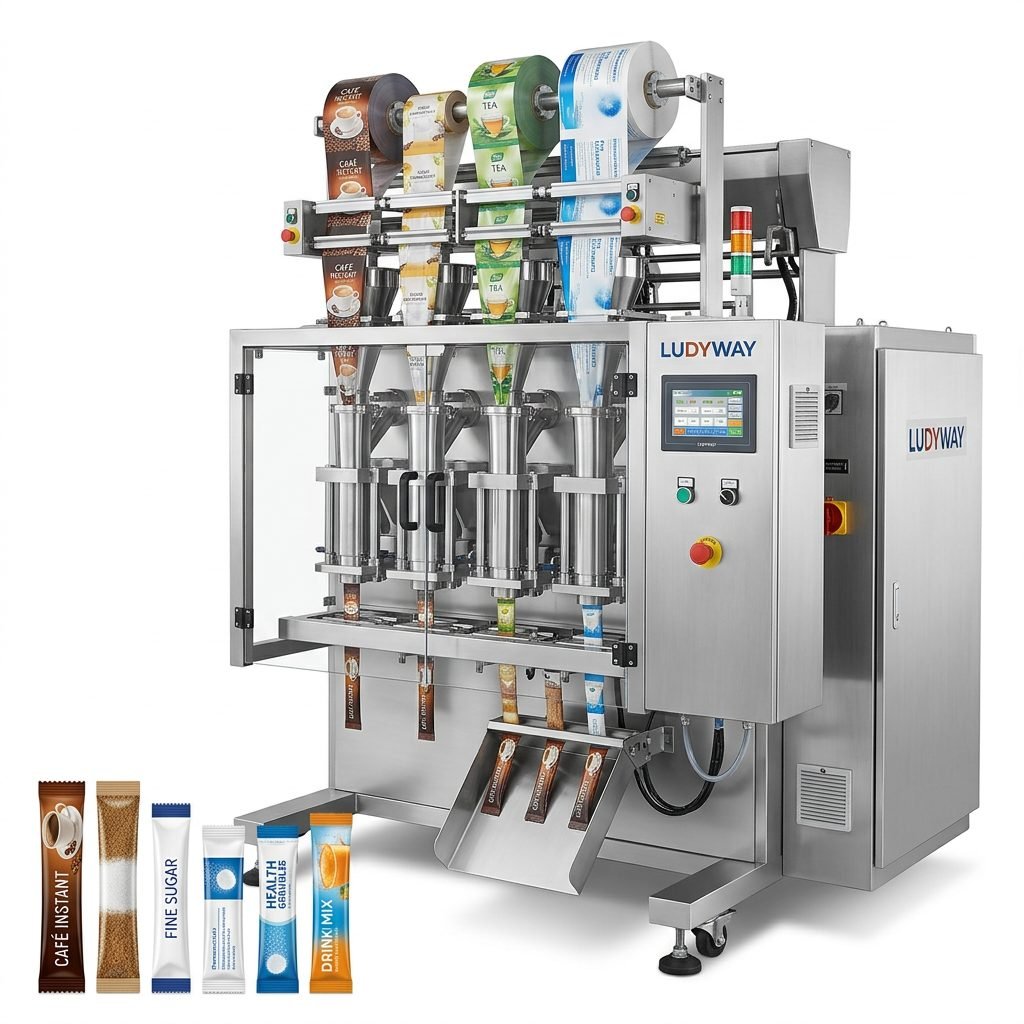
Modern Scaber packing machines rely on precision sensors for accurate operation. Follow these sensor maintenance guidelines:
- Photoelectric sensors: Clean lenses weekly with a lint-free cloth and verify beam alignment
- Proximity sensors: Check mounting brackets for looseness and clean metal sensing faces
- Thermocouples: Inspect wiring connections and compare readings against a calibrated reference thermometer quarterly
- Load cells: Remove any product buildup from weigh buckets and perform auto-zero calibration monthly
7. Best Practices for Cleaning Agents and Tools
Using the wrong cleaning products can damage your equipment. Follow these recommendations:
- Use only manufacturer-approved solvents on sealing surfaces to avoid chemical corrosion
- Avoid abrasive pads on polished surfaces; use microfiber or soft bristle brushes instead
- Keep a dedicated tool kit with brass brushes, plastic scrapers, and lint-free wipes near the machine
- Never spray liquid cleaners directly onto electrical components; apply to cloth first
8. Spare Parts Inventory Management
Minimize production delays by keeping critical spare components on hand. Stock the following:
- Sealing jaw sets and heating elements
- Cutting blades and knife assemblies
- Drive belts and timing belts
- Common sensor types used in your model
- Pneumatic seals, O-rings, and cylinder rebuild kits
- Film rollers and forming tube components

9. Professional Service and Support Considerations
While routine maintenance can be handled in-house, periodic professional inspection adds significant value. Experienced technicians can identify subtle wear patterns, recalibrate complex multi-lane systems, and update firmware that operators may overlook. For operations running high-speed multi-lane stick pack or sachet packaging systems, scheduling an annual service visit from qualified engineers ensures your equipment continues performing at factory specifications. Companies like Ludyway, a major packaging machine manufacturer with over 30 years of industry experience and a 20,000㎡ production facility, provide comprehensive support for businesses in over 100 countries, helping maintain optimal machine performance and uptime through professional technical assistance tailored to granule, powder, liquid, and pouch applications.
10. Documentation and Maintenance Logs
Tracking maintenance activities creates accountability and helps predict component replacement cycles. Record the following:
- Date and time of each maintenance session
- Technician name responsible for the work
- Tasks performed and any parts replaced
- Observations about unusual wear or pending issues
- Calibration values before and after adjustments
11. Safety Protocols During Maintenance
Always prioritize operator safety when servicing your packing equipment:
- Lockout/tagout the machine before any internal cleaning or repair
- Allow heated components to cool completely before handling
- Wear appropriate personal protective equipment including cut-resistant gloves
- Verify all guards are reinstalled before restarting the machine
- Conduct a post-maintenance test run at low speed before returning to full production
For additional industry resources and packaging machinery standards, refer to the following authoritative links:
- PMMI Packaging Industry Resources
- Flexible Packaging Association Industry Data
- FDA Food Packaging and Food Contact Substances
- ISO Packaging Standards

A disciplined approach to Scaber packing machine maintenance directly impacts your bottom line. By following daily, weekly, and monthly routines, keeping critical spares available, and documenting all service activities, you can significantly reduce unexpected downtime and maintain consistent packaging quality. Integrate these practices into your standard operating procedures and empower your team with the knowledge and tools they need to keep production running efficiently.